
By Randy Malmstrom
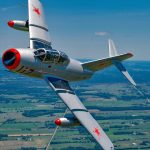
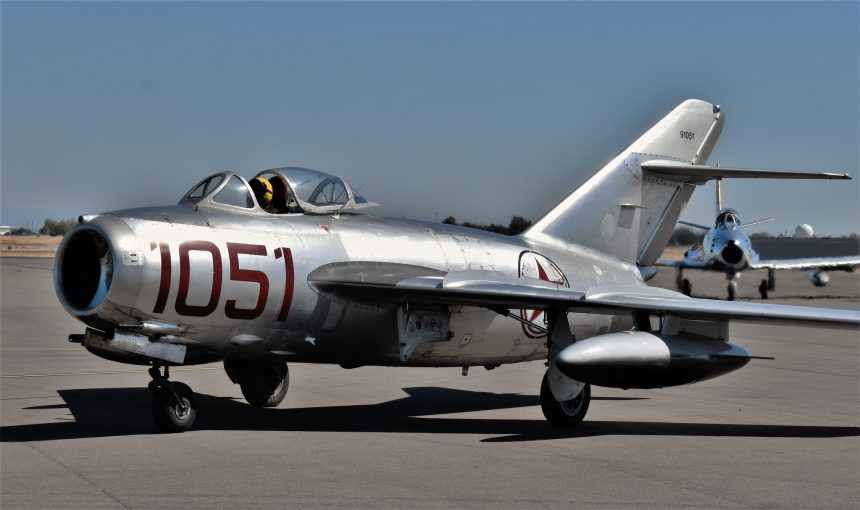
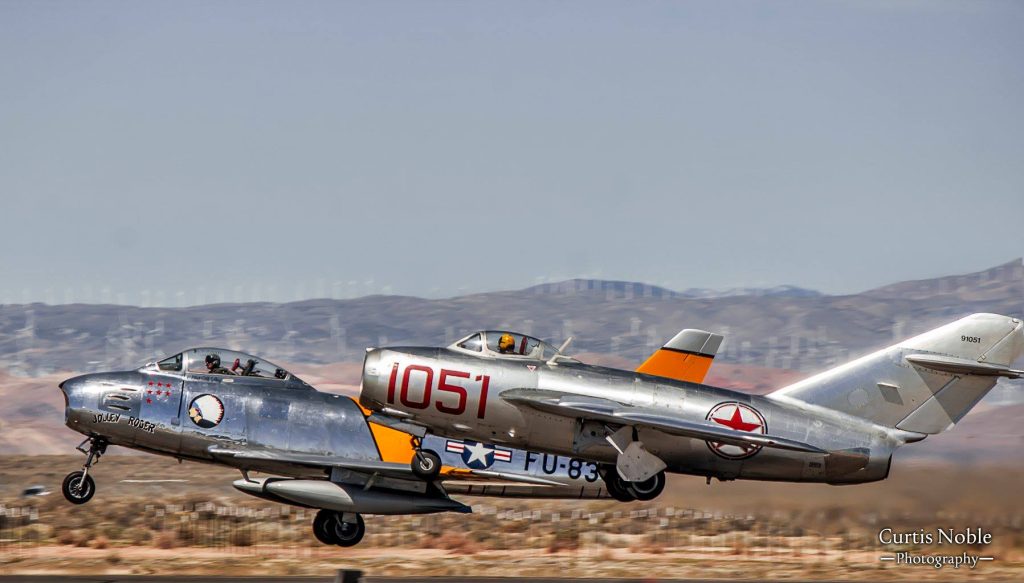
Since his childhood, Randy Malmstrom has had a passion for aviation history and historic military aircraft in particular. He has a particular penchant for documenting specific airframes with a highly detailed series of walk-around images and an in-depth exploration of their history, which have proved to be popular with many of those who have seen them, and we thought our readers would be equally fascinated too. This installment of Randy’s Warbird Profiles takes a look at the Planes of Fame MiG-15bis NX87CN.
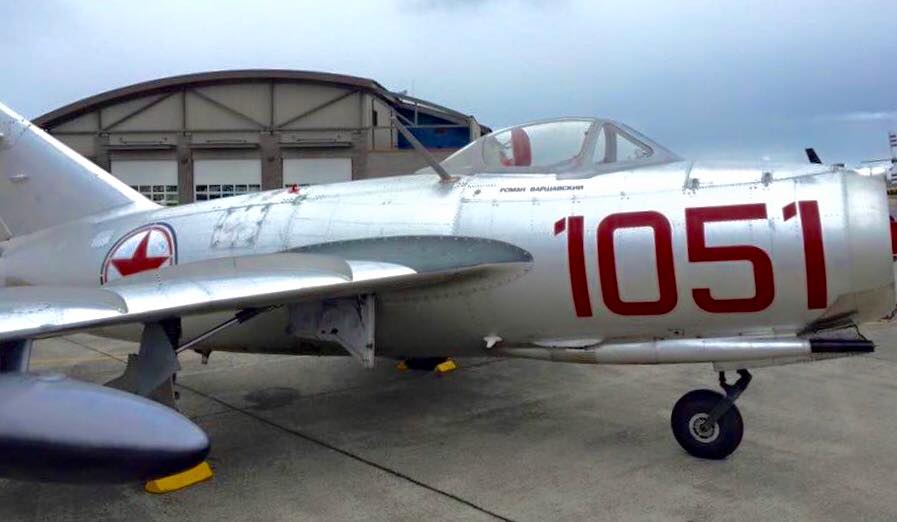
The MiG-15 was designed by German and Russian engineers and the prototype appeared in 1947 and went into production one year later. The aircraft powerplant was a single Klimov VK-1 turbojet, essentially a highly modified Rolls-Royce Nene II, as the Soviet Union had secured a license to produce them.
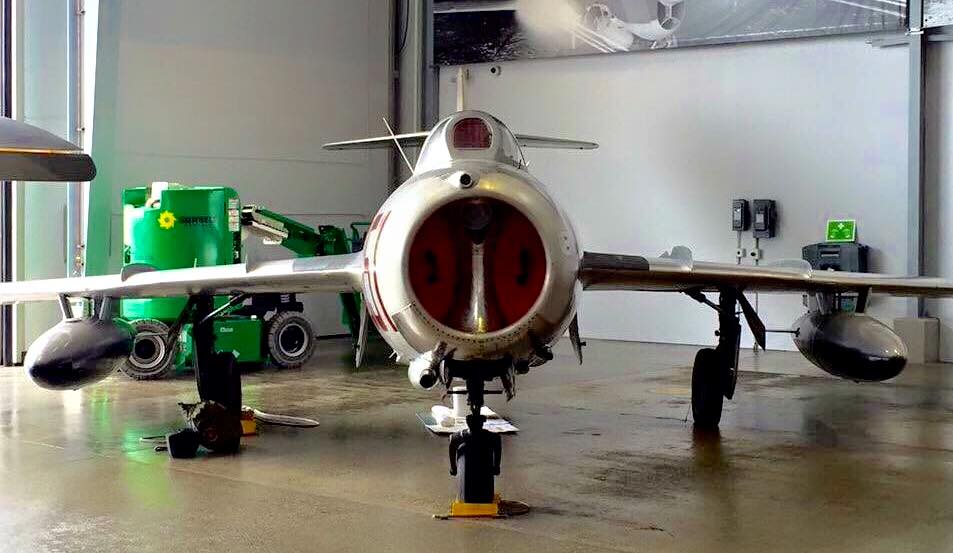
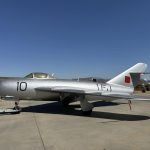
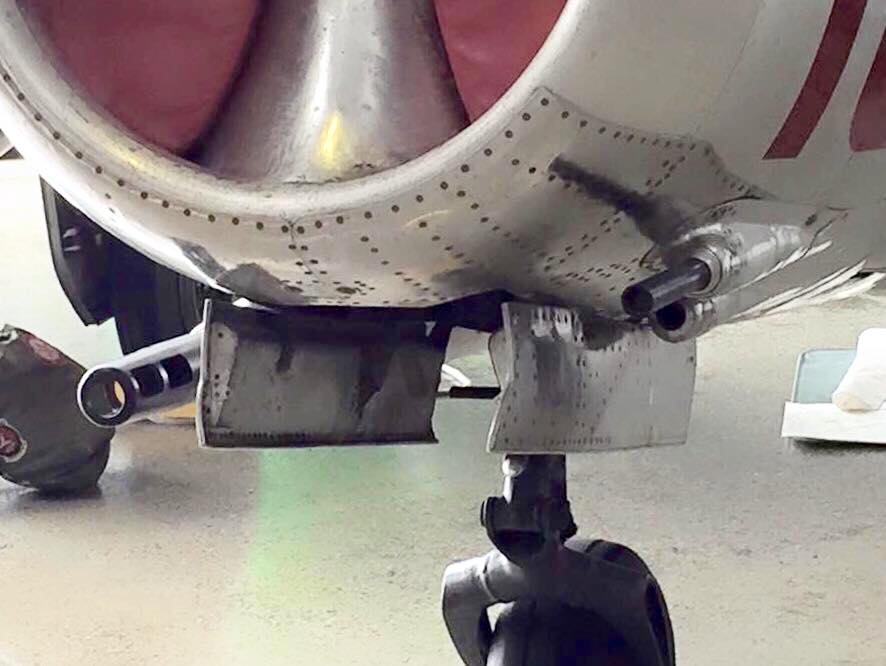
The MiG-15bis has, among other modifications beyond the upgraded engine, a headlight in the air intake separator and has horizontal top surface air brakes. Armament: two Nudelman-Rikhter NR-23 23 mm cannons mounted in the lower left fuselage and one 37 mm Nudelman-Rikhter NL-37D cannon in the lower right fuselage, and could carry 100 kg. of bombs, droop tanks or unguided rockets under the wings. It has mechanical landing gear indicated rods poking through the top surfaces of the wings and the top of the fuselage in front of the windscreen.
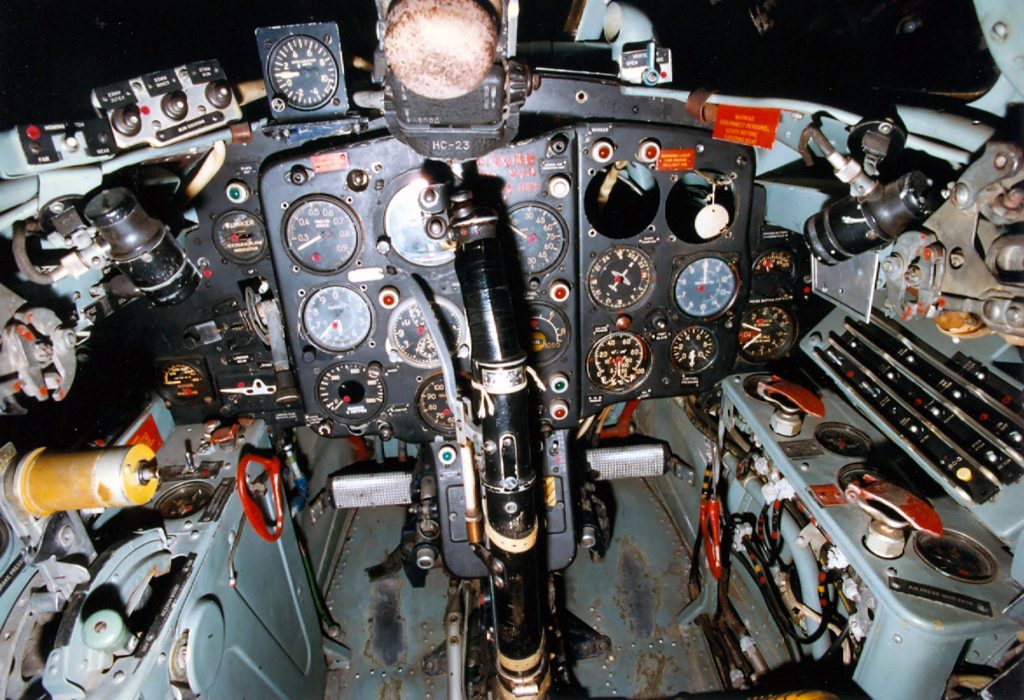
The aircraft type was given NATO reporting name “Fagot-B” (originally designated “Falcon” but the “Fagot” is in reference an old term for a bundle of sticks tightly bound together), NATO having designated new Soviet fighters with names starting with “F”. The MiG-15UTI trainer, NATO code name “Midget”, is still in limited use.
This particular aircraft is painted in the markings of the Korean People’s Army Air Force — perhaps from either the 8th or the 60th Air Fighter Wing — and is flown by Planes of Fame. It is perhaps the sole MiG-15bis still flying.
About the author
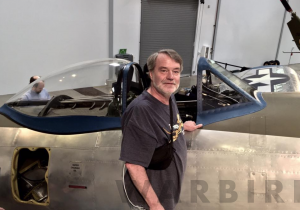 Randy Malmstrom grew up in a family steeped in aviation culture. His father, Bob, was still a cadet in training with the USAAF at the end of WWII, but did serve in Germany during the U.S. occupation in the immediate post-war period, where he had the opportunity to fly in a wide variety of types which flew in WWII. After returning to the States, Bob became a multi-engine aircraft sales manager and as such flew a wide variety of aircraft; Randy frequently accompanied him on these flights. Furthermore, Randy’s cousin, Einar Axel Malmstrom flew P-47 Thunderbolts with the 356th FG from RAF Martlesham Heath. He was commanding this unit at the time he was shot down over France on April 24th, 1944, spending the rest of the war as a prisoner of war. Following his repatriation at war’s end, Einar continued his military service, attaining the rank of Colonel. He was serving as Deputy Wing Commander of the 407th Strategic Fighter Wing at Great Falls AFB, MT at the time of his death in a T-33 training accident on August 21, 1954. The base was renamed in his honor in October 1955 and continues to serve in the present USAF as home to the 341st Missile Wing. Randy’s innate interest in history in general, and aviation history in particular, plus his educational background and passion for WWII warbirds, led him down his current path of capturing detailed aircraft walk-around photos and in-depth airframe histories, recording a precise description of a particular aircraft in all aspects.