







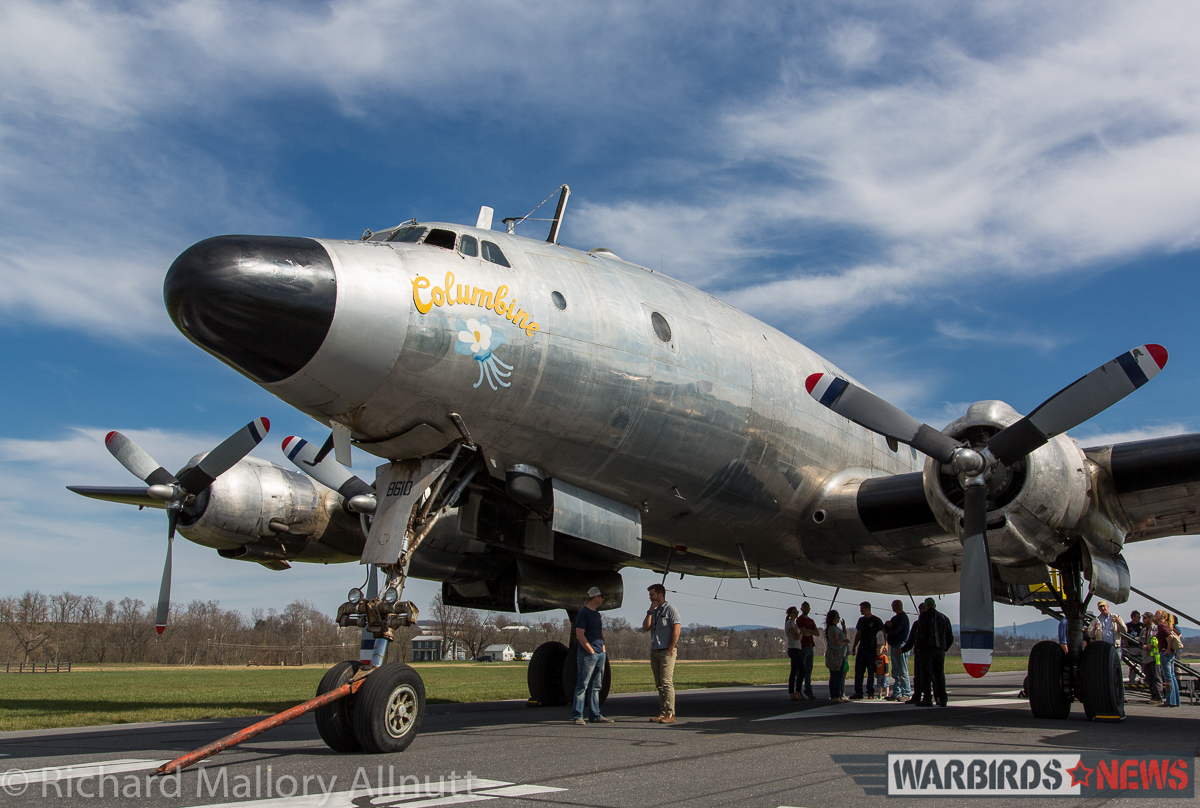
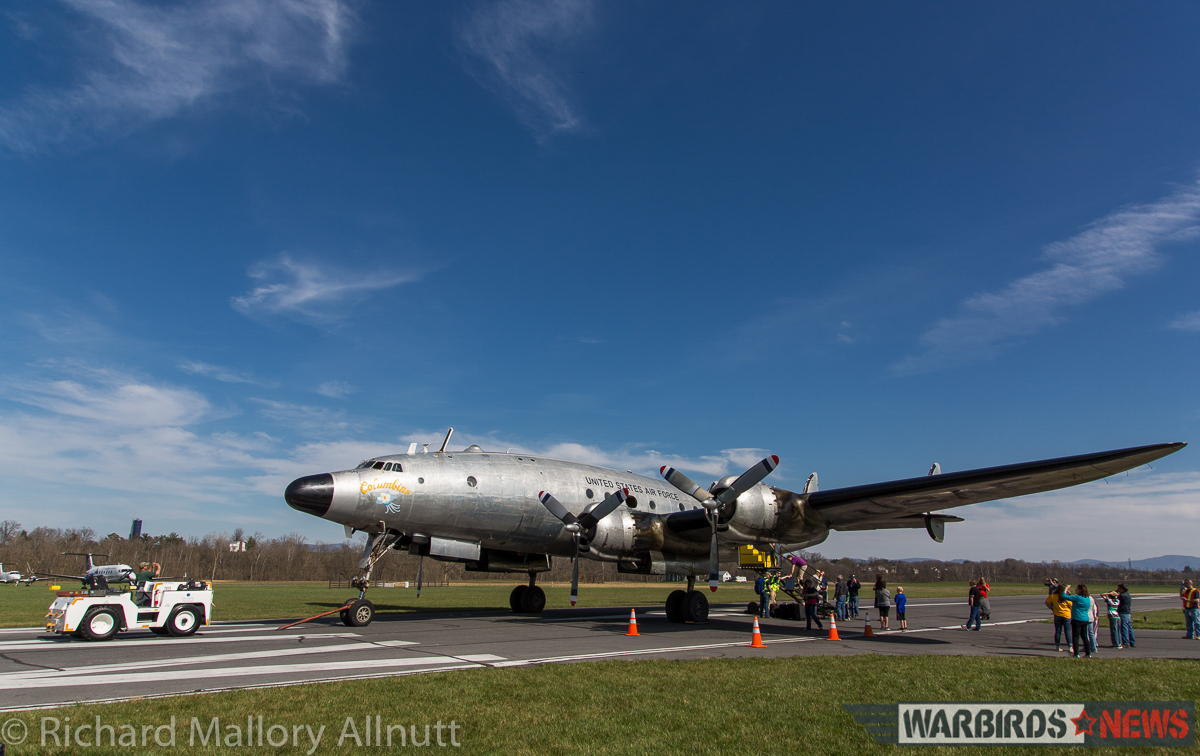
Following an epic, year-long maintenance effort in Marana, Arizona, Dynamic Aviation has successfully flown their Lockheed VC-121A Constellation Columbine II to her new home, in bucolic Bridgewater, Virginia. President Eisenhower’s former transport, and the first to use the callsign “Air Force One”, arrived amid much fanfare at Dynamic Aviation’s main base of operations a little after 2pm local time, following a four-hour flight from Mount Pleasant, Texas. Strong tail winds brought the Connie in half an hour earlier than expected, and the silver bird circled gracefully over the small airfield a couple of times before touching down gently on the narrow runway.
(Amazing video of the landing below from cutter-pilot82 on YouTube)
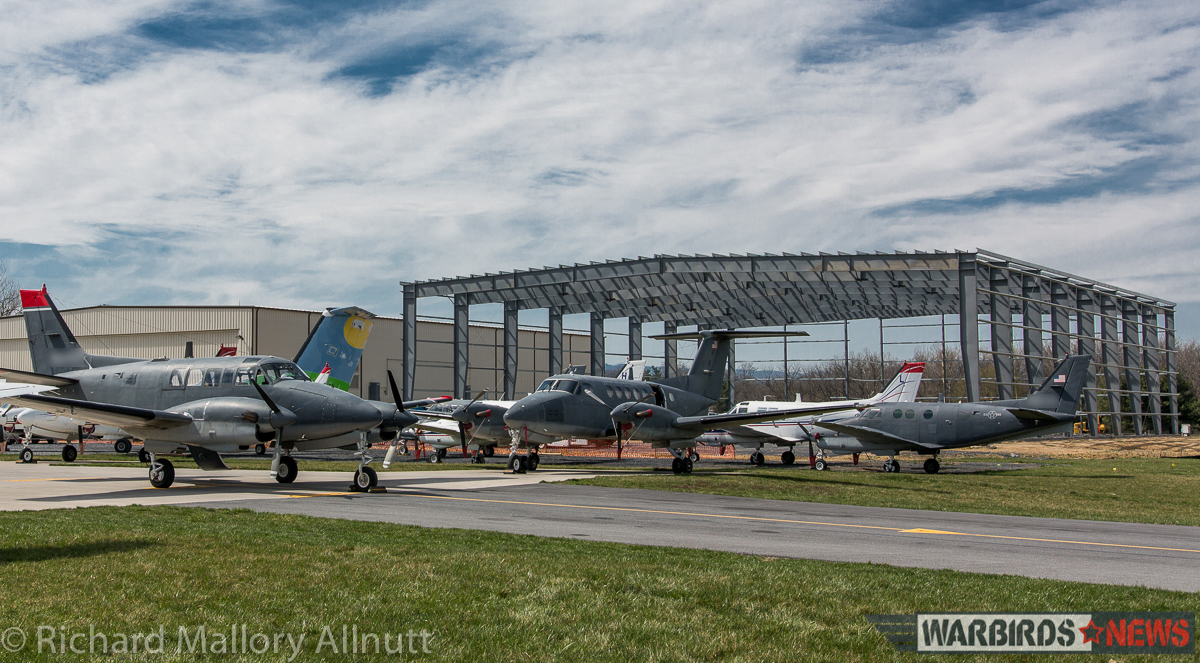
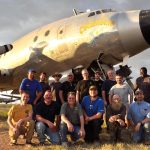
Several hundred people welcomed her home, and a couple of television news teams were also on site to interview the main players. Because it was a ferry-flight, only essential personnel were aboard the VC-121, and these included pilot Lockie Christler, Bob Woodward, Tim Coons and Scott McDonald in the cockpit, with mechanics Brian Miklos and Rocco Minich in support. Dynamic Aviation’s founder, and chief driving force behind the endeavor, Karl Stoltzfus flew the Beech King Air chase plane on the journey.
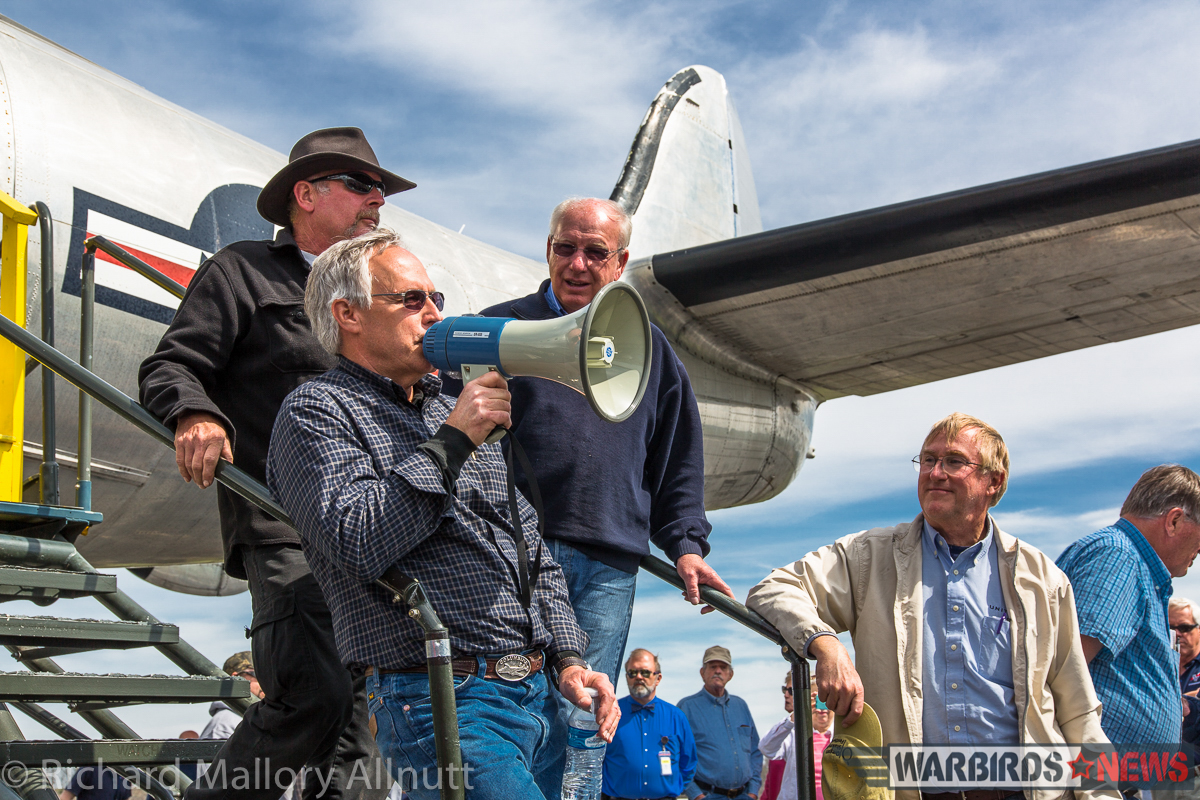
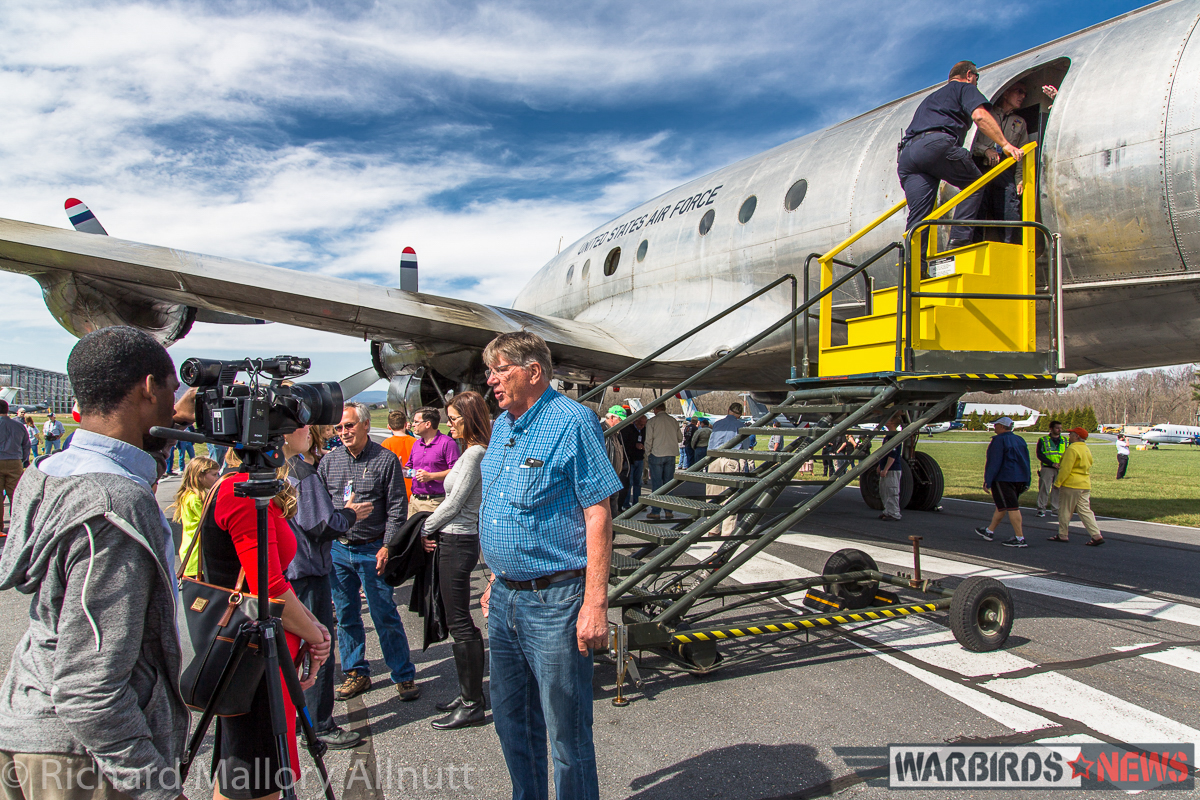
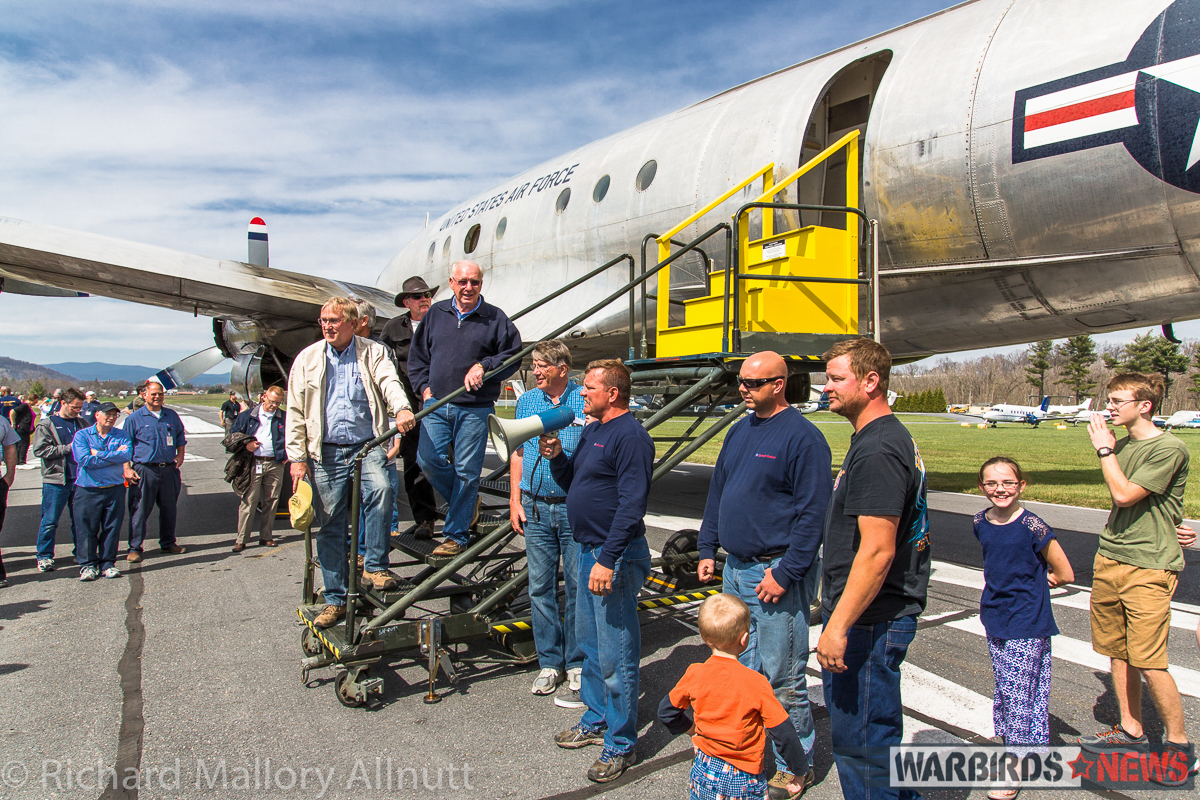
Interestingly, Christler was part owner of Columbine II prior to Dynamic Aviation’s purchase. In conversation, Christler related that his father, Mel, bought the VC-121 as military surplus, along with four other examples, from the aircraft boneyard beside Davis-Monthan Air Force Base in Tucson, Arizona back in May, 1970. They rebuilt four of the Connies for agricultural use, installing hoppers in the fuselage and taking the planes all over North America and even the Caribbean on spraying operations. After years of flying such tasks with his father, Lockie Christler is himself a highly experienced multi-engine pilot. While he has only 500 hours or so in Constellations, he did add that most of that time was at just 200 feet! One can only imagine the sight and sound of an aircraft the size of a Connie roaring over the countryside at that altitude… but to see four of them in close formation, as happened on one particular spraying operation in Washington State… now that would have been other-worldly!
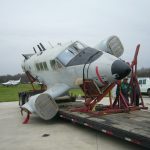
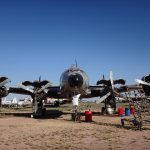
Christler’s company never converted Columbine II into a sprayer though, as her starboard main gear had been swapped for the incorrect part from a later-generation, Lockheed 1049 Super Constellation during her time in storage at Davis-Monthan. Presumably, this was just for the convenience of keeping the aircraft upright while her original gear leg went onto another airframe, but it rendered the aircraft inoperable. This twist of fate played a major role in saving the aircraft though, as instead of carving Columbine II up for commercial use, they just used her as a parts source for maintaining the other four Connies. It wasn’t until the mid-eighties that the Christler family learned the true history of their Constellation, and this is the only reason they didn’t scrap her. They felt they had an obligation to save President Eisenhower’s aircraft, and gathered the necessary spare parts; restoring Columbine II to fly again by 1990. After two seasons on the air show circuit, they tried to find the right buyer to take her on but, for whatever reason, none were forthcoming, and she slipped back into dormancy by the early-2000s. That’s not to say she wasn’t cared for, but a desert climate, while preserving metal very well, is tough on systems, hoses, and other perishable materials. Thankfully, Karl Stoltzfus and Dynamic Aviation stepped up to the plate to resurrect this historic aircraft.
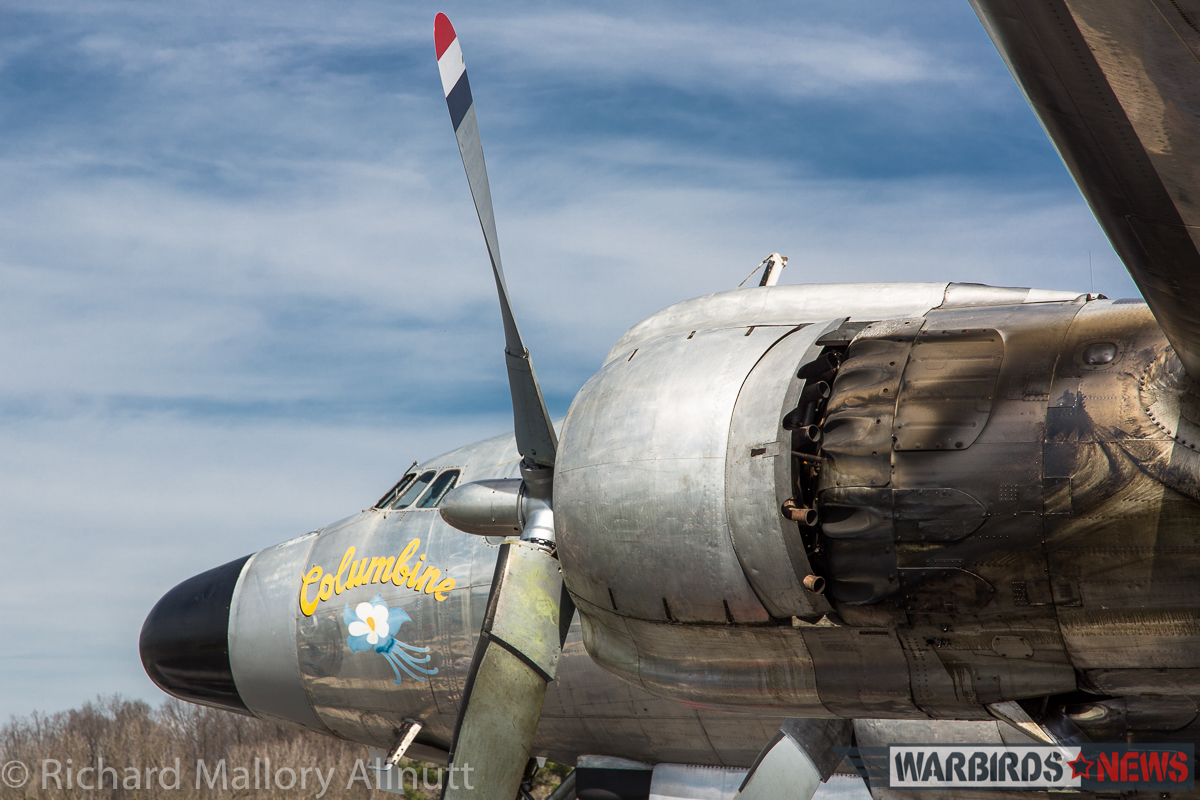
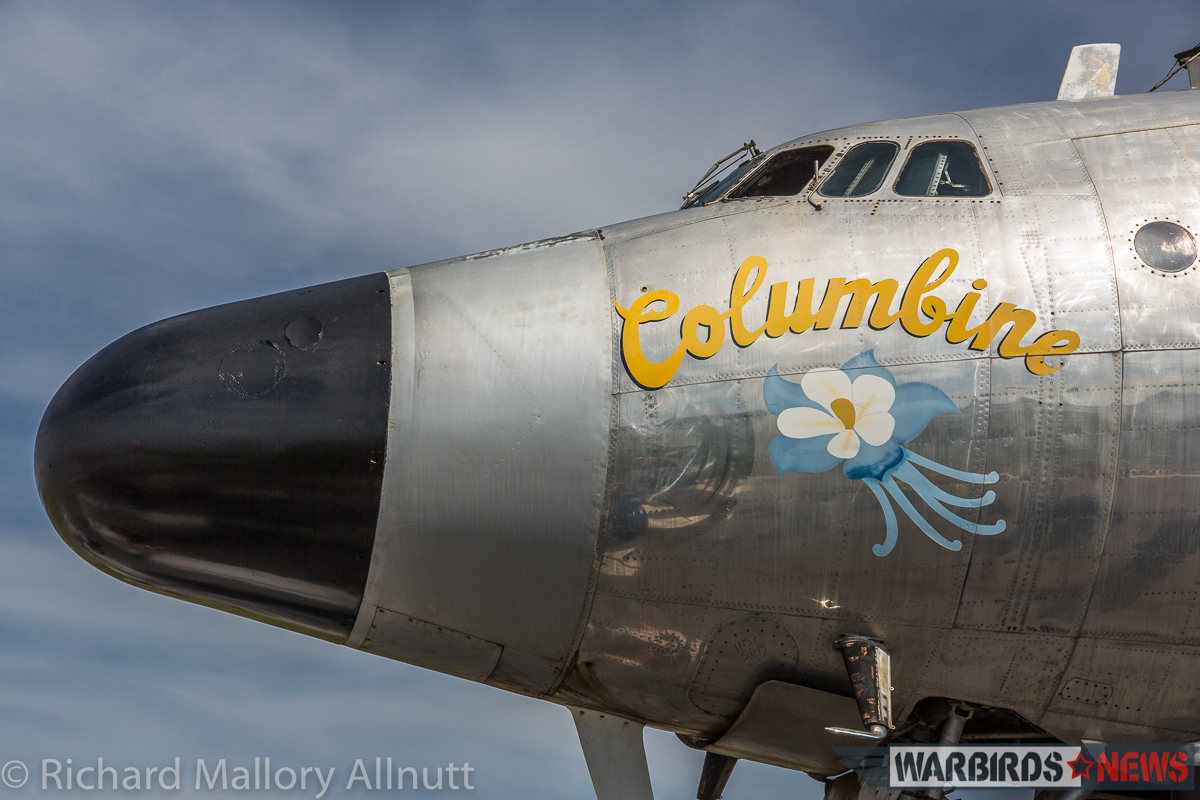
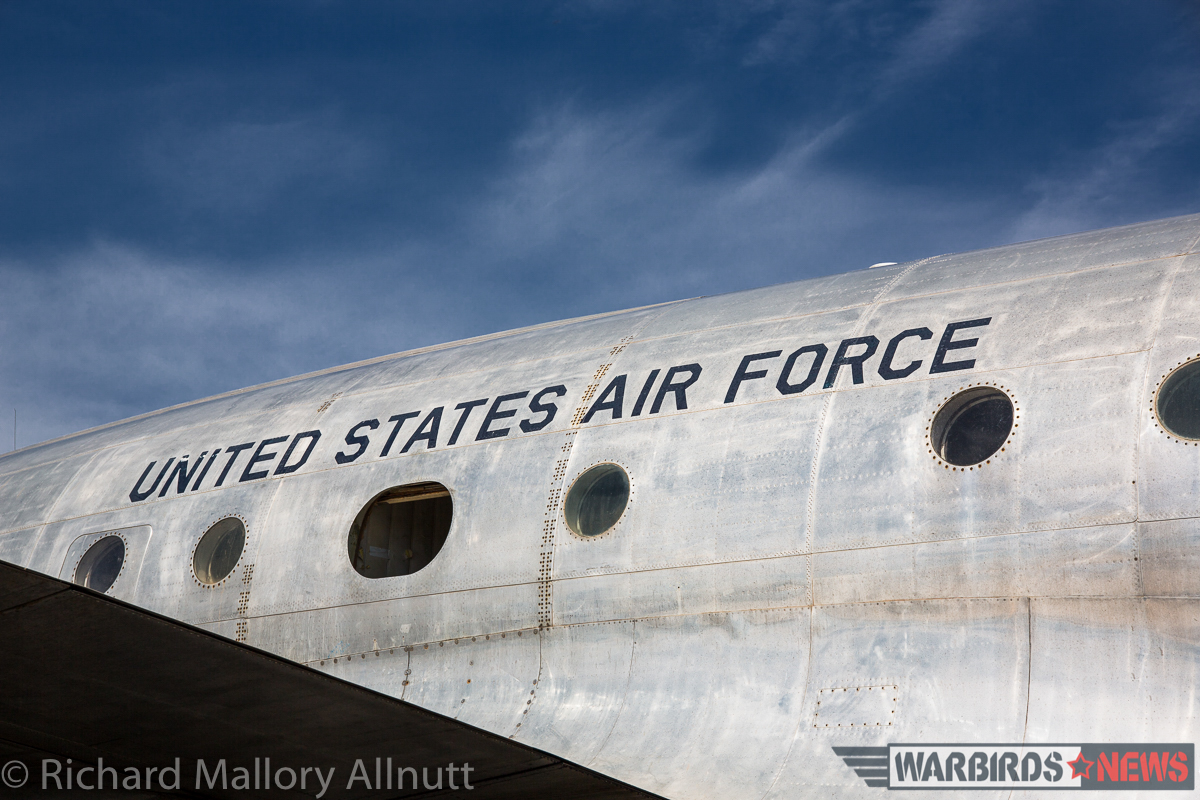
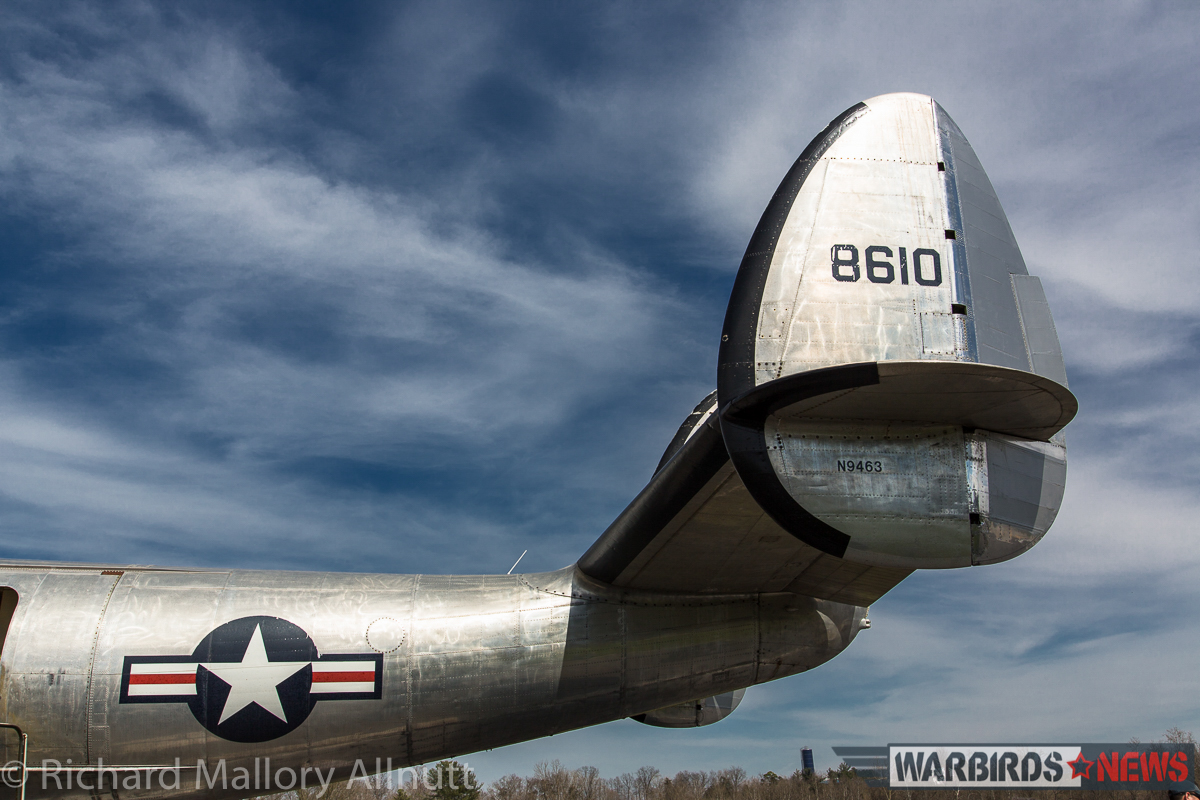
The whole endeavor is pretty amazing when one stops to think about it. It has taken the dedicated labor from several dozen people, and no insignificant amount of funds to get the aircraft to her present condition. Considering that Columbine II re-flew for the first time just three days prior to beginning her trans-continental flight, it seems almost inconceivable to see her now, ensconced safely at her new base in Bridgewater, Virginia. There were no major hiccups along the way either, barring a one-day delay in Mount Pleasant due to carburetor issues. Karl Stotlzfus flew down to San Antonio in the King Air chase plane to pick up the necessary parts, and they were ready to go again within a short space of time. Lockie Christler noted that the Constellation flew really well, especially considering she has sat idle in the desert for the past dozen years or so. Karl Stoltzfus also expressed what a huge relief it was to finally have the aircraft home, and couldn’t say enough how grateful he was to everyone who had helped get the project this far. Among those to receive special mention were his chief mechanic, Brian Miklos, and Scott Glover, president of the Mid America Flight Museum, whose volunteers were invaluable to the effort.
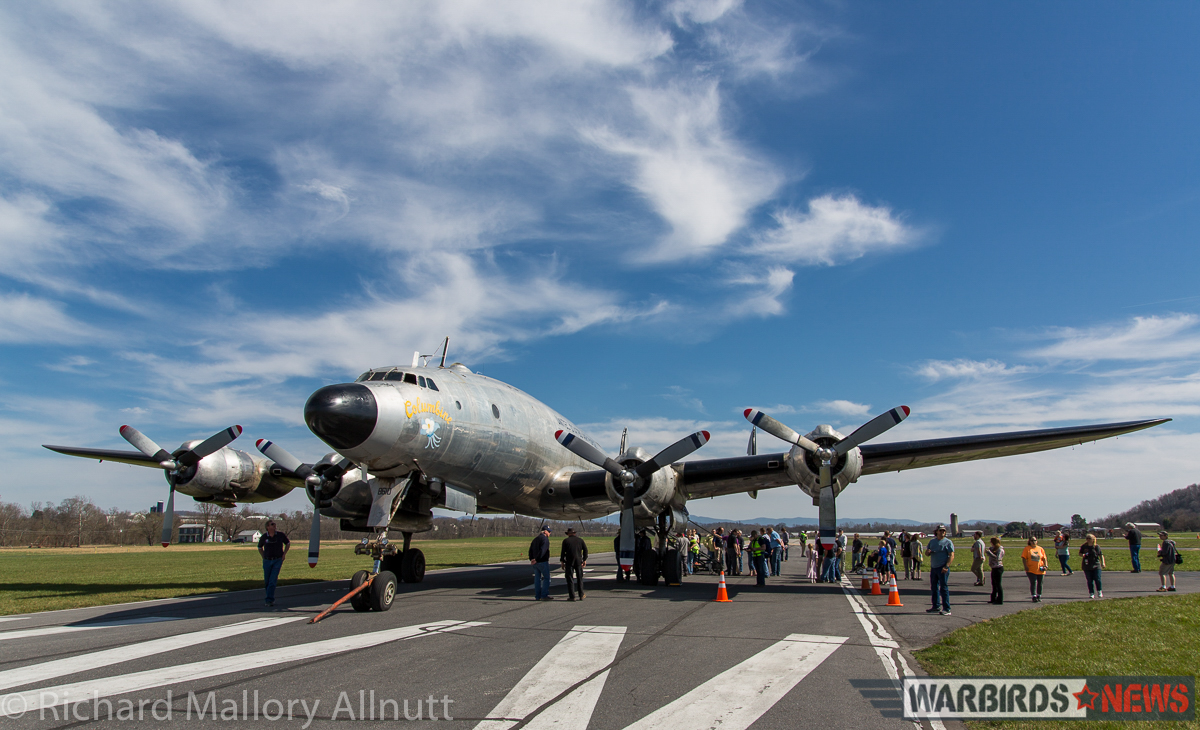
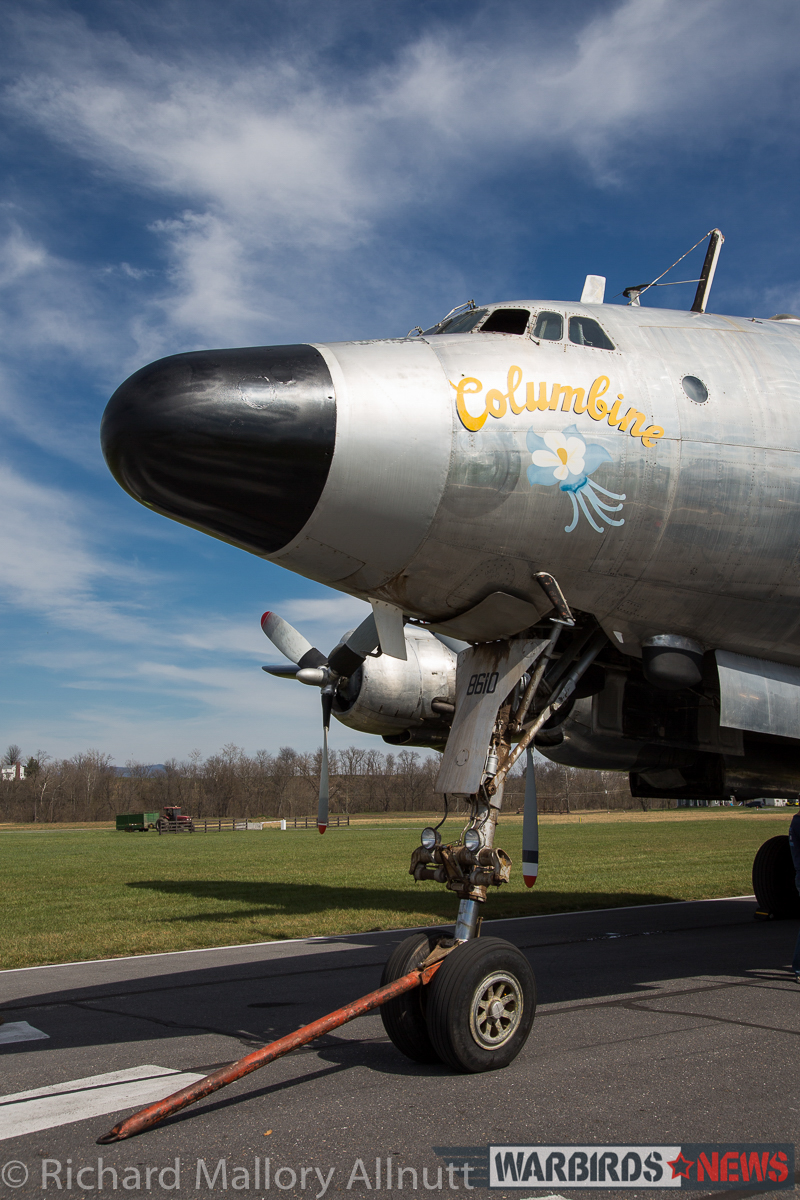
All told, the aircraft has roughly 9.5 hours on the clock following her return to airworthiness. That will most likely be all she gets before undergoing more in-depth maintenance in Bridgewater, Virginia. It is clear that Karl Stoltzfus is serious about his plans for Columbine II, as Dynamic Aviation is constructing a huge, dedicated hanger for her at the airport. The hangar’s skeletal frame is already erect, and Stoltzfus says it will be ready for Columbine II sometime this June. Stoltzfus also stated that his main focus so far has been getting the aircraft to Virginia, but she will now need a thorough refurbishment both inside and out, including a set of new engines. If all goes well, he estimates this work will take three years but, as in most restorations, it will likely take longer. When asked about what he hopes to do with the aircraft on the air show circuit, he answered that it wouldn’t just be a display aircraft. He was adamant about wanting Columbine II to serve as an educational tool. He hasn’t yet decided exactly how to accomplish this, but will be putting serious thought into the plan while the aircraft is under restoration. Given his team’s efforts thus far, it will surely be a well-conceived and executed endeavor. We at WarbirdsNews will be following the project as it develops, and look forwards to bringing you further details as they emerge. We will also strive to bring regular progress reports on the restoration as well.
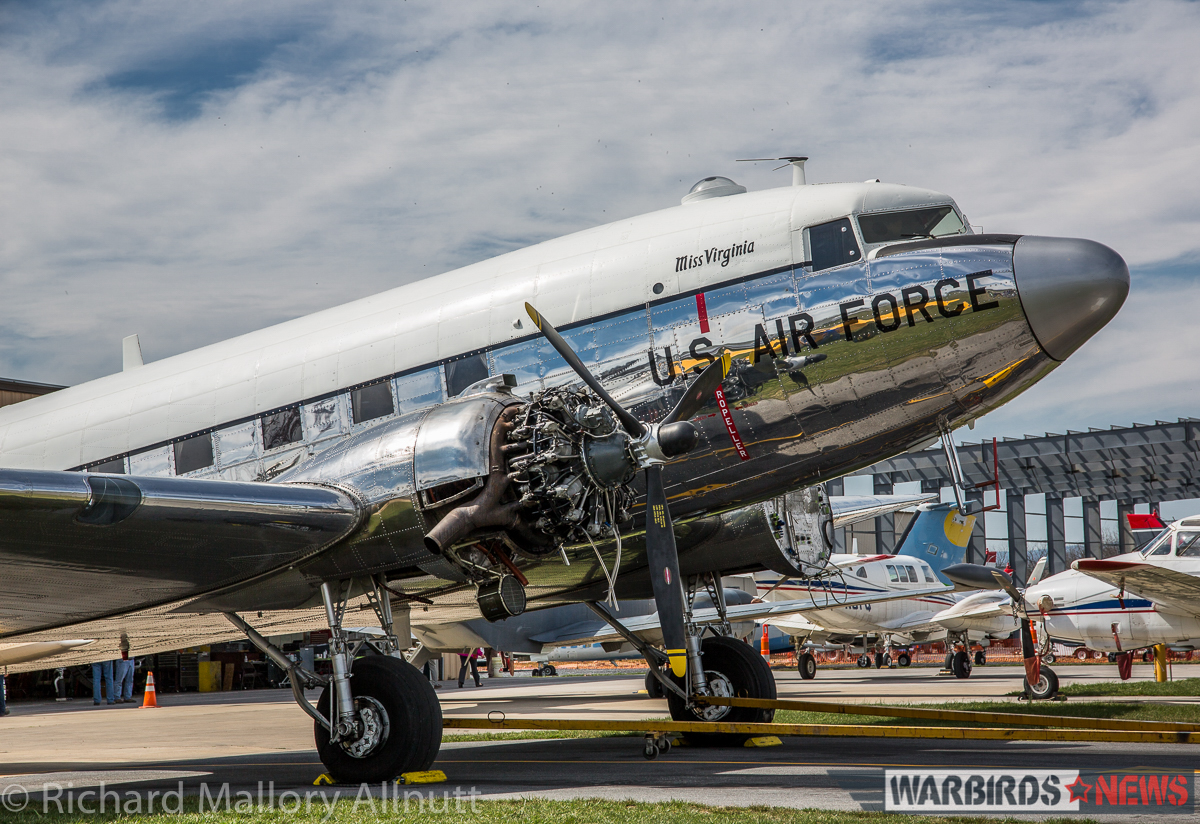
WarbirdsNews wishes to thank everyone at Dynamic Aviation, and in particular Ken Stoltzfus and Katie Dillon, for helping us with these articles over the past year, and to Karl Stoltzfus and Lockie Christler for taking the time to answer our many questions during the melee at Bridgewater following the landing. We also want to thank Zdenek Kaspar and Boneyard Safari for the wonderful images over the past couple of days too.



In 1959, my career soldier Dad got us stationed in Hawaii and the flight took about 10.5-11 hours from California. Loud inside but the seats were fairly comfortable, as memory serves. In the middle of the night, my brother Bobby cried out, “Momma, are we ever gonna get there?” Great to see that Ike’s plane has been restored to flying condition.
I saw the plane when Eisenhower visited Fort Benning in 1959.
I am proud to have been in the Honor Guard when this aircraft brought President Eisenhower to Spence AB.
Bob Fielding
Col/USAF/RET
Cadet Class 58-E
Enjoyed the story of the first AF One, the restoration, etc! Almost
all of my flight time was in single seat, single engine aircraft; Eg:
F-84s, F-100s, F-105s, etc. Sign me up for future coverage!
I retired from the Air Force in1966 at Andrews AFB, the Hvy SAM Sqdn.
The last aircraft that I flew was, as I can recall, a connie 1049, 610; from
Andrews to Amchitka to Goose Bay and return. May be Columbine II.
It will be a joy to see the great ship restored.
If you need a pilot, I volunteer; I am only 87.
Regards, Joe
Colonel, ever stationed at Itazuke when F-100’s were there?
I flew this connie 610, in the military. Its a beautiful airplane and a
pleasure to fly. Wonderful news to know it will restored.
My father flew Navy versions of the L1049 Super Constellation. Originally classified as WV2, hence the Navy nickname Willy Victor, they were reclassified in 62 as WC121. My dad flew many, but his assigned plane was sn 145932, also known as TE4. Sadly, my dad and his plane are both gone, and very nearly at the same time. The Navy scrapped TE4 in the middle 70’s and my dad passed in 74. I love Connies, no matter who flew them. I served 20 years in the Air Force myself, retiring in 1994.
Was your dad the LCDR Bob Bates that was an Aircraft Commander in VW-1. If so, I flew with him during the 1967-68 time frame as his 2P/co-pilot before upgrading to the Aircraft Commander position. We chased a lot of typhoons and did multiple deployments to Chu Lai, Viet Nam.
I had viewed a video over a year ago about this plane languishing in AZ, and I several times wondered if anything was going on with her. I am beyond pleased to see that Dynamic Aviation stepped up and she is on her way to a full restoration. Simple awesome that she was able to fly cross country to VA! Hope to see her at an air show in a few years when her full restoration is complete. She’ll be the star of the show!
Here at the Burbank Aviation Museum we have a donation of original notepaper and envelopes from Columbine 11. You have done a wonderful restoration of this Burbank built aircraft and we hope you will visit here when you can. We would like to share some of this donation with you as part of your exhibition. You can contact me at this email or visit our FB page https://www.facebook.com/BurbankAviationMuseum/
I am beyond thrilled to see Columbine II “live” again. As a former volunteer at the National Museum of the United States Air Force, I had always hoped that someday the Museum could acquire this historic aircraft for display. That being said, and for what it is worth, I wish to thank all who had a part in returning her to flight status and bringing her to Bridgewater where hopefully in time many will get to see and experience her. Well done folks!
You make America proud ! At such an important juncture in the life of our Nation. Thanks to all of you who participated.
I just know The General would have been proud. Can you imagine when he looked down and saw her flying by! WOW !
Larry
I had my very first flight on a TWA Constellation ~ I was 6 months old, so obviously no memory of that flight from Chicago to San Francisco; however, I began began flying at the University of Illinois Institute of Aviation, then Air Force flying the F-100 and F-4 followed by United Airlines. I am happy to see the first Air Force One flying again. I hope it may get to EAA Oshkosh next year. It would certainly draw interest and further contributions as needed. Thank you!