







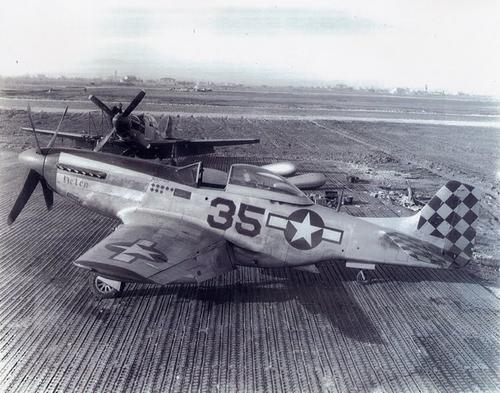
Lesina, a little town on the shores of Lake Lesina in south eastern Italy, played host to the P-51 Mustangs of the 325th Fighter Group, USAAF during the latter stages of WWII. Known as the “Checkertail Clan,” the men and machines of the 325th FG made a great impression on the local population, whom greeted them as liberators when they arrived in March, 1944, such was the brutality of the German occupation in the region.
Sadly, little physical evidence of their presence remains today. The temporary airfield, which shut down in late 1945, has largely returned to farmland, with just a few crumbling buildings serving as a reminder of its wartime history. One man hopes to change this though. Tom Ricci, an Italian-Canadian whose father Primiano Ricci lived in Lesina during the American occupation, is seeking to set up a formal memorial to the “Checkertail Clan” in Lesina.
Tom Ricci now takes up the story…
My father, Primiano Ricci, was born in Lesina on December 24th, 1929. Before he passed away, he told me that it was his dream that the men of the 325th FG be recognized for what they did, bringing life back to his beloved Lesina. My father’s recollection of the terrible months lived under brutal and inhuman treatment from the Nazi soldiers always troubled him. When the American forces arrived, life in the town was renewed and the soldiers were welcomed with open arms. Interestingly, they celebrated the Americans’ arrival on the same land where the US Army Corps of Engineers would build the 325th Fighter Group’s airfield.
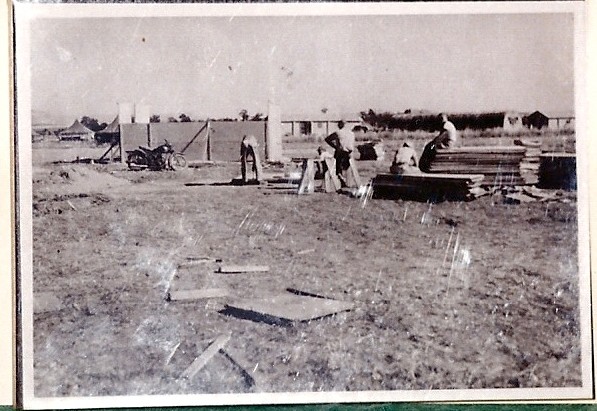
In his last few years, my father made a few trips to Lesina. He spoke proudly of his family in Canada to his friends and siblings. They all knew of my interest in World War II military aviation, and especially Lesina’s military history concerning the Americans’ influence and goodwill during 1944/45. My father regaled me of these events, and in September 2011, after 41 years absence, I returned to Lesina to meet up with cousins and some of my old classmates.
During my stay with a cousin, one of our favorite discussions concerned the American wartime airfields. We went for a ride and actually drove onto the field where the 325th’s airstrip used to be. I was overwhelmed with emotion. Finally, I had returned to the very same field that I played on as a child.
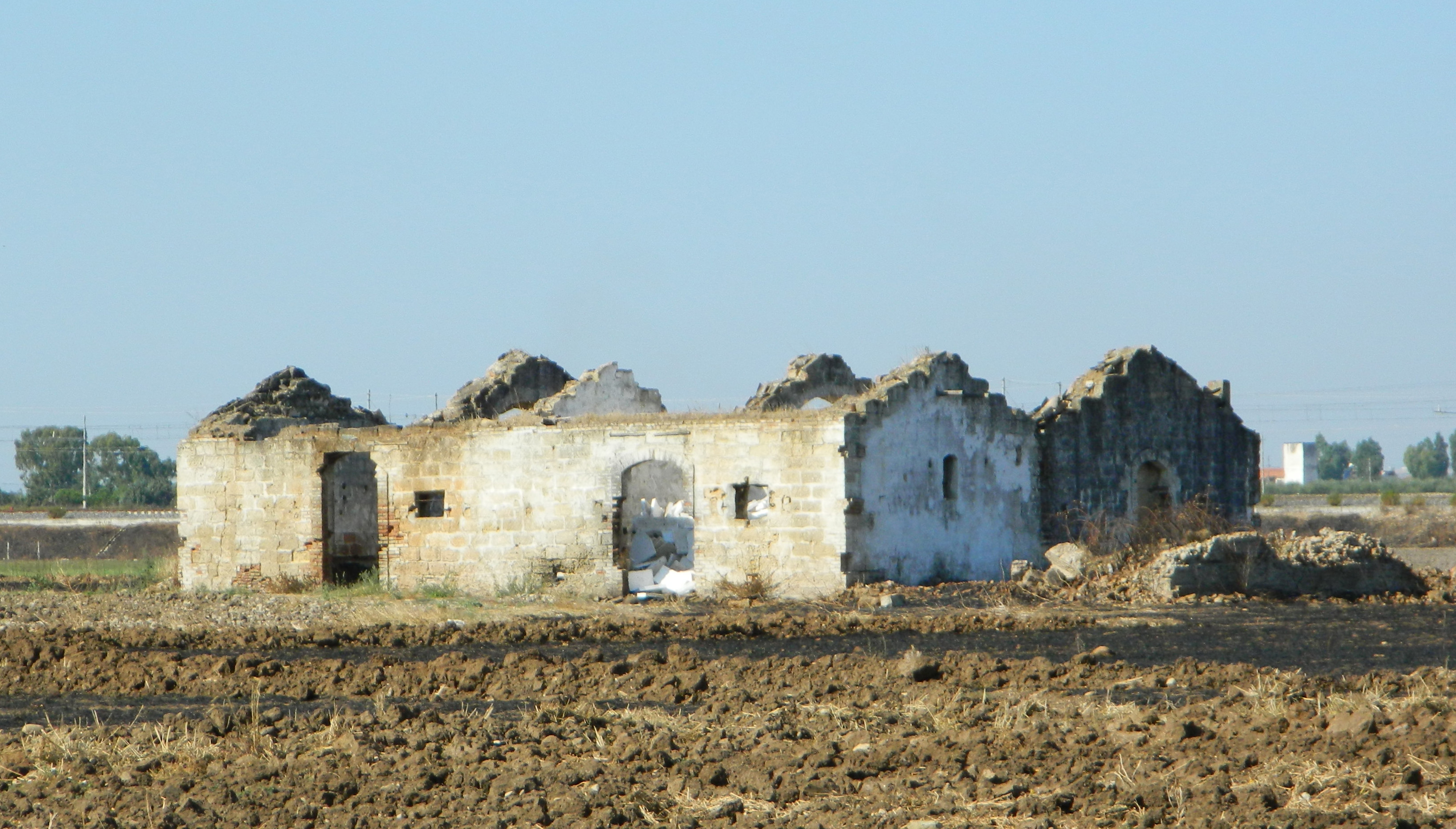
On our next excursion, my cousin and I went into one of the ruined buildings. It was extremely weather beaten with a collapsed roof and peeling paint. Most of the wooden fixtures were rotten and falling apart. This building was once used by the 325th’s officers to administer the Fighter Group and where the pilots were briefed – if only those walls could talk.
I walked in and out of the structure, carefully looking for written names or remarks on the walls, trying to hear voices from the past. I sniffed the air, searching for that scent of cigarette smoke, and touched the walls and doors that were touched by the pilots and staff many decades ago.
In my mind, I would replay the stories that my dad had told me. When he would be bartering and swapping goods with the staff. I would imagine the discussions between my grandfather, Tommaso Ricci, and the American staff to erect the buildings to house the officers’ administration and direct the construction of the buildings.
Realizing that I was standing in one of the buildings that my grandfather built was captivating to me, coupled with the fact that this building also housed the 325th’s senior staff had me in awe of where I was. With tear-filled eyes of joy and pride, I mentioned this to my cousins, and they just took it in stride, realizing the emotional ride I was on.
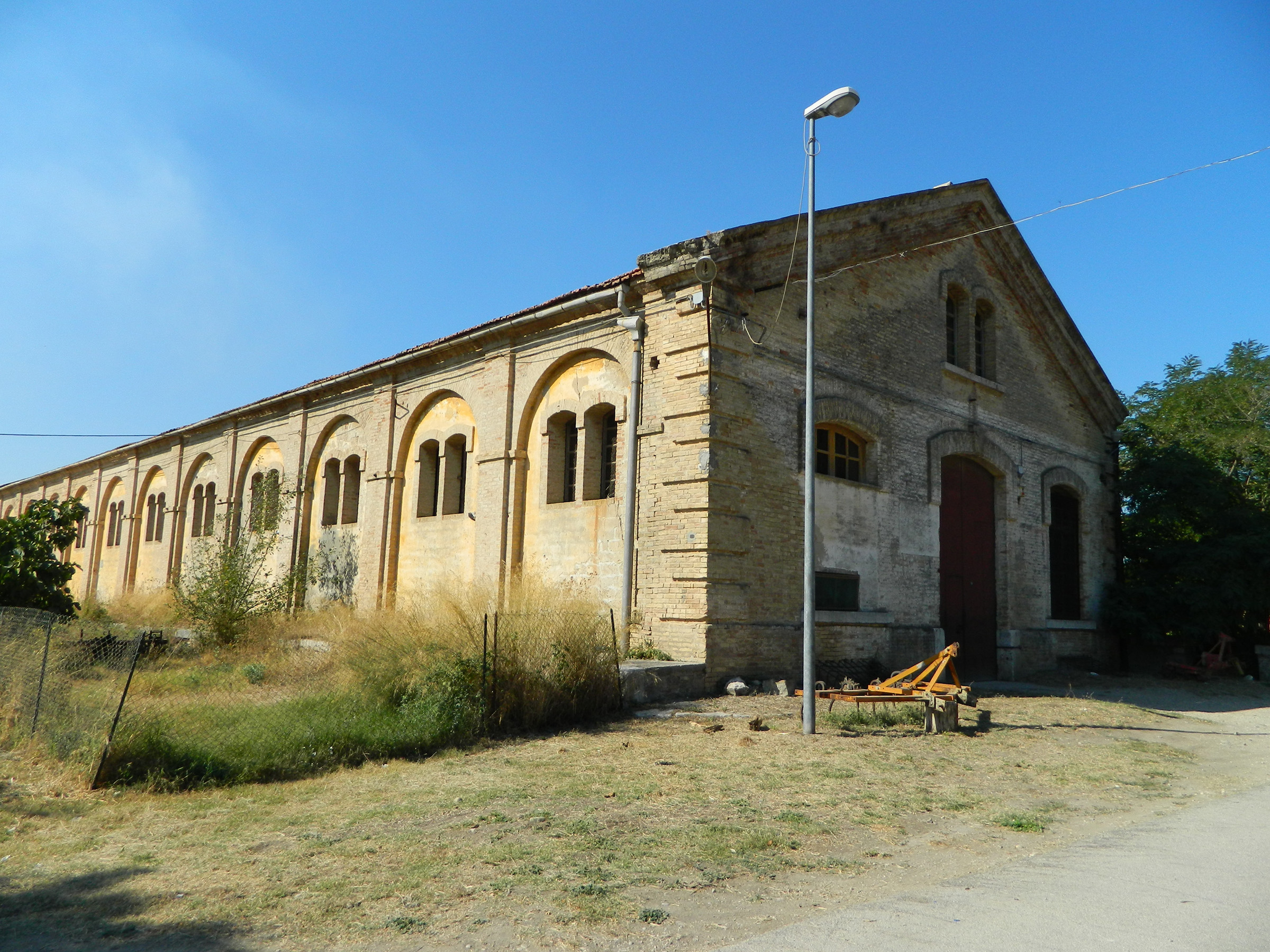
Over the next few days, we visited several other fields and ruins including the large maintenance and storage building in the small town of Ripalta, just outside Lesina, that housed the gymnasium used by the 325th’s pilots and crews, and the mechanics shop and storage facilities under the building.
We visited the field that housed the base hospital, the remains of Lesina’s train station. We also compared old photographs with the remains of the station and took pictures trying to match the angles shown in the old images.
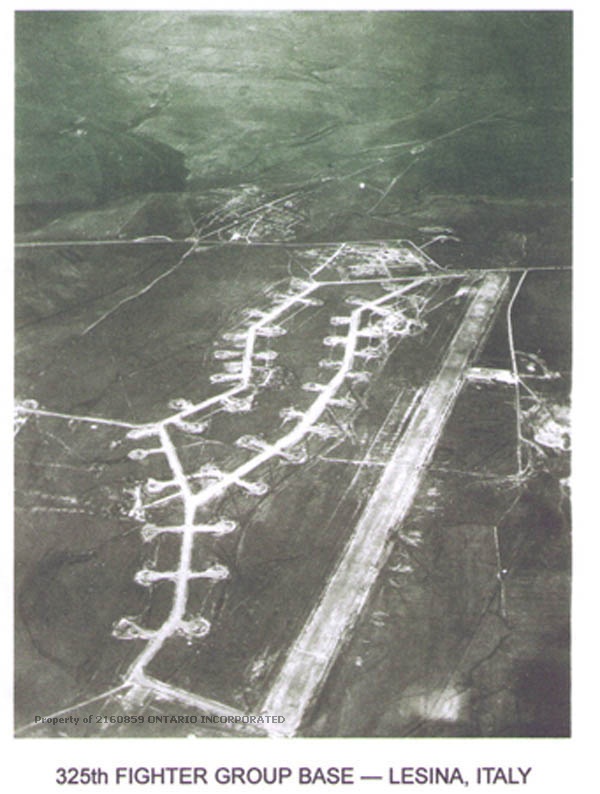
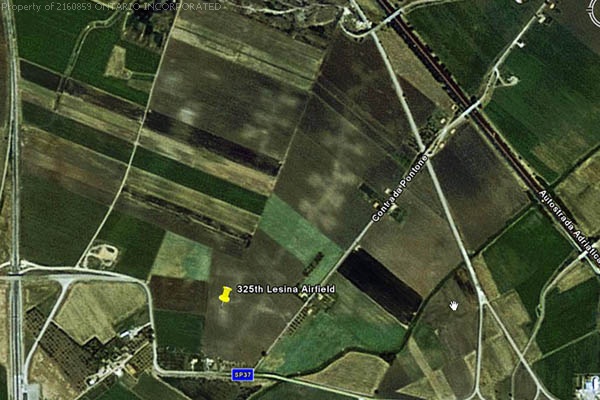
I recalled a wish my dad made, that one day a celebration or memorial be made to honor the 325th FG. At the time, I did not think much of it, as this was an event that took place a long time ago. But over the years I learned to appreciate what happened during those days of war, and the men and women that put their lives on the line against an oppressing invader. The liberators were foreigners that saw and understood the plight and suffering that innocent people were being put through by the Nazis. The Americans brought back the positive aspects of life to Lesina, and remain well appreciated even to this day.
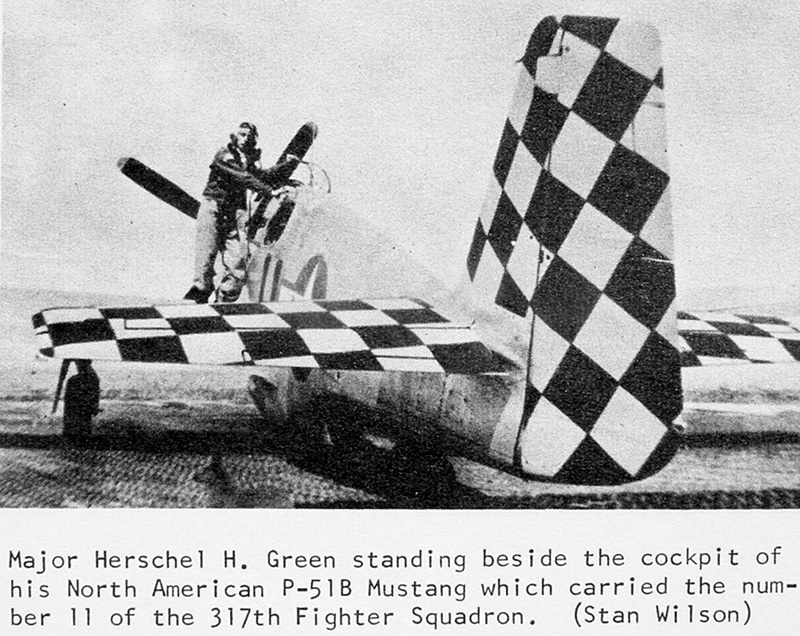
In the last couple of years, I made contact with members of the 325th “Checkertails Clan”, a group made up of surviving Checkertails veterans and their family members. Unfortunately, as the veterans pass away in increasing numbers, their memories go with them. Therefore, I decided to create a lasting memorial in Lesina to commemorate the 325th FG and the 317th, 318th and 319th Fighter Squadrons which were under its command.
To date, the City of Lesina has passed the required local by-laws to honor the 325th. They formed a committee to overlook the development and construction of the monument, and hopefully we will soon be successful. And WarbirdsNews will be bringing you any new developments on this story as they happen!




I think this is great news. I have a almost a lifelong affinity to the checkertail clan as my father flew a D-model Mustang in the 80’s that wore the markings of the 325th FG. It was number 13 “My Gal Sal” which was flown by Wayne Lowery in the war. The airplane had a different name when my father purchased and flew it, but was still number 13. He attended at least 1 checkertail reunion and was in contact with a few vets of the FG during his time with the airplane. Sadly he lost his life in the aircraft in 1990, but I still have all of his memorabilia and proudly have 325th FG pics and patches hanging on the walls. I see these items daily and respect thoroughly what all that they represent. Herschel Green even sent me as a kid a signed print of his P-47 strafing a German airfield, something I still cherish on my wall. What an experience it would be to see the actual airfields in Italy, any information on the event you could provide would be cool. Not sure I could make it to Italy, but I would enjoy knowing more about the event.
Take care,
Harry “Cy” Tope III
Thanks very much for writing in Cy… Many of us remember your father’s performances well, and his loss was a truly sad day. We just learned this afternoon, that the memorial unveiling will be on May 16th, and can put you in touch with Tom Ricci if you would like.
Hello Cy,
I was fascinated to read your story about your Dad’s P-51D and very sorry to hear of his untimely death. I know that #13 was originally Herky Green’s number. The story of Wayne Lowery, #13 and “My Gal Sal” (named for Sally Evans, the wife of Crew Chief Jack Evans) is well told in the 2-Part documentary of the Checkertails which you can watch for free from our website. Please join our Facebook page at “325th Fighter Group Checkertail Clan” for many, many photos and stories. My father, Jerry Edwards, was in the 317th FS of the Checkertails.
Hello Cy,
I am one of the daughters of Jack Evans who was the crew chief of “My Gal Sal” #13. It is true that Wayne Lowery was the original pilot. As I understand it he flew #13 once and was shot up pretty badly. He was unhurt but after that, although he said he was not superstitious, he never wanted to fly #13 again. Zack Taylor said he would fly #13. He and my father became lifelong friends.
My daughter and I just left Lesina today after attending the celebration of the monument. While we were there we were able to see where the airstrip was and many buildings the veterans used including a warehouse where they played basketball. The yellow paint they used to mark the court was still visible.
My sister, Kathy, believes your father and my father got together at some point after your father purchased #13 and there is a picture taken by a wing man of them flying together.
It is a shame you could not make it to Lesina. We had such a wonderful time. The townspeople were wonderful and so friendly and the Lesina Checkertail Committee treated us like family. They went so far out of their way to make sure we had everything we needed and wanted for nothing.
Hopefully you will be able to attend a reunion in the future. Everyone brings their memorabilia so other members can see it. We are very lucky to have several people who are not related to a Checkertail veteran but have become expert Checkertail historians. You can learn much about the Checkertails by watching Neil Pugh’s movies. You can access them and other information on the Checkertail website. Feel free to email me if I can be of help in any way.
be happy to keep you posted. drop me a line.
Thanks, Tom
Anybody have any info on my Uncle Dave Burbach? Started working on P-40’s with the Checkertails and earned his crew chief rating on P-47’s and P-51’s.
Kim,
The Press Officer of the Checkertails Organization, John Mier, knows a lot about many of the 2000 airmen who served with the Checkertails. He is, in fact, spearheading our mission to find and publish every single one of the stories of each airman’s wartime service. Please join our Facebook page at “325th Fighter Group Checkertail Clan” – I am a page admin and will approve your invitation to join – and address a post to John asking him for information about your uncle Dave Burbach. Checkertail veterans Barrie Davis and Art Fieldler regularly comment on our FB page posts and they may also be able to help you. Best regards, Patrice – daughter of Checkertail Jerry Edwards.
‘My Gal Sal’ was the wife of the crew chief, Jack Evans.
The predecessor pilot of #13 was my father, Ralph ‘Zack’ Taylor.
The #13 my dad flew was the ‘Duchess of Durham,’ a reference to my mom, (Both of them were from Durham, N.C.) written of the left side of the nose area, and ‘My Gal Sal’ was of the right side.
It was a P-40, predecessor to the P-51. Dad became an ace (4 ME109s, and 2 Macchi 202s), finished his 50 missions, and then was reassigned back to the States before the P-51 replaced the P-40.
The story of how your Dad became the Checkertails 1st Ace is very well covered in the Checkertails Documentary by Neil Pugh. I hope you have seen the films, Zack!!
There’s also a really nice photo of him with his plane in the photo archives of our FB page.
Hi Tom,
I m from Lesina and I m also a Navy Pilot (I be got my goldwings in Pensacola)… I appreciate your initiative and I d like to know what are you going to do an when so I will be there… It would have been a honor flying with that plane in that time! Go Navy!
Carlo,
Se mi mandi una mail ti metto in contact con Tom.
info AT warbirdsnews.dev
Ciao,
Moreno
I am Patrice Manget, daughter of Checkertail Jerry Edwards who was with the 325th from July 1943 in Africa until April 1945 in Italy. A career USAF officer, who also served in Vietnam, he passed away last September at 92 years of age, just several weeks after attending the 68th Annual Reunion of the 325th FG in Massachusetts. Tom Ricci had contacted our Checkertails Organization to tell us of the Lesina Monument dedication and my Dad was the first to stand up and say, “I’ll go to Italy!” Sadly, he did not live to travel to Lesina so I am going to the May 16th dedication in his honor. We, the children, grandchildren, great-grandchildren, family members and friends of the Legendary Checkertails, are enormously grateful to Tom Ricci, his family and the town of Lesina for this tremendous honor they are planning for the Checkertails. We invite anyone who is interested to join our Facebook page at 325th Fighter Group Checkertails. We have several living veterans, like Barrie Davis, Art Fiedler and Tom Batey, who regularly communicate on our page. There are over 800 wartime photos posted over the last several years on this FB page. We likewise have a website that contains links to the outstanding and highly acclaimed 2-part Checkertails documentary by Neil Pugh – free viewing and free DVD download forever. Neil is now gathering material for Part 3 and I am pretty sure that he plans to film the Lesina Dedication as part of it. We are in contact with some 75 living Checkertail veterans and every day more of them and their family members find us on the Internet and join with us to share stories and photos of our Checkertails. Thank you so much for posting this story in Warbird News. BTW, Jack Evans was the father of the President of our non-profit Checkertails Organization Kathy Cluff who has done SO much to keep the Checkertails flying and to promote and preserve the history of their outstanding wartime service! Tom’s idea and tireless work to bring to fruition his father’s dream of honor for the Checkertails is a huge accomplishment and singular milestone for all of us in the Checkertail and Lesina families.
Patrice thanks for this nice message. We are proud to support Tom and his efforts.
Thank so much! BTW the way, #25 at the top of your article is Art Fiedler’s P-51. Art took hundreds and hundreds of photos of Lesina, many of which Neil Pugh used in his documentary.
Art communicates regularly on our FB page.
For 10 years, he hosted the Veterans Tent at the “Wings Over Camarillo” Air Show. In 2012, the Camarillo SoCal CAF hosted the Checkertails Annual Reunion at their Air Show. Thursday’s Media Day prior to the weekend air show was momentous as the CAF Air Boss offered our attending veterans rides in their two warbirds – a P-51 and an SNJ. 6 of the attending veterans went up and most took the stick. My dad, Jerry Edwards – using a walker by then, flew the SNJ for over an hour. On the ground afterwards he told me he hadn’t been in that aircraft since 1943. There is wonderful video footage of all of it taken by Neil Pugh who attended the Reunion and premiered Part 2 of his documentary at that Reunion’s Memorabilia Show. I would love to share all of this with you if you will email me!
Hi Patrice – Just a small correction, your finger hit the “two” key instead of the “three” key on the computer. My bird is #35 not #25. However #25 has a great background: In the P-40s, Capt Walker flew it and was an ace. In the P-47s, Emmons flew it and also was an ace. He also initially flew the P-51 by that number but Gaia took it over when he left.
Thanks Art
Dear Patrice- I am Major Georgie G. Hamilton.s youngest brother. He mentioned Jerry Edwards often. George died in January, 2017, at age 100 plus 7 months. Thank you for your work with the “Clan”. Dick Hamilton, Woodward, OK 10/1/2017.
Speaking about the 325th FG Facebook page which contains information of the monument.
https://www.facebook.com/groups/174579884765/
I am the father of Major Conor Hiney USAF who is the nephew of Royal Swing, a P-51 pilot from the 325th in Italy in WWII. He passed away two years ago in Virginia where he was from….he attended Univ. of Virginia, as did my son, and was credited with at least one Messerschmit during his
tour…..quite a guy. Did anyone know him?
You mean he was your father?
HI James, please write to me at: [email protected]. Thakn you
My Dad, Warren Knox was in the 317th, I wish he was around to see this. He’d be happy to see this.
Hi, I am intrested in the checkertails, and have been trying to trace a pilot Ralph Johnson of the 319 fg. Can any one help. Thanks kevin
Hi my name is Ralph Selway. I was named after Ralph Johnson who was my Father best friend. My Dad Jack Selway was the supply officer for the 325 and did back up flying I’m told. As I heard it Major Johnson ( my middle name is Major) was credited with the first shoot down of the German jet fighter plane of the war. Supposedly Major Johnson was in a P- 51 when he did this. I think he was also the squadron leader. I heard he was killed in a raid one night while running to his plane to take off. This isn’t confirmed because my Father never talked about the war. My sister said Dad picked up what was left of him it must have been a terrible experience which is most likely the reason Dad wouldn’t talk about these things. Dad made the Air Force his career and retired a Lt. Col. he passed away at age 73 and is sorely missed by me.
Hi Ralph
could you contact me at: [email protected]
thank you
Hi Kevin
could you contact me at: [email protected]
thank you
My Dad flew in this group, #27 P51D. I possess some photos and trying to identify some of his colleagues. I would be grateful to anyone that might be able to help and could email them. Thanks. John
Hi John, please contact me at: [email protected]
thank you
Thanks so much. My Dad, William M Lott ,was part of the 317 and earned his distinguished flying cross in Lesina . Let me know if I can help with anything
sure can Peter, contact me at : [email protected]
thank you
I have an original photo of a P-47D, 325th FG, 319th FS, pilot
William E. Soper , MIA . I would like to share it with you for your page. Please let me know if you would like it, and how to send it. Thank You !
Hello Marisa, you can send it to me at: [email protected]
thank you