

By Randy Malmstrom
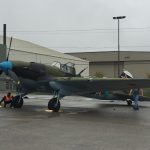
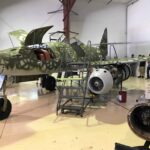
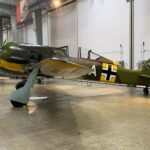
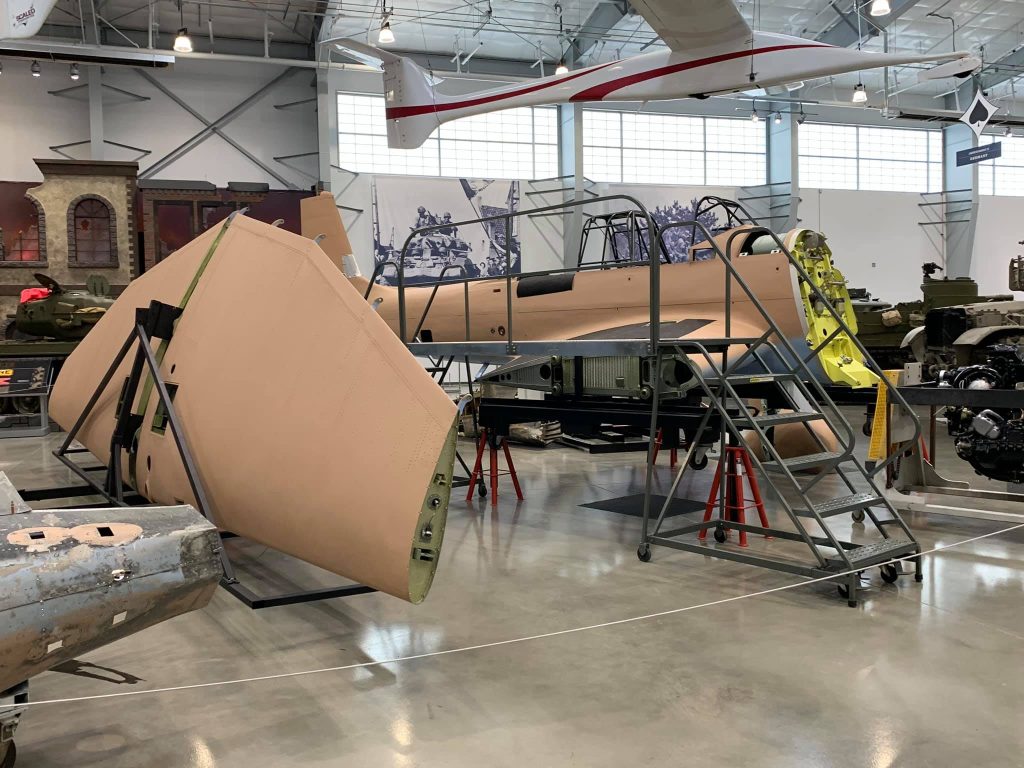
Since his childhood, Randy Malmstrom has had a passion for aviation history and historic military aircraft in particular. He has a particular penchant for documenting specific airframes with a highly detailed series of walk-around images and an in-depth exploration of their history, which have proved to be popular with many of those who have seen them, and we thought our readers would be equally fascinated too. This installment of Randy’s Warbird Profiles takes a look at the Flying Heritage & Combat Armor Museum‘s (FHCAM) Stuka airworthy restoration project.
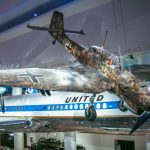
The Junkers Ju-87 Stuka (Sturzkampfflugzeug or “dive bomber”). Its Jericho-Trompete (“Jericho trumpet”) sirens and double-spar inverted gull wings are certainly iconic sounds and looks of World War II. It first saw combat in the Spanish Civil War. Powered by a Junkers Jumo 211D engine with a crew of two. Armament varied by version, but could include two fixed 7.92 mm MG 17 forward-facing and twin 7.92 mm MG 81Z rear-mounted machine guns for the rear-facing gunner, and could carry a 250 kg. bomb under the fuselage — attached to an arm which brought the bomb away from the propeller when released — and a pair of 50 kg. bombs under each wing, or fuel tanks in their place.
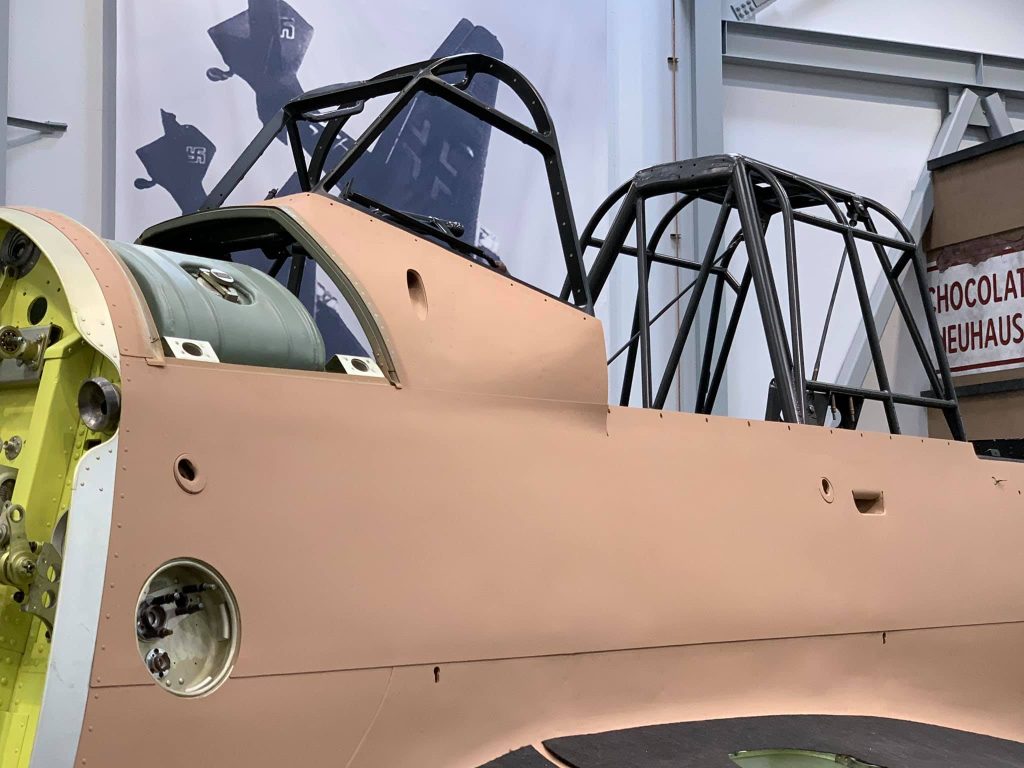
The Jericho-Trompetes were on the leading edges of the main landing gear legs and were electrically (solenoid) engaged by the pilot and had a brake or clutch that kept them from engaging until the dive brakes were engaged – and were known to remain engaged even after the dive brakes were released, leaving them on all the way back to base. The aircraft had an autopilot that brought it to a dive when the dive brakes were engaged and brought it out of a dive once the bomb was released (in the event the G-forces caused the pilot to pass out).


There were many variants produced during its production run through the war, even though considered “obsolete” by the outbreak of the war. It served with a number of Axis forces and an estimated 6,500 of the aircraft type were built.


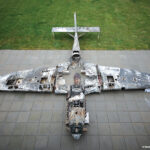
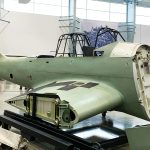
Various wrecks make up this rebuild: Ju-87 R-4 WkNr. 6234 and Ju-87R-2 variants WkNr. 5709 and WkNr. 857509, as well as literally pallet-loads of individual parts, airframes, wings, sections in general, and 10 Junkers Jumo 211D engines from all over were acquired to help assemble one aircraft and one running engine.
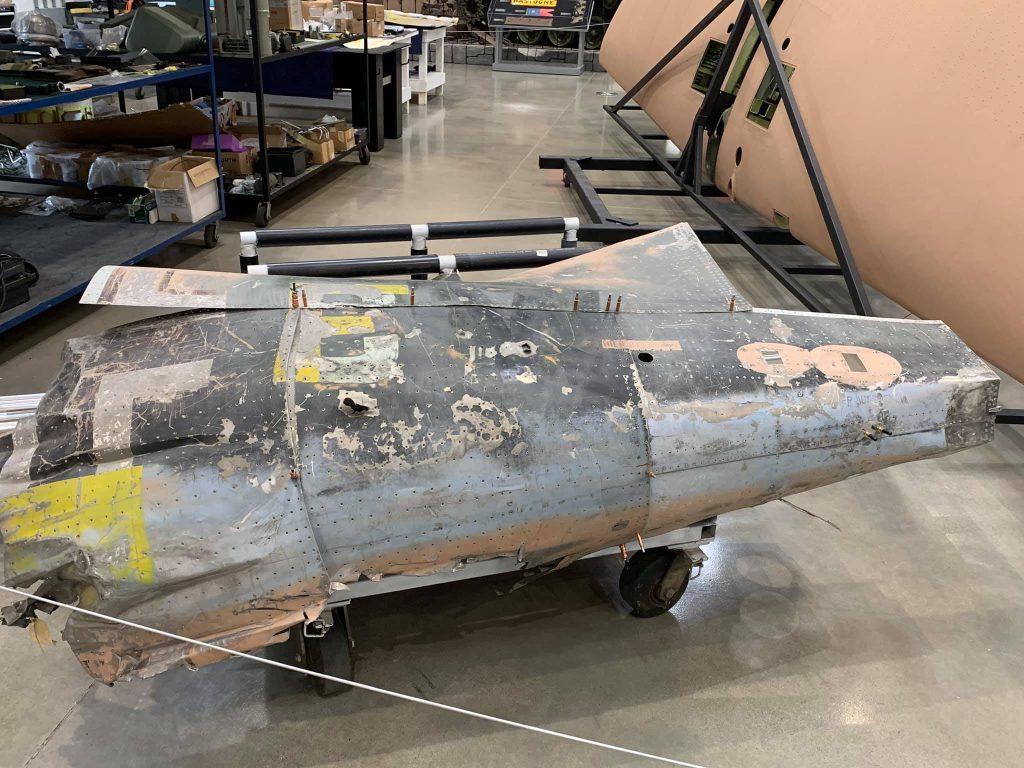
The bulk of this aircraft rebuild is WkNr. 6234, built as an R-4 variant (for long distance operations) in 1941. It was to be assigned to the North Africa campaign, but instead was diverted and first served with Lehrgeschwader 1 (Demonstration Wing 1), and then with Sturzkampfgeschwader 5 (1./St.G 5, Dive Bomber Wing 5) with the markings of Stammkennzeichen LI+KU in northwestern Russia near the Finnish border.
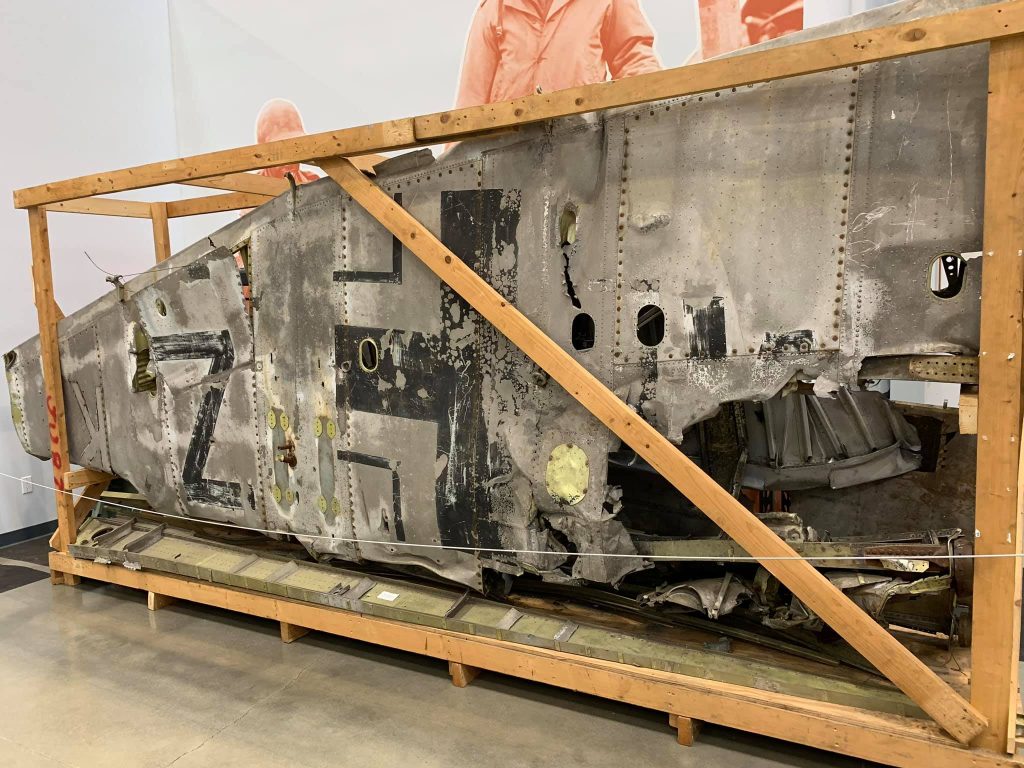
In April 1942, it was shot down by Soviet fighters while on a mission at Murmansk (in the Murmansk Oblast in northwestern Russia) and crashed in a wilderness west of the city. There it lay until the early 1990s when a private collector recovered it and had it shipped to England. In 1993 it was went to New Zealand for Sir Tim Wallis’ Alpine Fighter Collection at Wanaka for restoration.


In 1997, it was acquired by the Deutsches Technikmuseum in Berlin. It was acquired by Paul Allen’s Vulcan Warbirds, Inc. in 2010, and is now at the FHCAM on Paine Field north of Seattle. The rebuild process began in earnest in 2013 using reconstructed portions as well as newly manufactured wings; there were no original Junkers plans to be had but as I recall, but were drafted from existing aircraft examples. The late Karl Bircsak’s International Aviation Museum Foundation in Hungary handled the airframe while Vintage V-12s in California restored the powerplant.


It is on display during the rest of the rebuild and will be made airworthy and as such, should be the only airworthy Stuka in the world [Editor’s note: in December 2023 the American Heritage Museum announced the airworthy restoration of a Ju-87D-5, as previously reported by Vintage Aviation News]. I have seen that by the D-3 variant, the Jericho-Trompetes had been omitted and I understand this aircraft will not be fitted with any. I understand it will be fitted with the type of autopilot described above but that it will be deactivated, and it will have wing fuel drop tanks. It has a Junkers Jumo 211 D engine and will be flown by Steve Hinton.
About the author
 Randy Malmstrom grew up in a family steeped in aviation culture. His father, Bob, was still a cadet in training with the USAAF at the end of WWII, but did serve in Germany during the U.S. occupation in the immediate post-war period, where he had the opportunity to fly in a wide variety of types which flew in WWII. After returning to the States, Bob became a multi-engine aircraft sales manager and as such flew a wide variety of aircraft; Randy frequently accompanied him on these flights. Furthermore, Randy’s cousin, Einar Axel Malmstrom flew P-47 Thunderbolts with the 356th FG from RAF Martlesham Heath. He was commanding this unit at the time he was shot down over France on April 24th, 1944, spending the rest of the war as a prisoner of war. Following his repatriation at war’s end, Einar continued his military service, attaining the rank of Colonel. He was serving as Deputy Wing Commander of the 407th Strategic Fighter Wing at Great Falls AFB, MT at the time of his death in a T-33 training accident on August 21, 1954. The base was renamed in his honor in October 1955 and continues to serve in the present USAF as home to the 341st Missile Wing. Randy’s innate interest in history in general, and aviation history in particular, plus his educational background and passion for WWII warbirds, led him down his current path of capturing detailed aircraft walk-around photos and in-depth airframe histories, recording a precise description of a particular aircraft in all aspects.