







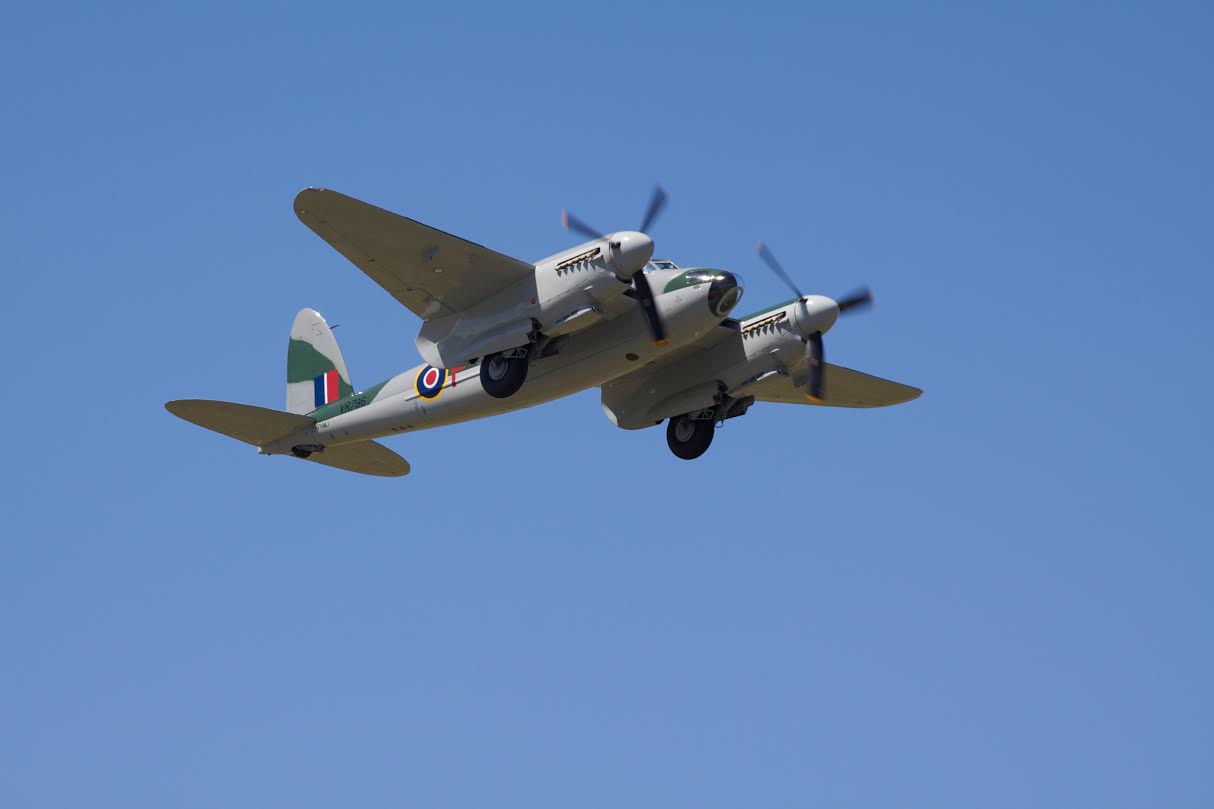
Bob Jens deHavilland Mosquito B.35 flew for the first time today, with test pilot Steve Hinton at the controls. According to WarbirdsNews contributor Terry Towns, Hinton arrived at Victoria Air Maintenance’s base in Victoria, British Columbia on Tuesday after flying up from Chino, California. He inspected the aircraft that afternoon, with taxi tests scheduled for today. The plan was to fly the Mosquito on Thursday, but the weather forecast wasn’t particularly promising, so they initially mooted moving the first flight moved up a day, but that eventually became impractical. On Friday, they started the engines several times, but apparently one of the starters became unserviceable, so Hinton flew home because of other commitments. Locally based TV Channel 6 (CHEK TV) has had a film crew onsite since Tuesday and filmed Mosquito VR796’s momentous event. Victoria Air Maintenance, Bob Jens and Steve Hinton are to be heartily congratulated on fulfilling this magnificent achievement! Be sure to tune in with WarbirdsNews for more details as they arrive, as this article will be updated.
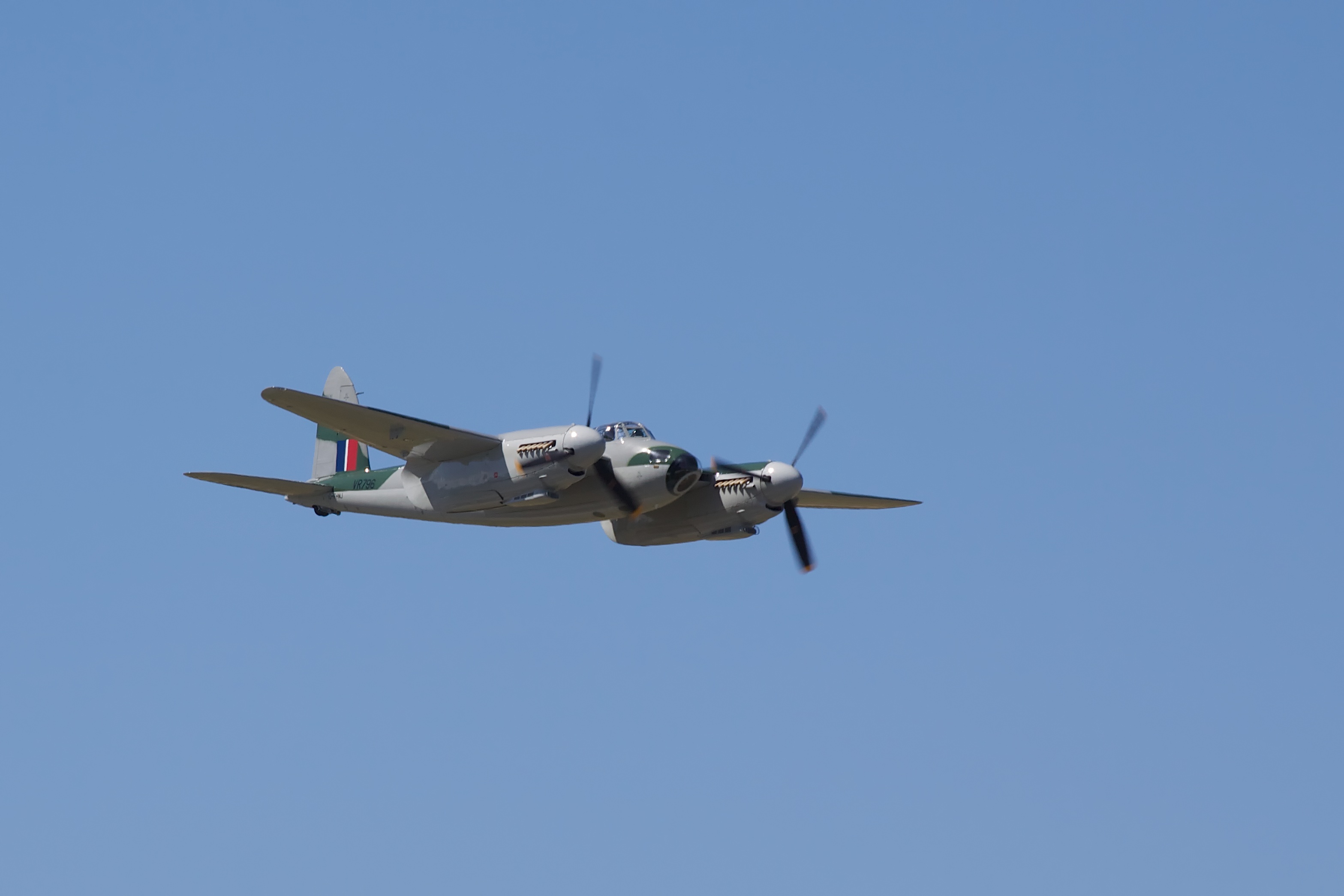
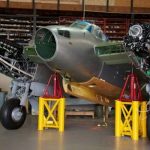
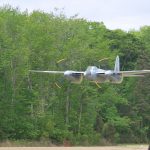
At 3 p.m. on the afternoon of June 16 a newly restored de Havilland 98 MK.35, better known as the Mosquito, fired up its Rolls-Royce Merlin engines and flew for the first time in 48 years after a long-term restoration. The flight took place at Victoria International Airport in Sidney, British Columbia, flown by Steve Hinton, EAA 181203/Warbirds 12506.Restoration of the bomber was completed by Victoria Air Maintenance Ltd., and owner and Director of Maintenance Mike Ingram said the plane “flew perfectly” on Monday. He added the plane was being prepped for delivery to Vancouver and its registered owner, Robert Jens, of Richmond, British Columbia.Built after World War II, the aircraft SN VR.796 came off the de Havilland Aircraft Company Ltd. assembly line in 1947 and never saw active service. This completion and first flight makes for two airworthy “Wooden Wonders” in the world, joining Gerald “Jerry” Yagen’s example at the Military Aviation Museum, Virginia.The last of 7,781 Mossies built rolled off the production line in 1950. More than 30 different variants were constructed in Canada, Australia, and England. The sleek, wooden twin-engine bomber could carry impressive loads nearly 2,000 miles at incredible speeds (maximum exceeded 400 mph), making it one of the most effective airplanes for the Allies in World War II.








hi my name is debi fitzgerald writer and artist..debifitzgerald.com
.I have recently painted the mosquito bomber as it flew for the first time in public from the Abbotsford airshow Aug 9 2014 Bob jens is the current owner of Mk.35/TA717 I am presently writing the story to accompany the original but have come across some descepenmcies in the story. I would like to know who the bomber was sold to after Mike Meeker owned it up until 1988. It is imperative I have the correct information historically . my phone number is 604 869-2999
Airplane museum in Hamilton, Ontario also has flying DeHavilland Mosquito.. Saw it at air show in spring of this year
Actually, what you saw in Hamilton was the Mosquito FB.26 KA114 owned by the Military Aviation Museum in Pungo, Virginia USA, which flew up specially for the event in Hamilton.
I happened to look up airworthy Mosquitoes after listening to ‘As It Happens’ on the CBC the other day.
The only time, just by shear chance, I happened across a Mossy was one day in the late eighties. Driving north on the Allen Expressway adjacent to the then CFB Downsview, I could see these guys on the roof of the one hanger, with a camera and tripod. As I’m thinking what’s that about, this Mossy comes blasting south over the hanger, then drops right down about 30′ feet off the deck and gone!
Never did learn what that was all about, but really impressive none the less.
Yes Mike, that was Kermit Weeks’ Mossie, bought from a source in Britain. I understand that it rarely flies now.
Kermits mossie is no longer airworthy( but a good candidate for a restoration job)