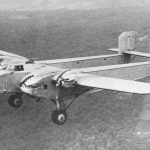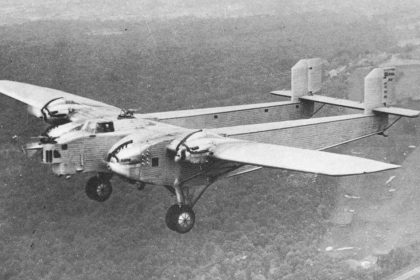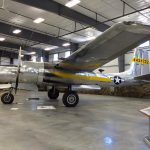

Wethersfield Airfield Museum has announced its permanent closure, with its collection set to return to storage. Based in Finchingfield, Essex, England, the museum has preserved the history of RAF Wethersfield and the British and American personnel who served at the airfield during WWII and the Cold War. According to an October 26 report published by Essex County News, the museum team announced that its final public opening would take place the following Saturday. In its message, the team thanked the approximately 600 visitors who had attended during the year, while noting that just eight people had visited over the preceding weekend. The announcement did not specify the reason for the closure. “We would like to thank the 600 visitors who have joined us this year,” the team wrote, closing its announcement with the words: “RAF Wethersfield is ‘Gone but not Forgotten.’”
(Image credit: Wethersfield Airfield Museum)
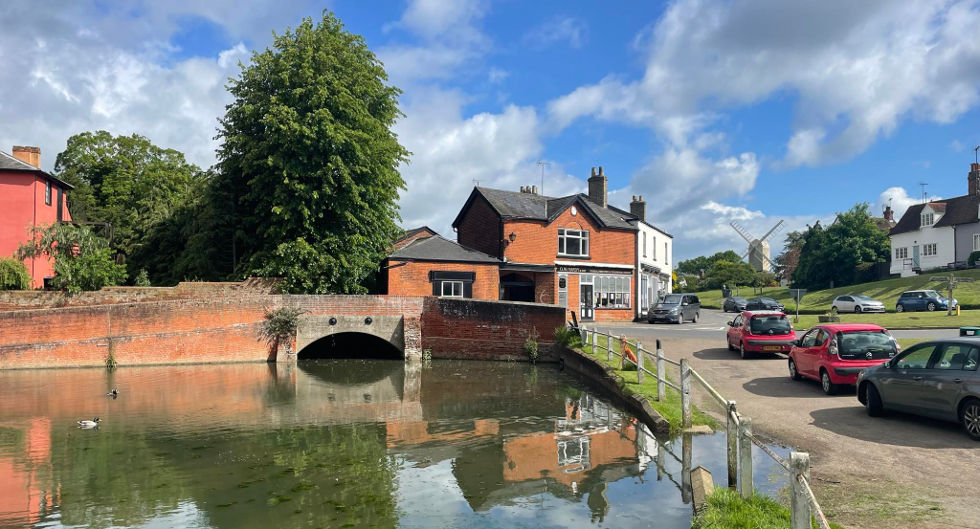
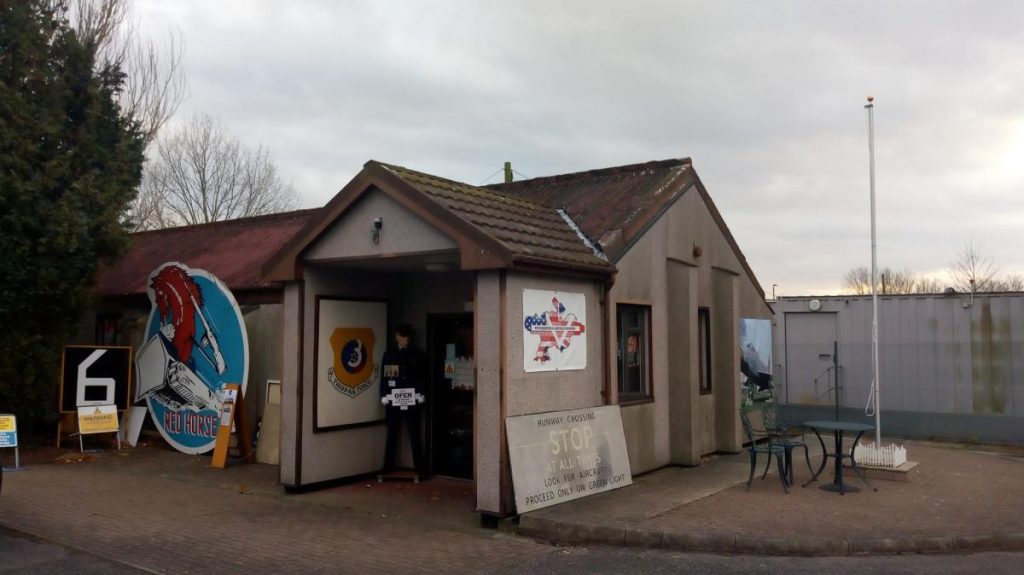
The closure follows an earlier period of displacement and storage. Although the newspaper report linked the museum’s departure from the airfield to its subsequent use as asylum accommodation, the museum’s own published account places its move out in June 2022, before that use began in 2023. Its collection was stored with assistance from local property owners before the museum secured rented premises in Finchingfield in June 2024. Public displays reopened that August.
(Image credit: Wethersfield Airfield Museum)
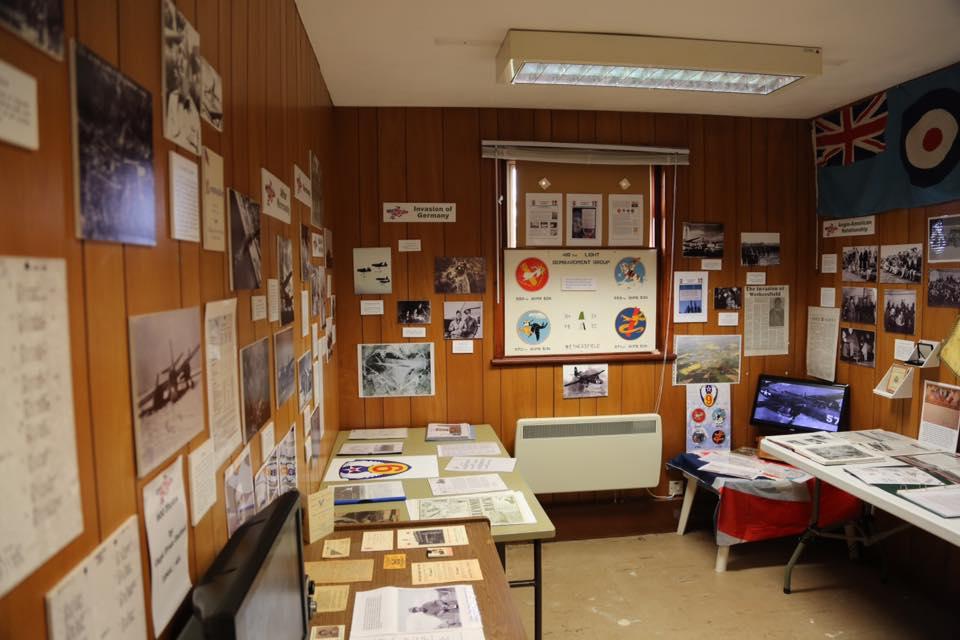
The museum’s exhibits have explored Wethersfield’s military and social history through photographs, documents, models, and memorabilia. Its coverage extended from the USAAF’s wartime A-20 Havocs and the RAF’s Short Stirlings to the American jet fighters and engineering units that defined the station’s Cold War years. Opened in 1944, Wethersfield was designated USAAF Station 170 and became home to the Ninth Air Force’s 416th Bombardment Group (Light). Flying Douglas A-20 Havocs, the group attacked German installations and transportation networks before and after the Normandy invasion, moving to France in September 1944. RAF Nos. 196 and 299 Squadrons subsequently operated Short Stirling IV aircraft from the station.

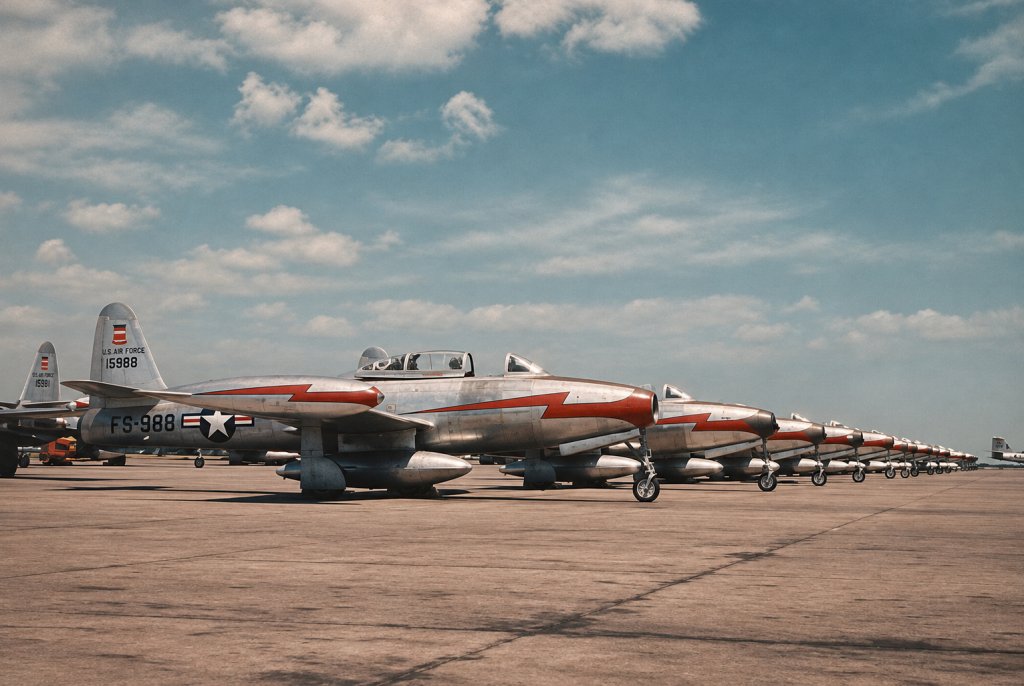
After closing in 1946, Wethersfield reopened in 1951. The USAF’s 20th Fighter-Bomber Wing arrived the following year, operating F-84 Thunderjets and Thunderstreaks before converting to F-100 Super Sabres in 1957. Later designated the 20th Tactical Fighter Wing, the unit supported NATO’s conventional and nuclear missions until moving to RAF Upper Heyford in 1970. Wethersfield continued in support roles, including hosting the 819th RED HORSE engineering unit, before returning to British control in 1990 and subsequently becoming a Ministry of Defence Police headquarters and training facility.
The museum’s ambition to return to the airfield remained under discussion as recently as July 2026. Wethersfield Parish Council’s published notes from a meeting with the Home Office recorded plans to explore buildings that might accommodate the museum, with a site visit to be arranged. Those discussions did not constitute a confirmed relocation agreement. (wethersfield-pc.gov.uk) For now, the announced closure means the collection will again leave public display. Its return to storage preserves the material, but removes a place where visitors could explore the aircraft, operations, and personal experiences behind more than four decades of Anglo-American aviation history at Wethersfield.
(Image credit: Wethersfield Airfield Museum)

(Image credit: Wethersfield Airfield Museum)