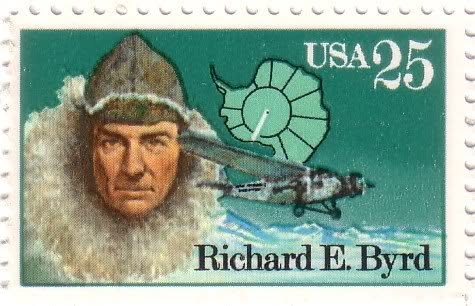



November 28, 1929 – Today, 97 years have passed since the historic flight over the geographic South Pole took place. Nearly 18 years after Roald Amundsen’s expedition party first reached the South Pole by land, Chief Pilot Bernt Balchen and Mission Commander/Navigator Richard E. Byrd set off on a trek of their own. This flight was part of a larger Antarctic expedition led by Byrd, which saw the establishment of a base at the Ross Ice Shelf named Little America. The purpose of this expedition’s South Pole overflight was to collect intel for mapping previously inaccessible regions of Antarctica. In so doing, the mission would demonstrate aviation’s potential for polar exploration.
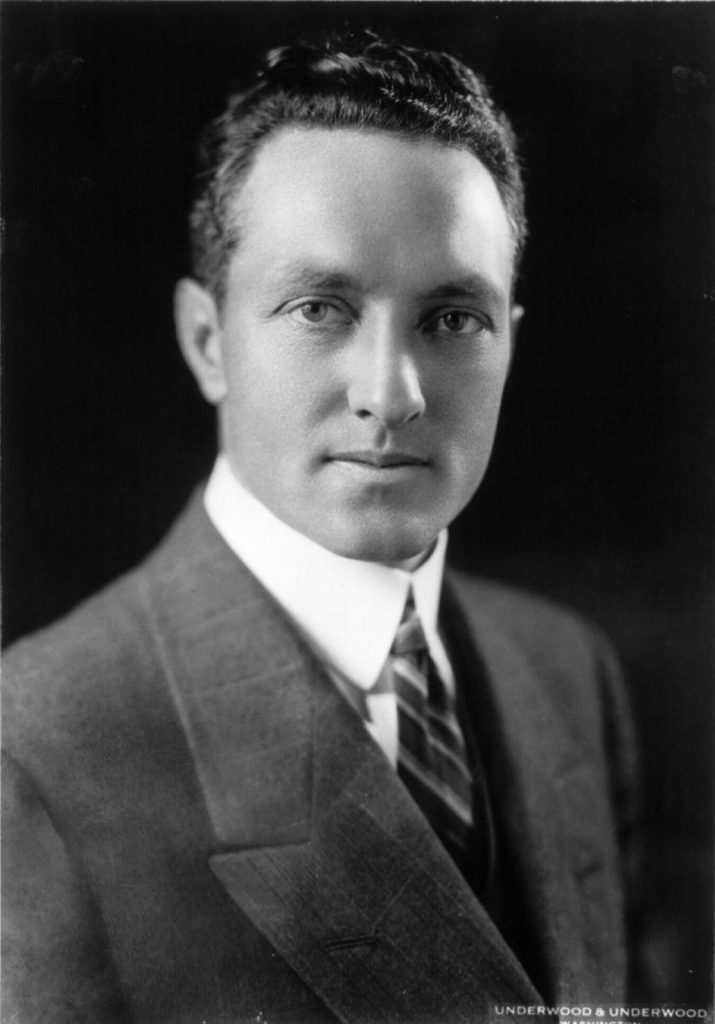
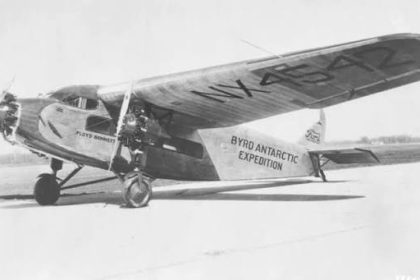
Balchen and Byrd flew aboard a Ford Trimotor named Floyd Bennett, which paid homage to the pilot of Byrd’s 1926 North Pole expedition flight, who passed in 1928. Accompanying the Chief Pilot and Navigator on this mission were Copilot / Radio Operator Harold I. June and Aerial photographer / Surveyor Ashley C. McKinley. Floyd Bennett took off from Little America on 11/28/29 at 3:29 p.m. Fully loaded with fuel, emergency supplies, and photographic gear, climb performance was of primary concern to the crew, especially on the approach to the Queen Maud Mountains. Near the Liv Glacier, the crew managed to squeeze every last inch of performance out of Floyd Bennett, narrowly clearing the obstacle. This feat came at the expense of 250 pounds of emergency food, which Byrd ordered to be shed from the aircraft.
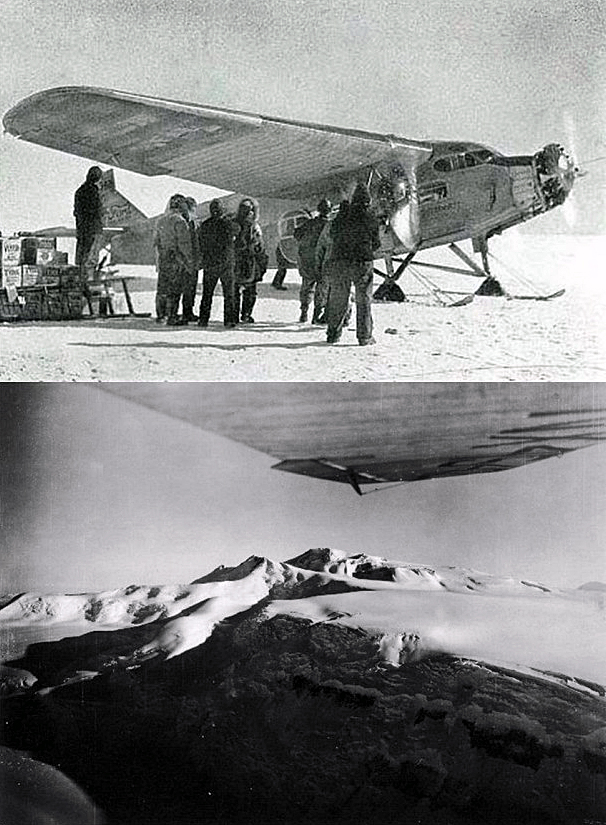
(Image credit: White Eagle Aerospace)
Floyd Bennett and crew eventually made it to the “target,” dropping an American flag weighted with a stone upon Floyd Bennett’s grave. After a fuel stop at a fuel depot en route home, and after 19 hours of flight time, the crew successfully returned home to Little America. The South Pole mission spanned 1,600 miles, round-trip. The Floyd Bennett, a Ford 4-AT-B Trimotor variant, survives today at the Henry Ford Museum of American Innovation in Dearborn, Michigan.