

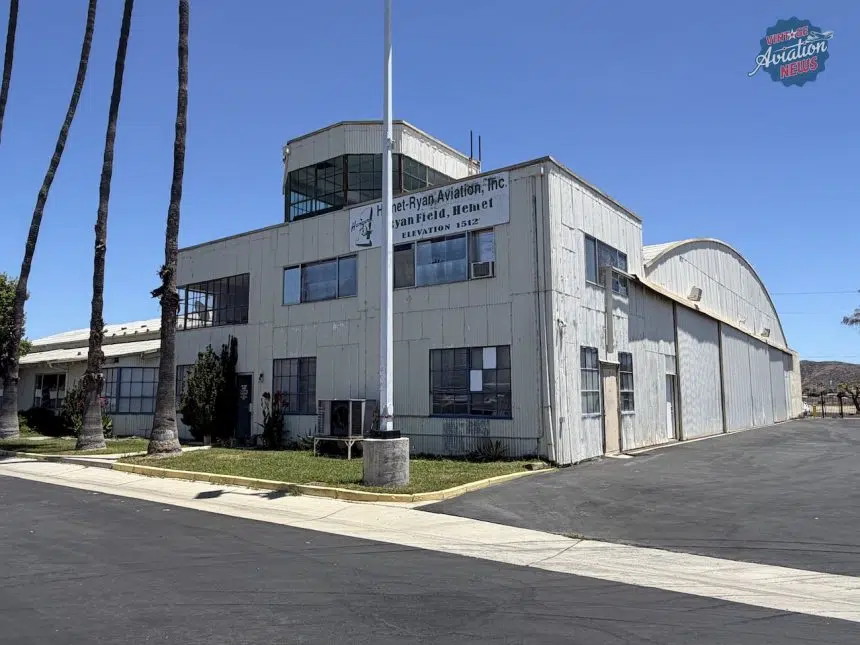

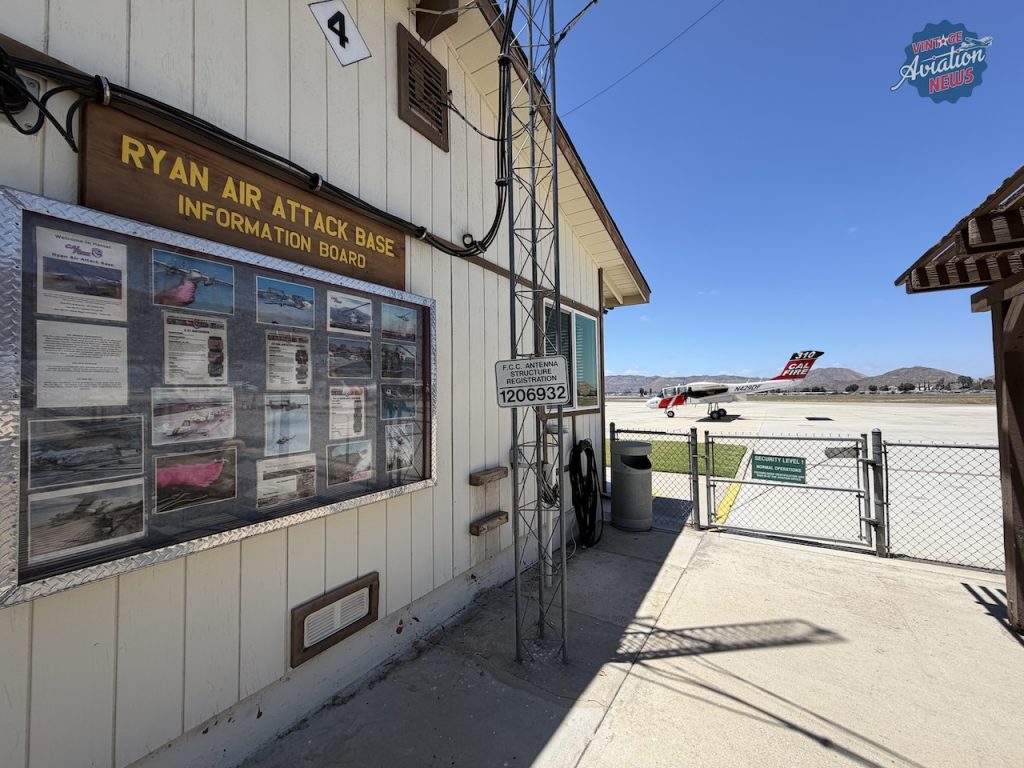
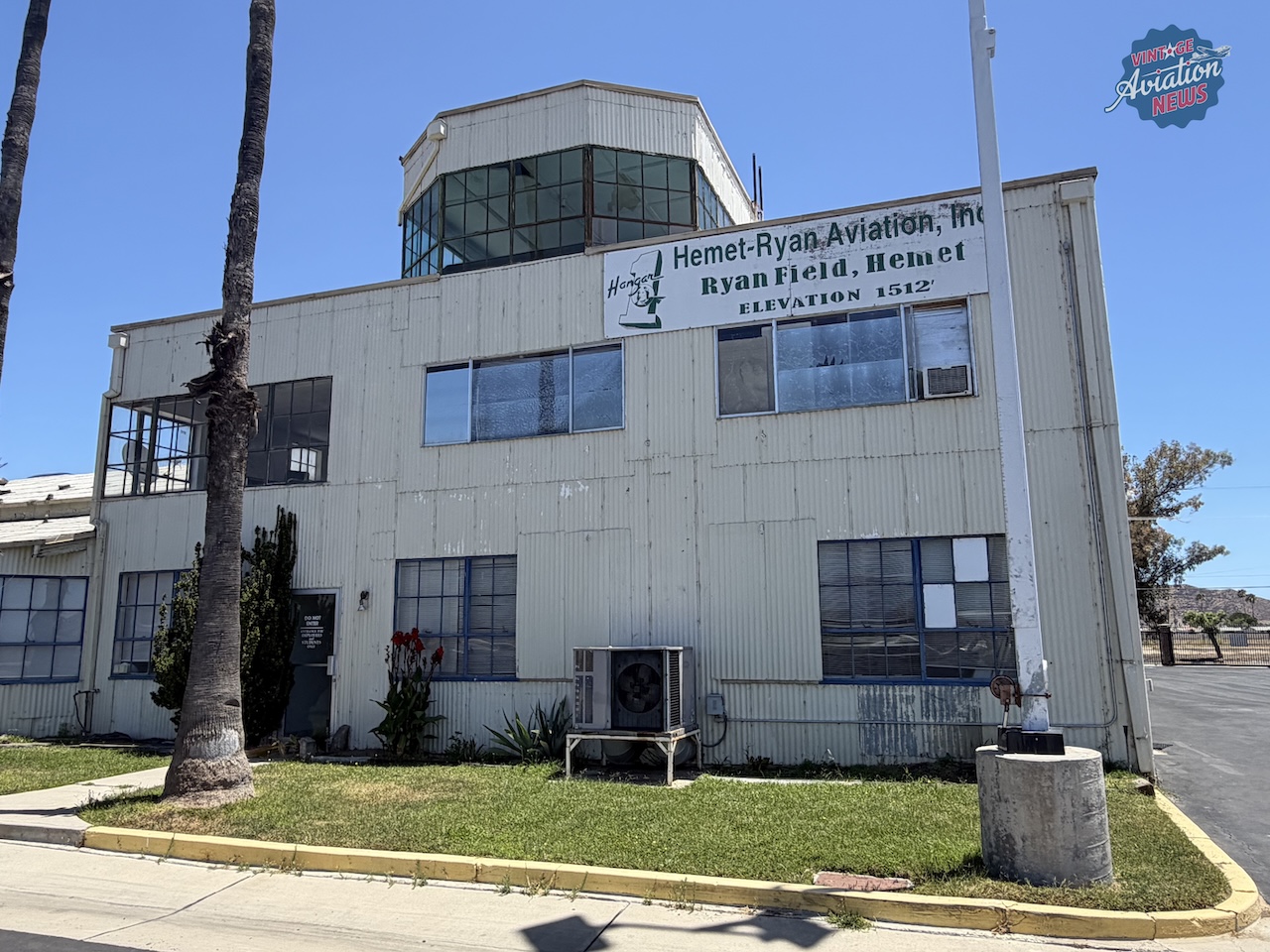
A wrong turn on a road trip can occasionally lead to a discovery worth the detour. That was the case in Hemet, California, where an unexpected stop at Hemet-Ryan Airport revealed an airfield with two compelling stories: its role in training military pilots during WWII and its continuing service as a base for aerial firefighting. For an aviation enthusiast, the connection is particularly interesting. An airport that helped prepare young Americans for military flying now supports aircraft and crews protecting Southern California communities from wildfires. Along the way, former military aircraft have found second careers carrying retardant, transporting firefighters, and coordinating operations above the fire line.
(Image credit: VAN)
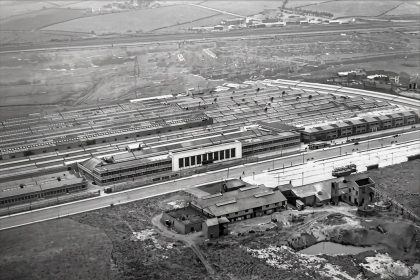
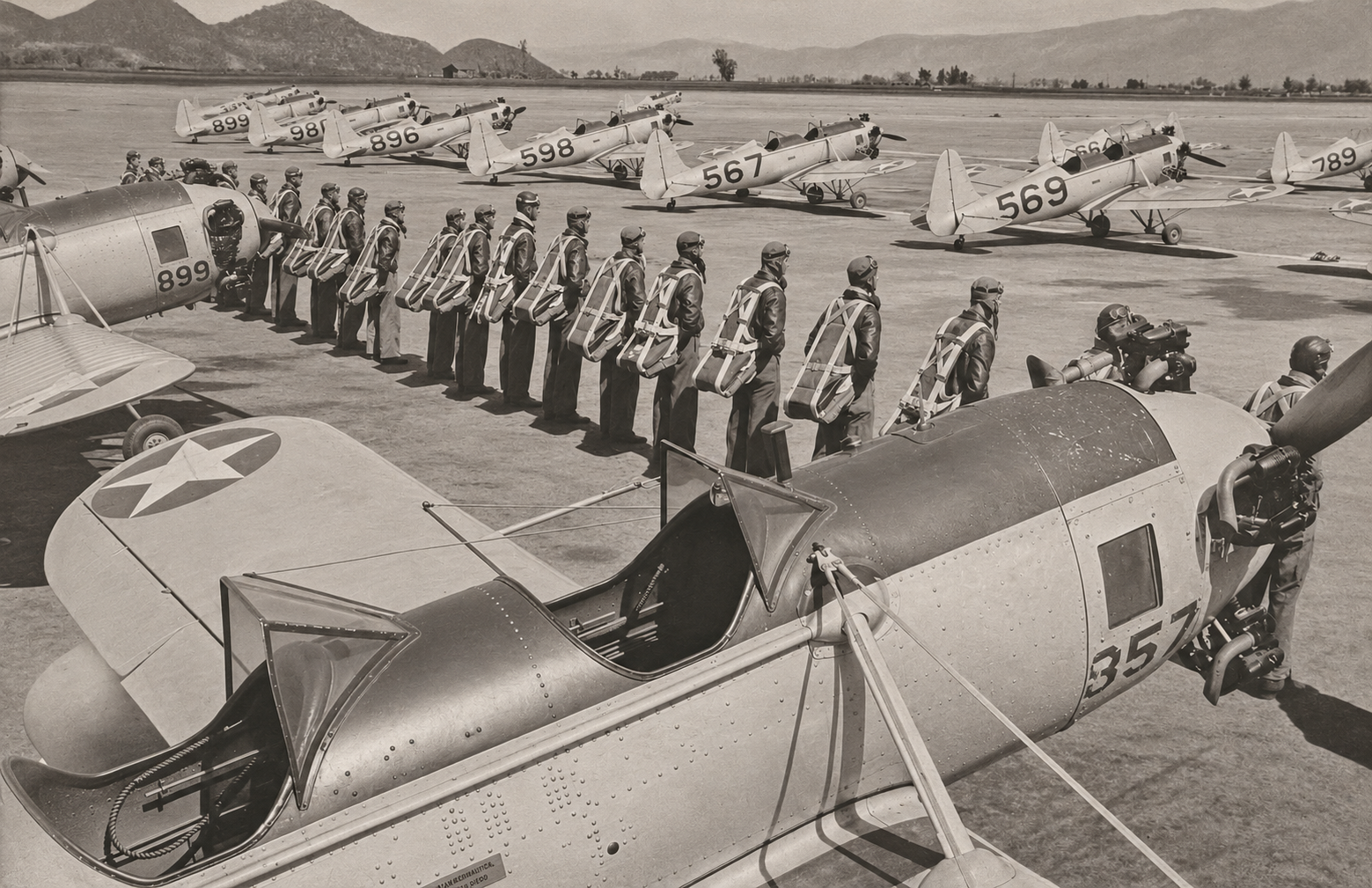
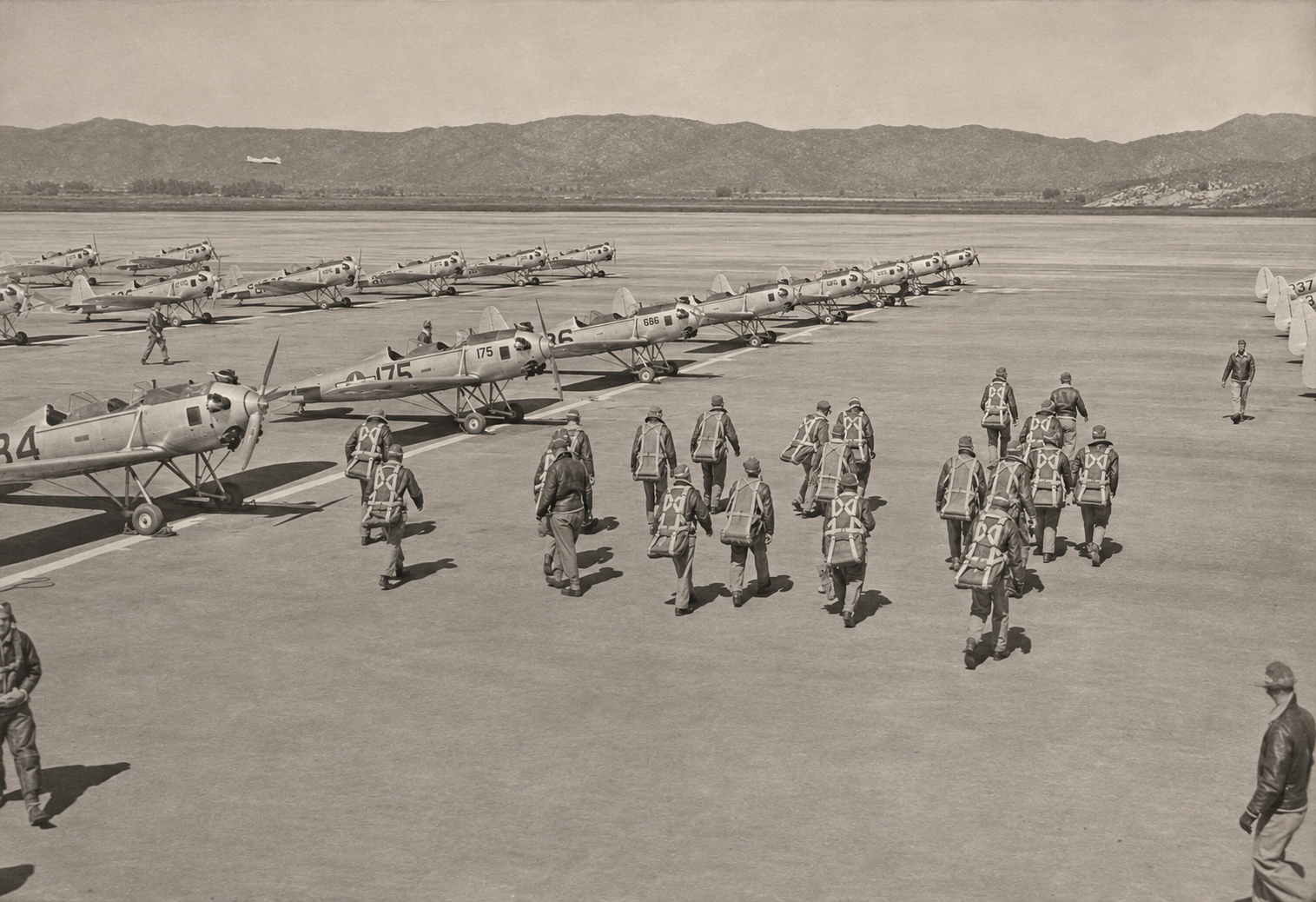
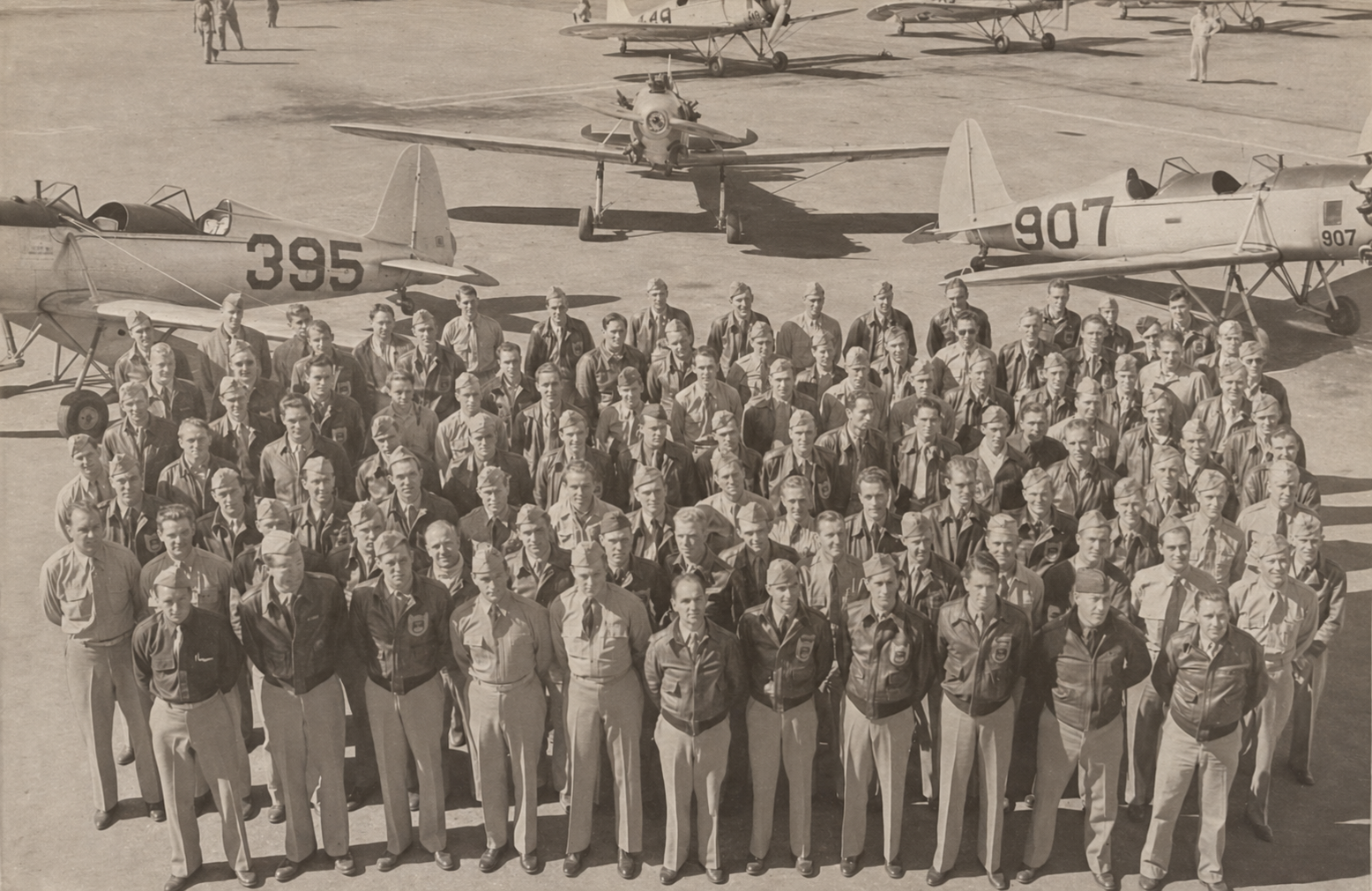
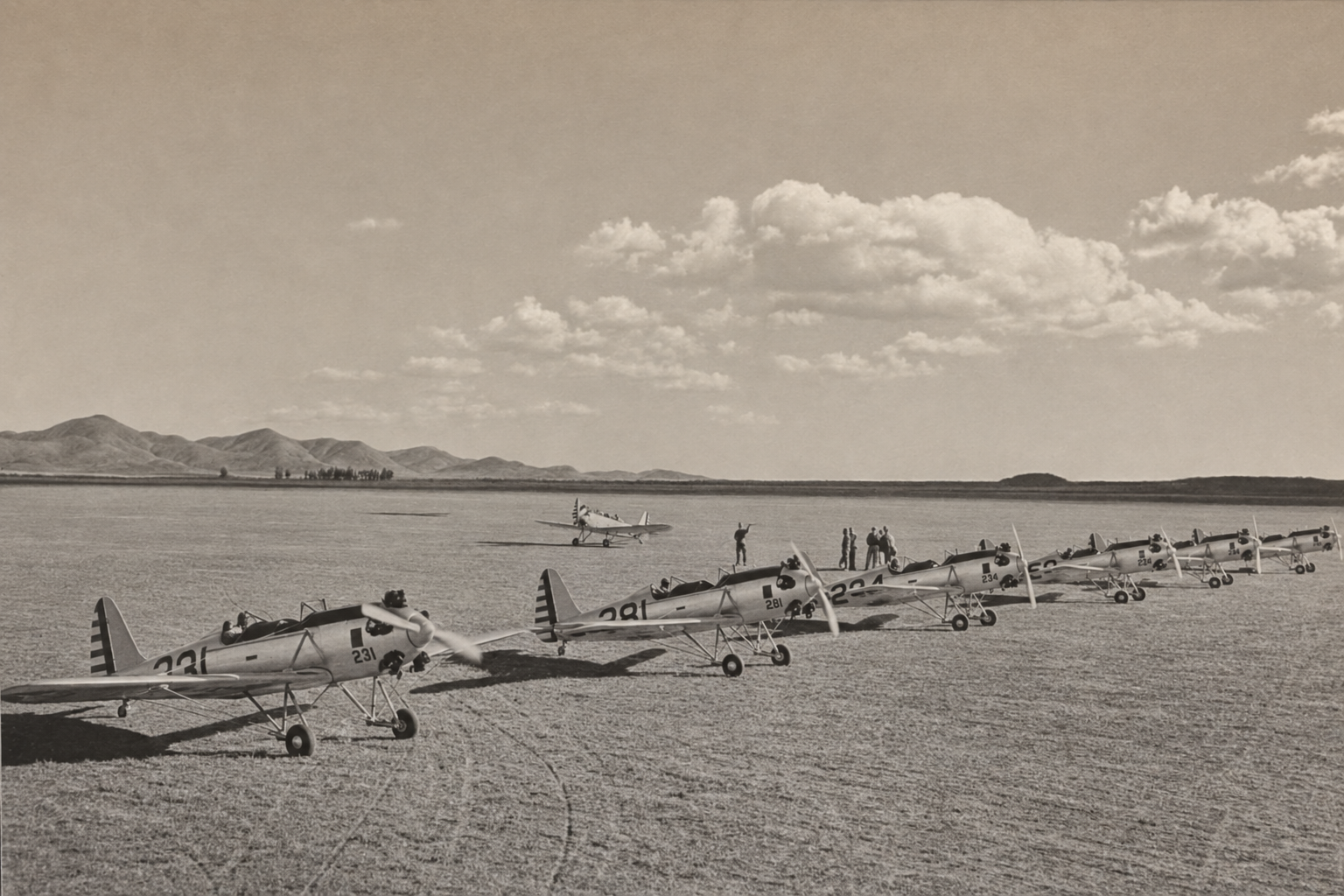
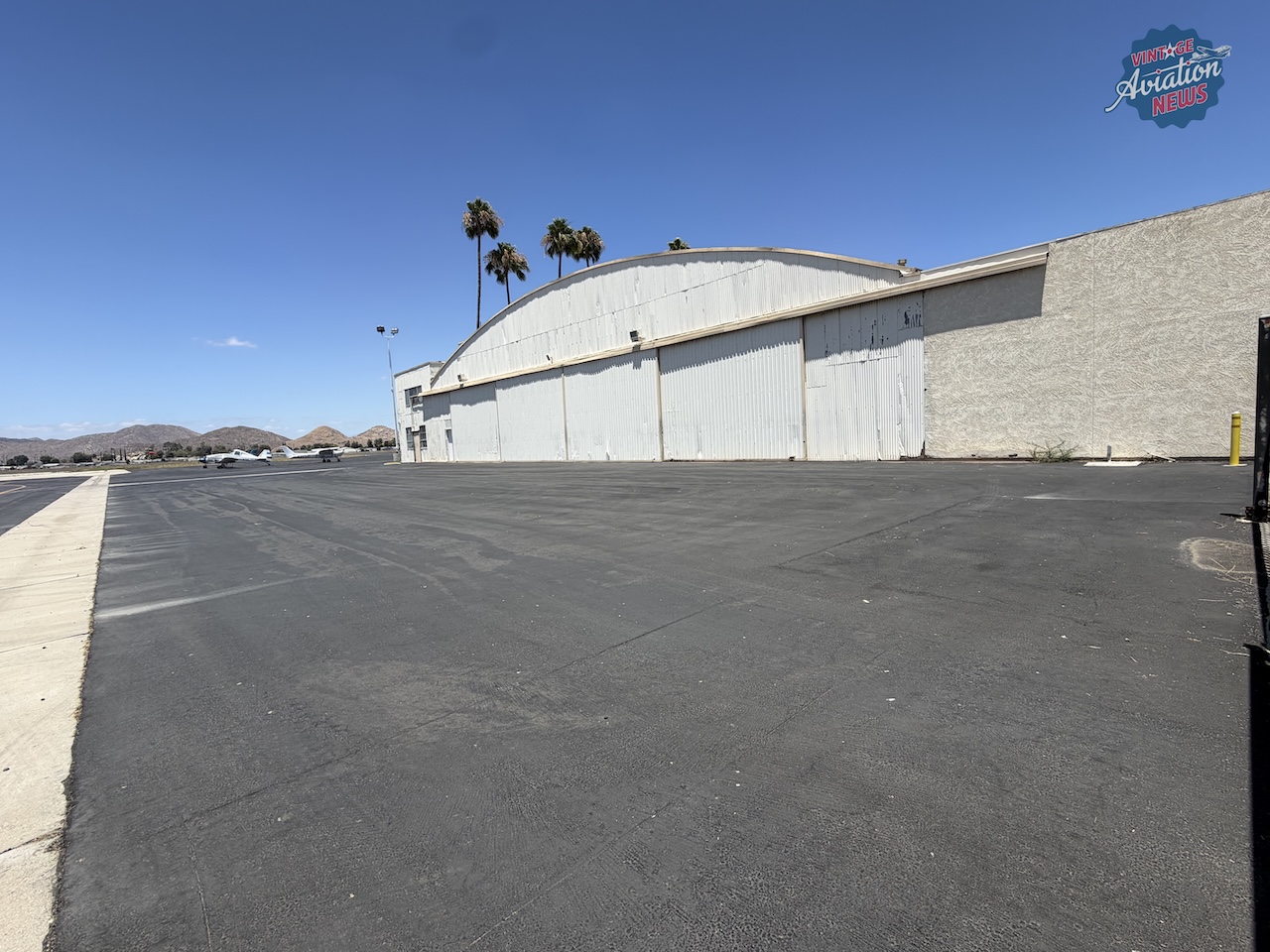
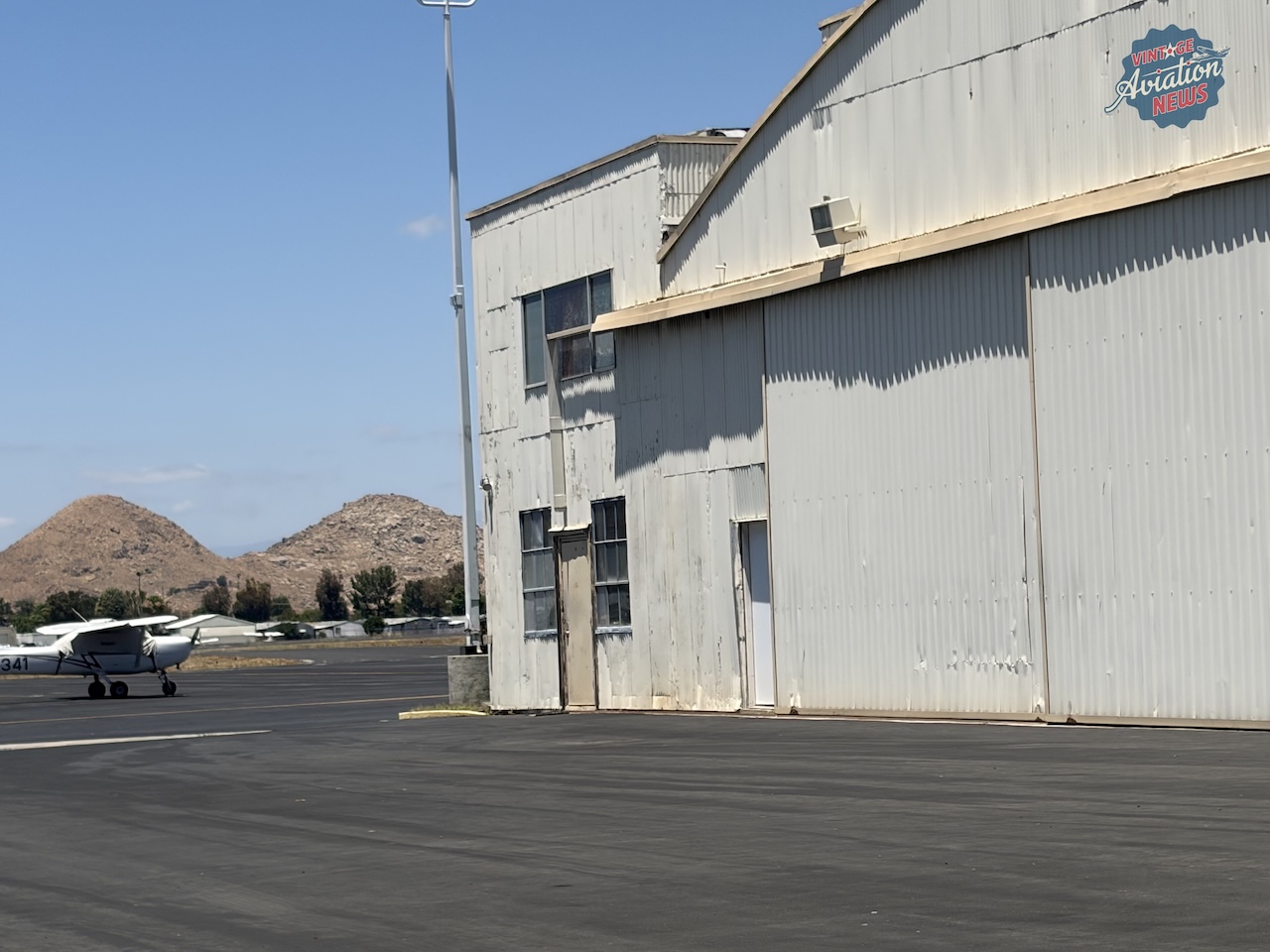
Hemet-Ryan’s military history began in September 1940, when the Ryan School of Aeronautics opened a contract flying school for the U.S. Army Air Corps. With war already underway in Europe, the United States was expanding its pilot training capacity. Civilian-operated schools such as Ryan’s helped meet that demand by providing the first stage of military flight instruction. The Hemet school continued operating until December 1944.

Primary training introduced cadets to the fundamentals of military flying before they advanced to more demanding aircraft and specialized instruction. The airport’s wartime history includes Boeing-Stearman PT-17s and Ryan training aircraft, linking the field to types that remain familiar sights at vintage aviation gatherings today. The end of the Army training program did not immediately end Hemet’s military use. According to the California State Military Museum, the field was loaned to the Marine Corps in April 1945 as an outlying field supporting El Toro. Seabees installed catapult and arresting equipment for carrier training, adding another, less familiar chapter to its wartime service. The property subsequently became a public airport owned and operated by Riverside County.
A different mission began taking shape in 1957, when the U.S. Forest Service established air tanker loading operations at the airport. The California Division of Forestry, the predecessor of today’s CAL FIRE, followed in 1959. The agencies consolidated their activities into a shared air attack base in 1969, an arrangement that continued until the Forest Service moved its tanker operations to the former Norton Air Force Base in 1998.

Today, the CAL FIRE Riverside Unit operates Hemet-Ryan as a joint Air Attack and Helitack base. Its work combines aerial coordination, retardant delivery, and helicopter support for firefighters on the ground. These are complementary assignments: one aircraft helps organize the response overhead, while others deliver retardant, water, or personnel where they are needed.

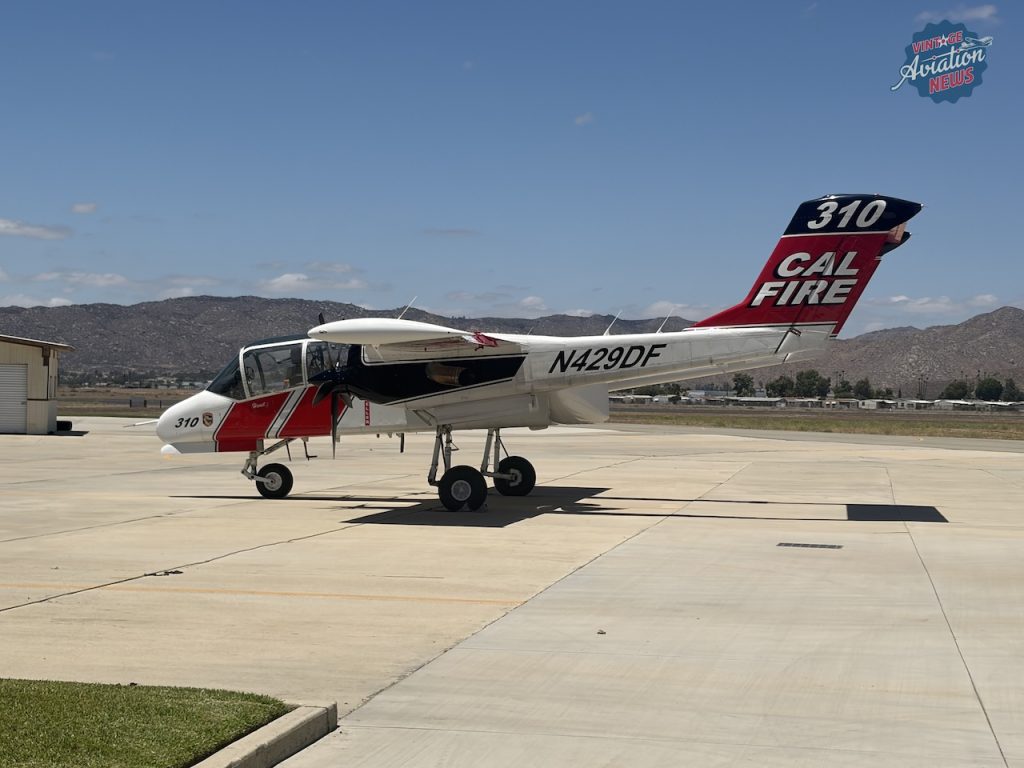
The North American Rockwell OV-10A Bronco serves as the airborne coordination platform. Originally developed for military observation, counter-insurgency, and close air support, the Bronco offers visibility well suited to monitoring a wildfire. CAL FIRE acquired surplus OV-10As in 1993 to replace its Cessna O-2A aircraft. At Hemet-Ryan, Air Attack 310 carries a pilot and an Air Tactical Group Supervisor. Working with the incident commander on the ground, the supervisor assesses the fire’s movement and coordinates airtanker and helicopter activity. The Bronco’s contribution is the view and coordination it provides above an incident, helping direct drops and manage the aircraft sharing the airspace.
(Image credit: VAN)
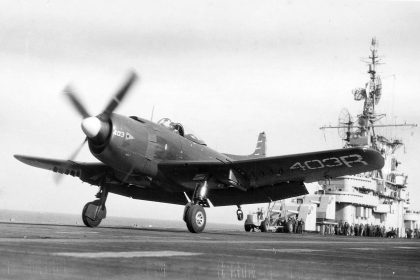
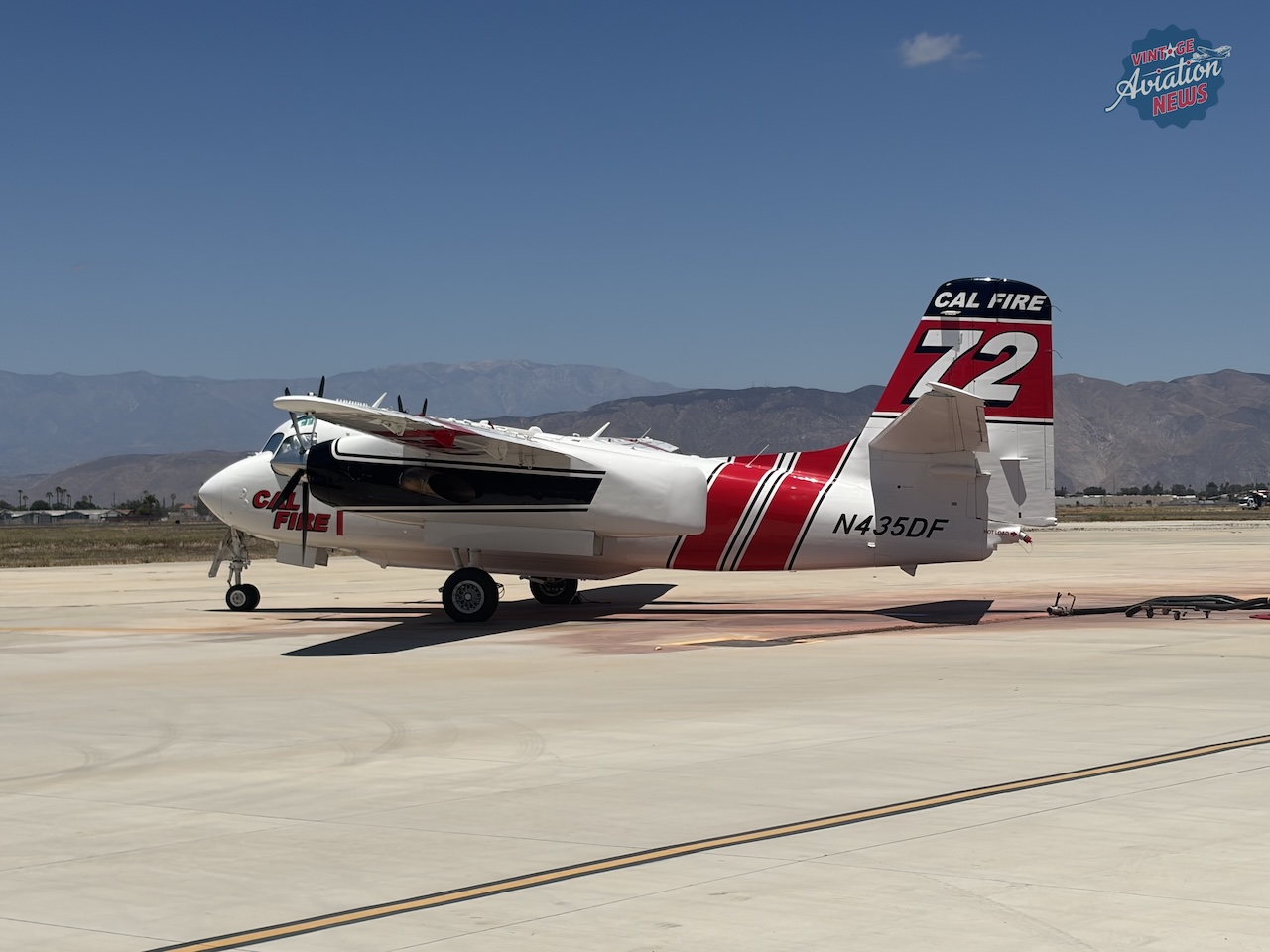
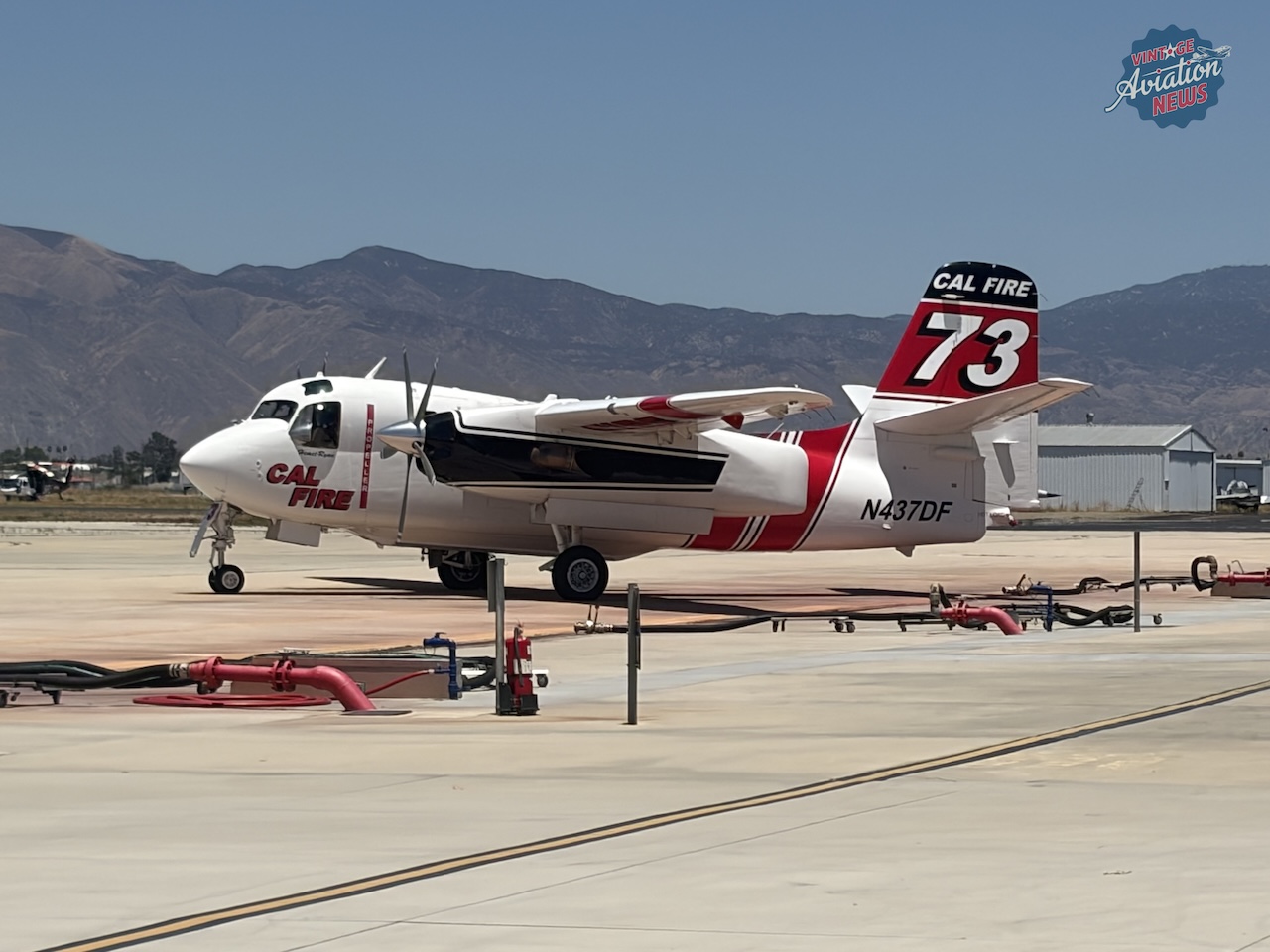
The Grumman S-2T represents another adaptation of a military aircraft. Its origins lie in the carrier-based Tracker, designed to hunt submarines for the U.S. Navy. In CAL FIRE service, the aircraft’s mission became the rapid delivery of retardant during the initial attack on wildland fires. CAL FIRE acquired 26 surplus S-2E/G aircraft in 1996 for conversion to turboprop airtankers. The work included installing modern engines and equipment for the firefighting assignment. Each converted aircraft carries a single pilot and up to 1,200 gallons of retardant, with two Garrett engines rated at 1,650 horsepower each. Compared with the earlier piston-powered S-2As, the rebuilt aircraft offered improved performance and a larger retardant load. Hemet-Ryan also played a part in the earlier development of the Tracker as a firefighting aircraft. Hemet Valley Flying Service completed the first two S-2A conversions, which were tested at Ryan Air Attack Base. That local connection makes the tankers particularly relevant to the airport’s story.
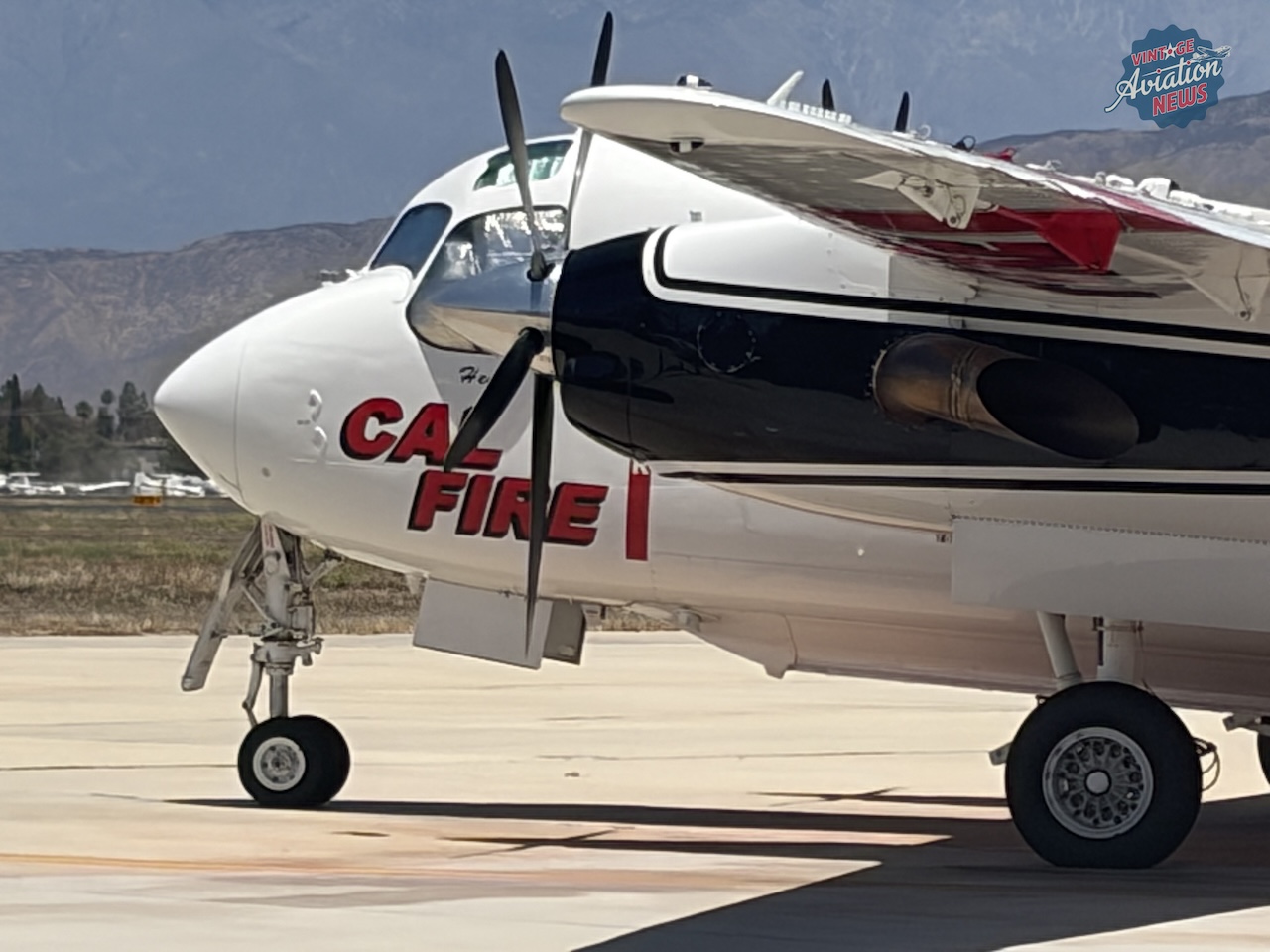
Helicopters added another dimension to the base’s capabilities. The Bell UH-1H Super Huey became a familiar part of that operation, adapting the military utility helicopter to transporting firefighters, delivering water and foam, moving equipment, and supporting rescues. It could employ a 324-gallon bucket or a 360-gallon fixed tank, allowing it to support crews after delivering them to a fire. The Super Huey’s assignments extended beyond water drops. CAL FIRE used the type for medical evacuations, prescribed burning, internal and external cargo transport, and short-haul rescues. Its versatility made it a valuable tool in terrain where access by ground could be difficult or slow. The helicopter fleet has since evolved. CAL FIRE now lists Hemet-Ryan among its Sikorsky S-70i CAL FIRE HAWK assignments. Equipped with a 1,000-gallon water tank and an external rescue hoist, the newer helicopter brings greater water capacity and capabilities for night firefighting and rescue operations.

Across these different generations of aircraft, Hemet-Ryan’s story follows the changing demands placed on aviation. The field helped train military aviators during WWII, became a civilian airport, and developed into a base supporting Southern California’s aerial firefighting response. The Tracker, Bronco, and Huey add another connection to that history, demonstrating how military aircraft could be adapted for years of demanding civilian service. It was an unexpected discovery on a road trip—and a worthwhile reminder that an unfamiliar airport sign can lead to a story worth stopping for. For more information about Hemet-Ryan Airport, visit www.rchmtra.com. For more information about Hemet-Ryan Helitack Base, visit www.rvcfire.org.
Sources
Hemet-Ryan Airport — Wikipedia
https://en.wikipedia.org/wiki/Hemet-Ryan_Airport
Marine Corps Outlying Field Hemet — California State Military Museum
https://www.militarymuseum.org/MCOLFHemet.html
Hemet Ryan Air Attack Base — Riverside County Fire Department
https://www.rvcfire.org/our-departments/operational-support/hraab
CAL FIRE HAWK — CAL FIRE
https://www.fire.ca.gov/what-we-do/fire-protection/aviation-program/cal-fire-s-70
CAL FIRE aircraft information supplied in CAL_FIRE_Display_Transcriptions(1).docx