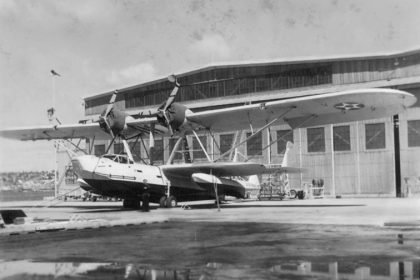


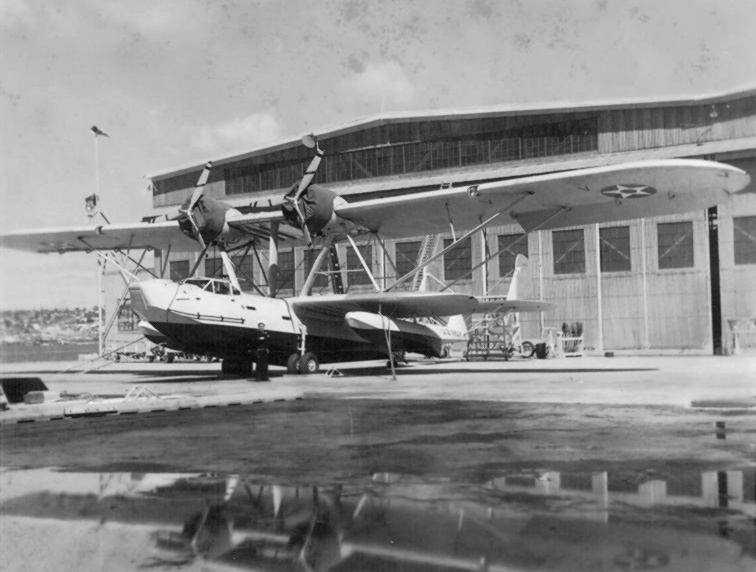

Patrol Bombing Squadron 125 (VPB-125) began as Patrol Squadron VP-20, formed on September 1, 1938, at Naval Air Station Seattle, Washington. The squadron operated the Consolidated P2Y-3 seaplane and was part of Patrol Wing Four. In January 1940, the squadron sent a team to Sitka, Alaska, to test new equipment that deiced wings. The seaplane tender USS Teal supported these tests. The following year brought several changes and moves for the squadron. On January 6, 1941, it was renamed VP-61 and redesignated Patrol Squadron 82 (VP-82) on July 1, 1941. In June, it moved to NAS Norfolk, Virginia, and then on August 15, it relocated to NAS Floyd Bennett Field, New York, where it began rigorous antisubmarine warfare and search-tactics training. In the fall of 1941, the squadron moved again, first returning to Norfolk and then relocating to NAS Quonset Point, Rhode Island. By October 28, it had 15 aircraft. During this time, the squadron switched between several aircraft types, including the P2Y-3, PBY-3, PBY-4, and PBY-5, before using the Lockheed Hudson, which the Navy called the PBO-1. Switching to the Hudson was an important moment in the development of US Navy patrol aviation. From October to November 11, 1941, the squadron’s 40 pilots worked with Army crews to ferry Hudson bombers from Burbank, California, to Norfolk. These aircraft were originally meant for British service and still had British markings.

After the United States entered WWII, VP-82 took on a bigger role in protecting shipping in the Atlantic. From January to May 1942, 12 aircraft were sent to Naval Air Station Argentia, Newfoundland, to cover convoys, patrol harbors, and sweep for submarines. The squadron was part of Patrol Wing Seven. Initially, crews lived aboard the USS Pocomoke, later moving to other ships like the USS George E. Badger and USS Barnegat. On May 22, they finally moved into the air station’s barracks. During their patrols, the squadron encountered German submarines near Newfoundland. On January 28, 1942, VP-82 claimed that it sank a U-boat off Cape Race, but later records revealed no U-boat loss at that time. On March 1, Ensign Tepuni attacked a submarine near Cape Race, which was later identified as U-656. It was the first German submarine credited to US forces in WWII. On March 15, 1942, VP-82 reported damaging the submarine U-503. Later investigations showed that U-503 was actually sunk. The squadron operated from several bases, moving between Quonset Point, Argentia, Norfolk, and Jacksonville. In June 1942, aircraft from Jacksonville worked with VP-94 to provide convoy coverage, while other groups continued patrols from Norfolk and Quonset Point. In July, Britain’s No. 53 Squadron RAF joined the patrols at Quonset, helping with convoy coverage, antisubmarine sweeps, and photographic flights. In August, some VP-82 personnel left Norfolk for an advanced base in Trinidad. Nine squadron aircraft joined five planes from No. 53 Squadron RAF. Operating under Patrol Wing Eleven, this detachment extended the squadron’s reach into the Caribbean, where they continued to protect shipping and search for enemy submarines.

On September 29, 1942, the squadron at Quonset Point began switching from the Hudson aircraft to the Lockheed PV-1 Ventura. In November 1942, the squadron returned to Argentia with 12 Venturas and some planes from No. 53 Squadron RAF. Antisubmarine patrols and convoy protection started again on November 17. In the following months, the squadron changed its organization and mission. On April 27, 1943, one of the squadron’s Venturas attacked U-174 while the submarine was surfaced. The U-boat’s 20 mm guns seriously damaged the attacking aircraft before U-174 sank. On March 1, 1943, the unit was renamed Bombing Squadron VB-125. It returned to NAS Quonset Point on June 17, 1943, after its time in Argentia, and the Trinidad detachment likely rejoined the main squadron during this reorganization and retraining period. On July 4, 1943, VB-125 moved to Naval Air Station Boca Chica, Florida. From there, it conducted anti-submarine patrols and convoy coverage over a wide area, including Tampa, Banana River, Miami, Camagüey, and Nassau. In October, a three-aircraft team went to Naval Air Facility San Julián, Cuba, which allowed the squadron to extend its patrols deeper into the Caribbean. On October 1, 1944, the squadron changed its name to Patrol Bombing Squadron 125. Before this name change, on May 1, 1944, the unit transferred from Boca Chica to NAF San Julián, where it joined the team already stationed there. It continued to operate under Fleet Air Wing Twelve, focusing on maritime patrol and antisubmarine missions.

In February 1945, Patrol Bombing Squadron 125 received orders to move to Naval Air Facility Natal, Brazil, where it operated under Fleet Air Wing Sixteen. The squadron arrived in Natal on February 18, after VPB-145 relieved it, and began conducting barrier sweeps on February 28. In March, some units operated from Fortaleza, Fernando de Noronha, and RAF Ascension Island before rejoining the main squadron in Natal at month’s end. After years of missions in the North Atlantic and Caribbean, Patrol Bombing Squadron 125 now patrolled from Brazil to cover key shipping routes. However, its time in Brazil was short. Between April 27 and 30, 1945, the squadron moved to Naval Air Station Elizabeth City, North Carolina, where it came under Fleet Air Wing Nine. In May, it had a six-aircraft team stationed at NAS Brunswick, Maine. The Brunswick team returned to Elizabeth City on June 1 as the squadron prepared to disband. On June 8, 1945, Patrol Bombing Squadron 125 was officially disbanded, ending nearly seven years of service that began with VP-20 at NAS Seattle. Read more Squadron Histories articles HERE.