


By Randy Malmstrom
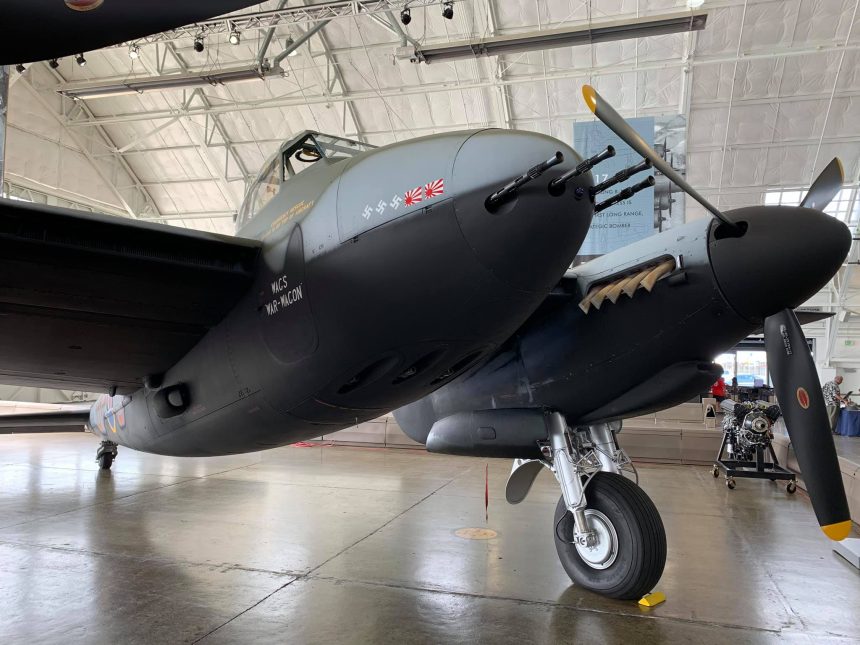
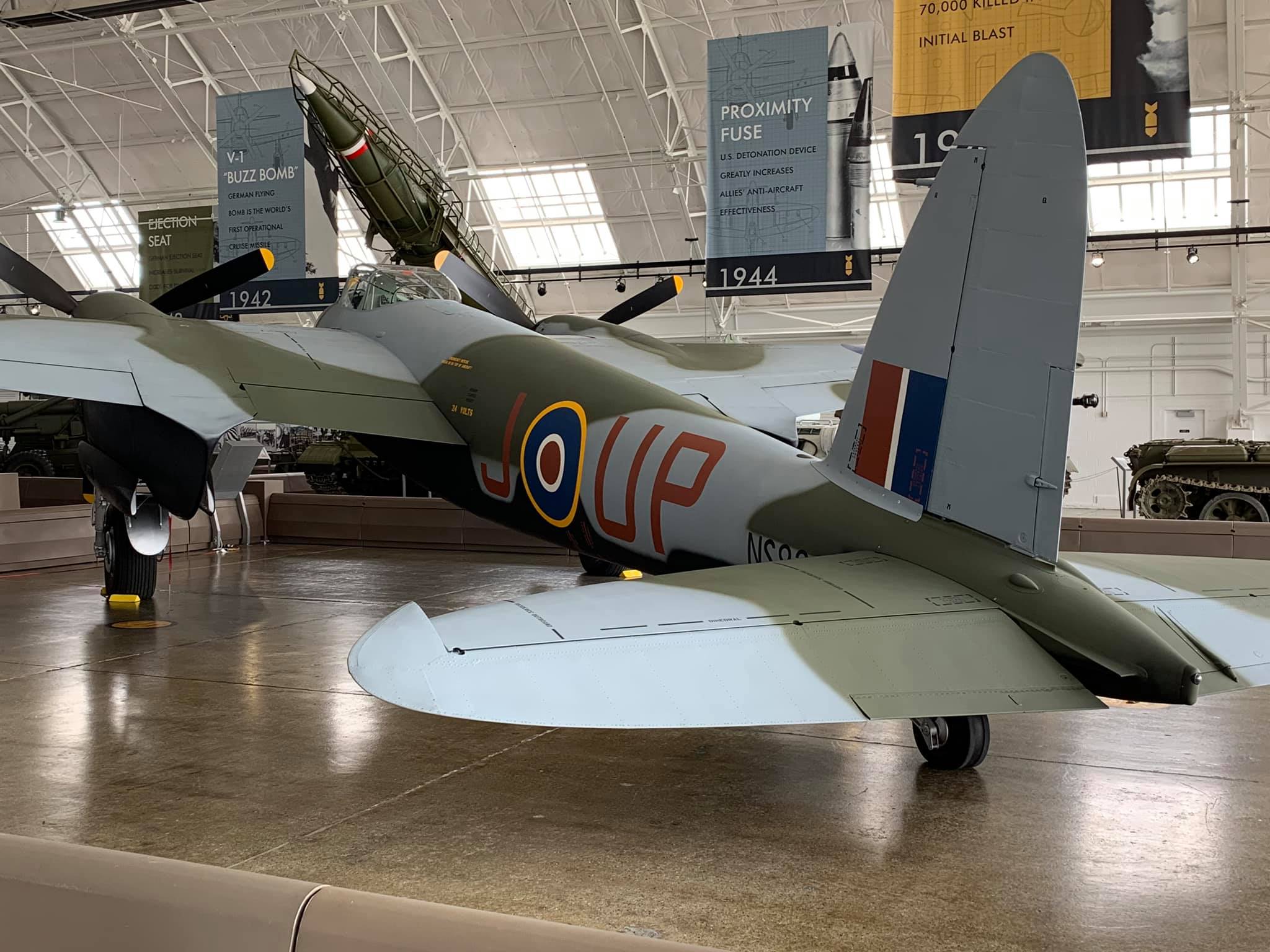
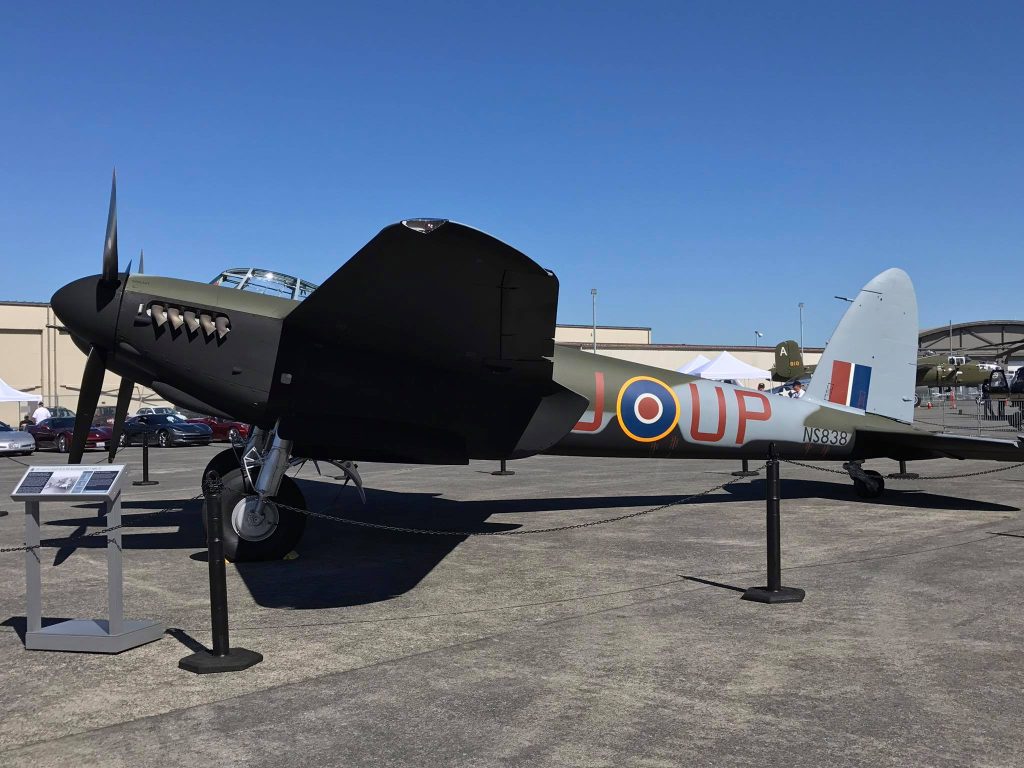
de Havilland DH.98 Mosquito T.III, TV959 (FB Mk. VI). This particular aircraft was one of 358 T.III dual-control, unarmed trainer Mosquitoes built, being constructed in August 1945 at the de Havilland Aircraft Company factory in Leavesden, England. Built too late to see combat in WWII, this particular aircraft flew as a trainer with as many as a dozen British Royal Air Force units from August 29, 1945, until its retirement on May 31, 1963: 13 OTU (Operational Training Unit) at Middleton St. George; No. 266 Squadron; 54 OTU at Eastmore; 228 OTU at Leeming; 22 MU (Maintenance Unit) at Silloth; 204 Advanced Flying School; 27 MU at Shawbury; Home Command Examination Unit at White Waltham; 49 MU; 27 MU; Fighter Command Communications Squadron; and 3 CAACU (Civilian Anti-Aircraft Co-Operation Unit) at Exeter. At the completion of its military service, it was loaned to Film Aviation Services and used in the film “633 Squadron” (marked as “MM398/HT-P”). Until 1988, it was placed in the hands of the British Imperial War Museum (IWM) at Lambeth, where the starboard wing was cut off inboard of the engine nacelle, and between 1989 and 1991, it went into storage at IWM Duxford.
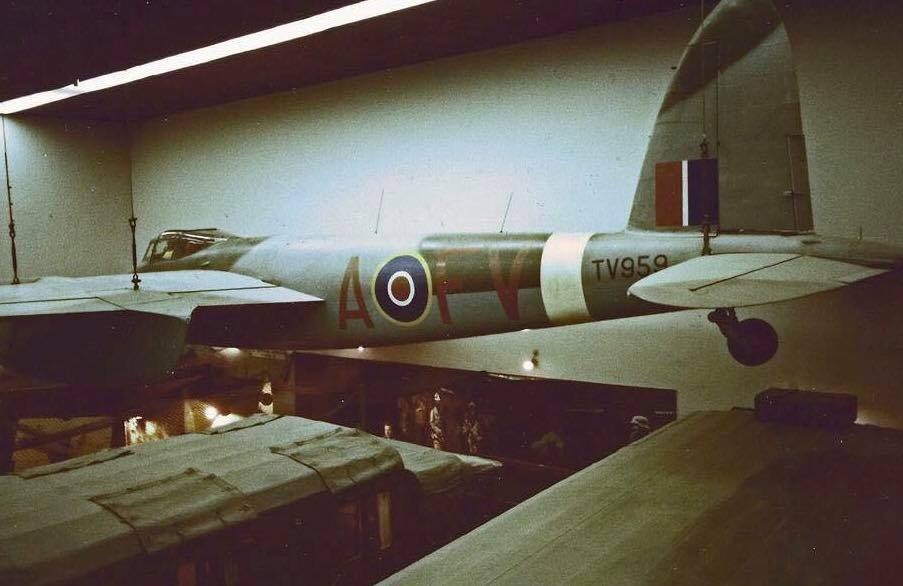
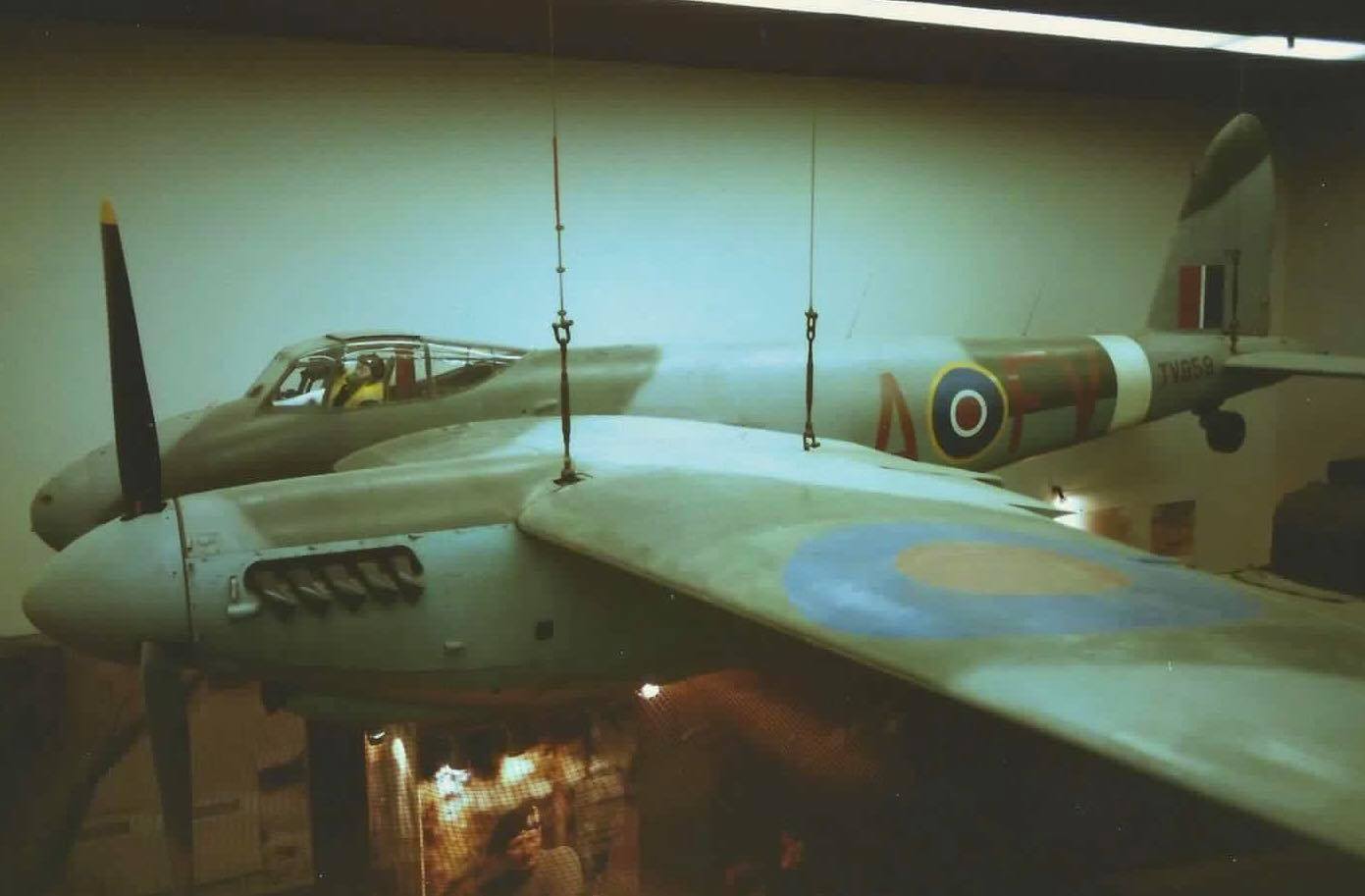
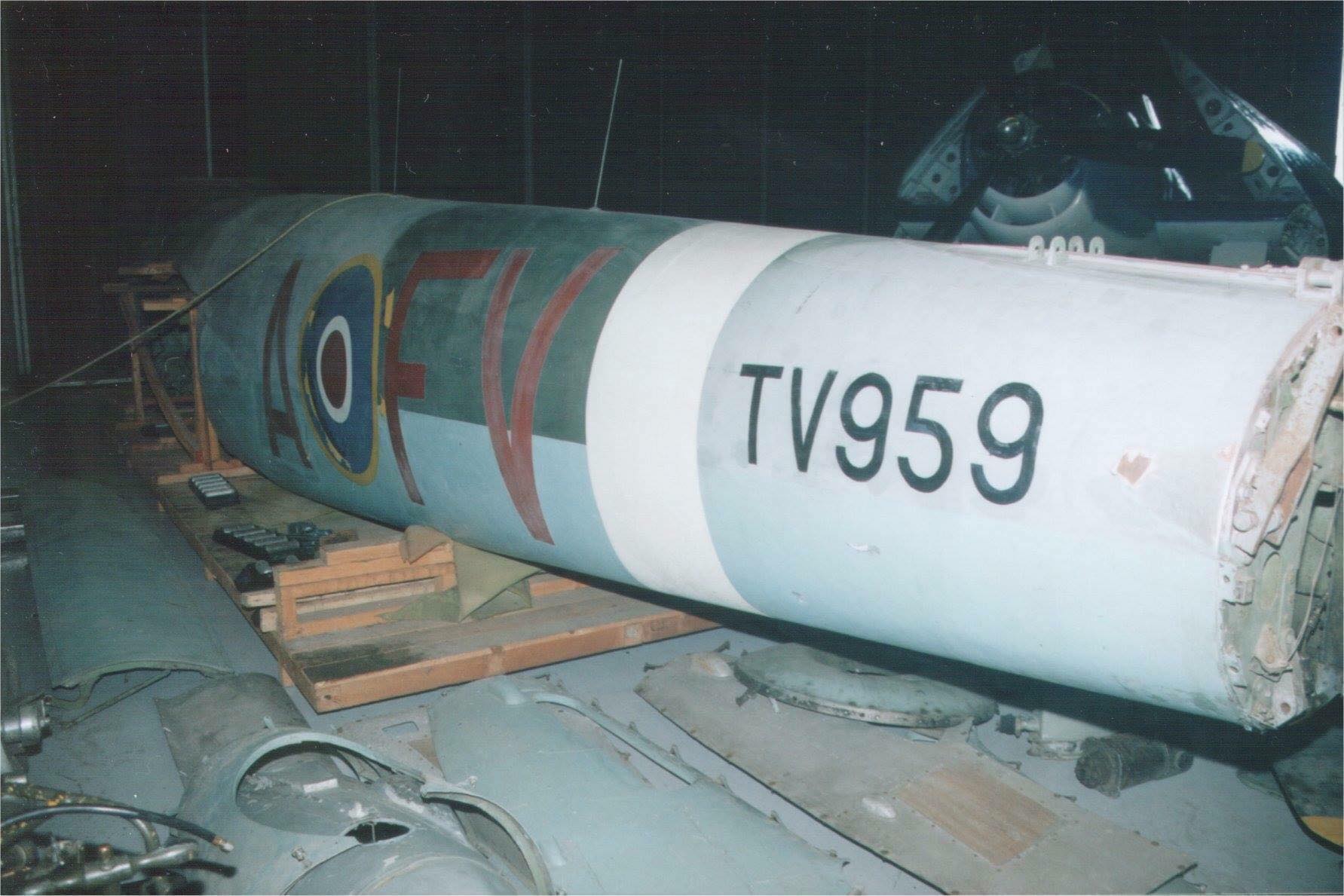
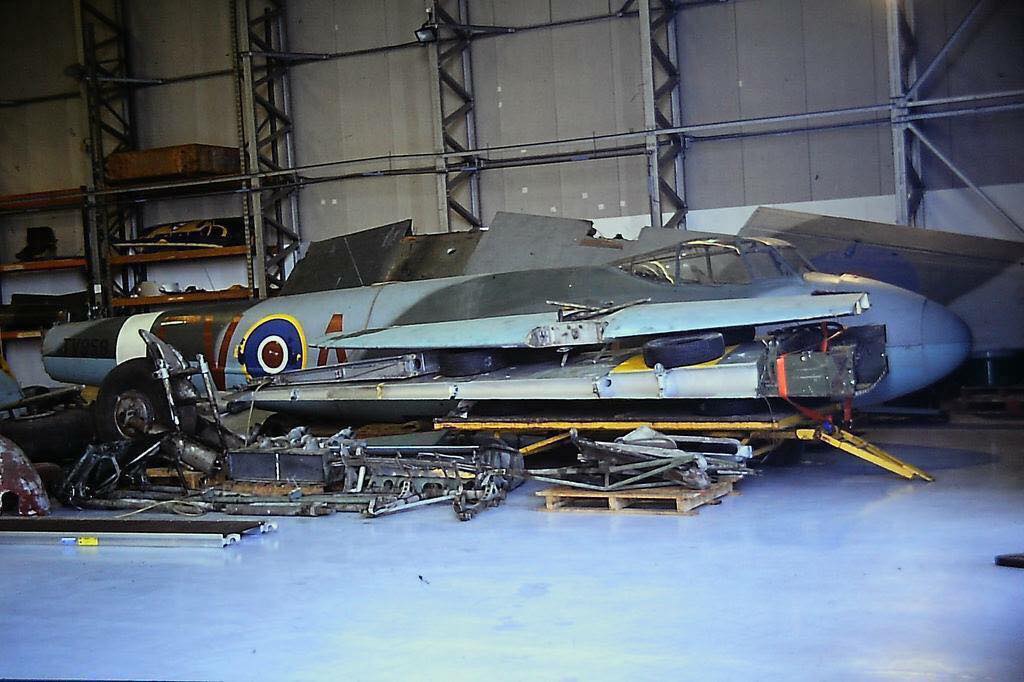
In 1992, TV959 was purchased by The Fighter Collection at Duxford, where it lay in pieces. Billionaire Paul Allen acquired it in 2003, and it became owned by his Vulcan Warbirds Inc. (incorporated in 2004), and it went into storage in an adjacent building to JME Aviation, owned by aircraft restorer Jeremy Moore in Martham, Norfolk, while he was rebuilding the largely original Fw-190A-5 and Me-262 for Vulcan Warbirds Inc. for Flying Heritage & Combat Armor Museum on Paine Field in Everett, Washington (FHCAM). (Mr. Moore’s expertise helped Paul Allen indulge his dream of owning a real-life version of most every toy plane he had as a child; an ongoing project that required virtually unlimited financial resources, with most projects taking around seven years and costing at least $3 million USD).
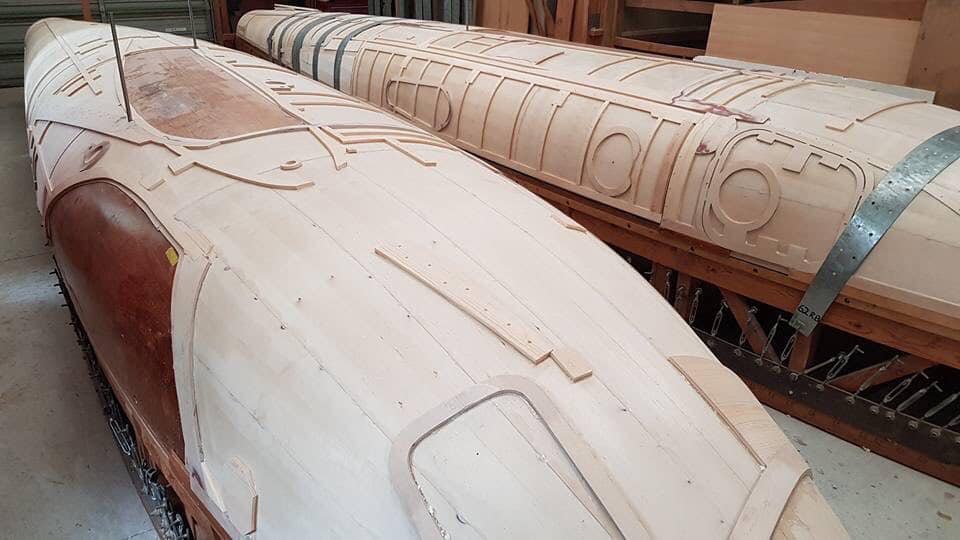
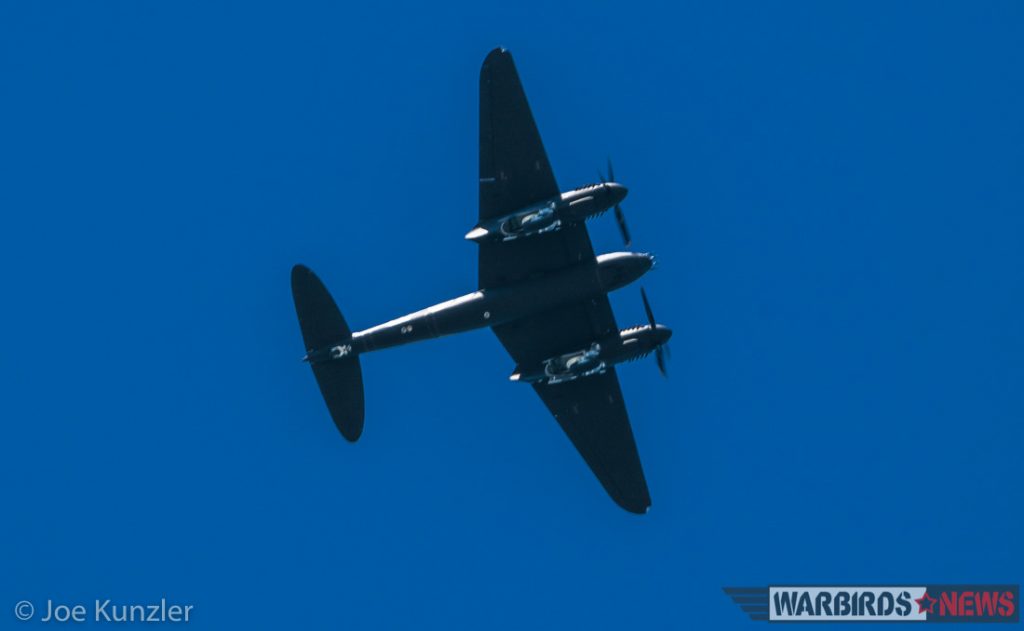
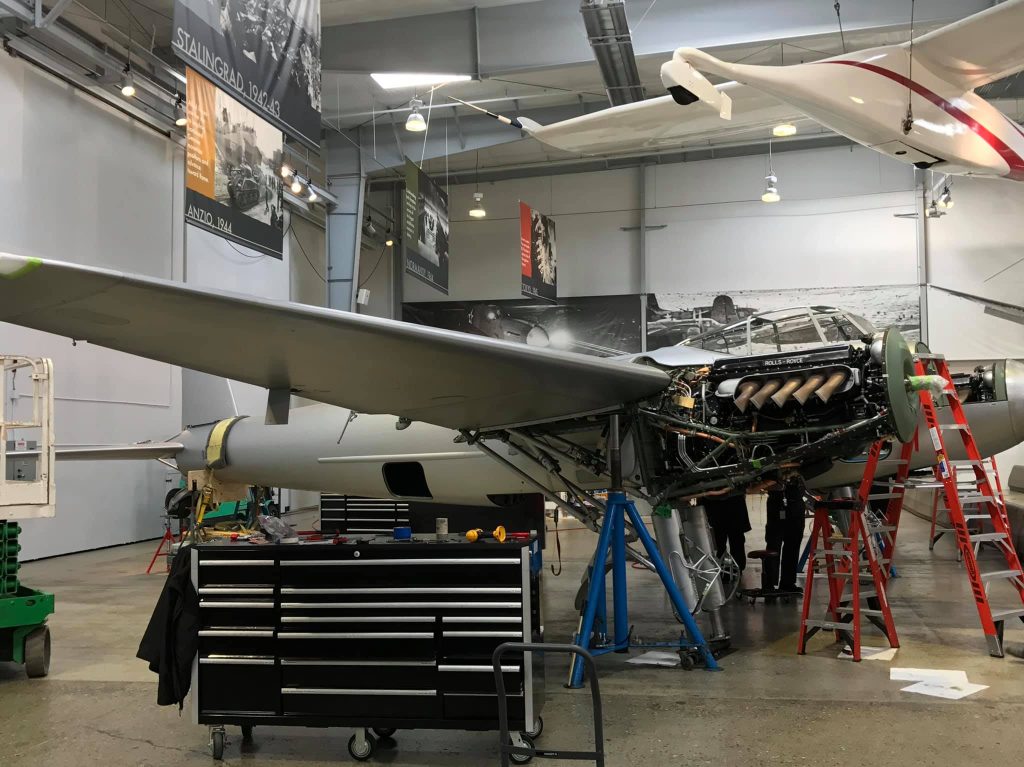
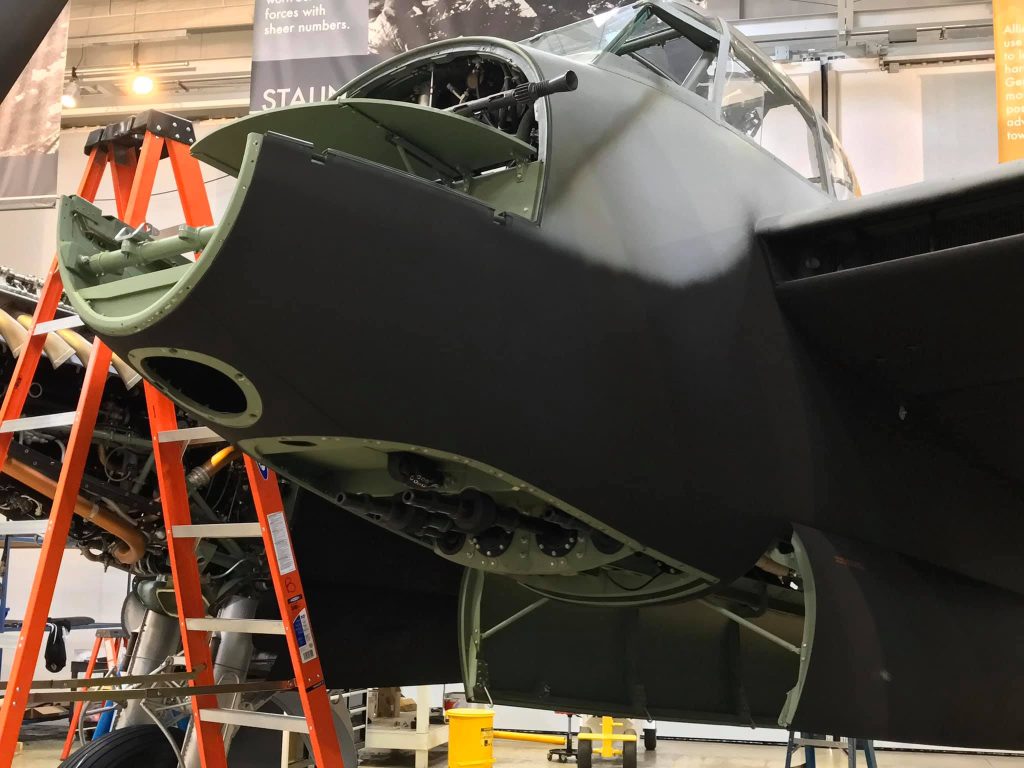
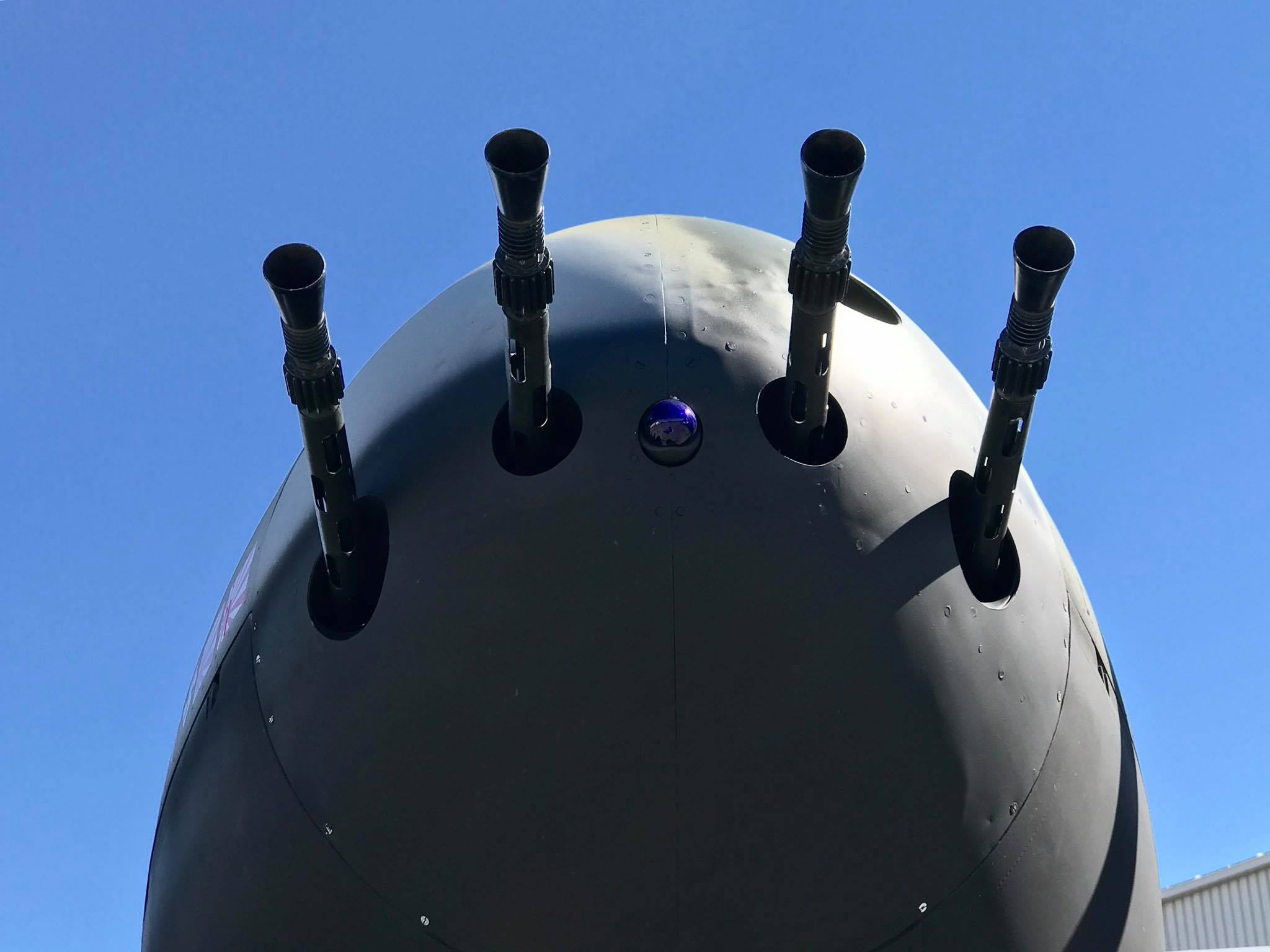
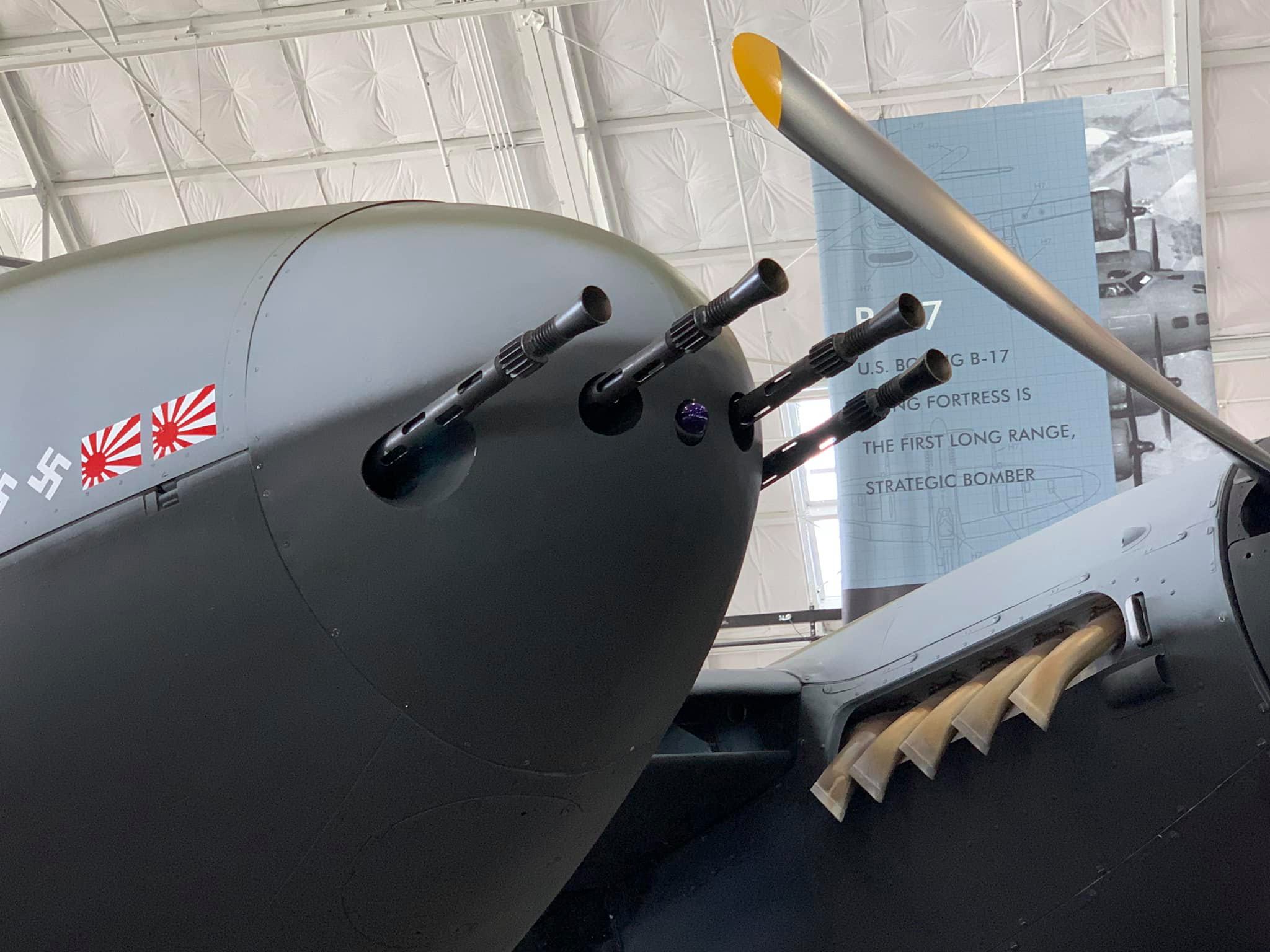
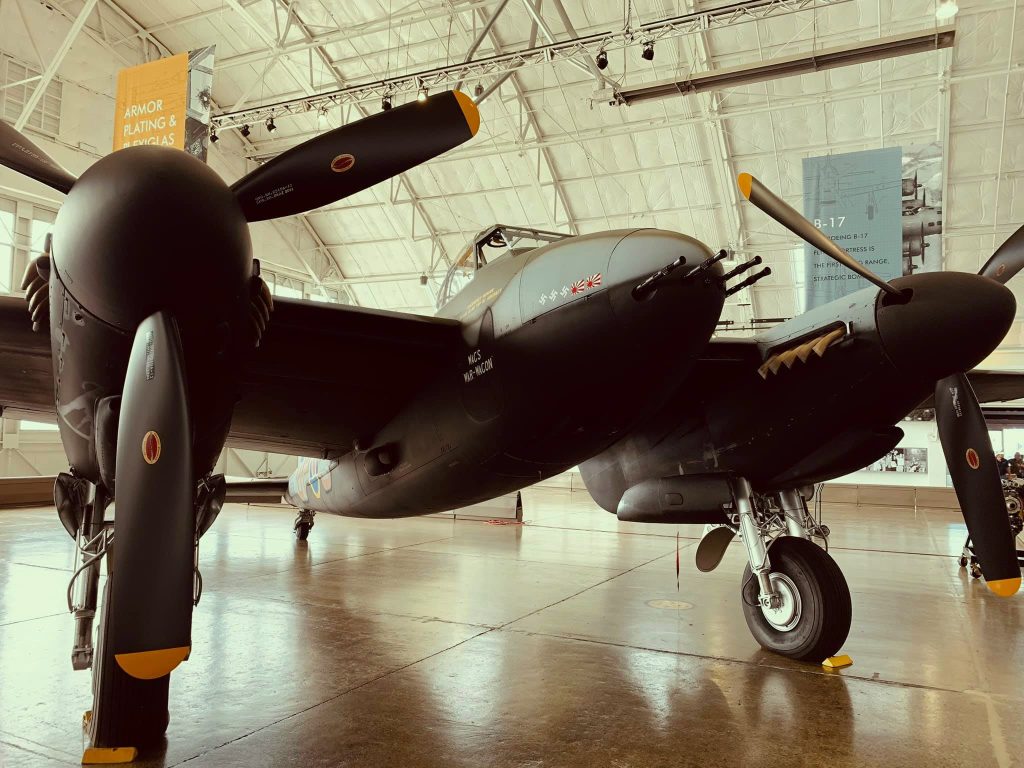
This aircraft was sent to Avspecs Limited at Ardmore Airfield, Auckland, New Zealand, for restoration using a new wood fuselage built by Glyn Powell, along with remnants of TV959, and a new wing assembly was built by Avspecs and arrived at FHCAM for reassembly in 2016. The aircraft has retained some of its features of a trainer, such as dual controls in the cockpit, yet fitted to some degree as a wartime FB MK. VI fighter- bomber with four 7.7 mm Browning machine guns and four 20 mm Hispano Mk.2 cannon in the nose, and is painted overall gray with green disruptive camouflage on the upper surfaces and flat black under-surfaces. As with a majority of fighter/fighter-bomber and trainer variants, this aircraft is also fitted with a flat, bullet-proof windscreen. It is my understanding that the night fighter variants had the matte black paint (as opposed to glossy black, which produced less drag) slowed the airplane down by 15 mph (24 km/h).
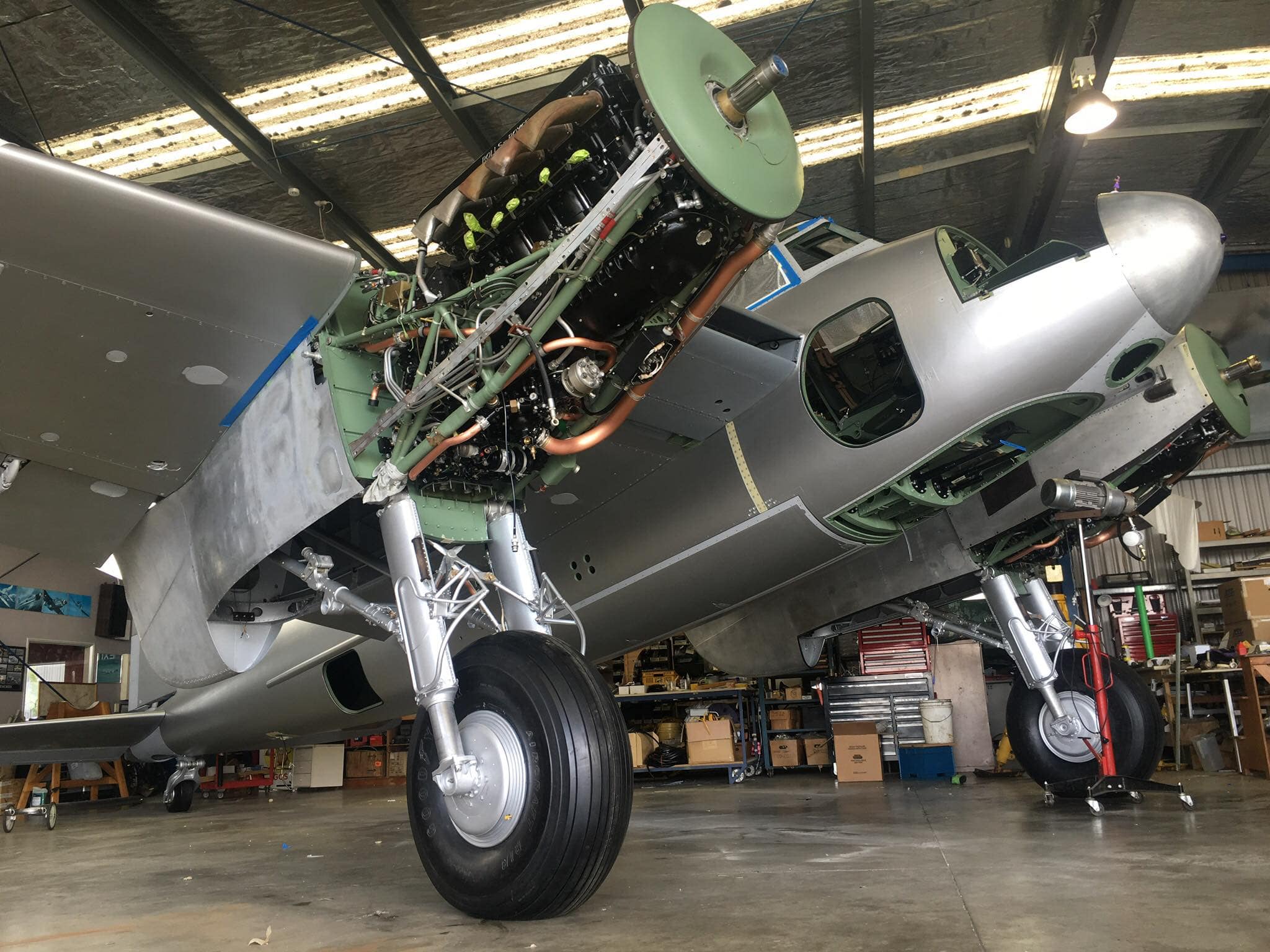
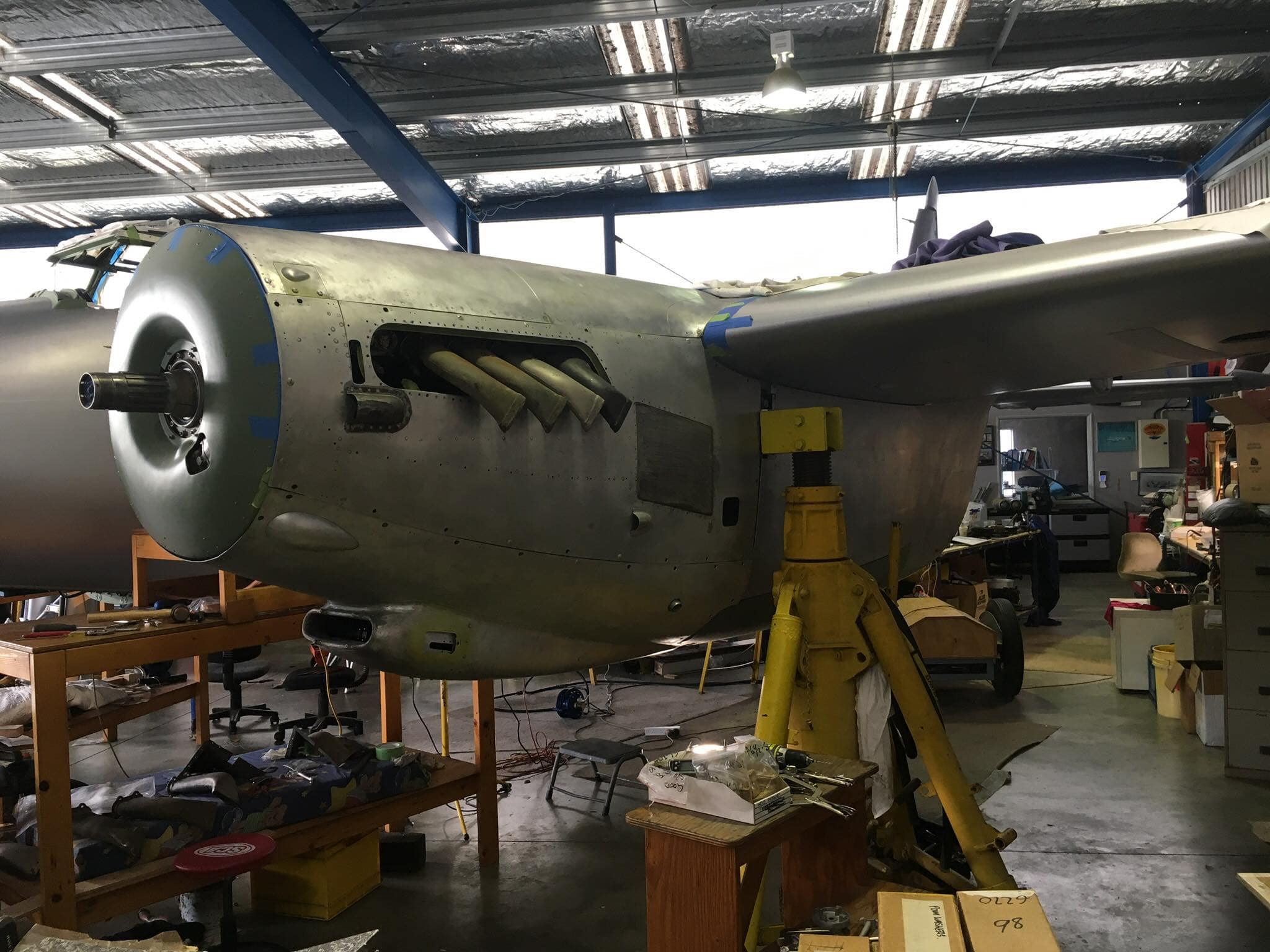
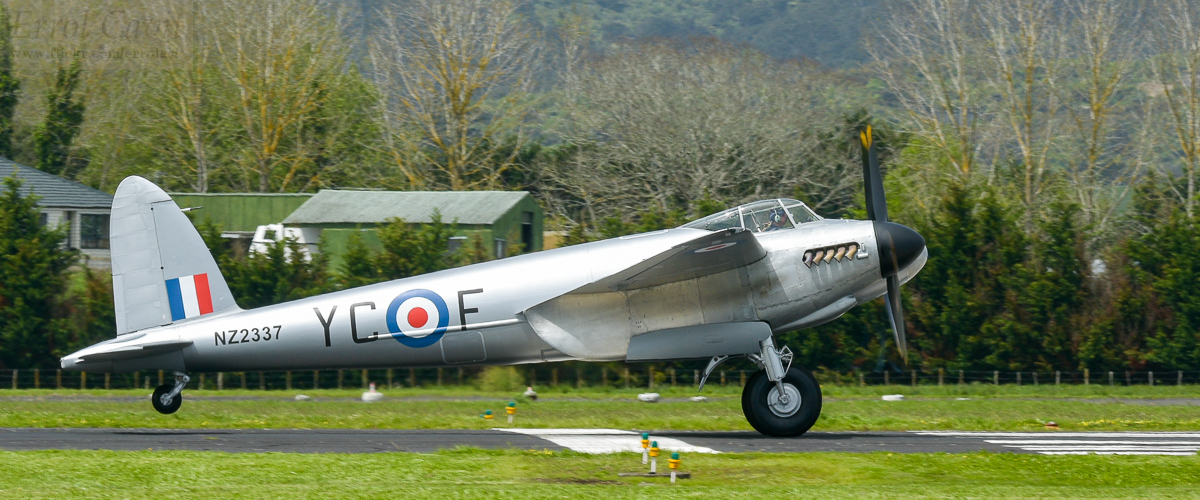
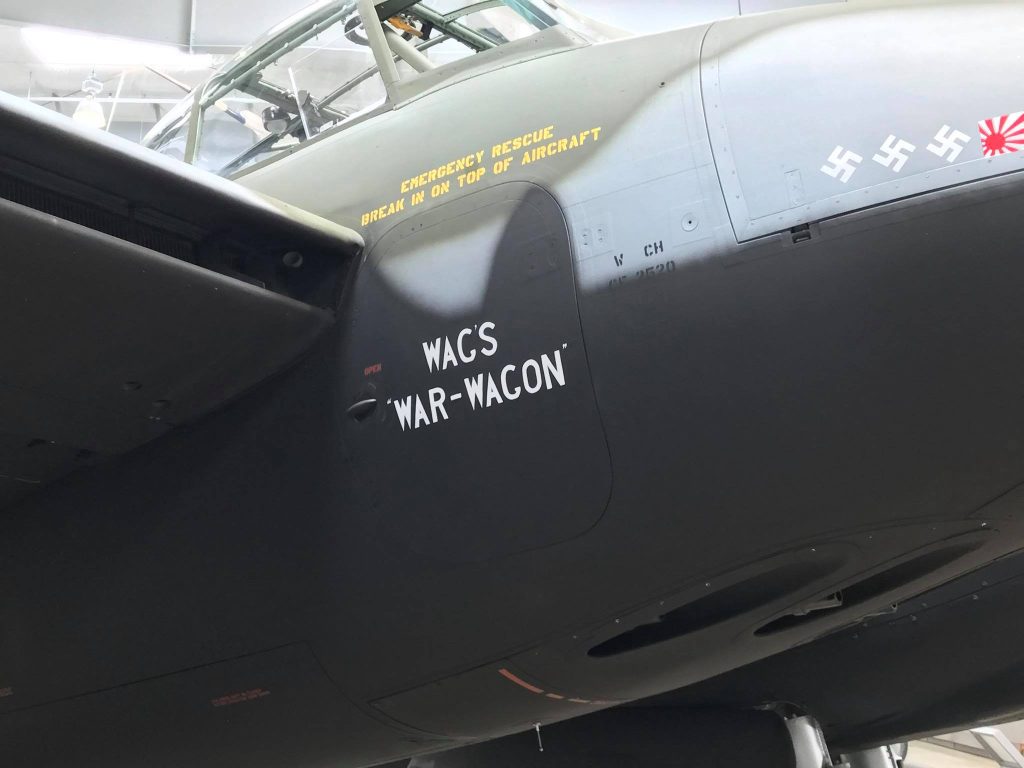
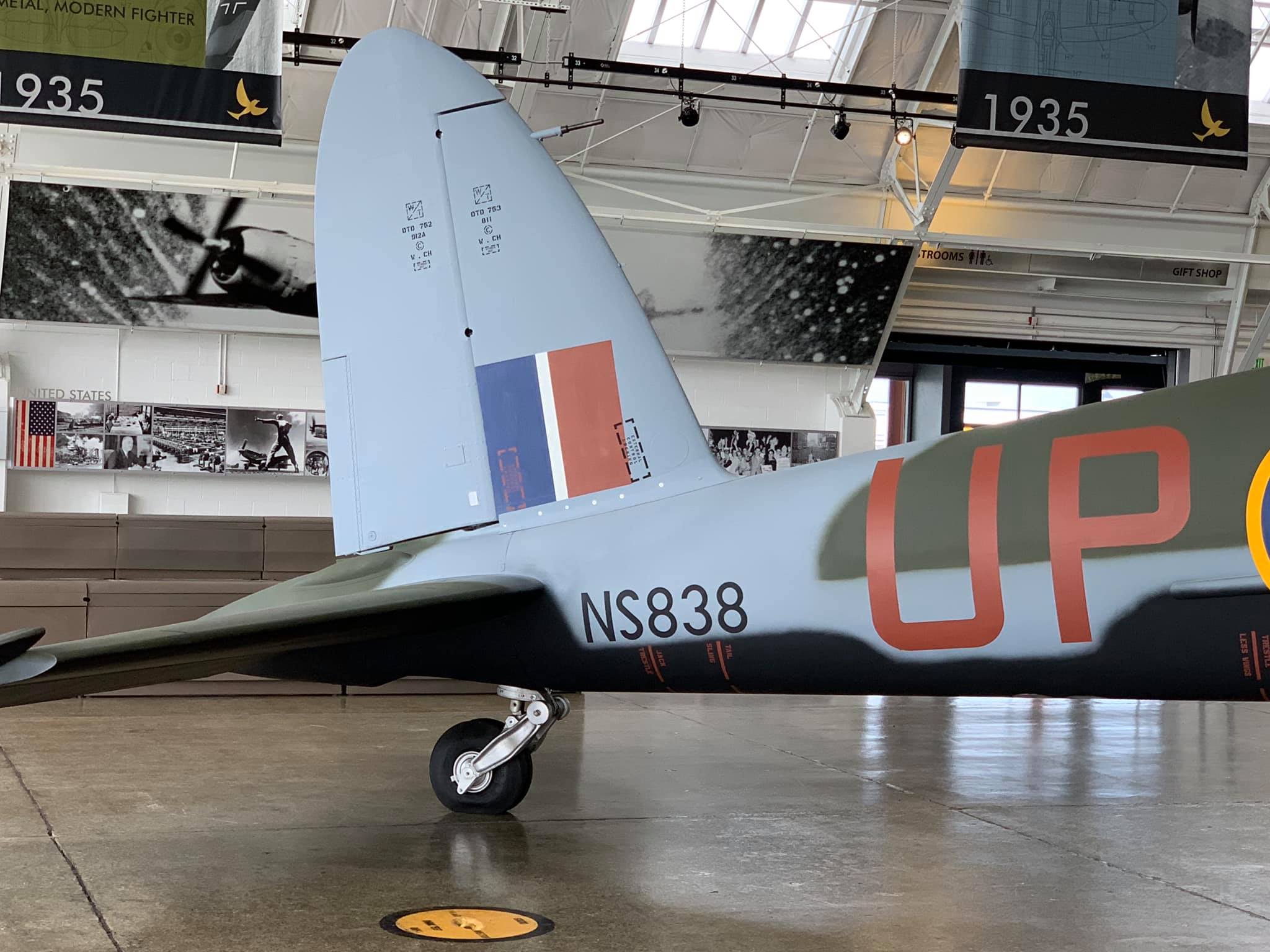
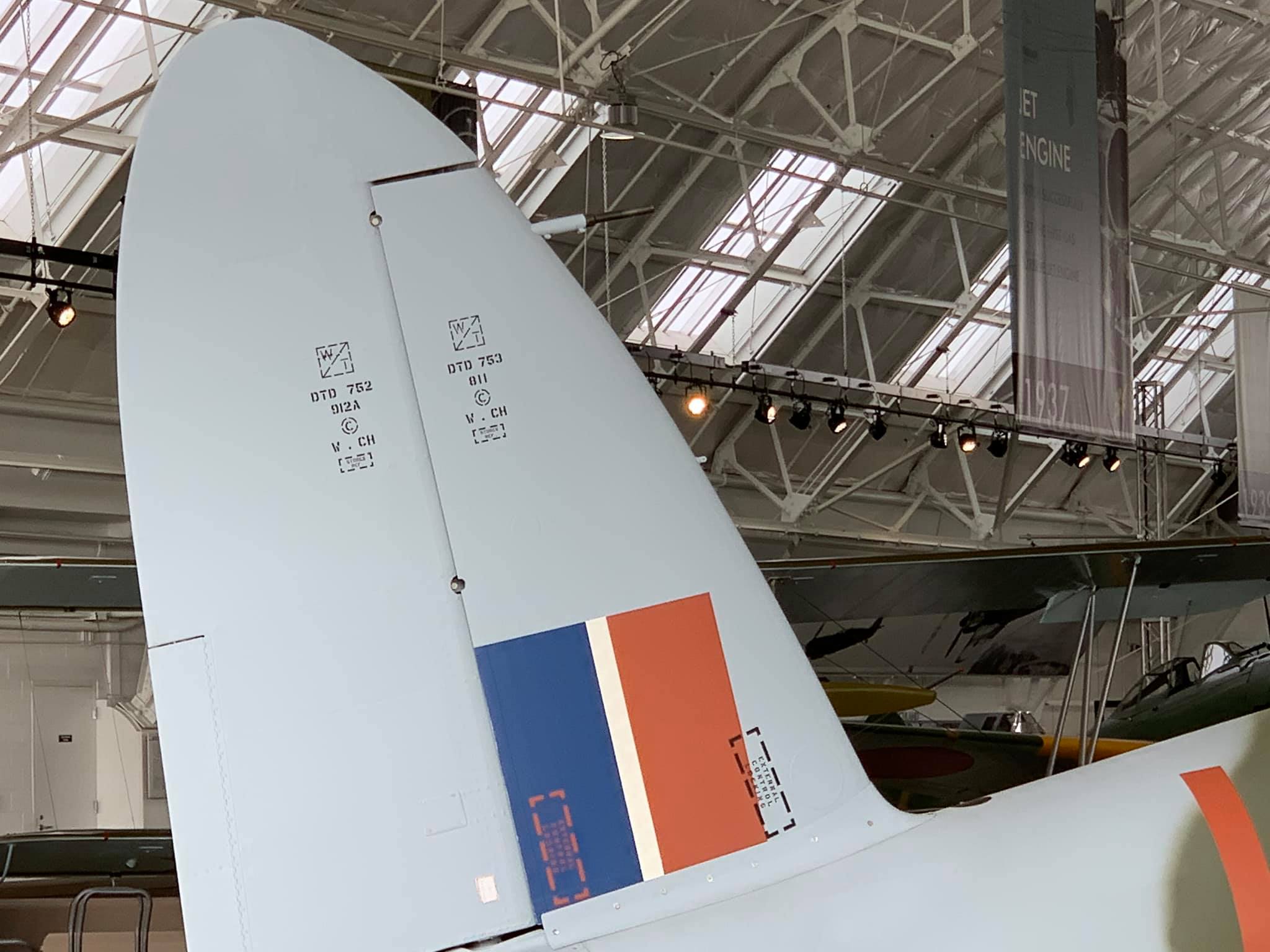
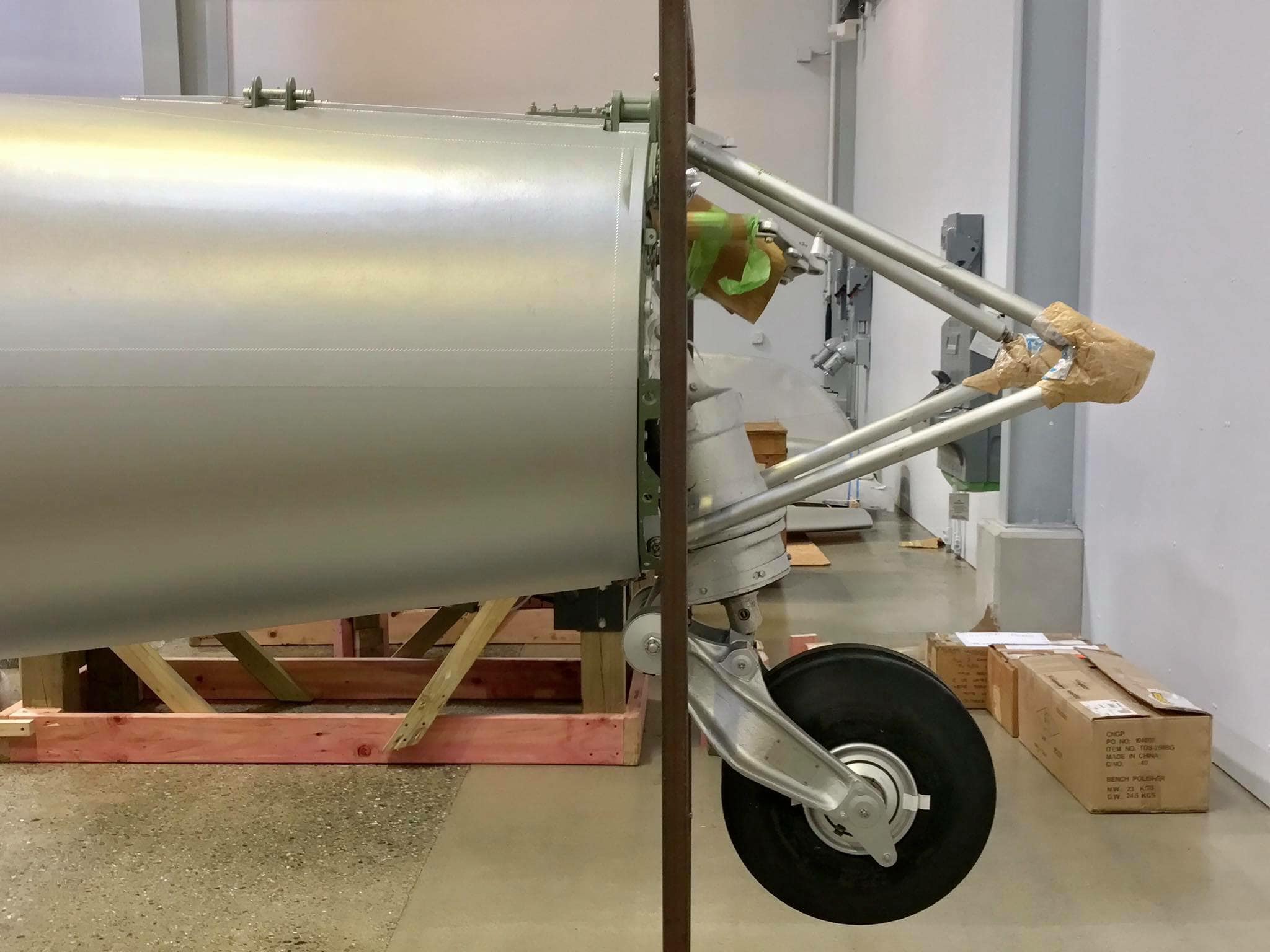
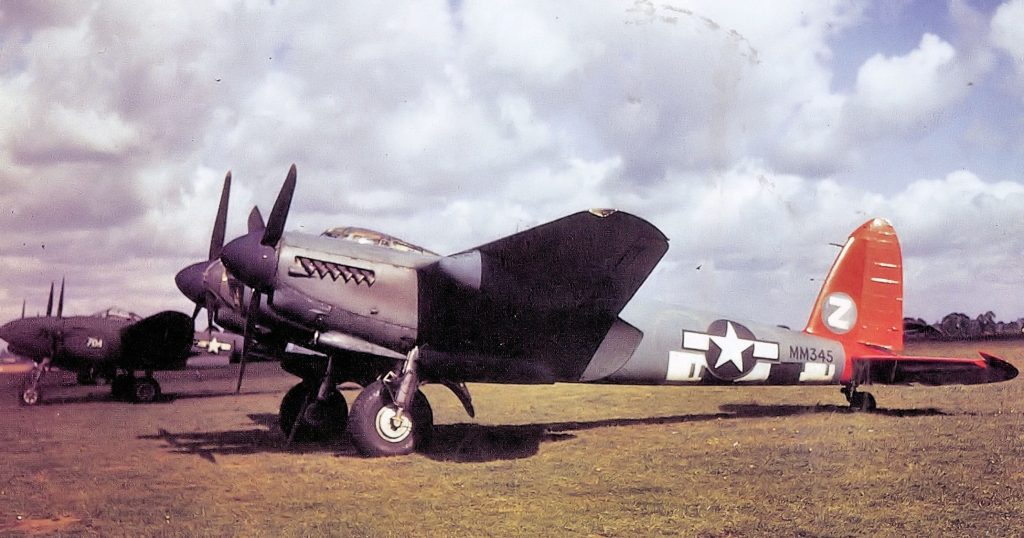
In late 2016, the aircraft was crated from New Zealand to its new home at FHCAM. When it arrived, it was unpainted, but the wooden fuselage was covered with silver anti-UV coating (as you can see in some of these photos). It is now painted in the markings of Flight Lieutenant Alan Derek Wagner, who was posted to No. 605 Squadron (RAF Bradwell Bay), NS838, in October of 1943 and who flew the Mosquito “Wag’s War-Wagon.” He often flew with his navigator, Flight Officer “Pip” Orringe. Prior to that, while stationed aboard the aircraft carrier HMS Indomitable near Ceylon (today’s Sri Lanka), Wagner shot down two Japanese bombers on April 5, 1942. Back in Britain and as a member of 605 Squadron, on the night of March 5/6, 1944, near the well-lit airfield at Gardelegen, Wagner and Orringe first shot down a Focke-Wulf Fw-190, then two Messerschmitt Me-410s (one of which blew up and scorched their aircraft), and used their remaining ammunition on a fourth Me-410 but only claimed damage.
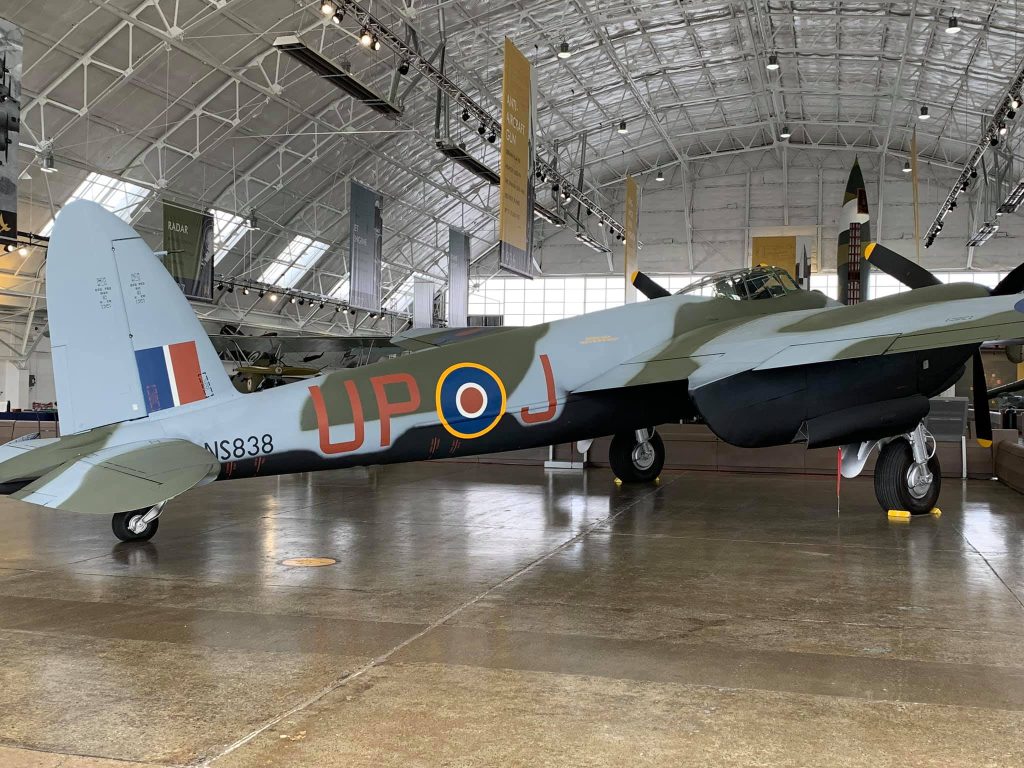
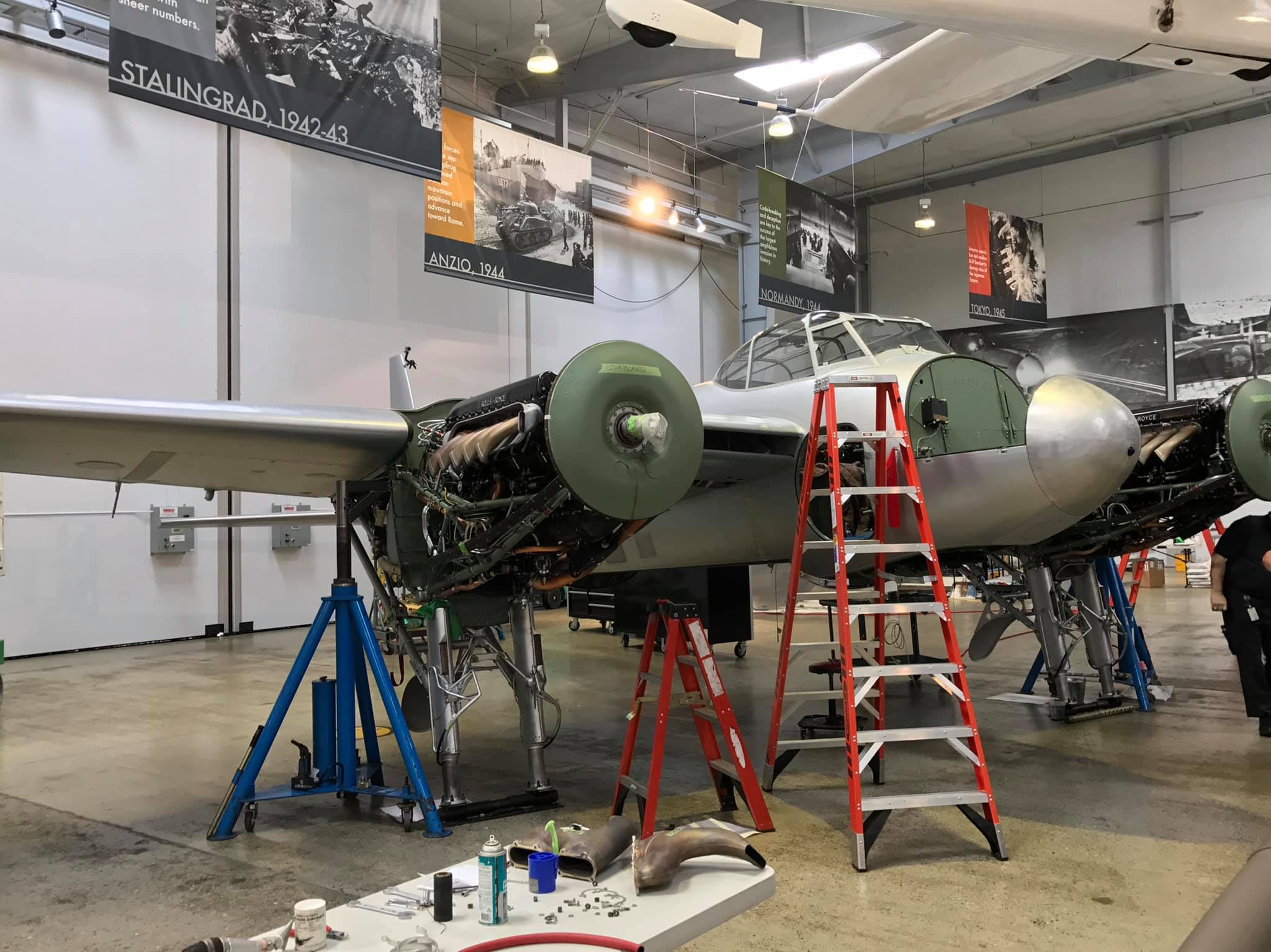
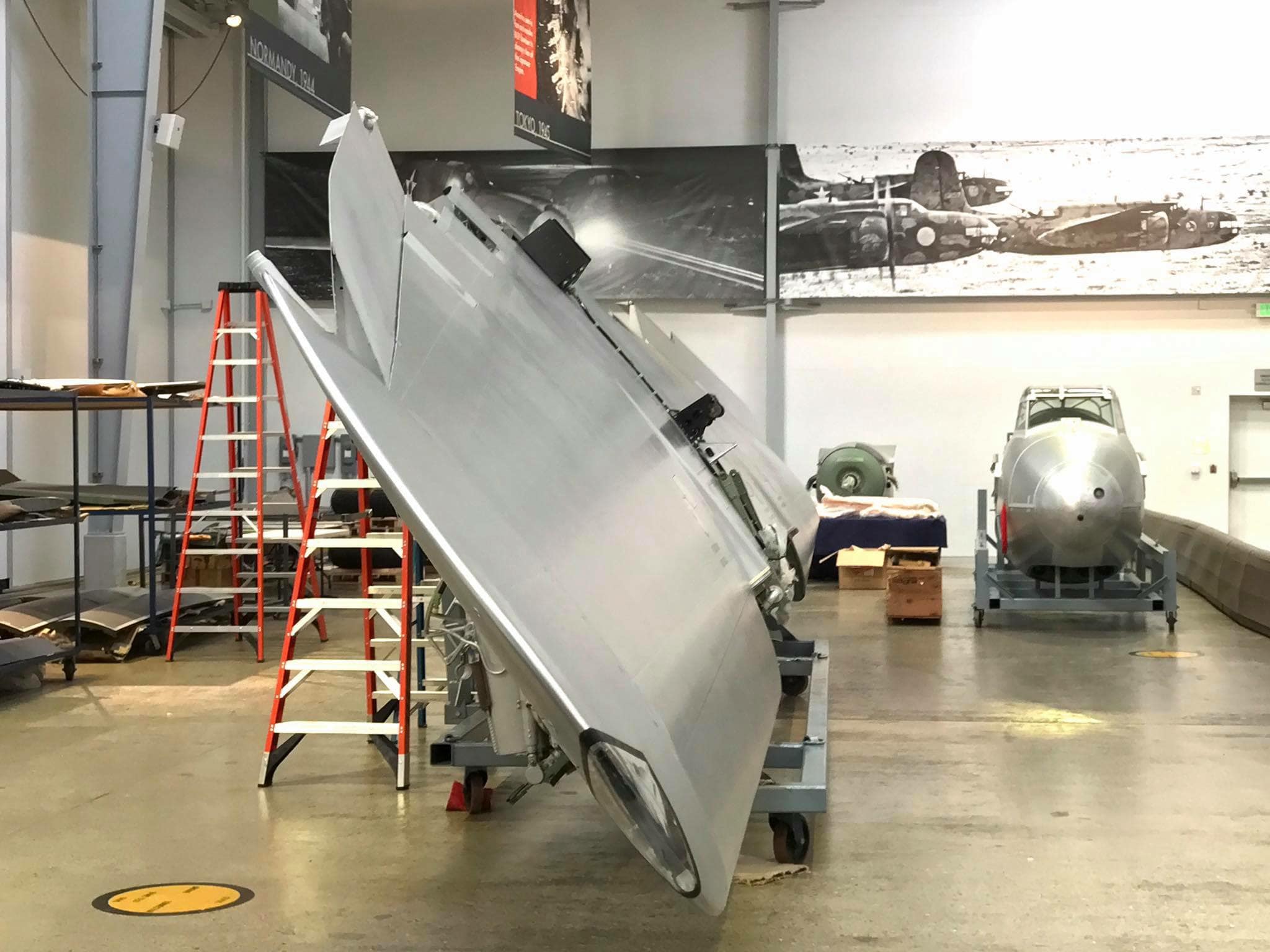
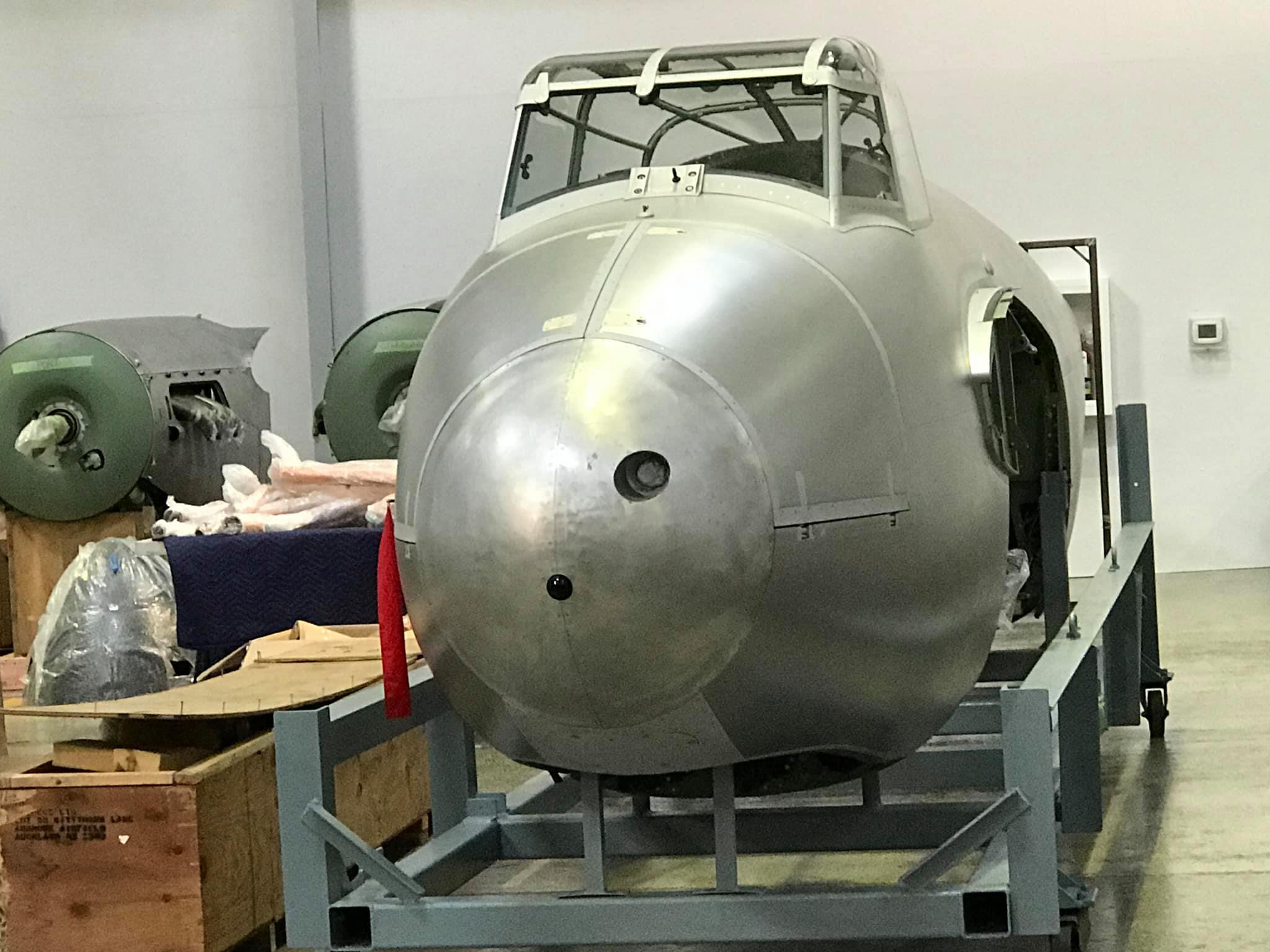
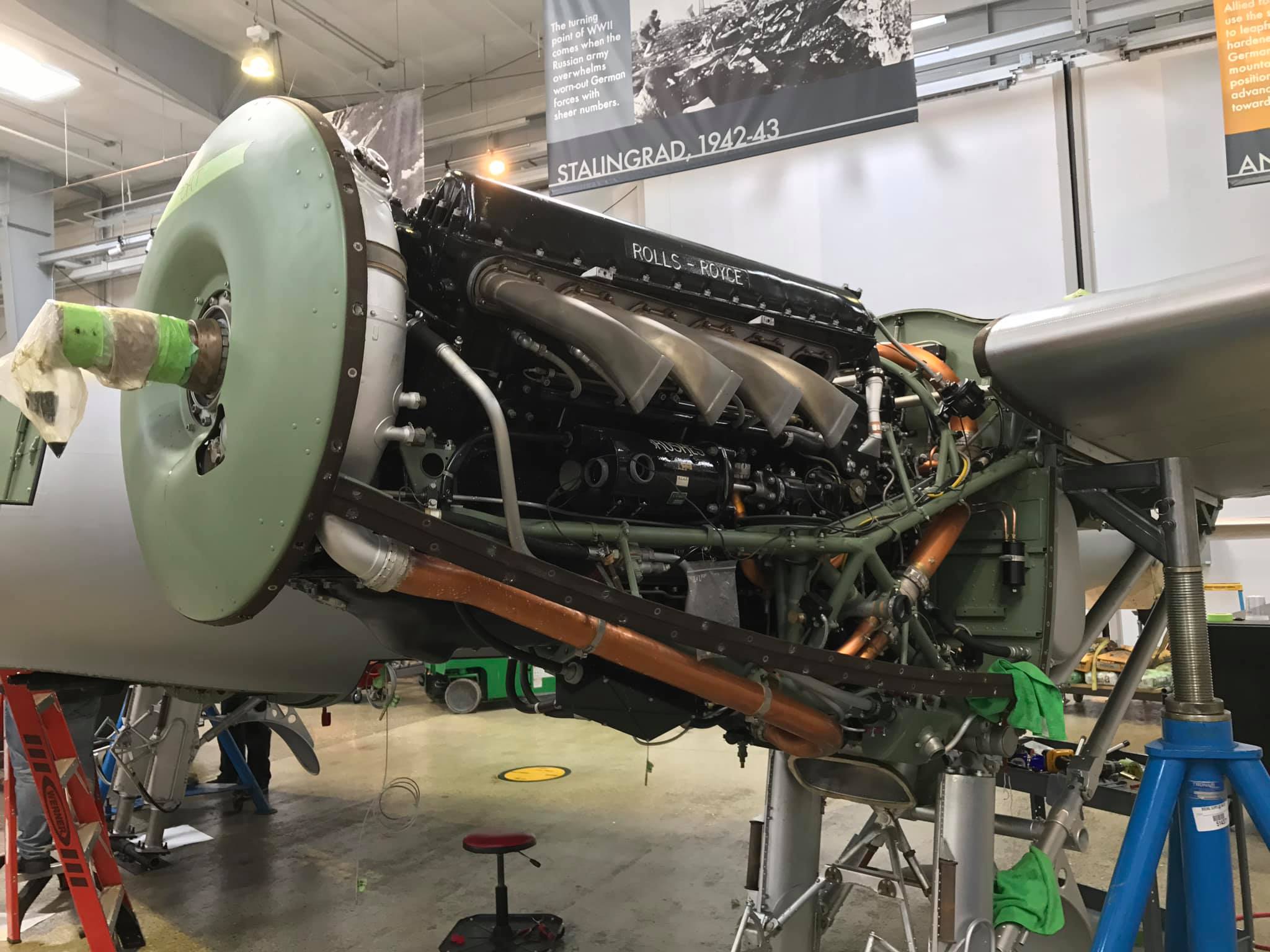
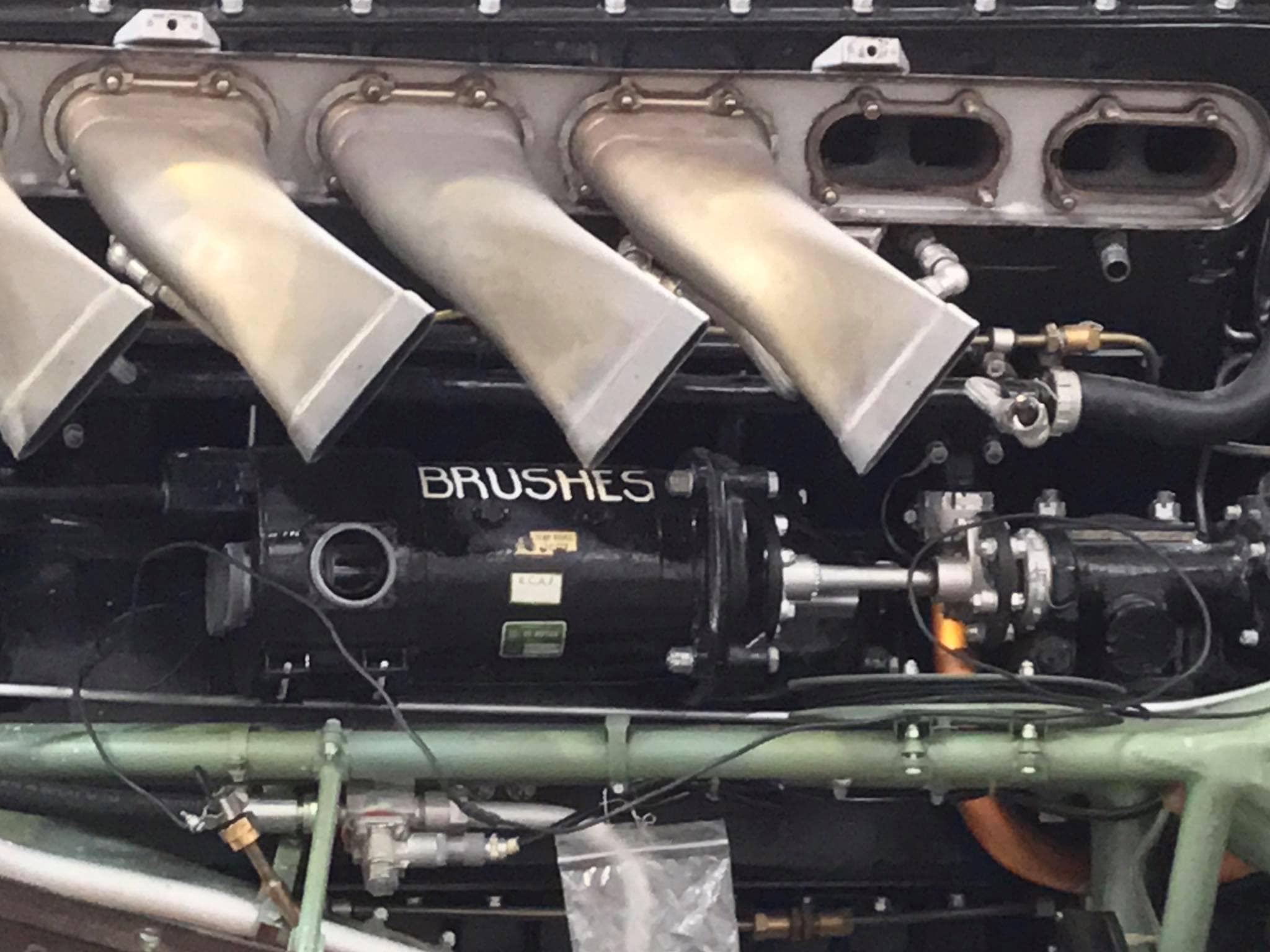
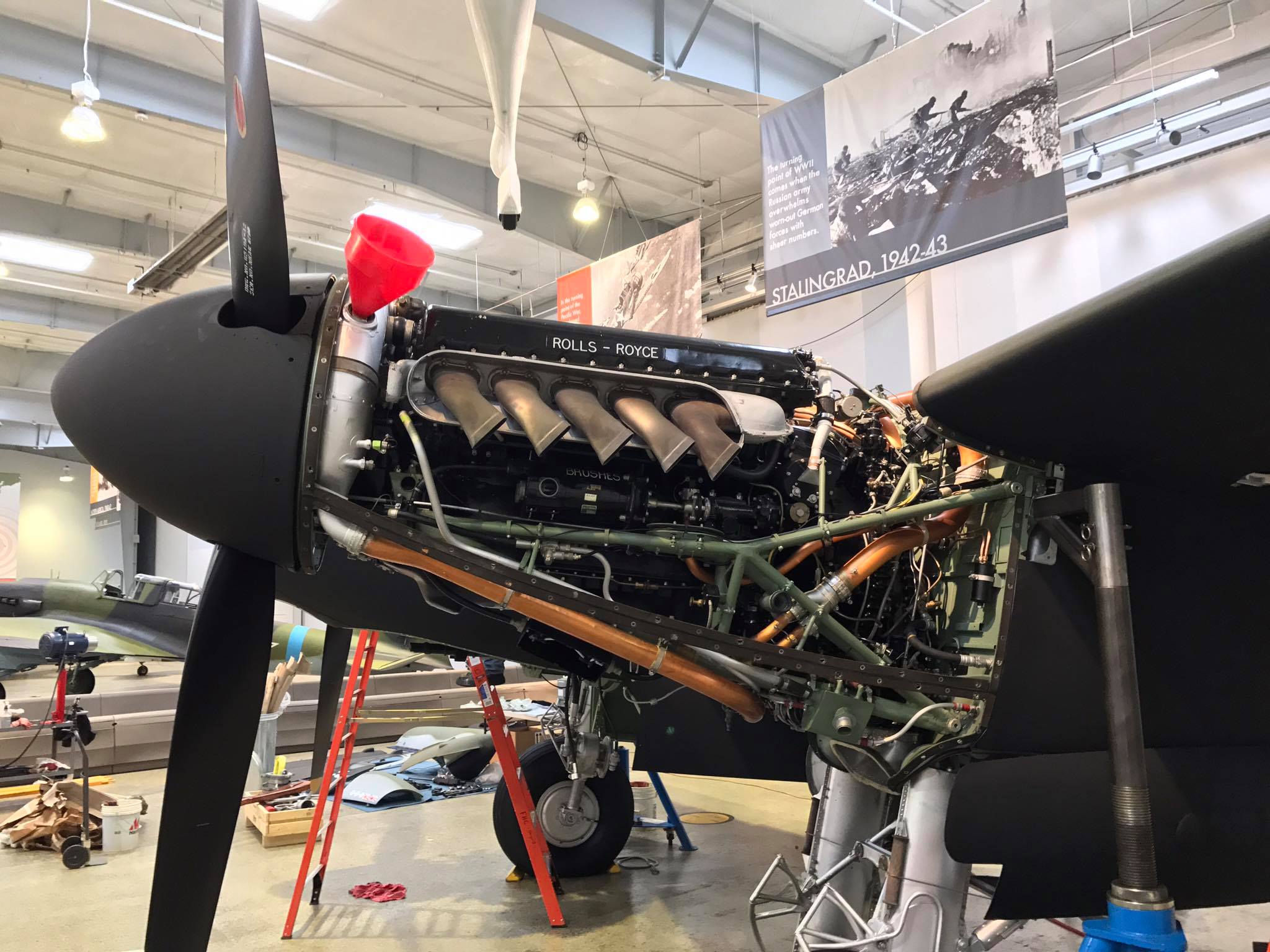
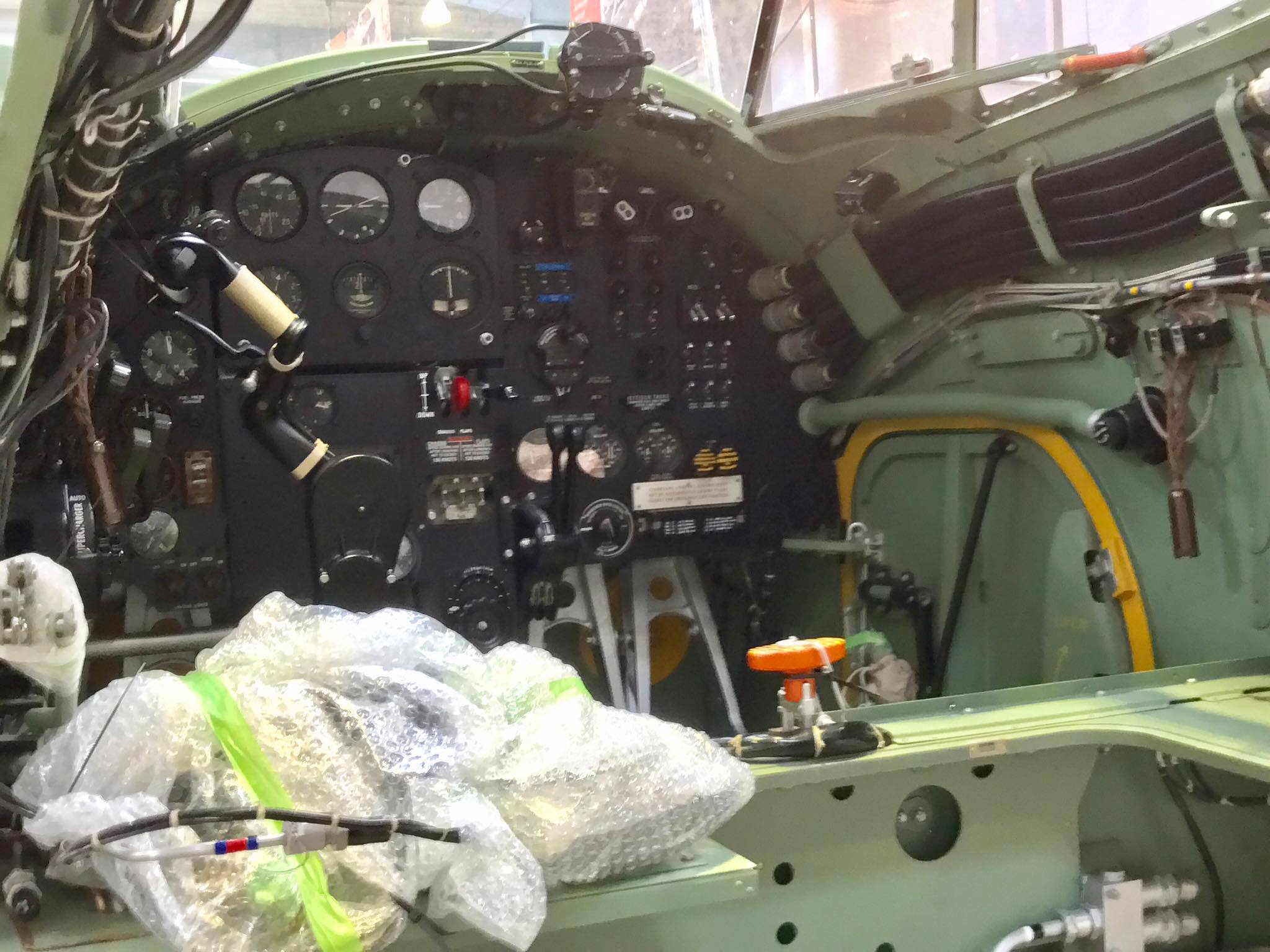
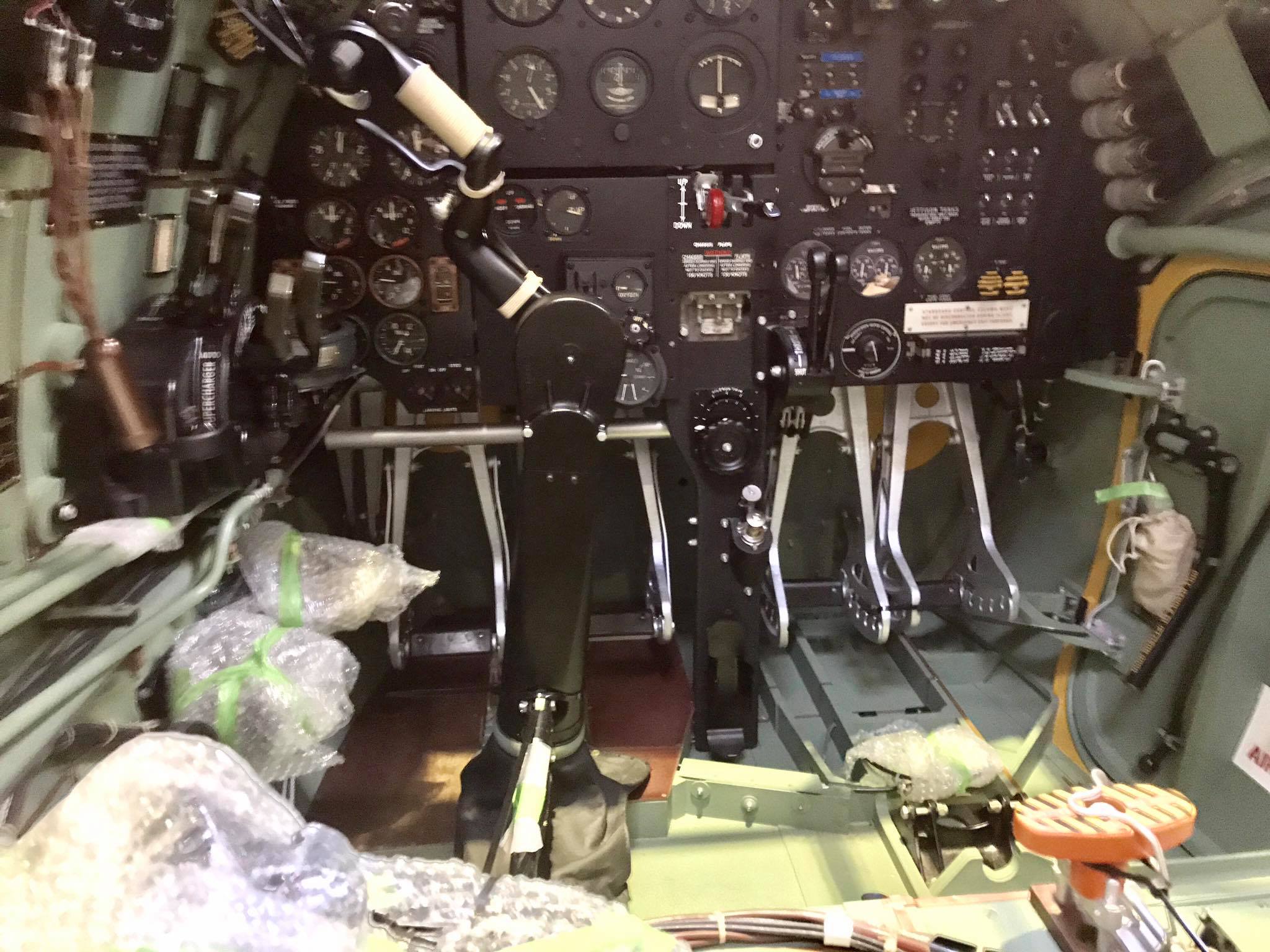
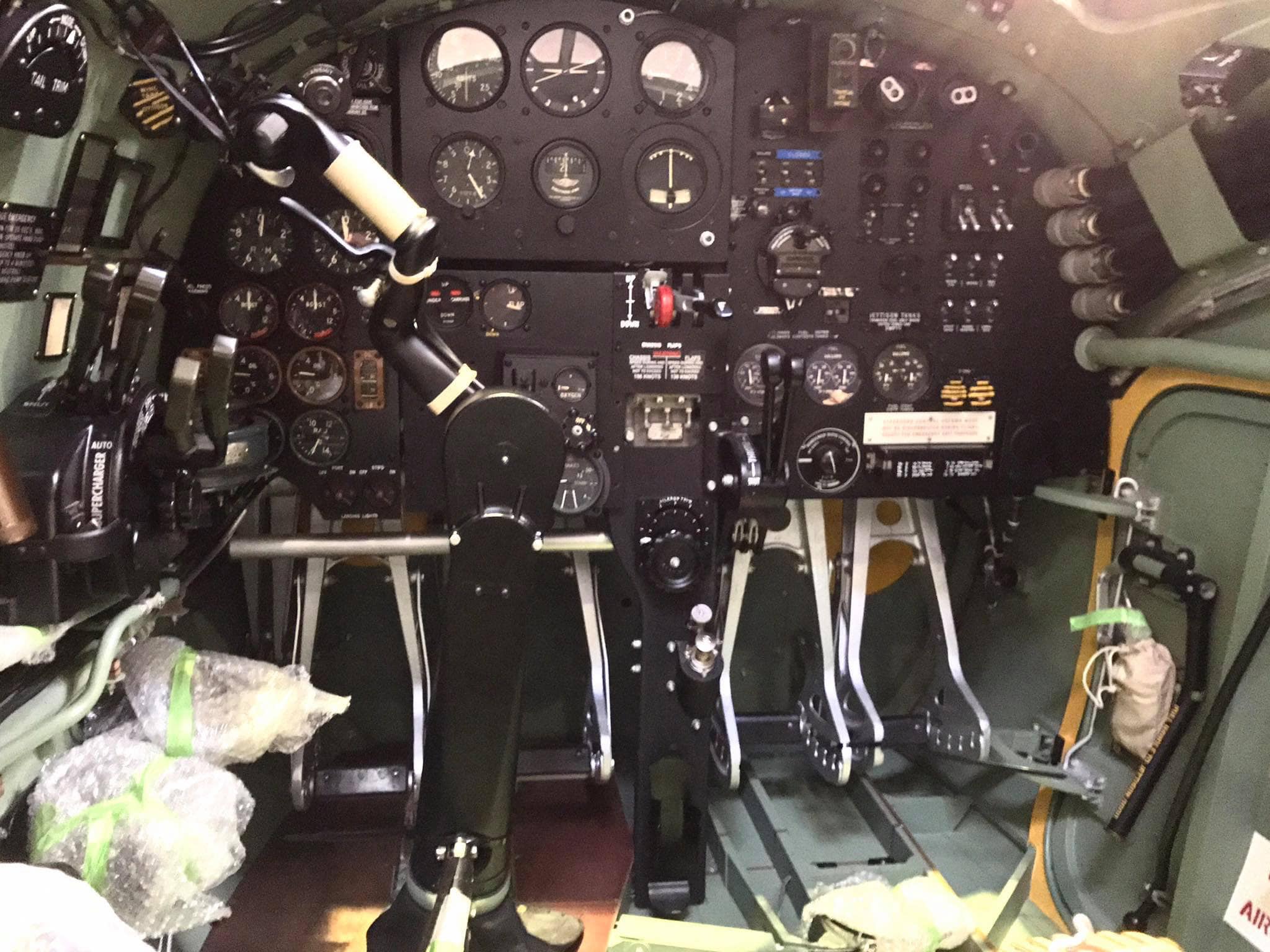
Wagner’s Mosquito carried the victory markings for the two Japanese bombers along with marks for those three German victories. On July 18, 1944, at age 29, he was killed when his Hawker Tempest, EJ581, struck the ground at high speed while chasing a V-1 in heavy fog near Newchurch. In all, Wagner was credited with nine confirmed enemy aircraft and two V-1 rockets (in July of 1944). Prior to his death, he was awarded the Distinguished Flying Cross (DFC) as well as a Bar to the DFC. At the time of this writing, this aircraft is one of less than a handful of airworthy Mosquito aircraft, including Jerry Yagen’s FB.26, KA114 in Pungo, Virginia; and Bob Jens, B.35, VR796, now at the Canadian Warplane Heritage Museum in Calgary. My photos and video clips, except as indicated and special thanks to those photos courtesy of Chris Verrall of Avspecs Limited and for the two he provided by Gavin Conroy as noted.
The British Air Ministry (BAM) issued Specification P.13/36 for a high-speed, high-altitude twin-engine medium bomber capable of carrying a bomb load of 3,000 pounds for 3,000 miles. On March 1, 1940, Air Marshal Sir Wilfred Freeman, Director of Research, secured an initial contract for 50 unarmed bombers with the specification B.1/40. The de Havilland design team, led by Ronald Bishop, had initially planned to redesign its DH.91 Albatross for combat but opted for an entirely new design. Preparations got under way for production of a new twin-engine aircraft at the Hatfield Aerodrome in spite of bombings in the area during the “Battle of Britain” by the German Luftwaffe; nearly 25 percent of night and day work shifts were spent in air-raid shelters. Following a direct hit on the Hatfield factory from a Junkers Ju-88 on October 3, 1940, all work on Mosquito components and parts was widely dispersed.
Among the subcontractors employed to assemble parts for the aircraft were furniture builders, cabinetmakers, luxury auto coachbuilders and piano makers. Assembly of bomber versions remained at Hatfield. In the interim, confidence in high-speed bombers waned and interest in heavy bombers increased, so the contract was modified to provide for the construction of twenty bomber versions and thirty fighter versions; this required the modification of a number of pre-manufactured components. A new factory was built at Leavesden for the fighter versions. The bomber prototype (W4050), painted in yellow, was assembled at Salisbury Hall, London Colney, and moved to Hatfield where it was reassembled by November 3, 1940. Engine run-ups took place by November 19, 1940, and the aircraft had its maiden flight on November 25, 1940, with Geoffrey de Havilland, Jr. as chief test pilot accompanied by John Walker.
On April 20, 1941, the Mosquito was demonstrated to British Minister of Aircraft Production Lord Beaverbrook along with U.S. Army Air Force’s General “Hap” Arnold. Gen. Arnold had shown a complete set of Mosquito blueprints to five U.S. aircraft manufacturers for comment. All of the companies scoffed at the design, and Beechcraft reported back that “this airplane has sacrificed serviceability, structural strength, ease of construction and flying characteristics in an attempt to use construction material that is not suitable for the manufacture of efficient airplanes.” The fighter prototype (W4052) was first flown from a 450-yard field at Salisbury Hall on May 15, 1941, also piloted by Geoffrey de Havilland, Jr. (Two days prior to the flight, a German agent with a portable radio had been dropped by parachute near Salisbury Hall and was captured the next day.) The British Royal Air Force first took delivery of the Mosquito in July 1941, and the aircraft type entered widespread service in 1942. The first Mosquito sortie took place on September 20, 1941, when a single aircraft flew a reconnaissance mission over France. Additional production facilities were built in Canada and Australia. Construction was largely of spruce, birch plywood and Ecuadorian balsa wood, and its early nickname was the “Wooden Beauty”, but it became known as the “Wooden Wonder” and, in Canada, as the “Termite’s Dream” and was affectionately referred to as the “Mossie.”
Early aircraft were assembled using casein glues (a milk byproduct woodworker’s glue which was prone to degradation by microorganisms). Other forms of glue included “animal glue” made by boiling animal tissue and bone; this was vulnerable to being eaten by insects (and had a terrible smell when heated). By the spring of 1943, the aircraft were being assembled with two-part urea-formaldehyde glue – one part on each of the two pieces being assembled and clamped together, in some cases using small brass brads, the result being a waterproof bond stronger than the wood itself. The fuselage was built largely of balsa wood sandwiched in birch plywood formed on molds in left and right halves and was internally coated with traditional marine varnishes. The wing was also made largely of wood covered in fabric; the main parts being screwed, glued and pinned together. Wooden construction not only saved on strategically needed materials and labor, but it also made the aircraft lighter, provided lower drag as a result of the smooth, unriveted finish, and was more resilient to damage and simpler to repair. The ailerons and engine nacelle were of metal frame and skin. Enemy gunfire was known to sometimes pass through with minimal damage.
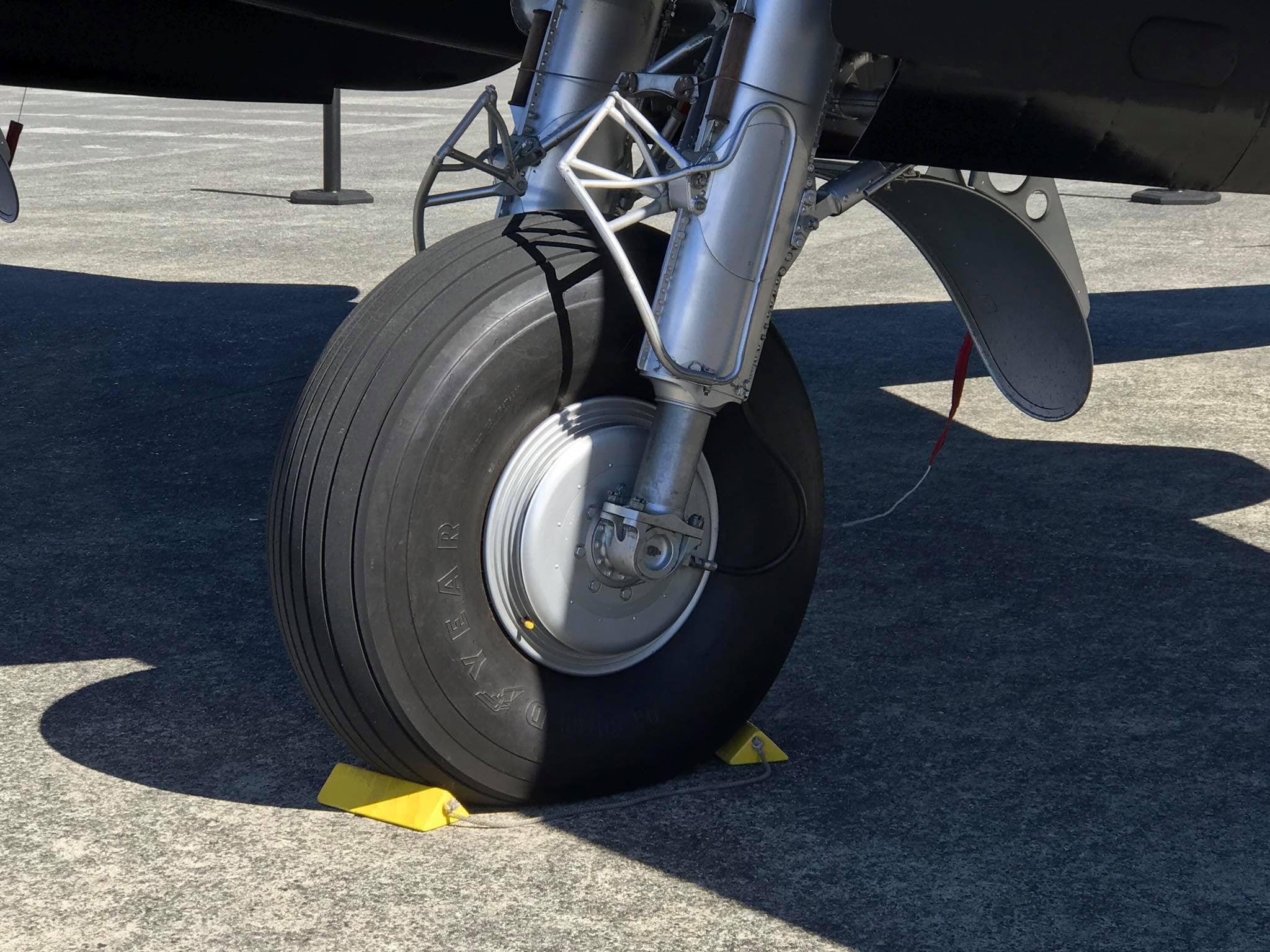
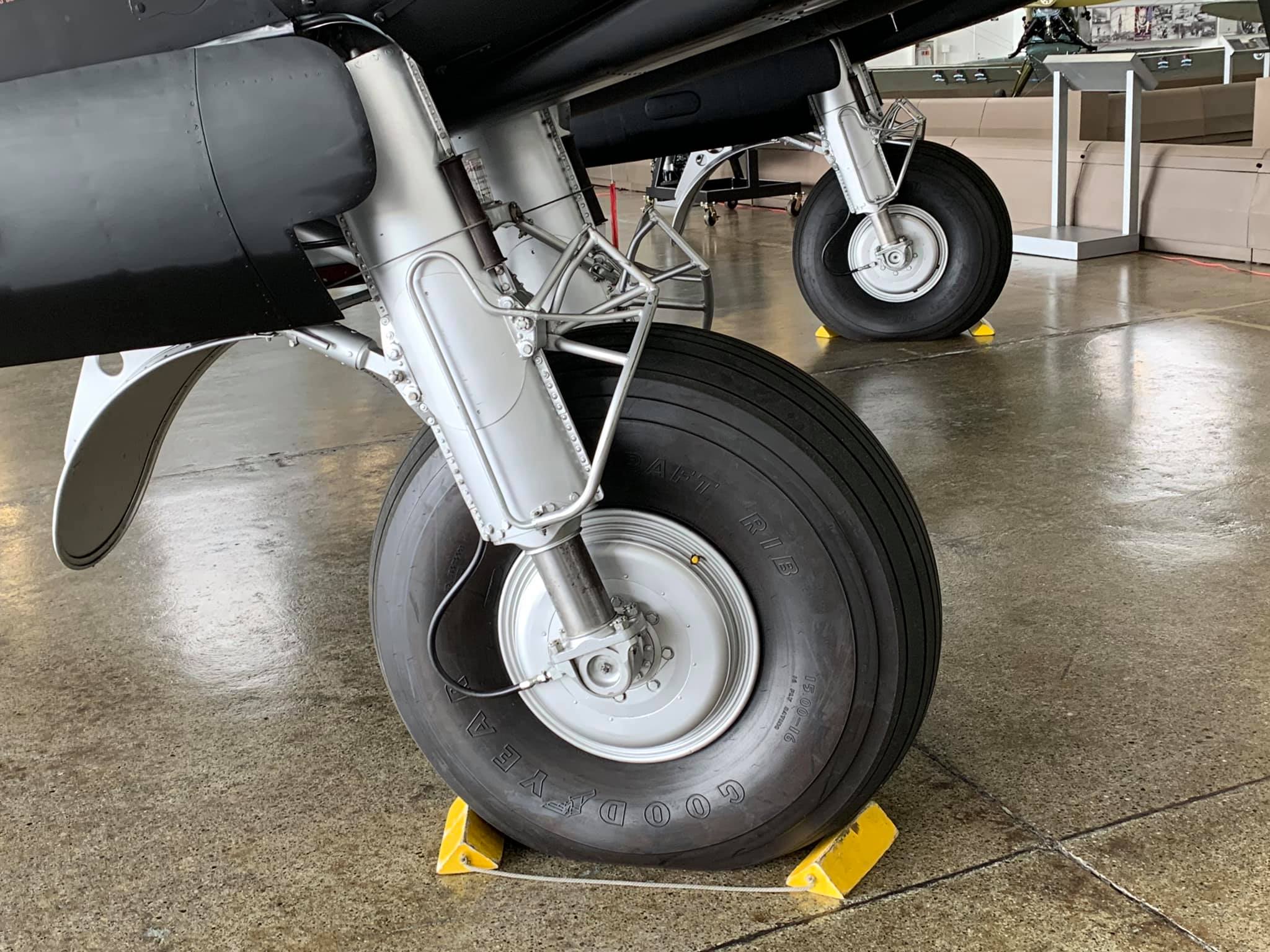
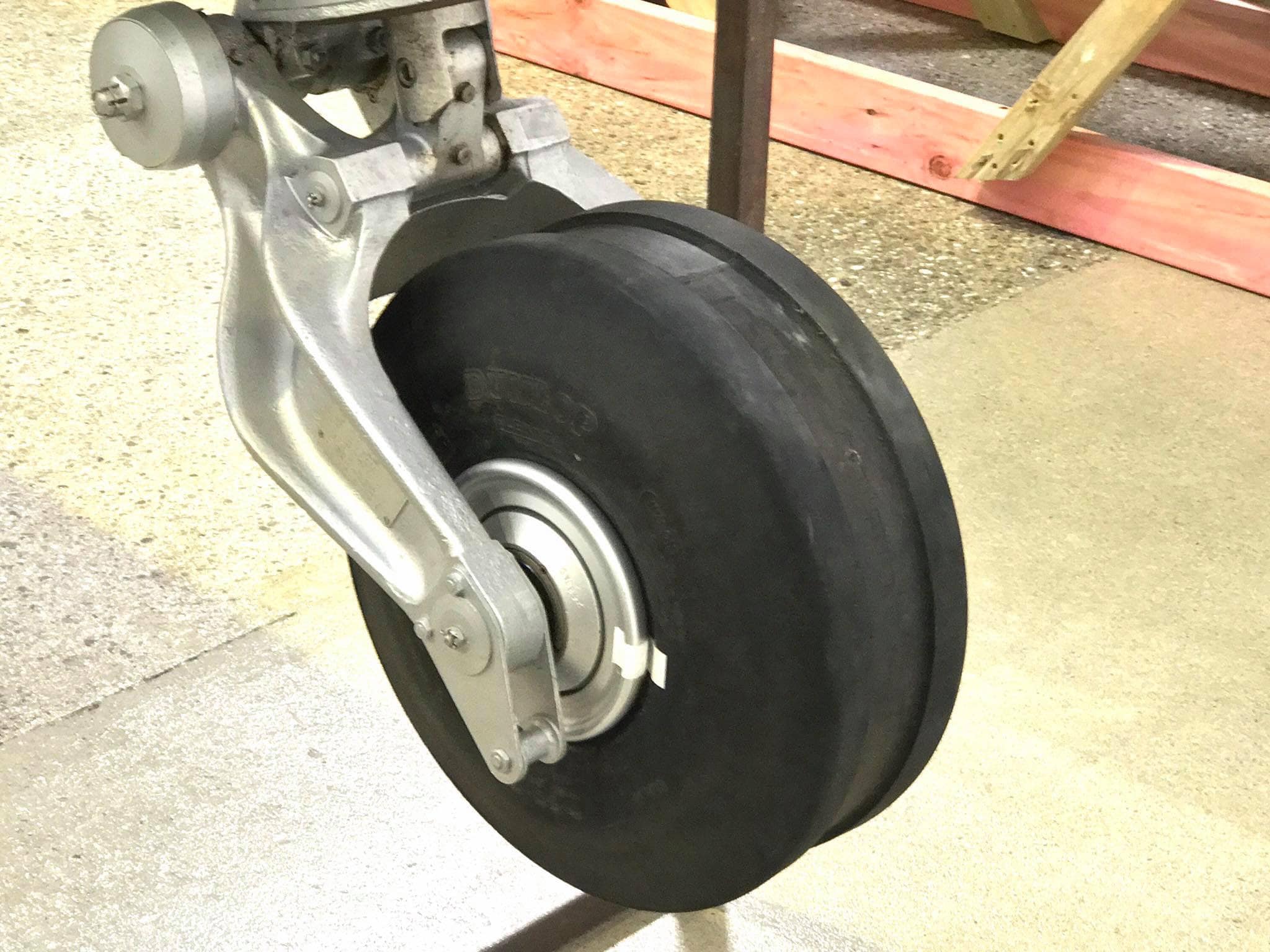
It has sometimes been thought that a further benefit of wood construction was that it resulted in a reduced radar signature, but with the short-range Luftwaffe night-fighter radar in use at the time, it appears it was not a factor. The main landing gear, housed in the engine nacelles, is operated hydraulically, and the retractable tail wheel was the Dunlop-Marstrand “Twin Contact” anti-shimmy type with a groove in the middle. As far as aircraft naming conventions, in July 1918, the British Ministry of Munitions developed a nomenclature system for applying nicknames to aircraft and published it as the Technical Department Instruction 538; this included zoological, geographical and personal names from mythology, as well as attributes, divided by size of aircraft and whether they were land or sea-based (certain categories of names – such as birds of prey – were explicitly excluded because of their use in aircraft engines designed by Rolls-Royce. The system was discontinued in 1927, and new type-based categories were introduced in 1932 and slightly modified in 1939. This resulted in the naming convention of British aircraft of the time: for example, fighters were given names indicating speed, activity or aggressiveness; bombers were named for inland towns in the British Empire or places of historic significance to the Empire; torpedo bombers were named after bodies of water; and trainers were given names associated with tuition and places of education.
But even the back pages of the de Havilland Gazette, the company magazine, took to lampooning the designs and names of many of its aircraft through cartoons and jokes. One such example was the DH 125 business jet whose nicknames the company turned down included “Deadbeat,” “Dither” and “Delinquent.” The Mosquito, while initially designed as a medium bomber, like a number of other aircraft types, achieved much of its fame doing other jobs than what it was designed to do, and was adapted for at least 10 roles for the British Air Ministry and included: a medium-altitude daytime tactical bomber; high-altitude night bomber; pathfinder using the Oboe navigation system; night-fighter; daylight fighter; fighter-bomber; intruder; courier; maritime strike aircraft/torpedo bomber; a bomber fitted with two “Highball” bouncing bombs, the Mosquito-sized version of Barnes Wallis’ famous “Dambuster” Vickers Type 464 (code name “Upkeep”) bouncing bomb used on the Lancaster, or as a bomber with a bulged bomb bay for a 4,000 lb. demolition bomb; target tug; and an unarmed photo-reconnaissance aircraft fitted with F24 cameras. The “Highball” was made to be spun by power from a ram-air turbine and designed for the contemplated use against the German battleship Tirpitz. The Mosquito is considered to be the first twin-engined aircraft to land on a ship by landing on the HMS Indefatigable on March 25, 1944.
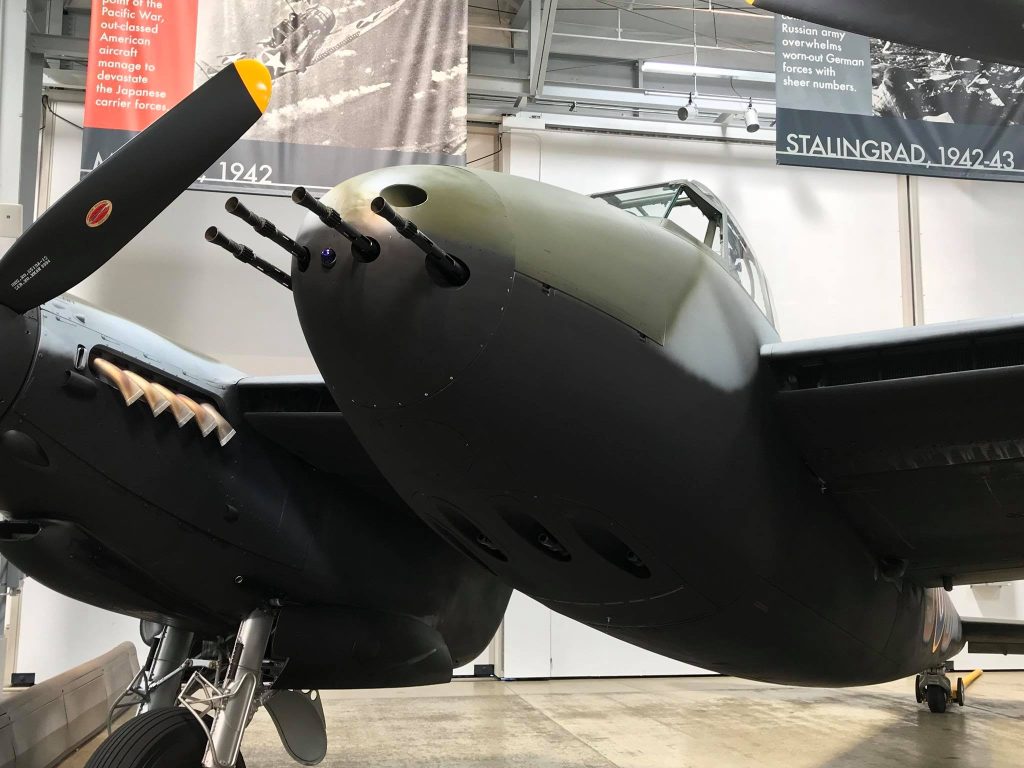
In addition, other variants were adopted for training and/or built under license by Allied countries. The T.III was the only trainer variant of the Mosquito built in Britain; but Canada built 92 trainers, designated the T.22, T.27 and T.29 (using Packard Merlin engines); and Australia produced 22 trainers, designated the T.43. Canada and Australia also produced fighter-bomber variants of their own, based on the British counterparts. Oregon and Washington lumberjacks were draft-exempt as the soft pine timber was needed for Canadian Mosquito production. The basic armament configuration included four British 20 mm Hispano-Suiza (Spanish-Swiss, a Spanish automobile and engineering company first organized in France in 1904) Mk.II cannon in the belly (under the cockpit floor), and four .303 in. Browning machine guns located in the nose. The rear of the bomb bay carried bombs (the front of the bomb bay contained the breeches of the cannon); or the aircraft could be armed with a single, externally mounted torpedo. It could also be fitted with bombs or eight 60-lb. rockets (for anti-shipping, for example) on under-wing hard points.
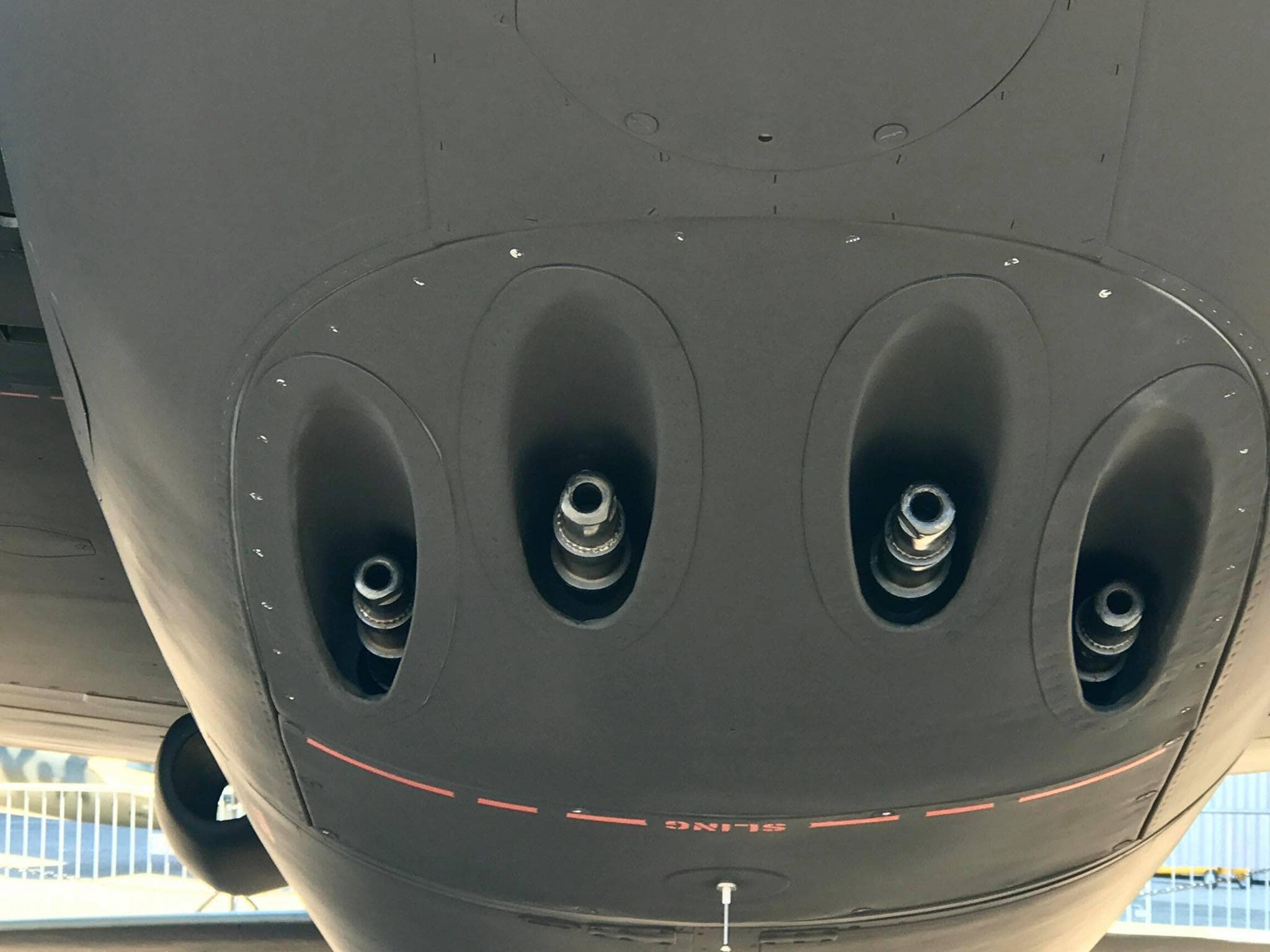
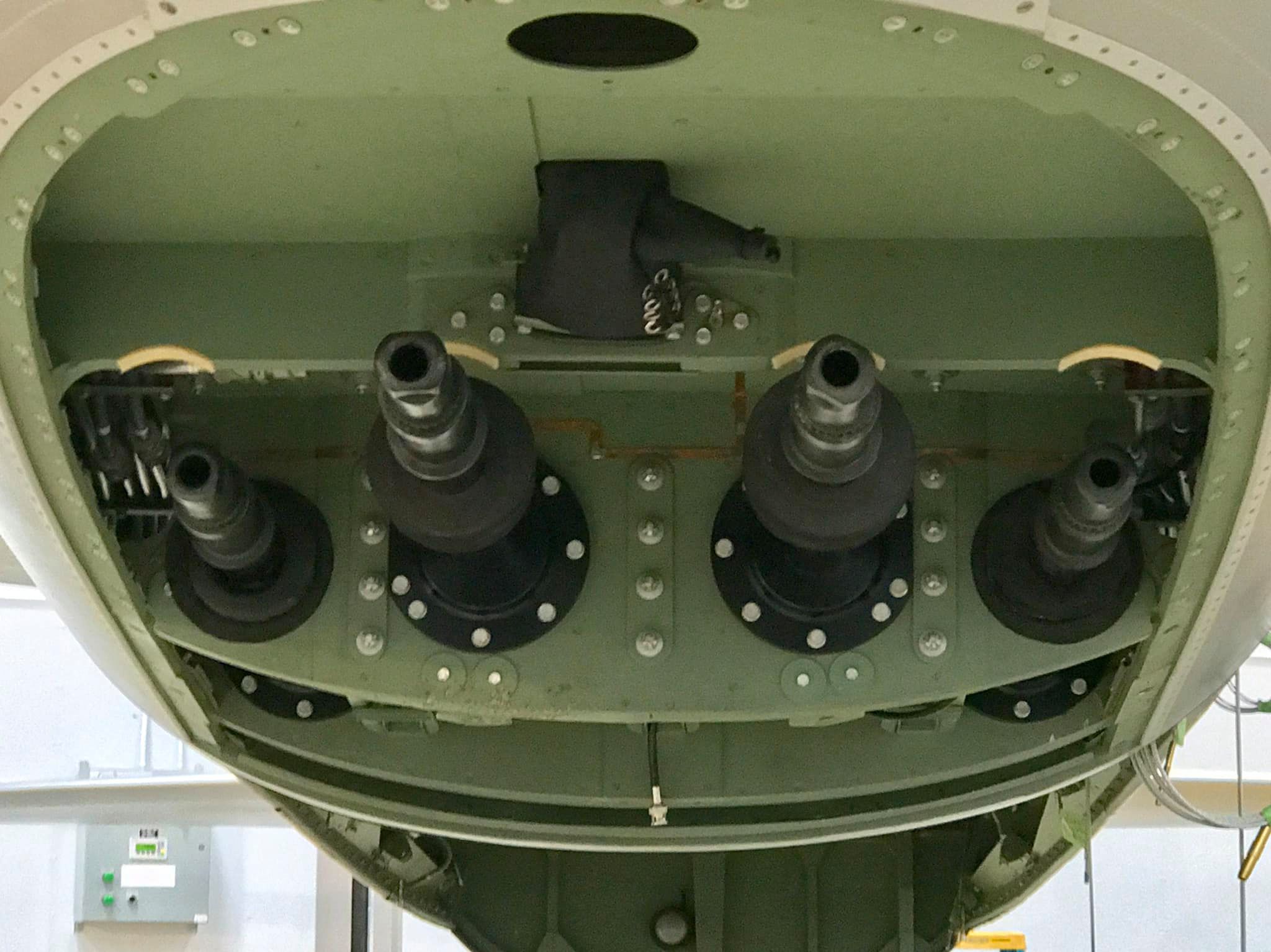
The night-fighter NF.II carried Aircraft Interception (AI) Mk.IV or Mk. V “arrowhead” radar in the nose (so-named because of its single antenna shape) and a Williamson G.45 gun camera. A Molins 57 mm anti-tank cannon was installed on the F.B.XVIII (the Molins company originated in Cuba and became the world’s largest manufacturer of cigarette-making and packaging equipment). This sub-hunting variant was called “Tsetse” after the deadly African fly. The FB.VI fighter-bomber was upgraded with a strengthened wing for external loads (which became known as the “basic” wing). The FB.VI Series 1 aircraft were fitted with Merlin 21s or 23 engines and carried two 250-lb. bombs in the bomb bay. The FB.VI Series 2, with the more powerful Merlin 25 engines, could carry a 2,000 lb. bomb load: two 500-lb. bombs under the wings and two 500-lb. bombs in the rear half of the bomb bay (the forward half containing the cannon breeches). The B.IV bomber variant had a glazed nose for a bomb aimer to lie in. Fitted with single-stage supercharged Rolls-Royce Merlin engines or two-stage supercharged Merlin engines.
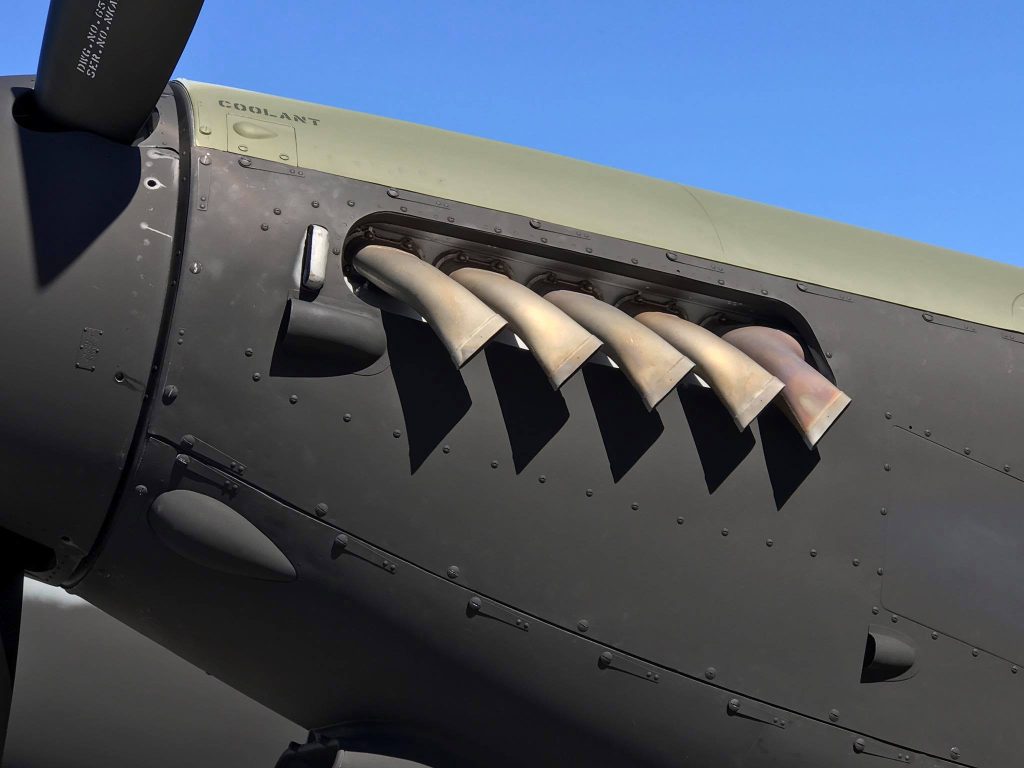
Most of the fighter/fighter-bomber and trainer variants were built with flat, bullet-proof windscreens. The basic crew consisted of a pilot and navigator/bombardier or navigator/radio operator in the cockpit. Maximum speed: 378 mph. Hermann Göring was noted to be impressed with the Mosquito, stating that “In 1940, I could fly as far as Glasgow in most of my aircraft, but not now! It makes me furious when I see the Mosquito. I turn green and yellow with envy. The British, who can afford aluminum better than we can, knock together a beautiful wooden aircraft that every piano factory over there is building.… They have the geniuses, and we have the nincompoops.” Lt. Col. Elliott Roosevelt, U.S. President Roosevelt’s son, trained as a navigator in Mosquitoes and flew as a crew member on missions in North Africa and the Mediterranean. He championed the aircraft, and as a result, the U.S. Army Air Forces tried to operate forty, designated the “F-8,” as photoreconnaissance and meteorological aircraft. Following many crashes, whether due to mechanical failure or due to the fact that the crashes occurred in many cases during the pilots’ first flights, the program was cancelled in September 1944.
In all, 7,781 aircraft comprising 43 different marks (variants) were built, 6,710 of them during the course of WWII, and the last being completed on November 15, 1950. In Britain alone, 4,444 were built by de Havilland at Hatfield and Leavesden until production ceased on August 15, 1945; another 1,000 more were built by Standard Motors at Coventry, by Percival Aircraft Co. at Luton, and by Airspeed Limited at Christchurch. Following WWII, fifty “Sea Mosquitos” went into production beginning in August 1946 and were designed to be carrier-based and were fitted with folding wings. The Nationalist Chinese Air Force acquired nearly 200 from Canada, and the Israeli Air Force is reported to have acquired as many as 300 (their acquisition operations were secretive and data plates or identifying markings were regularly removed). A Series 2 and a “Super Mosquito” were planned but never built. In 1959, the aircraft portion of the de Havilland company was merged into Siddeley Group, while the engine division was merged into Bristol Siddeley in 1961.
About the author
 Randy Malmstrom grew up in a family steeped in aviation culture. His father, Bob, was still a cadet in training with the USAAF at the end of WWII but did serve in Germany during the U.S. occupation in the immediate post-war period, where he had the opportunity to fly a wide variety of types that flew in WWII. After returning to the States, Bob became a multi-engine aircraft sales manager and, as such, flew a wide variety of aircraft; Randy frequently accompanied him on these flights. Furthermore, Randy’s cousin, Einar Axel Malmstrom, flew P-47 Thunderbolts with the 356th FG from RAF Martlesham Heath. He was commanding this unit at the time he was shot down over France on April 24th, 1944, and spent the rest of the war as a prisoner of war. Following his repatriation at war’s end, Einar continued his military service, attaining the rank of Colonel. He was serving as Deputy Wing Commander of the 407th Strategic Fighter Wing at Great Falls AFB, MT, at the time of his death in a T-33 training accident on August 21, 1954. The base was renamed in his honor in October 1955 and continues to serve in the present USAF as home to the 341st Missile Wing. Randy’s innate interest in history in general, and aviation history in particular, plus his educational background and passion for WWII warbirds, led him down his current path of capturing detailed aircraft walk-around photos and in-depth airframe histories, recording a precise description of a particular aircraft in all aspects.