




The Japanese aviation preservation scene is a peculiar beast; it differs from most established countries in that in Japan the most prominent work is perpetrated by national bodies, such as the armed forces, while in other countries there is a strong private movement that drives interest, aside from national organizations. The means by which aircraft are presented differs considerably from other countries; hands-on exhibits, audio-visual presentations, big-screen auditoria, flight simulators and empty floor spaces in anticipation of group visits and functions dominate display sites. Many overseas museums and display centres are heading in this direction as a means of appealing to the broader public, but negative feedback accompanies those that pursue this route of attracting visitors. The Japanese public have a different view of aviation history from that of those of us who frequent this arena; therefore, such criticisms are not widespread in Japan. Does this mean that, because many museums elsewhere are looking in this direction, the Japanese approach is the way ahead?

A typical example of this hands-on approach to aviation history is the Japan Air Self Defence Force (JASDF) Air Park on the edge of Hamamatsu Air Base in Shizuoka Prefecture. JASDF Air Base Hamamatsu is one of the Japanese air force’s pre-eminent fast jet training facilities and the 31st and 32nd Training Squadrons of the 1st Air Wing, equipped with the indigenous Kawasaki T-4 two-seat fast jet trainer, occupy the airfield. Situated adjacent to the runway, the Air Park is the shopfront window of the JASDF; the Public Relations Department is at work, so to speak, and it has invested in making the JASDF appealing; the annual Hamamatsu Air Festa is the air base’s premier public event.

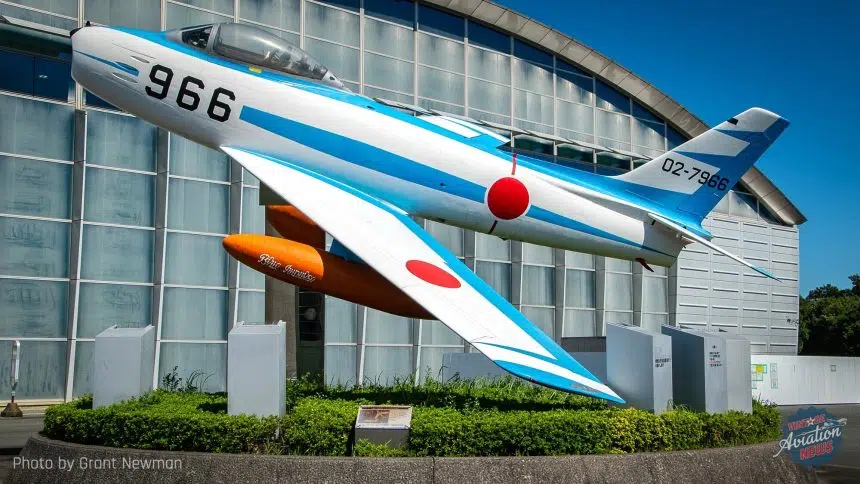
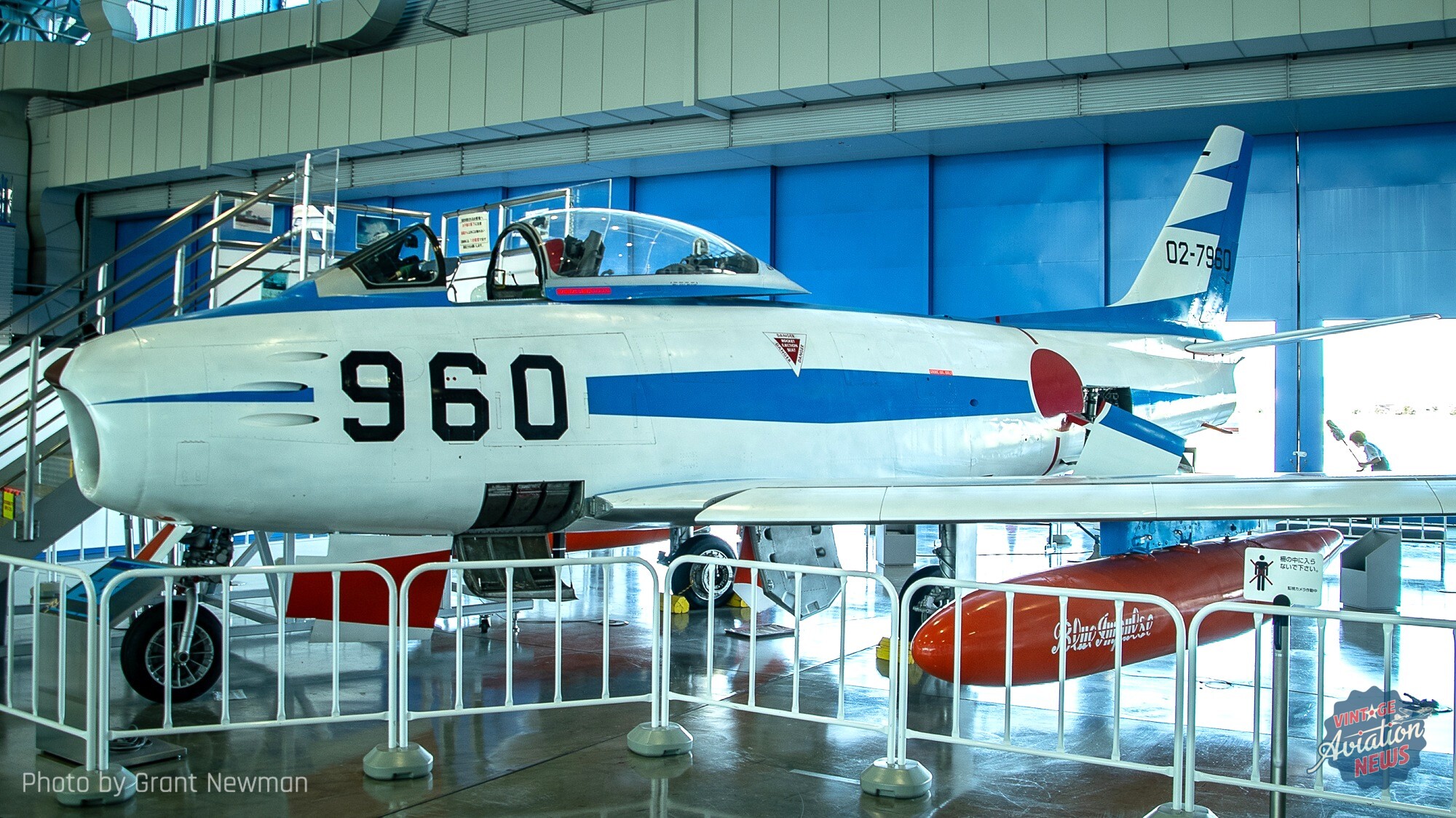
For those interested in visiting the Air Park, Hamamatsu City is an easy journey of under two hours aboard the Tokaido Shinkansen from Tokyo, followed by either a bus—a half-hour journey with a 15-to-20-minute walk to the Air Park from the air base main entrance—or a quicker taxi ride from the train station. Be sure to sit on the right side of the train for photographic opportunities of Fujiyama on the way south. Out front of the Air Park building is an F-86F in the colours of the JASDF’s aerobatic display team “Blue Impulse”. From images I have seen over the years, this and the other outside aircraft are always kept in tidy trim, with little of the deterioration evident on outside aircraft at other aviation display sites – I’m looking at you, Japan Marine Self Defence Force (JMSDF)! (I will be presenting a report on the JMSDF aviation collection at Kanoya, Kyushu soon.)

Entry is free, but visitors check in at the front desk first for instructions; note that there is only a leaflet available in English; the information presented throughout is only cursorily bilingual. There is some confusion about which entrance to take, however; there are two entry points to two different buildings, and it isn’t obvious which one to go into first as they are both marked “Entry”. Visitors enter galleries that present the history of the JASDF through display screens showing aircraft at work, with a full-scale mock-up of a Mitsubishi F-2, nicknamed the Viper Zero in JASDF service in deference to its obvious inspiration, surrounded by mock-up weaponry operated by JASDF aircraft. A Mitsubishi F-1 twin-engined single-seat strike fighter sits in semi-darkness with doors and panels open for close inspection. With its configuration based on the SEPECAT Jaguar, the F-1 and the two-seat T-2 were the first indigenous combat jets built in postwar Japan and saw extensive military service, the T-2 equipping the Blue Impulse display team between 1982 and 1995.


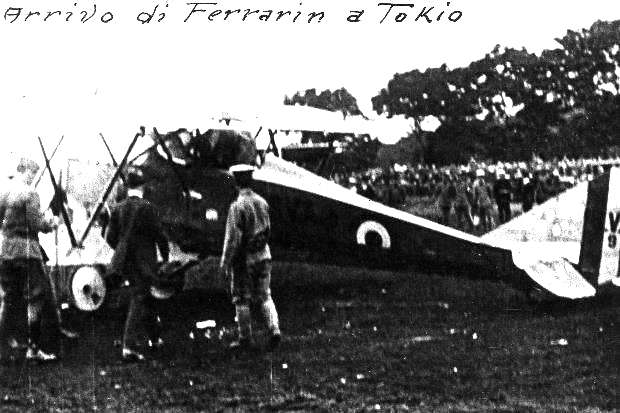
Visitors are then taken up a level to view a timeline array of models of past JASDF types up to the present day, while on the other side of the room are the only concessions to pre-World War Two aviation within the Air Park: a scale mock-up of an Ansaldo SVA.9 biplane and a Mitsubishi A6M5 Model 52 Zero. The SVA.9 commemorates a little-known record-breaking feat of endurance by Italian airmen from Italy to Japan in 1920. The Rome-Tokyo Raid was the brainchild of Italian poet Gabrielle D’Annunzio and his friend, Japanese poet Harukichi Shimoi, who was domiciled in Italy and attracted to Italian-style fascism. D’Annunzio was honorary commander of 87ª Squadriglia “Serenissima” of the Servizio Aeronautico and was keen to promote aviation’s future potential. The aim was to promote Italian aviation interests in Japan with the hope of gaining an order for aircraft, but the flight was promoted as flying the flag of Italy in Japan.

87ª Squadriglia’s pilots were immediately keen on the idea and the air staff in Rome committed the enormously generous amount of 20 million Lire to the venture. As originally planned, eleven aircraft in total were to make the historic flight, comprising Caproni tri-motor bombers and Ansaldo SVAs, but owing to the logistical issues of timing, an accident sadly claiming lives, and aircraft serviceability, only one SVA.9 completed the journey all the way to Japan. A second crew flew two different aircraft to also complete the mammoth journey. These four airmen, Arturo Ferrarin and Guido Massiero, with mechanics Gino Cappannini and Roberto Marreto occupying the rear seats of their SVAs, respectively, departed Centocelle, Rome, on February 14th, 1920, touching down near Osaka on May 30th. Massiero had crashed his aircraft departing from Canton, China, and made a part of the journey by sea, retrieving a spare SVA at Shanghai and arriving in Japan shortly after Ferrarin the same day.

Widely celebrated in Japan, the four airmen covered around 18,000 kilometres (11,184 miles) over a total time of 112 hours in the air, making stops in Albania, Greece, Turkey, Syria, Iraq, Persia, India, Burma, Siam, French Indochina, China, and Korea before reaching their destination. The SVA.9 replica at Hamamatsu is in the markings of Ferrarin’s aircraft 13148, as his was the only one that made the entire journey from Italy to Japan. The original 13148 remained in Japan after the flight and was presented to the Yushukan Museum in Tokyo, but it was destroyed in an air raid during World War Two.
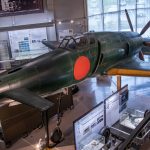
Hamamatsu’s Zero Model 52 is a considerably original survivor recovered almost completely intact from a swamp near Agana airfield, Guam, in March 1962. Constructed by Mitsubishi in 1944 as A6M5 Model 52 Construction Number 4685, Tail Number 43-188, the aircraft was assigned to the 343rd Kōkūtai at Atsugi, Japan, before being sent to Tinian Island, Guam. On June 19th, 1944, Lt Cdr Shinya Ozaki, flying 4685 in a pair formation, departed Agana Airfield. After attacking a US Navy SOC Seagull floatplane rescuing a downed airman, Ozaki was intercepted by US Navy airman Lt Henry C. Clem of VF-10 flying an F6F-5 Hellcat, which, according to some sources, Ozaki evaded and shot down. Ozaki was then attacked by Lt Cdr R.E. Dick Harmer of VF(N)-101 flying an F4U-2 Corsair, causing damage to Ozaki’s aircraft. Realising his predicament, Ozaki ditched short of Agana in a swamp, but he was severely wounded in the ordeal, later dying of his injuries.

It wasn’t until the US occupation of Guam that Ozaki’s Zero’s existence was brought to the attention of outsiders and the aircraft was recovered. Images taken at the time attest to the intact state of the aircraft, but according to US serviceman Roy Wiggs, the intent was that the Guam government wanted to install the aircraft on a plinth in downtown Agana. This was quashed, much to the relief of Wiggs, who wished to see the aircraft preserved, as recounted in his detailed account of 4685’s recovery on the Pacific Wrecks website (www.pacificwrecks.com). Fortuitously, two years after the aircraft’s recovery, during which it sat forlornly abandoned, the Guam government made the prescient decision to gift the aircraft to the government of Japan. At the time, the Mitsubishi Zero, the most numerous and historic indigenous Japanese aircraft, was not adequately represented in its homeland.
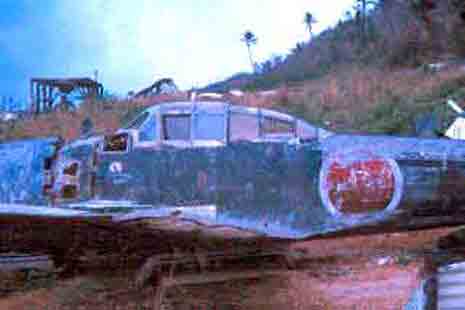
Credit: Roy Wiggs Date: March, 1962 – Photo via Pacific Wreck
To prepare 4685 for transport to Japan by air in 1964, the wings were cut from the fuselage, which severed the carry-through twin main spars, as the A6M’s wing is built integrally with the centre fuselage. For transport, A6Ms were designed so that the rear fuselage aft of the cockpit, the engine and the single-piece horizontal stabiliser could be removed and conveniently packed alongside one another in a shipping container. Over the years, several recovered A6Ms have had their spars inexplicably vandalised for transport, which has resulted in future restorers having to undertake mammoth restoration efforts to bring wrecked A6Ms back to structural integrity.
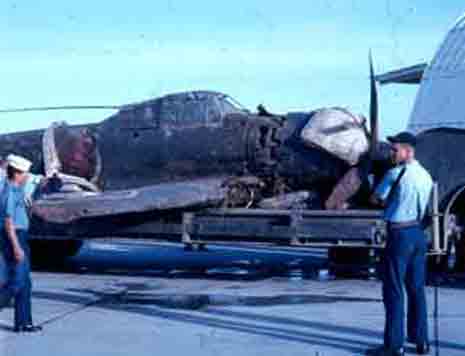
Credit: Roy Wiggs. Date: March, 1962. Photo via Pacific Wreck
On arrival in Japan, the aircraft was delivered to Hamamatsu Air Base, where Mitsubishi Heavy Industries engineers undertook an extensive restoration to complete condition. To this day it remains one of the most materially original A6Ms surviving in Japan. Its historical significance is assured as its final flight was made on the first day of the Marianas Turkey Shoot, during which the US Navy asserted its aerial dominance over the Imperial Japanese Navy over two days of intensive fighting. Despite the apparent authenticity of the aircraft, several cosmetic inaccuracies have resulted from the restoration, including a misshapen down-draught carburetor intake at the top of the engine cowl and oil cooler intake underneath the engine, while the forward fuselage panels aft of the firewall are missing the characteristic vertical cooling slots evident on the type.

Throughout the day of my visit, JASDF pilots took advantage of the summer’s day and filled the Hamamatsu circuit with several different types, from locally stationed T-4s singly and in formation and 41st Flight Training Squadron Raytheon T-400 business jets to a Boeing E-767 of the Hamamatsu-based 601st Squadron, Airborne Early Warning Group. The JASDF only operates four of these big jets that are rarely seen outside of Japan, so the opportunity to watch one do touch-and-gos at its home station was a rare treat.


While I was photographing the aircraft from the glass-encased Air Park stairwell, an elderly woman approached me and began speaking Japanese, to which I said “wakarimasen”, the blanket phrase that indicates to any Japanese person that your Japanese language skill level is at its most basic. Despite this, she stood next to me and continued chatting away, gesticulating toward the aircraft and mentioning them by name. This caught my attention, and from what little I understood, she was clearly knowledgeable, enthusiastically waving at each aircraft as it zoomed by. This brought a smile to my face, and I was ultimately happy to share the experience with her. Following this impromptu bout of plane-spotting, I continued my look around the Air Park. On the same floor as the café and its big windows overlooking the runway is a mock-up of the interior of the forward cabin of the JASDF’s VIP transport Boeing 747-47C, two of which were operated from 1993 until 2019. Adjacent to this are podded flight simulators, where visitors can try their hand at flying a variety of JASDF fast jets, including the Lockheed Martin F-35 Lightning II.

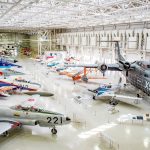
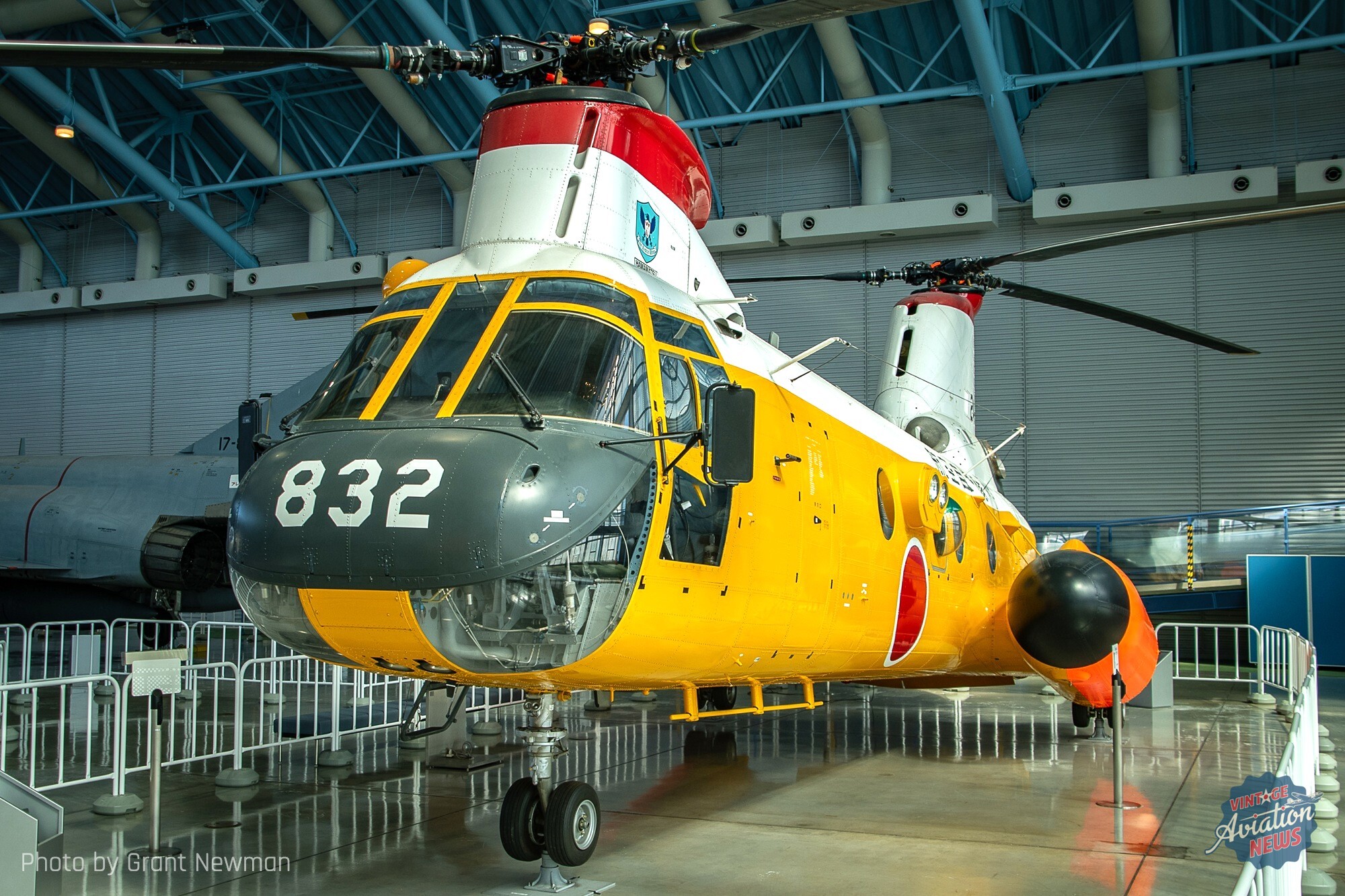
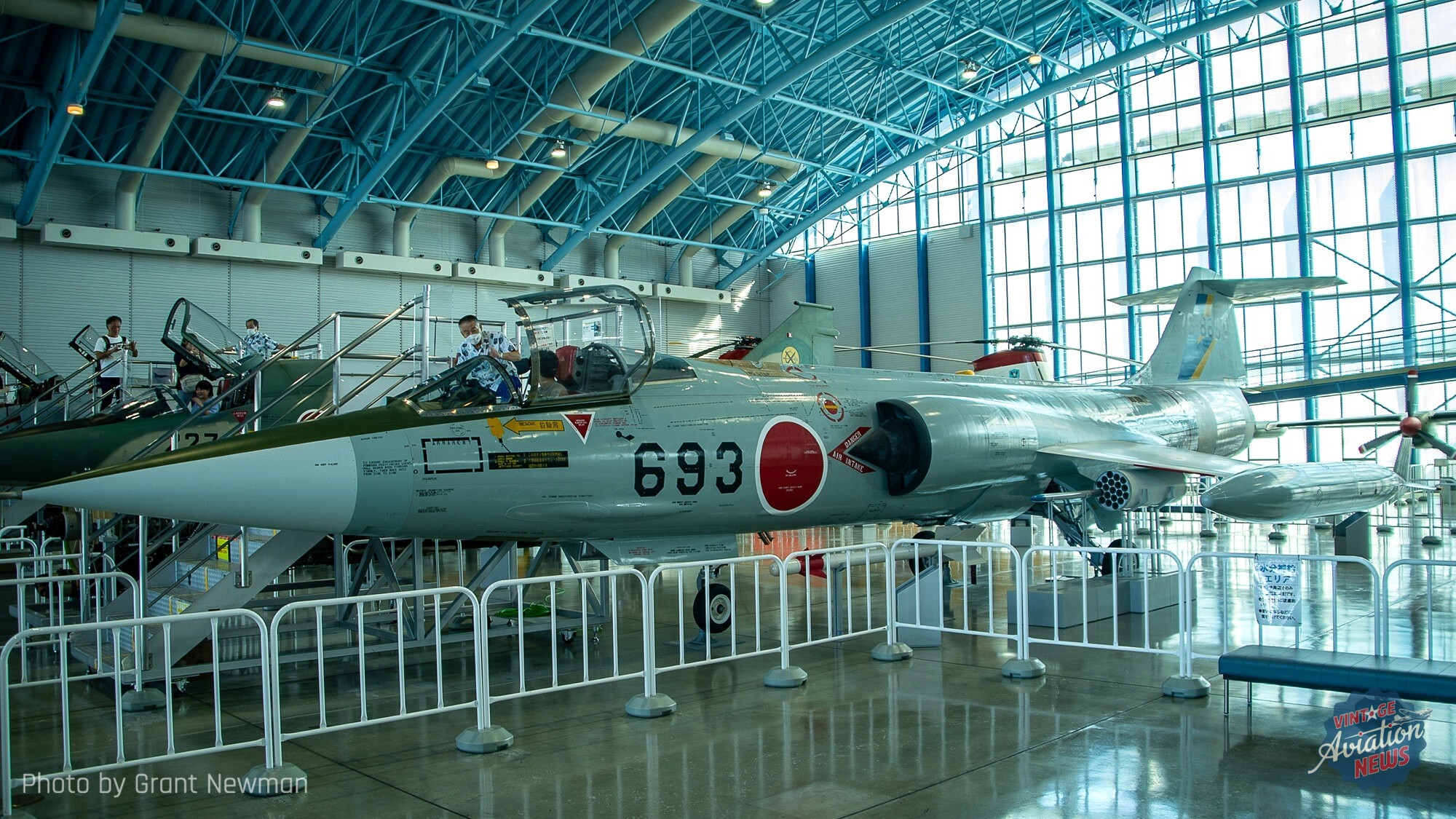
The main aircraft display hall has several aircraft whose cockpits are publicly accessible at alternating times throughout the day. Volunteers perch atop steel access stairs to help visitors enter the cockpits of the F-4 Phantom II, F-1 strike fighter, T-2 and T-4 jet trainers, F-86 Sabre, and F-104 Starfighter. I had never sat in an F-104 before, so I took advantage of the opportunity. The volunteers are all ex-JASDF personnel who served in different capacities. The gentleman who aided me in the cockpit of the F-1 was an engineer, while the F-4 volunteer was a fighter pilot who had flown F-86s and F-104s. Despite their varying abilities in speaking English and my not-very-convincing Japanese, we were able to enjoy a conversation about their careers and the aircraft they were presenting. It was a rewarding afternoon of cockpit hopping. A brightly coloured Mitsubishi MU-2 and Kawasaki KV-107 in air-sea rescue markings, both formerly operated from Hamamatsu, cement the local connection to the collection and emphasise the vital, yet so often unsung, role that the JASDF routinely carries out.

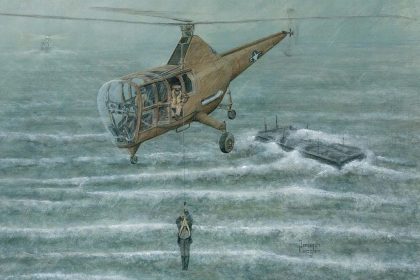
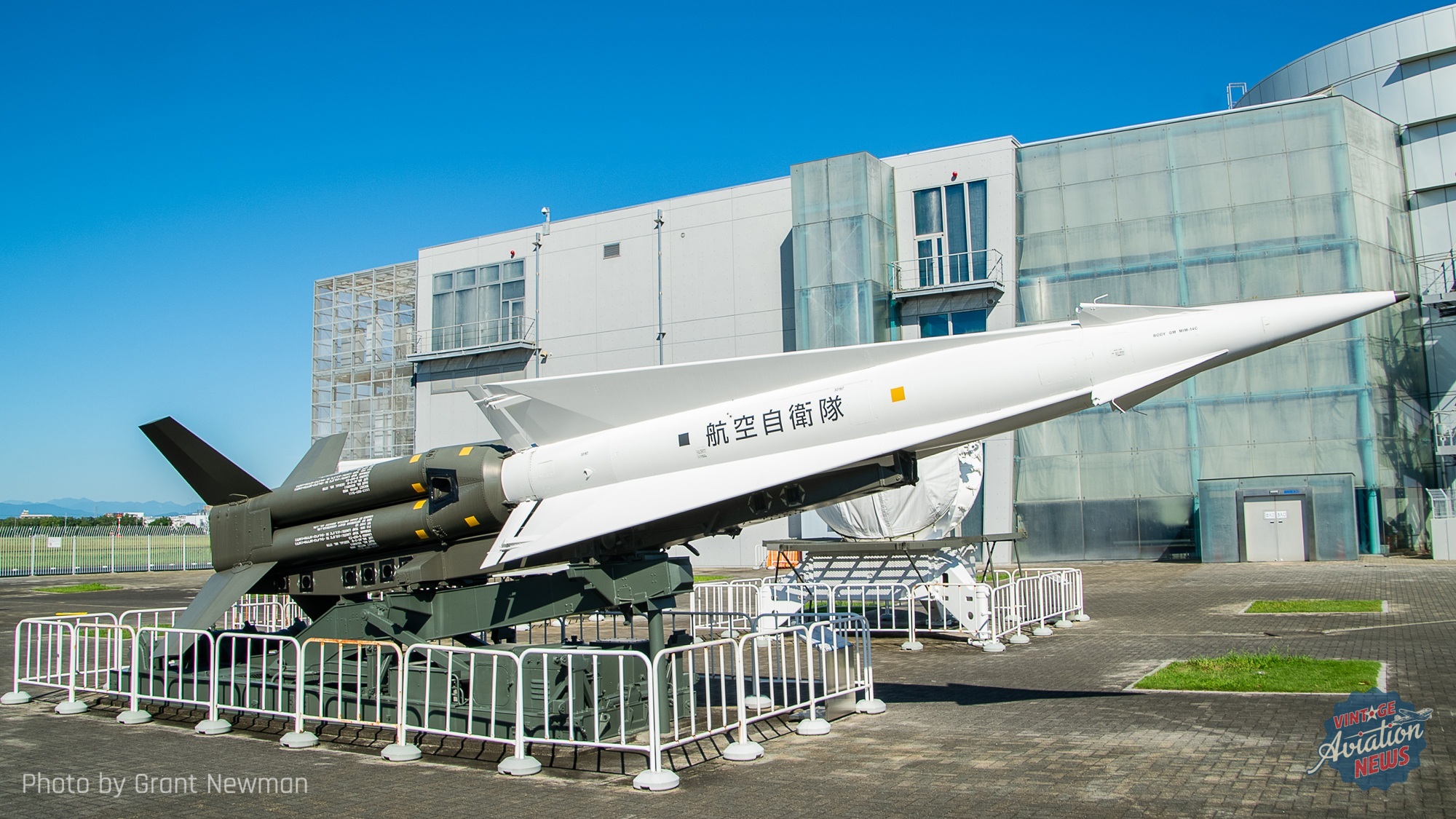
Outside in the baking heat is another F-104, and in a courtyard adjacent to a children’s play area are a brightly adorned Curtiss C-46 and a Piasecki H-21 Workhorse search and rescue helicopter, with a Mitsubishi-produced Nike-J surface-to-air missile (SAM), which were retired from JASDF service in 1984. Out on the hard standing adjacent to the runway is a Kawasaki C-1 indigenous heavy-lift transport, a rare sight in Japan today.


Lining the Air Park’s perimeter fence were several photographers with high-powered lenses capturing the day’s action, which reminded me of just how accessible this place is. All the features that appeal to the public, such as flight simulators, the massive auditorium, and cockpit access to various jet fighters—a definite plus—certainly add to the appeal of the Air Park and result in an enjoyable, activity-filled day.
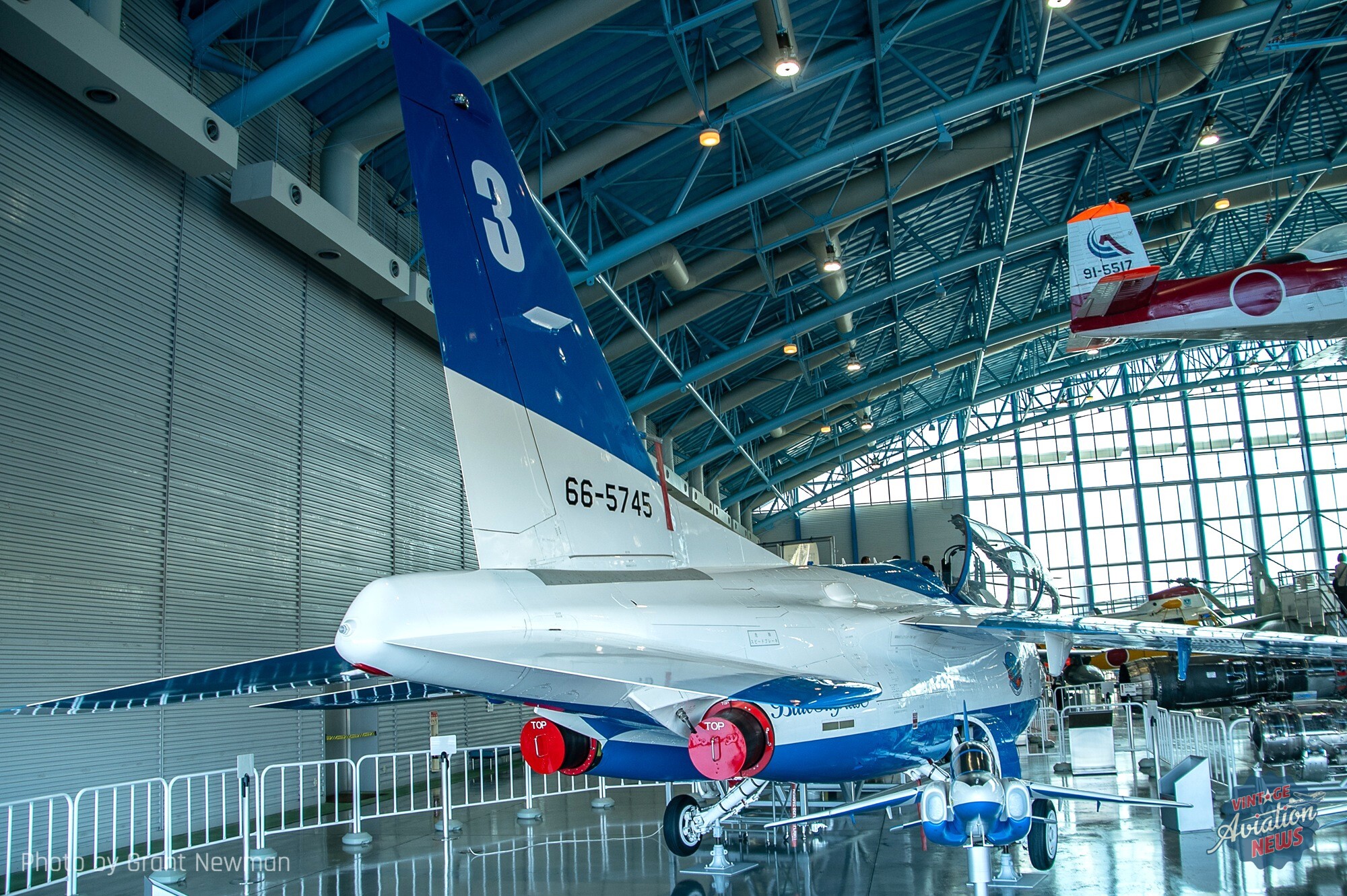
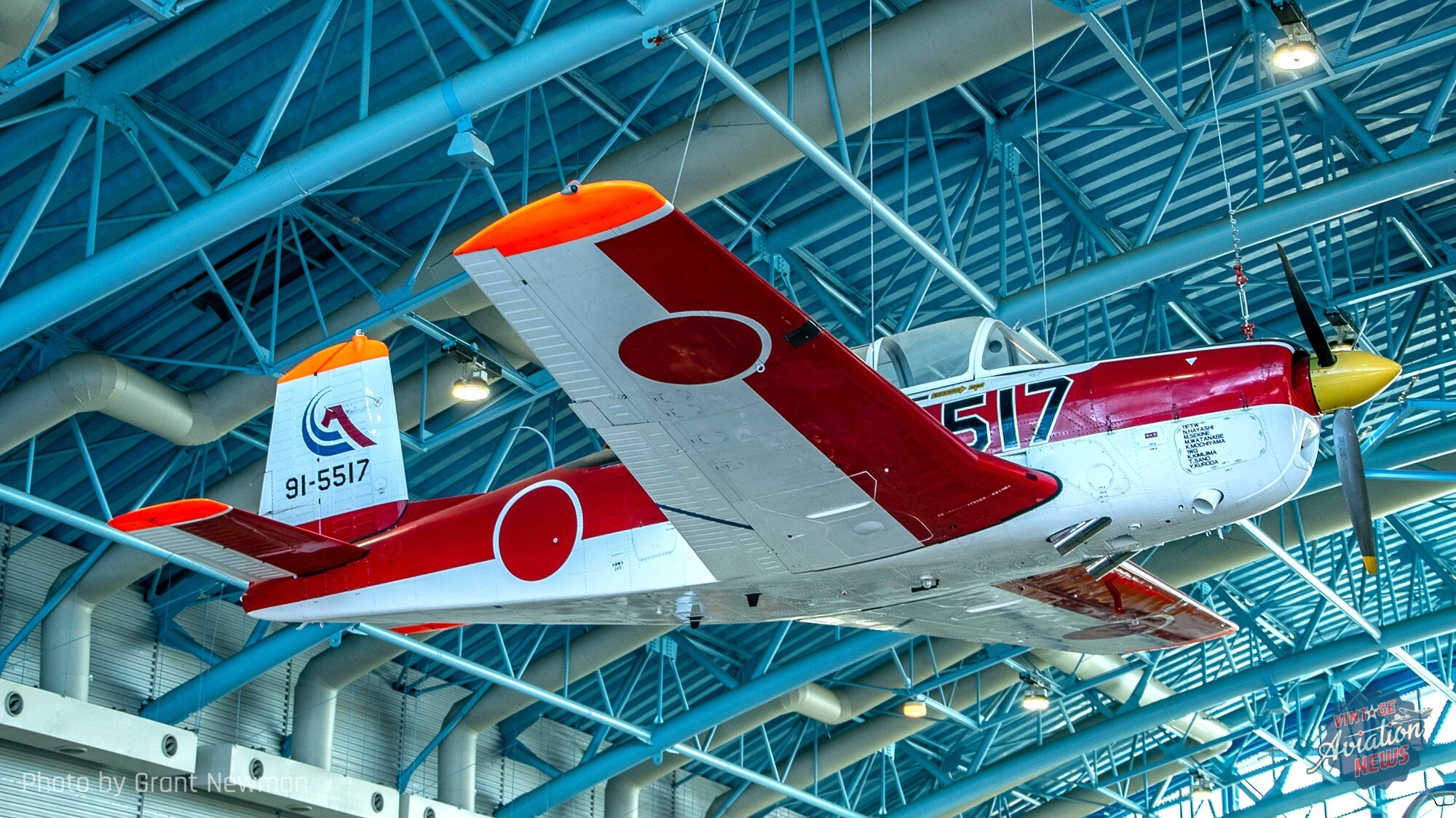
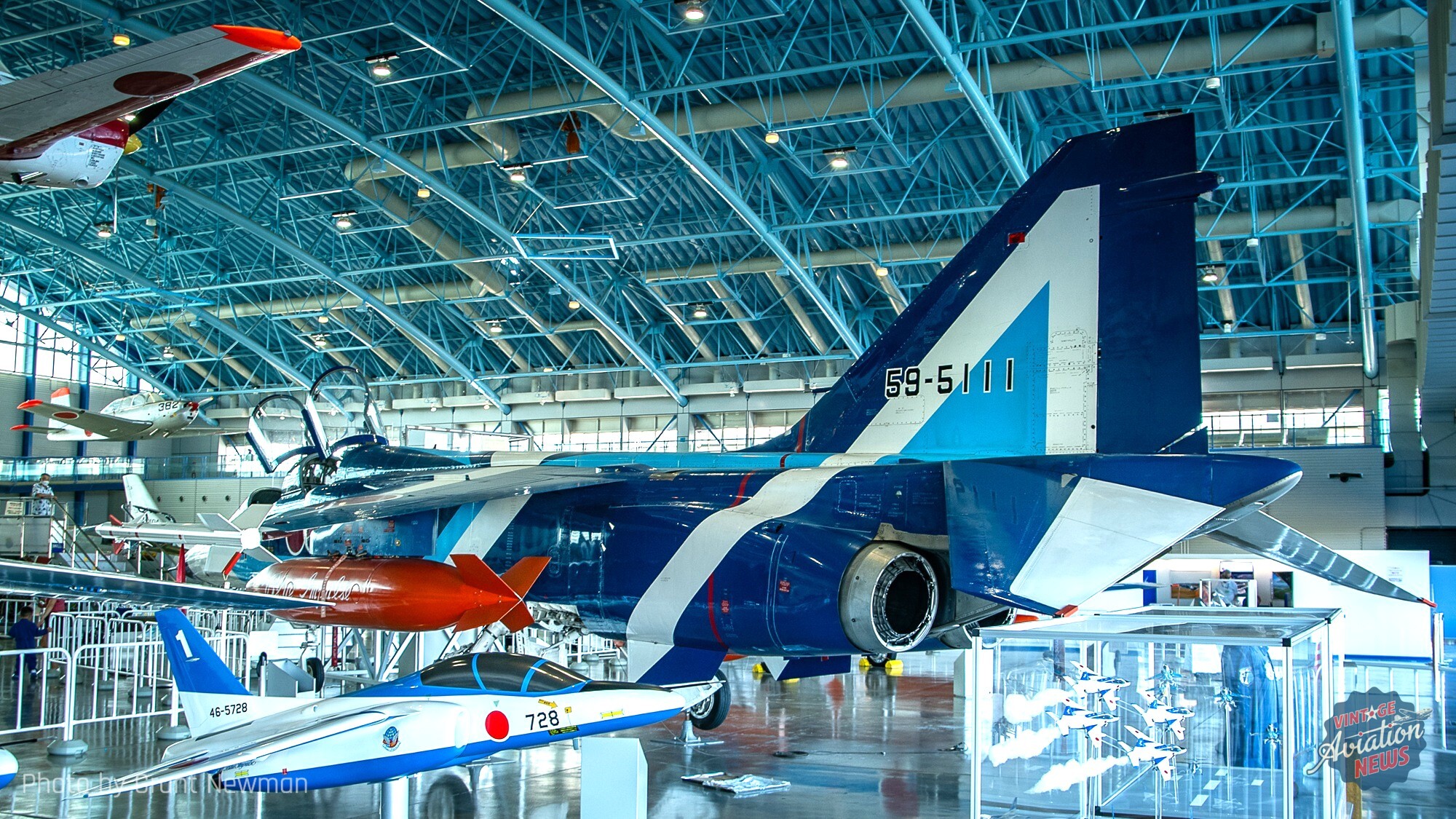
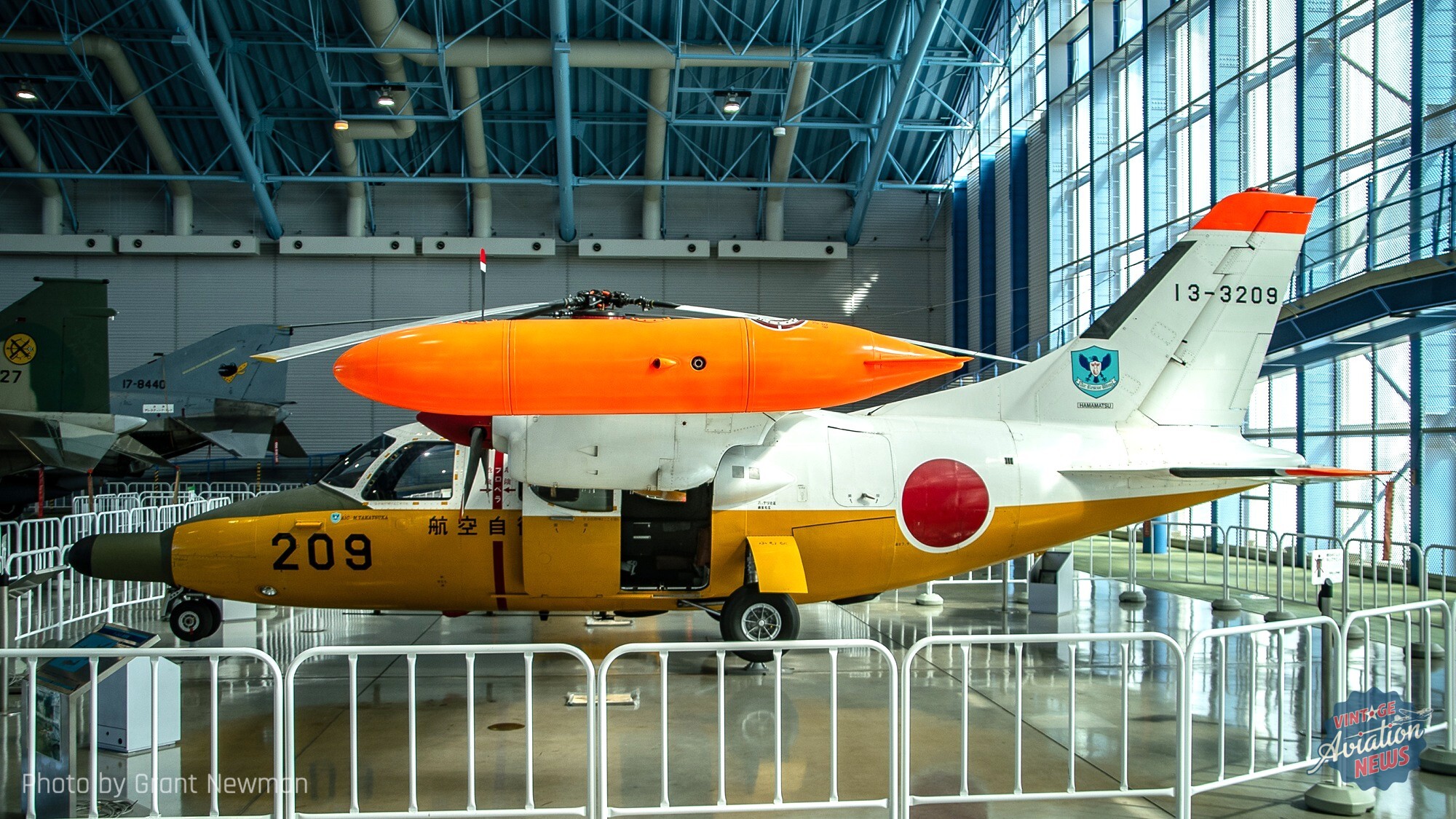
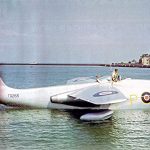
For enthusiasts—cockpit access aside— the Air Park will fall short of expectations. In the main display hall, the aircraft are difficult to photograph because of the unnecessarily intrusive white barriers encircling the aircraft, and there are few in the vast floor space; the de Havilland Vampire, the only example acquired by the JASDF, was absent on the day I visited. There is also the glare from light entering each end of the big arched edifice, which means that regardless of whatever angle photographers approach certain aircraft from, they will be photographing into strong light, providing extreme contrast in images.

These are gripes applicable to particular visitors only, however, and, as did everyone else who visited the Air Park on that hot summer’s day, I thoroughly enjoyed my visit. Perhaps the Japanese approach to the presentation of aviation history, embodied in the Air Park, is the way ahead for the public. For enthusiasts and history-seekers, a less cluttered and more specific approach to the aircraft is most likely desired, but if you are this way inclined, that does not mean that visiting is not worth the effort. Seeing Ozaki’s Zero and cockpit hopping are definite highlights, while the overall interactive experience counts for so much more, which is crucially important when visiting this nation, to which foreigners venture specifically for the cultural differences. For more information about the Japan Air Self Defence Force (JASDF) , visit www.mod.go.jp/asdf/airpark.