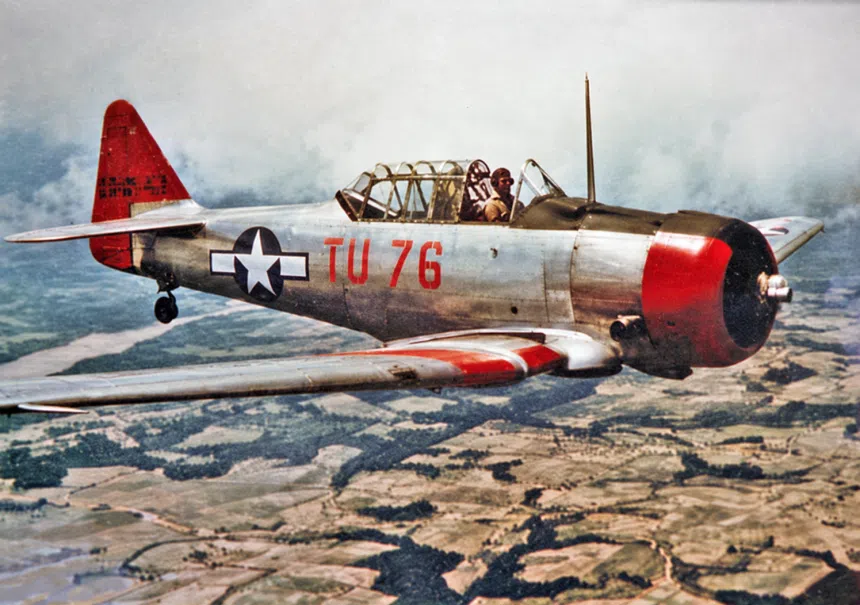

A few letters painted on the side of a WWII training aircraft can offer an important clue to its history. For John D. Voss, deciphering those markings became a research project that grew into USAAF Training Aircraft Fuselage Codes of WWII, a website dedicated to documenting the codes used by the United States Army Air Forces’ training schools. Voss contacted Vintage Aviation News some time ago with a concern that will resonate with anyone who has spent years researching aviation history. As he grows older, he wants to ensure that the website and the information he has assembled remain available for years to come. For VAN, the collection is a natural fit as a resource for aviation enthusiasts and researchers, and an opportunity to draw attention to work worth preserving.
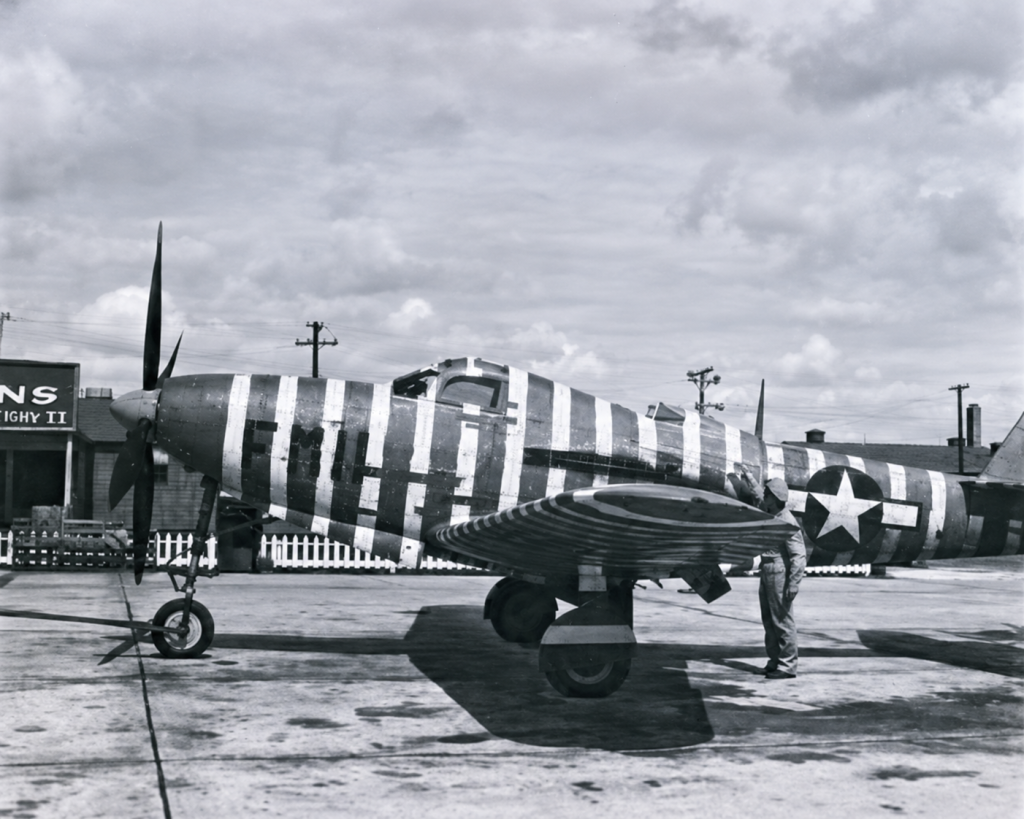
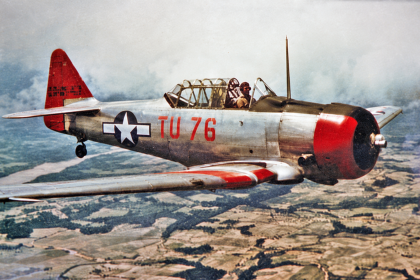
The website explains how field letter codes and locally assigned aircraft numbers helped identify trainers and their base assignments. These markings were separate from military serial numbers, and their formats varied. Letters could precede or follow the numbers, or appear between them. The site organizes its findings by training category, including basic and advanced flying, fighter and bomber transition training, bombardier-navigation instruction, gunnery, gliders, and British flying schools in the United States. Its basic flying training section, for example, identifies “K” with Stockton Field, California, “GD” with Greenwood Army Air Field, Mississippi, and “TU” with Tuskegee Army Air Field, Alabama. Accompanying photographs show the markings on aircraft assigned to those schools. For someone studying an unidentified photograph, such comparisons can provide a starting point for further research.

Voss launched the website on May 12, 2012, at the encouragement of aviation historian and photographer W. T. Larkins. The advice came with a warning: Larkins described the letter codes as a “bag of snakes.” According to Voss, others had tried to organize them, only to abandon the effort after a short time. “Presumably taking courses in Differential Equations and Aristotelian Logic helped me through it all,” Voss recalled. “There was order to it after all!” That determination has produced a collection that Voss believes now covers nearly all stateside basic and advanced training airfields. In comments shared with VAN, he offered his assessment of the research while identifying the area where more information is still needed. “I feel that my website data presented is 99% correct and that I have at least a 97% confidence level that I have all the stateside training AAFs covered—Basic and Advanced,” Voss said. “The ‘big hole’ in markings remains in the four-engine bomber types, e.g. B-17, B-24 and B-29. I continue to ‘keep my eyes open’ for this information. Perhaps another visit to the bookstore at the NMUSAF is justified.” Those percentages represent Voss’s own assessment of the collection’s accuracy and coverage. His comments also make clear that the research remains an ongoing effort, with opportunities for additional discoveries.

Voss has made a point of using only period photographs, rather than images of restored aircraft whose markings may reflect later interpretations. He reports that the website contains 312 period photographs. When a pilot’s name is associated with an image, he records that information as well, citing the Craig Army Air Field material as one example. The collection also reaches beyond painted letters and numbers. Where information is available, Voss records the number and types of aircraft assigned to a base in a “Factoid” section. He also includes details about an airfield’s subsequent use, including sites returned to agriculture or converted into feedlots. These entries connect the aircraft markings with the wider history of the places where wartime aircrews trained.

Vintage Aviation News plans to build on Voss’s work by developing a more interactive, responsive website that makes the collection easier to explore across computers, tablets, and smartphones. The goal is to preserve his research while inviting aviation enthusiasts, historians, veterans, and their families to contribute period photographs and knowledge. A family photograph, a pilot’s name, or a clear view of a bomber’s markings could help fill a gap in the record, allowing the resource to continue growing for future generations. Visit fuselagecodes.com to explore John D. Voss’s research. Readers with relevant period photographs or information can contact us through this website.