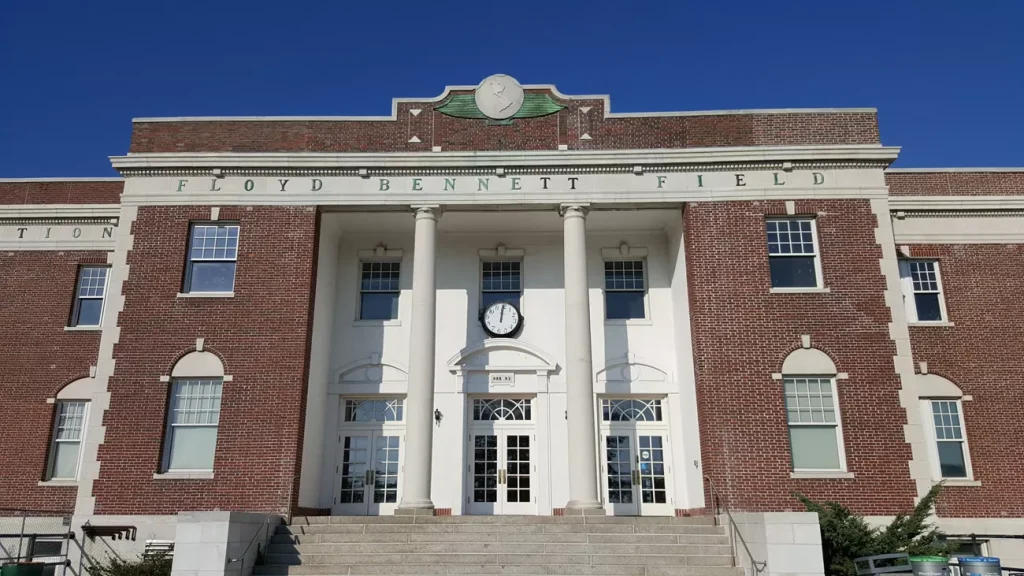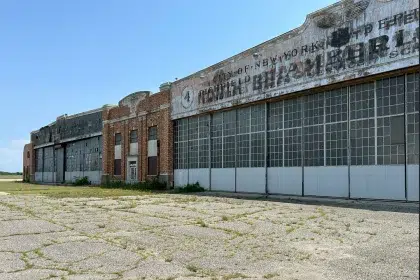
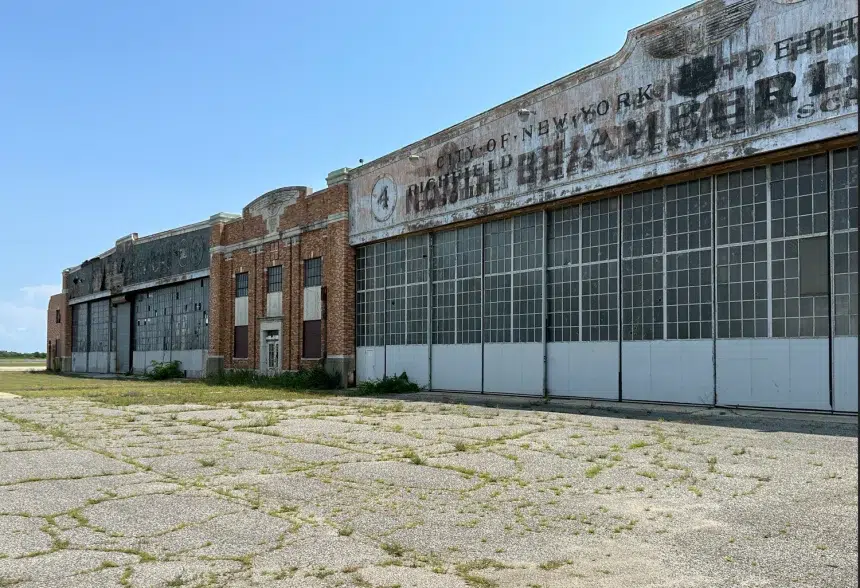

Two historic hangars at Floyd Bennett Field, the Brooklyn, New York, airfield associated with Amelia Earhart, Wiley Post, and Howard Hughes, are moving closer to a new chapter. Governor Kathy Hochul announced on November 2, 2026, that New York State will provide $10 million to the Jamaica Bay-Rockaway Parks Conservancy to support the restoration and reuse of Hangars 3 and 4. The funding will help restore the interiors and prepare the buildings for public programming, education, workforce development, and community activities. The Dormitory Authority of the State of New York will administer the investment. “With this $10 million investment, we are turning these historic hangars into a place for learning, opportunity and fun,” Hochul said. The state grant builds on a separate $26 million National Park Service investment in the hangars’ exteriors. Working with the Park Service, the conservancy plans to prepare nearly 50,000 square feet of interior space for public use, giving the former aviation buildings a continuing role within Gateway National Recreation Area.
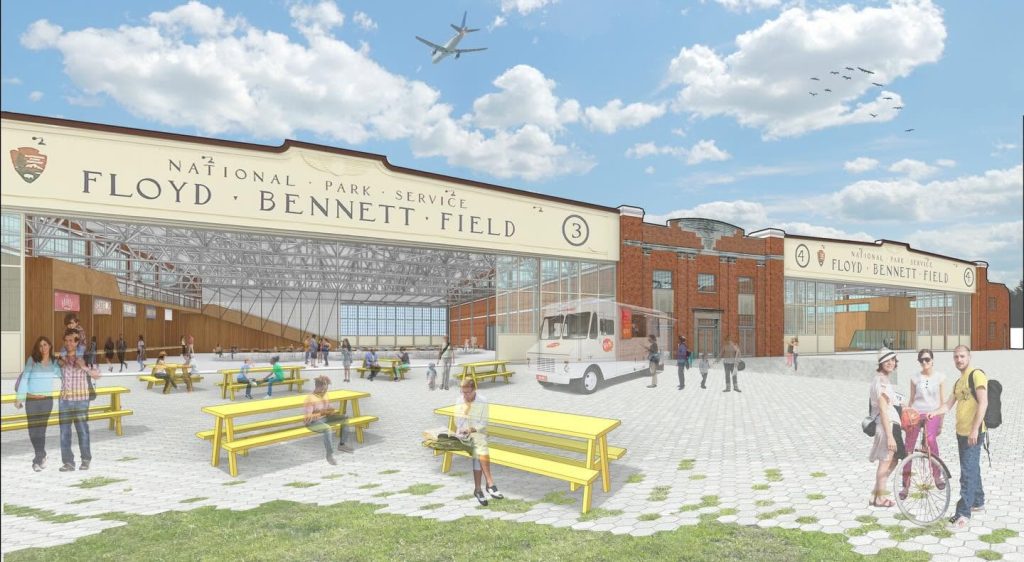
(Image credit: Jamaica Bay-Rockaway Parks Conservancy)
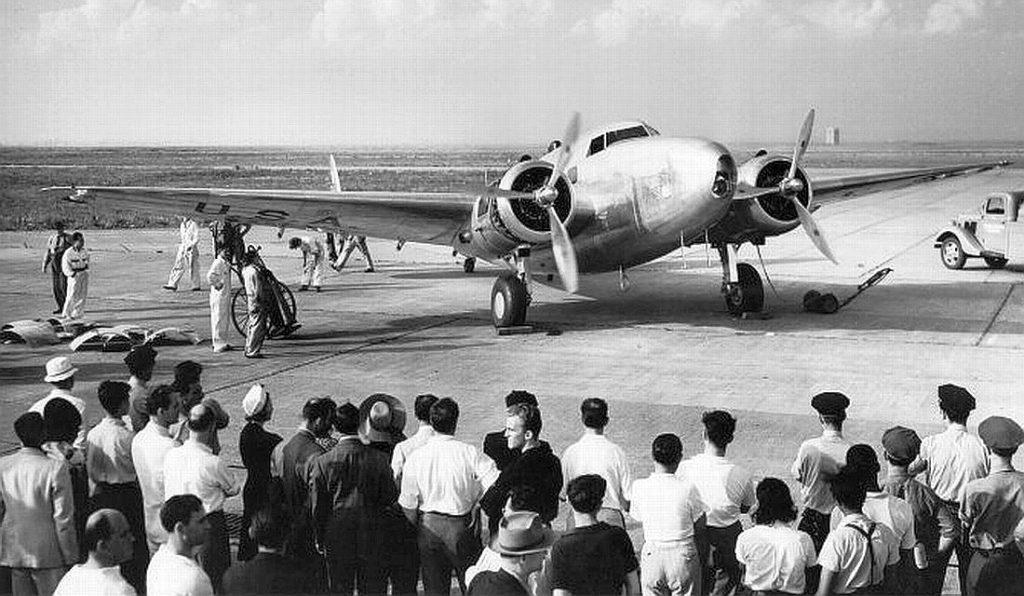
Floyd Bennett Field was dedicated on May 23, 1931, as New York City’s first municipal airport. Its concrete runways and modern facilities attracted aviators pursuing long-distance records. According to the National Park Service, 26 around-the-world or transatlantic flights began or ended there between 1931 and 1939. Among its memorable arrivals was Wiley Post’s return from the first solo flight around the world in 1933. Howard Hughes used the field for his record-setting round-the-world flight in 1938, the same year Douglas “Wrong Way” Corrigan departed for what he said was a flight to California and landed in Ireland. Earhart also flew from the airport, including her departure in the 1936 Bendix Trophy Race to Los Angeles.
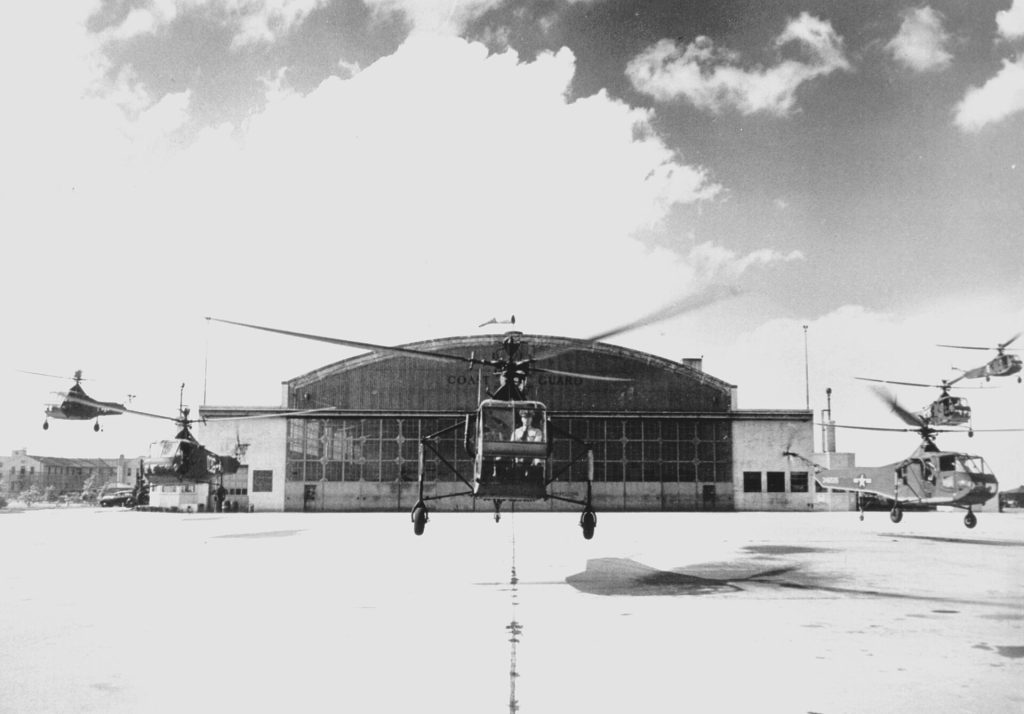
The airfield later became Naval Air Station New York, dedicated on June 2, 1941. It served the Navy during WWII and continued supporting naval aviation and reserve training afterward. The Navy deactivated the station in 1971, and the property subsequently became part of Gateway National Recreation Area.
The redevelopment will give the two hangars complementary functions. Hangar 3 is planned for cultural performances, flexible events, family activities, and visitor services. The broader vision includes bicycle rentals, food and beverage facilities, and a rooftop terrace overlooking Jamaica Bay. Its programming is intended to complement the aviation interpretation at the Ryan Visitor Center and the historic aircraft collection in Hangar B. Hangar 4 will focus on environmental research and conservation through a partnership with the City University of New York and its Science and Resilience Institute at Jamaica Bay. Plans include laboratory and technical facilities, research activities, and workforce training tied to the surrounding coastal environment. The work will proceed in phases. Initial improvements will establish essential building systems, clean-energy infrastructure, and visitor amenities, with permanent research facilities and additional public spaces following in a later phase.
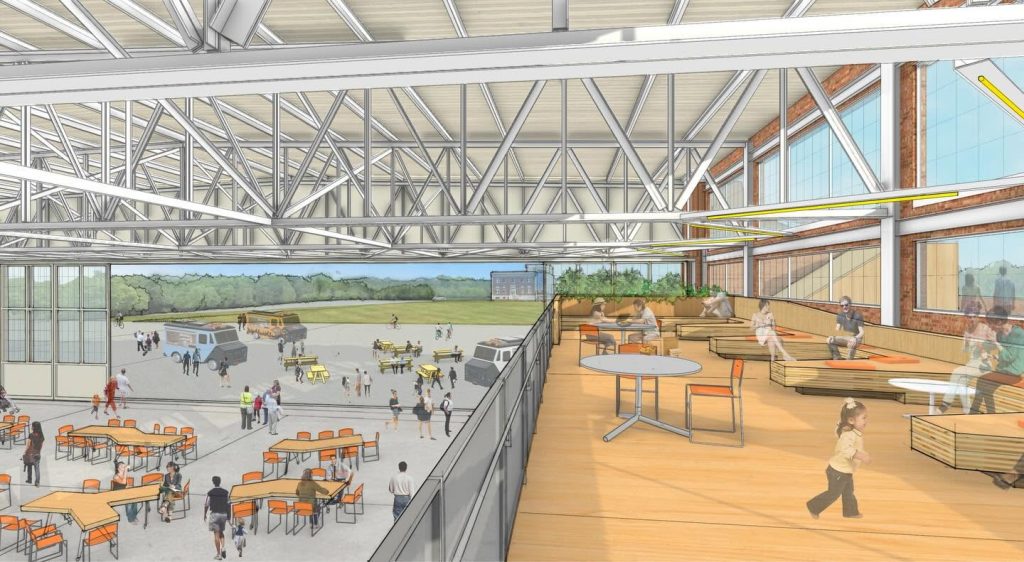
(Image credit: Jamaica Bay-Rockaway Parks Conservancy)
According to Secret NYC’s reporting, the conservancy aims to begin its construction work in early 2028, after the National Park Service completes the exterior rehabilitation. That first phase is expected to take approximately one year. For a field whose history spans pioneering flights, WWII service, and decades of naval aviation, the project offers a practical route to preserving two substantial pieces of its built heritage. Their new uses would bring visitors back inside buildings that remain part of New York’s aviation story.