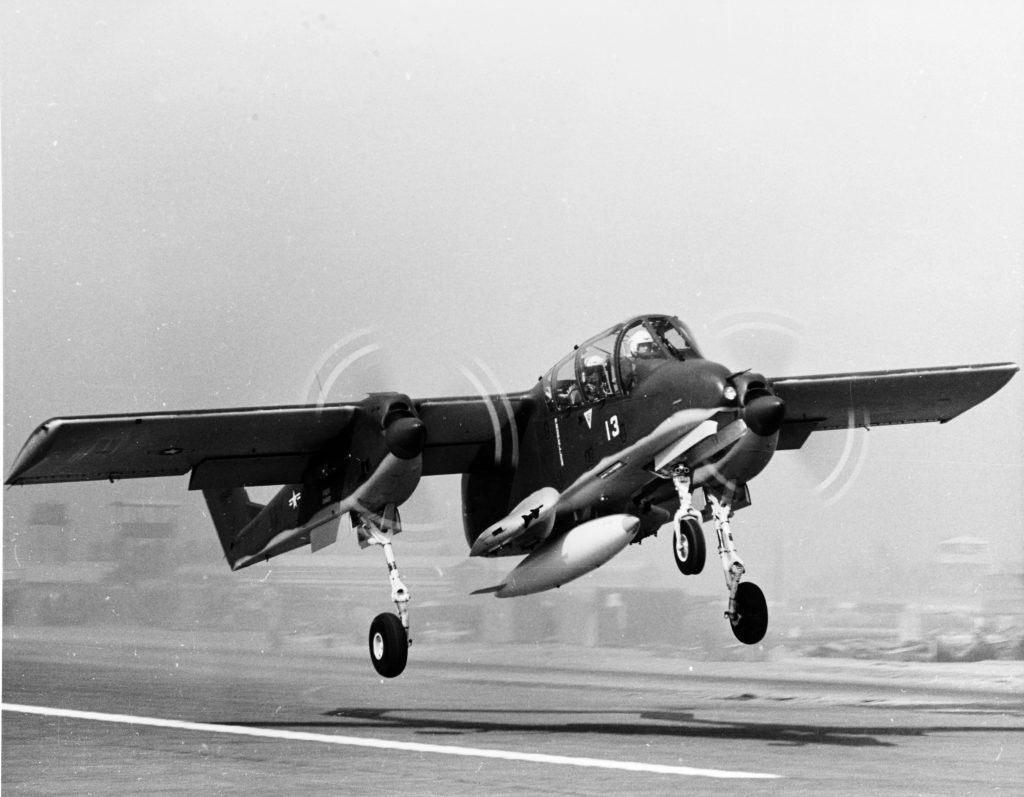
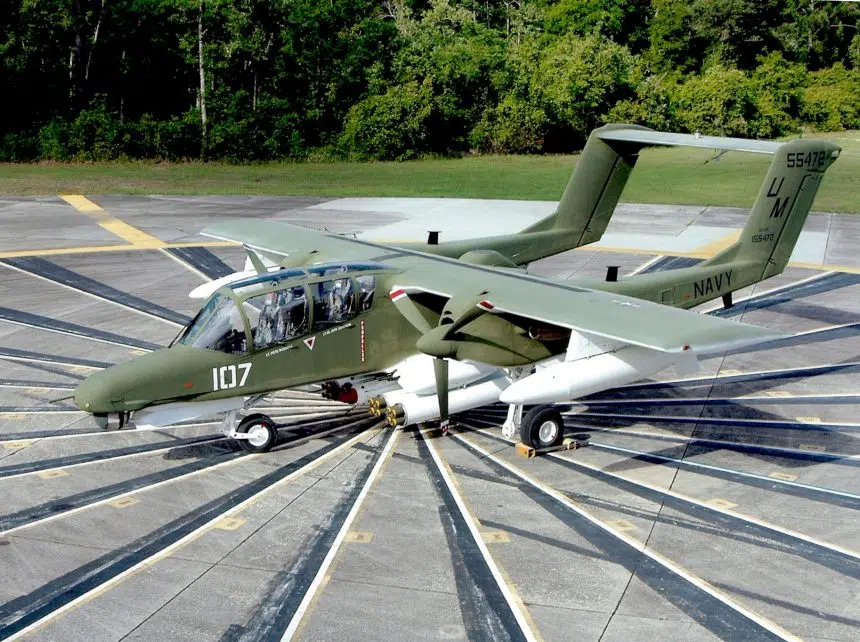

Light Attack Squadron Four (VAL-4), nicknamed Black Ponies, was a US Navy squadron that started operations on January 3, 1969. Its mission was to provide surveillance and air support to river forces in South Vietnam. The squadron flew the North American Rockwell OV-10A Bronco and supported river patrol boats, Navy SEALs, and joint operations with the US Army, Navy, and South Vietnamese forces in the Mekong Delta. It helped enhance the work of helicopter gunships from HA(L)-3. Before it officially began, Light Attack Squadron Four personnel trained with VS-41 starting in September 1968 and received their first OV-10As in October. In March 1969, VAL-4 moved to the Naval Support Activity Detachment Airfield at Binh Thuy Air Base to prepare for ongoing combat missions. The squadron operated in two groups, Detachment A at Binh Thuy and Detachment B at Vung Tau Air Base. The Bronco aircraft was a good fit for the tough conditions of the Mekong Delta. It could stay in the air for a long time, maneuver well, and carry weapons, allowing it to respond to forces acting along the rivers and canals.
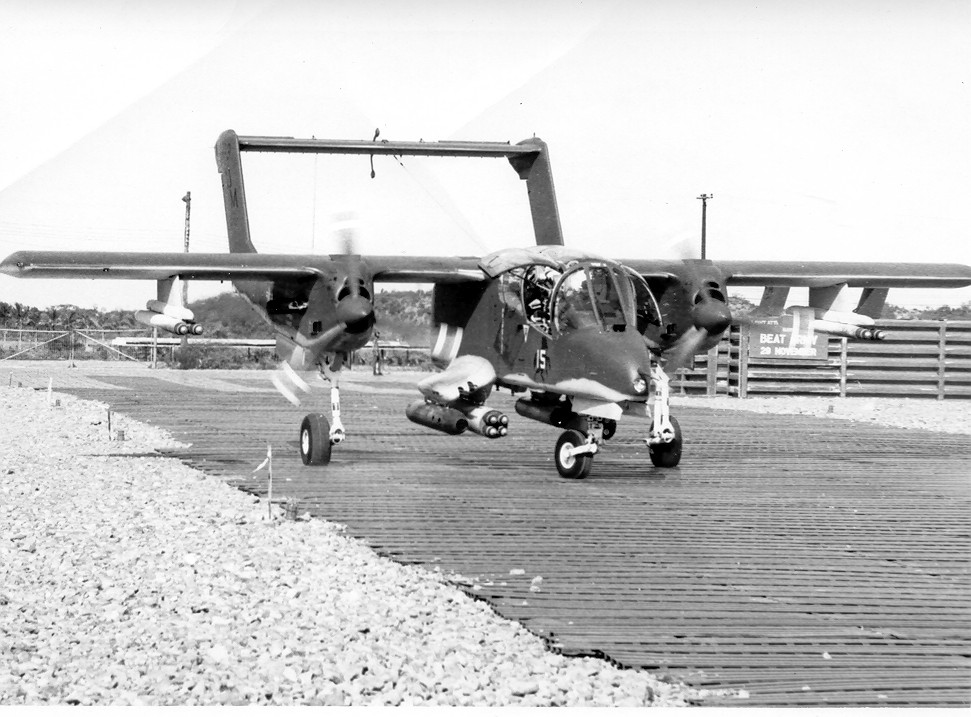
Light Attack Squadron Four entered combat operations on April 19, 1969. It provided air support to the Mobile Riverine Force in the Mekong Delta. Its tasks included routine patrols, air cover, scramble alerts, and spotting for gunfire and artillery. The OV-10 had a large payload and long endurance, allowing the squadron to support both US forces and the Army of the Republic of Vietnam (ARVN) throughout the delta. VAL-4 didn’t function as a typical carrier-based strike unit; it specialized in riverine warfare. Its small, nimble Broncos were employed to find, watch, and hit targets in support of forces operating in the waterways. In April and May 1970, Light Attack Squadron Four took part in joint US and South Vietnamese river operations. These operations aimed to eliminate base camps in the Mekong Delta during the Cambodian Campaign. The squadron operated from Binh Thuy and continued supporting river operations. On July 1, 1970, Detachment B at Vung Tau closed, and all Light Attack Squadron Four operations were based at Binh Thuy.
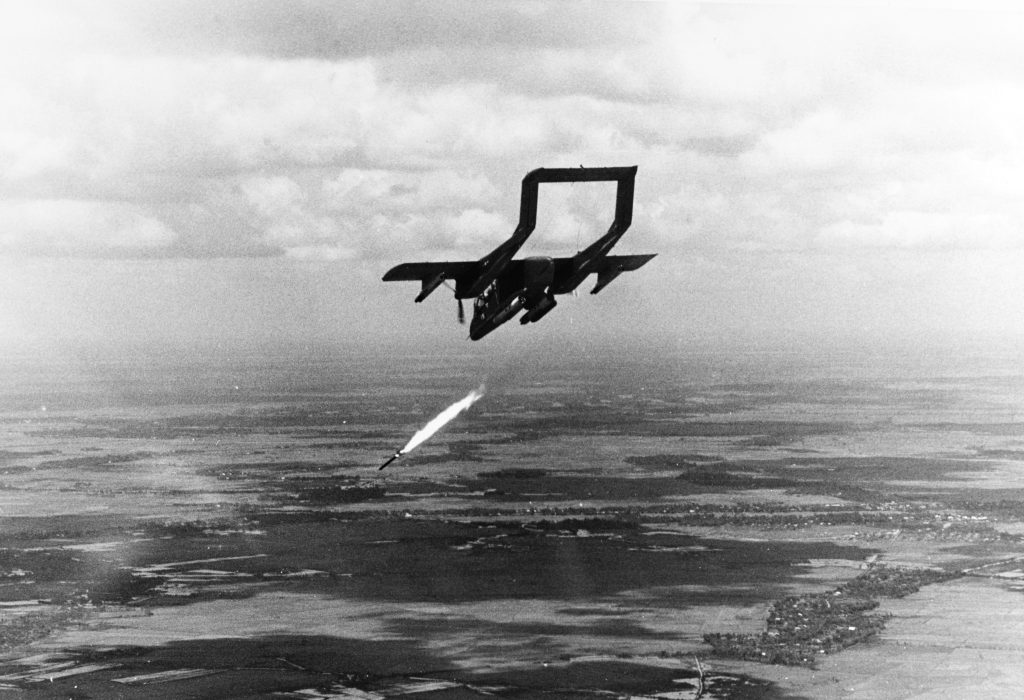
By February 1971, Light Attack Squadron Four was supporting river operations in addition to its regular patrols. Along with HA(L)-3, the squadron helped provide air support for Republic of Vietnam Navy supply convoys traveling up the Mekong River to Phnom Penh. The squadron’s OV-10s offered observation and armed support for the convoys, continuing the specialized mission that the squadron was created for. Light Attack Squadron Four completed its last combat mission on March 31, 1972, just before the squadron was disbanded on April 10, 1972. During its more than three years of combat, the unit played a unique role in naval aviation. It used the OV-10 Bronco, a small surveillance and light-attack aircraft, designed for river warfare. The squadron showed how a small fixed-wing unit could provide ongoing reconnaissance, support for ground troops, and coordination for forces in one of the Vietnam War’s toughest environments.