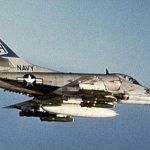




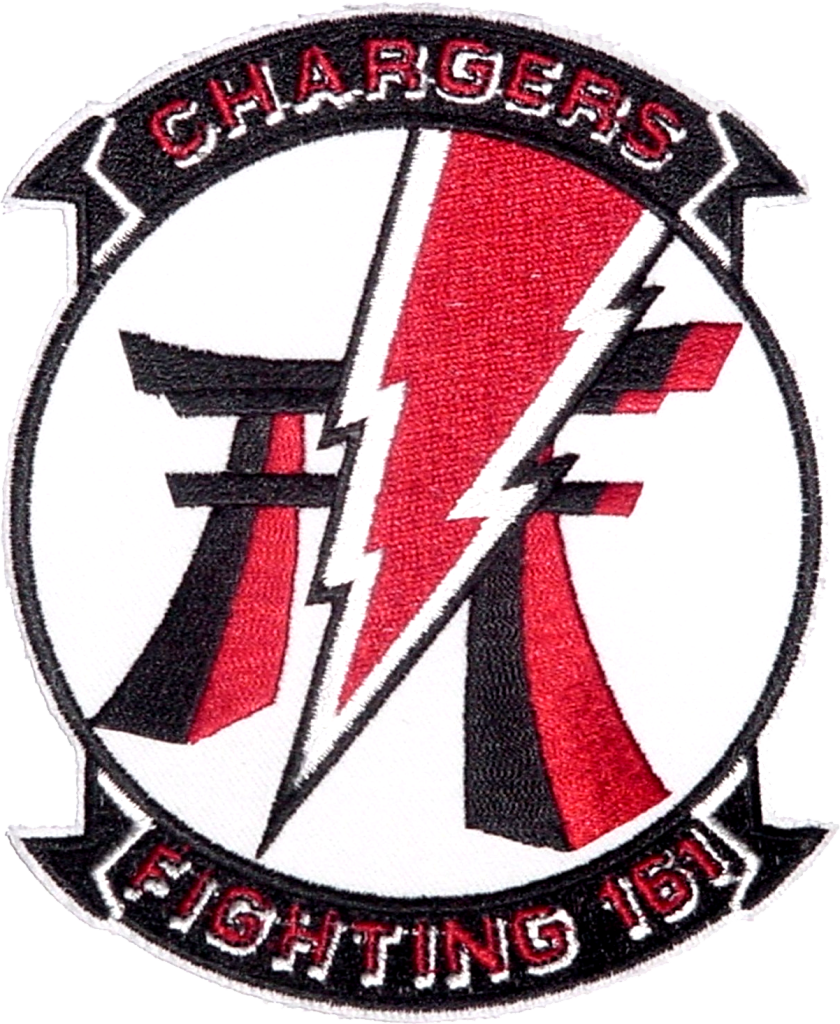
Strike Fighter Squadron 161 (VFA-161), called the “Chargers,” started as Fighter Squadron VF-161 on September 1, 1960, at Naval Air Station Cecil Field, Florida. The squadron moved to Naval Air Station Miramar, California, on September 19, 1961, and began participating in US Navy Pacific Fleet operations. At first, they used the McDonnell F3H Demon. From August 1, 1963, to March 10, 1964, VF-161 served aboard the USS Oriskany with the F3B Demon. Later, the squadron switched to the McDonnell Douglas F-4B Phantom II, which became important for its missions in Southeast Asia. VF-161 served on the USS Constellation with Carrier Air Wing Fifteen from May 12 to December 3, 1966. During this time, the squadron fought against North Vietnamese fighters. On July 13, four F-4Bs engaged six MiG-17s from the Vietnam People’s Air Force. Lieutenant William “Squeaky” McGuigan and Lieutenant (junior grade) Robert Fowler fired an AIM-9 Sidewinder missile and shot down one MiG-17. The deployment also had losses. On October 22, an F-4B, BuNo 151009, was hit by enemy fire. The pilot, Lieutenant Commander Earl McBride, was killed, and his remains were not recovered. The radar intercept officer ejected and was rescued.
The squadron served in combat on the USS Coral Sea from July 29, 1967, to April 6, 1968. On December 28, an F-4B aircraft, with the number 150449, was hit by enemy fire near Haiphong. Both crew members ejected and were rescued. In March 1968, the Coral Sea left its station and operated near the Korean coast after North Korea seized the USS Pueblo. VF-161 returned to the Coral Sea from September 7, 1968, to April 18, 1969, and again from September 23, 1969, to July 1, 1970. During the second deployment, two aircraft accidents occurred. On February 25, 1970, an F-4B (number 152286) crashed after running out of fuel, but both crew members survived. On May 17, another F-4B (number 152239) crashed during takeoff. In this accident, Lieutenant Norman Westwood died, while the radar officer ejected and was rescued. From April 16 to November 6, 1971, VF-161 was deployed on the USS Midway. The squadron returned to the carrier on April 10, 1972, and stayed until March 3, 1973. Between May and October 1972, the Chargers took part in air strikes against targets in North Vietnam as part of Operation Linebacker, a campaign aimed at disrupting supply routes and weakening North Vietnam’s ability to continue fighting in South Vietnam. During this time, VF-161 showed its strong air-to-air skills. On May 18, squadron pilots shot down two MiG-19s, and on May 23, they shot down two MiG-17s. On January 12, 1973, the squadron achieved another victory by shooting down a MiG-17. This was the last MiG shot down during the Vietnam War.

VF-161 was stationed on the USS Midway from September 11 to December 31, 1973, flying the F-4N Phantom II. After this deployment, the Midway and Carrier Air Wing Five remained in Yokosuka, Japan, making it their new home. The Chargers’ efforts during the Vietnam War were important, not just for combat missions over North Vietnam. In April and May 1975, the squadron provided air support for Operation Frequent Wind, which helped evacuate American personnel from Saigon as South Vietnam fell to communist forces. Throughout the 1970s, VF-161 participated in U.S. carrier operations in the western Pacific and nearby areas. In August 1976, the squadron operated from the USS Midway near the Korean Peninsula after the Axe Murder Incident, when North Korean troops killed two US Army officers in the Korean Demilitarized Zone. In 1979, the aircraft carrier Midway, with VF-161 aboard, went to the Gulf of Aden to take over from the USS Constellation. The deployment kept a US carrier in the area during the conflict between North and South Yemen and the political changes in Iran after the fall of the Shah. After the American Embassy in Tehran was seized on November 4, 1979, and American hostages were taken, Midway moved to the Gulf of Oman. The VF-161 squadron stayed with the carrier, maintaining its presence in the region until early February 1980. In the following years, the squadron continued to operate during regional instability. From May to June 1980, Midway and VF-161 worked near South Korea during the unrest, which included the Gwangju Uprising. In December 1981, the squadron flew from the carrier again off the Korean coast as tensions in the area increased.
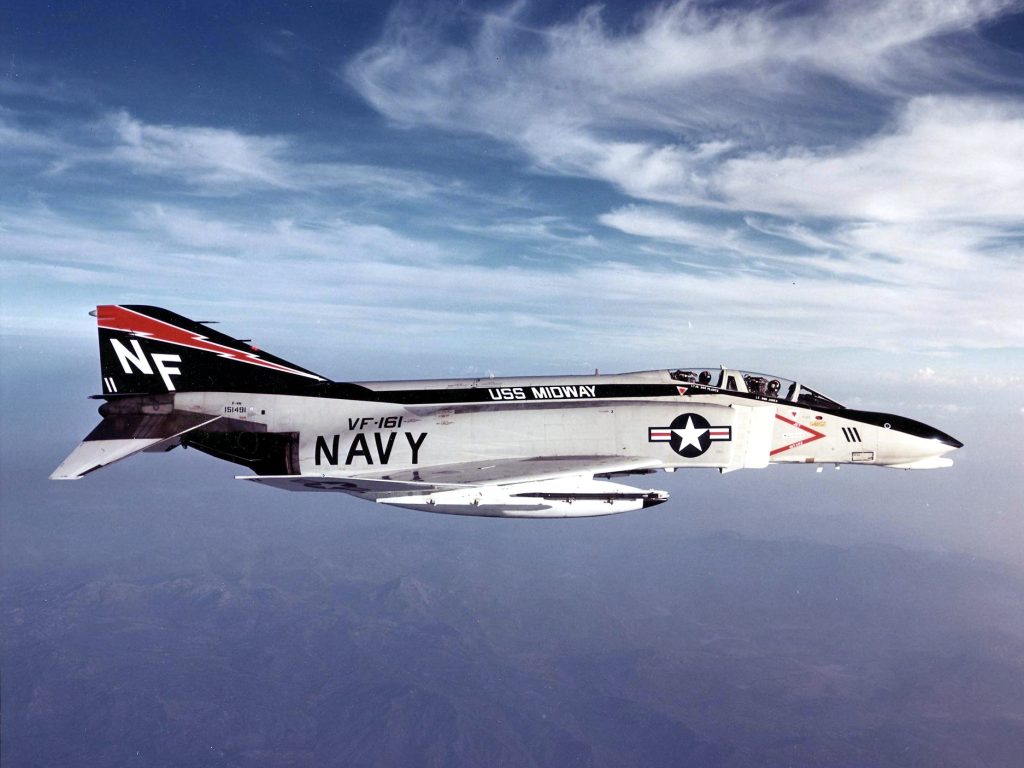
On June 4, 1983, Lieutenant (junior grade) Steve Martone was flying an F-4S when it crashed on the ramp of the USS Midway during a deployment in the western Pacific. Tragically, Martone died in the incident. According to the report, the radar intercept officer ejected and survived, though this detail needs a source for confirmation. After more than twenty years of flying Phantom fighters, VF-161 started switching to the McDonnell Douglas F/A-18A Hornet in 1986. From May to October of that year, the squadron moved to Naval Air Station Lemoore in California for training and to become a strike-fighter unit. On April 1, 1986, VF-161 officially changed its name to Strike Fighter Squadron 161, making the Chargers one of only two F-4 fighter squadrons to receive the VFA designation. The transition caused some uncertainty within the organization. From October 1986 to June 1987, the squadron was inactive at NAS Lemoore after moving from Carrier Air Wing Five. It was waiting to be assigned to a new air wing. Strike Fighter Squadron 161 was then assigned briefly to the reestablished Carrier Air Wing Ten. The squadron practiced operations aboard the USS Enterprise and planned to deploy on the USS Independence. However, budget cuts shut down CVW-10, leaving Strike Fighter Squadron 161 without a deployment. Strike Fighter Squadron 161 was disestablished on April 1, 1988, after nearly 28 years of service, beginning at NAS Cecil Field in 1960. Read more Squadron Histories articles HERE.