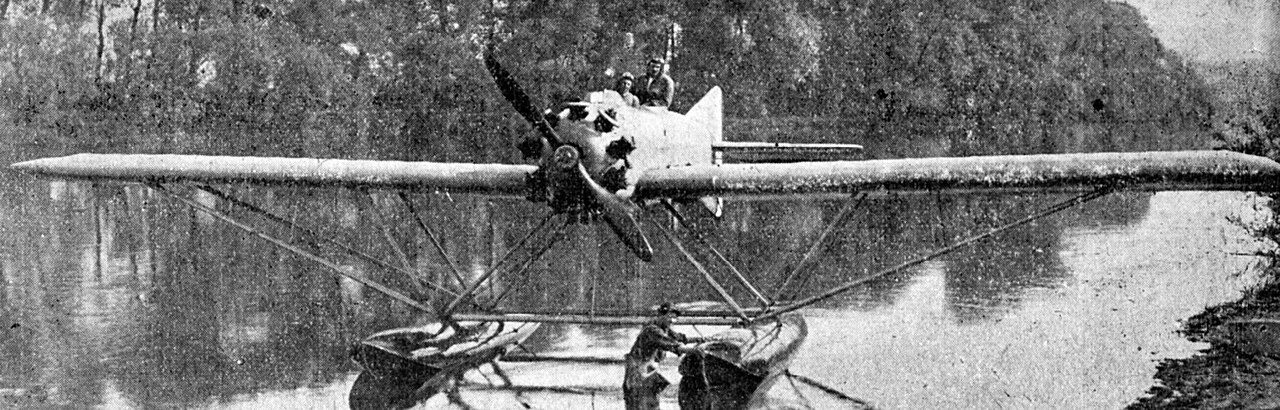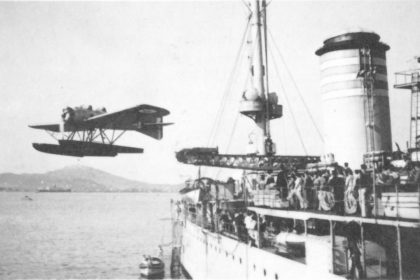
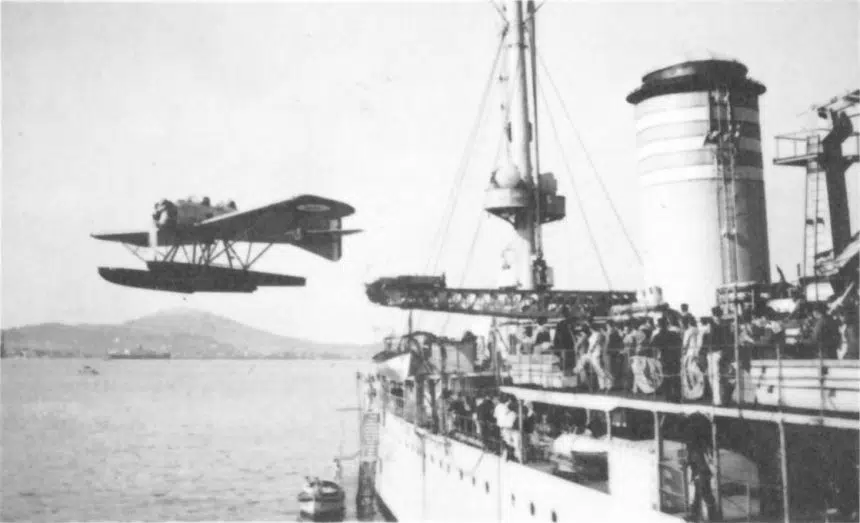


On this day in aviation history, 92 years ago (October 22, 1934), the Gourdou-Leseurre GL-813 HY represented one of the final developments of a family of French naval reconnaissance floatplanes. Built for the French Navy, the three-seat aircraft belonged to a series designed for operation from warships, where it could be launched by catapult to conduct reconnaissance and observation missions. The design traced its origins to the Gourdou-Leseurre L-2 prototype of 1926–27. The aircraft featured a steel-tube fuselage, wooden wing, fabric covering, and a Gnome-Rhône Jupiter radial engine. Six improved L-3 prototypes followed with more powerful engines and strengthened structures suitable for catapult launching. Successful testing resulted in the French Navy ordering the production of the GL-810 HY, followed by progressively developed GL-811 and GL-812 variants.
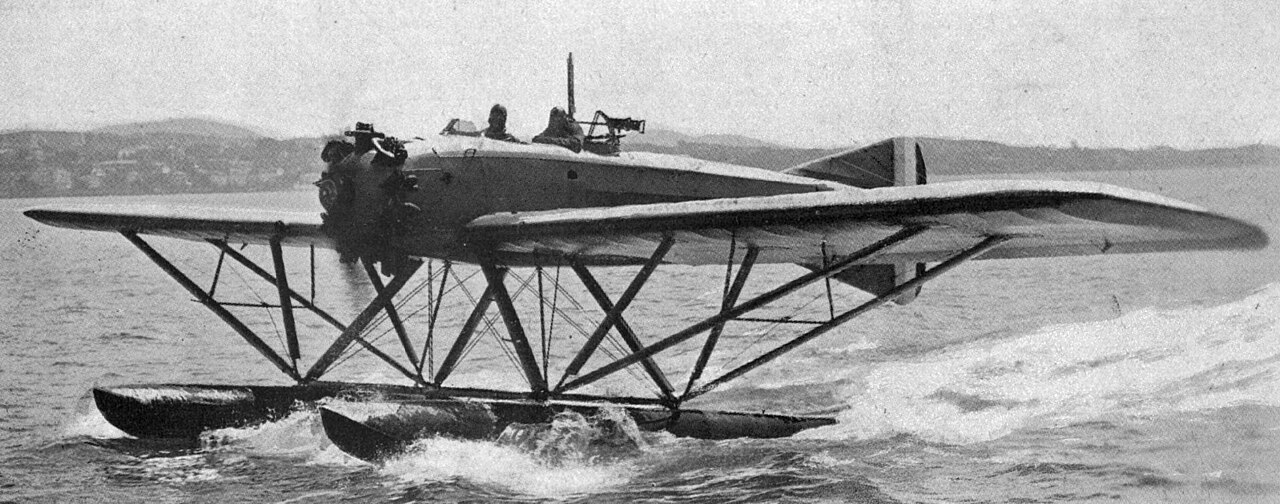
Between 1933 and 1934, the French Navy ordered 29 GL-812 HYs and 13 GL-813 HYs. Aircraft of the family operated both from shore establishments and aboard French warships, including the seaplane carrier Commandant Teste. Although most had been retired by the beginning of WWII, surviving aircraft were returned to service in 1939 and used for coastal anti-submarine patrols. Detailed specifications in the available source are for the closely related GL-812 HY. That aircraft measured 34 feet 5 inches in length with a wingspan of 52 feet 6 inches and was powered by a 420-horsepower Gnome-Rhône 9Ady Jupiter radial engine. It could reach approximately 120 mph, had a range of 350 miles, and a service ceiling of 20,000 feet. Armament consisted of one fixed forward-firing 7.7 mm machine gun, two flexible 7.7 mm Vickers guns, and up to 330 pounds of bombs.