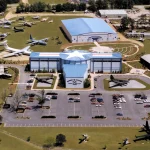




From repairing WWII bombers to sustaining generations of military transports and gunships, Robins Air Force Base in Warner Robins, Georgia, has spent 85 years supporting American airpower. Established in 1941, the installation developed into a major aircraft maintenance and supply center whose history reaches far beyond its flight line. In a recent Houston Home Journal feature by Don Moncrief, base historian Dr. William Head described the purpose behind that work in three words: “Keep them flying.” Head, who arrived at Robins in 1984, has spent more than four decades documenting the installation and the people who built its reputation.
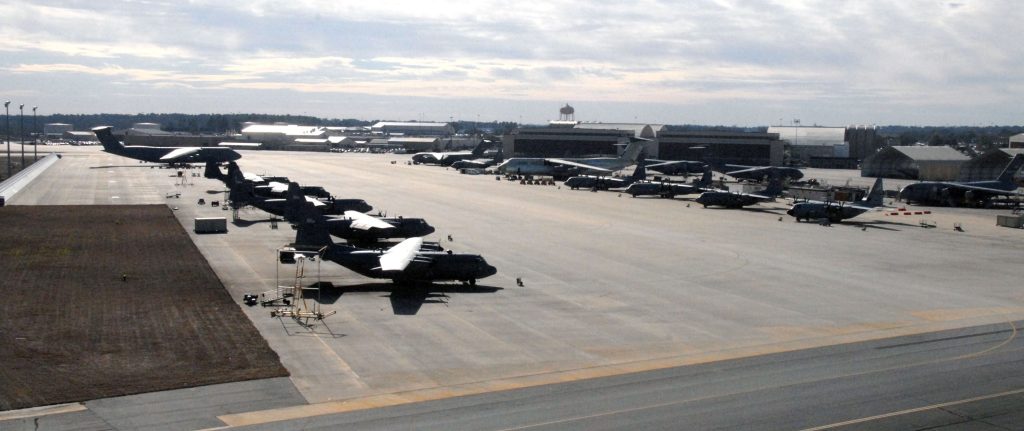
(Image credit: Robins Air Force Base)
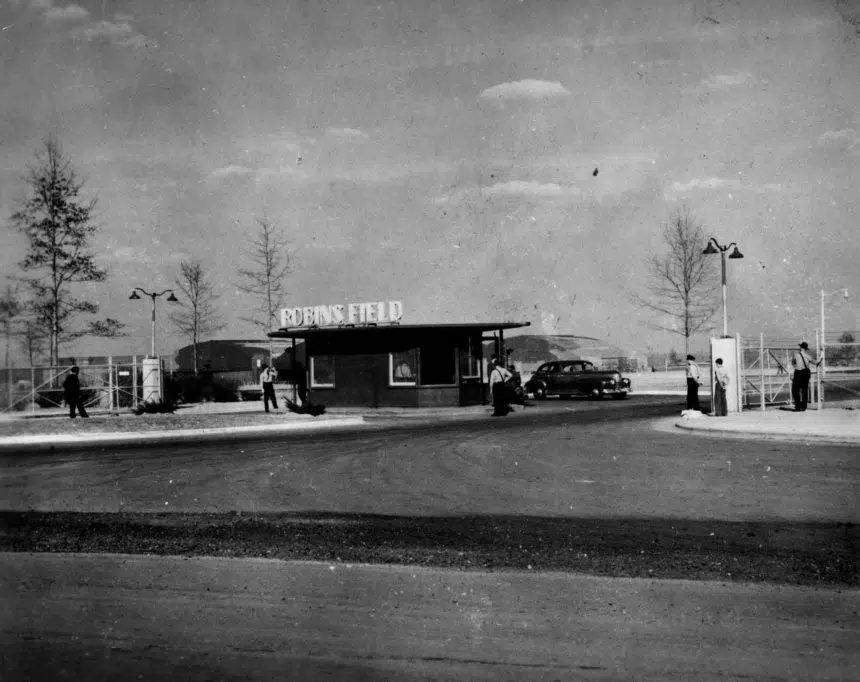
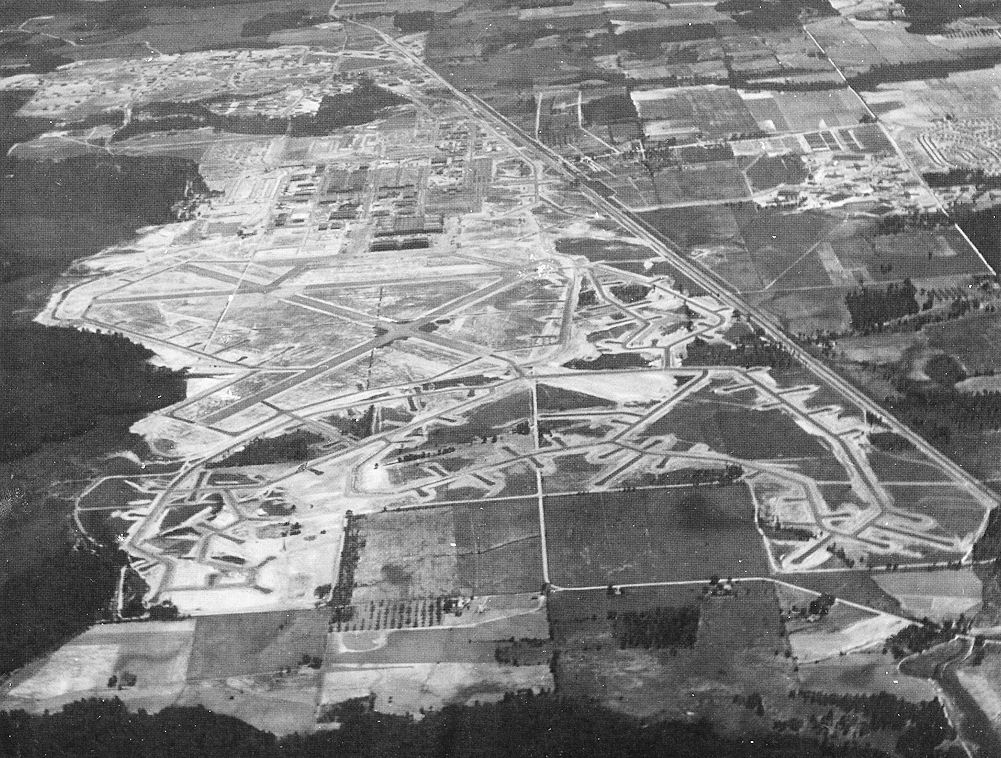
The War Department approved construction of a Georgia air depot on June 14, 1941, selecting a site near the small community of Wellston, approximately 16 miles south of Macon. Construction officially began on September 1. The attack on Pearl Harbor that December accelerated the project, turning a prewar defense investment into an urgent wartime undertaking. Builders completed the industrial and cantonment areas by August 31, 1942, with the remaining construction phases finished on April 10, 1943. The installation honored Brigadier General Augustine Warner Robins, an Army Air Corps officer whose career had helped advance military aviation maintenance and supply. Wellston adopted the name Warner Robins in September 1942, connecting the community’s identity with the growing depot.
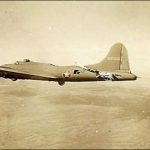
Aircraft soon filled the new facilities. During WWII, depot personnel repaired types including the Boeing B-17 Flying Fortress, North American B-25 Mitchell, and Boeing B-29 Superfortress. Their responsibilities extended to maintaining spare parts, training personnel for overseas repair work, and conducting flight tests. Keeping aircraft operational required an organization capable of supporting both the machines and the people maintaining them. The end of WWII brought a sharp reduction in employment. By March 1946, the workforce had fallen to approximately 3,900. The Berlin Airlift of 1948–1949 renewed demand for the installation’s repair and supply capabilities, helping employment grow to approximately 11,000.

The Korean War placed another urgent requirement on Robins. Workers retrieved stored B-29s, removed their protective coverings, and refurbished them for service. Working around the clock, depot personnel returned aircraft to a war in which the Superfortress again became an important combat asset. During the Vietnam War, Robins supported the aircraft moving personnel and supplies across the Pacific, while also contributing to the development of aerial gunships. Its personnel worked with contractors to convert 52 Douglas C-47 Skytrains into AC-47D gunships and managed the AC-119G and AC-119K modification programs. Work also included reconfiguring C-130s into AC-130 variants.

These projects illustrate how depot expertise could expand an aircraft’s usefulness. Transports designed for carrying cargo acquired new combat roles through structural modifications, weapons installations, and specialized equipment. Robins’ responsibilities encompassed both those conversions and the continuing maintenance needed to support operations. Technology transformed the workplace as well. In Moncrief’s account, Head recalled the installation’s transition from early computers to individual workstations. Preserving that history presents its own difficulties: records stored on obsolete media can become inaccessible, making the survival of documents and firsthand accounts an ongoing concern. Organizational changes continued alongside the technical ones. In 2012, the Warner Robins Air Logistics Center became the Warner Robins Air Logistics Complex, aligned under the Air Force Sustainment Center. The 78th Air Base Wing assumed installation command responsibilities. For visitors interested in the installation’s earlier years, the nearby Museum of Aviation preserves a tangible connection through its B-29B Superfortress. Built at the Bell plant in Marietta, Georgia, the aircraft represents a type that once filled Robins’ maintenance and storage areas before returning to combat during Korea.

Head’s recollections also return to the workers behind those aircraft. He described finding experienced maintainer Jackie Cleghorn working beneath the floor of a C-141 Starlifter, an encounter that remained with him long afterward. Such work rarely attracts the attention given to an aircraft’s first flight or combat record, but it made those operations possible. At Robins, that contribution has continued across 85 years of changing aircraft and missions.

Based on reporting by Don Moncrief for the Houston Home Journal, with additional historical information from U.S. Air Force publications and the Museum of Aviation.