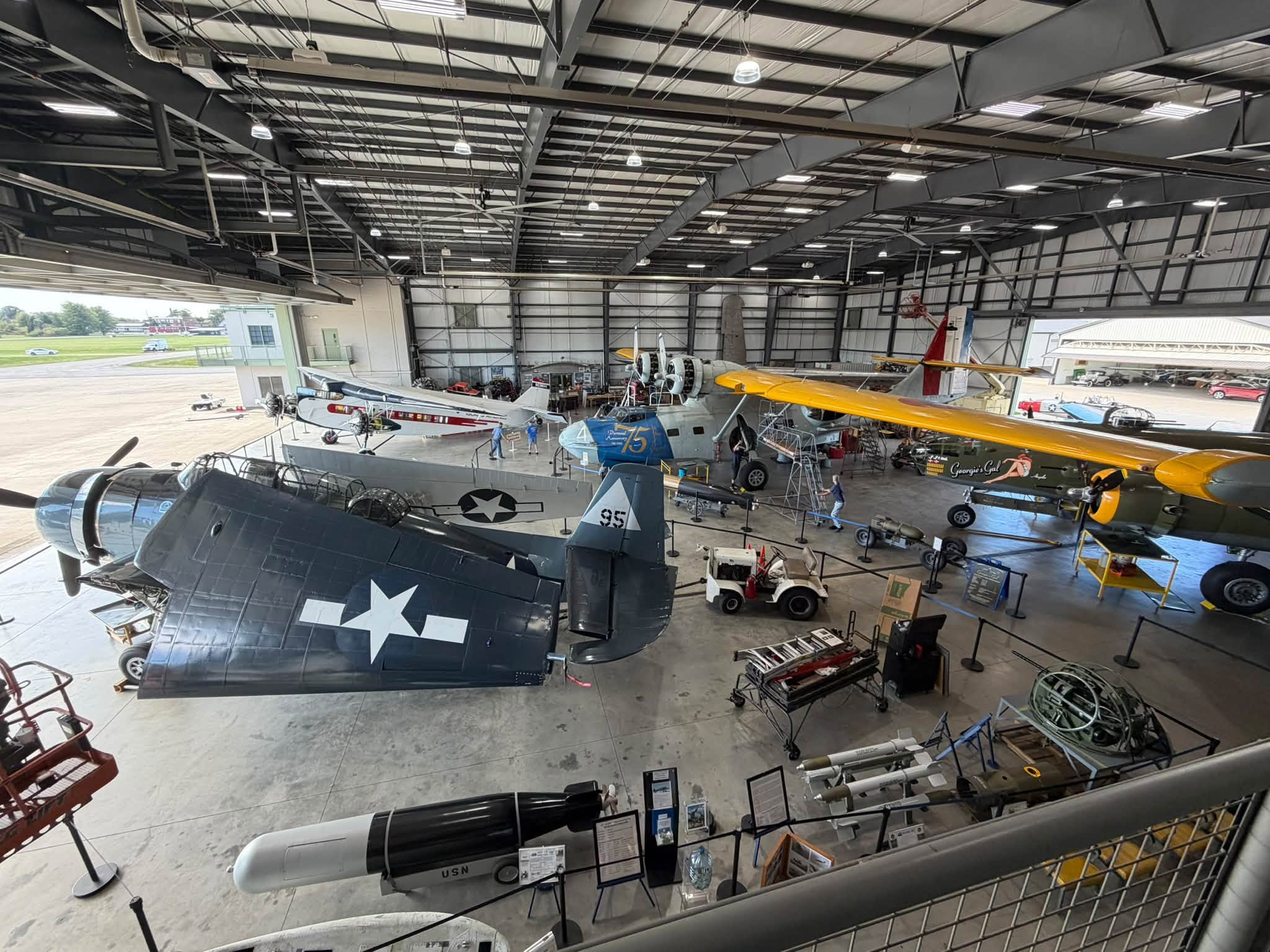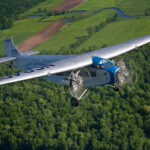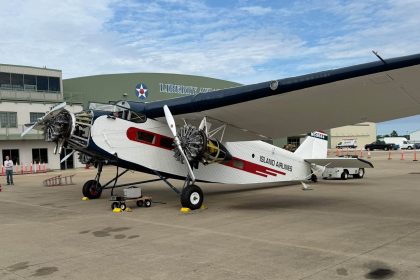
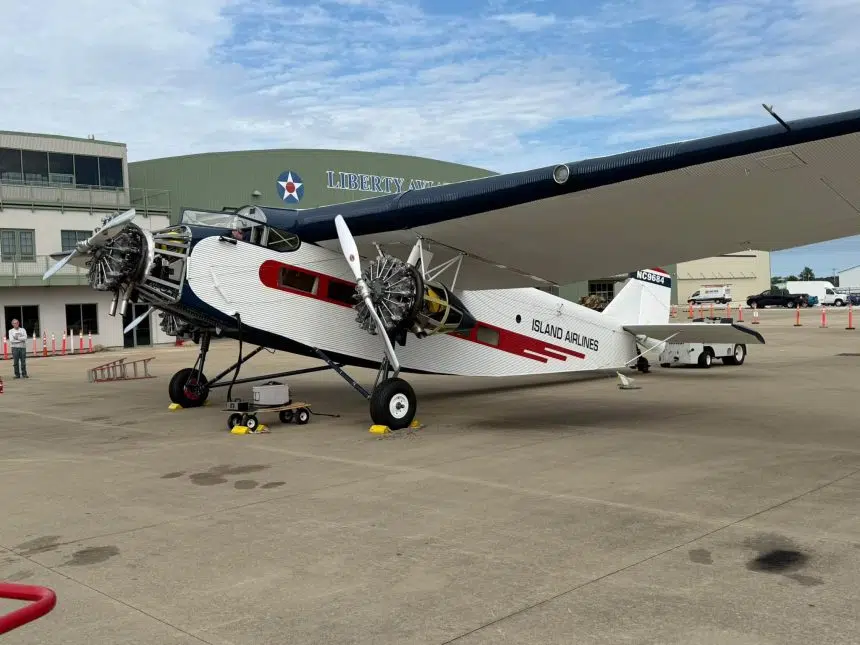

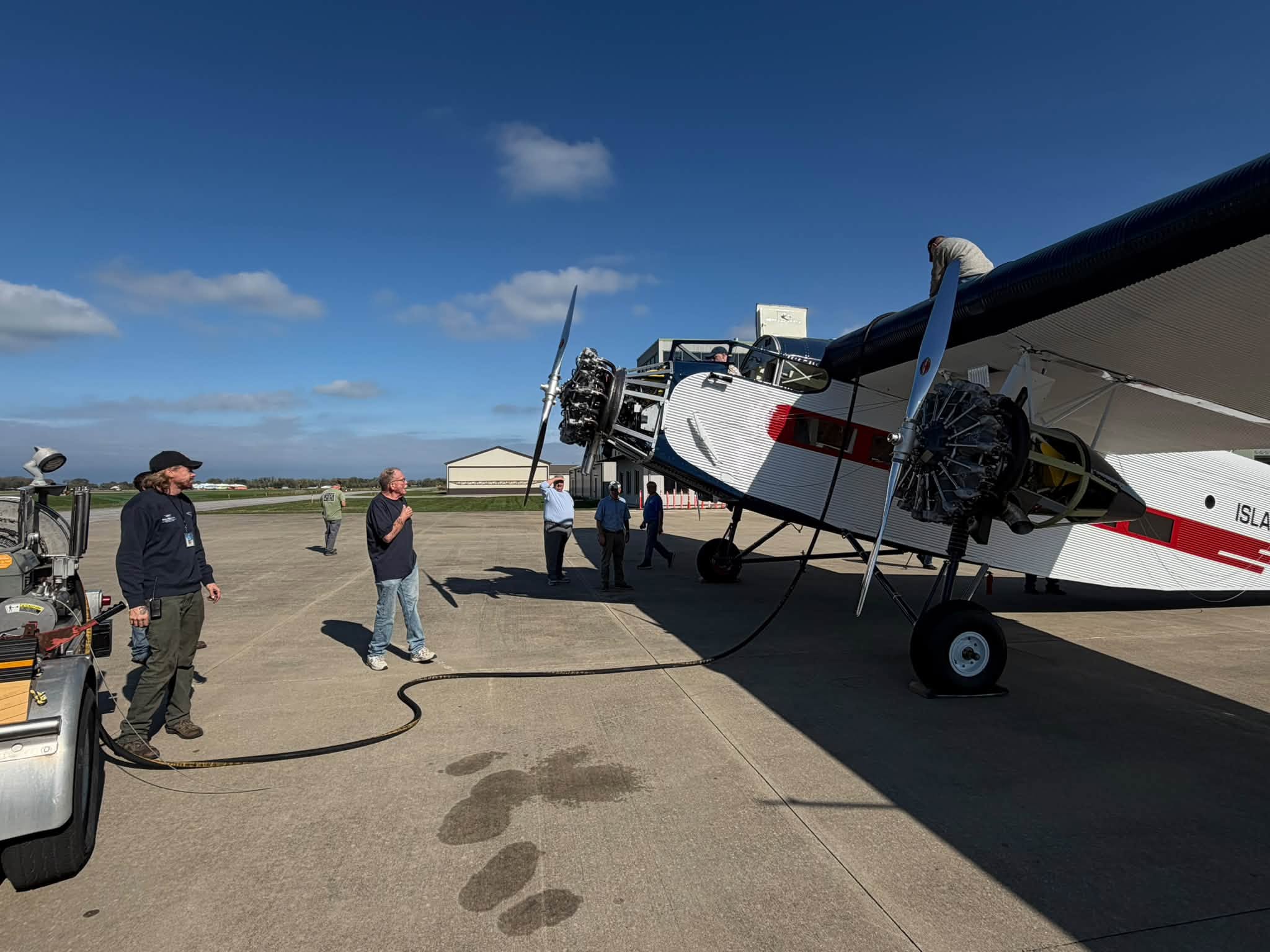
On October 14, 2026, all the aircraft in the Liberty Aviation Museum’s Hangar 2 were pulled out to be rearranged for the winter season. Among these was Ford Tri-Motor 5-AT-B N9684, which has been under restoration at Erie-Ottawa International Airport in Port Clinton, Ohio, for over 20 years. The following day, the Tri-Motor was fueled up, the ground crew checked for any leaks in the fuel system, and for the first time since 1953, N9684 had all three of its engines running. This moment marks a milestone in the long and arduous road taken by this old Ford, which has flown from the valleys of Mexico and the fields of Cuba to the waters of Lake Erie and the mountains of Montana, and which promises to mark a new chapter in this aircraft’s new life, flying alongside one of its brethren that already calls Port Clinton home.
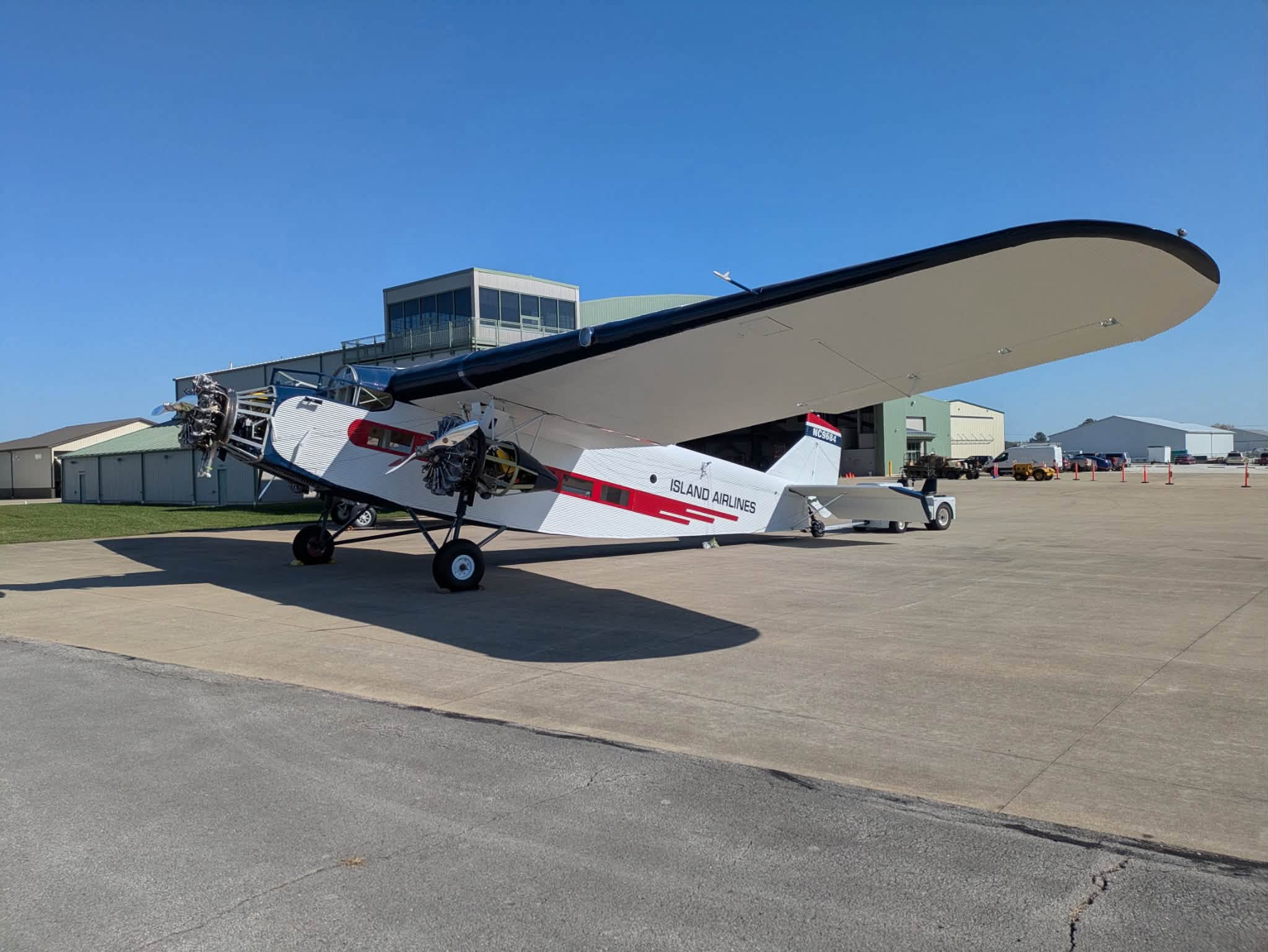
As covered in a previous article on this aircraft, NC9684 started life as Ford Tri-Motor 5-AT-B c/n 40 and was flown by Compañía Mexicana de Aviación as X-ABCF/XA-BCF from 1929 to 1936, then by Pan American Airways as NC9684 from 1936 to 1938, and Cubana de Aviación, S.A. as NM-24 from 1938 to 1946, though both Mexicana and Cubana had majority shares owned by Pan American and its founder Juan Trippe. By July 1946, the aircraft was acquired by former barnstormer Milton “Milt” Hershberger, founder of Island Air Service (later known as Island Airlines), which flew passengers and cargo to and from Ohio’s Bass Islands in Lake Erie, just off the coast of Port Clinton on the mainland. Registered as N69905, the aircraft would fly for Island Airlines until being sold to Charles “Frenny” Frensdorf of Orofino, Idaho as a jump plane for smokejumpers, trading its old Pratt & Whitney R-1340 Wasp radial engines for a new set of Wright R-975 Whirlwind radials, and was also fitted with wheels from a Lockheed Lodestar and oleo struts from a Republic P-47 Thunderbolt.

On August 1, 1953, Frensdorf sold N69905 to Bob Johnson of Johnson Flying Service in Missoula, Montana, who also used several other Ford Tri-Motors for smokejumper operations. However, just weeks later on August 17, 1953, N69905 took off from Hale Field near Missoula with eight occupants, including pilot Kenny Roth, to fight three fires in the Bob Marshall Wilderness Complex in Powell County. However, the smokejumpers onboard, namely their official spotter, Dick Conklin, determined that it was too windy for the smokejumpers, so they landed at the Spotted Bear airstrip in Flathead County to wait out the windy conditions and fly again later in the day. While taking off from Spotted Bear, though, one engine on N69905 quit, followed by a second engine. With only one engine, Roth fought to keep the Tri-Motor airborne, but to no avail, while Conklin they were too low to jump, and ordered the jumpers to brace for impact. Then the third and last engine quit, and N69905 hit the ground tail first. Though none of the eight people aboard were killed, all had some measure of injury, with pilot Kenny Roth breaking his instep and smokejumper Bob Graham breaking his left leg and ankle in the crash, requiring Roth and Graham to be airlifted by Fred Brauer, Bob Johnson, and Jack Hughes in Johnson’s Twin Beech. As for Tri-Motor N69905, it was stripped for any useful parts and lay where it fell in the Flathead National Forest until the late Ford Tri-Motor restorer Maurice Hovious and his wife Judy acquired the wreckage in 1984 and it shipped it back to their restoration workshop, Hov-Aire, Inc., in Vicksburg, Michigan. Work progressed slowly given the wreck’s condition after sitting exposed to the elements for over 30 years and Hovious being occupied with restoring several other Fords, but with the establishment of the Liberty Aviation Museum at Erie-Ottawa International Airport on December 7, 1991, the history of Island Airlines, which was the last airline to operate the Ford Tri-Motor, with these venerable aircraft flying for the airline well into the 1970s, and began their search to acquire a Ford Tri-Motor in 1994.

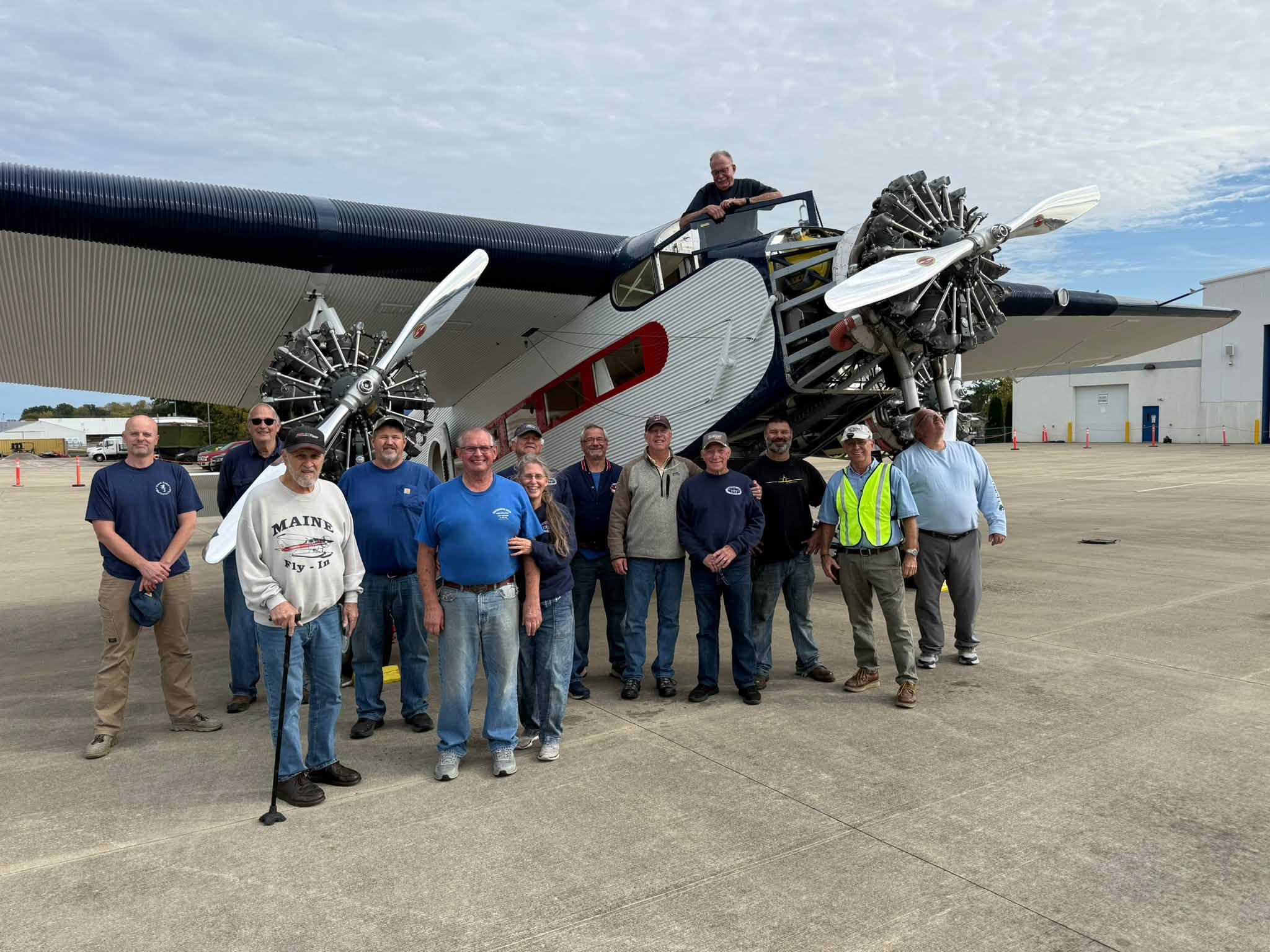
Through Ken Benjamin, then-President of the Erie-Ottawa Regional Airport Authority, who was also a local pilot and member of EAA Chapter 1247, Maurice Hovious was invited to deliver a presentation on his work restoring former Island Airlines Ford Tri-Motor 4-AT-B N7584 on behalf of Kermit Weeks. Afterward, Hovious invited the members of the chapter to come on a tour of his workshop, where he offered EAA Chapter 1247 the tooling and expertise for them to rebuild one of the Tri-Motor projects he had in storage to airworthy condition, and the remains of N9684/N69905 were selected for this job, with Maurice Hovious transporting the first pieces to Port Clinton in 2004. Soon afterwards, the Tri-Motor Heritage Foundation was established to give support for the project, and EAA Chapter 1247 officially became the Tin Goose Chapter.

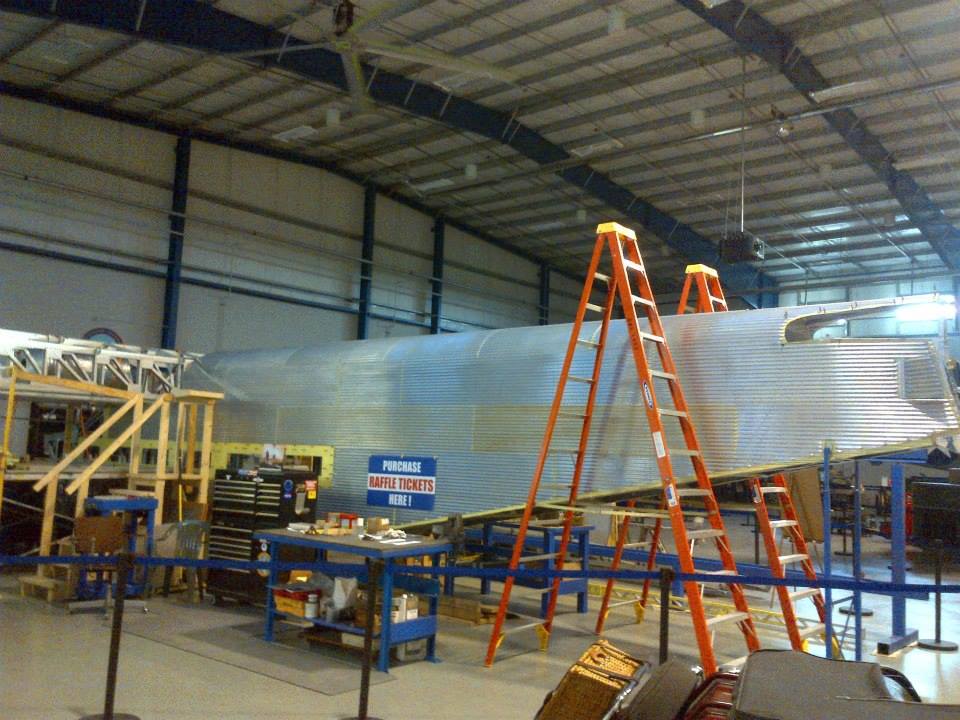


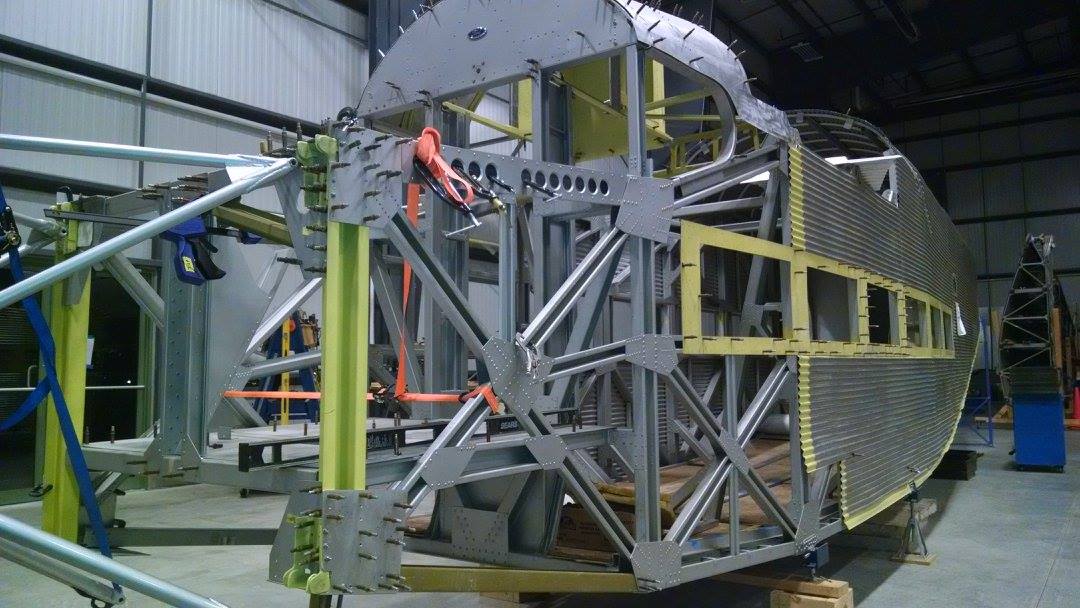
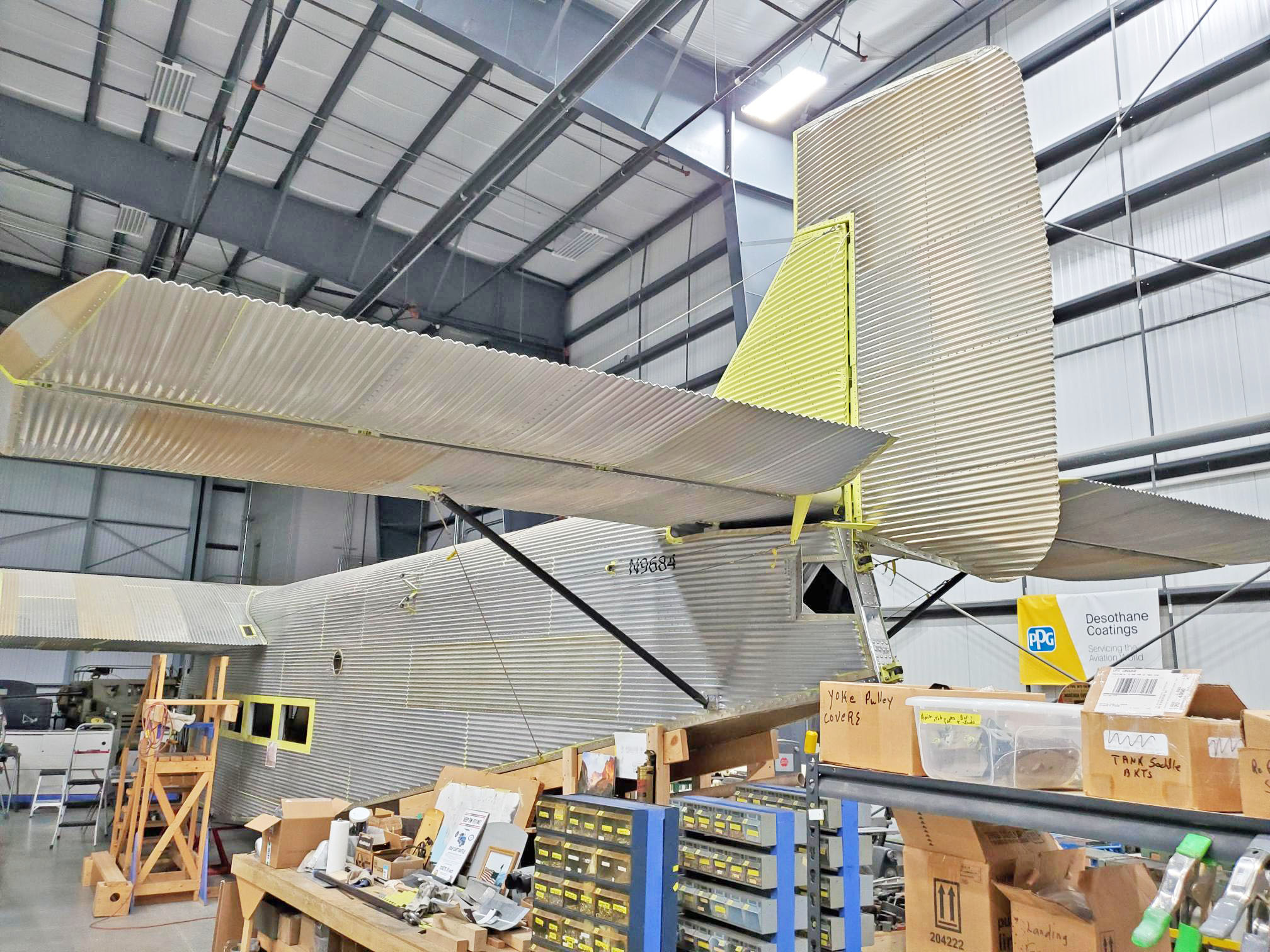
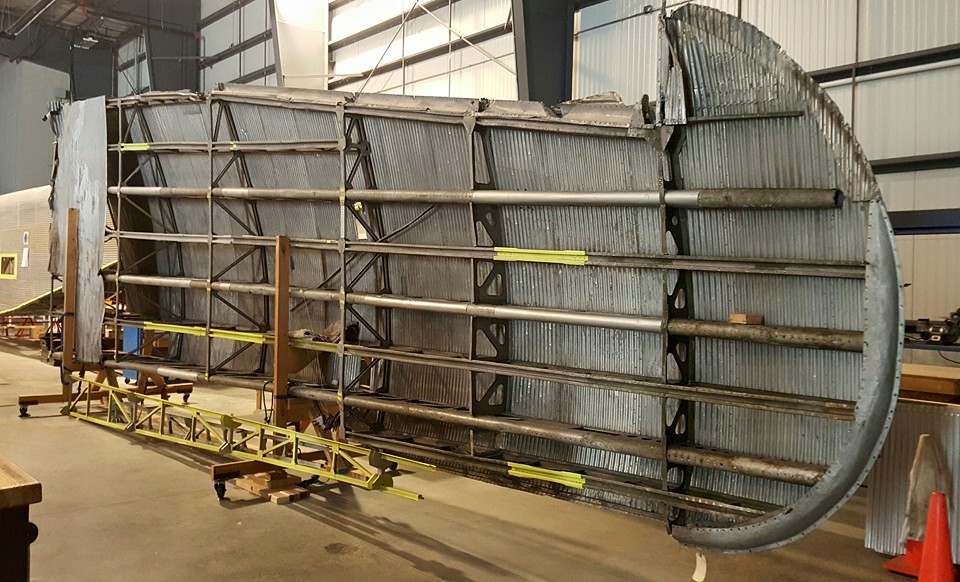


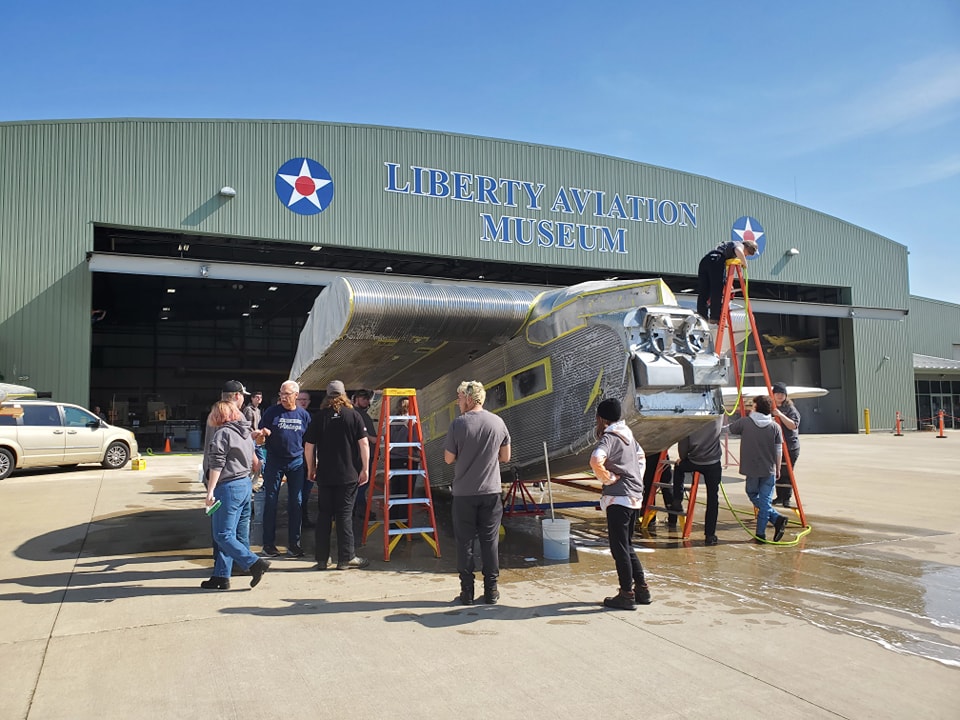

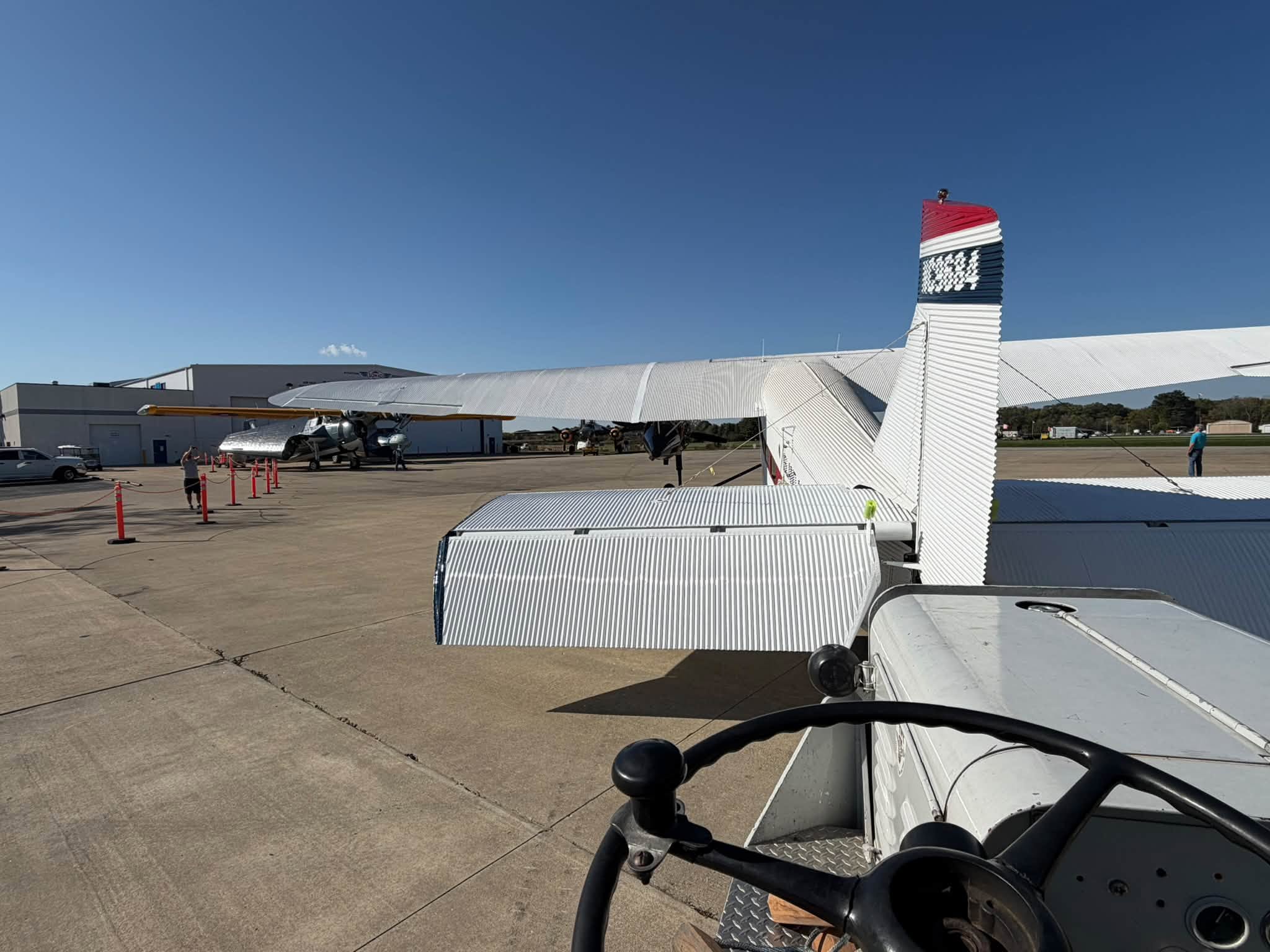
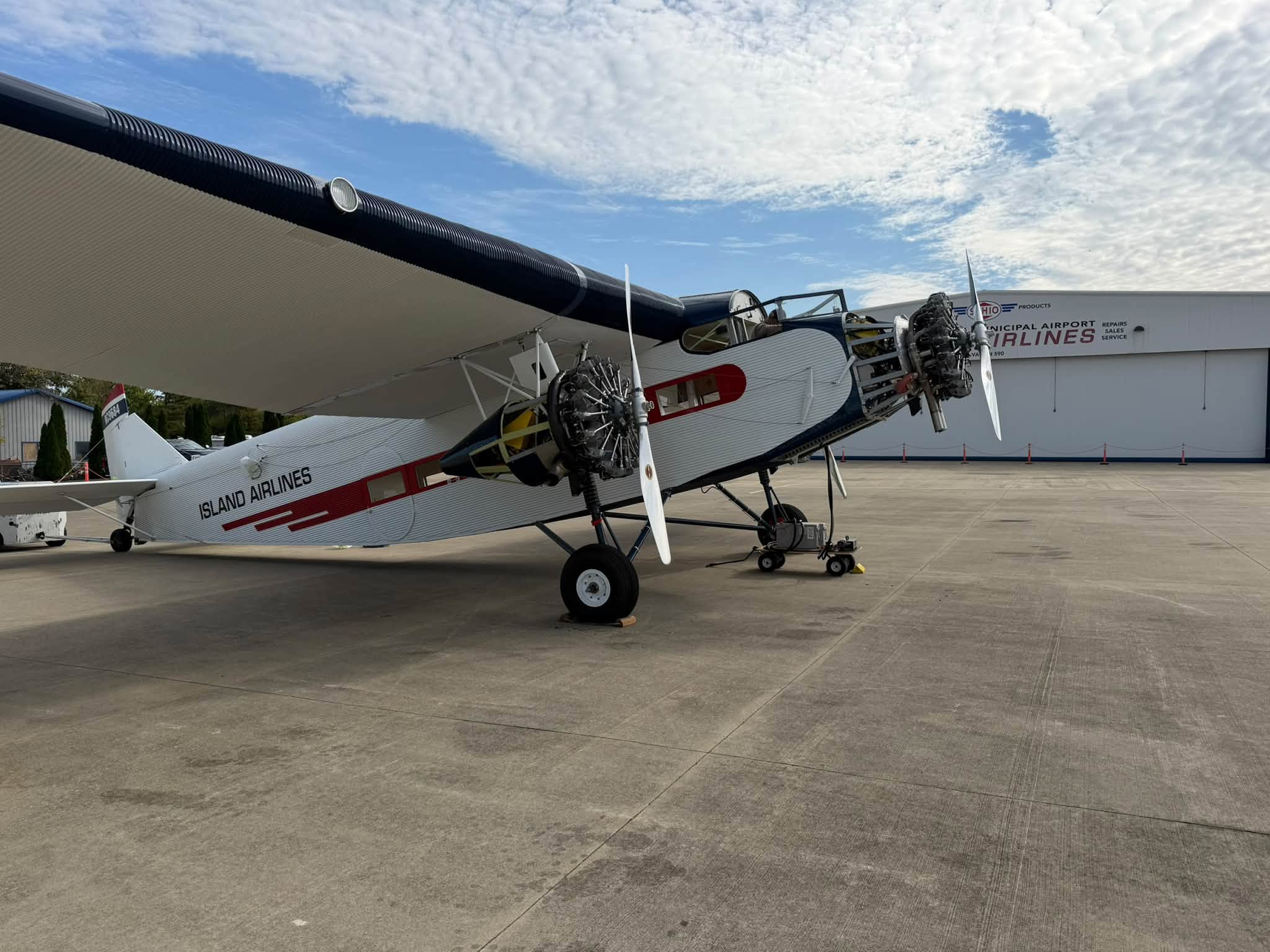
Since then, N9684 has slowly taken shape, but because so much of the original structure was no longer flightworthy, the team had to fabricate new panels and beams and acquire new rivets to secure everything. Work continued steadily, and in 2012 the Liberty Aviation Museum built a new hangar; Ed Patrick, the museum’s CEO, then offered the EAA 1247 Tin Goose Chapter the chance to move the Tri-Motor project into the new hangar. Since then, N9684 has been reassembled, with the outer wing panels, engine nacelles, and landing gear reattached in 2025. The team installed the electrical system, flight instrumentation, and fuel system, and outfitted the aircraft with Island Airlines’ red, white, and blue paint scheme.

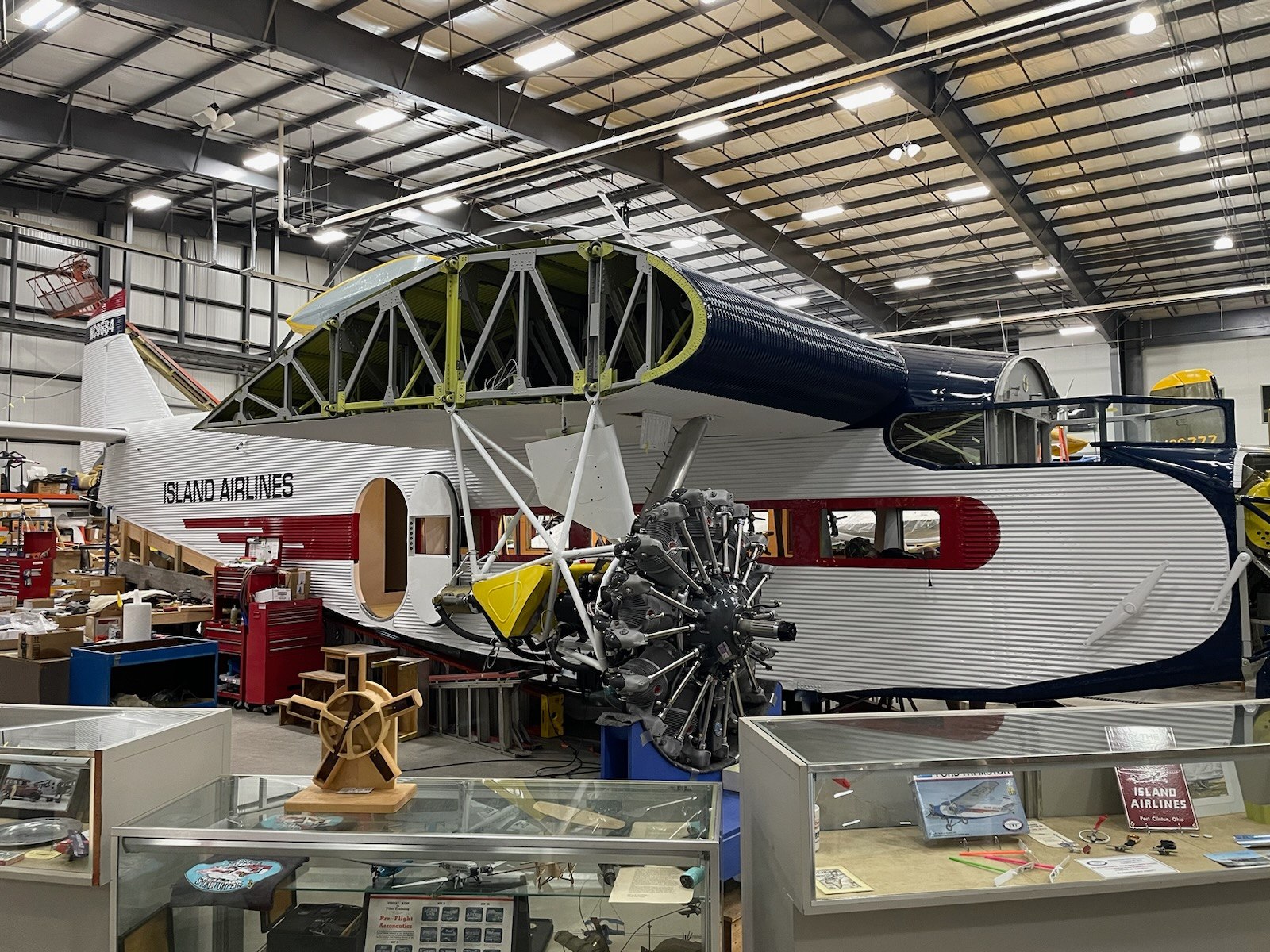
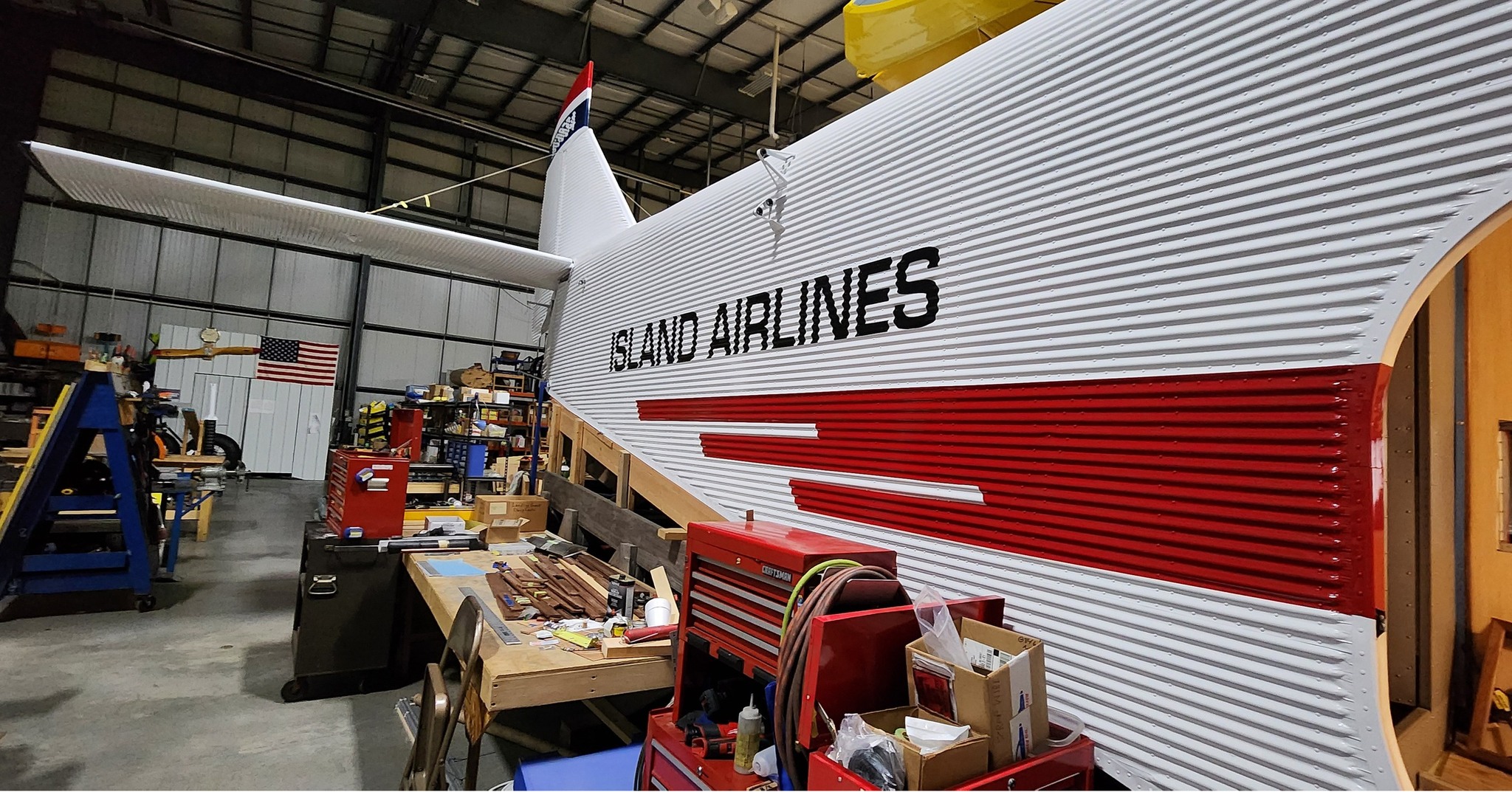


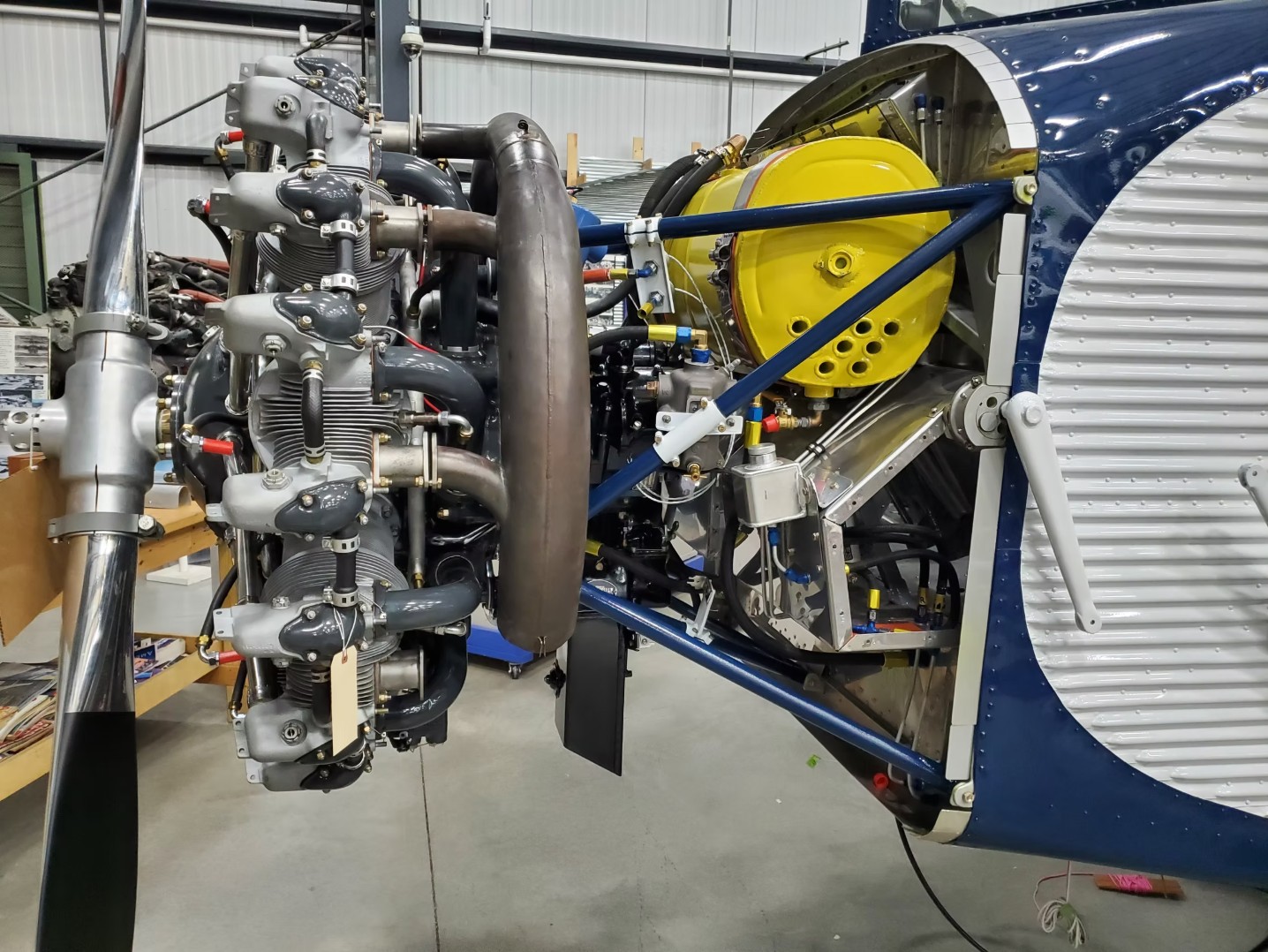
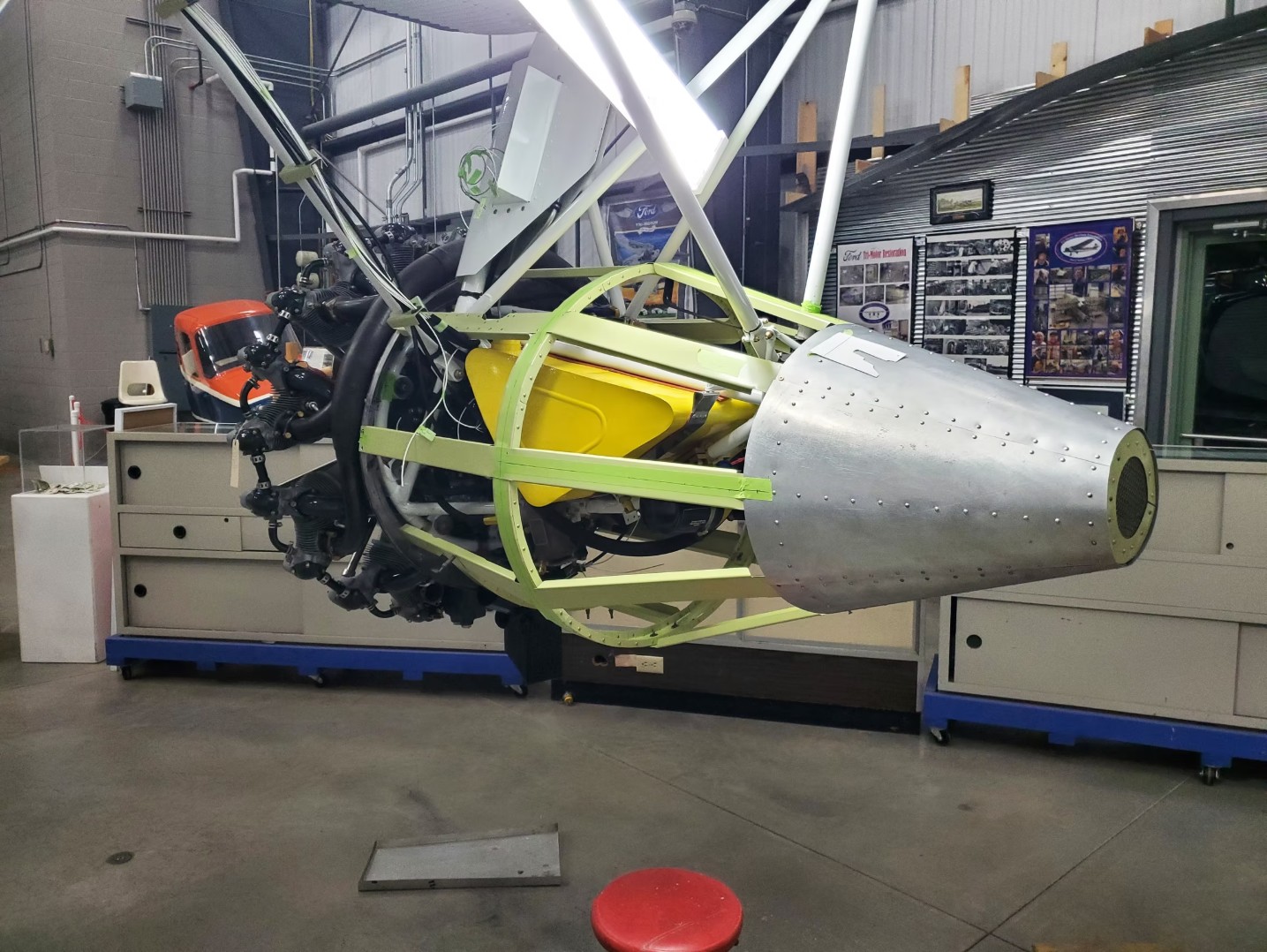
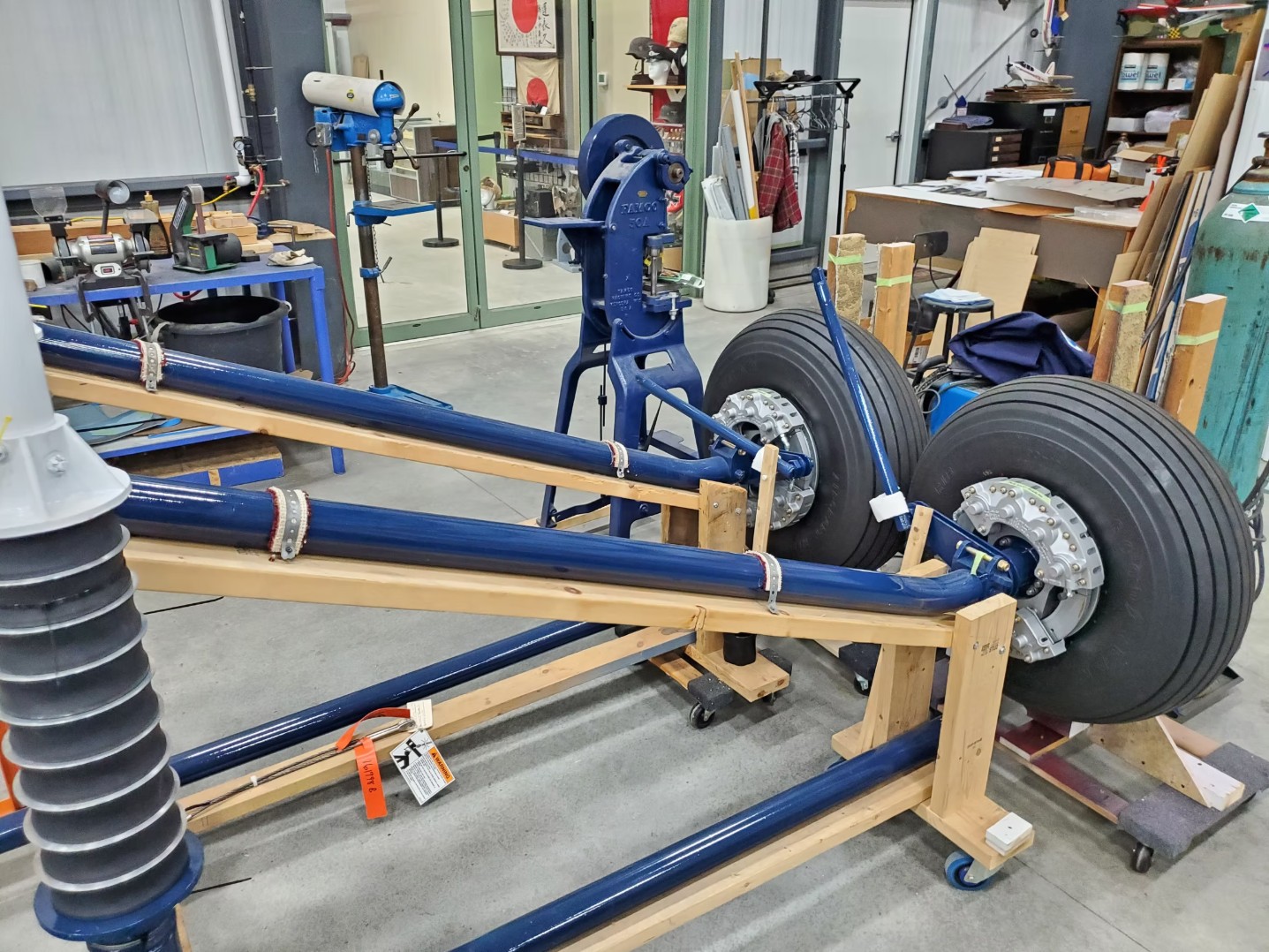

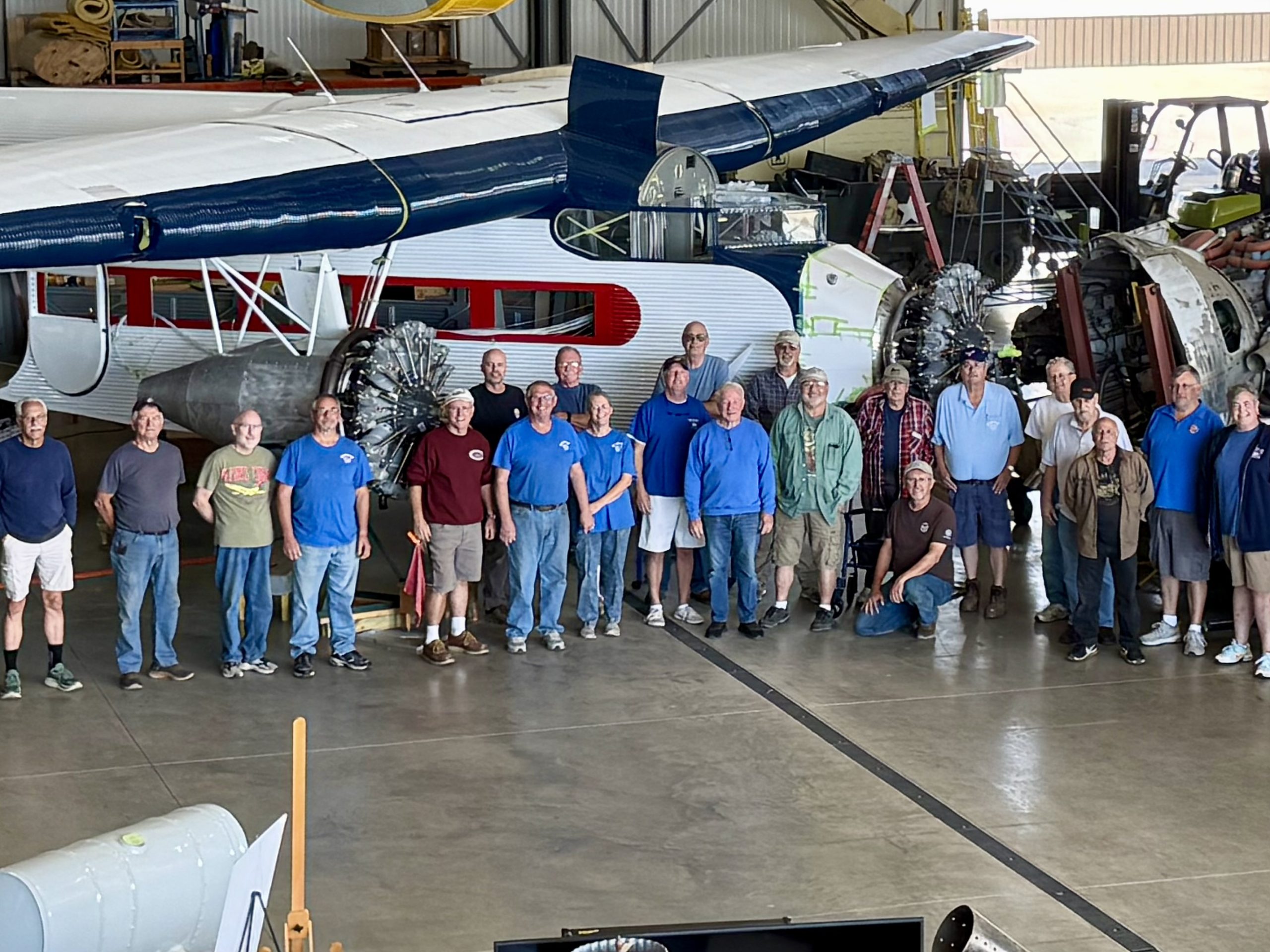
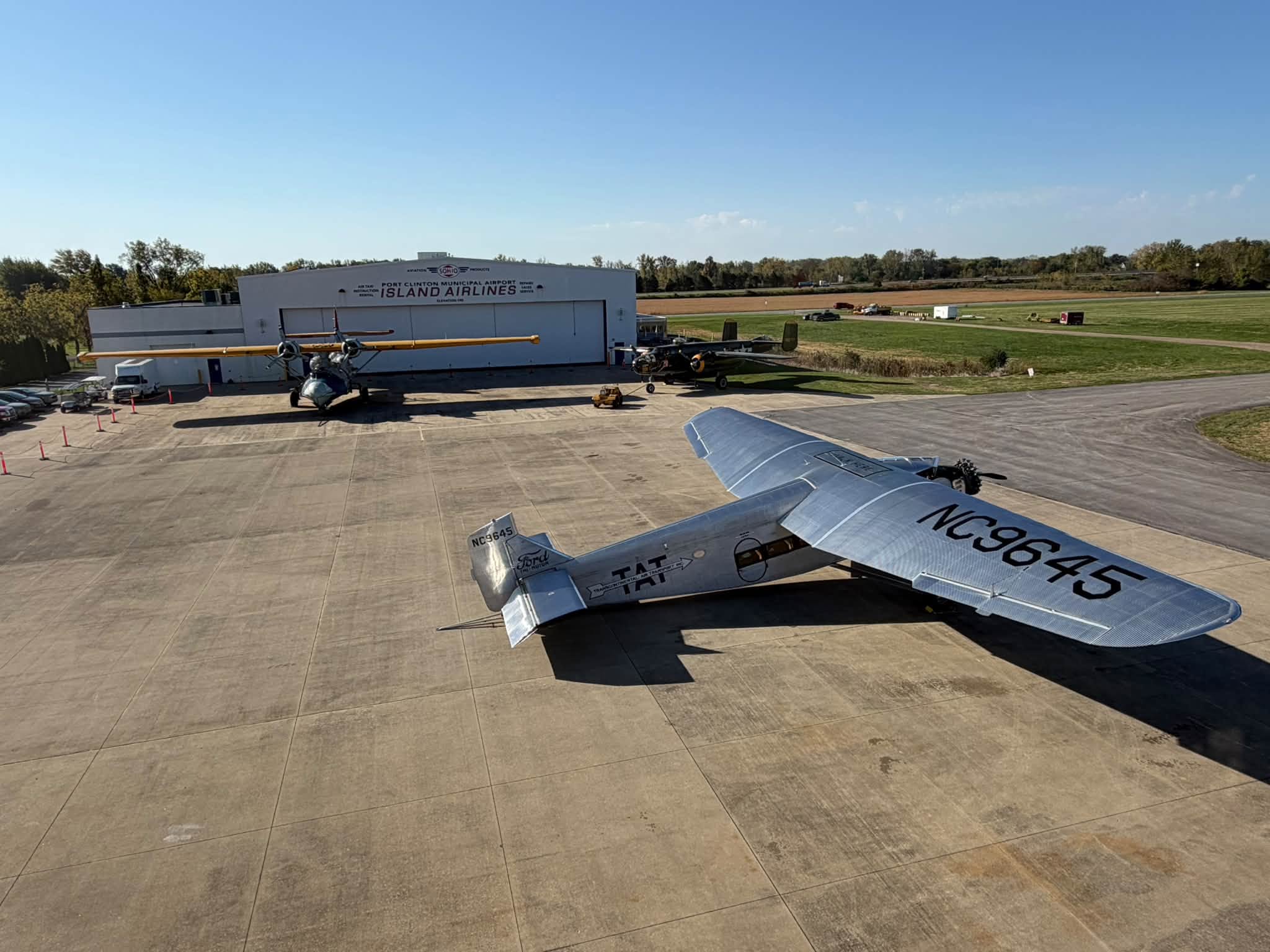
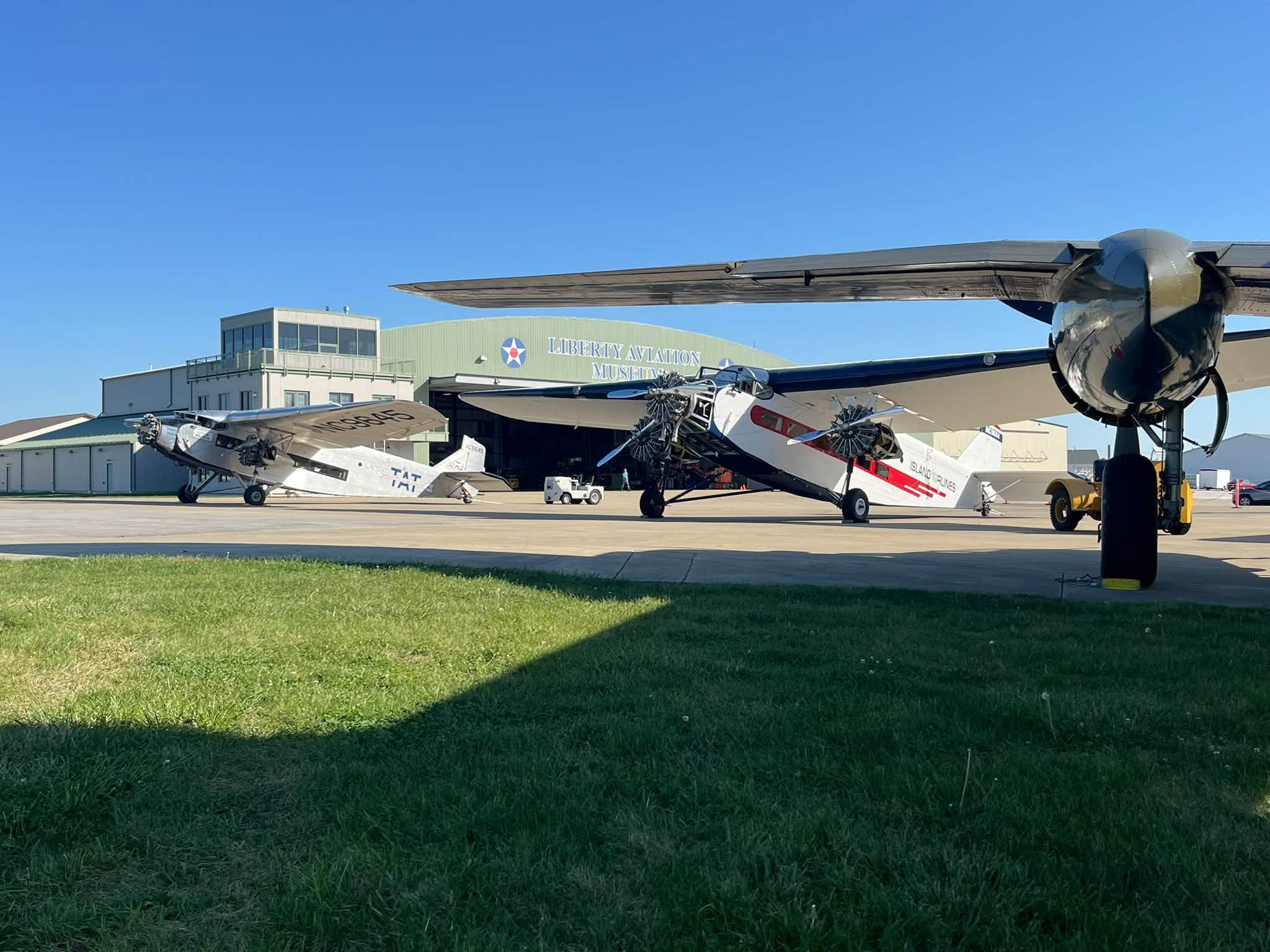
During the engine run, all three engines ran well, and no serious issues were found with the fuel system, with the engines getting some minor adjustments before the run-up. Both the Tri-Motor Heritage Foundation and the Liberty Aviation Museum acknowledge that there are still more checks to be done, but they are confident that N9684 will soon return to the skies. What’s exciting about this prospect is not only that this will be the first time in over 70 years that N9684 will be back in the air, but that the Liberty Aviation Museum will be the only aviation museum with two flyable Ford Tri-Motors, and that a former Island Airlines Ford Tri-Motor will once again be soaring above the Bass Islands. While the aircraft will not be landing on the islands during the aerial tours, as the living history flight exemption states that during such flights, the aircraft must land at the departure airport, it will still give locals a chance to relive those years when Bass Island residents used the Ford Tri-Motors as their daily commute between the islands and the mainland at Port Clinton.
For more information, visit the Liberty Aviation Museum website HERE, the Tri-Motor Heritage Foundation website HERE, and the EAA “Tin Goose” Chapter 1247 website HERE.