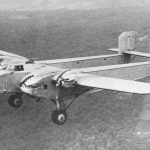


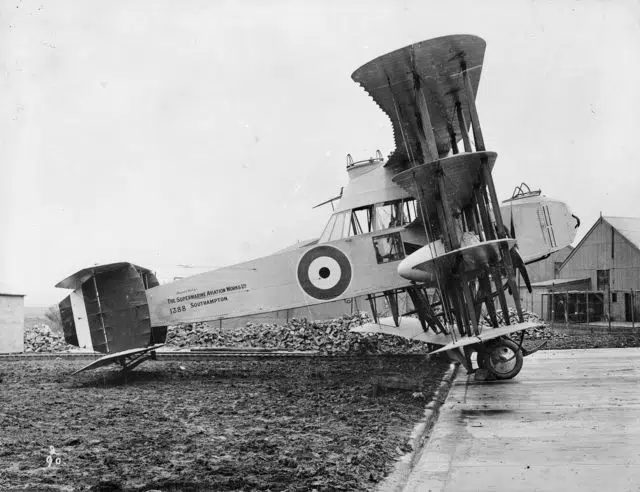

In WWI, the British Government asked Pemberton Billing, who ran a small aircraft firm at Woolston, Southampton, to help protect the UK against German Zeppelin bombing raids. As a result, he designed a slow aircraft to attack these airborne Zeppelins, which he called the P.B.29E. The design was a quadruplane, meaning it had four wings, a configuration necessary to ensure the aircraft could reach the same altitude as the Zeppelins. It had two cockpits, one in front and one behind the wings, both with dual controls. The aircraft also included a tailplane and three rudders. It was powered by two 90-horsepower Austro-Daimler engines. A crew member armed with a Lewis gun was positioned in an enclosed space above the third wing. The P.B.29E was delivered to Chingford, Essex, home of the Royal Naval Air Service (RNAS). It was tried on January 1, 1916, but the report was largely condemnatory. Shortly afterward, the plane crashed at Chingford. After it was declared a wreck, the remains were returned to Woolston.
Initial Design
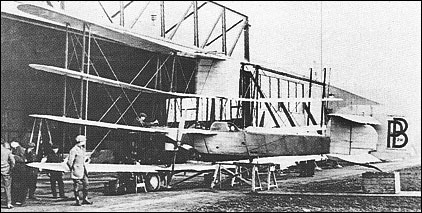
Despite the crash, the RNAS believed the P.B.29E design was good enough to improve. The service ordered two upgraded versions, known as the P.B.31E. Drawings for the new aircraft from July to November 1916 included the initials of Reginald Mitchell, who became its chief designer. Mitchell is remembered for designing racing seaplanes such as the Supermarine S.6B, and for heading the team that produced the Supermarine Spitfire. The P.B.31E used the quadraplane wings and tailplane from the previous model. It had two Anzani 9-cylinder radial engines that produced 100 hp. This aircraft was built for long flights and could patrol at low speeds while searching for Zeppelins. It featured a trainable searchlight at the nose for spotting enemy aircraft. A 37 mm Davis gun was mounted above the top wing, carrying 20 shells, and it also had two 7.7 mm Lewis guns. An independent petrol engine-driven generator from ABC Motors powered the searchlight, likely making it the first known airborne auxiliary power unit. The design also considered crew comfort; the cockpit was enclosed and heated, and it included sleeping quarters with a bunk.
The Supermarine Nighthawk and Cancellation

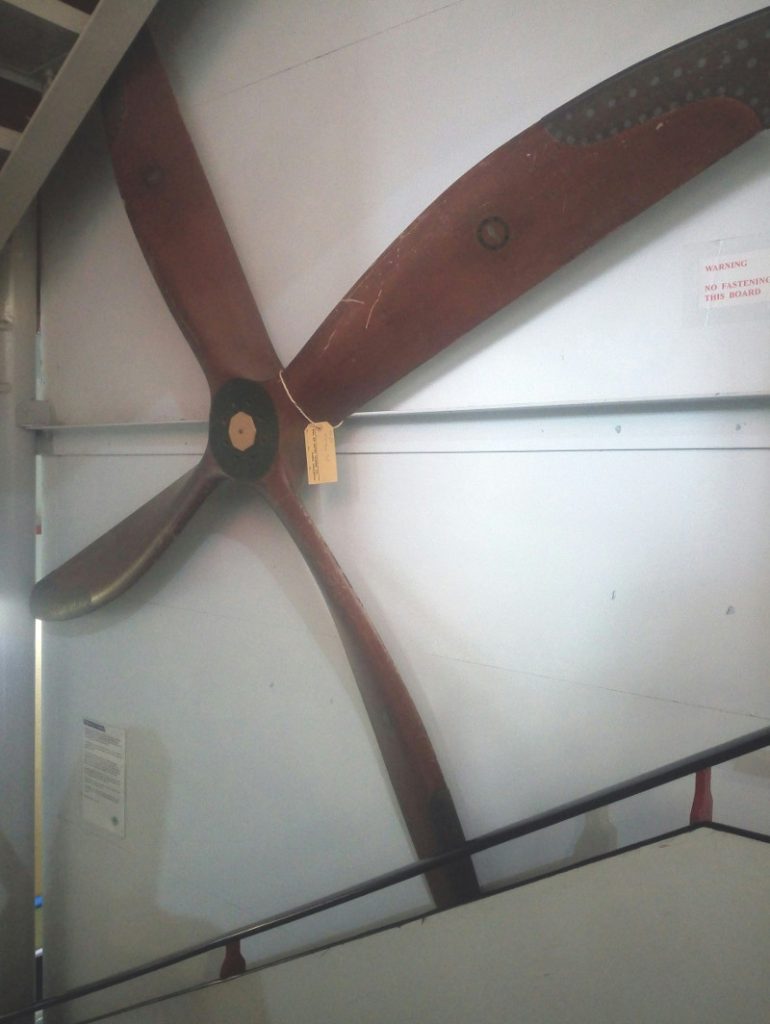
The Admiralty ordered two of these aircraft, but only one, number 1388, was actually built. The Supermarine Nighthawk, as it became known, made its first flight in February 1917. It was eight months after Pemberton Billing Ltd. was sold to the airman and entrepreneur Hubert Scott-Paine, who then renamed it Supermarine Aviation Works Ltd. American test pilot Clifford B. Prodger tested the aircraft. During trials at Eastchurch, Kent, Prodger reached 75 mph and landed at 35 mph. The Supermarine Nighthawk was not very powerful, taking an hour to reach 10,000 feet. It also became obsolete when it was discovered that Zeppelins could be destroyed by explosive bullets from lighter machines. As a result, the Supermarine Nighthawk was scrapped in July 1917. Solent Sky, an aviation museum in Southampton, keeps one of its propellers. In the Grounded Dreams series, the Supermarine Nighthawk was a good design but was canceled because it was underpowered. Read more Grounded Dreams articles HERE.