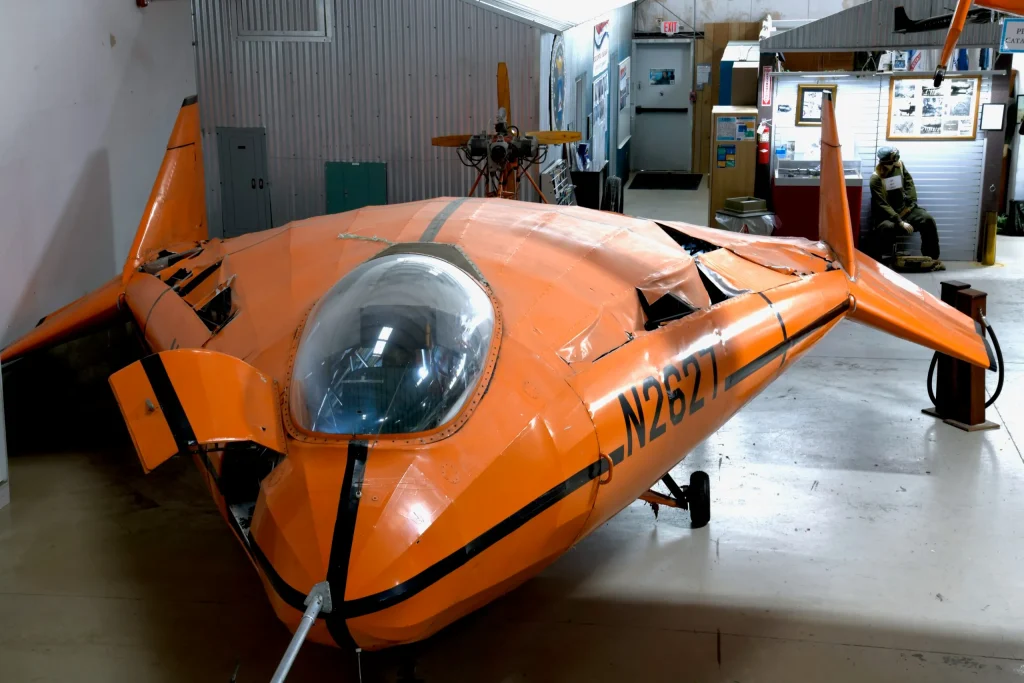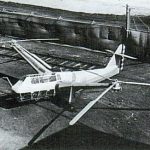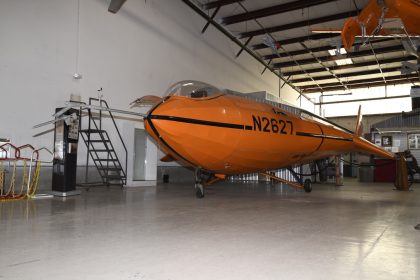
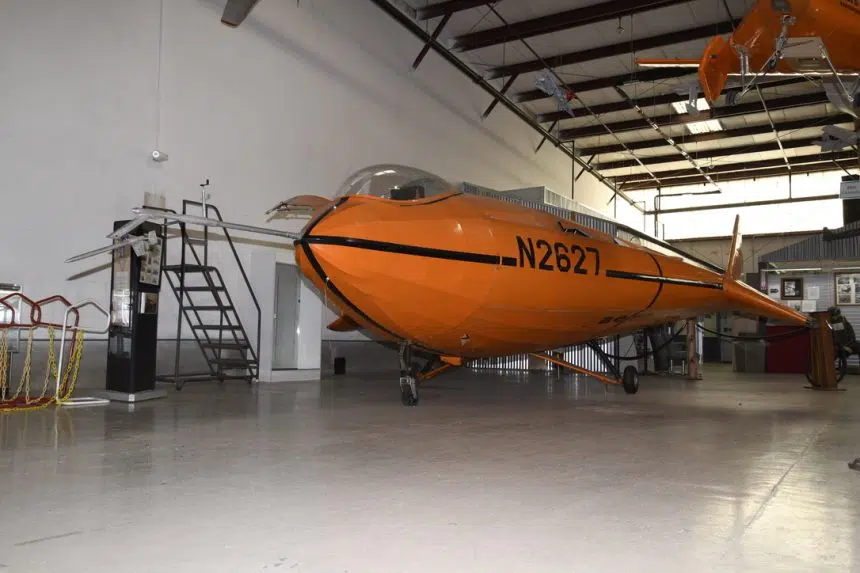


The AEREON Corporation was formed in 1959 and initially concentrated on the design of a three-hull hybrid airship, the AEREON III. The prototype was built in 1965 but destroyed during taxi tests in 1966 and never flew. After the AEREON III was lost, the company sought a better solution. Monroe Drew and John Fitzpatrick of AEREON recruited Jürgen Bock, a German physicist who had worked at the Max Planck Institute for Nuclear Physics in Heidelberg, Germany, and at the US Army’s Aberdeen Proving Ground. They asked him to create a list of parameters for a computer at the General Electric Space Center in Valley Forge, Pennsylvania. This computer would help find the best aircraft design for maximizing volume while minimizing drag. The resulting aircraft was the AEREON 26.
Design of AEREON 26
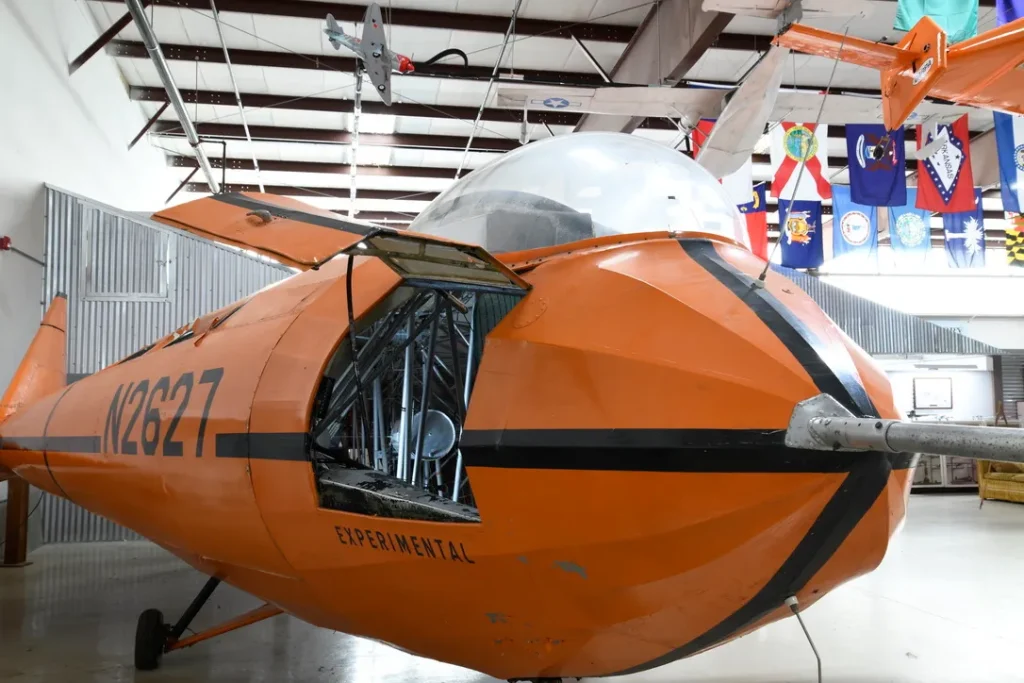
The AEREON 26 was an experimental aircraft designed to test lifting body shapes. It combined features of an airship and a regular airplane. The prototype had a piston engine that powered a pusher propeller. The engine came from the AEREON III and was a four-cylinder McCulloch that produced 92 horsepower. During testing, the 26 went through three different propellers. Initially, it struggled to lift off from the ground, so they fitted a propeller with a different pitch. This second propeller was made of lemonwood and had previously been used by Igor Bensen in an unsuccessful attempt to break the autogyro speed record. After further testing showed the AEREON 26 was still underpowered, Sensenich Propeller custom-made a third propeller from yellow birch. The new propeller was added in time for the AEREON 26’s second round of flight tests in 1971. The AEREON 26 made its first flight on September 7, 1970, with John Olcott as pilot. At first, it could not climb out of ground effect. By September 28, after changing the propeller and removing some equipment, the AEREON 26 could reach 50 feet but still seemed weak. It returned to Red Lion and was brought back to NAFEC on February 24, 1971, after installing vortex generators and a third propeller.
The Cancellation
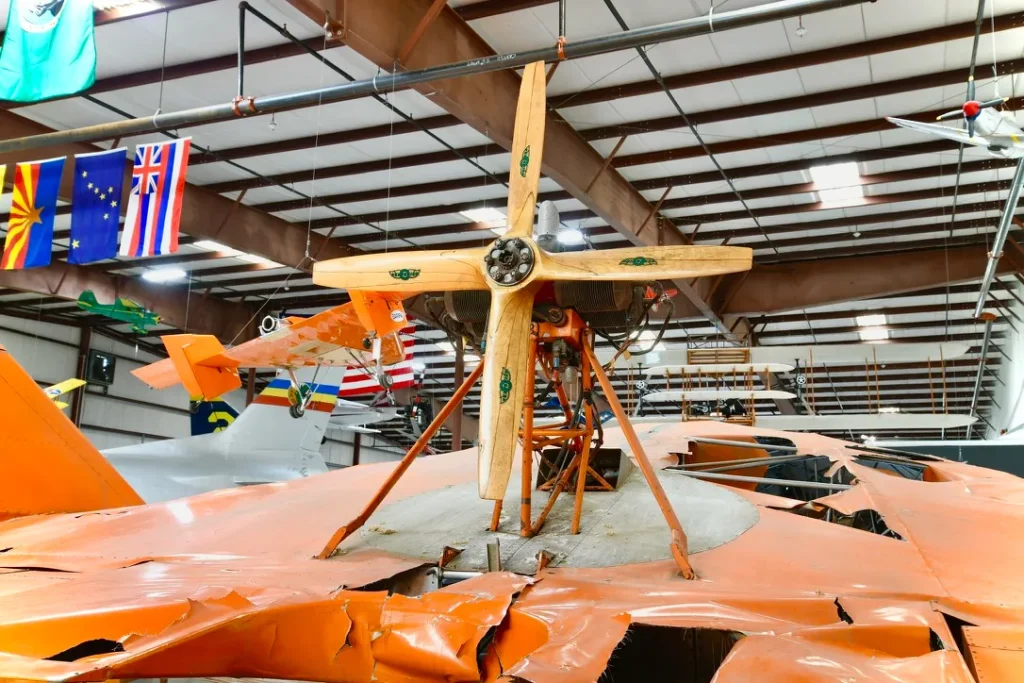
Testing resumed at NAFEC on March 1, 1971. This time, the AEREON 26 easily climbed out of ground effect. In later tests, it flew circuits around the field and did different maneuvers before the engine’s lifespan ended the testing program. The flight tests showed good results, but no funding existed for larger, semi-buoyant aircraft at the time. At the 1974 Interagency Workshop on Lighter-than-Air Vehicles, AEREON president William Miller said that the test program showed the aircraft performed as expected. He noted that the AEREON 26 was stable and handled well. It was “docile and acceptable” within the test limits. The results showed the concept was feasible and could lead to further studies on larger aircraft of this type. But in the 1970s, capital markets stopped most new venture funding, so the program did not secure major financing. However, in February 2003, the DOD Office of Force Transformation told Miller, “You were 30 years ahead of your time!” John McPhee also told the story of a test program in his book, The Deltoid Pumpkin Seed. In addition, the aircraft became popular with UFO and conspiracy enthusiasts because its shape resembled some UFO sightings from the same time period. Read more Grounded Dreams articles HERE.