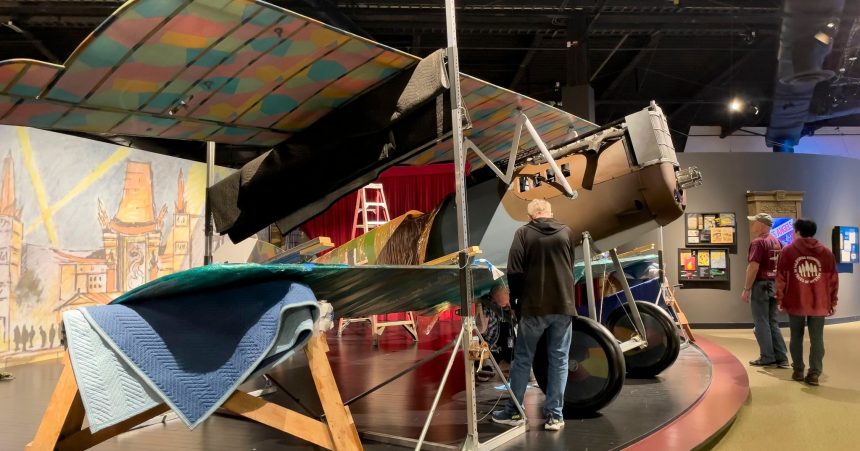

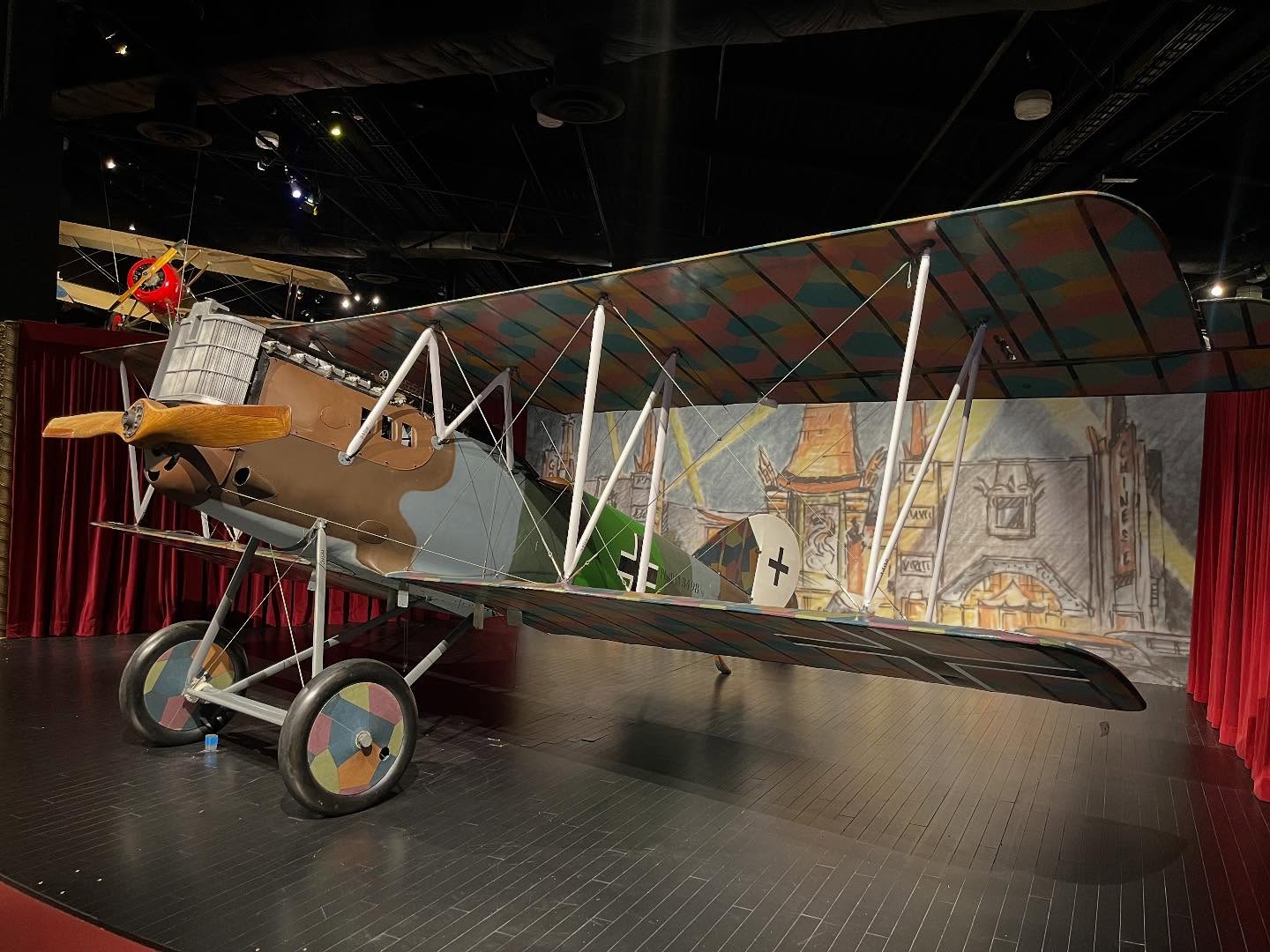
Last year, we published an article about The Museum of Flight (MOF) of Seattle, Washington, restoring two of their WWI aircraft displays, namely their original 1918 Pfalz D.XII fighter and their Fokker D.VII reproduction. Now, one of the two aircraft has successfully returned from the museum’s Restoration Center and Reserve Collection at Paine Field in Everett, just north of the museum’s main campus at Seattle’s King County International Airport – Boeing Field and is now back on display in the museum’s J. Elroy McCaw Personal Courage Wing.
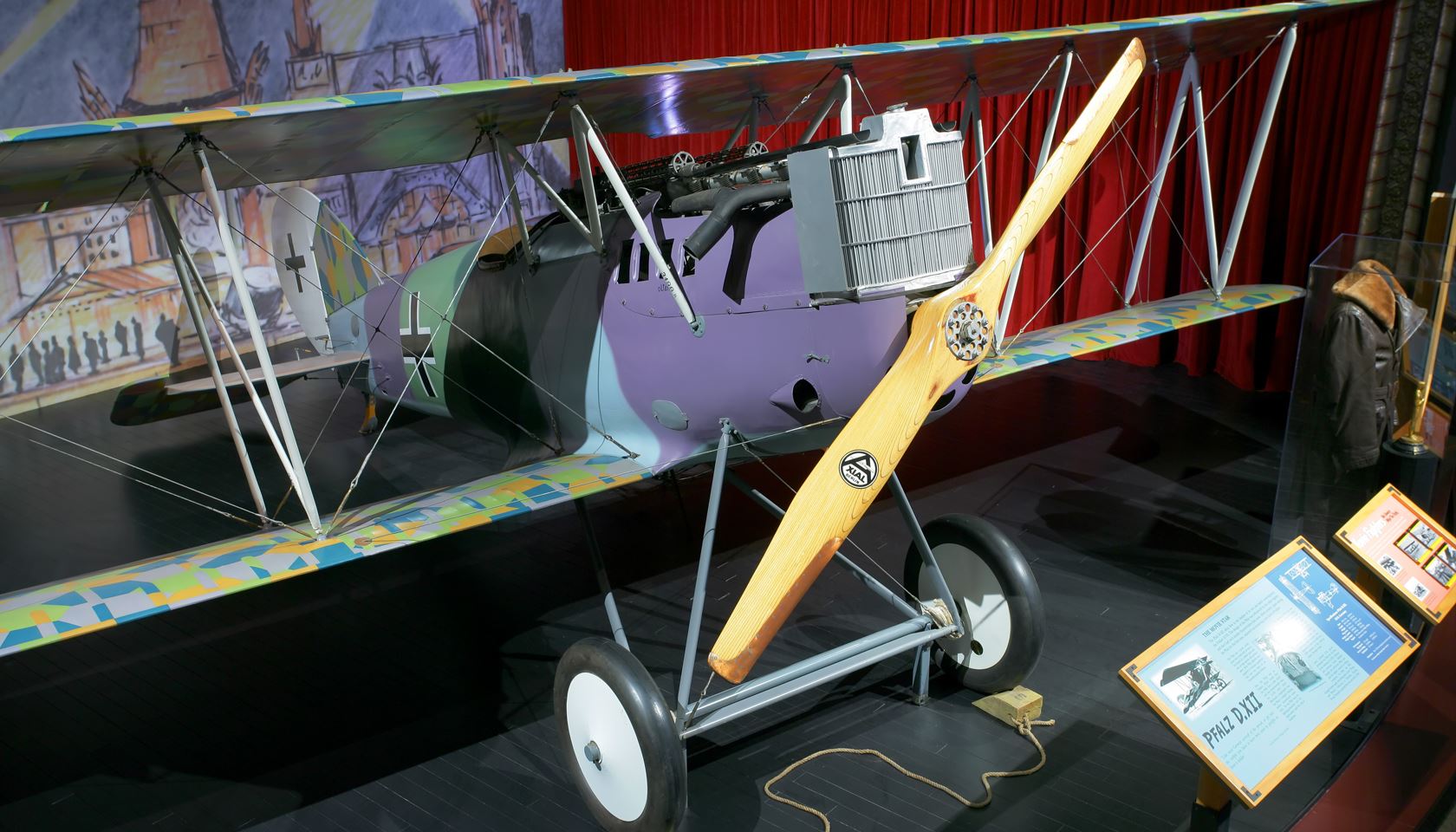
As mentioned in the prior article (and in Randy Malmstrom’s profile HERE), the MOF’s Pfalz D.XII has a long history and is one of only four remaining examples of the Pfalz D.XII fighter to exist today. After being brought to the United States from Germany for evaluation after the Armistice, it was used alongside another example in 1930s Hollywood movies such as the 1930 film The Dawn Patrol, and was owned by collectors such as George B. Jarrett in New Jersey, Frank Tallman in California (who flew the aircraft during the 1960s under the FAA N-number N43C), and Dolph Overton of the Wings and Wheels Museum that existed in Santee, South Carolina and later Orlando, Florida, before being sold at auction in 1981 to Doug Champlin, founder of the former Champlin Fighter Museum of Mesa, Arizona. It was after the latter museum closed in 2003 that The Museum of Flight acquired the CFM’s collection of WWI and WWII aircraft, including the Pfalz D.XII and a reproduction of a Fokker D.VII fighter built for the CFM.
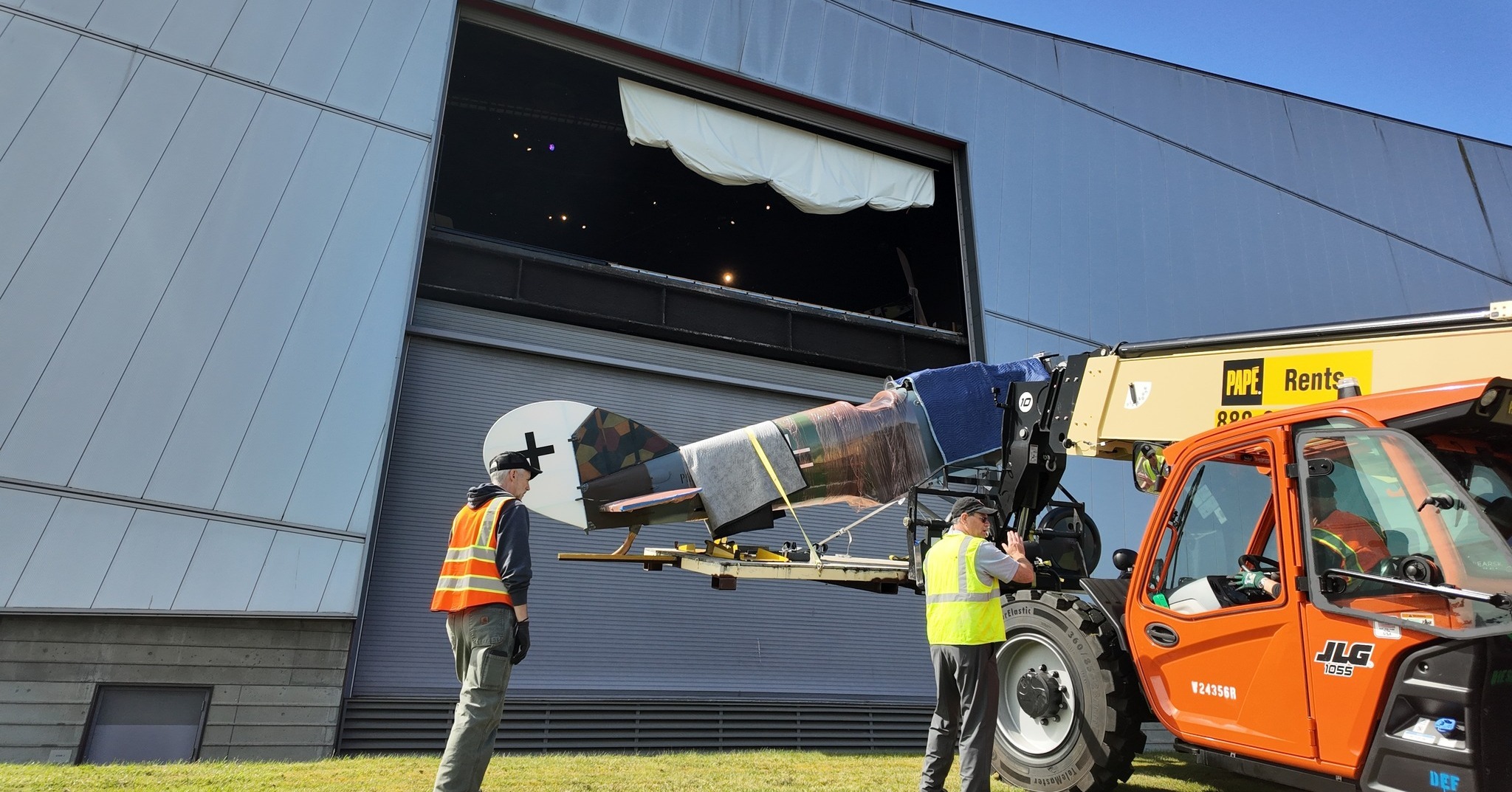
After disassembling the two aircraft and transporting them to Paine Field, curator Matthew Burchette and other specialists at the MOF began searching for WWI aviation experts to help make the aircraft appear as accurately as it would have appeared while in service with the German Luftstreitkräfte (Air Service) in 1918. In that effort, the museum contacted Fred Murrin and John Weatherseed, both highly regarded in the WWI aviation community for their work in building airworthy reproductions of WWI fighters and for their literary contributions as historians of WWI aviation. In addition to Murrin and Weatherseed’s help in providing valuable information on the Pfalz D.XII and Fokker D.VII, Weatherseed also helped The Museum of Flight gain contact with the Australian War Memorial (AWM) in Canberra, which has their own Pfalz D.XII, serial number 2600/18. During the AWM’s restoration of their Pfalz, they found untouched original paint under layers applied postwar by the AWM in prior restorations and sent paint chips from the aircraft to Seattle. This was also supplemented by materials on the Pfalz D.XII held within the museum’s archives.
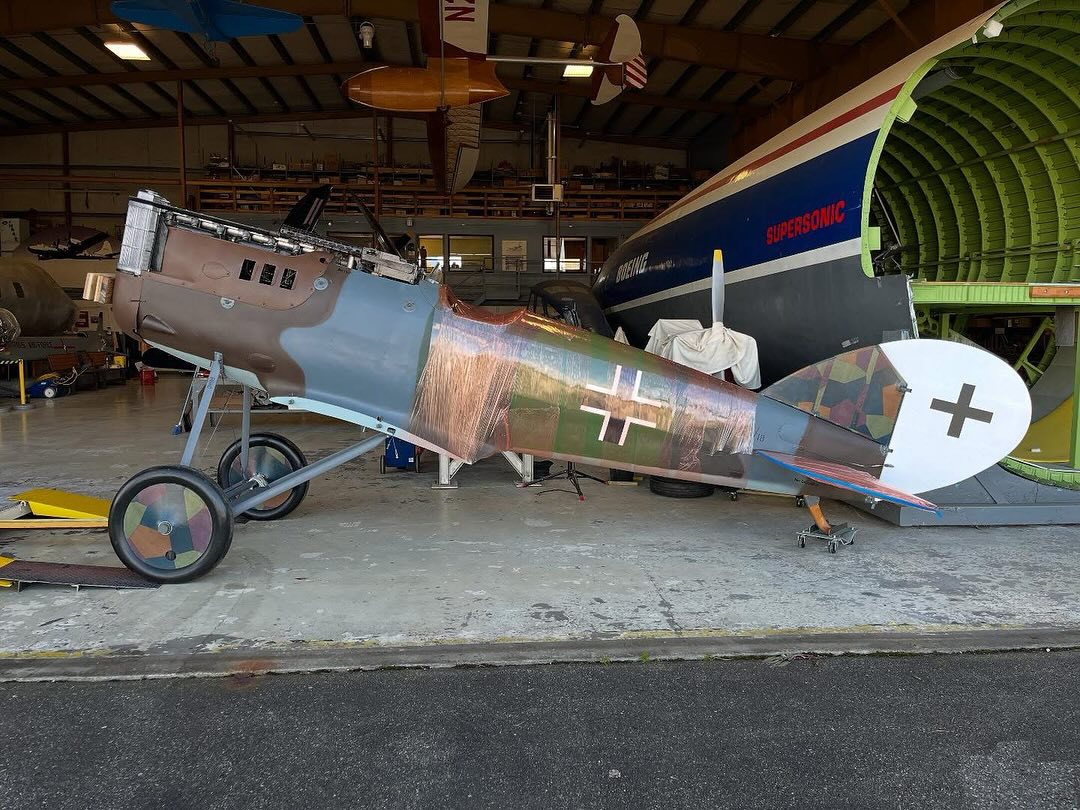
Armed with this research, the museum’s restoration specialists, including Logan Shepard, who serves as a Restoration Technician at The Museum of Flight and the commanding officer of the Commemorative Air Force Rainer Squadron, were able to complete the restoration of the Pfalz D.XII in 2.5 years, and have it brought back to the Personal Courage Wing to be reassembled and placed back on display in a new paint scheme. The aircraft also now wears the serial number 3498/18 on its tail.
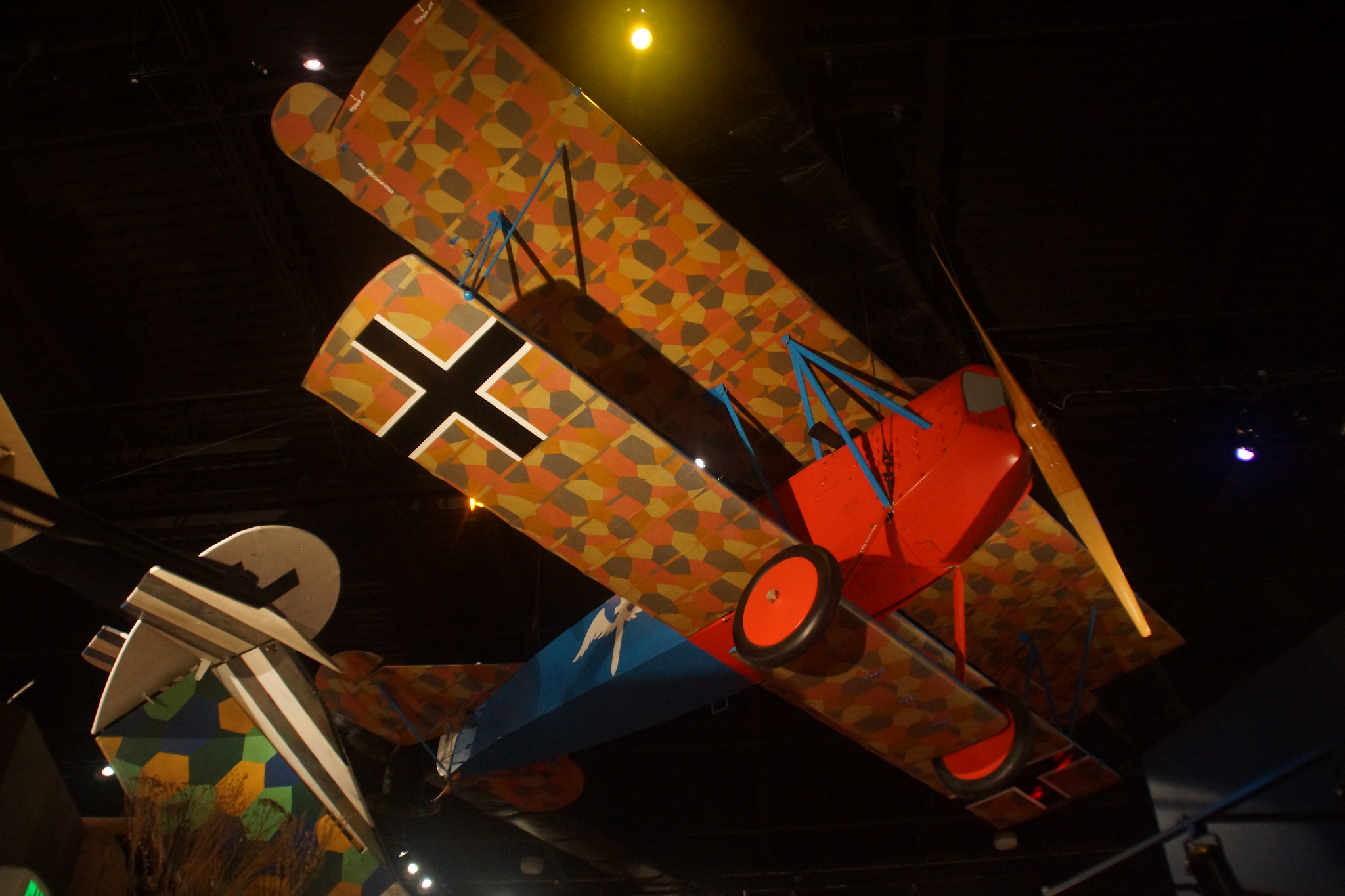
As for The Museum of Flight’s Fokker D.VII reproduction, it remains under restoration at the Reserve Collection and Restoration Center at Paine Field, but the museum intends to return the aircraft to the Personal Courage Wing when it too is complete. Curator Matthew Burchette has stated that the D.VII will return with a new paint scheme based on a historic aircraft constructed at the Ostdeutsche Albatros Werke (East German Albatros Works; OAW) in Schneidemühl, Province of Posen (now in Greater Poland Voivodeship (province) and known today by its Polish name Piła). This is because of the fact that when the Fokkr D.VII reproduction was originally completed for the Champlin Fighter Museum by couple Jim and Zona Appleby, it was patterned off of a Fokker D.VII built at OAW.
For more information, visit The Museum of Flight’s website HERE.