






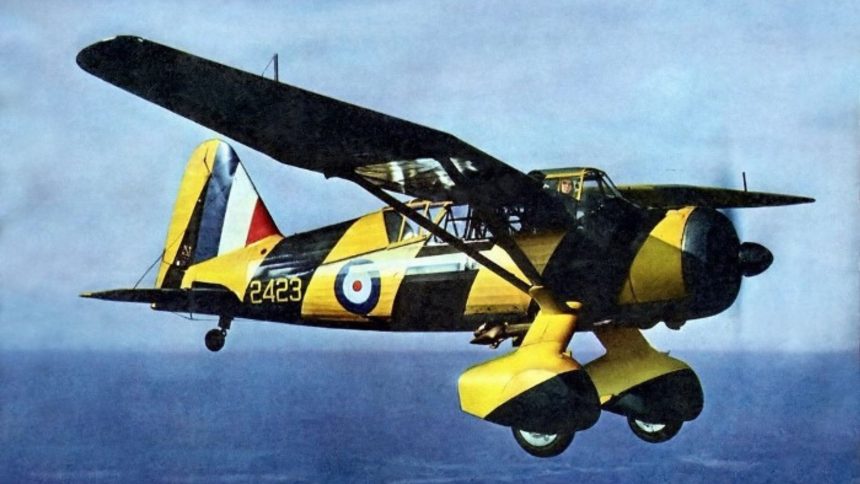

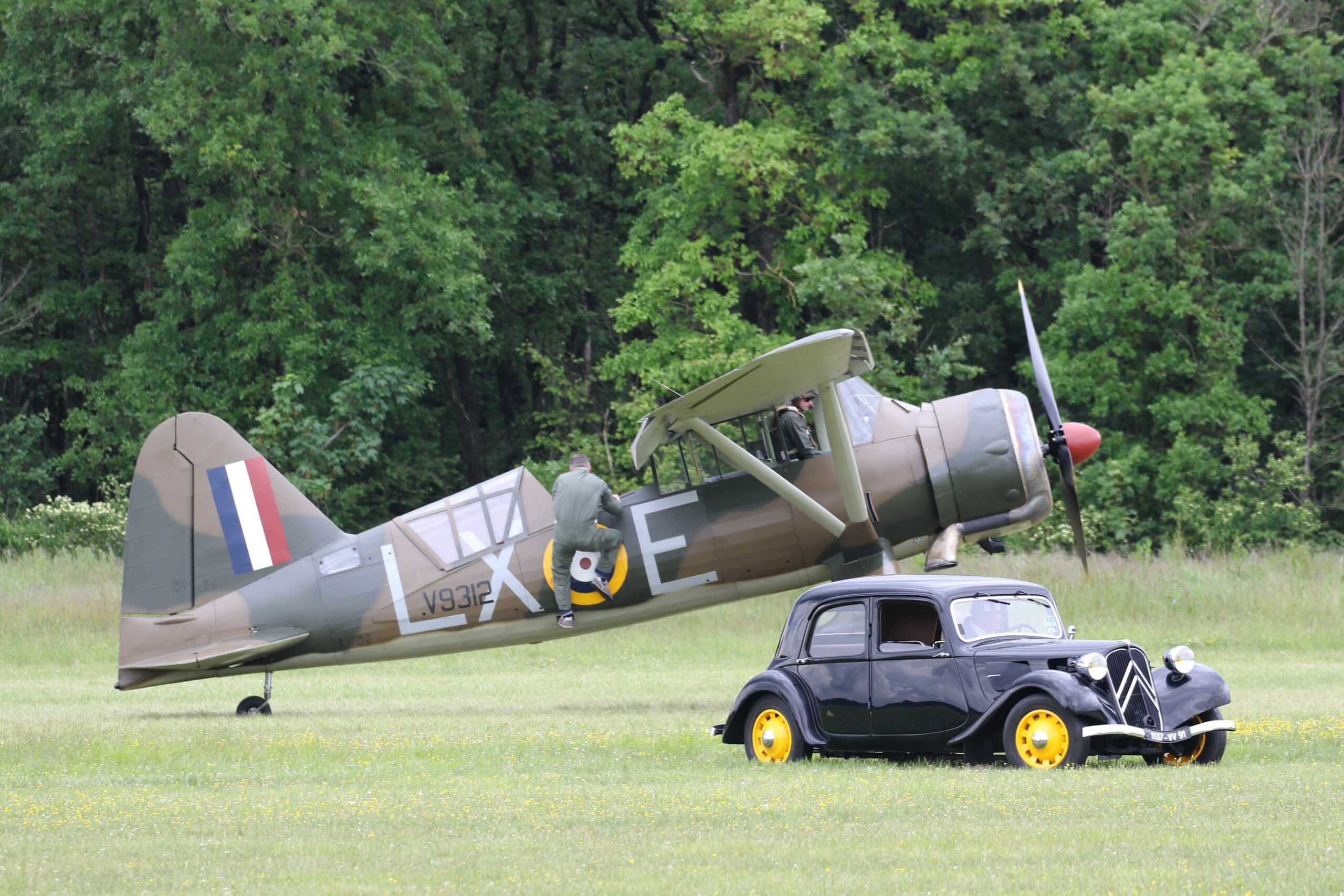
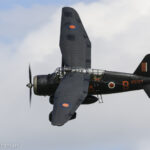
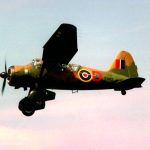
Today, short takeoff and landing capability in fighter jets is seen as one of the most valuable tools in air combat. Aircraft like the F-35B Lightning II, able to operate from small ships and damaged runways, define modern aerospace engineering. But in the 1940s, a very different British aircraft achieved near-miraculous short takeoff and landing performance, which was unconventional by every design standard at the time. Fitted with tall, strutted wings and fixed landing gear, the Westland Lysander was one of the most awkward-looking aircraft. Its giant wheel fairings, also known as spats, gave it a strange appearance compared to other World War II fighters such as Spitfires and Messerschmitts. The aircraft flew like an “odd duck” and was extremely slow. In 1939, nearly 170 Lysanders were sent to France, and only 50 returned, which eventually led to their withdrawal. Yet by the middle of World War II, this British aircraft had quietly become one of the most effective night operators of the entire conflict, thanks to its odd design and ability to land and take off from places that no one would normally recognize as airfields. The plane that many initially dismissed as obsolete ended the war as one of the most dangerous night “killers” of the Nazi intelligence war.
Came as a Replacement
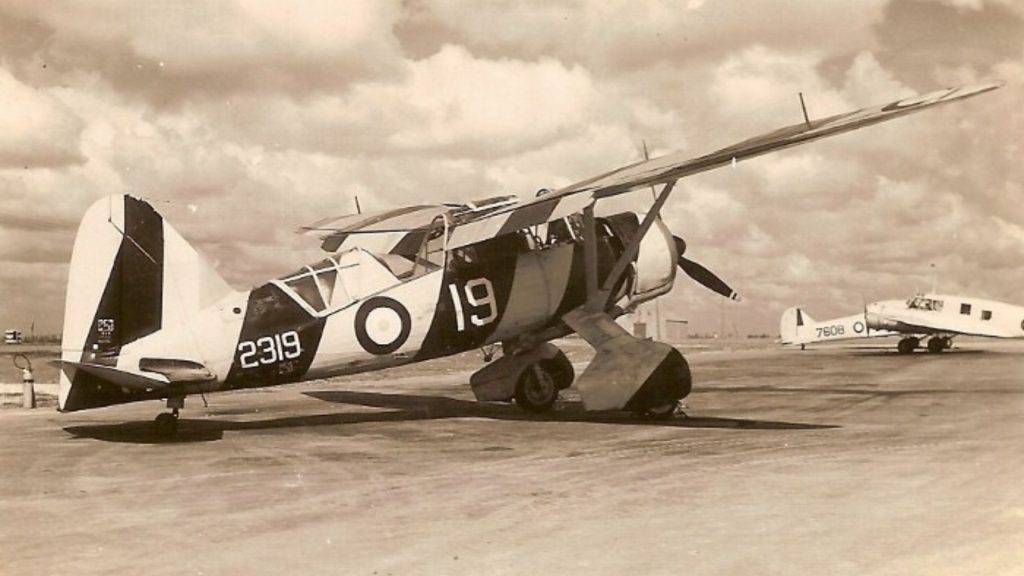
By the mid-1930s, the British Air Ministry felt the need to replace the obsolescent biplane, the Hawker Hector, primarily for use by the British Army. At the time, British Army pilots used to support the Royal Air Force (RAF) in a variety of missions. The RAF wanted the army pilots to perform missions including reconnaissance, artillery spotting, and communication for the service. Hence, the RAF needed faster, more capable aircraft with fixed landing gear and powerful engines, moving toward monoplanes. Accordingly, the service issued a request for proposals for a two-seat army-cooperation aircraft to replace the Hector. One of the companies the ministry asked to submit the design for this replacement was Westland, which was licensed to produce the Hector. Westland named its design for this proposal P.8, and it was rumored that one of its initial designs for a single-engine interceptor was rejected because the RAF was not consulted regarding the exact requirements. The company then decided to proceed with the project in collaboration with the British Army, the end user. The army sought an aircraft with short takeoff and landing capability, excellent cockpit visibility, and good handling at slow speeds to conduct its intelligence, surveillance, and reconnaissance operations effectively. It is where the P.8 began to take shape, which the world now knows as Lysander.
The Birth of ‘Tin Lizzie’
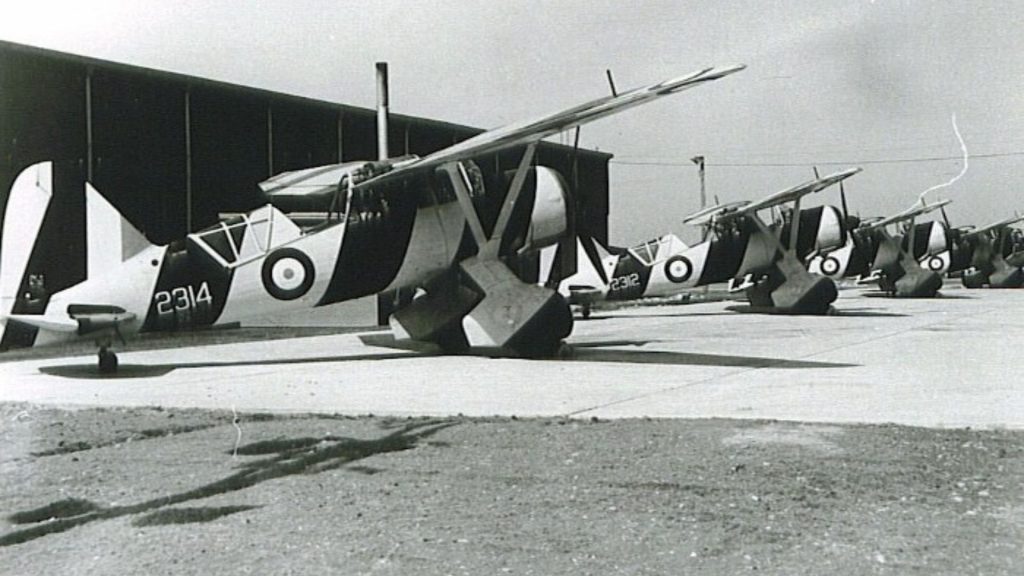
The army’s requirement for an outstanding view from the cockpit led Westland to raise the aircraft’s wing to the top of the canopy, bracing it with two pairs of sturdy struts. It had an unusual shape, with the wing thickest in the middle and much thinner near the base, a design intended to improve the aircraft’s performance at low speeds. When viewed from the front, the wing bent slightly, resembling a seagull’s wing, and the front edges of the inboard section tapered back toward the tail, allowing the pilot to look through the canopy during steep turns. The outer edges curved forward to help the airplane roll quickly, aiding slow-speed maneuvering. To allow for very slow flight, the P.8 was the first British service aircraft to have automatic trailing-edge flaps and leading-edge slats. Behind the pilot’s cockpit, Westland fitted a .30-caliber machine gun in the observer’s cockpit, and the aircraft’s fuselage was covered with fabric, while the nose section was covered with an aluminium sheet. Another unique feature, which is the fixed landing gear, of the aircraft also came out of various back and forth with the company. The aircraft’s initial design featured retractable landing gear, which was later replaced by a fixed landing gear with enormous, rounded fairings at the ends.
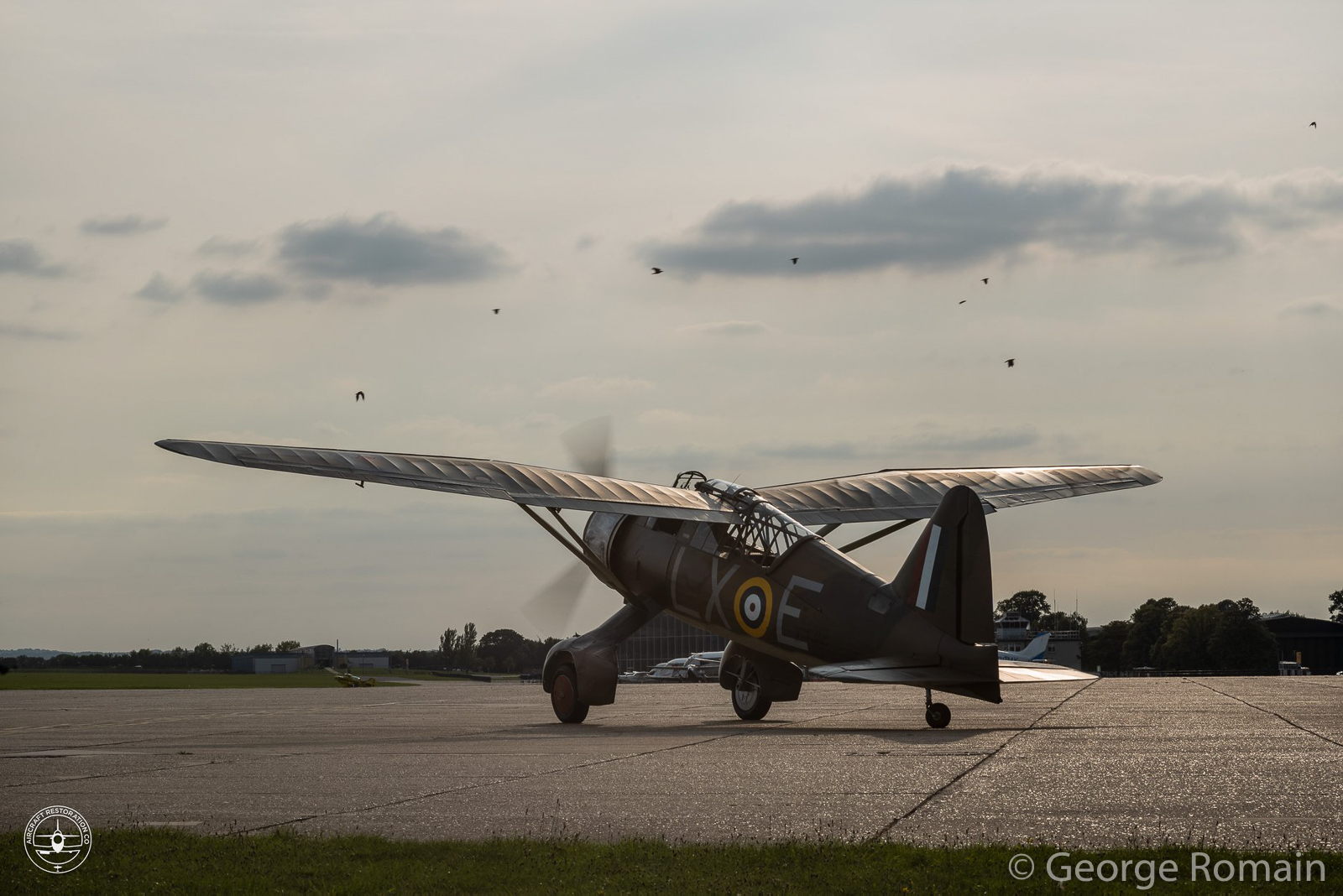
Each fairing included a landing light and a space for a machine gun. The outer side of each fairing had fittings that allowed for short stub wings to be attached when needed, which could carry light bombs, supply containers, or other items. In reality, the aircraft, which took off and landed very slowly with large, round, fixed wheels, had wooden wings covered in fabric that tapered gracefully. People at the time criticized Lysander, calling it a “tin lizzie” because it seemed to go against the trends in aviation that favored faster speeds, sleek all-metal wings, and retractable wheels.
Fall and Rise
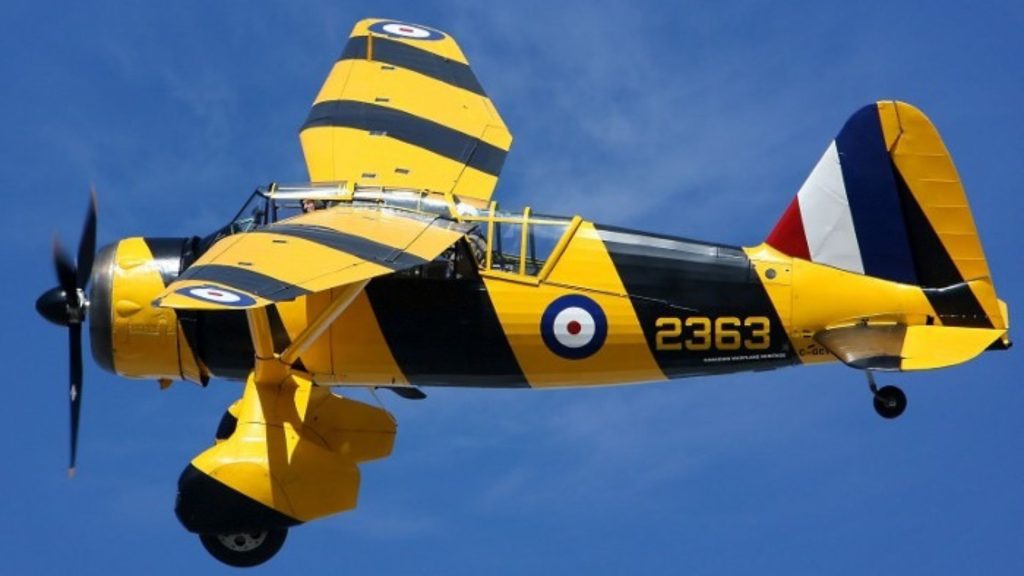
The British Air Ministry ordered 169 P.8s in September 1936 and renamed them Lysander after a Spartan admiral who defeated the Athenian fleet in 405 BC. The deliveries began in 1938. As World War II broke out in 1939, seven British Army Lysander squadrons were ready to fly. When Germany invaded France in May 1940, Britain sent many aircraft to fight the German Air Force (Luftwaffe), including the slow and poorly armed Lysanders. The aircraft were quickly destroyed because the Lysander performed well in its intended role, but had no chance against fast German fighters. In addition, the planes were not designed for ground attacks due to their low speeds and limited bomb loads.
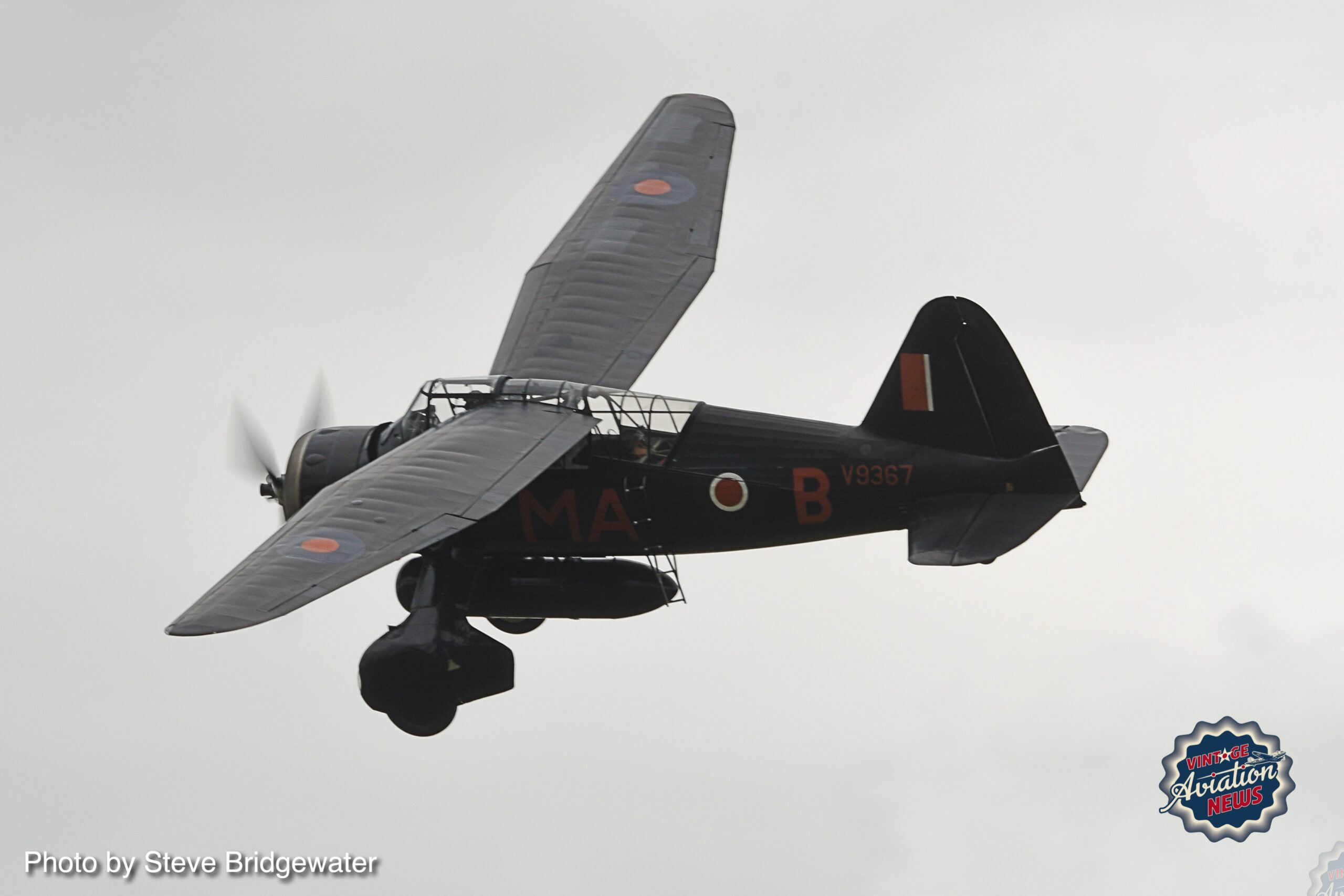
After France fell, many Lysanders were given new roles. As air battles moved over the English Channel and the British Isles during the Battle of Britain and the evacuation at Dunkirk, there was an urgent need for air-sea rescue aircraft. The Lysander had the capability to find downed airmen at sea and drop them life rafts and supplies. As a German invasion seemed possible, several modifications to the Lysander were proposed, including adding a 20mm cannon to each undercarriage leg, installing a ventral gun position, or mounting turrets behind the wings or near the tail.
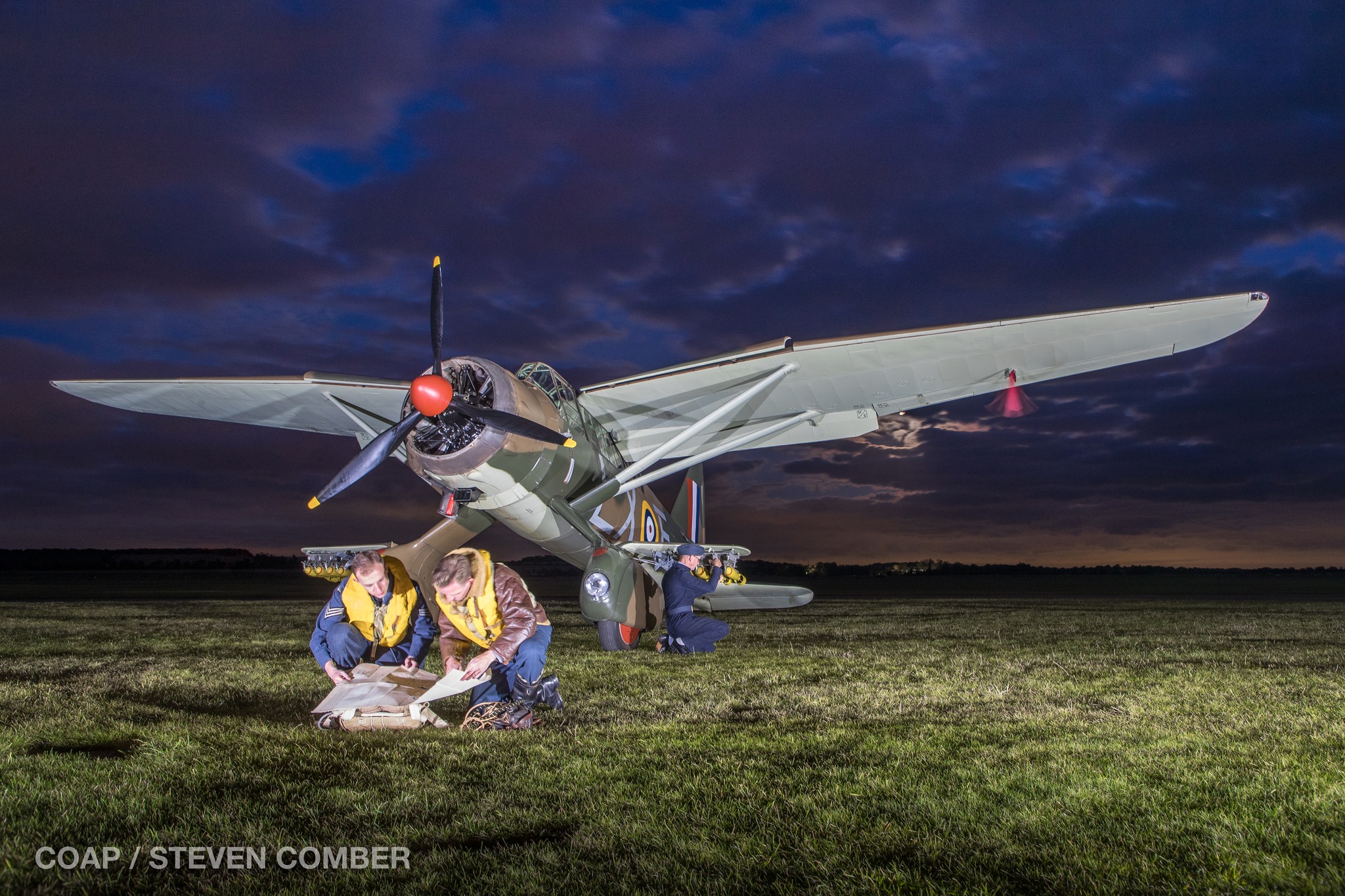
The tail turret required a changed stabilizer with two vertical fins and rudders. However, by late 1940, the risk of invasion had diminished, and none of these changes were implemented. As the war entered its third year, Lysanders began a new covert mission. The Special Operations Executive formed three squadrons to operate Lysanders to support resistance movements in occupied Europe. The squadrons dropped ammunition, explosives, radios, and other supplies and transported agents to and from the continent.
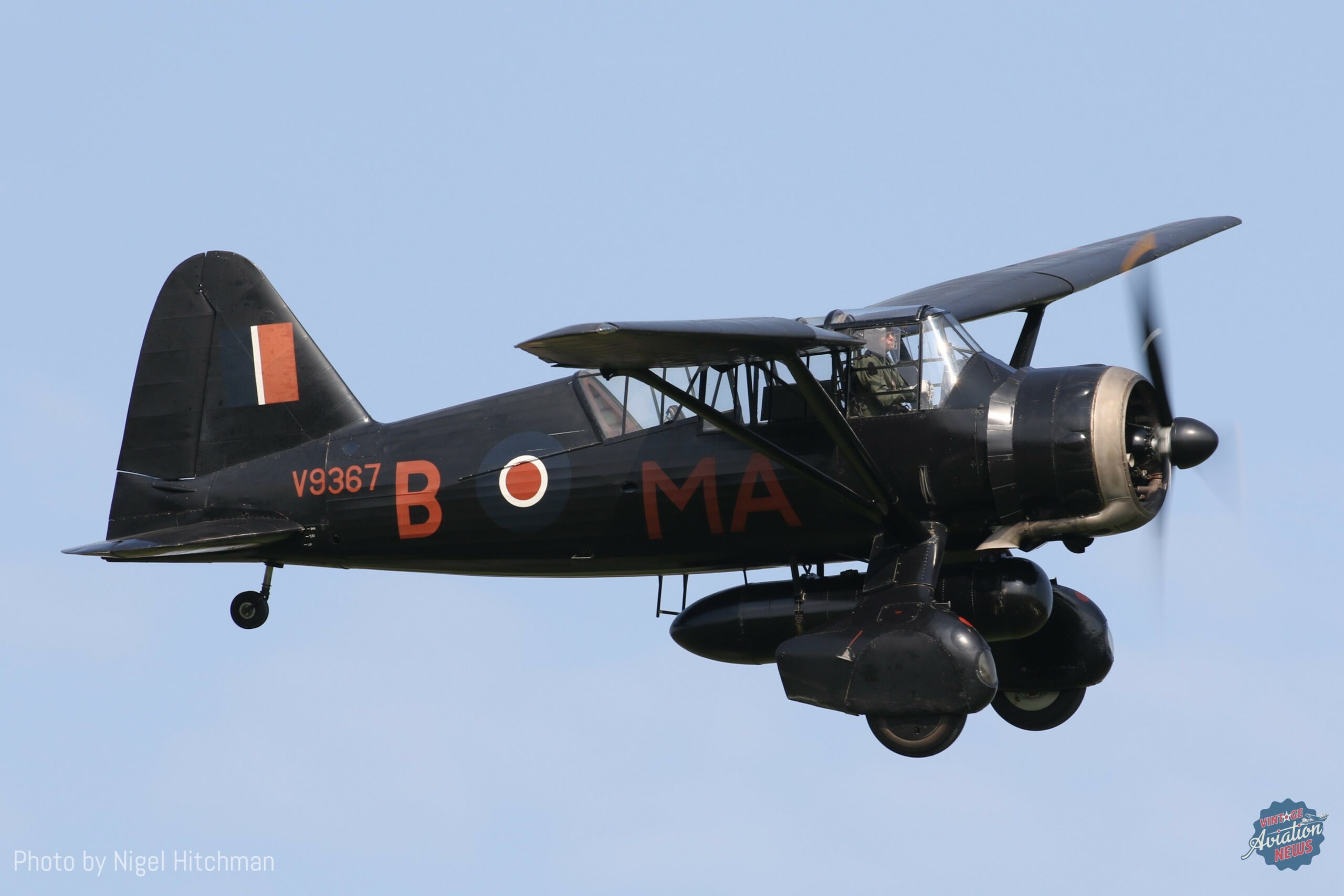
Westland modified the Lysander for this purpose by removing the rear guns and installing a ladder near the rear cockpit to facilitate agents’ rapid boarding or disembarkation. The company also added an external fuel tank to extend its range. Often, Lysanders operated from small, dark fields, which was possible because the Lysander had excellent short takeoff and landing capability. Lysanders also flew in other parts of the war, including the Middle and Far East. Countries like Turkey, Ireland, Portugal, South Africa, and France used the aircraft. The United States also used 25 Lysanders as targets for aerial gunnery. Canada flew more Lysanders than any other country outside England and built 225 of them. In total, approximately 1,652 Westland Lysanders were produced and served various Allied forces until after the war, and the aircraft’s awkward design ultimately became its greatest strength.






In 1940, “The aircraft were quickly destroyed because the Lysander performed well in its intended role, but had no chance against fast German fighter jets. ” Stop using AI slop. Not reading your site again.
There is no Ai used on our articles… We liked you better when you where a simple, humble black and white mouse.