
(Image credit: VAN)
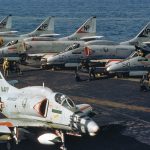
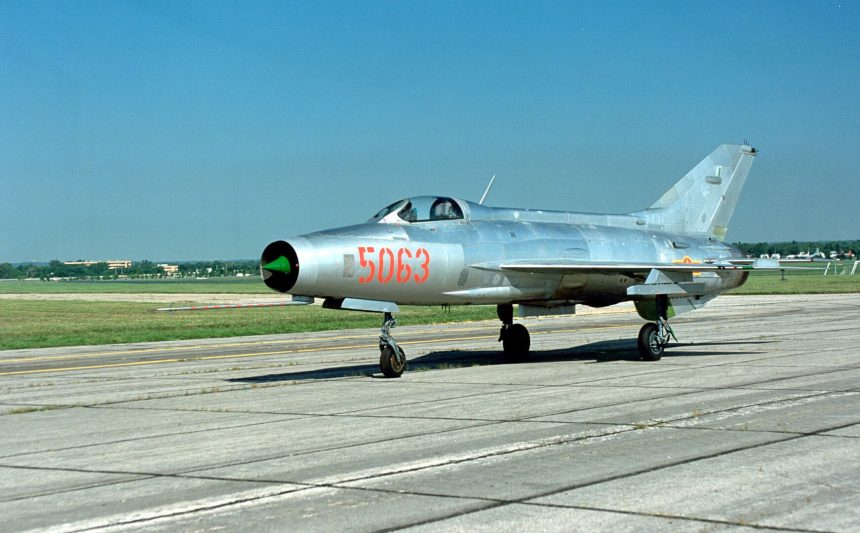
On this day in aviation history, 58 years ago (January 1, 1967), Operation Bolo was launched. Bolo was a strategic plan by the United States Air Force to lure North Vietnamese MiG-21s into a trap. The idea was to fly a group of F-4 Phantom IIs in a formation similar to that of the F-105 Thunderchiefs, which the MiGs were usually sent to shoot down. The Thuds suffered significant losses at the hands of the MiG-21s. The USAF hoped that by tricking the VPAF into launching the MiGs against what their radar thought were F-105s, the F-4s could take down a significant number of them. This would pave the way for future Thud missions and also reduce the risk of future air-to-air encounters with MiG-21s for Phantom pilots.
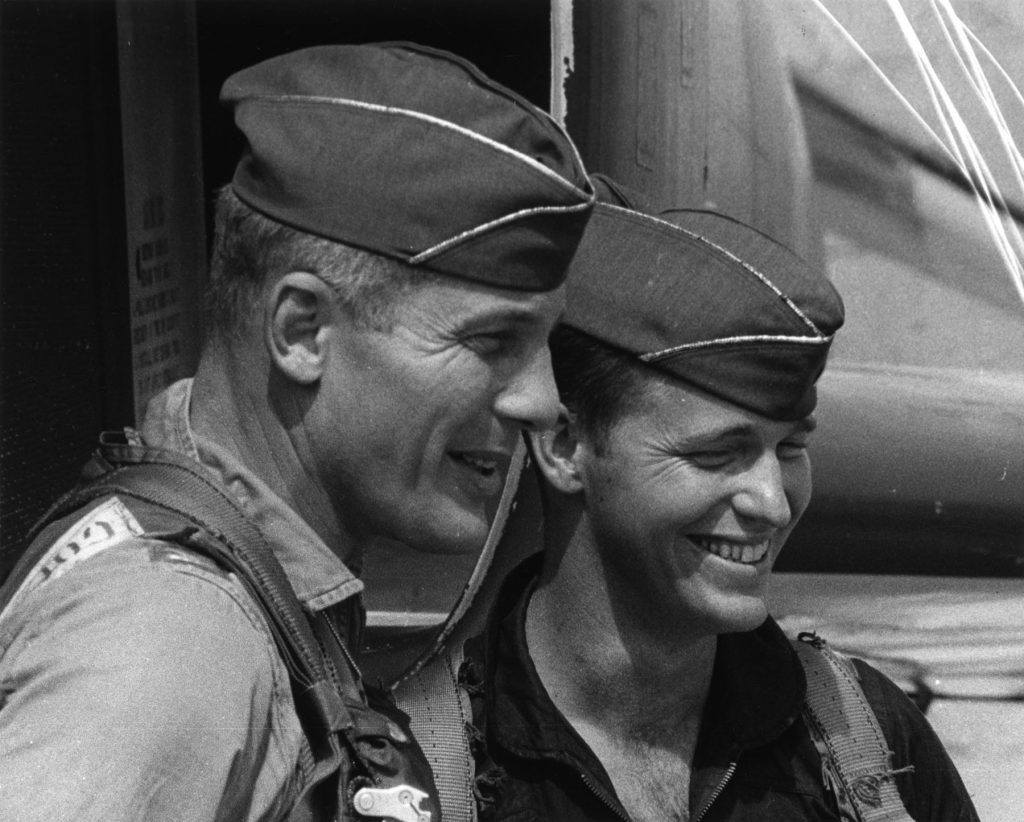
Colonel Robin Olds led the charge on the Operation Bolo mission. Leading 48 F-4C Phantoms of the 8th and 366th Tactical Fighter Wings, Col Olds assembled his group in the same formation and altitude flown by the F-105s. Rather than the bombs traditionally carried by the Thuds on their missions, the F-4s were armed with AIM-7E Sparrow radar-guided missiles and AIM-9B Sidewinder heat-seeking missiles. As Col Olds’ group of F-4Cs neared the target, the MiGs eventually fell for the trap. MiG-21s came bursting in at speeds in excess of Mach 2.0, expecting to see F-105 “sitting ducks.” Instead, the VPAF pilots were met with the venerable Phantom, and a whole can of worms opened up. By the time the melee of a dogfight had concluded, Olds’ group of F-4Cs had downed 7 enemy MiG-21s, with another 2 probably destroyed. This score accounted for half of the VPAF’s MiG-21 fleet – a devastating blow. Operation Bolo serves as an example of outsmarting the enemy and working smarter, not necessarily harder.