
(Image credit: VAN)
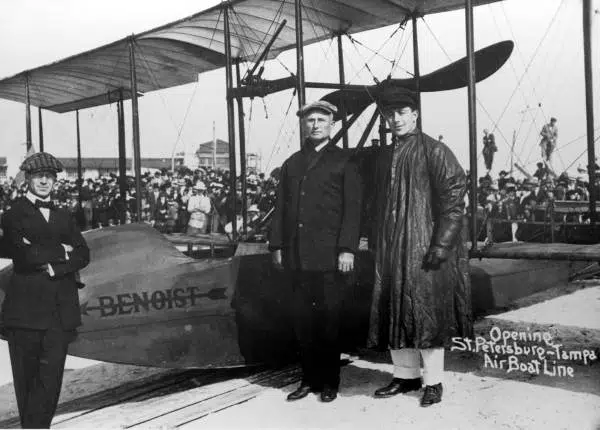
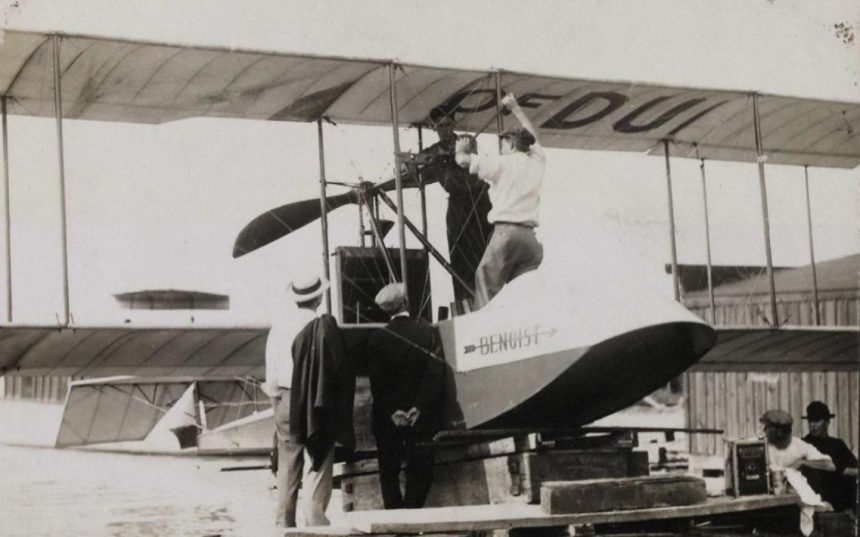
On this day in aviation history, 111 years ago (January 1, 1914), the world’s first scheduled airline service took flight. SPT (short for St. Petersburg–Tampa) Airboat Line was the first air carrier in the United States to operate with fixed-wing aircraft. The aircraft of choice for SPT was the Benoist Type XIV, a flying boat with a modest passenger capacity of one (plus pilot). On the same day that SPT became the first chartered airline within the US, the company made their first passenger-carrying flight. Pilot Antony H. Jannus flew the SPT Benoist XIV between St. Petersburg and Tampa, initiating the first airline’s service.
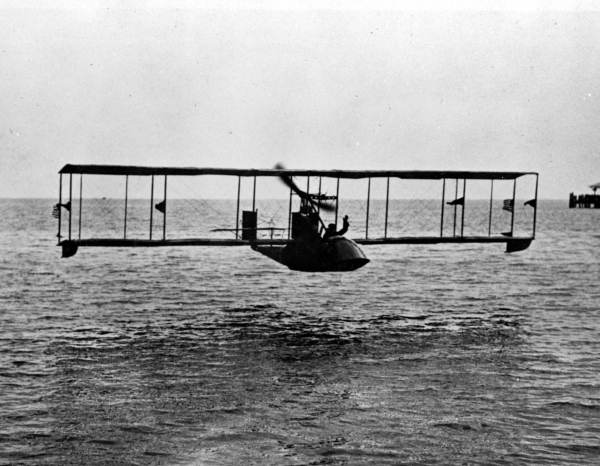
During the first flight of the SPT Airboat Line, quite a crowd was present. Over 3,000 spectators, a parade, and a band saw Jannus and the Benoist off to Tampa. An auction was held for the first round-trip ticket of SPT, which was won by Tampa’s Mayor with a bid of $400. The St. Petersburg to Tampa flight lasted for 23 minutes, rarely exceeding an altitude of 5 feet AGL over the waters of Tampa Bay. Spanning this distance in just under half an hour was a significant improvement from the 2 hours it took to span the Bay by boat, or 20 hours of driving, or 4 to 12 hours on a train.
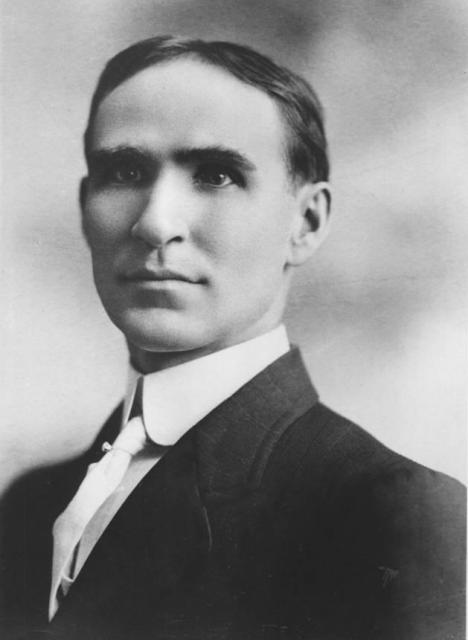
As St. Petersburg–Tampa Airboat Lines grew, they added two more Benoist XIVs. Airfare was $5 for a one-way flight, and the freight carrying rate was $5 per 100 pounds. STA Airboat Lines would continue to operate until May 5, 1914, five weeks after their contract with St. Petersburg’s board of trade was terminated. Of the airline’s feat, Thomas Benoist (manufacturer of the Benoist XIV) said, “Some day people will be crossing oceans on airliners as they do on steamships today.” SPT laid the groundwork for the major airlines that are so crucial to our world today.
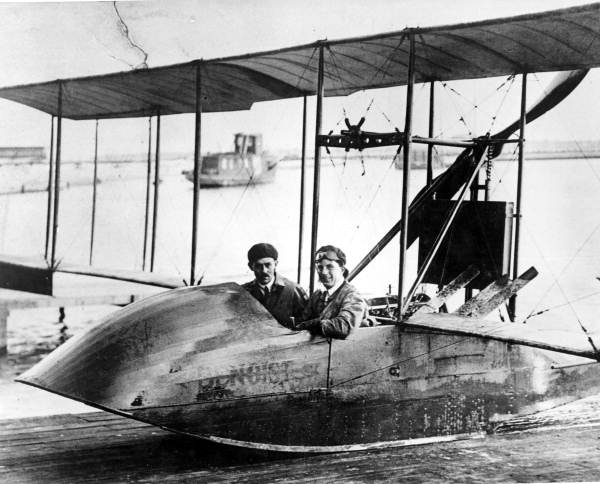
The Benoist Type XIV was a conventional biplane design, with small pontoons at the tips. The aircraft’s 75-horsepower Roberts straight-6 engine was mounted on a pedestal aft of the cockpit, driving a two-blade pusher propeller. The pilot and passenger sat side-by-side in the open cockpit. The XIV was 26 feet-0 inches long, had a wingspan of 44 feet, and had an empty weight of 1,250 pounds. Maximum airspeed for the Benoist was 64 mph, with a max range of 109 nautical miles.