
(Image credit: VAN)
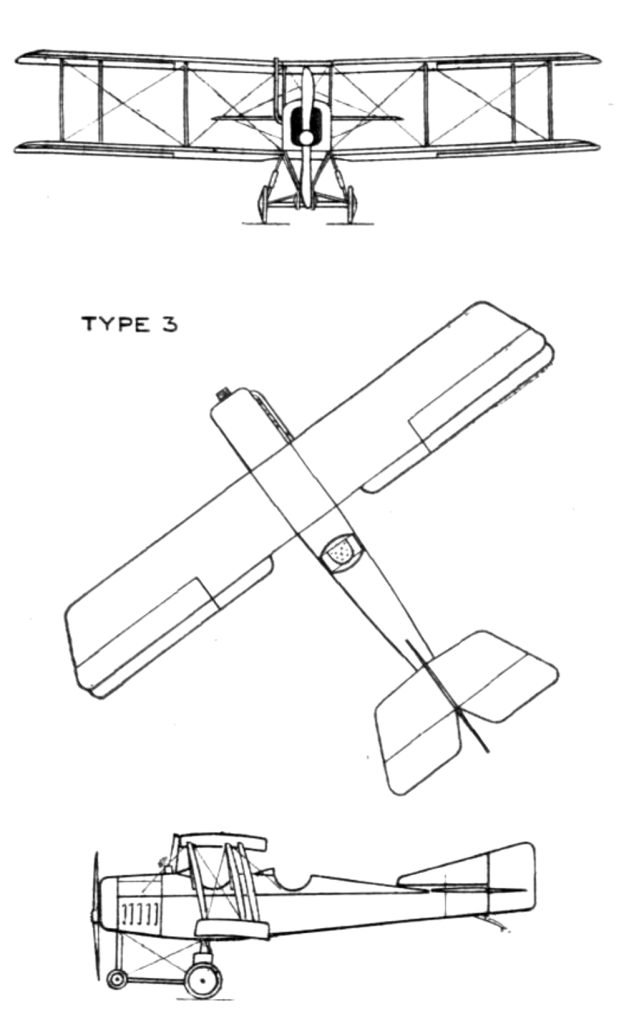
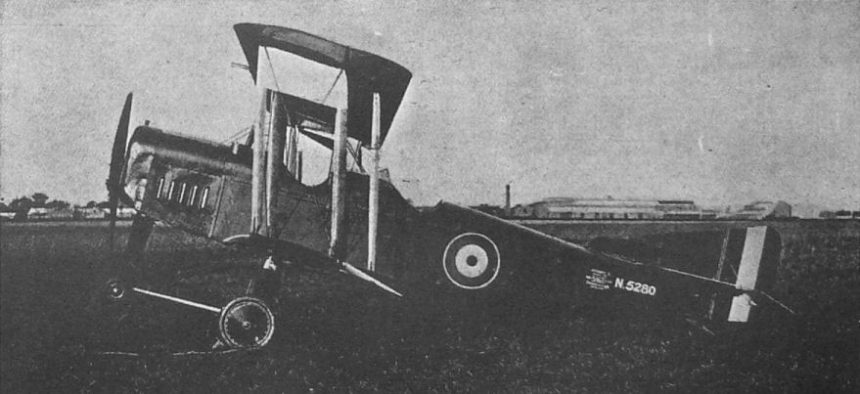
On this day in aviation history, 108 years ago (January 5, 1917), the Sage Type 3 flew for the first time. Also known as the Sage N3 School, the Type 3 was a prototype British training aircraft that was developed for use in the First World War. Development of the Type 3 biplane began in 1916, when the British Admiralty signed a contract with Frederick Sage & Co., a woodworking company based in Peterborough, England. Frederick Sage & Co. had previously been contracted to manufacture aircraft for the Royal Navy. With a new contract in place, the British Admiralty requested that Sage develop a primary trainer for the Royal Naval Air Service. The design was to be durable and to have good visibility and a low landing speed, more forgiving for student pilots. Sage’s Type 3 design efforts resulted in a biplane with two-seat bays and an additional set of wheels installed forward of the mains. These extra wheels were to prevent the aircraft from overturning on landing, due to overly eager students.
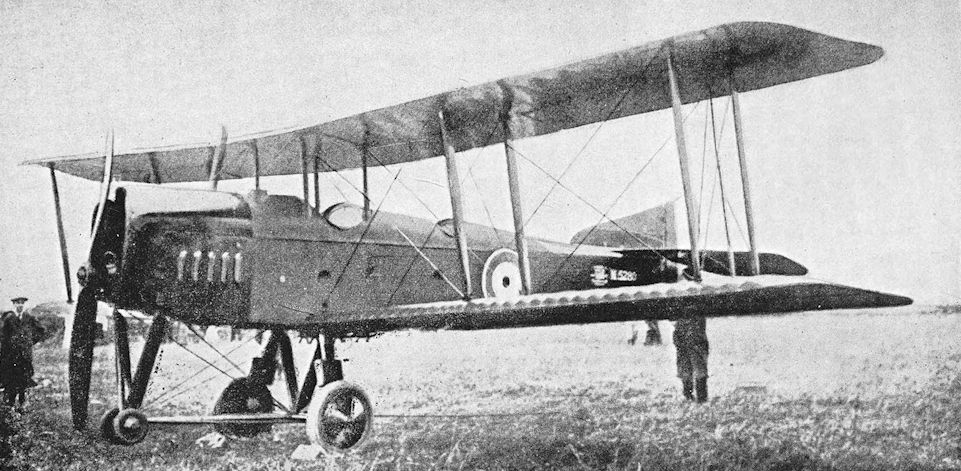
Sage’s Type 3b was powered by a 75-horsepower Rolls-Royce Hawk 6-cylinder liquid-cooled inline engine. The Hawk pulled the 3b through the skies to a maximum airspeed of 76 mph, proving the aircraft to be quite slow, even by trainer standards of the time. The Type 3b had a range of 274 nautical miles, an endurance of 4 hours, and a service ceiling of 9,000 feet. Type 3bs had a wingspan of 34 feet-6 inches, and a length of 32 feet-10 inches. Empty weight was 1,390 pounds, while max gross was 1,980. An attempt was made by Sage to improve the slow overall speed of the Type 3. The aircraft’s weight was reduced, and the Type 3 was modified with smaller tail surfaces. Performance improved marginally, but the British Admiralty had seen enough; the Type 3 contract was cancelled. Only 2 of the proposed 30 aircraft were built. Despite the poor result of the Type 3’s flight testing, the aircraft did give rise to the eventual Sage Type 4 floatplane.