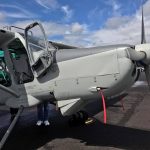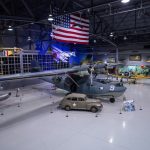
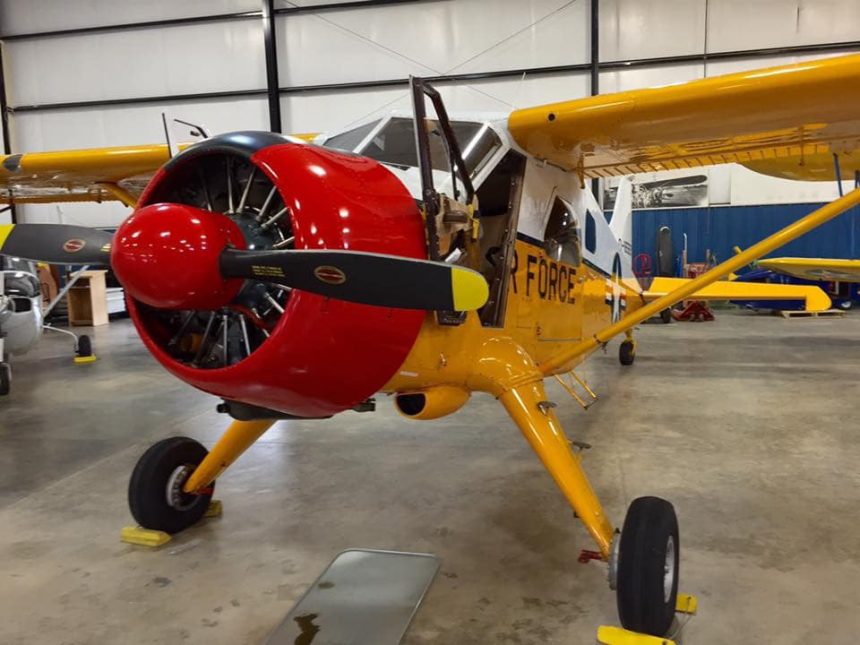

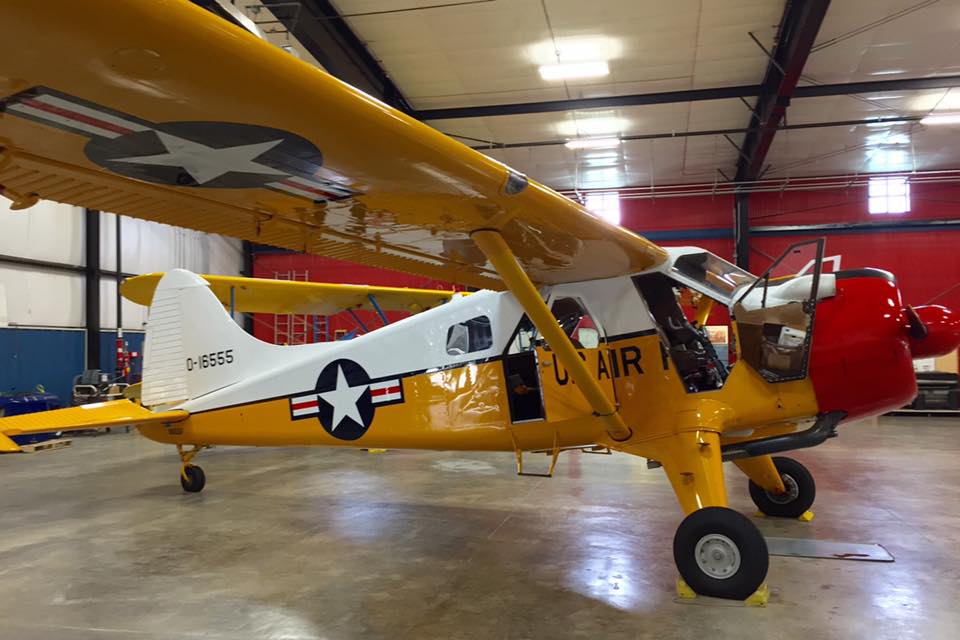
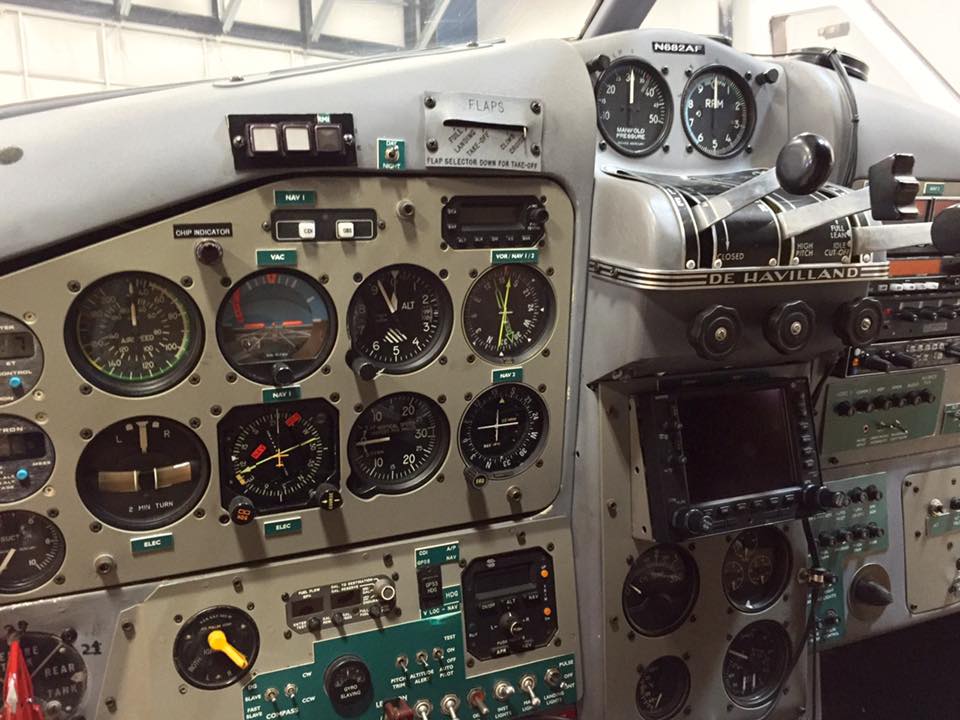
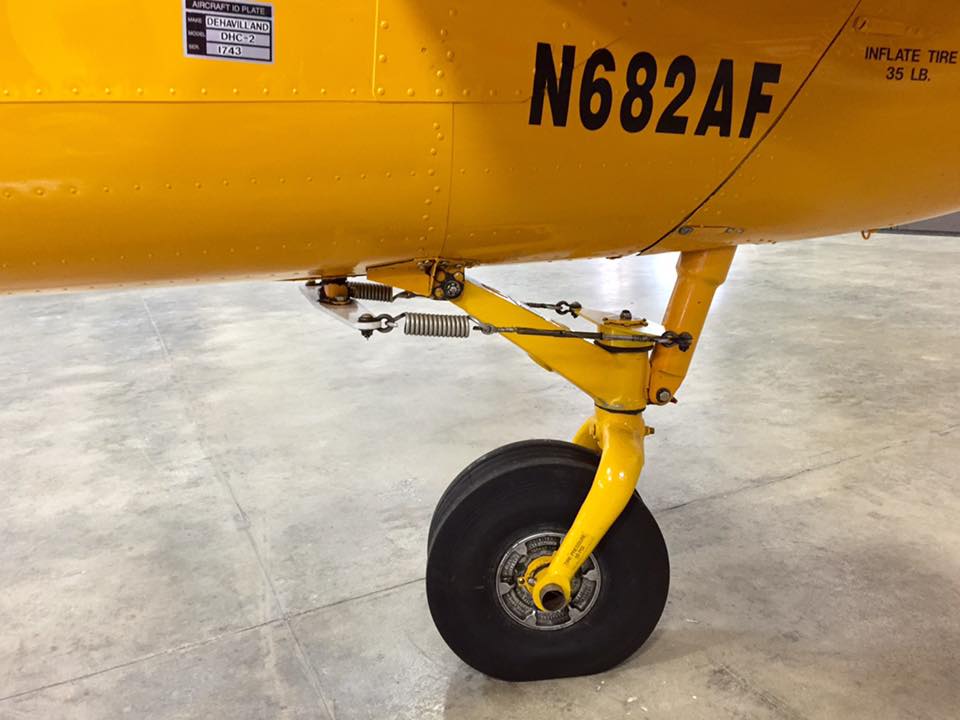
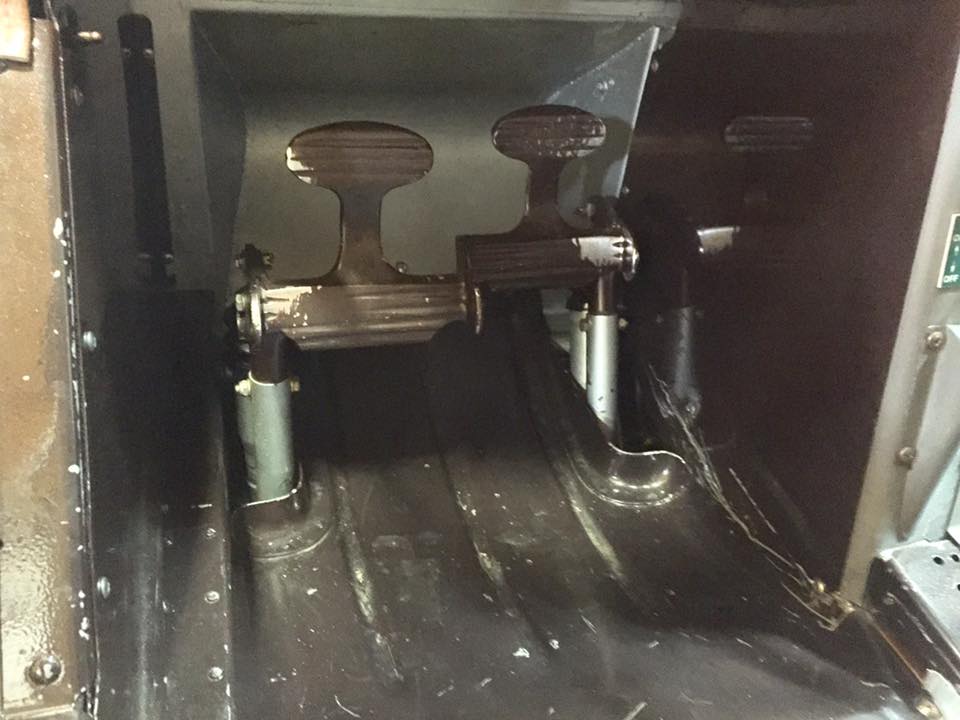
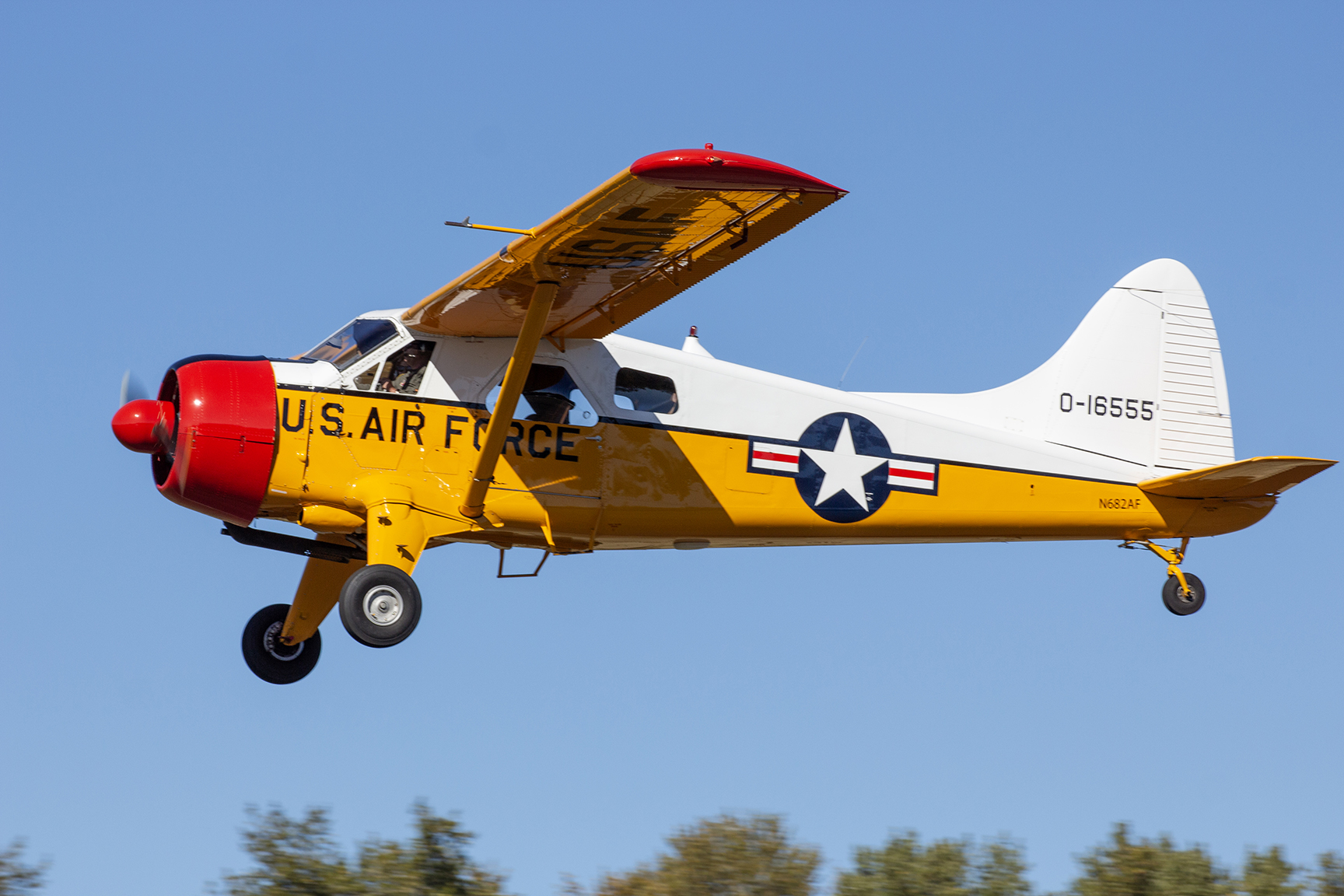
The de Havilland Canada DHC-2 Mk. I (L-20A) Beaver, s/n 1743, N682AF. I have found very limited information about the history of this particular aircraft, other than it was apparently September 9, 1957, and went to a Military Aircraft Storage and Disposition Center in 1974 before being restored. The owner is Apogee Flight in the San Juan Islands in Washington state. My photos at Heritage Flight Museum in Burlington, Washington. I flew in the right seat of one of the Beavers at Historic Flight Foundation on Paine Field, and here are my clips of that flight:
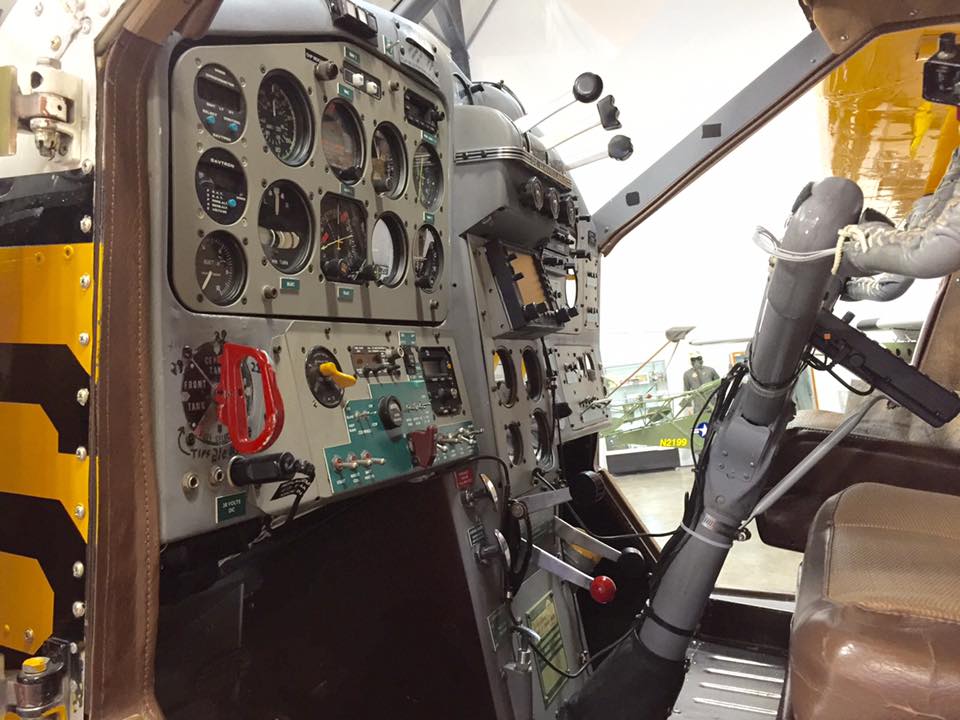
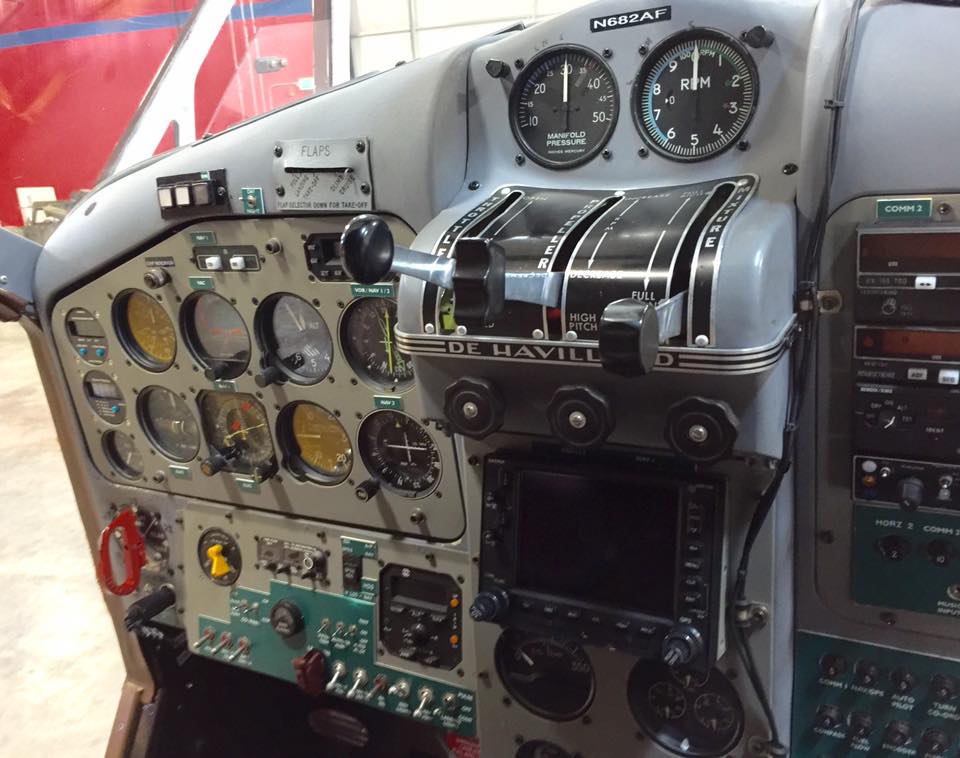
The “Beaver” nickname was consistent with de Havilland’s practice of naming aircraft after animals. Design for the Beaver began in 1946 by de Havilland Aircraft of Canada Ltd. (a company set up by de Havilland Aircraft Company Limited to build its “Moth” family of aircraft) as an STOL transport for Canada’s bush pilots and eventually had a seating capacity of eight. The prototype first flew on August 16, 1947, and was piloted by Wing Commander (Ret.) Russell “Russ” Bannock (Distinguished Service Order, Bar to the Distinguished Service Order, and Distinguished Flying Cross), who flew de Havilland Mosquitoes in No. 418 and No. 406 Squadrons of the Royal Canadian Air Force. His missions included night intruder and as a “Diver” against Fieseler Fi-103’s (“V-1” buzz bombs).
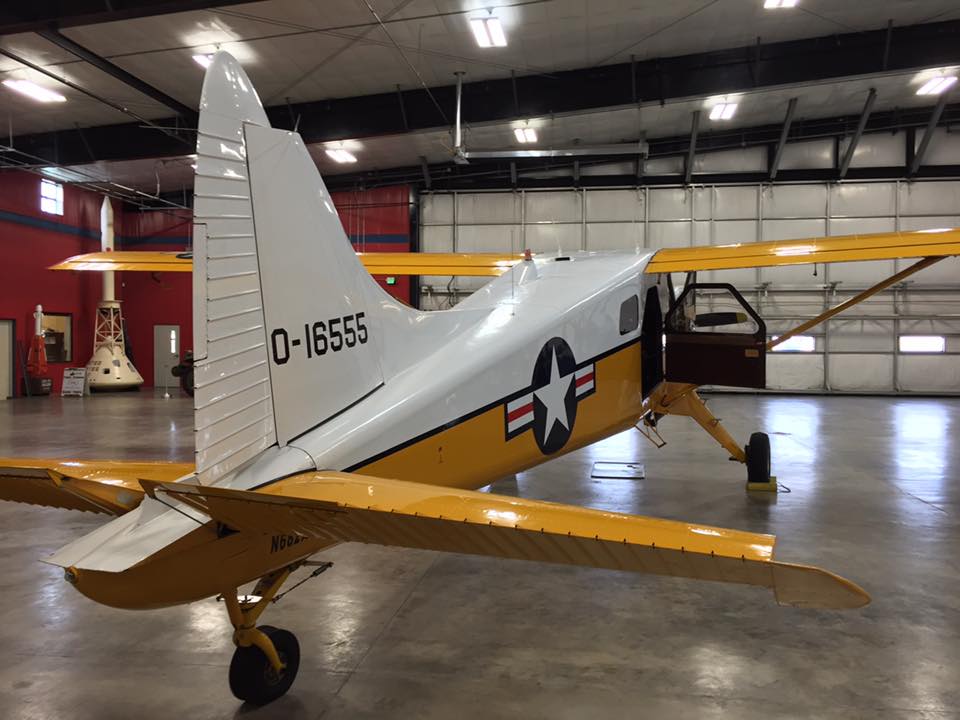
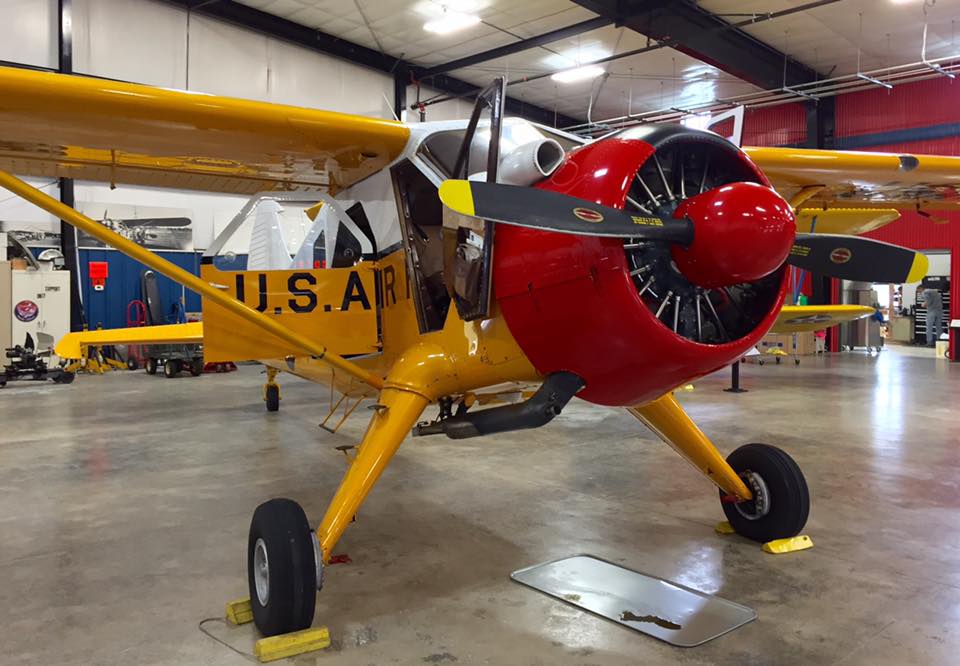
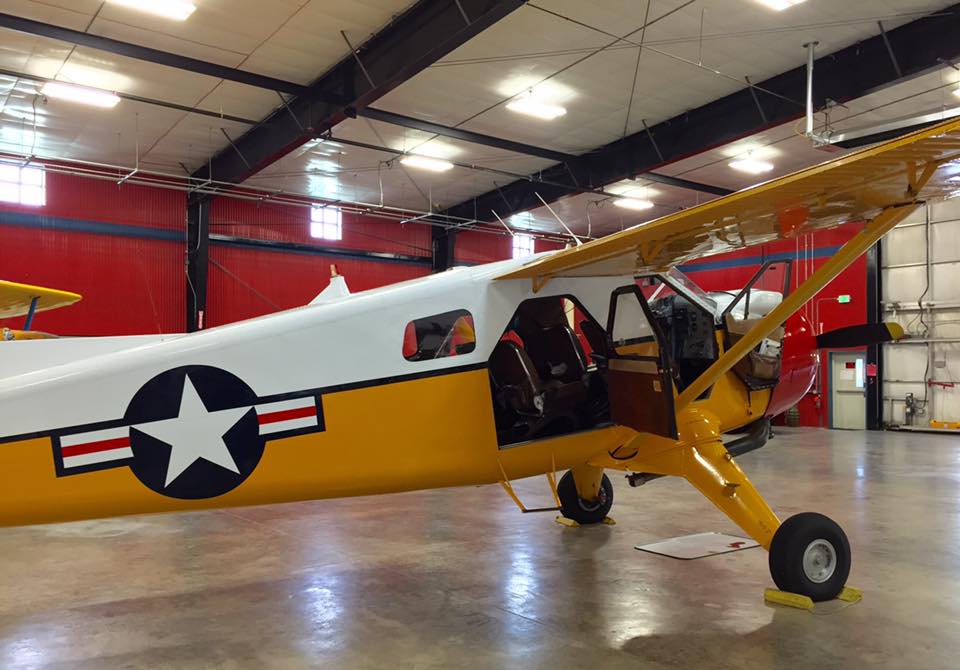
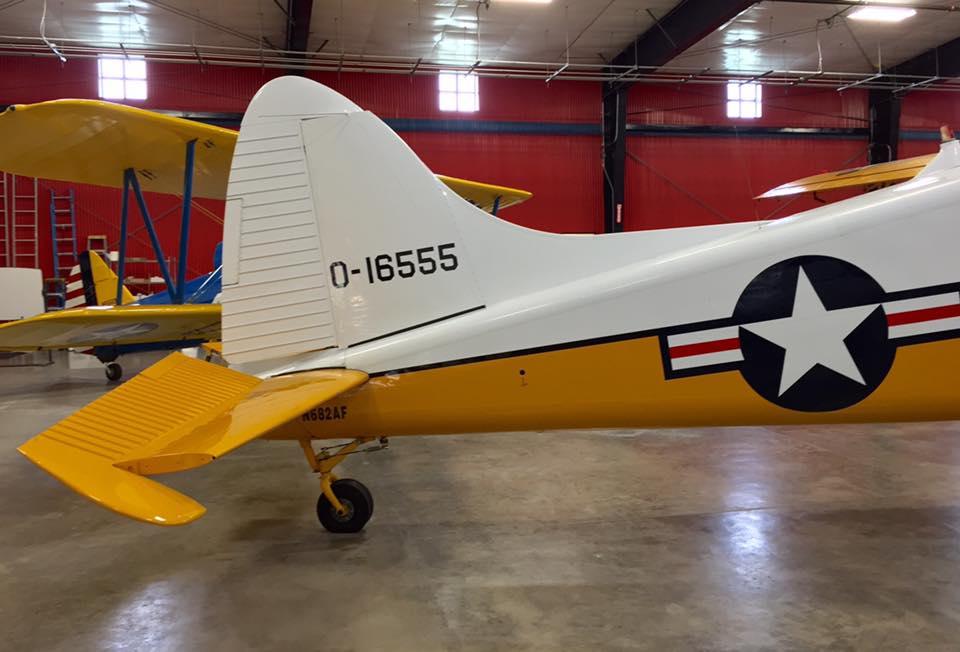
The Beaver was introduced into service in 1948. The Ontario Department of Lands and Forests had considerable input into the final design and configuration, which was to have the capability of easy conversion from wheels to floats to skis. During the 1958 expedition to the South Pole by Sir Edmund Hillary (a former navigator with the Royal New Zealand Air Force – “RNZAF”), a Beaver of the RNZAF was used as a support aircraft. In 1962, the Beaver was redesignated the U-6A. Over 1,692 Beavers were built during its production run from 1948-1968 and 968 went to the U.S. Army and U.S. Air Force.
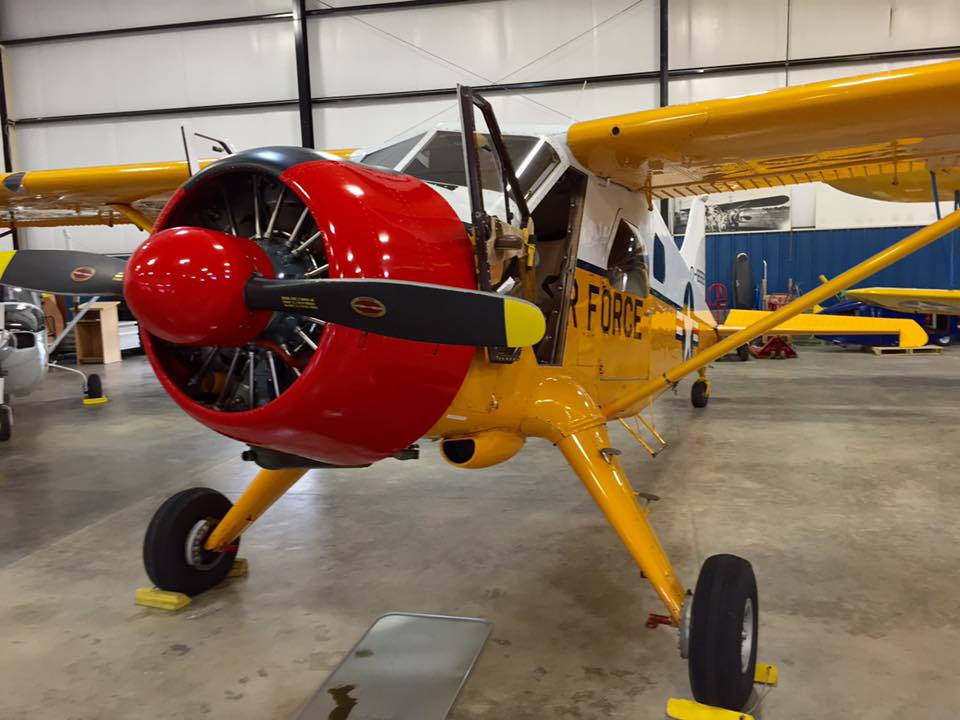
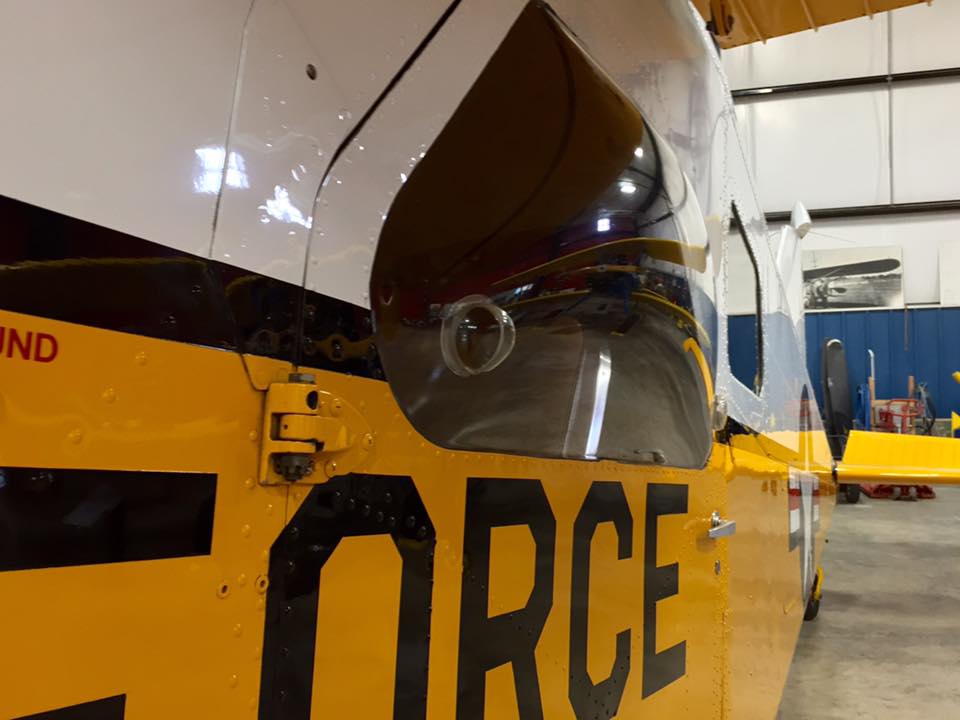
It also served as a military liaison, utility, reconnaissance, including mapping and photographic recon, radio relay, search and rescue, and light transport aircraft, light supply drop, and light bombing, and was flown during the Korean War and the Vietnam War. The first deployment of Beavers to Southeast Asia was in 1962 and were leased by the U.S. Army to Air America, Inc. under the guise of civilian aircraft (Air America was an offshoot of Civil Air Transport (CAT) which was an airline that flew airlift supply missions to Nationalist forces in China after World War II and sent its first aircraft that were destined for Laos in 1959).
They were crated to Bangkok and were “officially” based at Vientiane, Laos, but operated out of Udorn Royal Air Force Base, Thailand, in support of what was ostensibly an advisory role authorized by President Kennedy for civil the “Programs Evaluation Office” (PEO), but were operated as the uniformed “Military Assistance Advisory Group” (MAAG) with some latitude with U.S. Army Special Forces units. These units initially had code names such as “Foretell” and “Monkhood” and “Molecular” and “Footsore” or simply the name of the unit’s leader and were all then placed under the name “White Star Mobile Training Teams” (WSMTTs), which trained Laotian military and irregular forces and in guerrilla and anti-guerrilla operations.
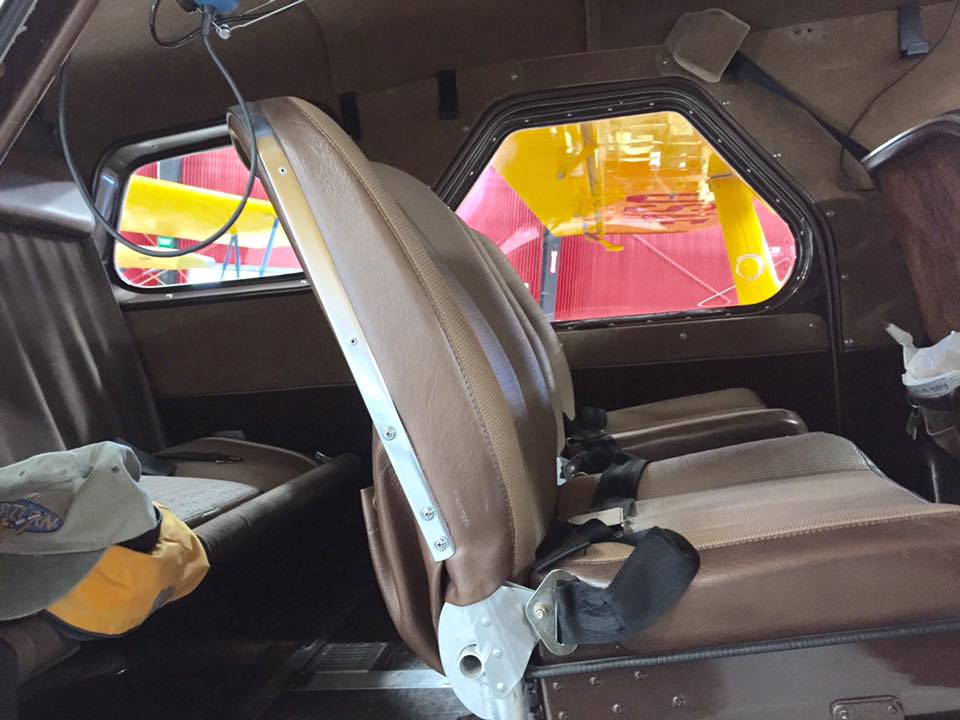
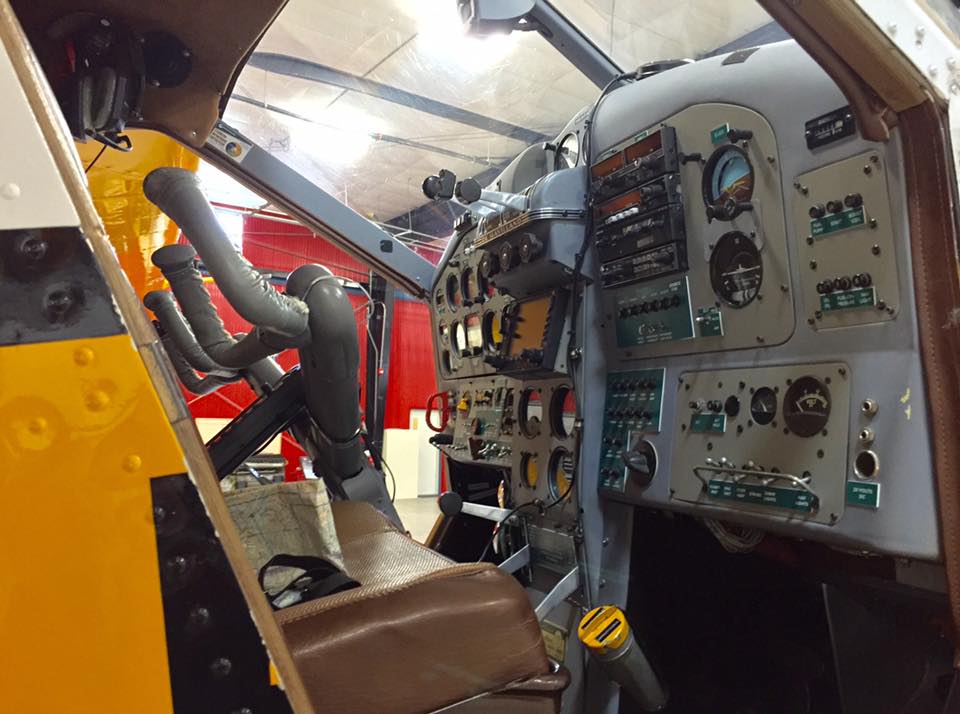
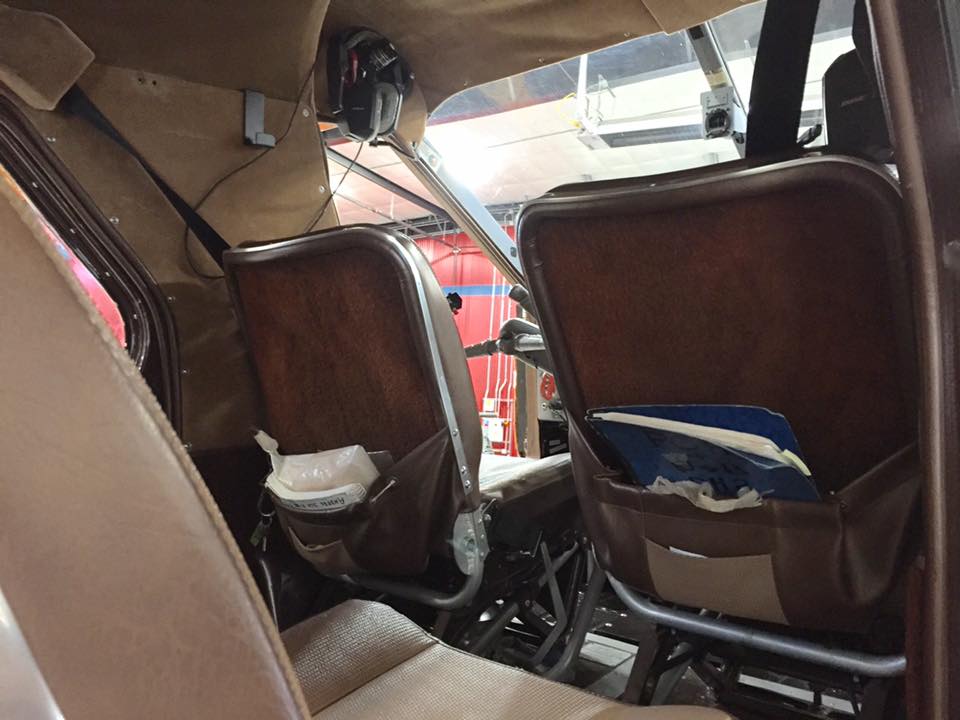
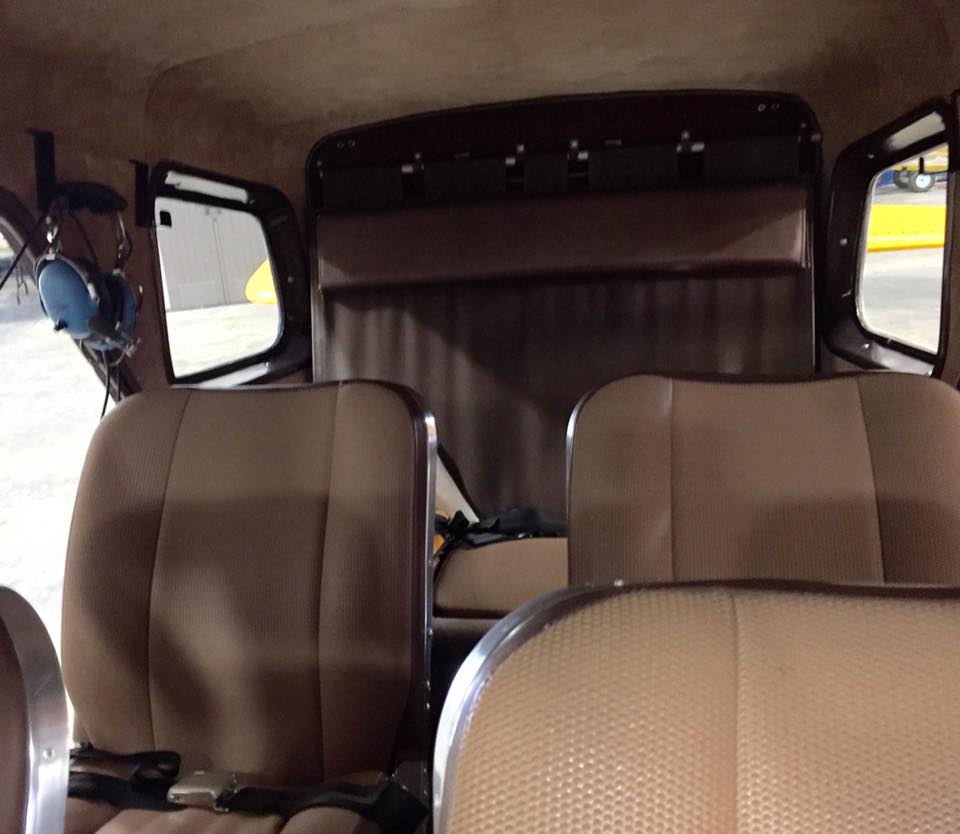
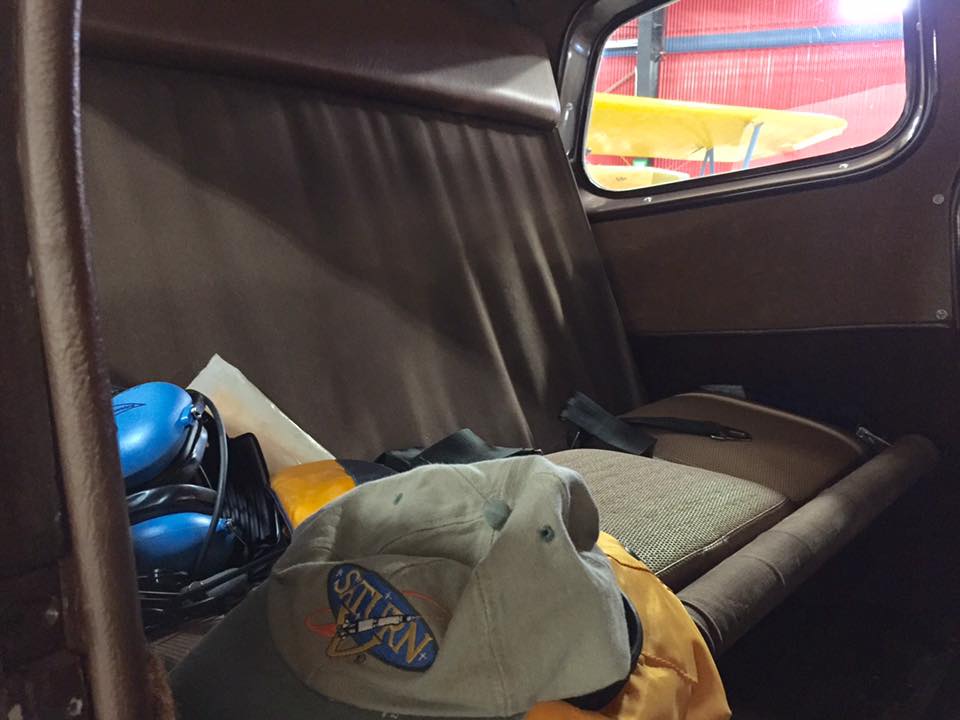
Its wide landing gear stance made it especially useful in off-field operations. Usually powered by a Pratt & Whitney R-985 Wasp Jr. radial engine. In its military configuration, it was capable of carrying 250 lb. bombs or chemical tanks on under-wing racks. The front seats in some aircraft (like the one in which I rode in the right seat) have full military harnesses. The Beaver still sees (largely) civilian use in over 50 countries.
Editor’s note: This aircraft was built by de Havilland Canada as construction no. 1143 on contract for the US Army as an L-20A liaison aircraft and delivered to the U.S. Army as serial number 56-0412 on November 8, 1957. In 1962, the aircraft was reclassified as a U-6A as part of the U.S. Department of Defense’s efforts to standardize aircraft designations across the branches of the U.S. military. By April 1974, U-6A Beaver 56-0412 was placed in storage at Davis-Monthan Air Force Base but was sold to the North Carolian Department of Natural and Economic Resources in Raliegh, North Carolina as N90717 in August 1974. After being flown by the North Carolina Department of Forestry and later the Aviation program of Central Missouri State University, the aircraft was sold to former astronaut Frank Borman, the commander of Apollo 8, who registered the aircraft as N80157 in August 1992. In June 1995, Borman sold the aircraft to fellow Apollo 8 astronaut Major General William “Bill” Anders, who founded the Heritage Flight Museum in 1996. Anders had the aircraft repainted in the colors of the L-20A Beaver he flew while serving with the U.S. Air Force in Iceland during the late 1950s.
About the author
 Randy Malmstrom grew up in a family steeped in aviation culture. His father, Bob, was still a cadet in training with the USAAF at the end of WWII but did serve in Germany during the U.S. occupation in the immediate post-war period, where he had the opportunity to fly in a wide variety of types which flew in WWII. After returning to the States, Bob became a multi-engine aircraft sales manager and as such flew a wide variety of aircraft; Randy frequently accompanied him on these flights. Furthermore, Randy’s cousin, Einar Axel Malmstrom flew P-47 Thunderbolts with the 356th FG from RAF Martlesham Heath. He was commanding this unit at the time he was shot down over France on April 24th, 1944, spending the rest of the war as a prisoner of war. Following his repatriation at war’s end, Einar continued his military service, attaining the rank of Colonel. He was serving as Deputy Wing Commander of the 407th Strategic Fighter Wing at Great Falls AFB, MT at the time of his death in a T-33 training accident on August 21, 1954. The base was renamed in his honor in October 1955 and continues to serve in the present USAF as home to the 341st Missile Wing. Randy’s innate interest in history in general, and aviation history in particular, plus his educational background and passion for WWII warbirds, led him down his current path of capturing detailed aircraft walk-around photos and in-depth airframe histories, recording a precise description of a particular aircraft in all aspects.