

(Image credit: VAN)
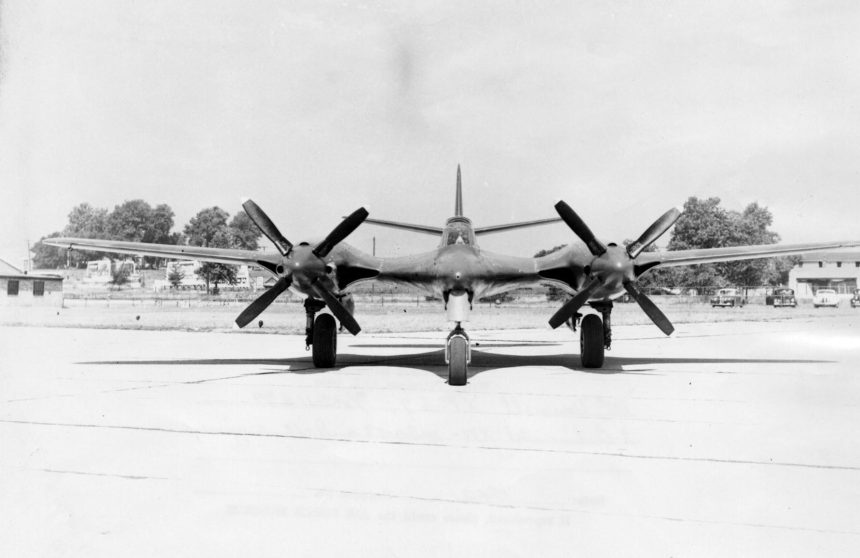
On this day in aviation history, 82 years ago (January 6, 1944), the first flight of the McDonnell XP-67 Moonbat took place. The XP-67 was a twin-engined prototype interceptor developed for the United States Army Air Forces during World War II. Intended for long-range and high-altitude missions, the Moonbat was developed in response to USAAC Proposal R-40C, which sought an interceptor to destroy enemy bombers. Given the demanding expectations of the Air Corps’ order, the design would have to be radical and “outside the box.”
McDonnell engineers developed the Model 1, which featured an Allison V-3420 engine within the fuselage. This Allison-powered twin wing-mounted pusher propellers. The Model 1 faced stiff competition from 22 other manufacturers pining to meet the USAAC’s request; it came in at 21st place. A redesign resulted in the Model 2 and eventually the Model 2A. The Model 2A featured blending wing nacelles and a traditional tractor-style twin prop setup. A trick for the McDonnell engineers was to keep the airfoil blended into the fuselage, given the Moonbat’s unique design.
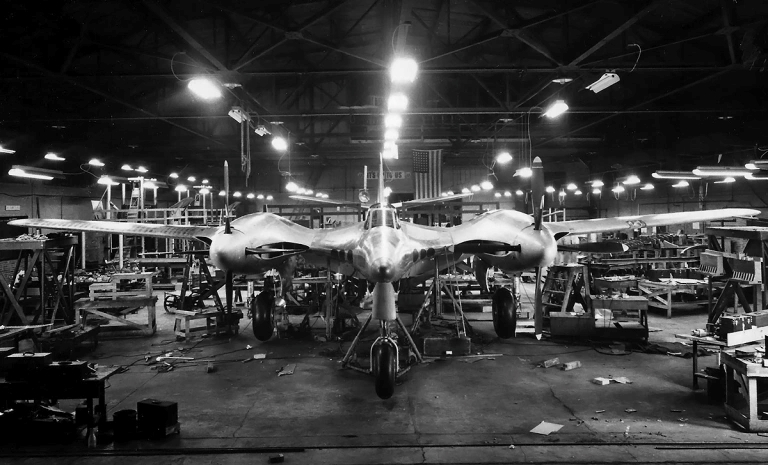
Production “P-67s” were intended to have a pressurized cockpit. Armament was to be provided by six 37 millimeter M4 cannons, though other options were explored before this decision was made. Two Continental XI-1430-1 inverted V-12 engines, each with 1,350 horsepower, were to power the Moonbat. Fitted with turbosuperchargers, the engine exhaust gases would augment thrust via the Meredith effect, similar to the P-51 Mustang. In flight testing, the XP-67 proved to be underpowered, although the aircraft handled gentle maneuvers very well.
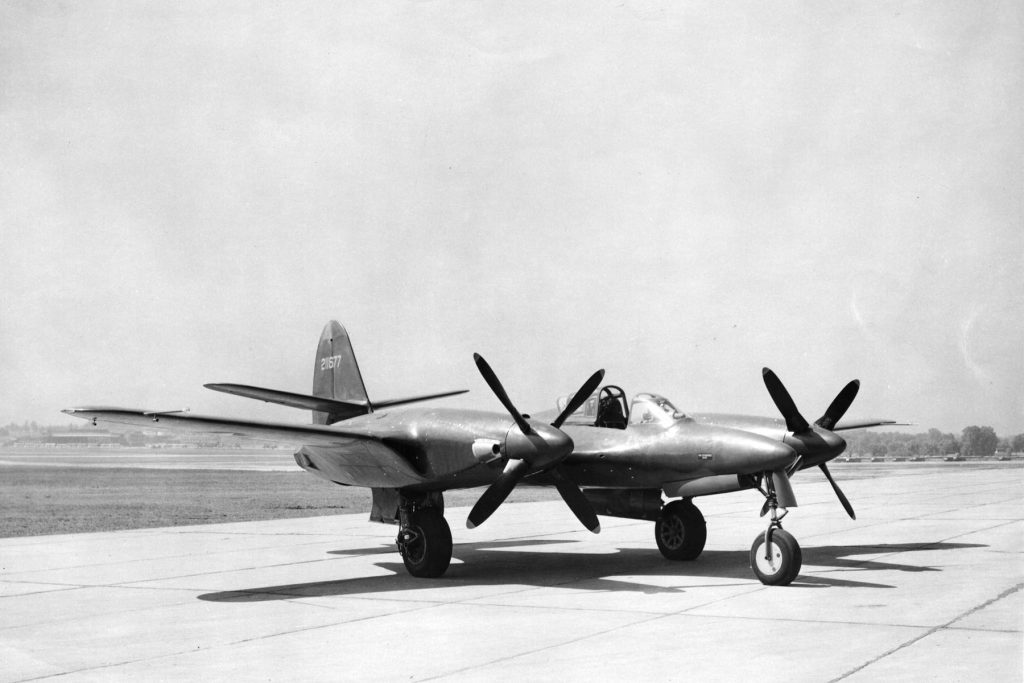
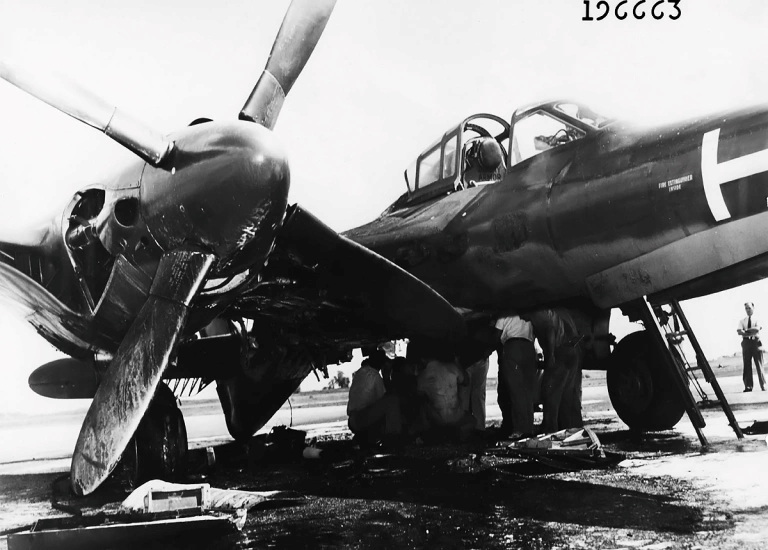
The XP-67 had a maximum airspeed of 405 mph and a cruise speed of 270 mph. The Moonbat had a range of 2,074 nautical miles and a service ceiling of 37,400 feet. A 2,600-foot-per-minute rate of climb made the XP-67 somewhat of a dog in the eyes of the USAAC brass. Additionally, the aircraft exhibited a tendency to dutch roll and had poor early stall characteristics. Test pilots refused to spin the airplane, given how “squirrely” the Moonbat was in slow flight and stall recovery. Despite several reworks and modifications, the XP-67 was unable to meet expectations. The sole-built Moonbat was destroyed on September 6, 1944, after one of the engines caught fire, and pilot E.E. Elliot was forced to make an emergency landing at Lambert Field in St. Louis, Missouri. The Moonbat was ultimately cancelled, bringing a sad ending to a very intriguing aircraft.