
(Image credit: VAN)
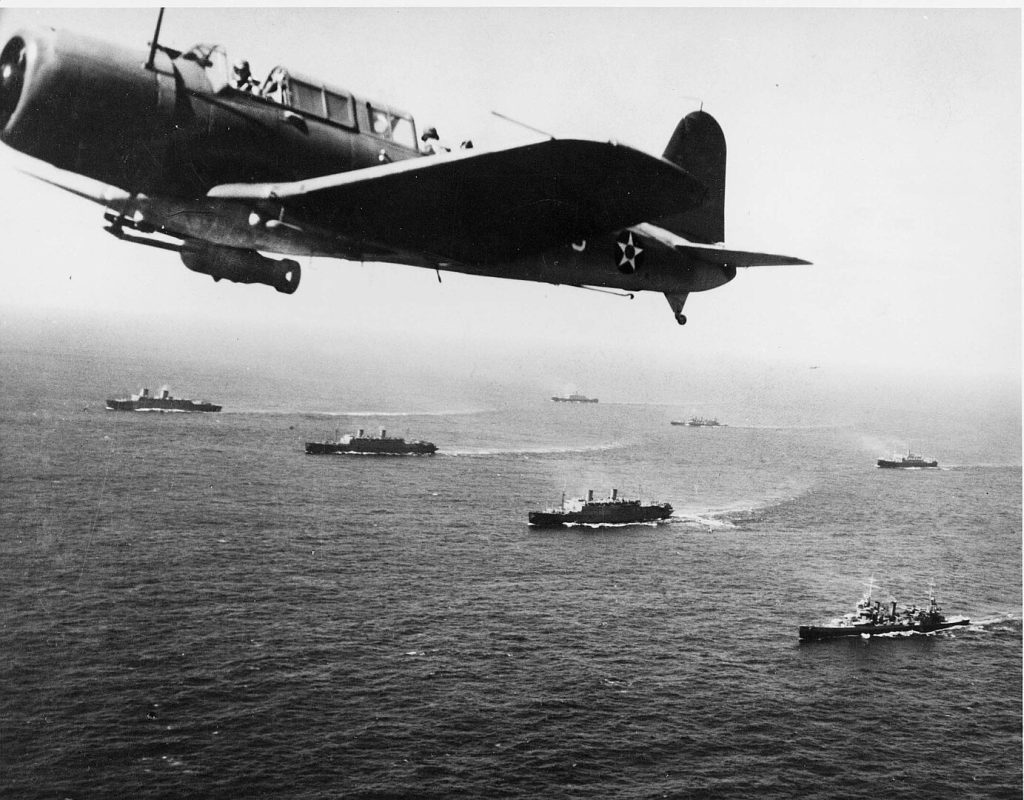
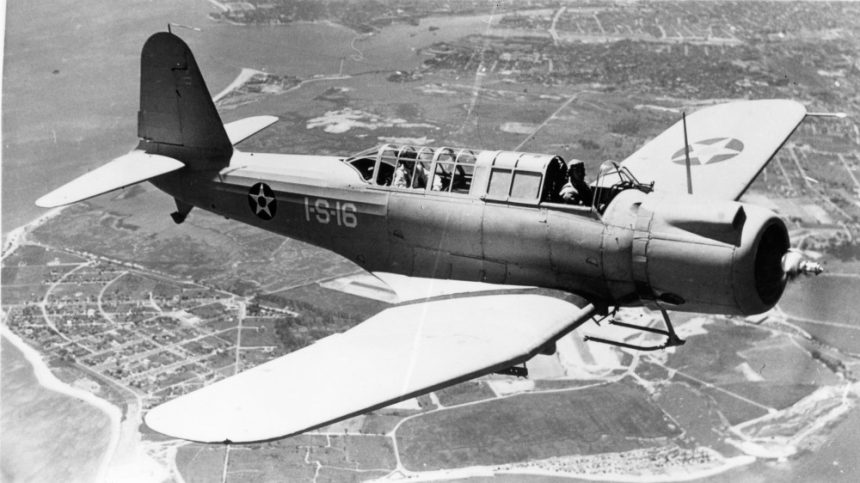
On this day in aviation history, 89 years ago (January 4, 1936), the Vought SB2U Vindicator flew for the first time. The SB2U was a carrier-based dive-bomber developed by Vought Aircraft for the United States Navy during the interwar years. Vindicators were the first monoplane aircraft to fill the role of dive-bomber, which had previously only been flown by biplanes. SB2Us served early on in World War II, remaining in service through the Battle of Midway. By 1943, all Vindicators had been relegated to training squadrons.
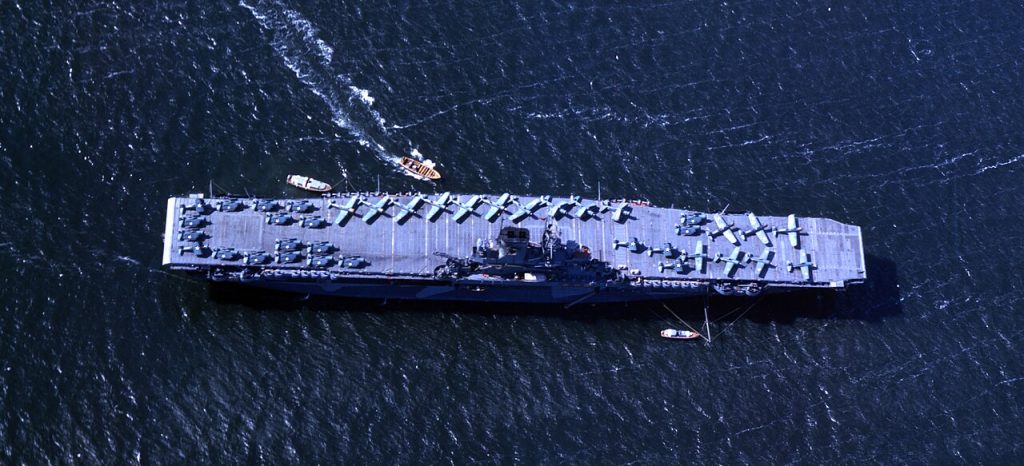
Design of the SB2U began in 1934 after a requirement issued by the US Navy for a new low-wing monoplane and/or biplane dive-bomber. Vought submitted two designs, the XSB2U-1 monoplane and the XSB3U-1 biplane dive-bombers. Vought’s XSB2U-1 beat out the competing Brewster XSBA-1, Curtiss XSBC-3, Great Lakes XB2G-1, Grumman XSBF-1 and Northrop XBT-1 prototypes in testing. On October 6, 1938, an order was placed for 58 modified SB2U-2 dive-bombers. Vindicators were delivered to the US Navy in December 1937. The aircraft would go on to serve with the US Navy, US Marine Corps, and the French Royal Navy in the lead-up to World War II.
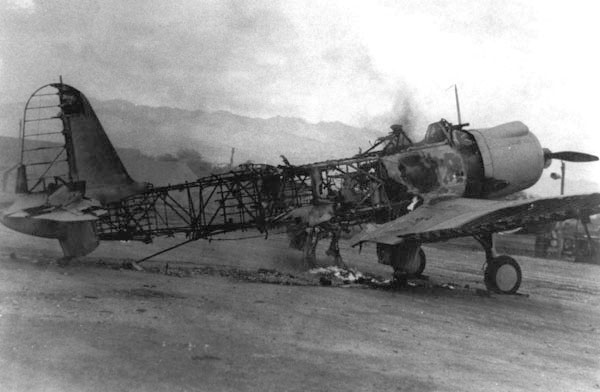
The Vought SB2U-3 was powered by a Pratt & Whitney R-1535-02 Twin Wasp Jr 14-cylinder radial engine, which produced 825 horsepower at takeoff and 750 continuous horsepower in flight. The Vindicator had a cruise speed of 152 mph, but could attain a maximum airspeed of 243 mph in a dive. SB2U-3s had a range of 970 nautical miles and a service ceiling of 23,600 feet. Vought built 260 Vindicators during the aircraft’s production run, and only one survives today. SB2U-2 Vindicator b/n 1383 can be seen at the National Naval Aviation Museum at NAS Pensacola, Florida.