
USAAF Antisubmarine Operations in World War Two by Alan C. Carey, reviewed by Joe May, available on Amazon.
Readers know that World War II’s (WWII) submarine war was drawn out, ugly, and desperate. Desperate for the Allies in early WWII, then desperate for the Kriegsmarine as the war continued to be prosecuted. Ships set afire and sunk. Aircraft lost at sea without a trace. Submarines imploded as they settled below their crush depth. Men lost at sea, killed and wounded—almost too many men, and too many ships, to count.

That is how their story is usually told, but the details matter and are often left out—authors letting numbers tell the story. This oversimplification denies readers the extraordinary efforts made by the countries of Great Britain, the United States, and Nazi Germany. Also, the brilliant decisions, inspired feats, as well as the mistakes made in good faith (but in error nonetheless). Sixteen-book veteran author Alan C. Carey remedies these omissions with USAAF Antisubmarine Operations in World War Two. It is not limited to only the US Air Force, but also delving deeply into the U.S. Navy’s (USN) approach, as well. And what a story of tragedy and drama this is.
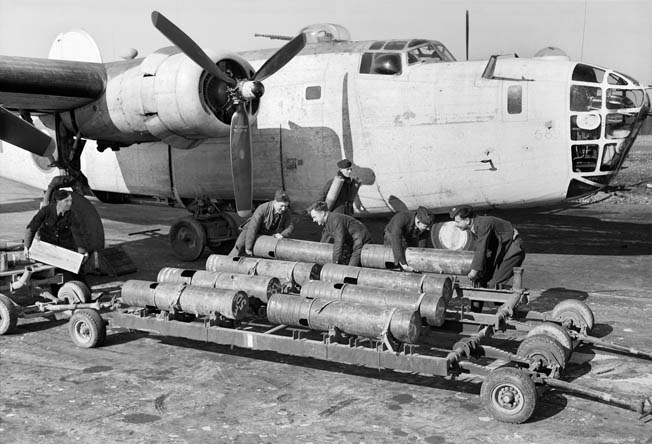
The USN was slow to learn, inexplicably slow, from England’s WWII experience—much less the USN’s lessons learned during World War I. It was several months before convoys became routine, and when they did, this book illustrates the great divide of strategic approaches between the USAAF and the USN. Carey explains this quite well, especially the relevance of Admiral King (USN) and General Arnold (USAAF). These officers of each command were assigned to antisubmarine duties and had greatly different strategies in mind, as Carey shows quite well. The Navy wanted aircraft providing convoy defense by way of close escort. The Army Air Forces wanted offensive long-range patrolling far out ahead of the convoys. Curiously, and paradoxically, the same USAAF did not at first deem fighter sweeps ahead of heavy bomber formations targeting Europe a proper strategy, instead wanting “close escort”—until General Doolittle changed that practice, and changed the war. Carey is pragmatic and researched this dimension in view of his military expertise and understanding. He shows readers the Navy lacked long-range aircraft early on, and the USAAF was loath to let any of their quota go elsewhere. A turf war of sorts, but the USAAF had Europe and Nazi Germany as its priority, whereas the Navy had the Pacific and Imperial Japan as its priority. Additionally, both the USAAF and the USN were caught on the back foot with the entry of the United States into World War II.
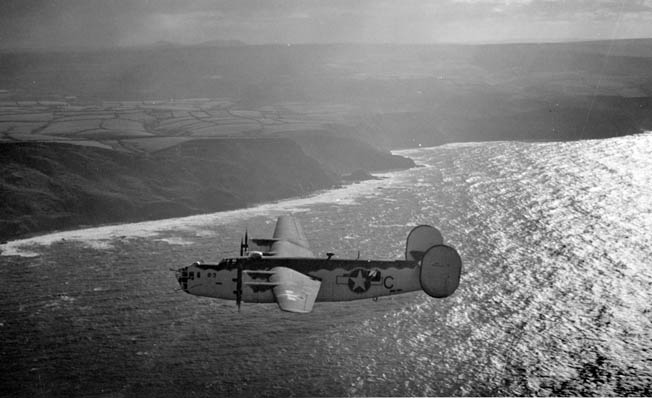
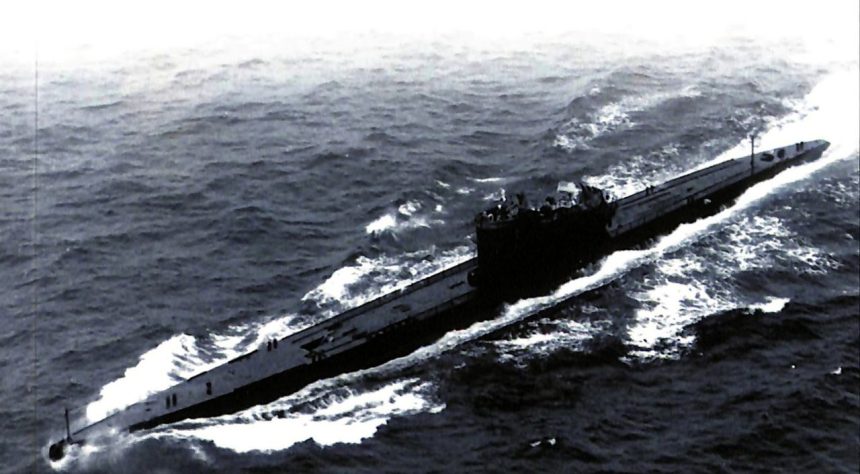
The story of the USAAF and the USN surviving the early phase of WWII, improvising at first, then ultimately emerging victorious over the Kriegsmarine U-Boat menace, is a complex tale of events, experience, technology, and command personalities. Casey has made this key portion of WWII’s history understandable, as well as having readers comprehend the incredible relevance of these antisubmarine operations against Nazi Germany. Additionally, Casey has not forgotten to include the human dimension. The boredom of patrol, the excitement of the hunt as well as being hunted, sacrifice, isolation, and celebration, aircrews, as well as submarine crews, were lost at sea. The feel of war is nearly palpable in the book. Readers seeking glory or bias best go elsewhere—USAAF Antisubmarine Operations in World War Two is accurate and precise, not propaganda.
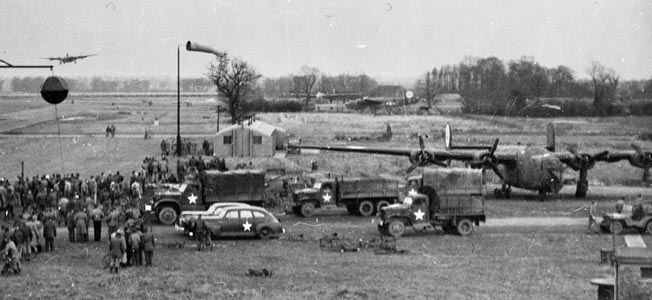
Casey uses maps to show the operational areas and theaters. He also uses an amazing array of images, many of his own, having also sourced them from multiple archives. The text is straightforward, clear, succinct, and accurate. A few word choices, only a few, are curious but are also insignificant. Rather like not driving a sports car because it is the wrong shade of red—simply irrelevant. The index, endnotes, and bibliography are all well done—matching the production quality of the book with its excellent image resolution, bright white stock, and semi-gloss finish of the pages within.
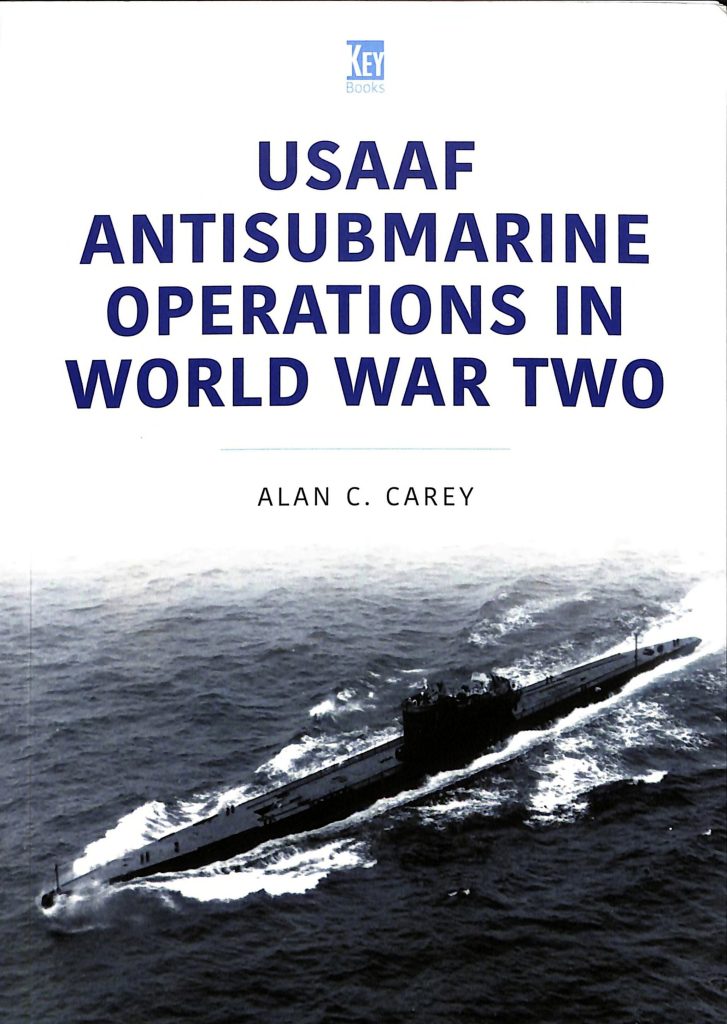
USAAF Antisubmarine Operations in World War Two is a required title in any WWII history section as well as naval strategy studies for its unfettered description of a significant but usually poorly addressed untold dimension of the U.S. military’s experience combating the U-Boat menace of the Kriegsmarine in WWII.
|
Hardcover Publisher: Key Publishing Year Published: 2024 9.5” x 6.5” Index ✔︎ Bibliography ✔︎ Notes: endnotes Photos (many) Cost: £16.99/$25.95 ISBN 978 1 80282 867 2 93 pages Available on Key Publishing |