
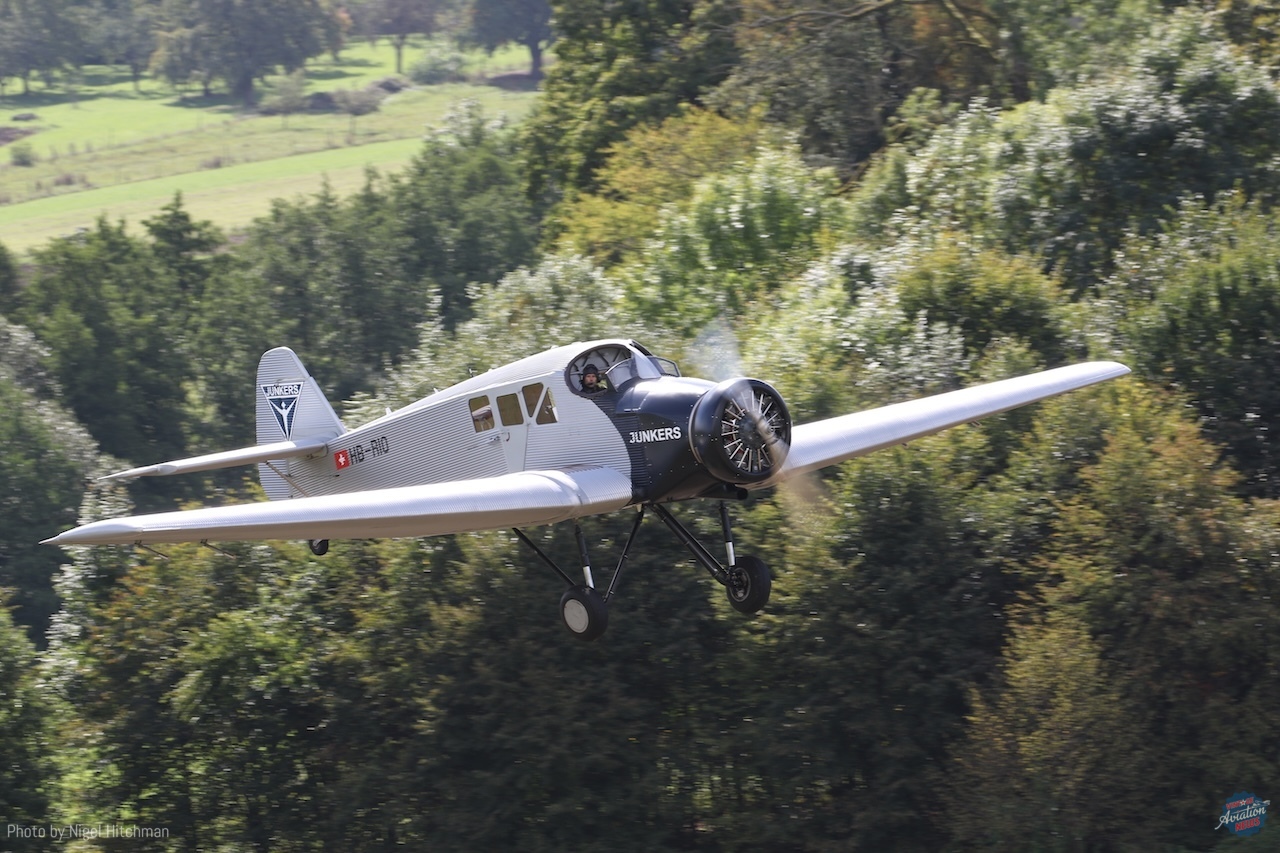
Part two of the fabulous Old Timer Fly-In at Hahnweide, near Stuttgart, Germany, took place September 12–14, 2025. It was probably the largest gathering of “interesting” vintage aircraft in the world this year, with around 250 vintage aircraft of a wide variety of types. While there were many more aircraft in the “vintage” parking at Oshkosh, if you exclude all the “modern” post-1955 Cessnas, Pipers, Mooneys, Beechcraft, and similar types, there would not be many more comparable aircraft. When the first “Oldtimer-Fliegertreffen” was organised at Hahnweide Airfield by the members of Fliegergruppe Wolf Hirth e.V. in 1981, it was a vintage aircraft fly-in. Even when I first visited in 1991, it was much the same, with a Red Bull Corsair and a P-51 from Switzerland being the only warbird fighters, alongside a couple of Harvards. Over the years, warbird attendance has grown, but thankfully so has the presence of interesting vintage aircraft, with an amazing array of different types from across Europe, as well as a growing number of U.S.-manufactured vintage aircraft.
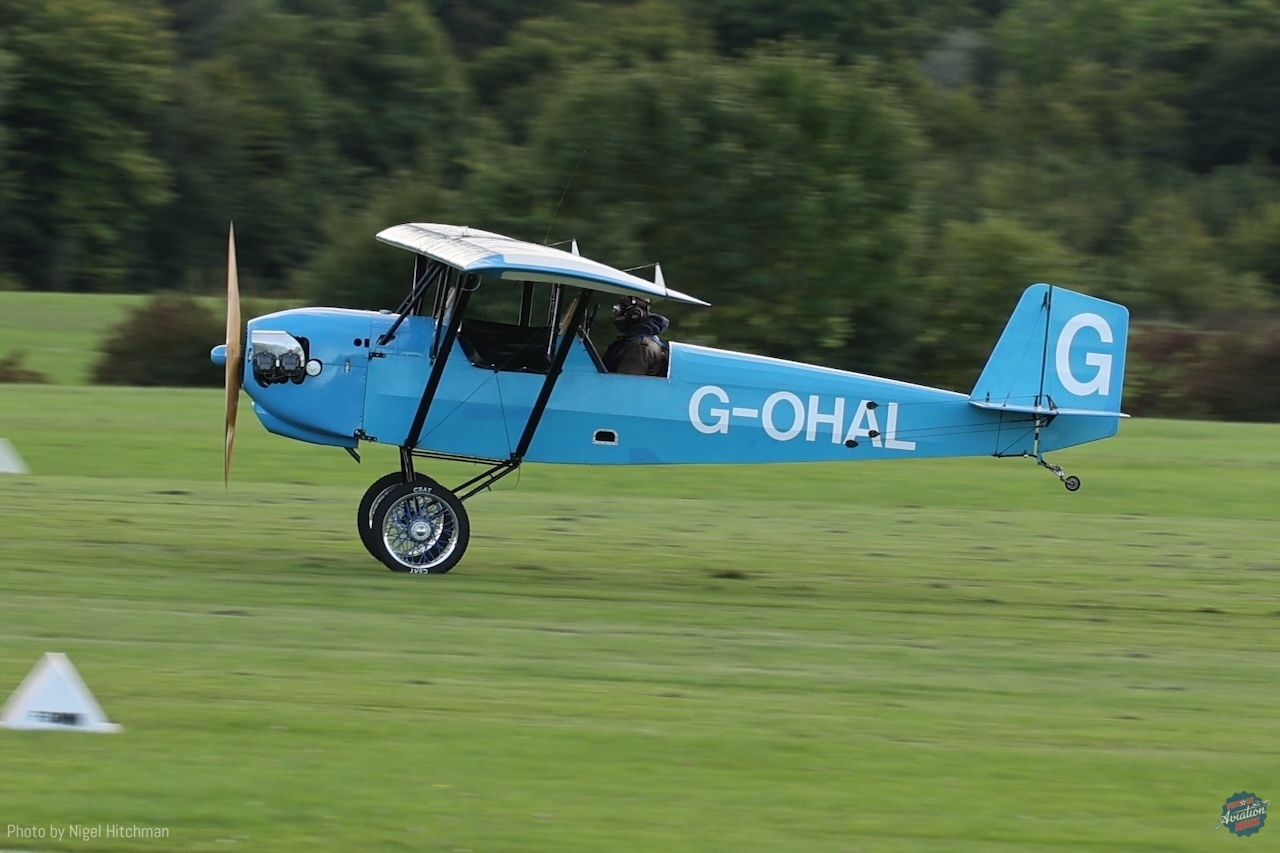
Despite the weather being less than ideal this year, the first five arriving aircraft were all long-distance travellers from England. They were soon joined by arrivals from across Europe, including Sweden, Denmark, Spain, the Czech Republic, Austria, France, Slovakia, and Switzerland. A number of aircraft were forced to cancel due to the weather, particularly those coming from the Berlin area. Thursday afternoon was busy with arrivals, and Friday remained active most of the day, interspersed with practice displays. For me, Friday is always the best day, as you never know what will appear next, and you also see many vintage aircraft landing that are not part of the formal flying display.
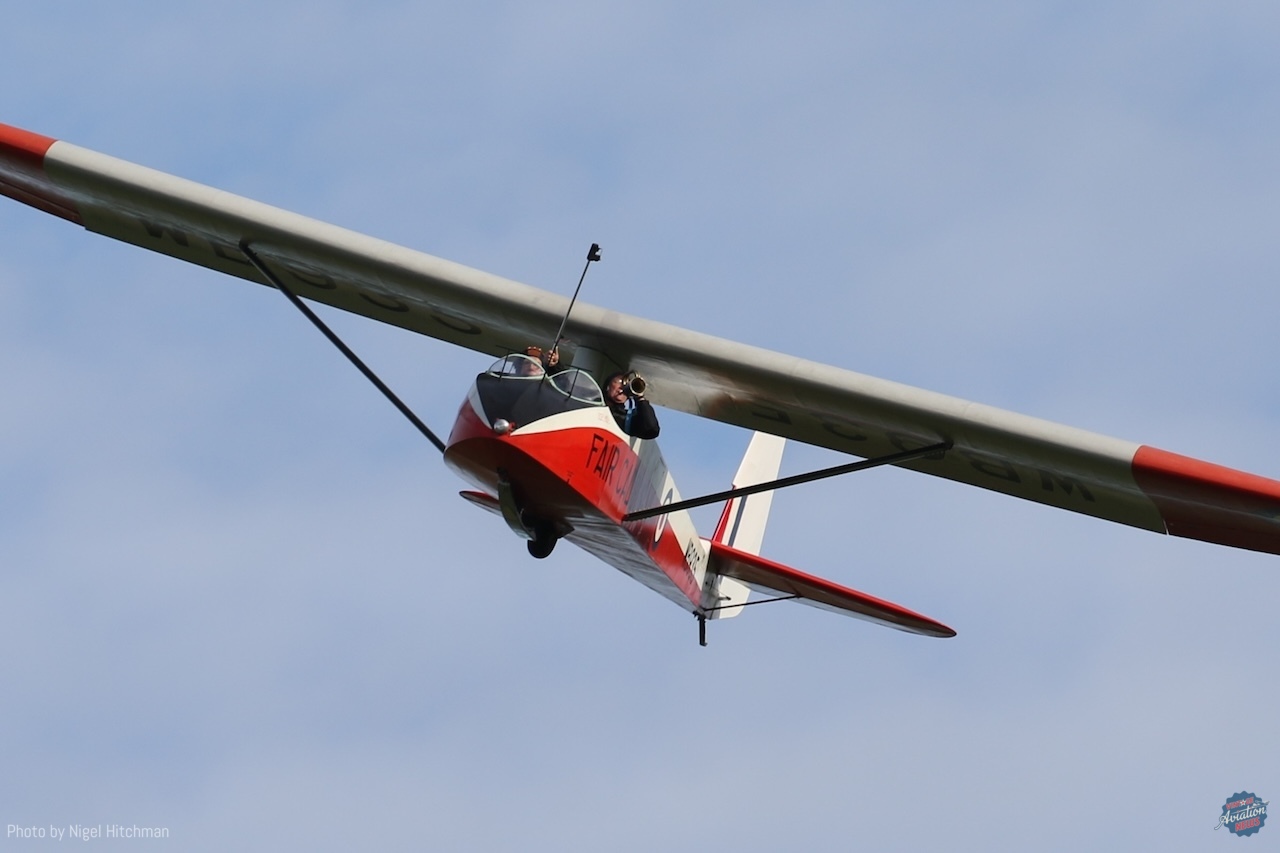
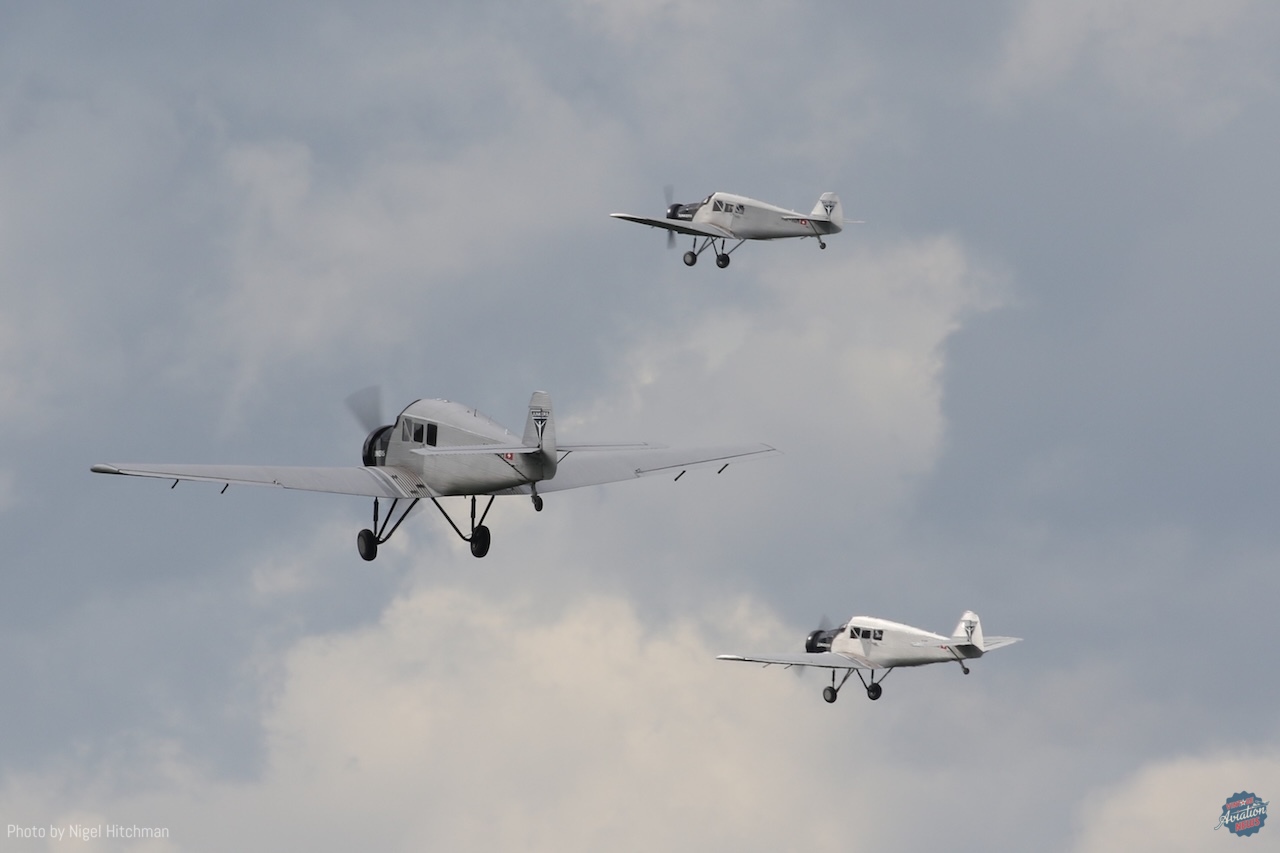
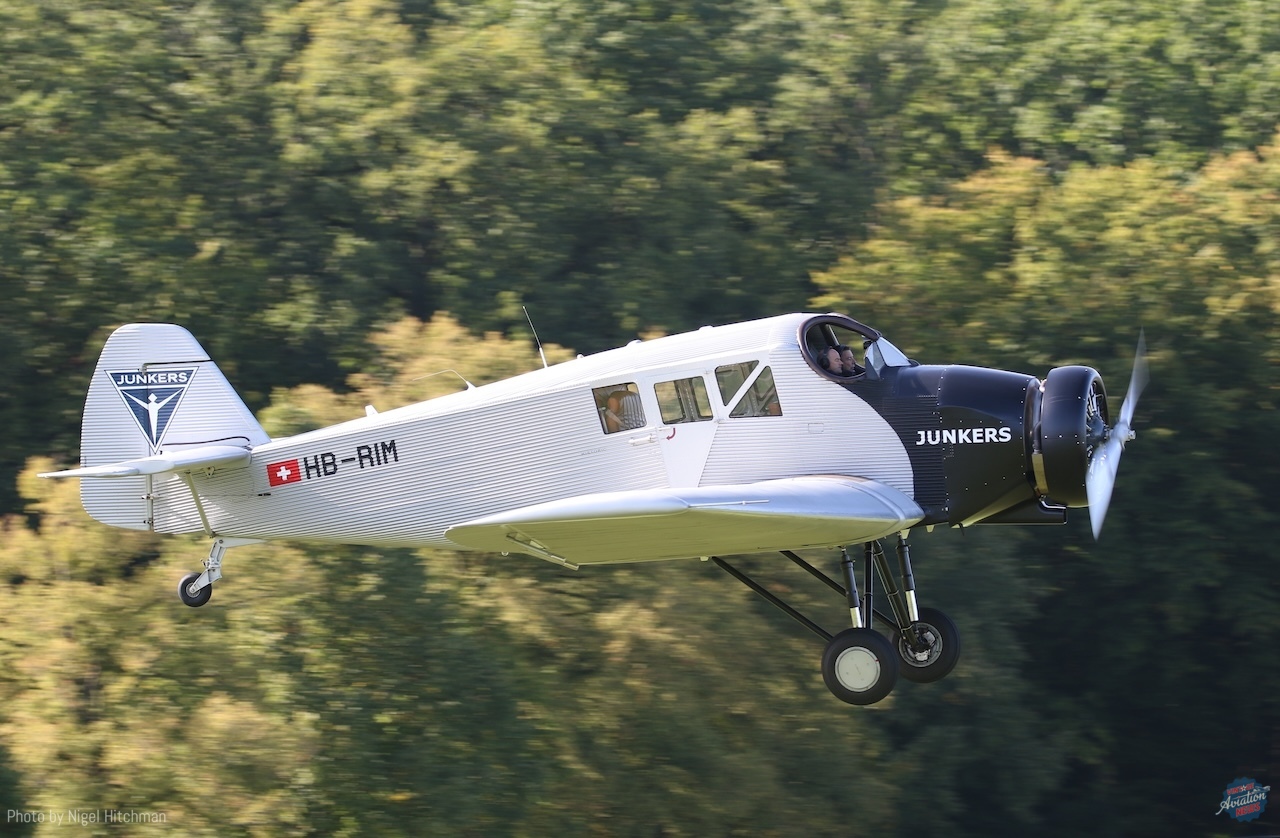
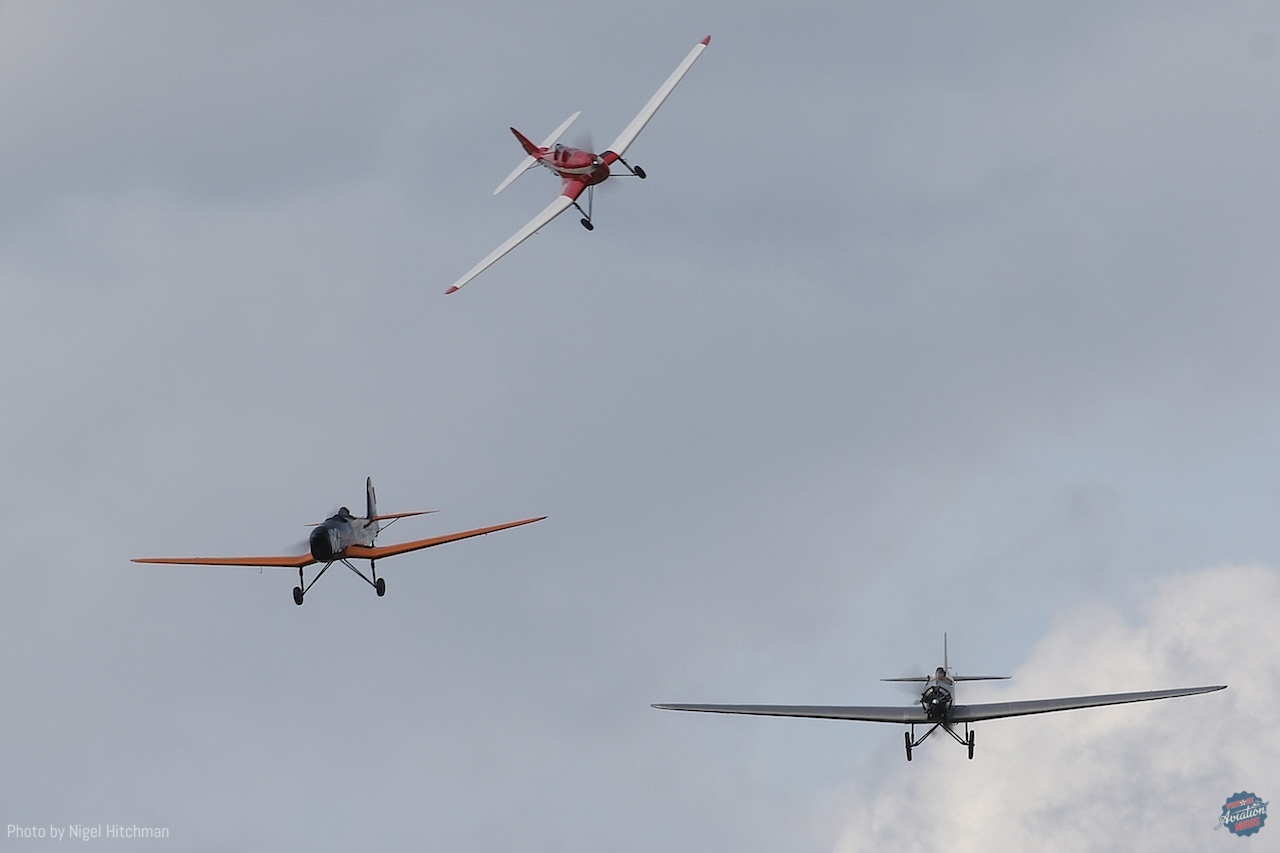
On Friday mid-morning, the club’s Slingsby T.21 Sedburgh was towed aloft, and the bugler played the traditional opening from the open cockpit as the aircraft glided over the field and landed. The three Junkers F-13s offering passenger rides arrived early and remained busy all weekend, flying consistently as a formation of three—a real treat for the passengers. Fantastic arrivals continued throughout the day, with perhaps the best appearing almost last: the fabulous KZ.IV, which drew cheers from many spectators as it appeared in the distance.
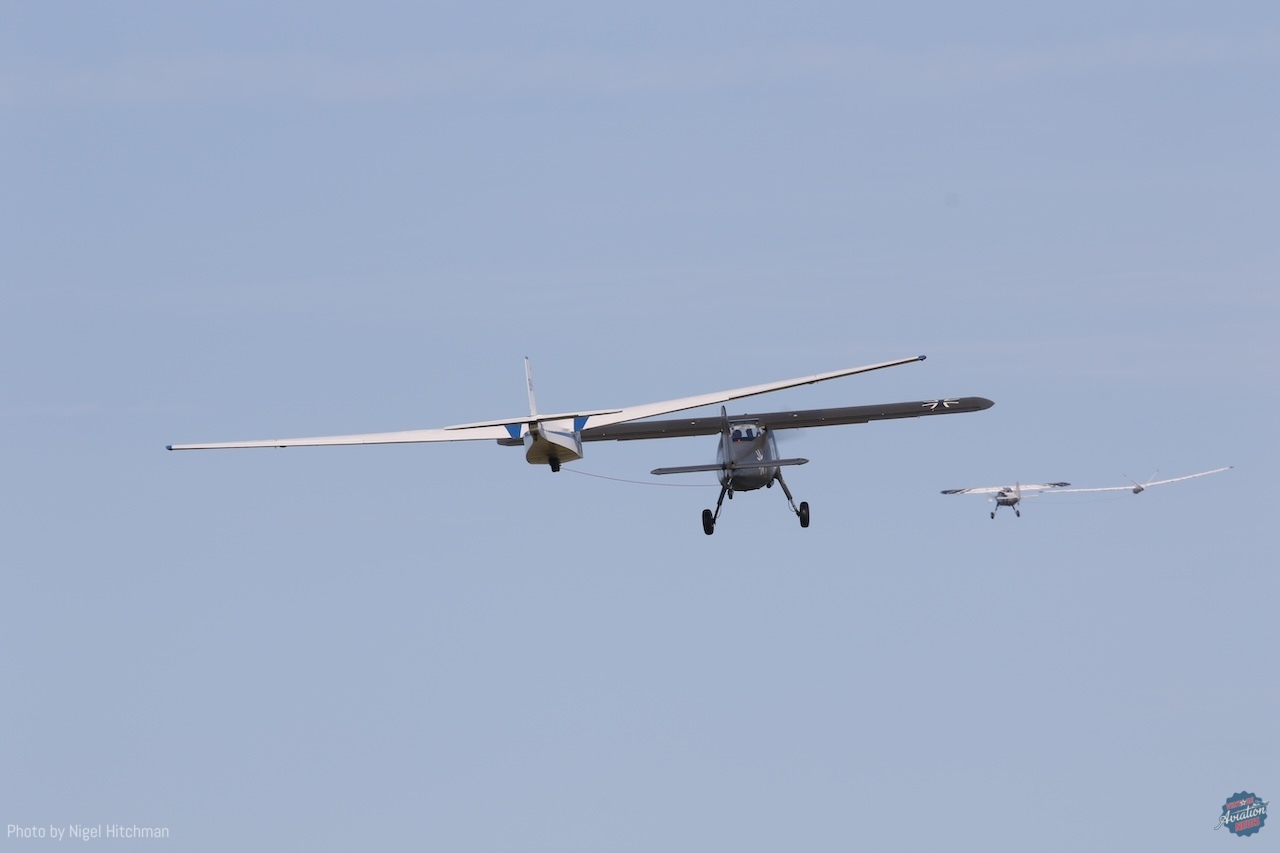
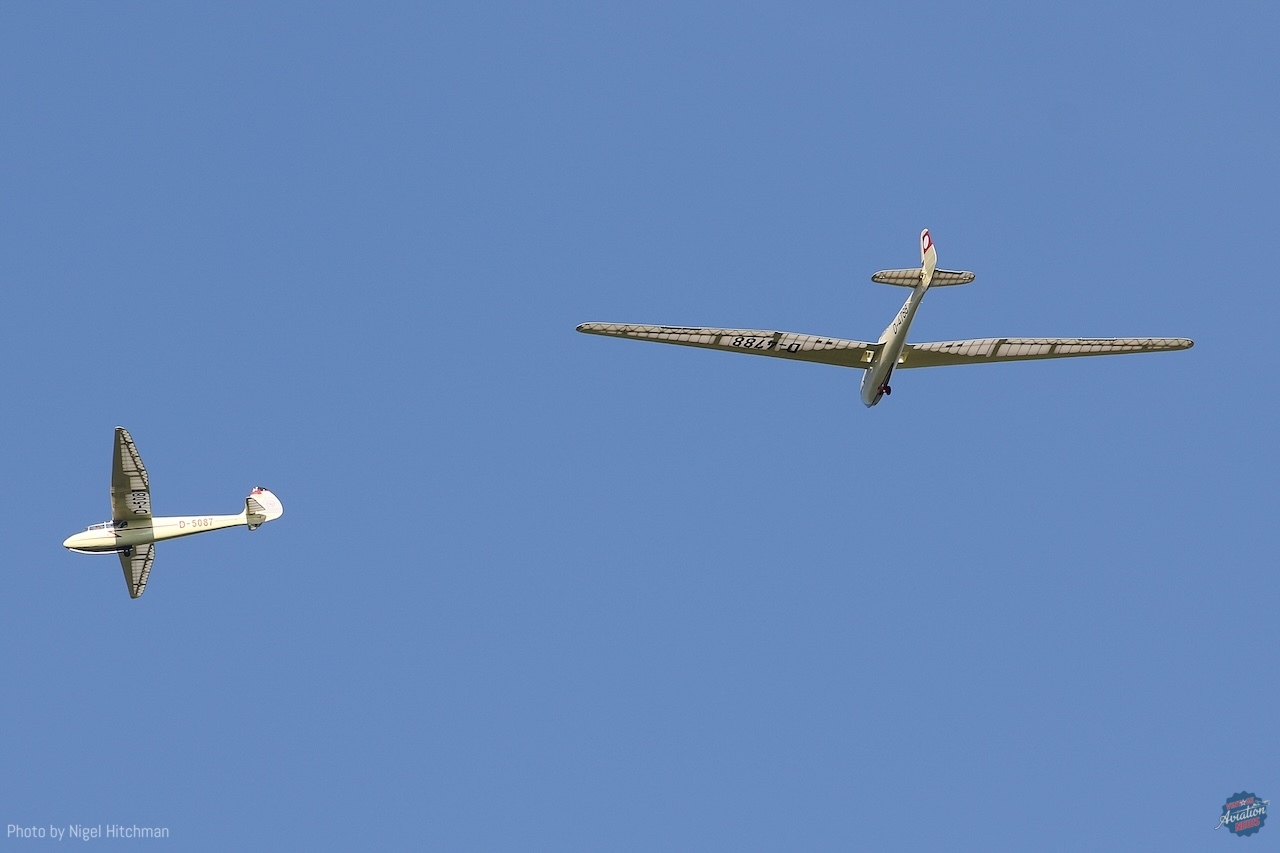
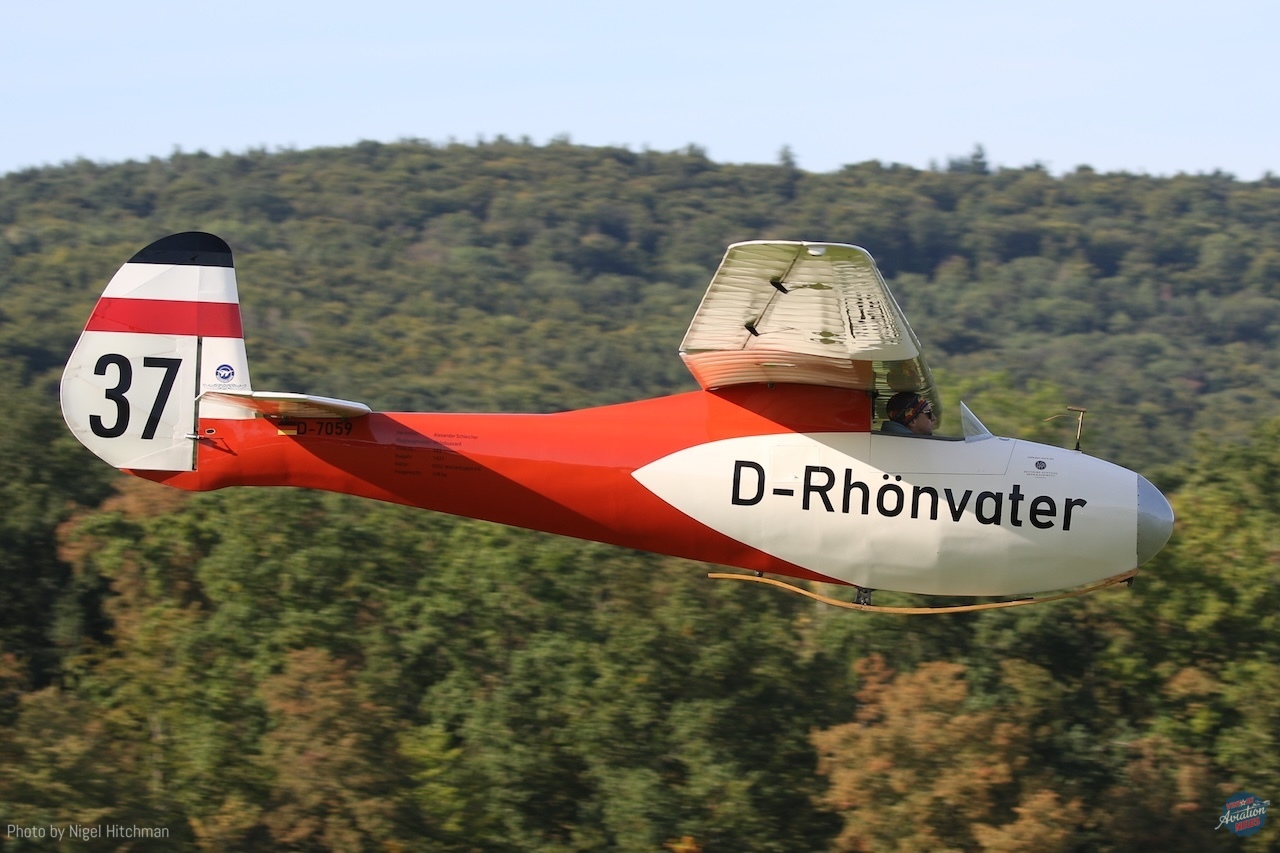
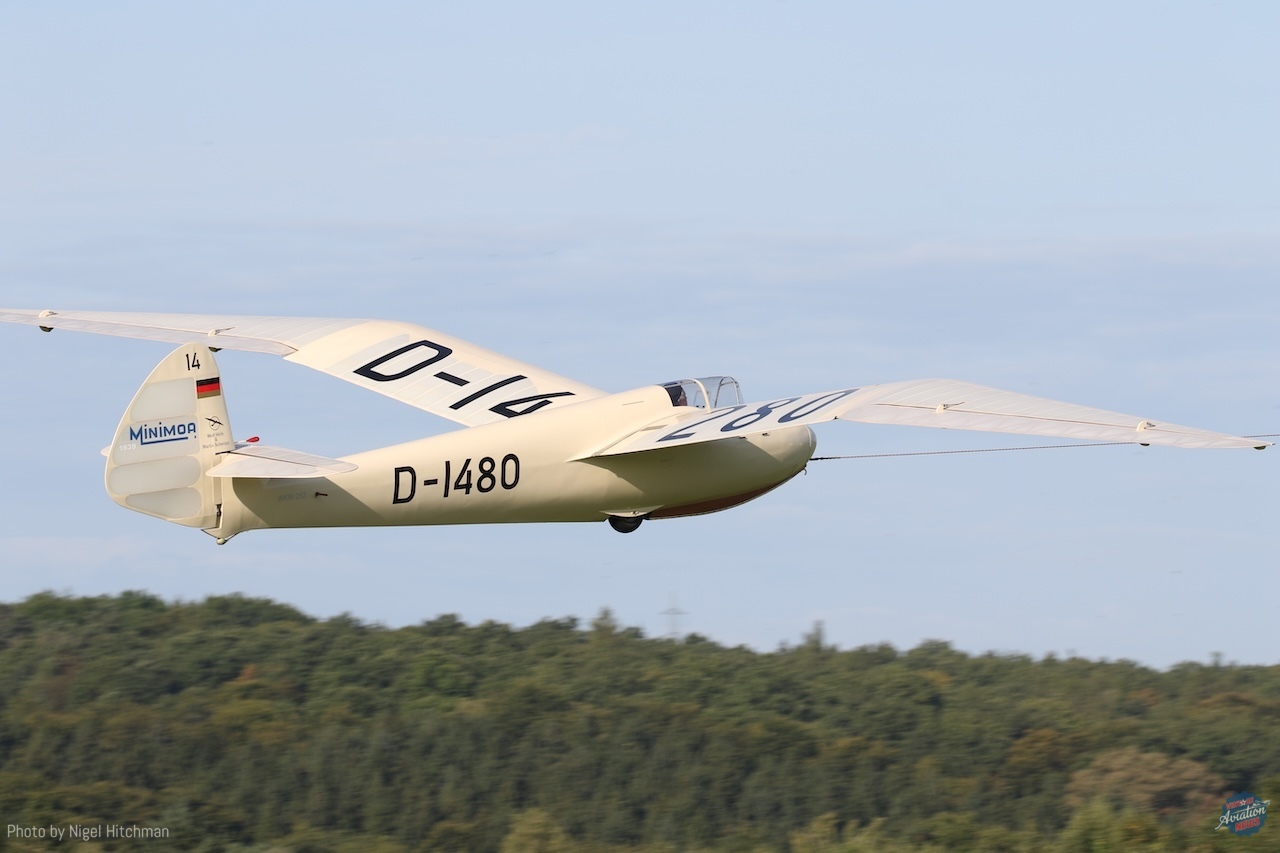
On Saturday morning, the vintage gliders were lined up on the runway. Around twelve were towed simultaneously by a variety of tugs, including Dornier 27s, a Zlin 226, and even a modern Bristell, mixed in with the majority of Super Cubs. It was impressive to see all the vintage gliders flying together before landing one after another.
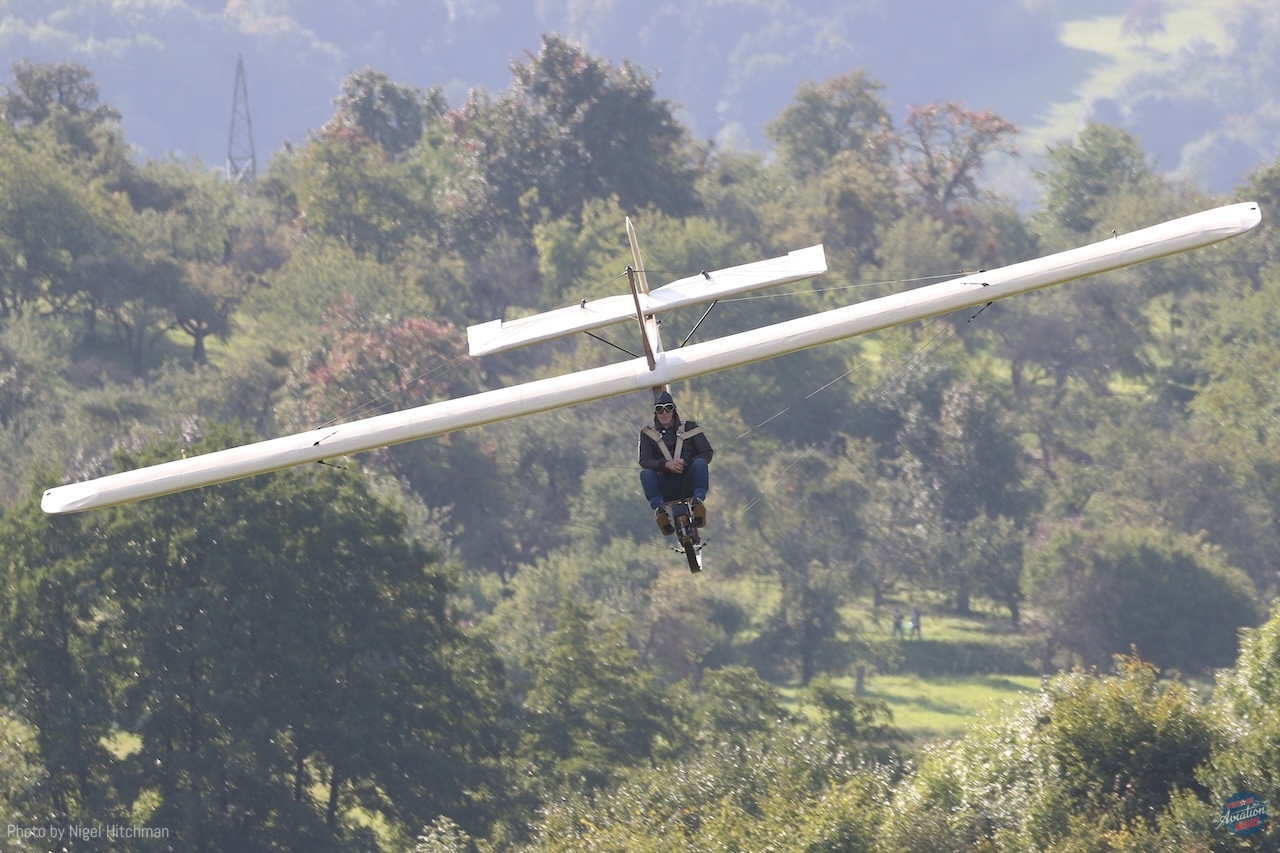


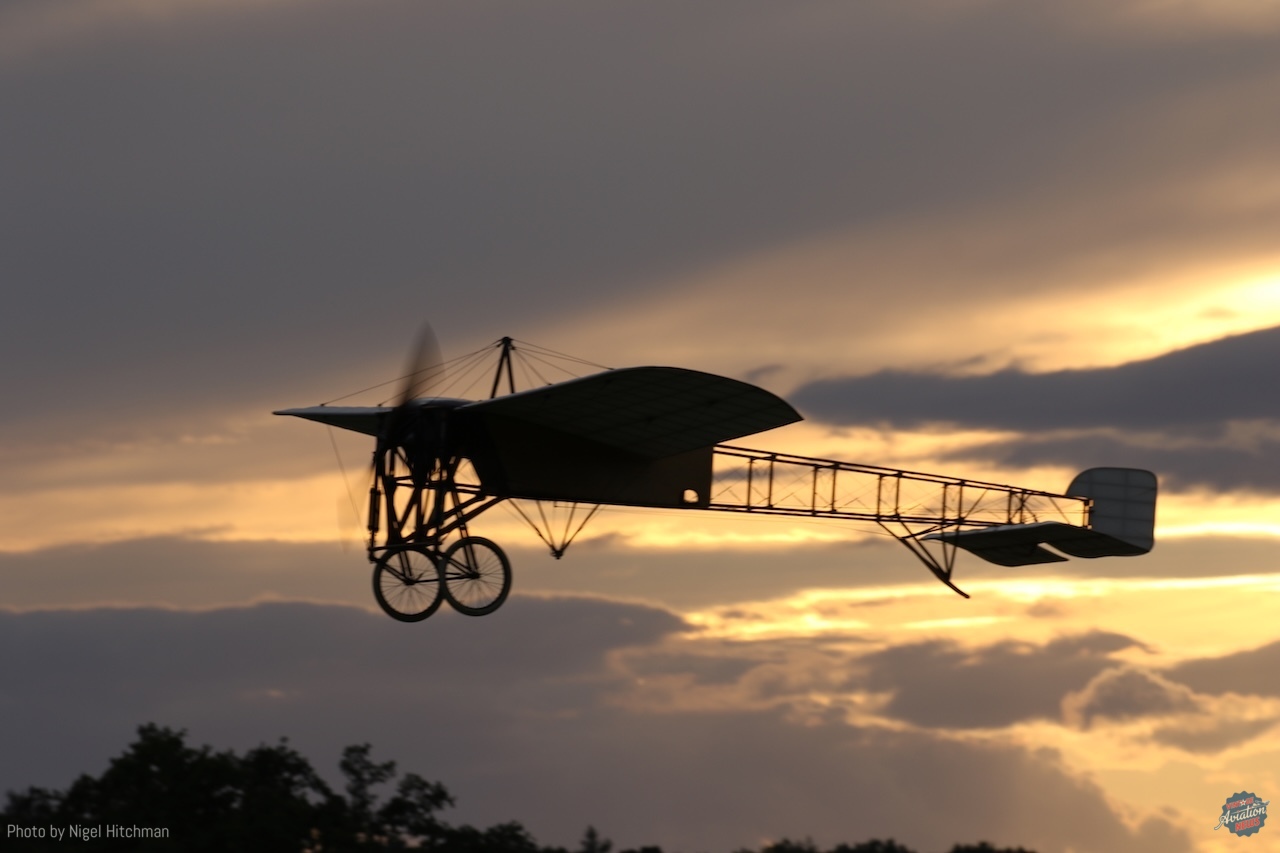
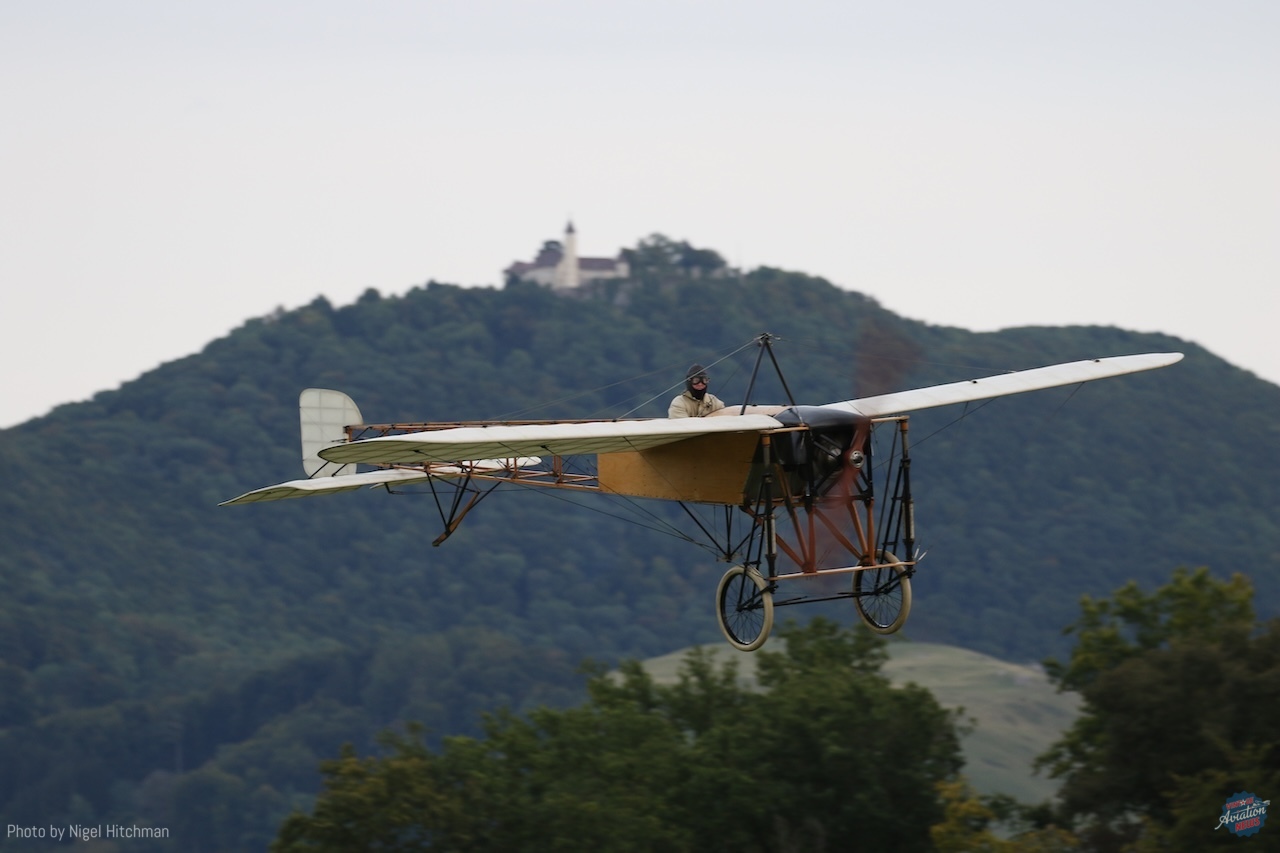
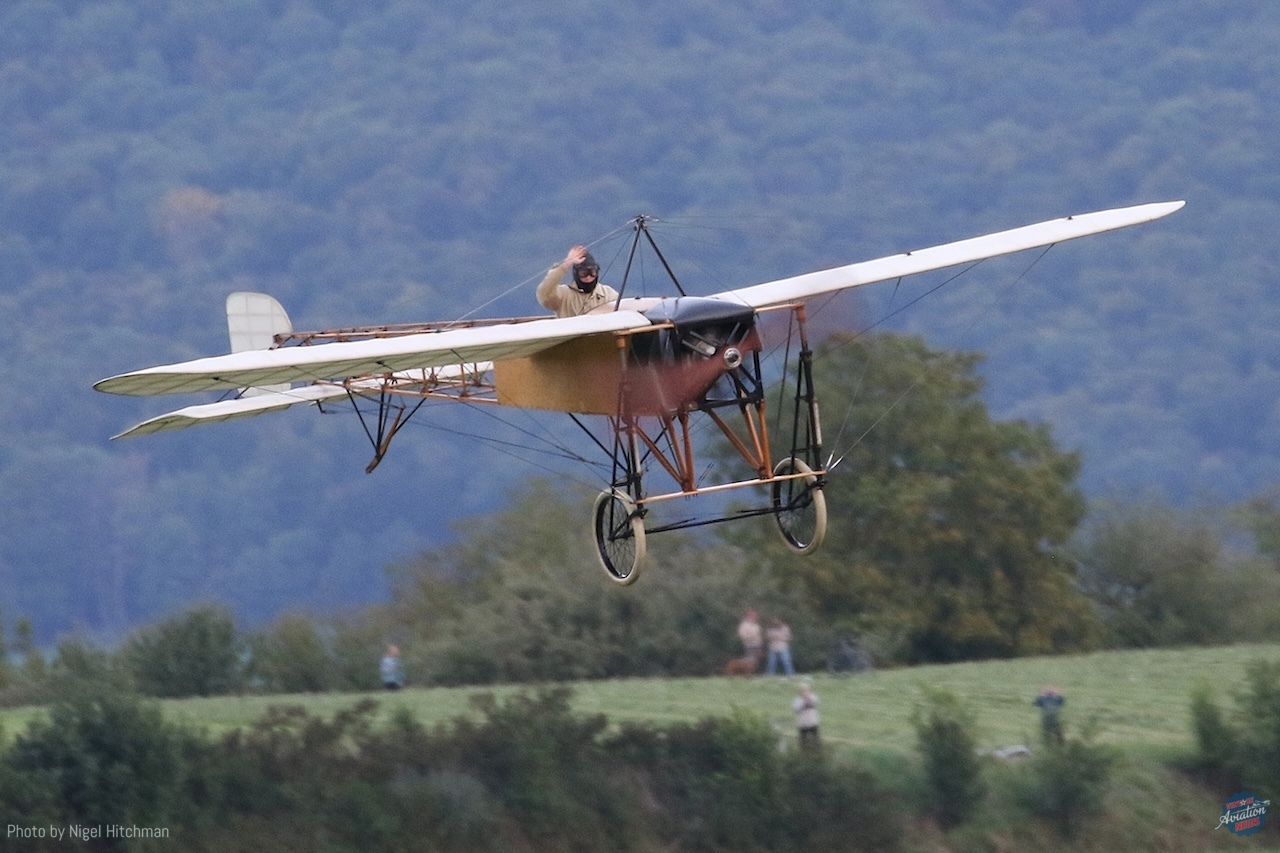
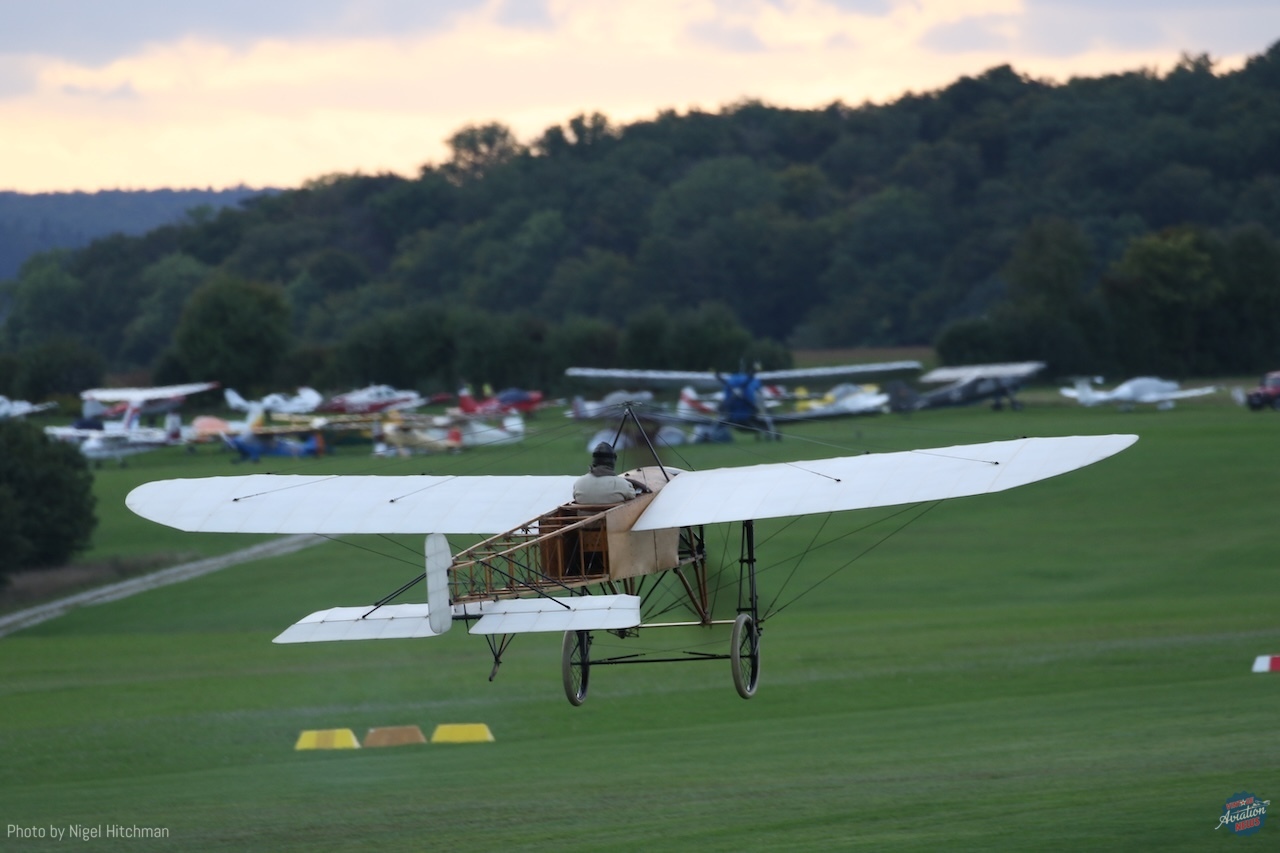
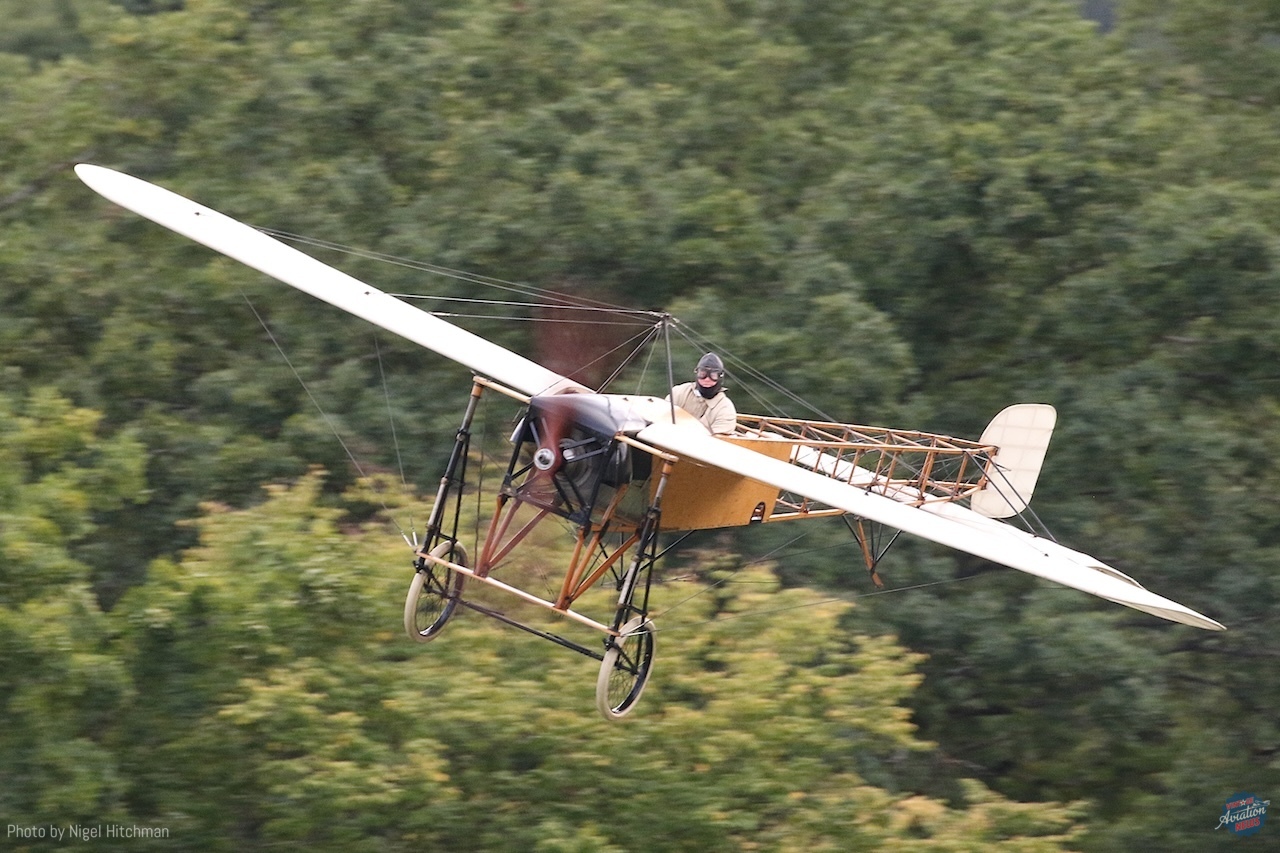
The penultimate display of the day featured Mikael Carlson with his remarkable Gnome-powered Bleriot XI. It is always amazing to watch, and the Gnome engine makes the Bleriot far more usable than the original Anzani-powered cross-channel machine or the example at the Shuttleworth Collection. Carlson trailers his Bleriot XI to airshows and assembles it on site. It is, in fact, a Swedish licence-built machine known as the Thulin A.
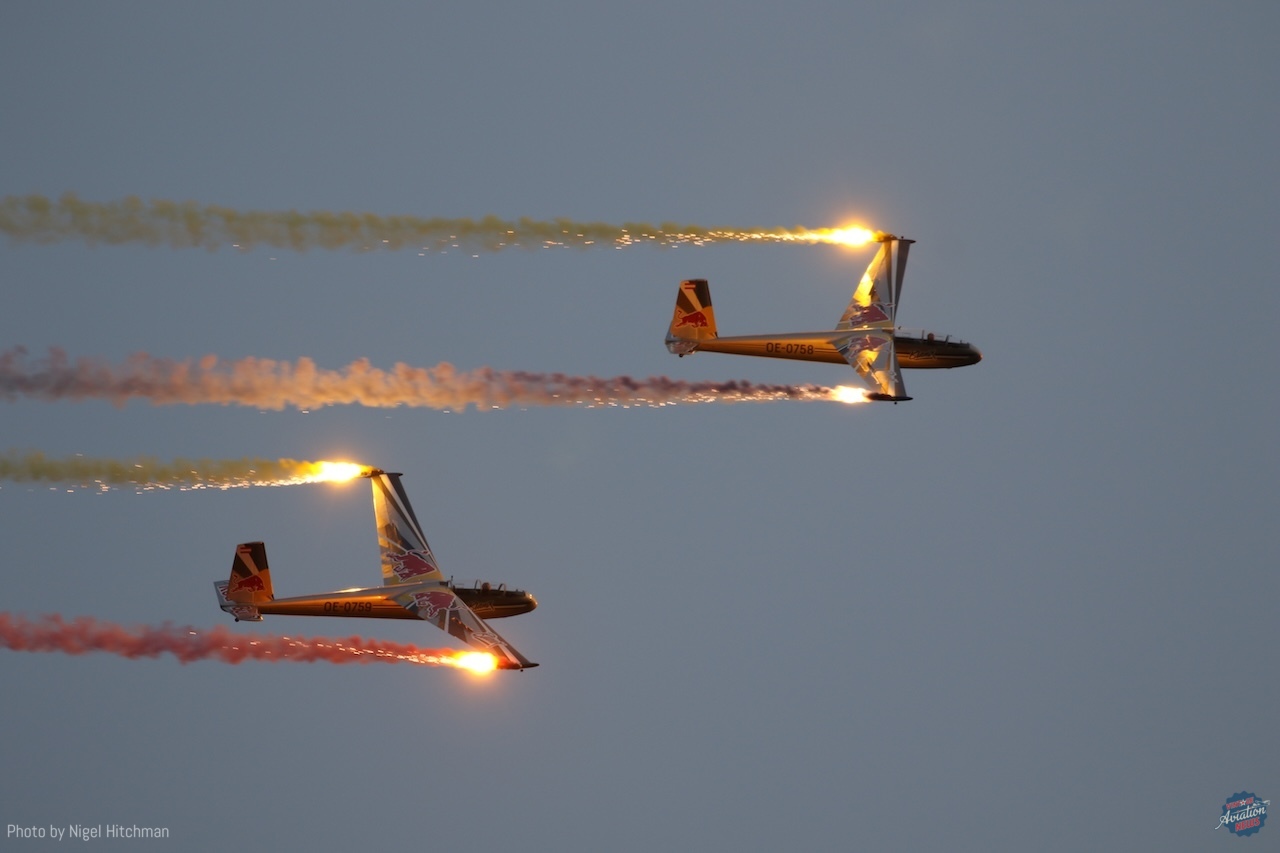
The daily finale was the Red Bull Blanik glider team, delivering a superb display with lights, pyrotechnics, and smoke at dusk. At Hahnweide, the end of the flying day does not mean the end of the fun—food and beer vendors then enter their busiest period, and the party continues into the night.
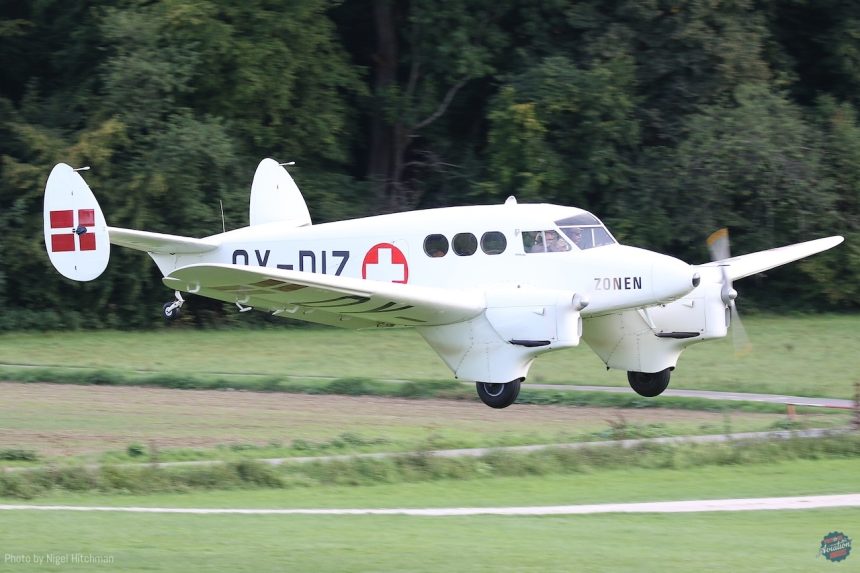
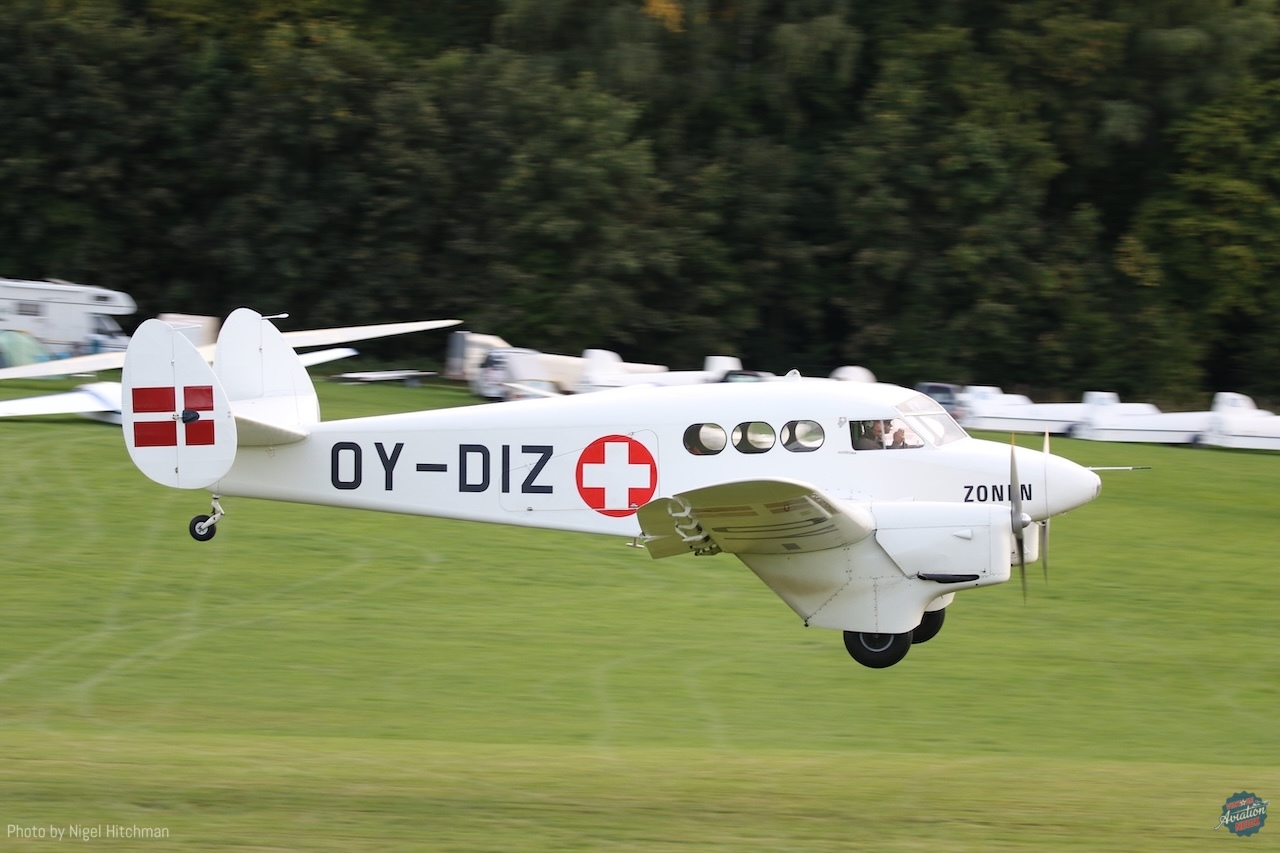
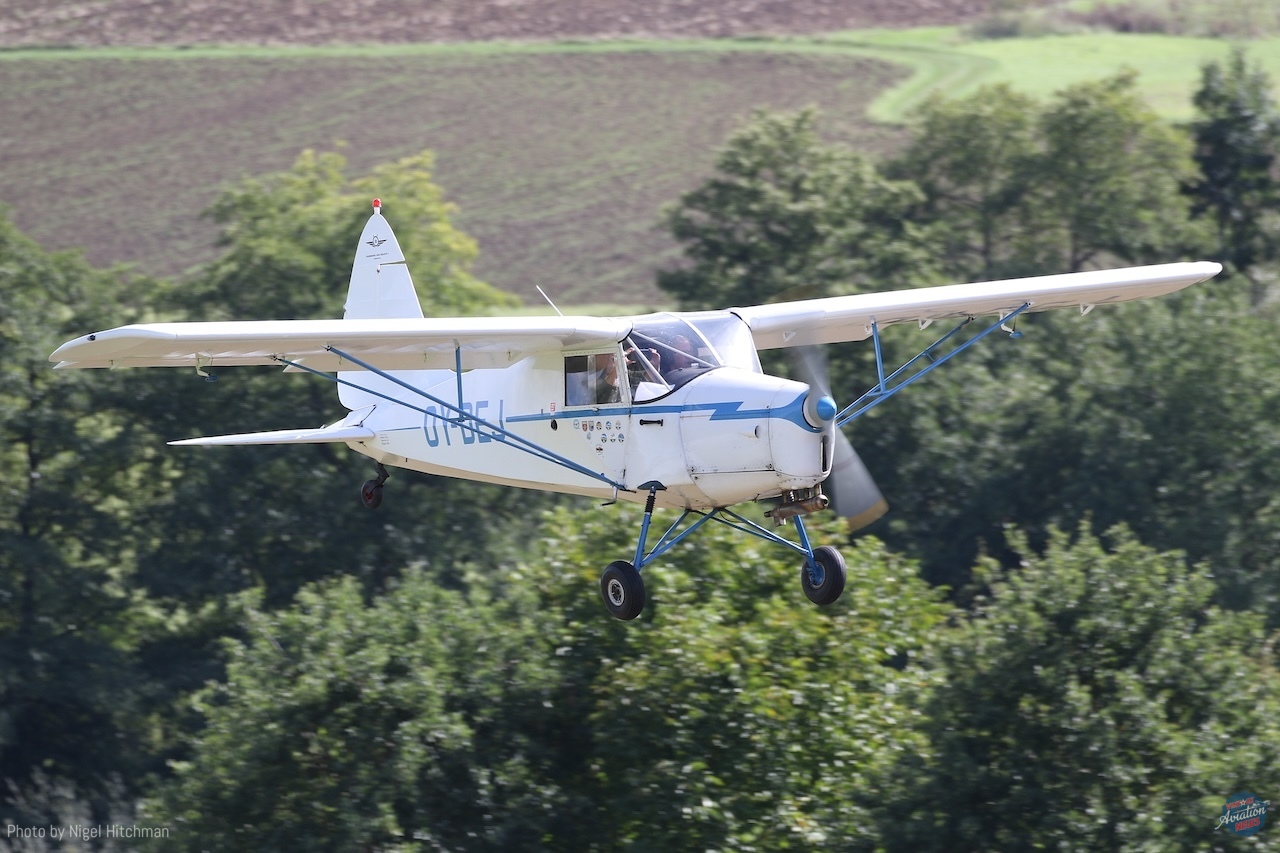
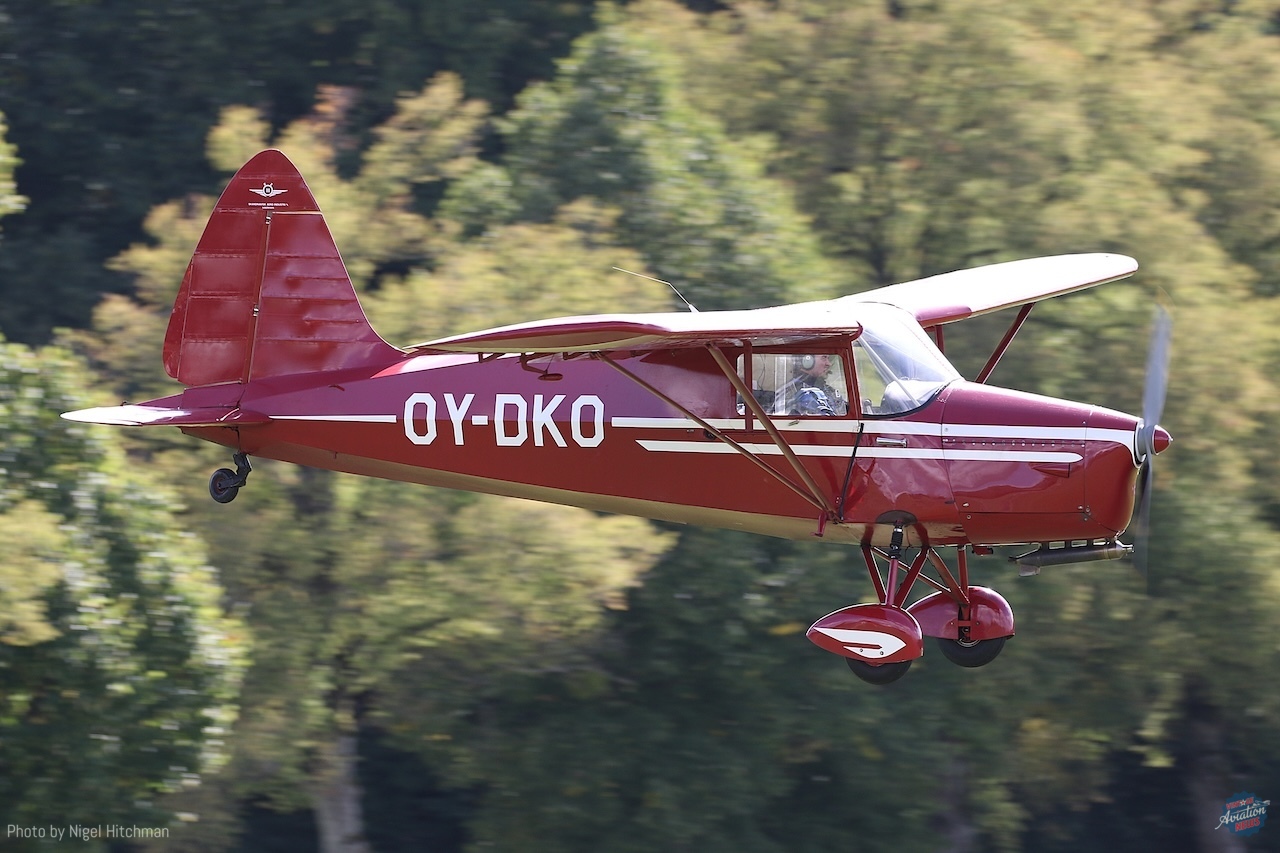
A highlight for many was the appearance of the KZ.IV ambulance OY-DIZ from Stauning in Denmark. This is a true “warbird,” having first flown in 1944 and used to rescue Danish citizens from concentration camps upon their liberation. Designed for two flight crew, two stretcher cases, and two medical attendants, it was the first time this aircraft had travelled far from its Stauning base in many years. Powered by two de Havilland Gipsy Major engines, the KZ.IV was built by Skandinavisk Aero Industri A/S, founded by Viggo Kramme and K.G. Zeuthen in 1937. The company produced various “KZ” models, including the KZ.I single-seater and KZ.II tandem-seater before World War II, and other models from 1944 until the company ceased operations in the early 1950s. The KZ.IV is now owned by the Danmarks Flymuseum.
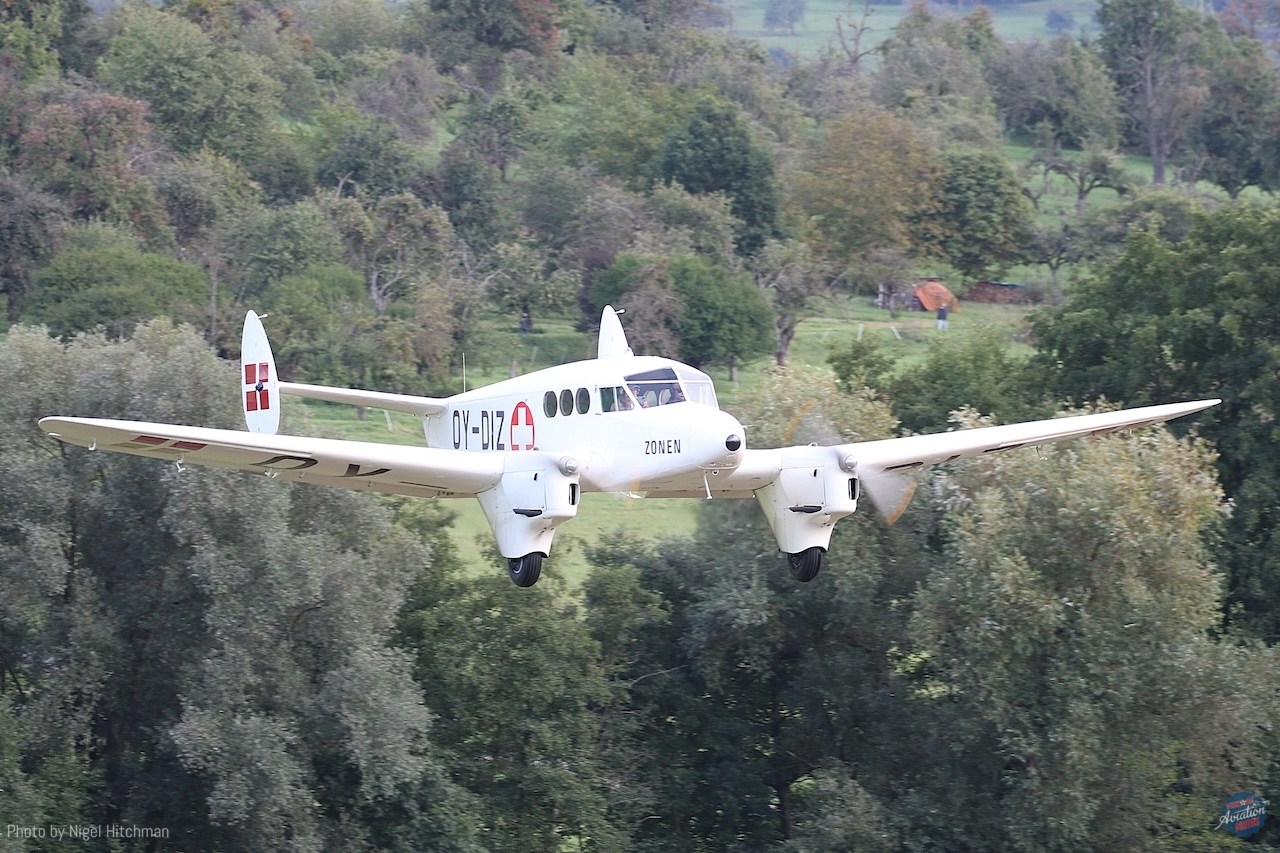
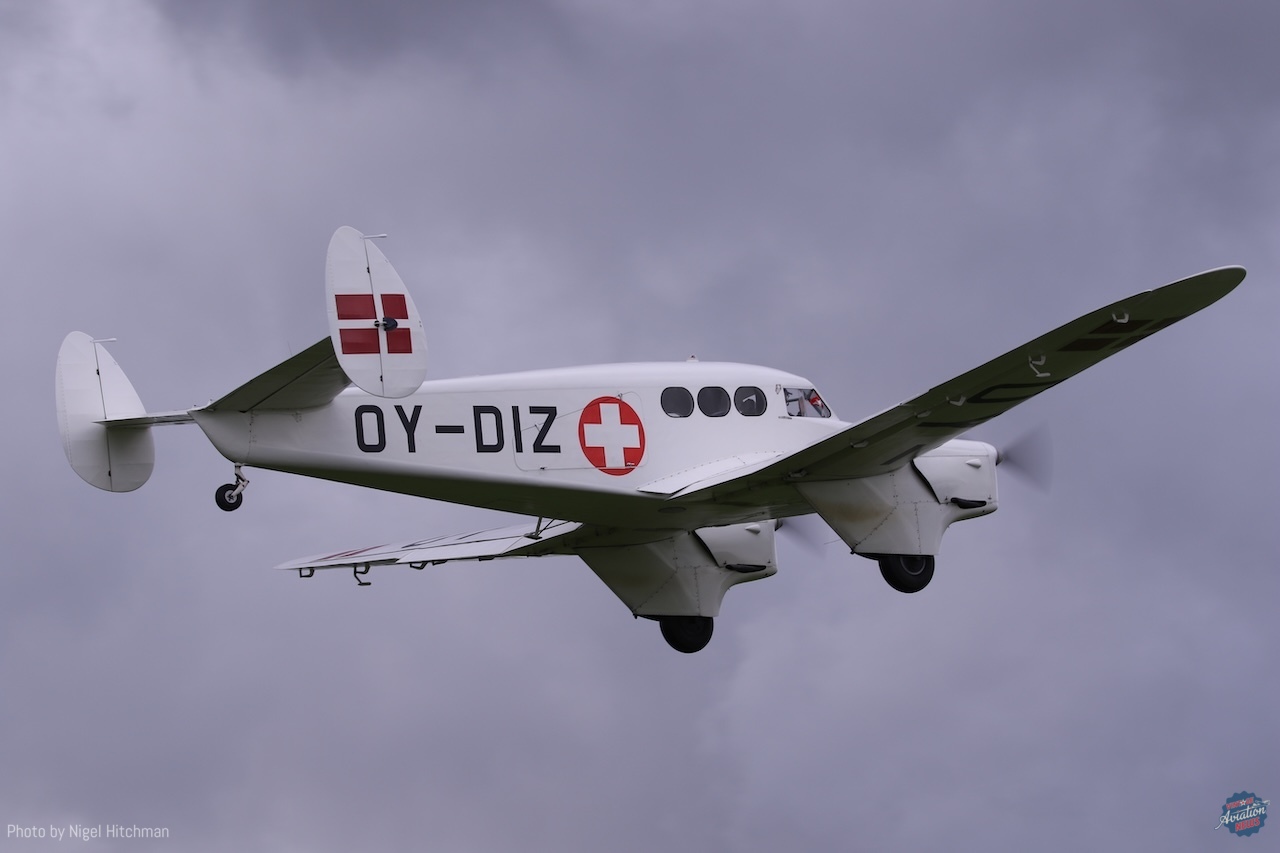
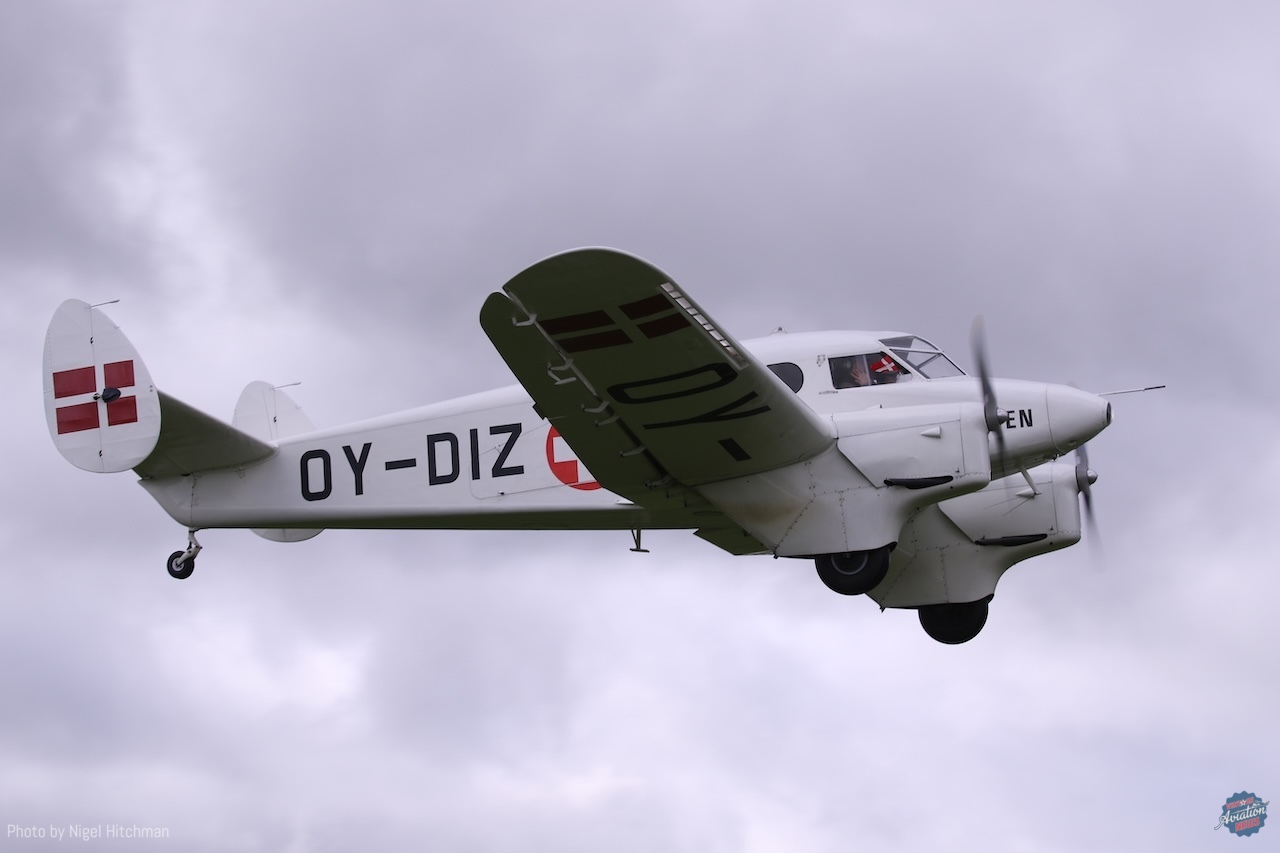
Three other Danish KZ aircraft were also present: a two-seater KZ.III built in 1946 and powered by a Cirrus Minor engine, and two KZ.VIIs, four-seat versions of the KZ.III initially powered by a Continental C-125 and later a C-145/O-300. These were mostly built in 1947 and 1948.
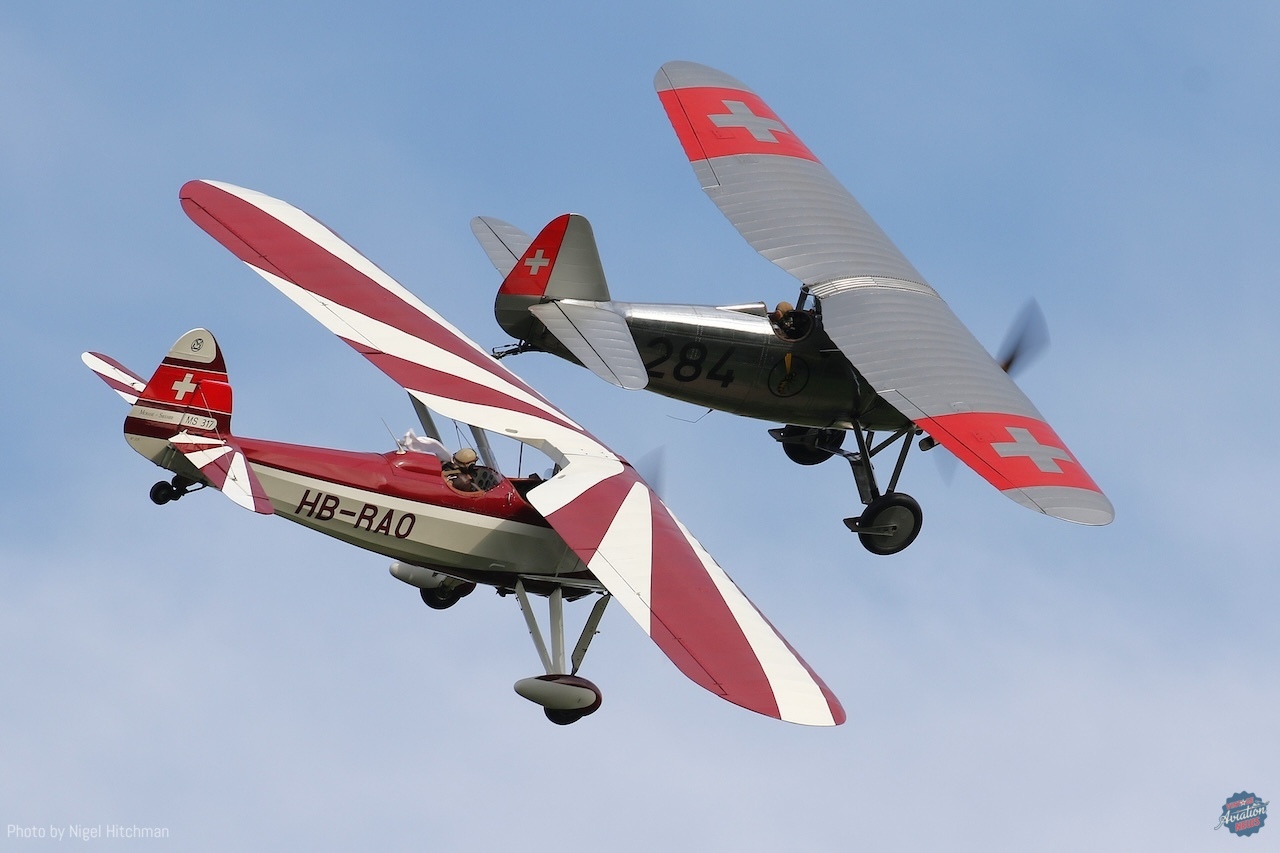
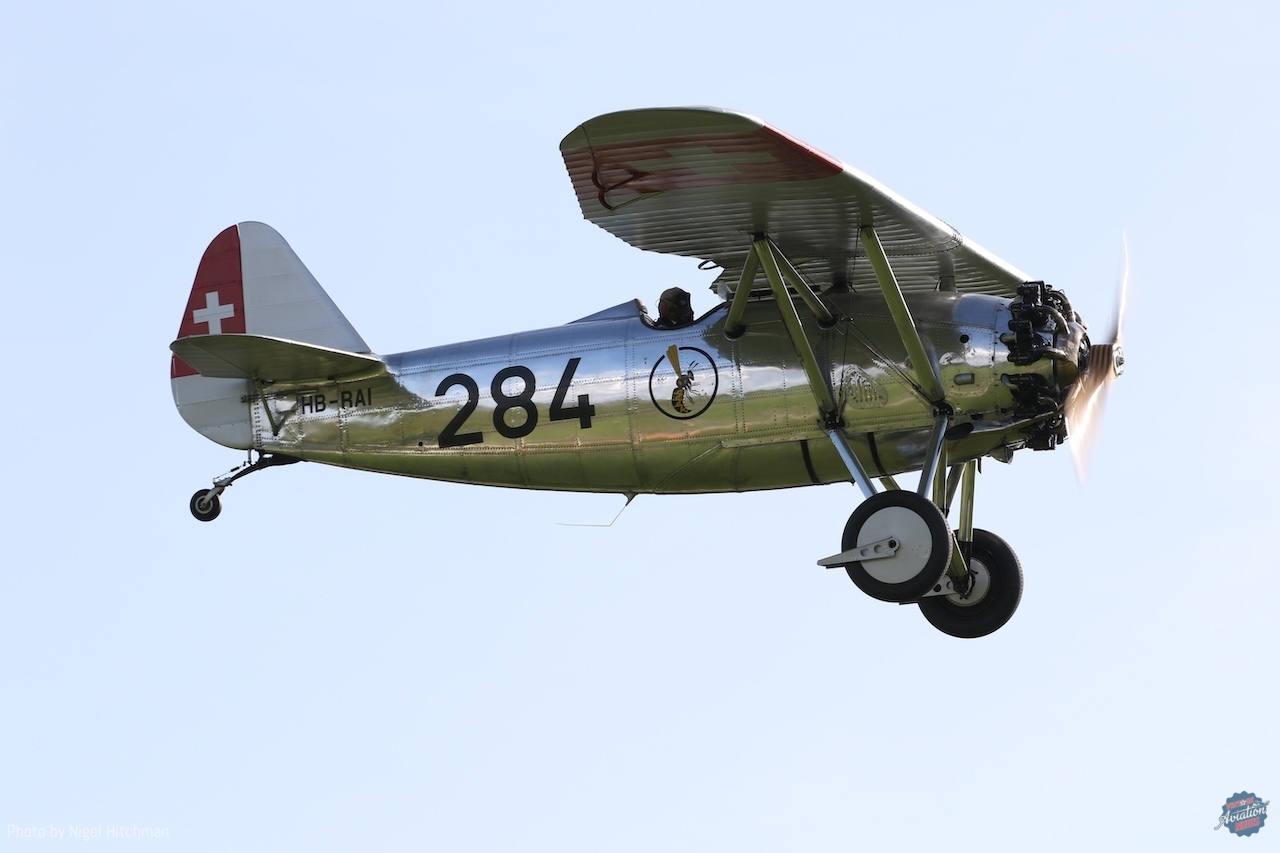
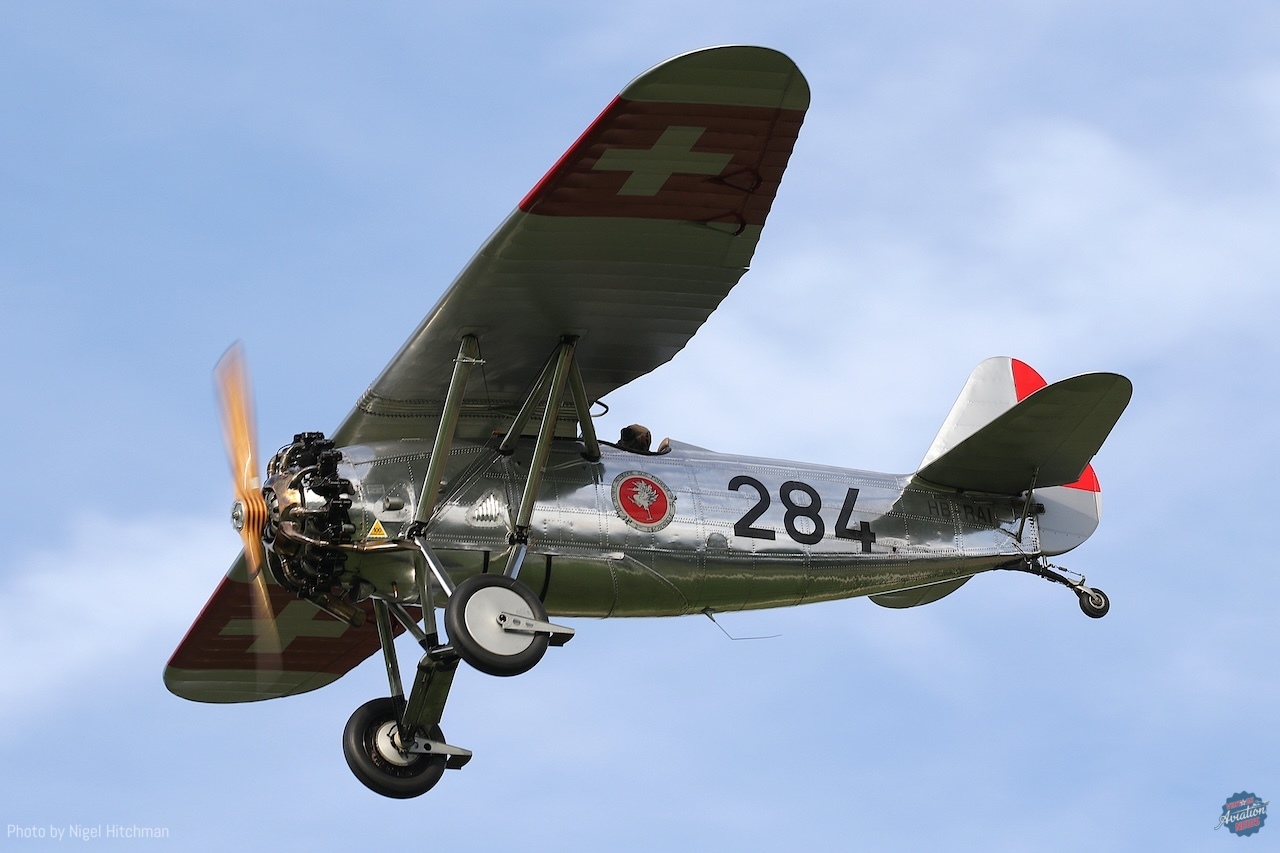
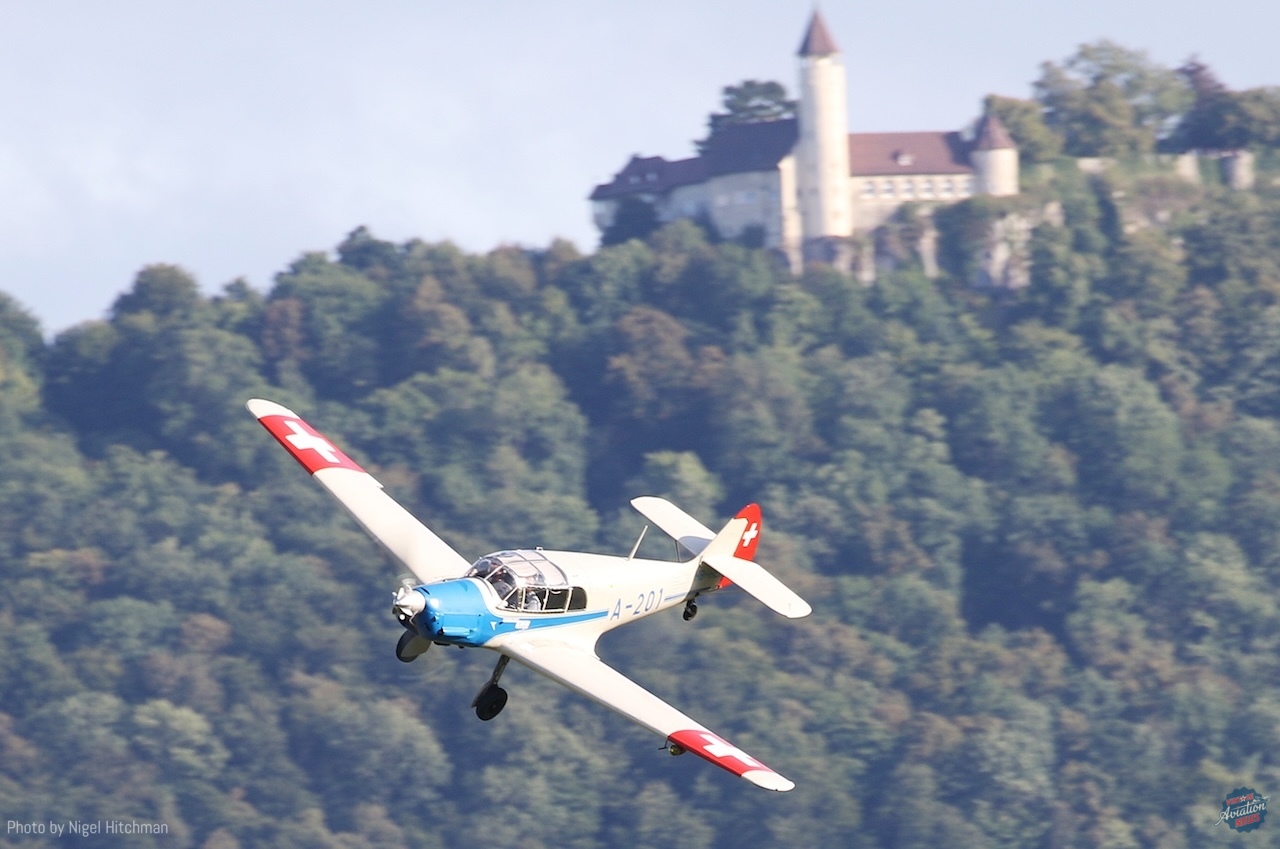
An excellent display featured the Swiss pair of Dewoitine D.26 HB-RAI and Morane Saulnier MS.317 HB-RAO, both part of the AMPA – Association pour le Maintien du Patrimoine Aéronautique in Lausanne. The Dewoitine D.26, built in 1931 as a Swiss Air Force trainer and powered by a licence-built Hispano-Suiza 9Qa radial engine, is one of 11 aircraft produced, with at least five surviving. These aircraft served in the Swiss Air Force until 1948, later operating as glider tugs for aeroclubs before being sold off in the 1970s. One D.26, G-BBMI/282, is now with Kermit Weeks in the U.S., though it was damaged in Hurricane Andrew and has been in storage since. Other examples reside in European museums, with some approaching airworthy condition again. The Morane Saulnier MS.317 is a 1960s conversion of the MS.315, replacing the original Salmson 9Nc engine with a 220hp Continental unit, commonly used by gliding clubs as tow aircraft. Over 350 MS.315s were built from 1932.
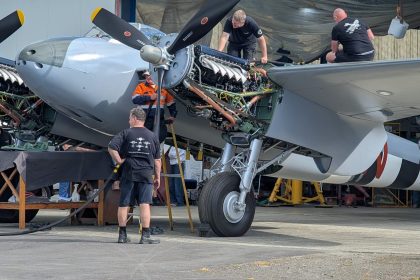
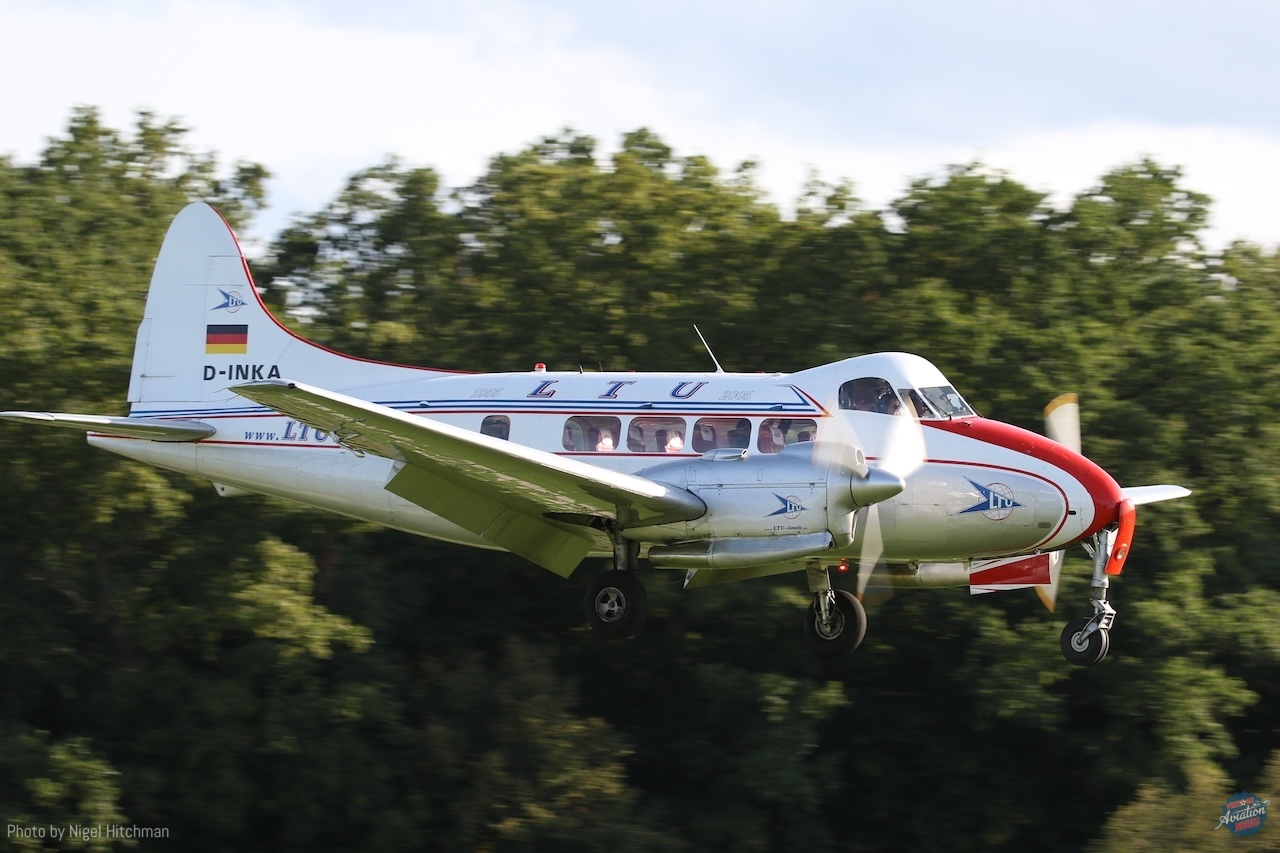
The LTU-Classics DH.104 Dove D-INKA was a welcome surprise, recently restored to flying condition and looking immaculate. Originally built for the RAF in 1949 as WB531, it served until the early 1980s before passing into civilian ownership in Holland as G-BLRN. After storage, it was purchased by a German group and restored in 2005 in LTU colours to commemorate 50 years of the airline.
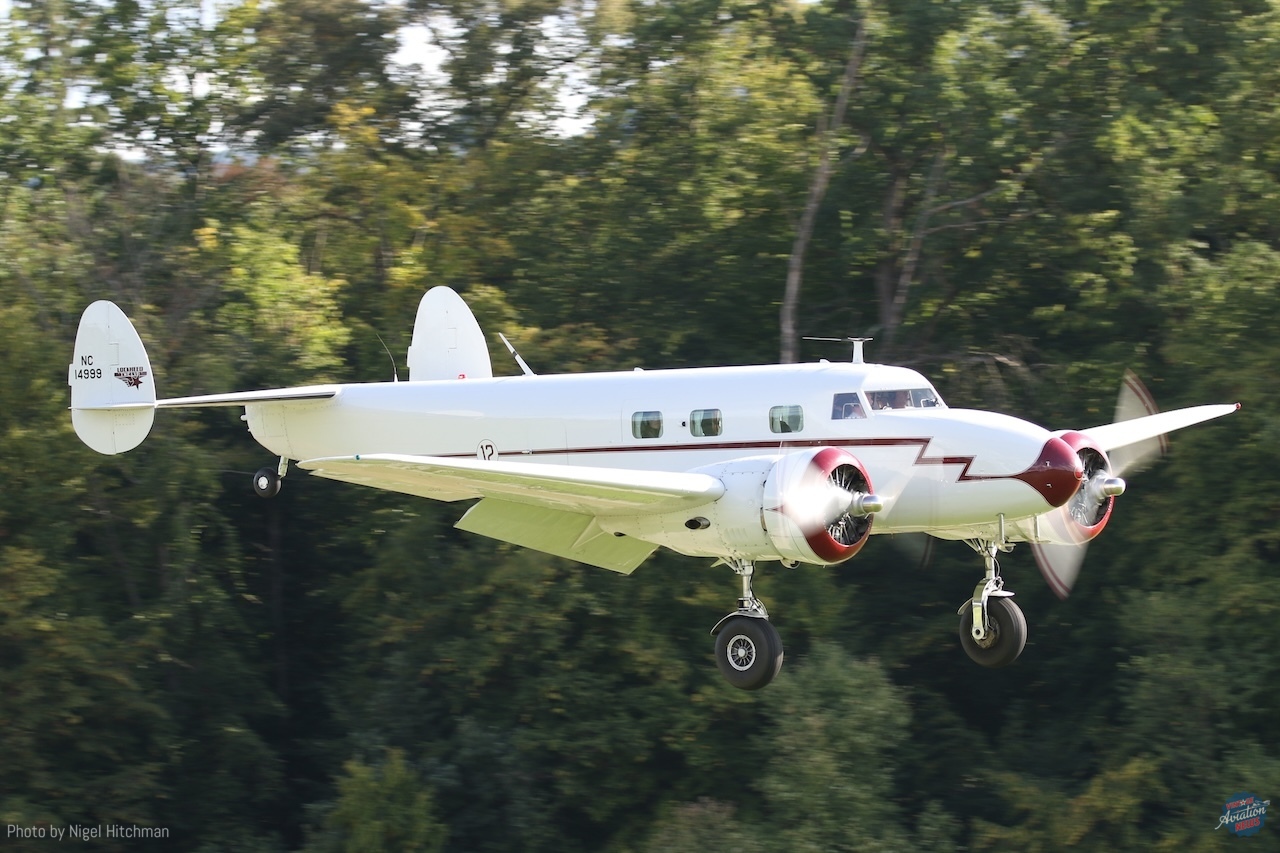
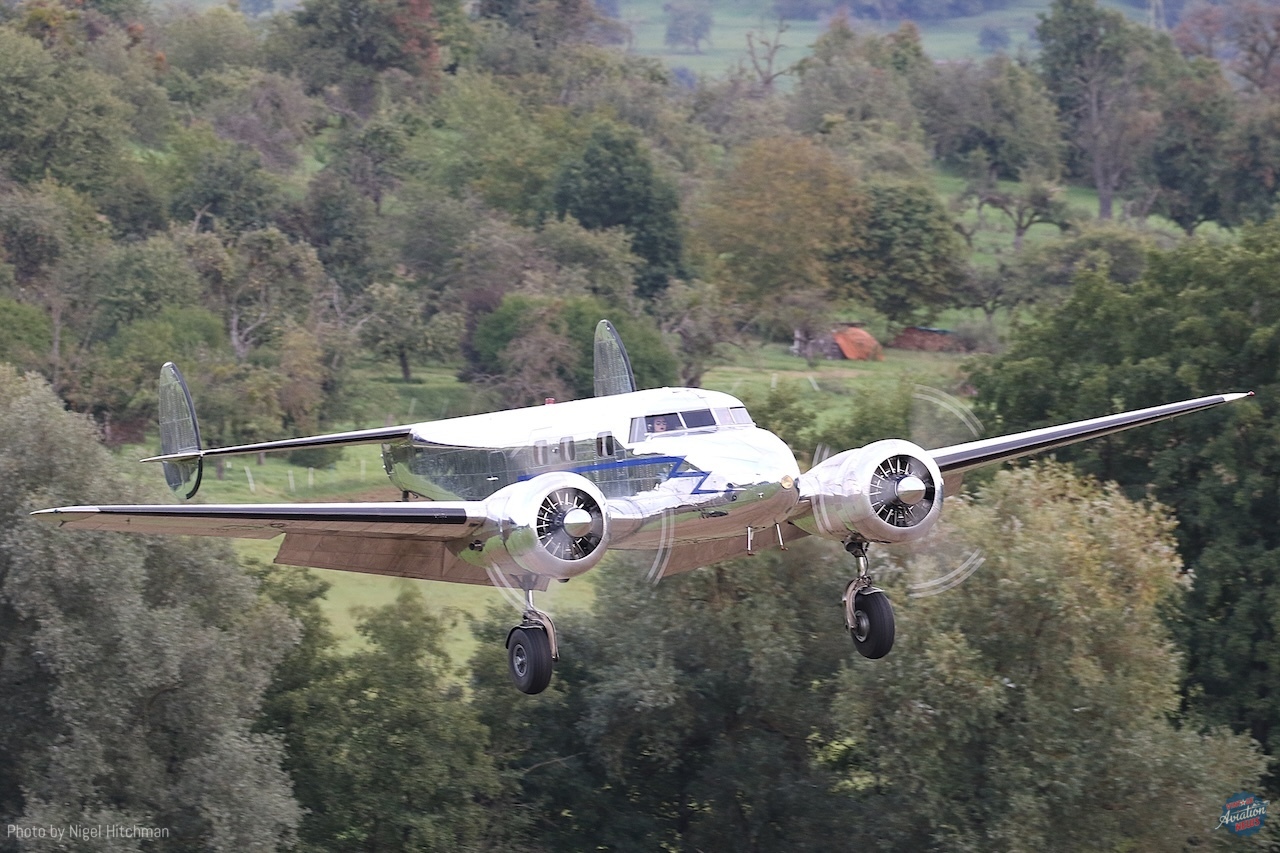
It was great to see two Lockheed 12s at Hahnweide, amazingly there are now 5 regularly flying in Europe, NC14999 came from Belgium and N18130 based in German painted as G-AFGN the infamous Lockheed 10 that brought Chamberlain back from Berlin in 1938, the owners, Art Deco Aviation of Hannover. N18130 has a fascinating history, it was delivered to FC Hall (who sponsored Wiley Post’s round the world trip) in 1937 and came 5th in the Bendix Trophy race that year, it was then sold to Gilmore Oil who operated it until Nov 1941 when it was sold to the Free French AF where it was operated until 1947 when it went to the Earl Of Granard as G-AHLH and then EI-ALV, he had it for many years latterly based in France until 1974 when it was sold to the short lived airline “Midi Aviation” after which it was stored in France until 2007, when after some work it was reflown and crossed back over the Atlantic to Washington state. Stored at Chelan for a while it was eventually beautifully restored at Arlington and sold in 2019 flying back across the Atlantic to its new base in Germany.
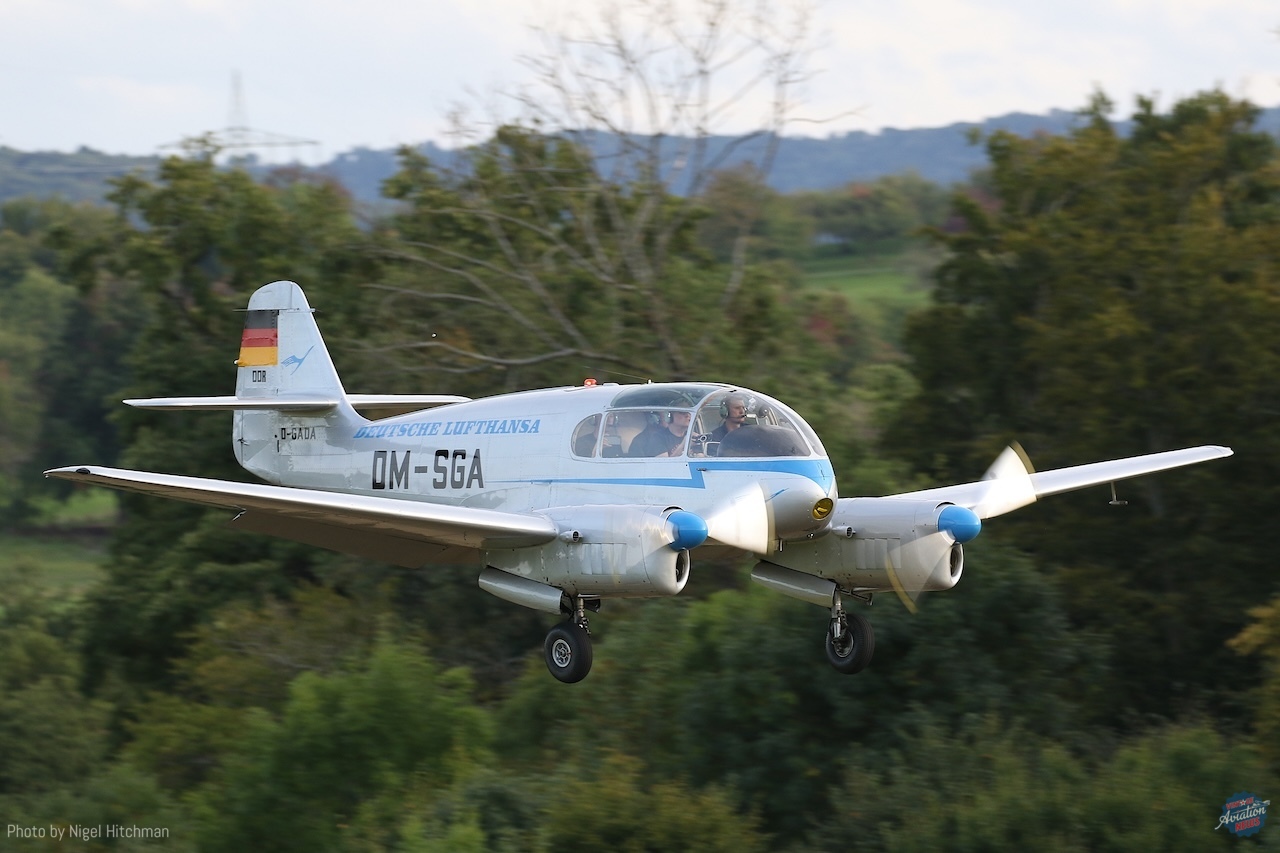
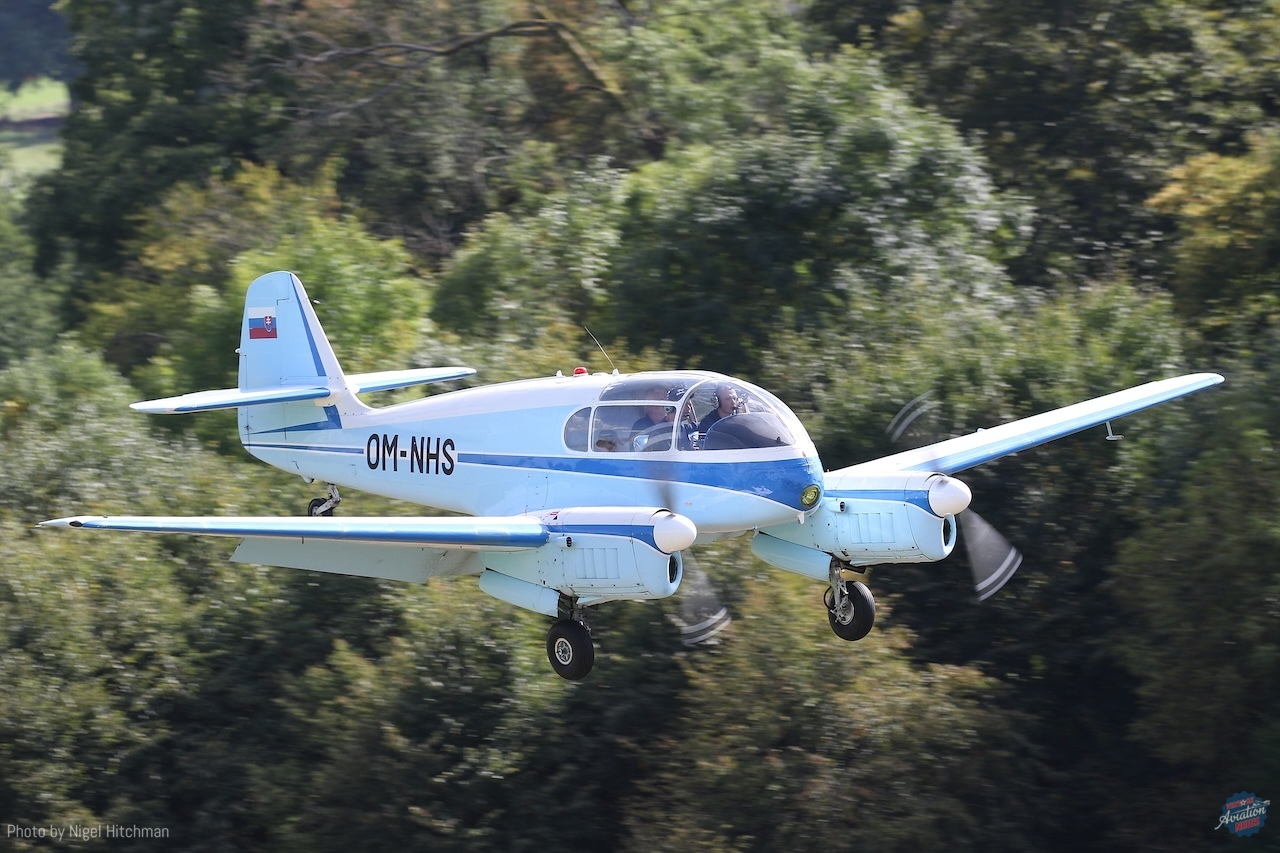
Hahnweide always showcases rare Czech designs and Zlins. This year included two Aero 145s—D-GADA (painted as DM-SGA, formerly in East German Lufthansa service) and OM-NHS from the Nitra Aeroclub in Slovakia. Two Meta-Sokols were present, OM-MNO from Slovakia and D-ECPY from Germany.
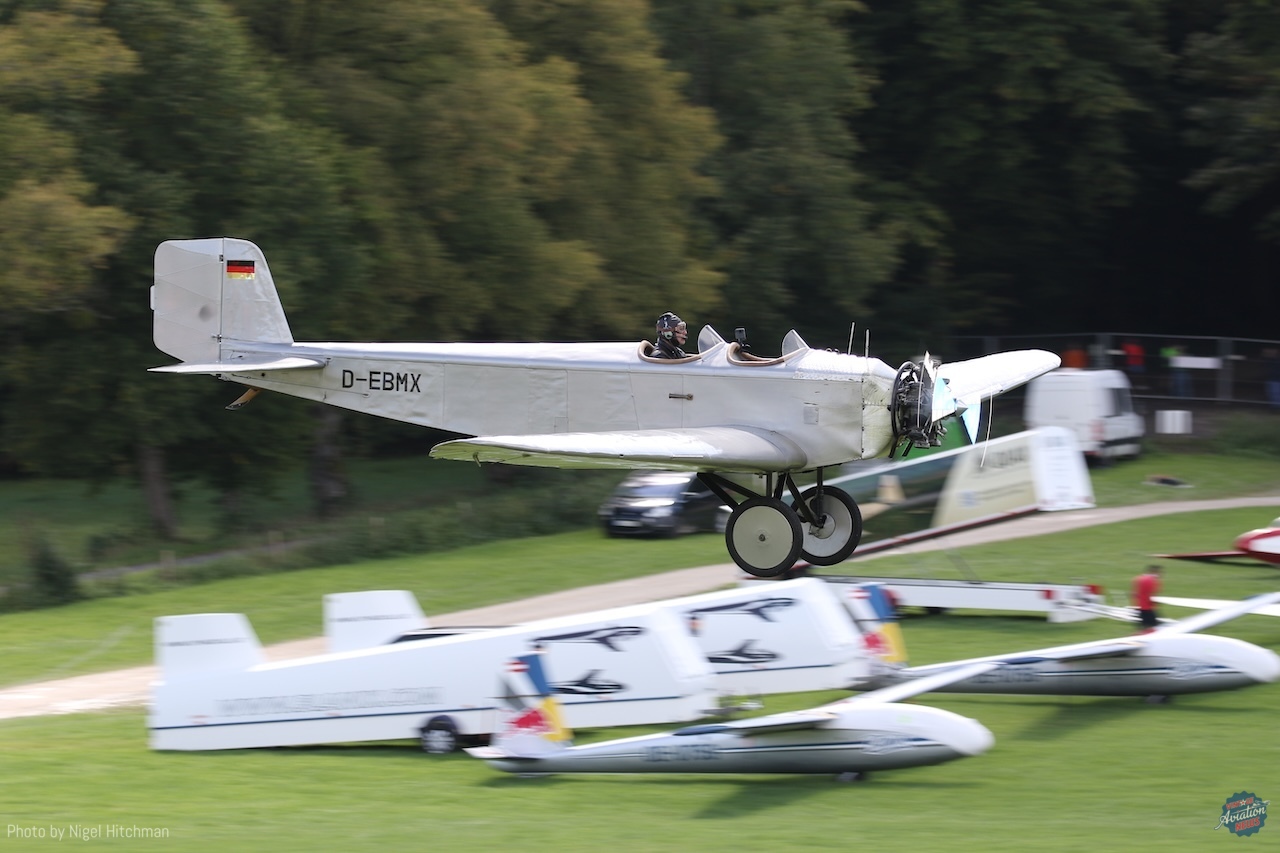
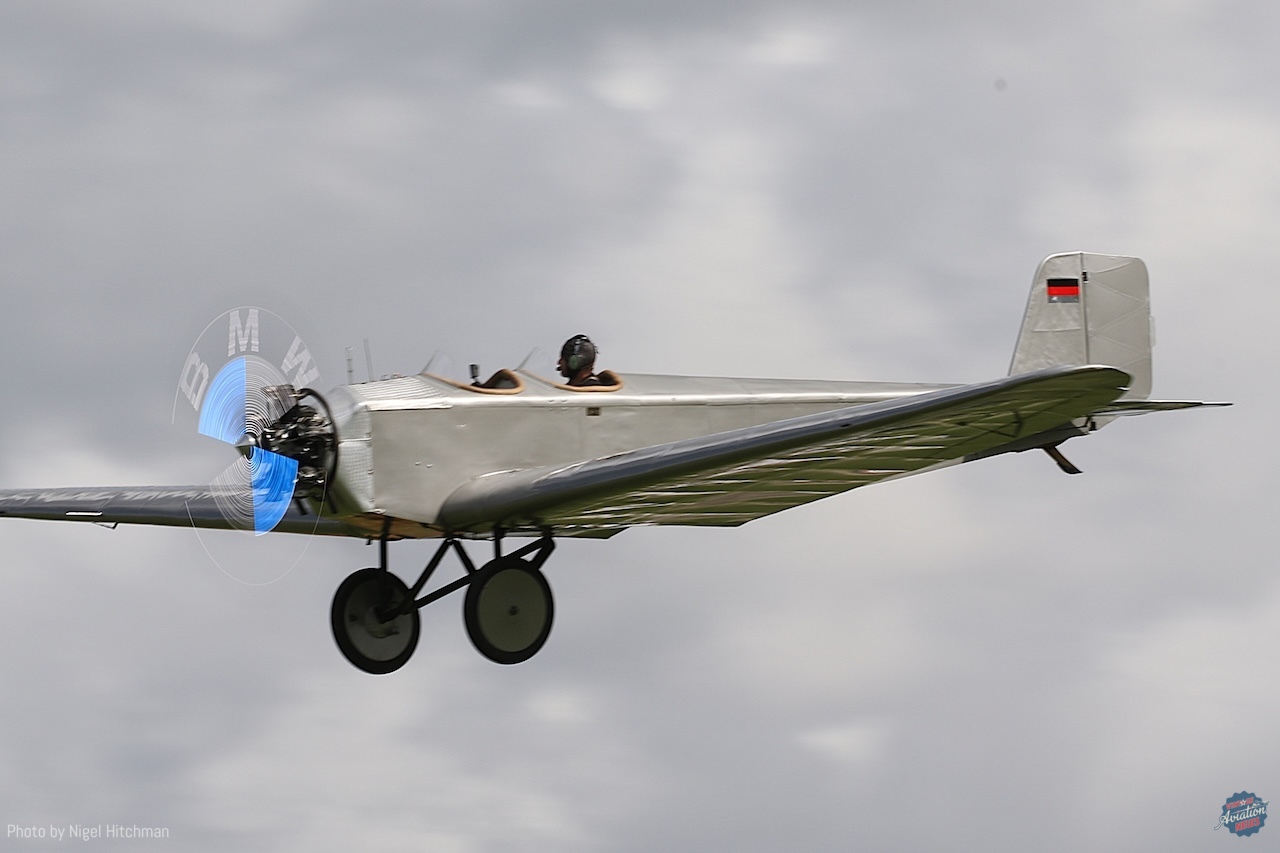
Several Klemm aircraft were present, including one 1928 Klemm L-25 D-EBMX which is owned by BMW and is powered by a 50hp BMW X 5 cylinder radial engine. As a novelty LED lights have been embedded into the propeller and when illuminated depict the BMW logo. There were also 3 Klemm 35s D-EBUX, D-EFRI and D-EFUB, these were built from 1935 in Germany and then at the Zlin factory in occupied Czechoslovakia until 1943 with over 1300 delivered to the Luftwaffe and others for export. They were also built under licence in Sweden for the Swedish AF and all survivors are ex Swedish AF aircraft.
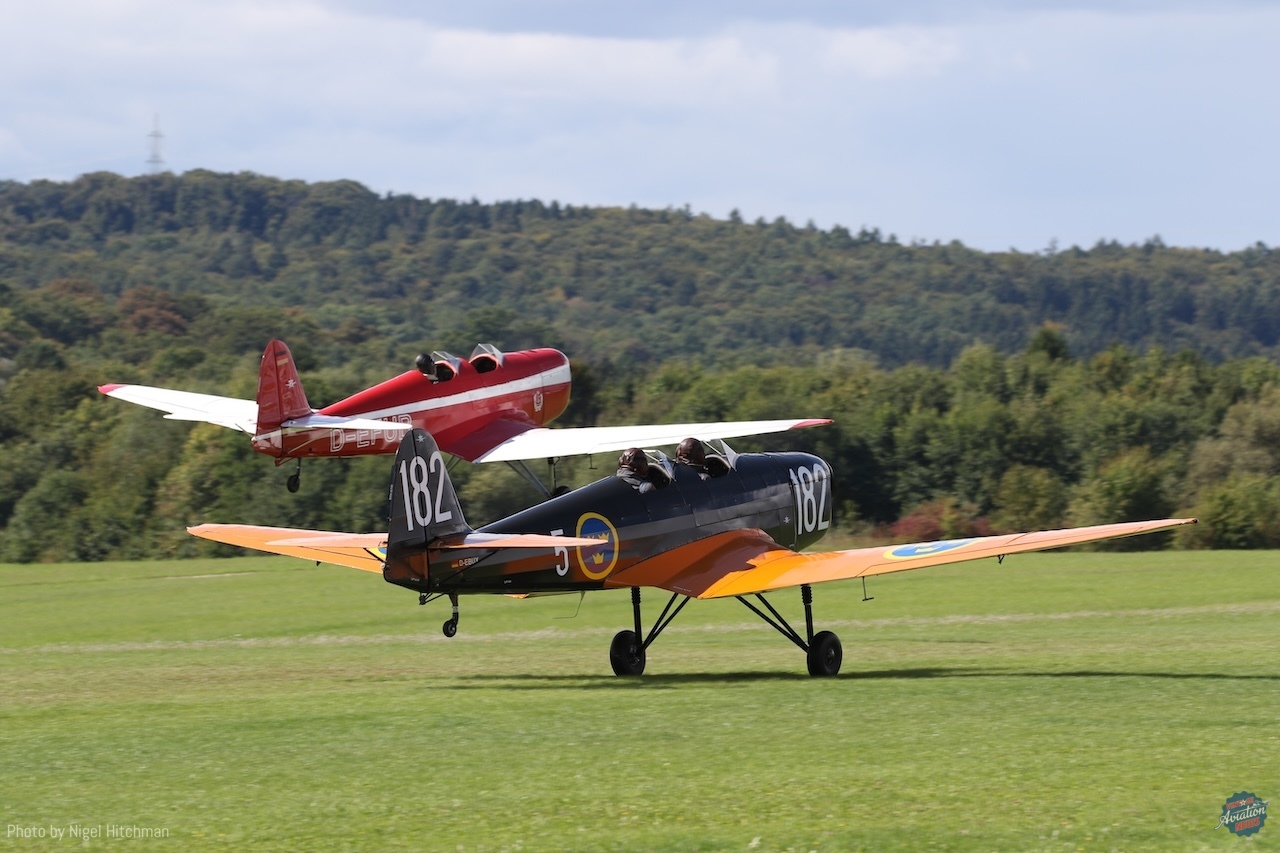
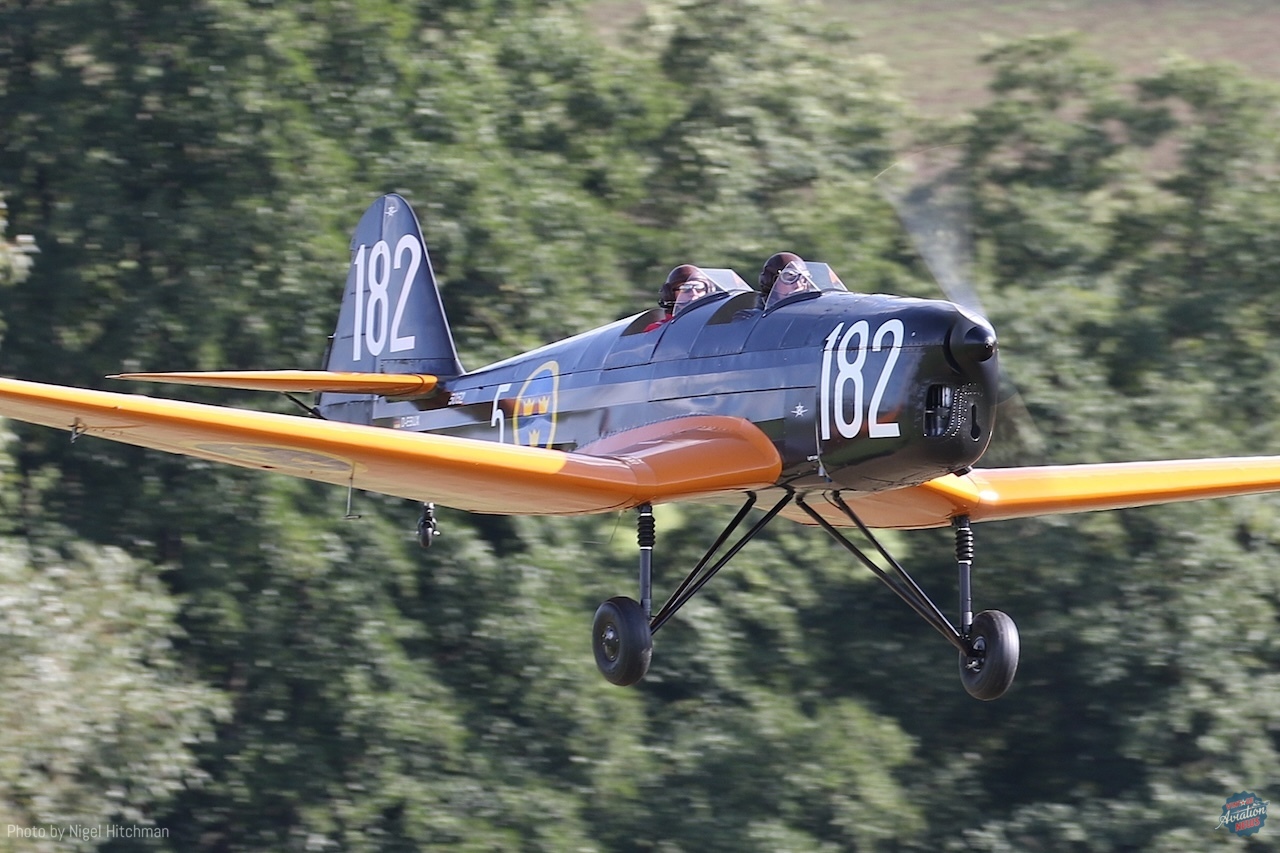
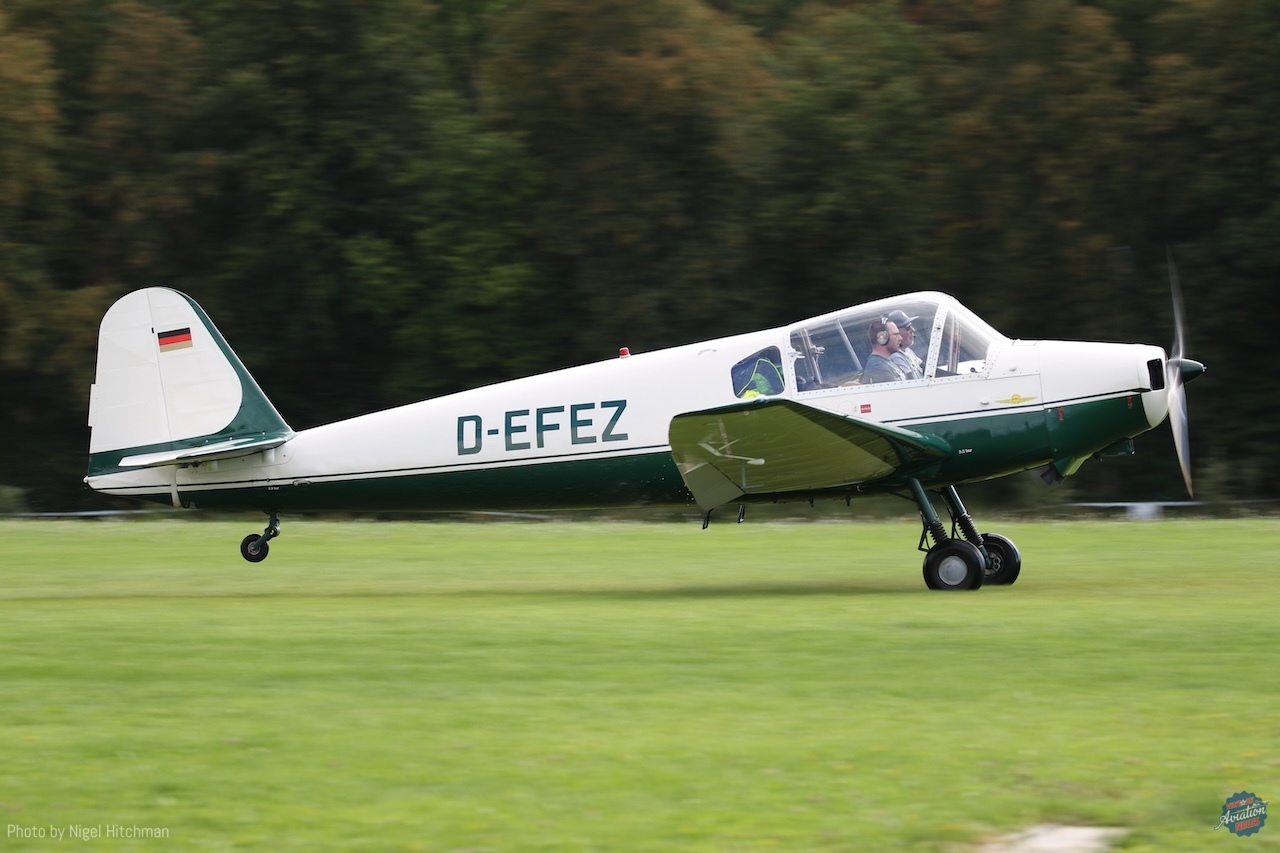
The Klemm 107 had been designed in the late 30s and the first prototype flew in early 1940, a development of the Klemm 105, but only a few of each aircraft were produced due to the war. Postwar, the Klemm 107 was revived and the first new Klemm 107 flew in 1956 powered by a Continental C-90. Proving to be under powered the prototype was reconfigured with a Lycoming O-320 becoming with Kl-107B and 25 two seat KL107Bs were built in 1958 and 59 including D-EFEZ. It was then produced as the KL-107C with a third seat behind the front two and eventually as the four seat Bolkow 207.
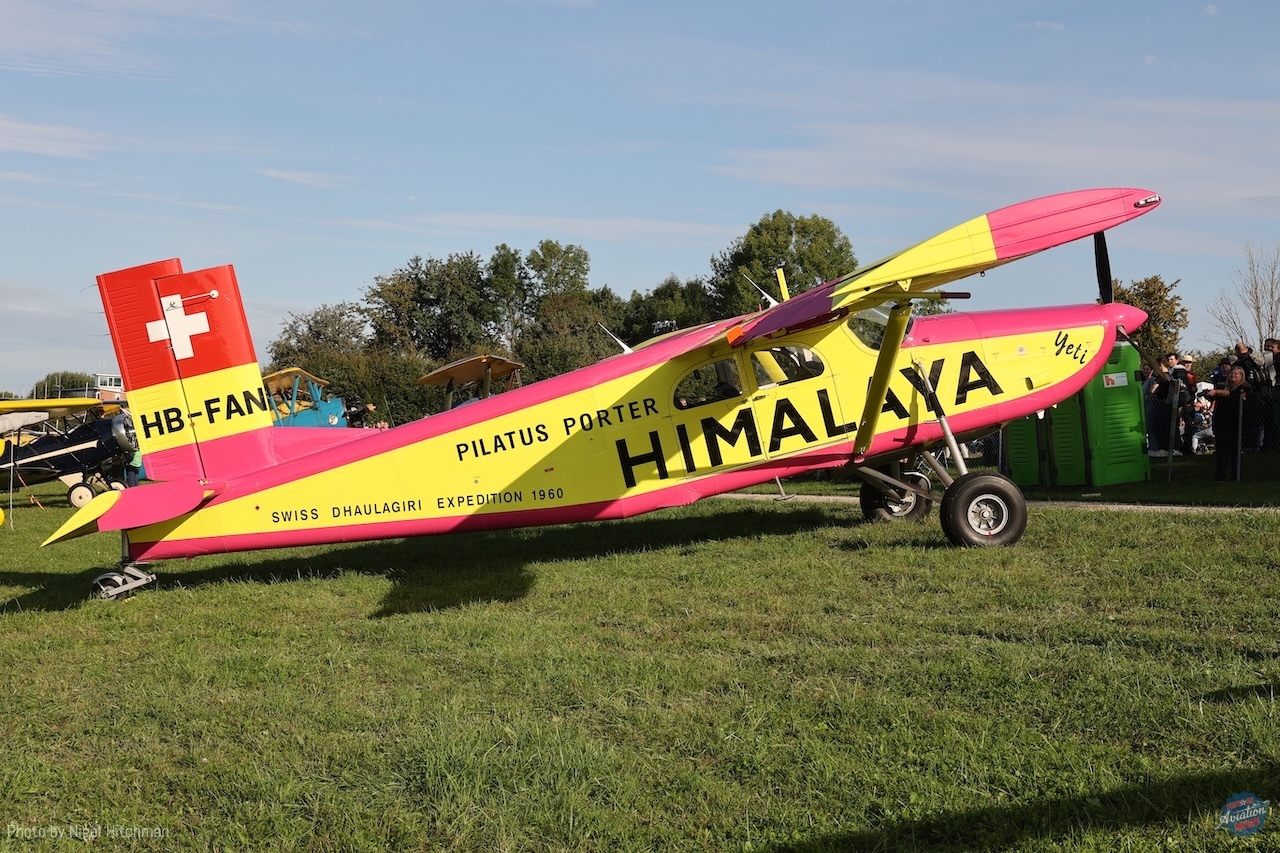
The Pilatus PC-6 remains popular for parachuting, short strips, rough terrain, float, and ski operations. While most were turbine-powered, the early piston-engined models are rare. The prototype HB-FAN, flown in 1959, took part in the 1960 Swiss Himalaya expedition, achieving a world-record landing at 5,200m (17,000ft) but was subsequently damaged. A 1962 demonstrator, s/n 540, restored in the colours of HB-FAN, returned to the air in early 2022.
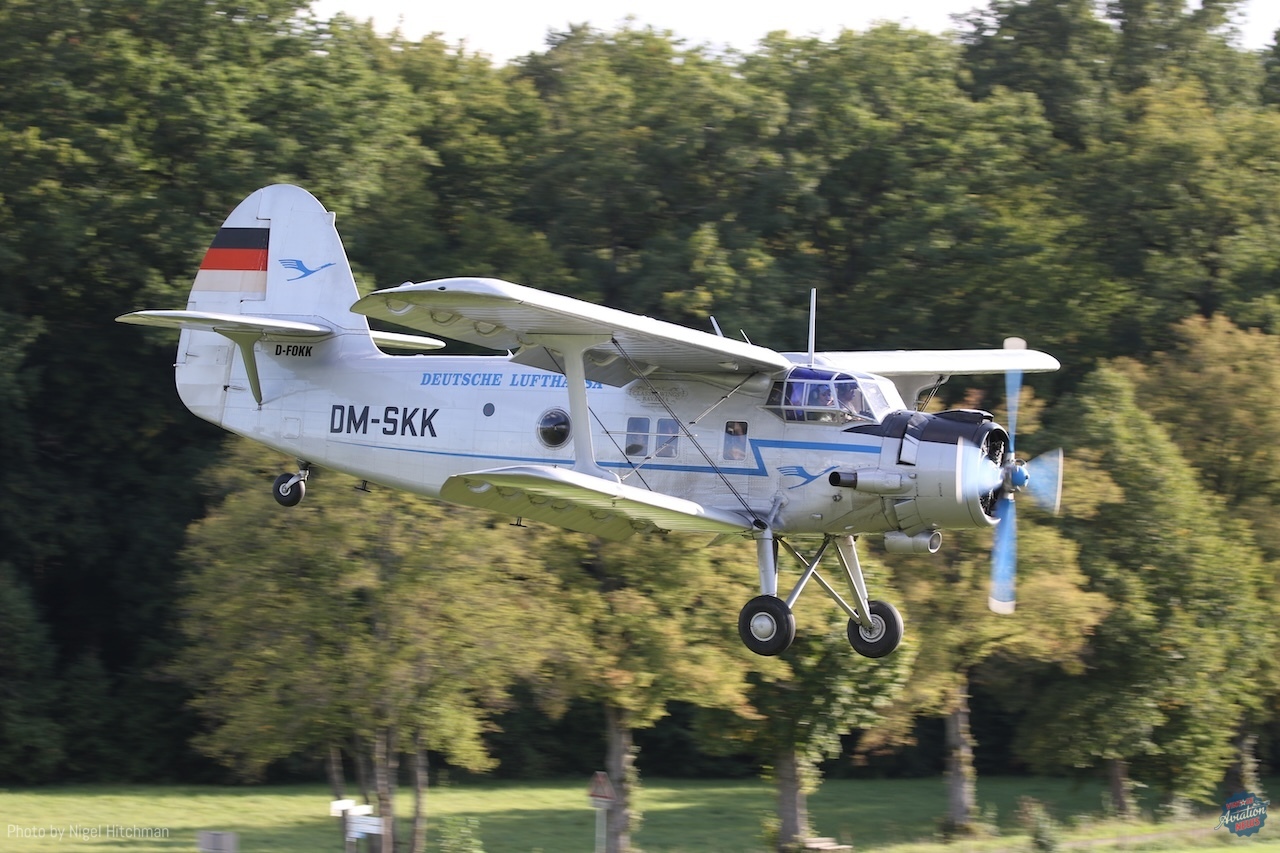
Antonov AN-2s were also popular, with four attending this year. Three Bücker Jungmeisters (D-EIII, E-EJJI, OE-AKT) and over ten Bücker Jungmanns were present, along with Egyptian-built Heliopolis Gomhouria examples, licence-built from the Zlin 381. Sadly, the unique Bücker Student from Biennenfarm near Berlin was unable to attend due to weather.
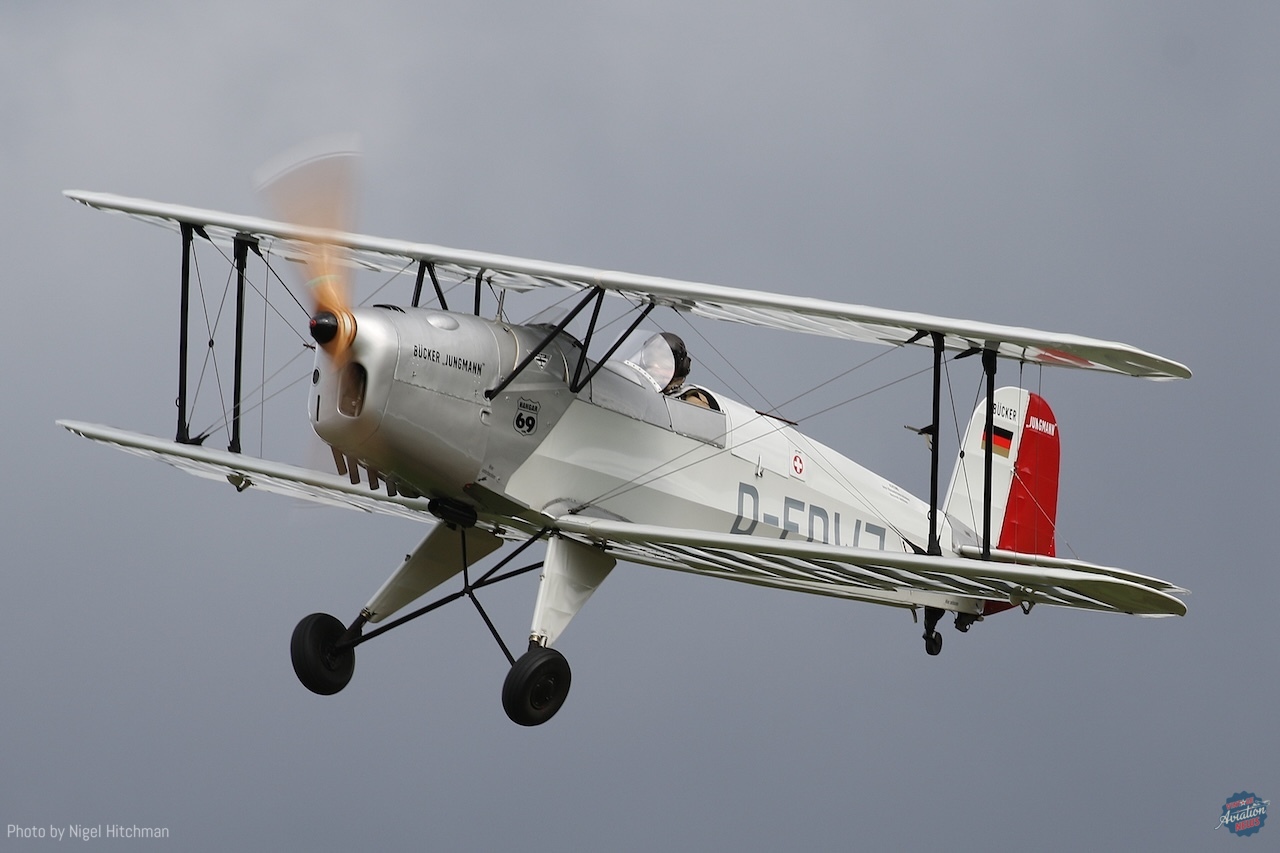
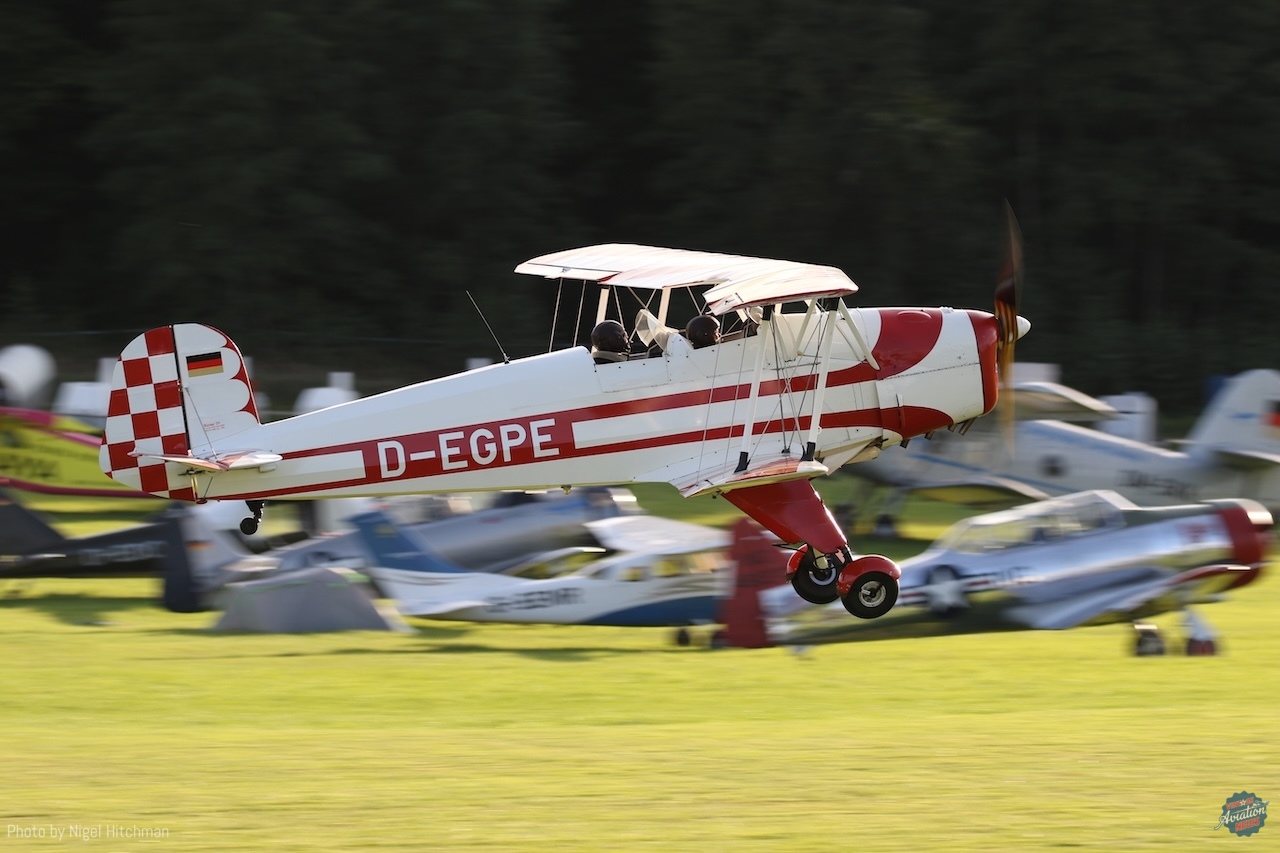
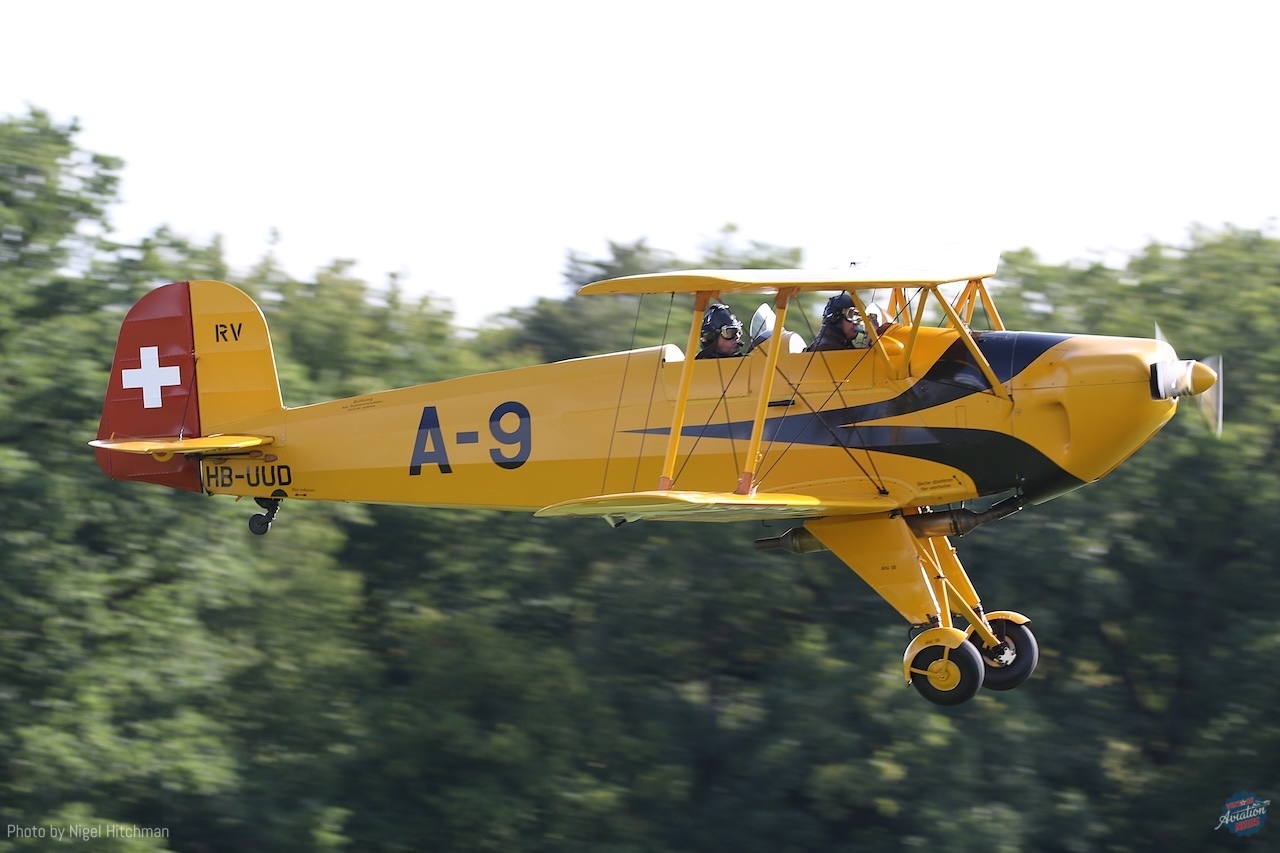
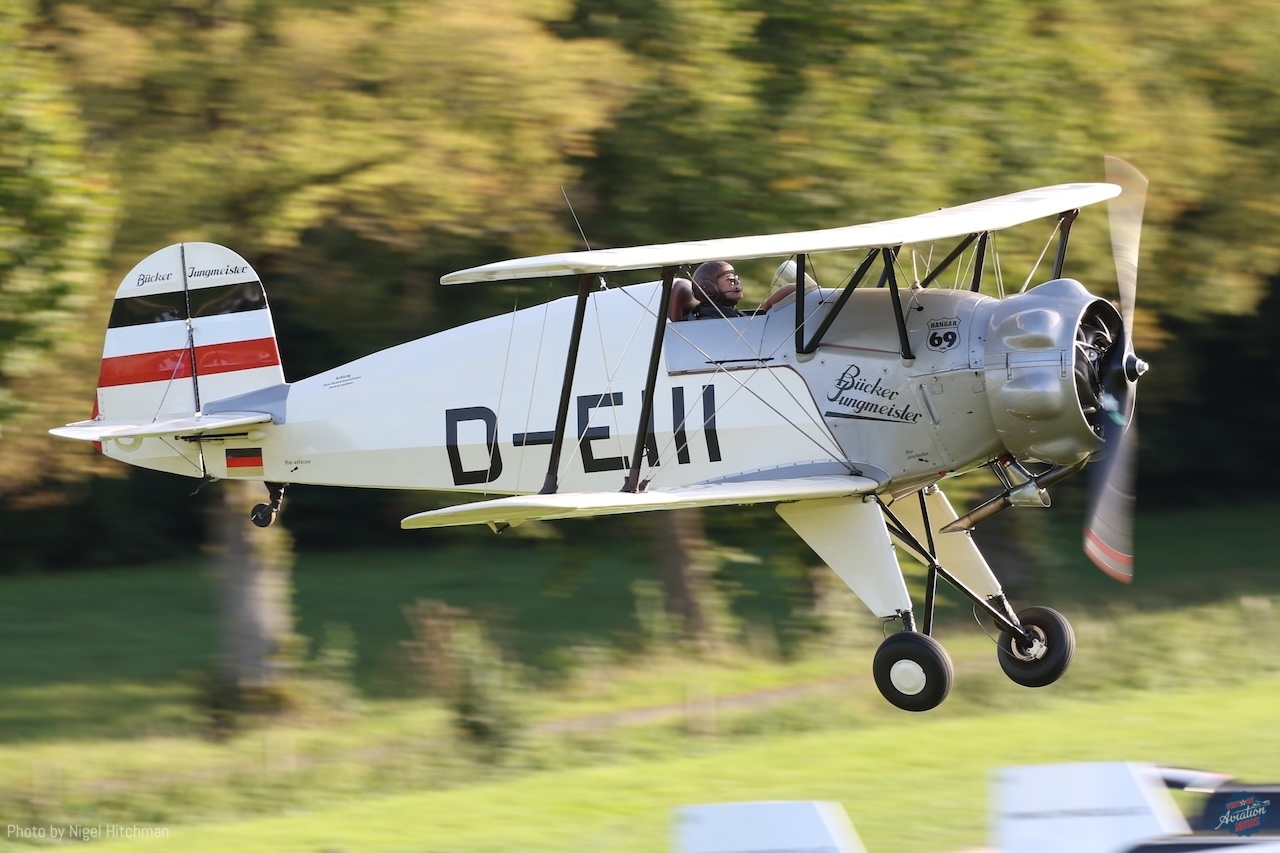
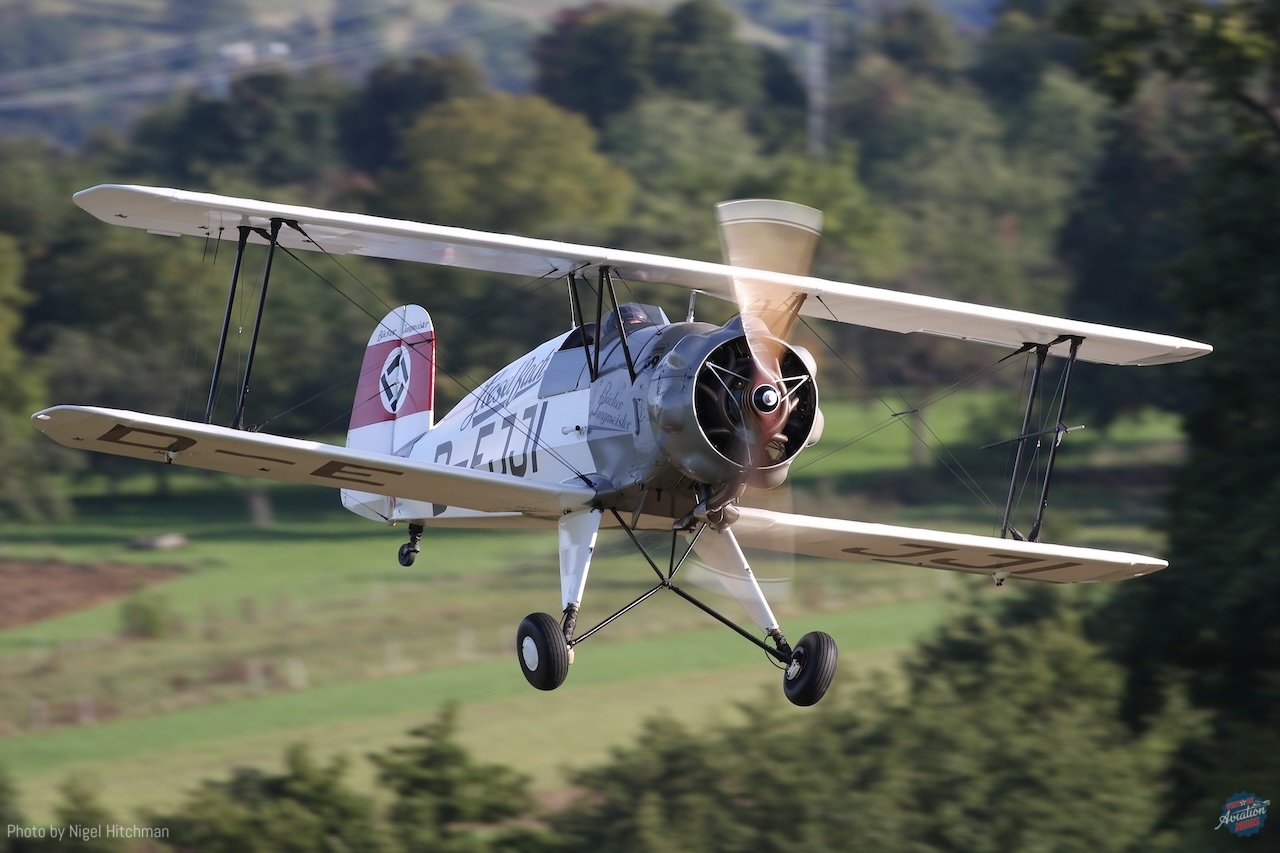
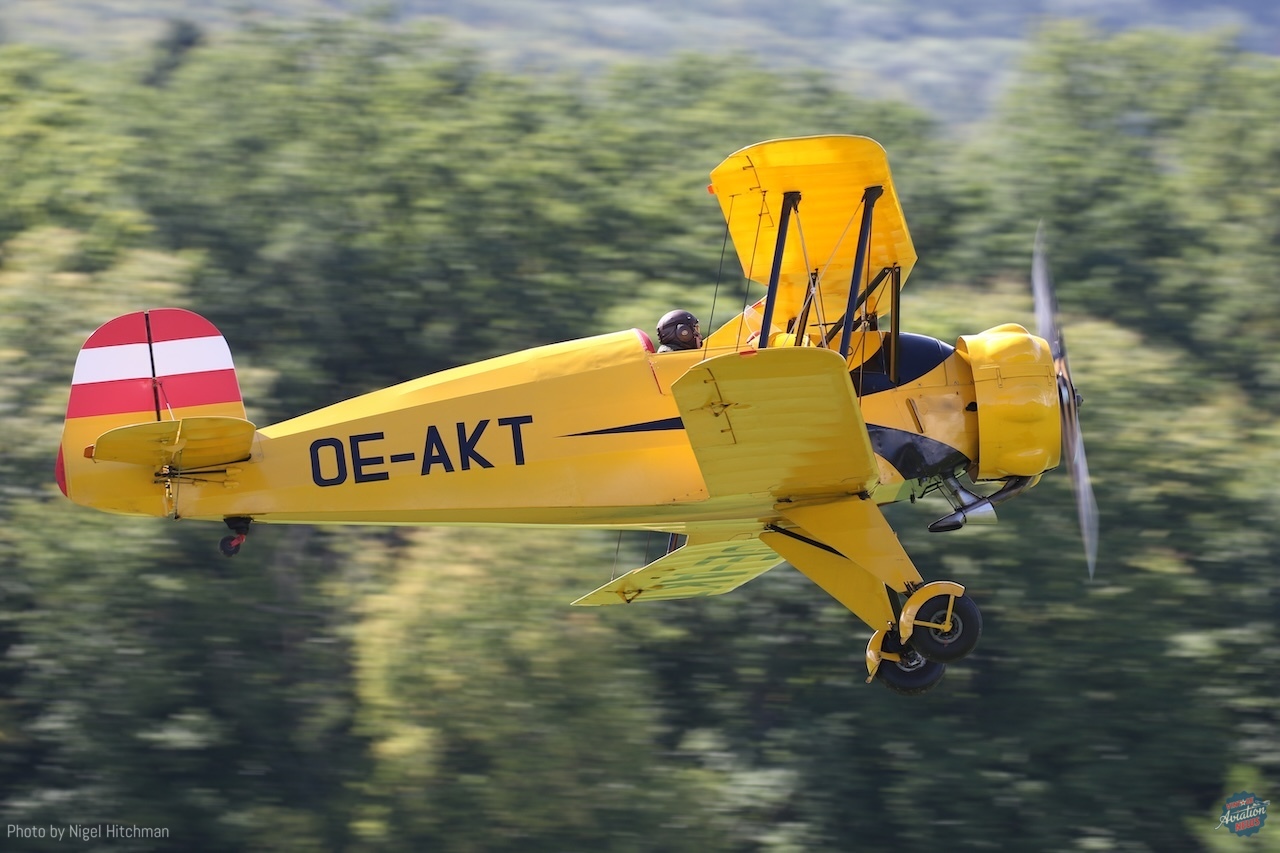
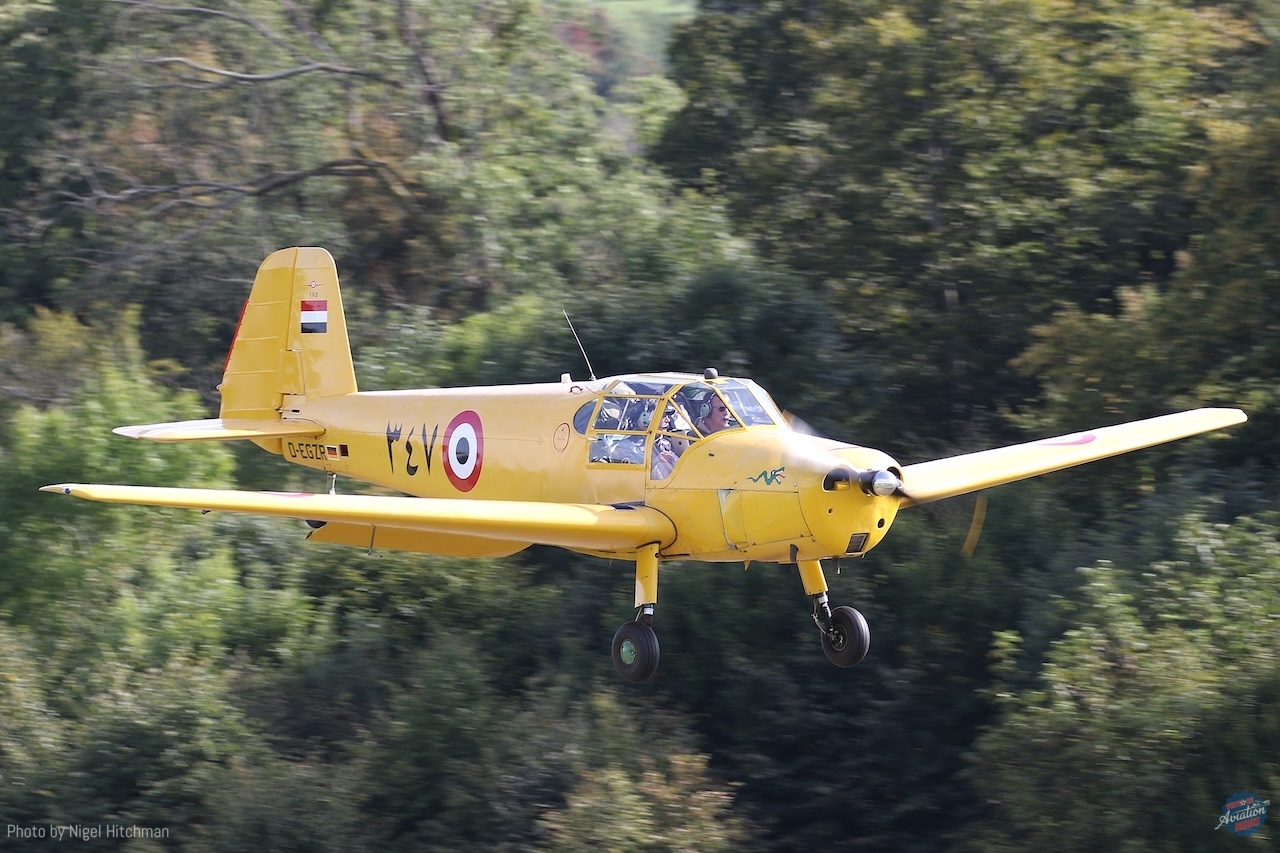
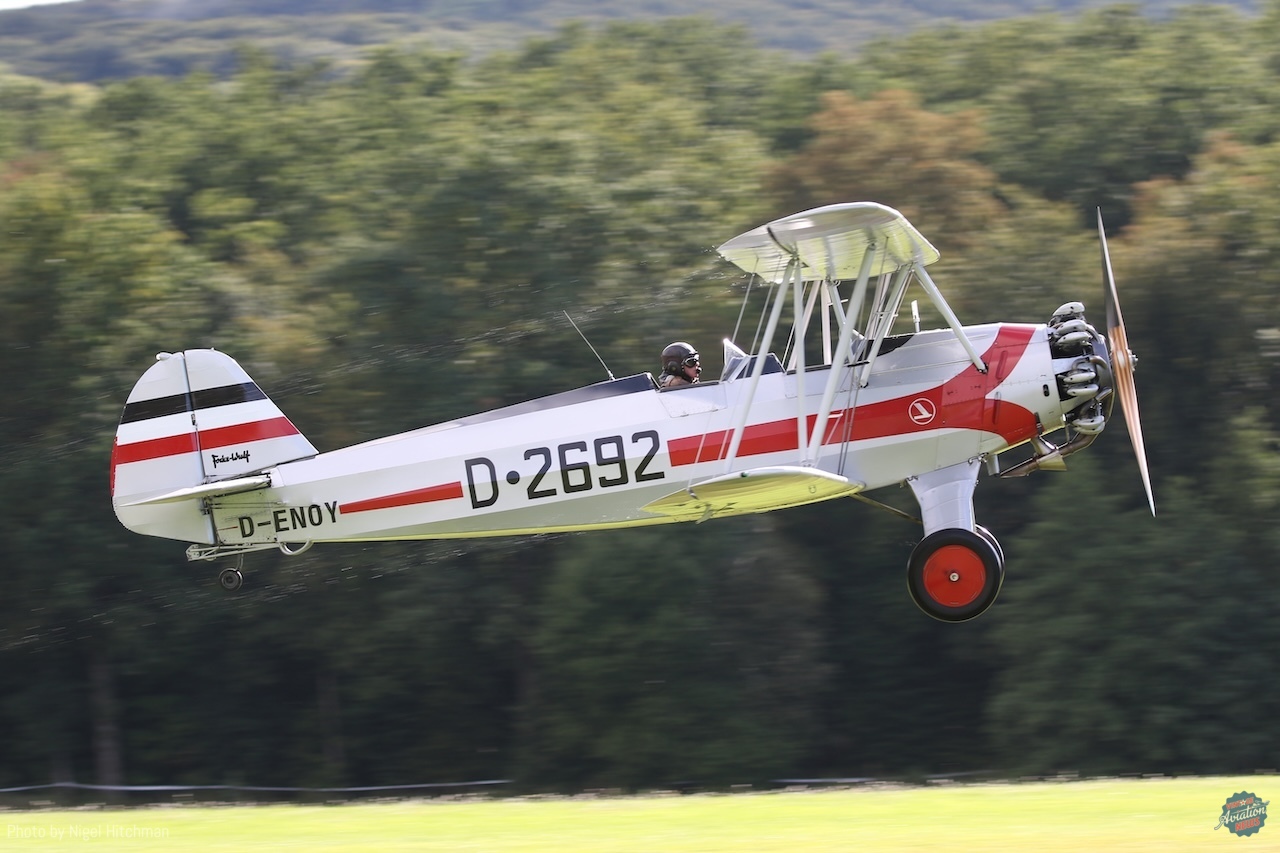
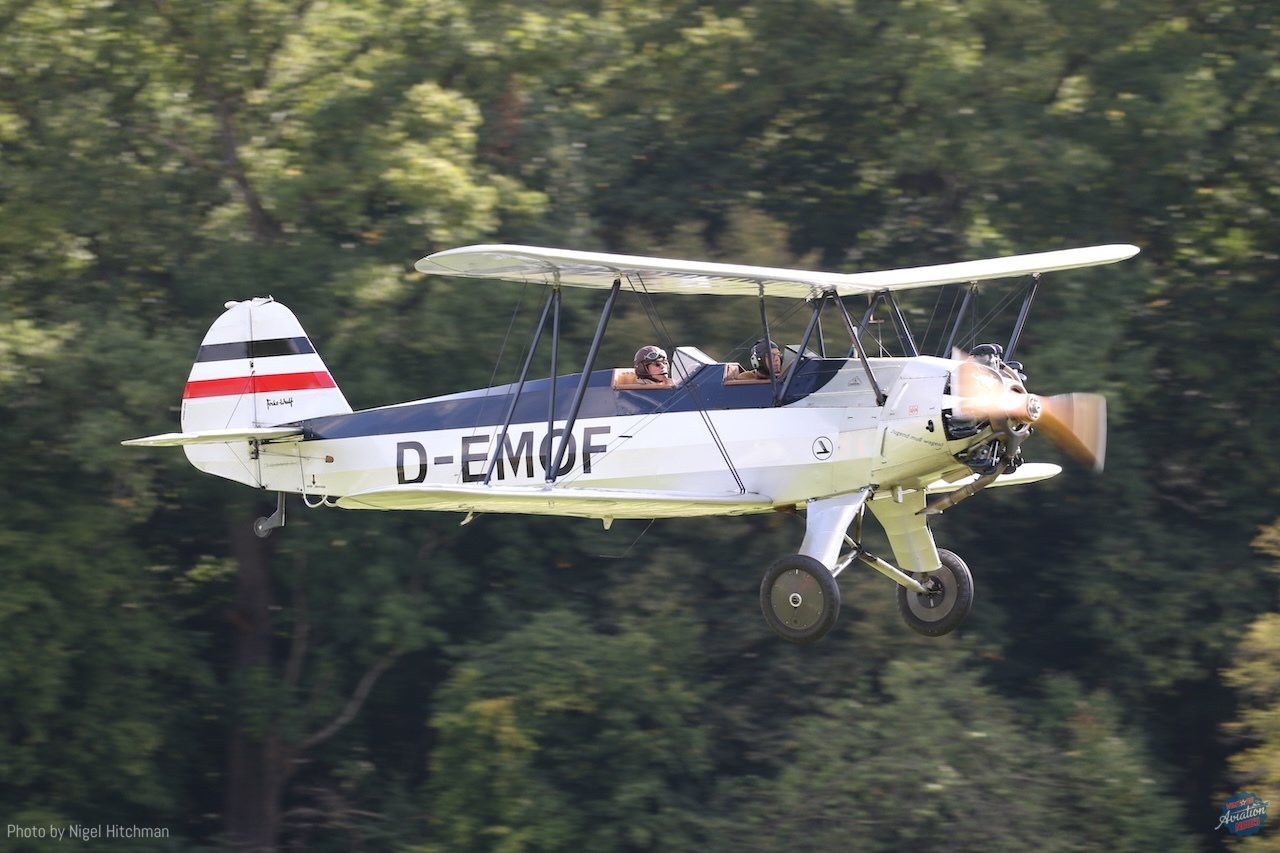
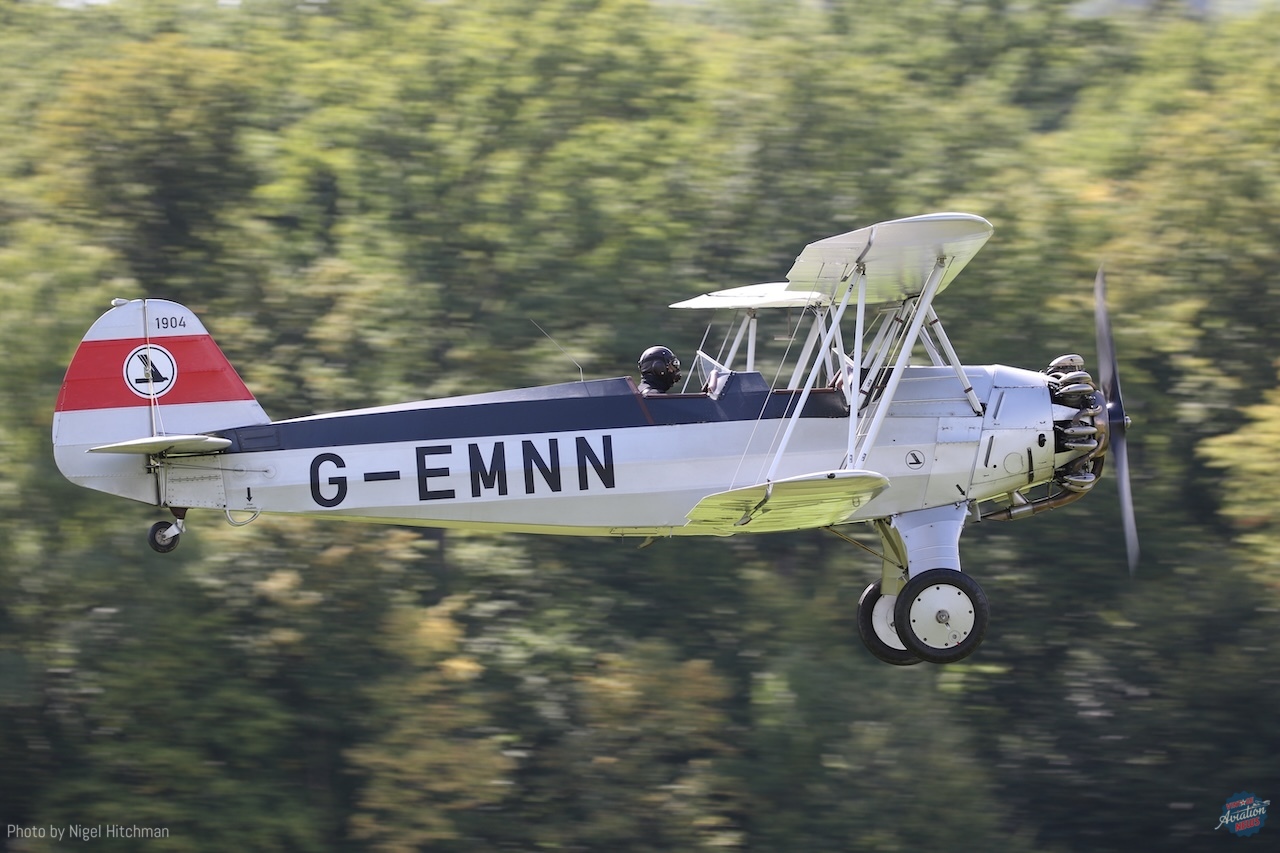
There were also several Focke-Wulf FW-44J Stieglitz, the contemporary of the Jungmann in the Luftwaffe in the 30s and a great aerobatic aircraft in its own right, powered by the same Siemens engine as the Jungmeister.
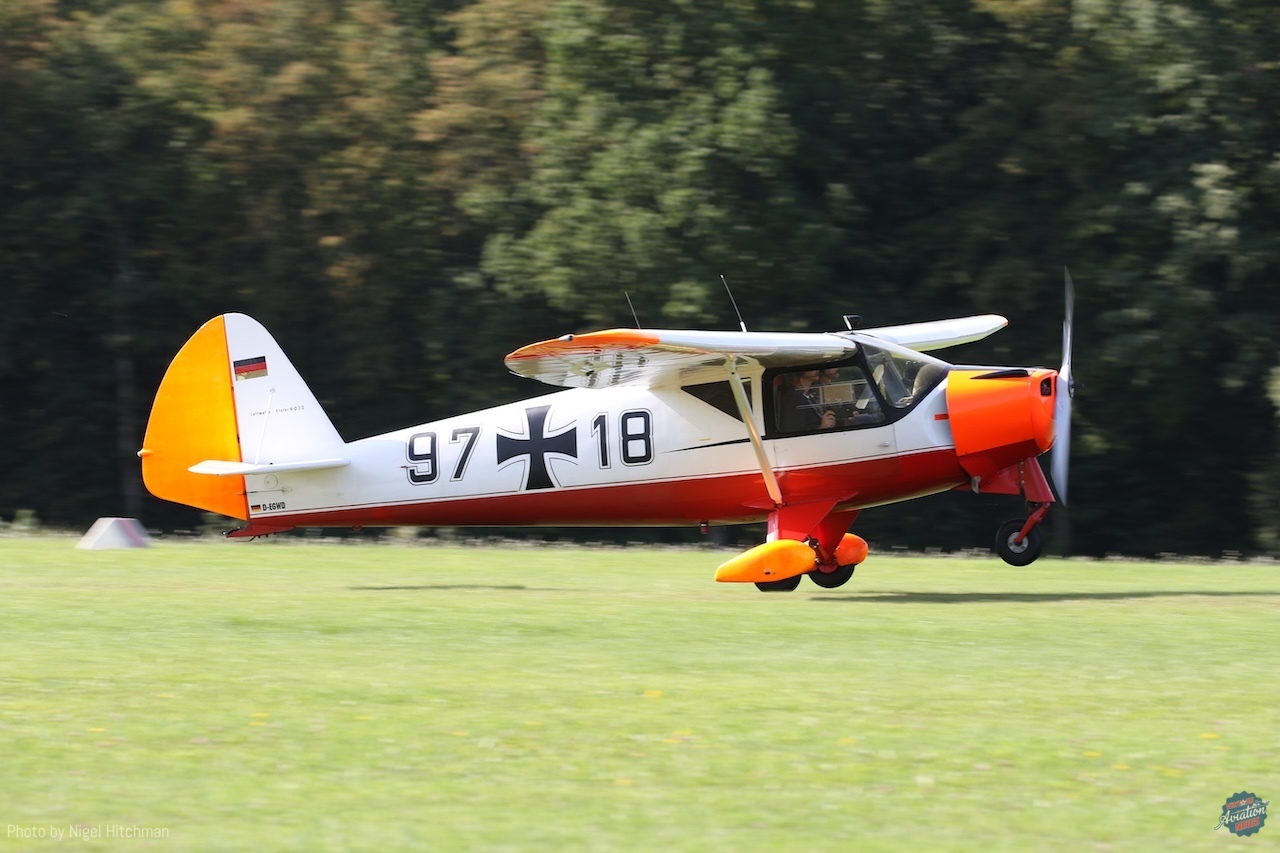
The Putzer Elster was developed from the Doppelraab glider and was a 2 seat side by side all wooden aircraft powered by a Continental C-90, they were mainly built for the Luftwaffe and Navy sport flying clubs, initially operated under civilian registration, but later in the 70s with military serials, a second batch built were used as glider tugs with Lycoming O320 engines.
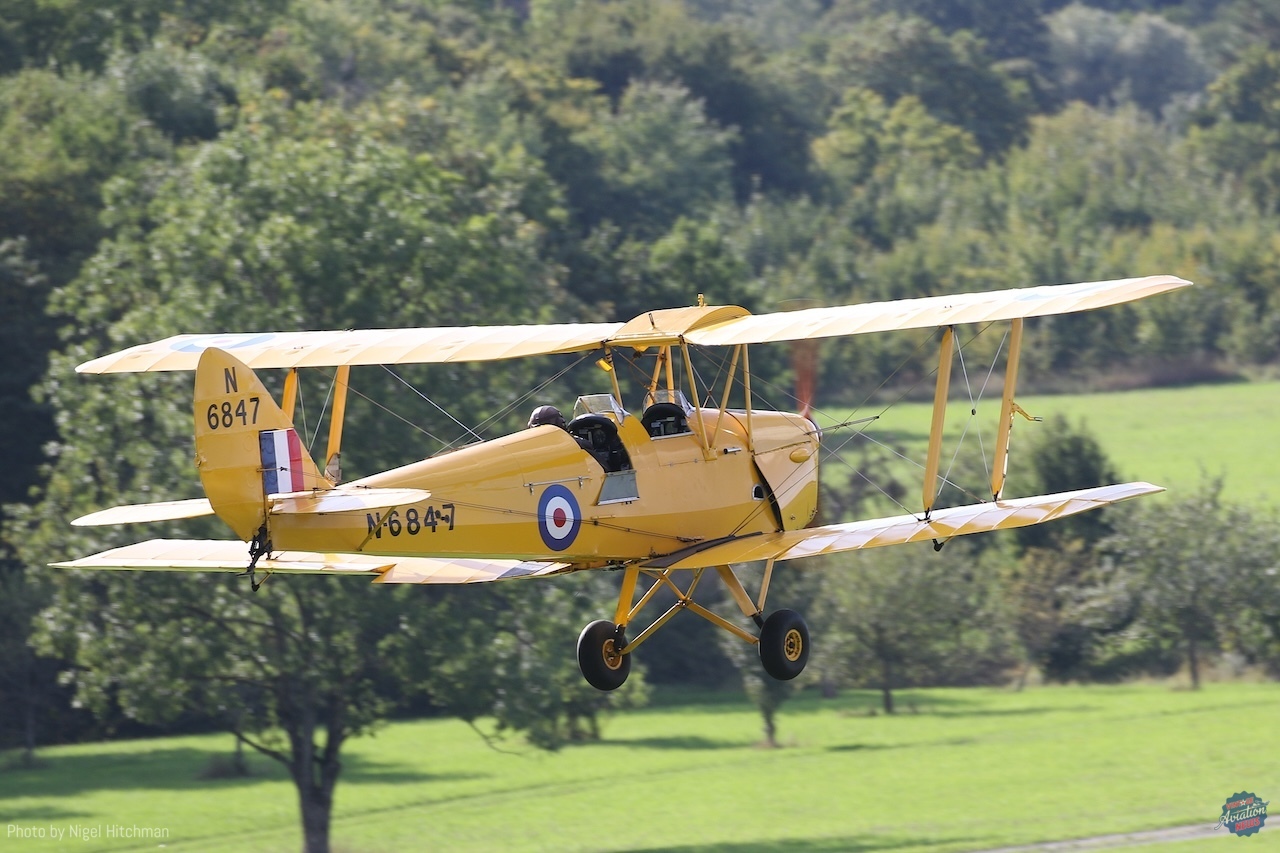
G-APAL/N6847 DH82A Tiger Moth was one of the early arrivals and also one of the last to get home after an epic flight battling weather and winds by Phil Shotbolt from his airstrip in Lincolnshire. Two other German based Tiger Moths also attended.
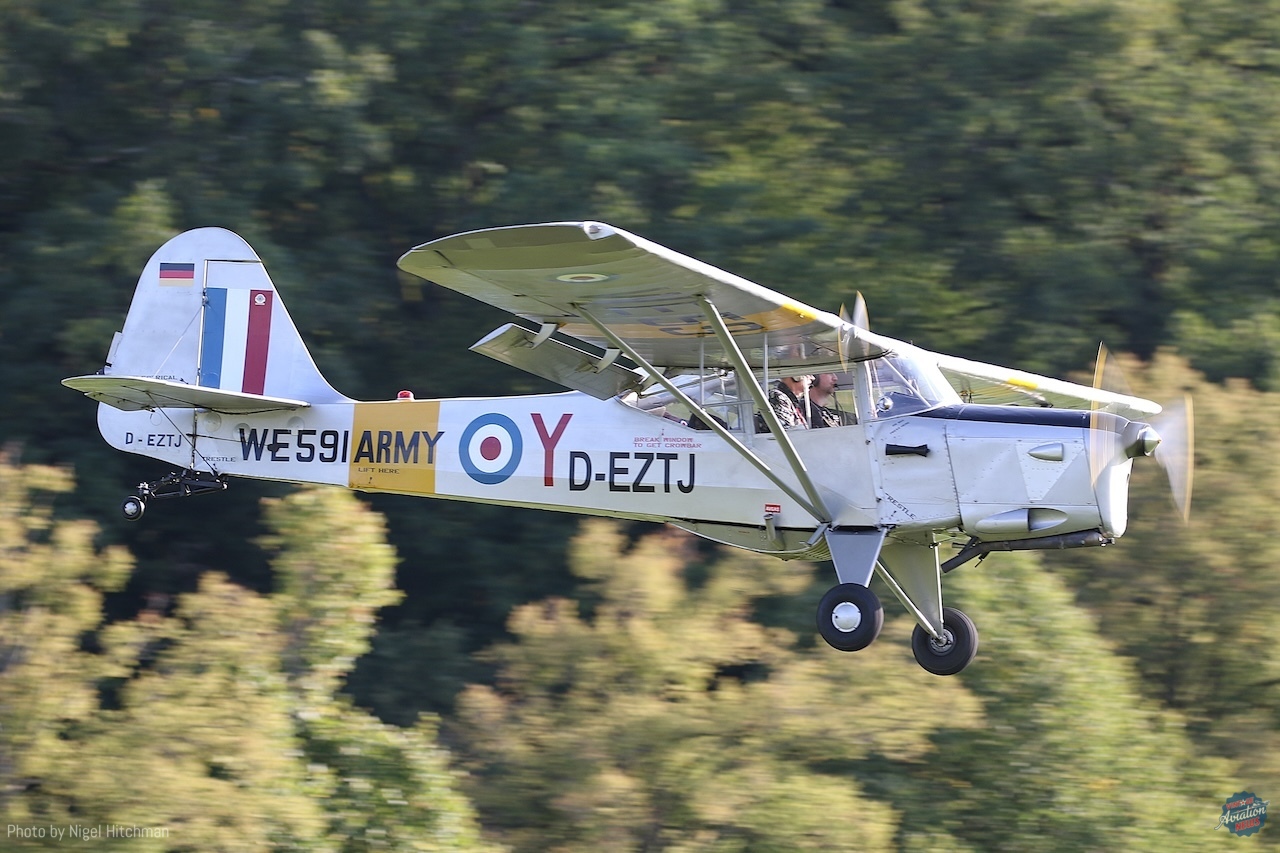
The only Auster this year was D-EZTJ/WE591 built as an Auster T7 in 1951, it was damaged in 1960 and went back to the factory where it was rebuilt as a Beagle A.61 Terrier 2 G-ASAK, exported to France in 2004 and restored in its military colours and later sold to Germany.
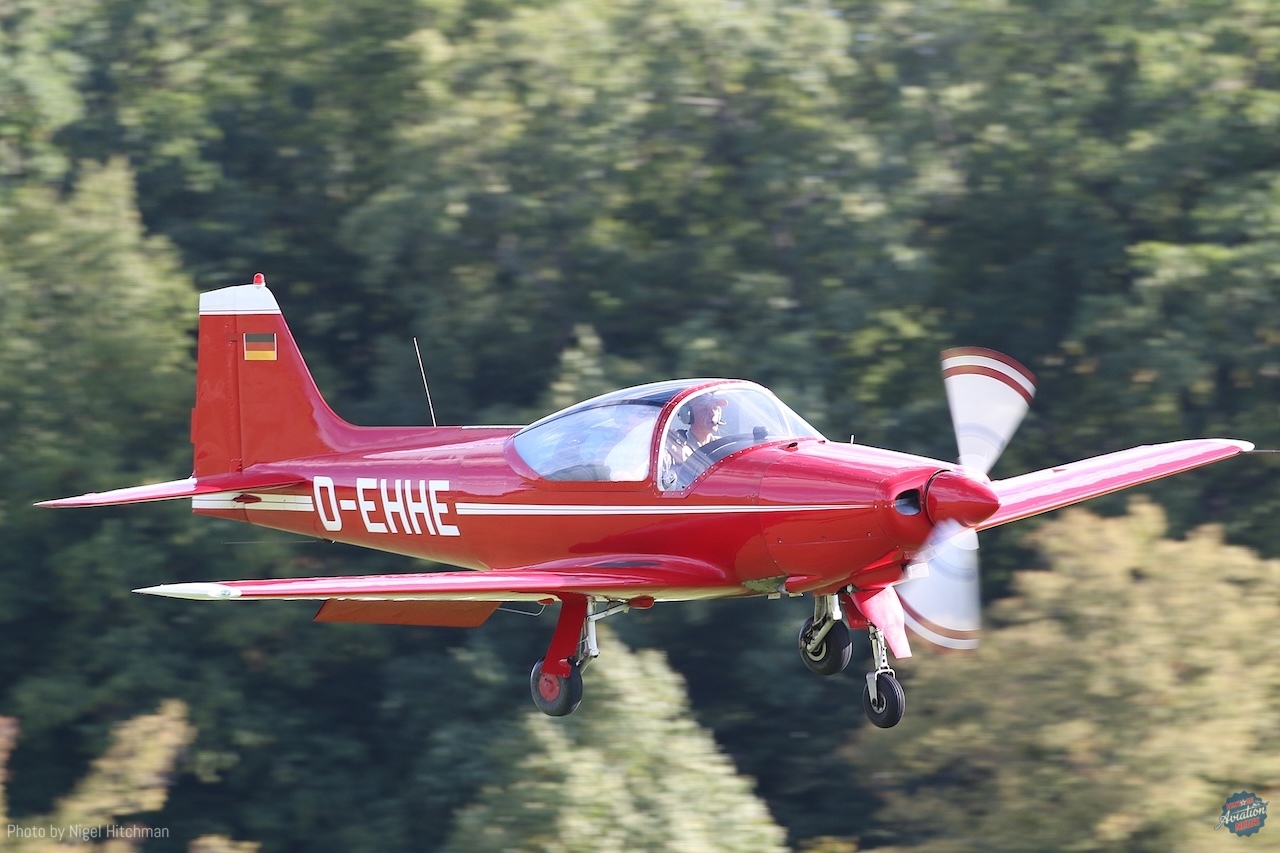
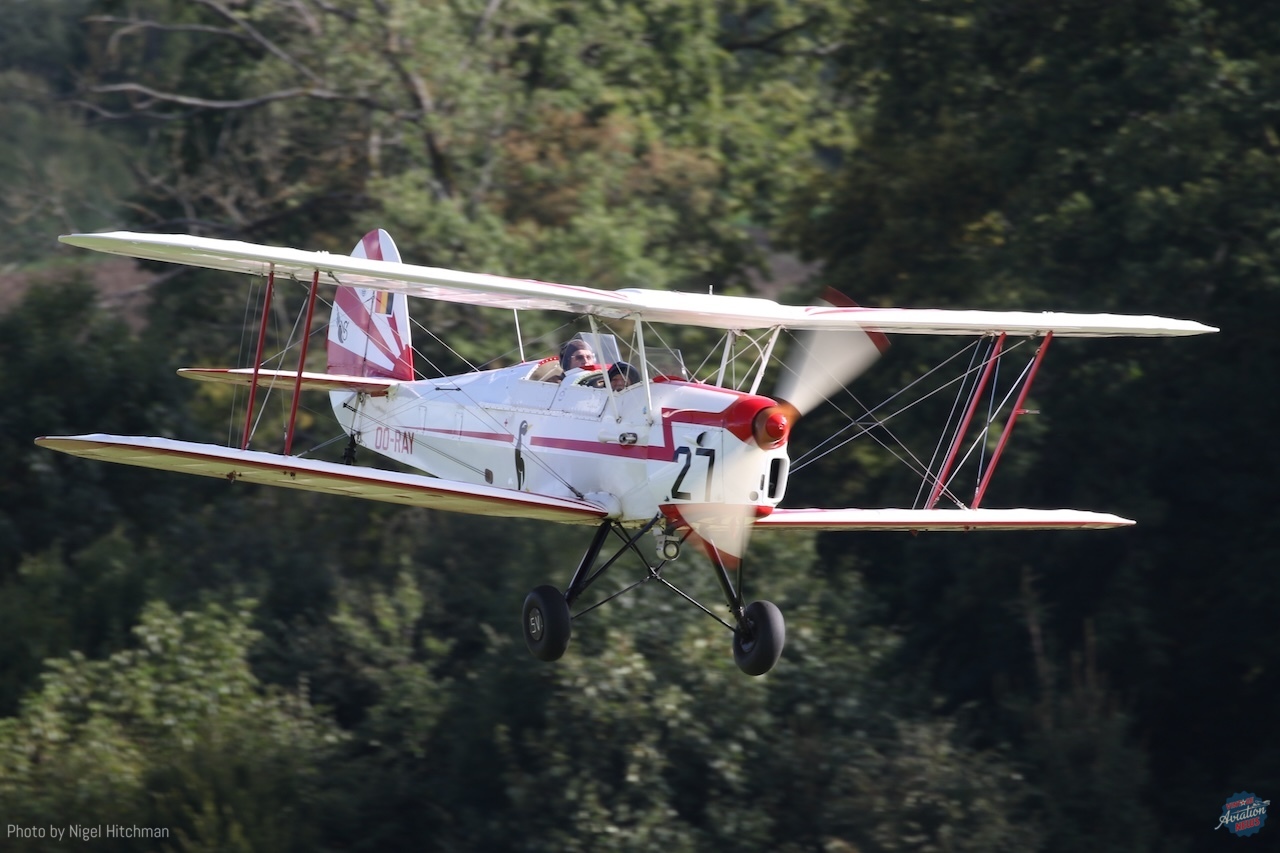
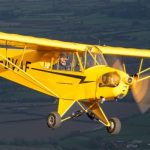
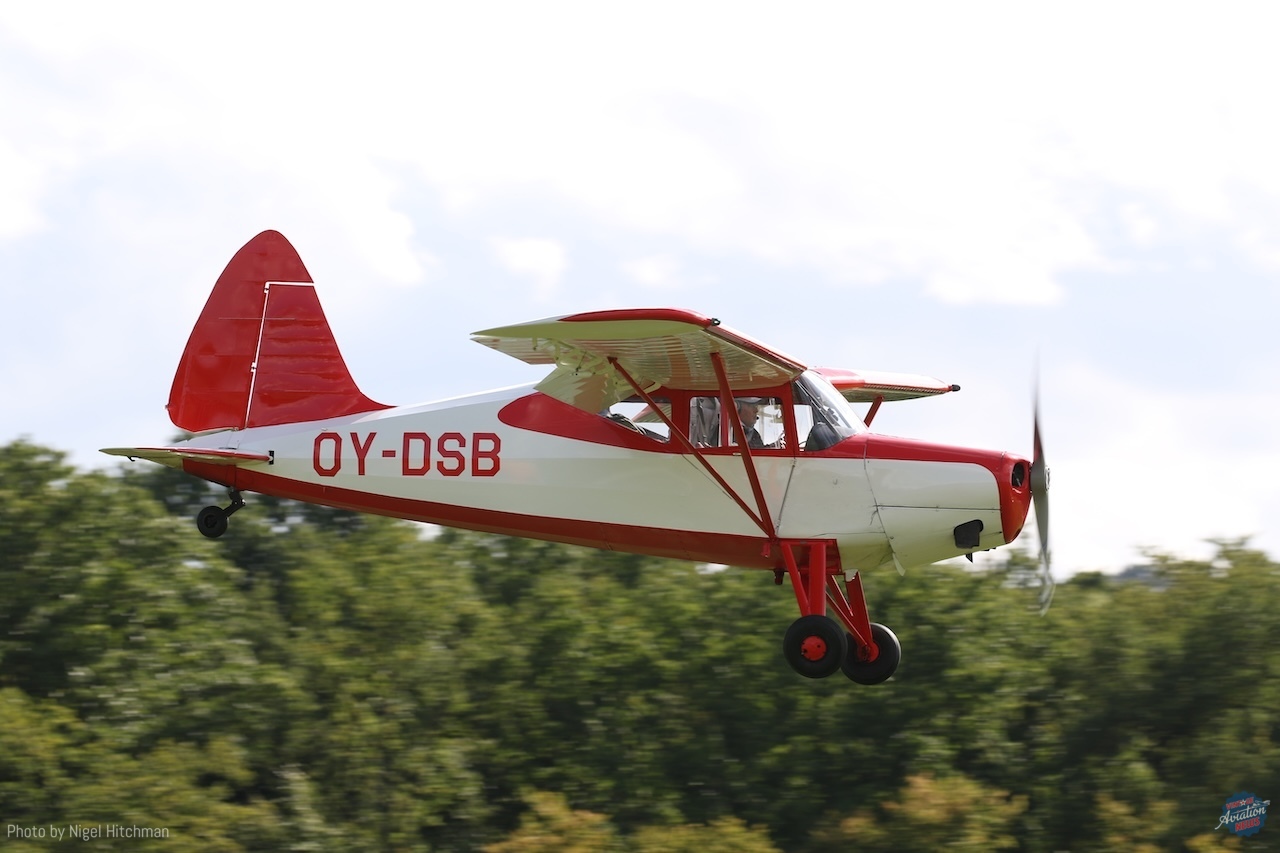
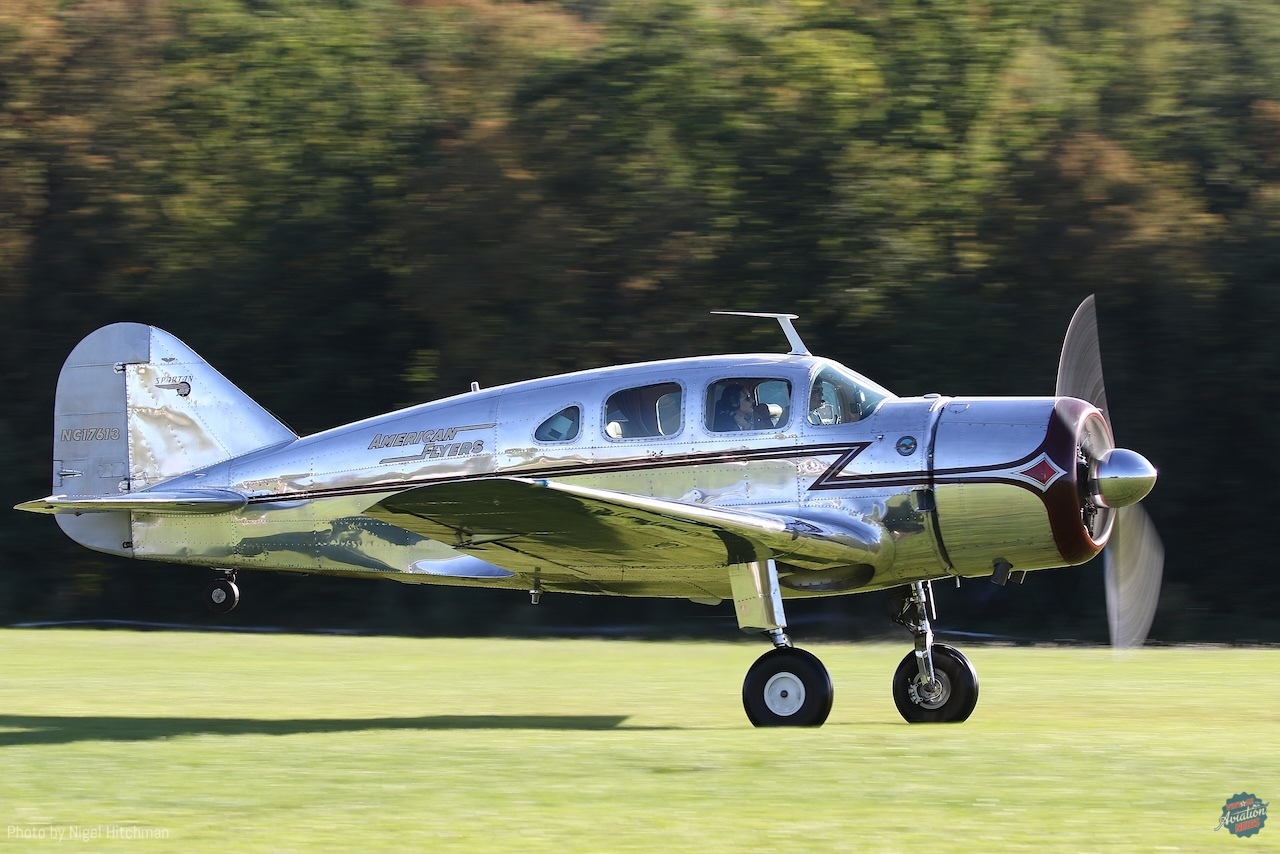
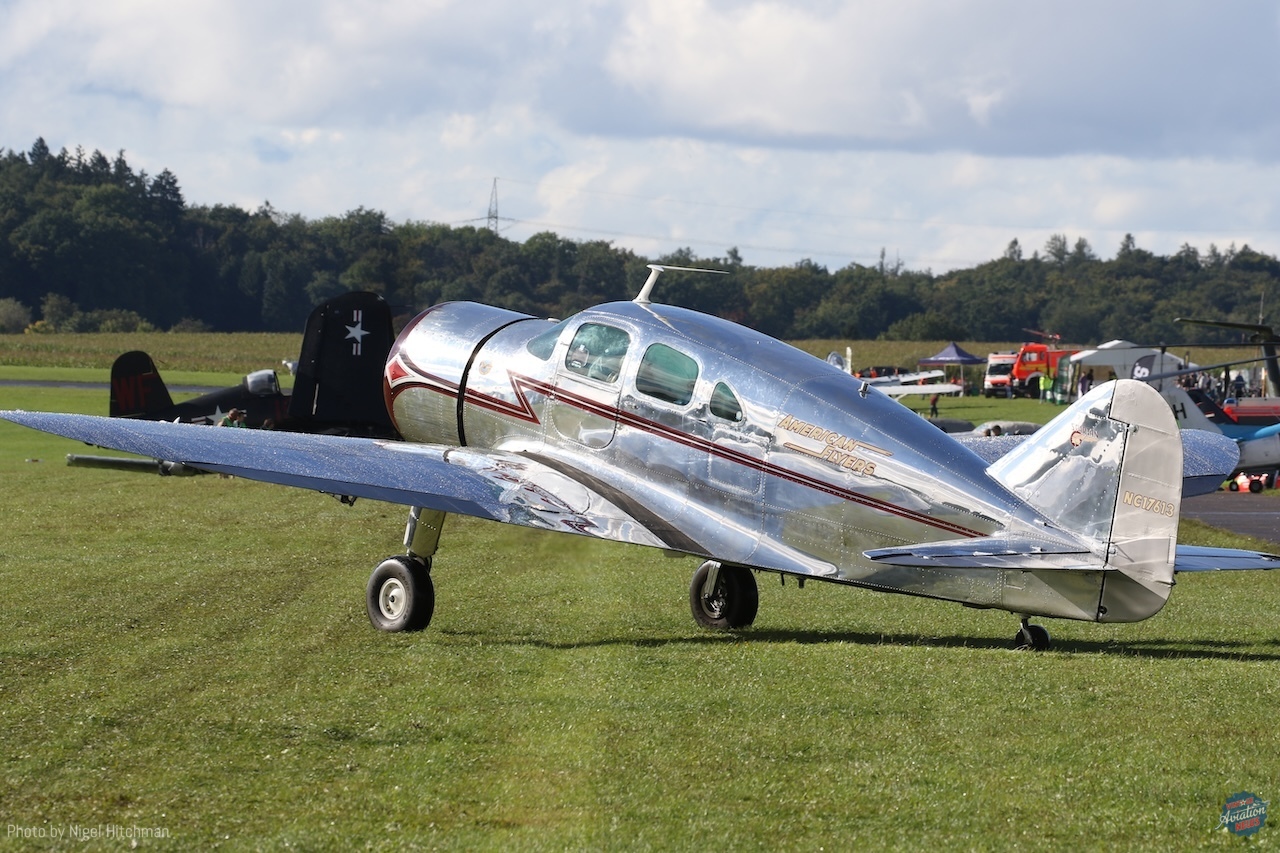
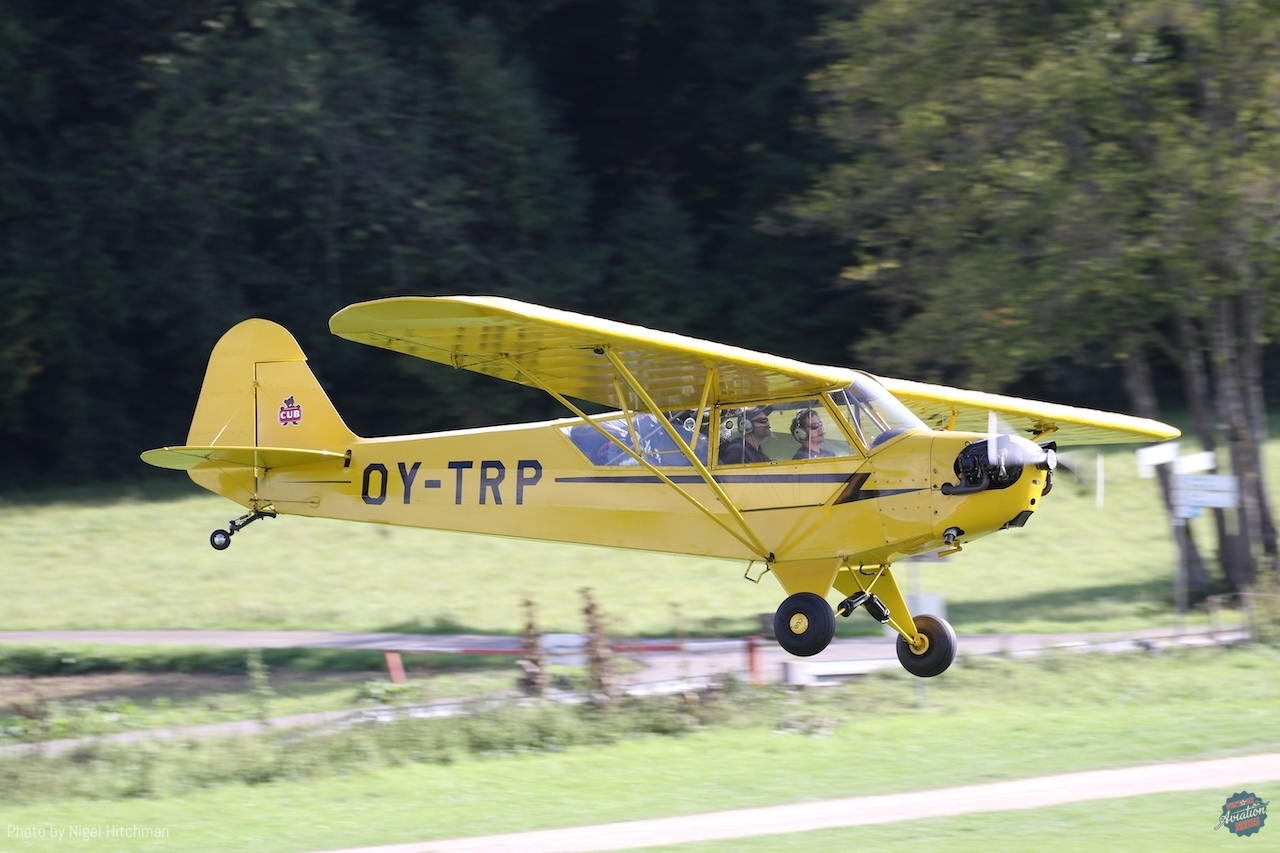
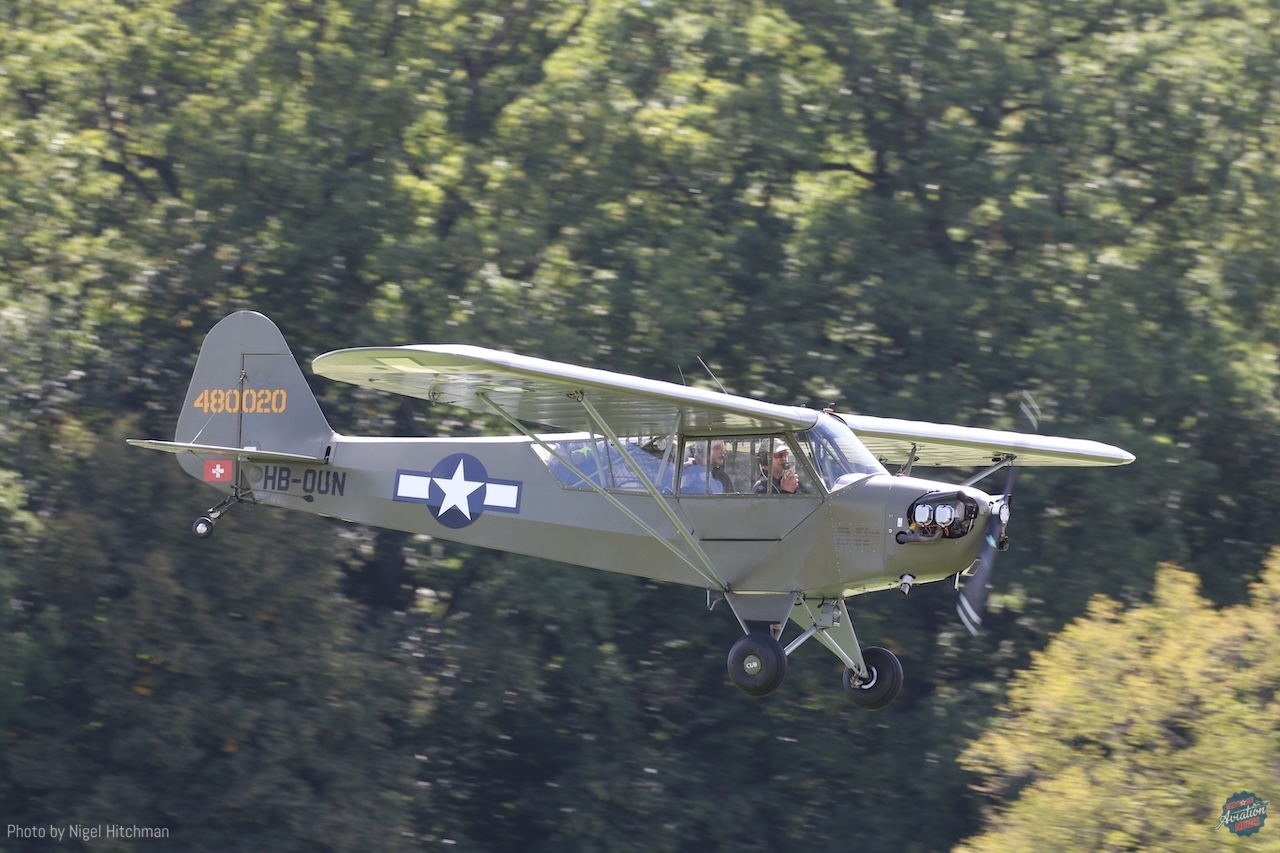
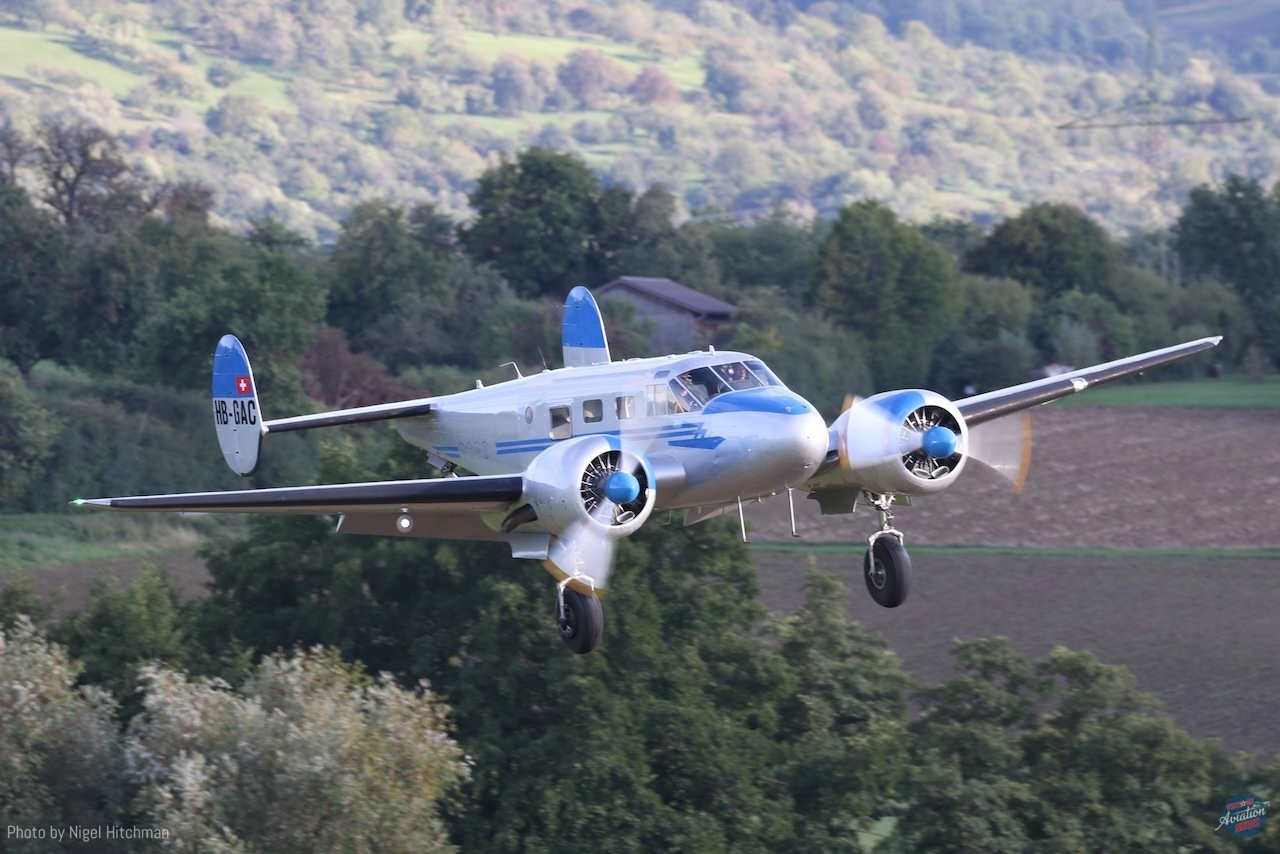
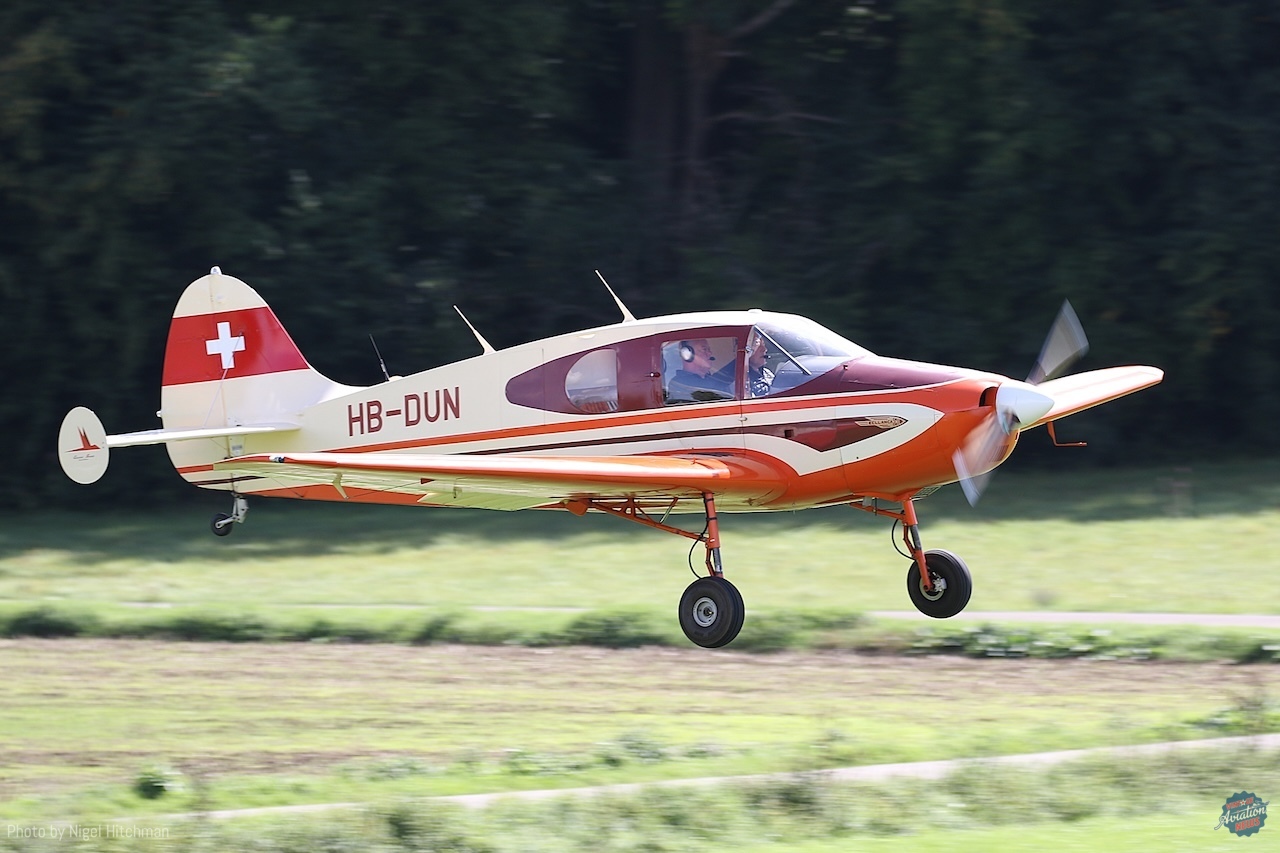
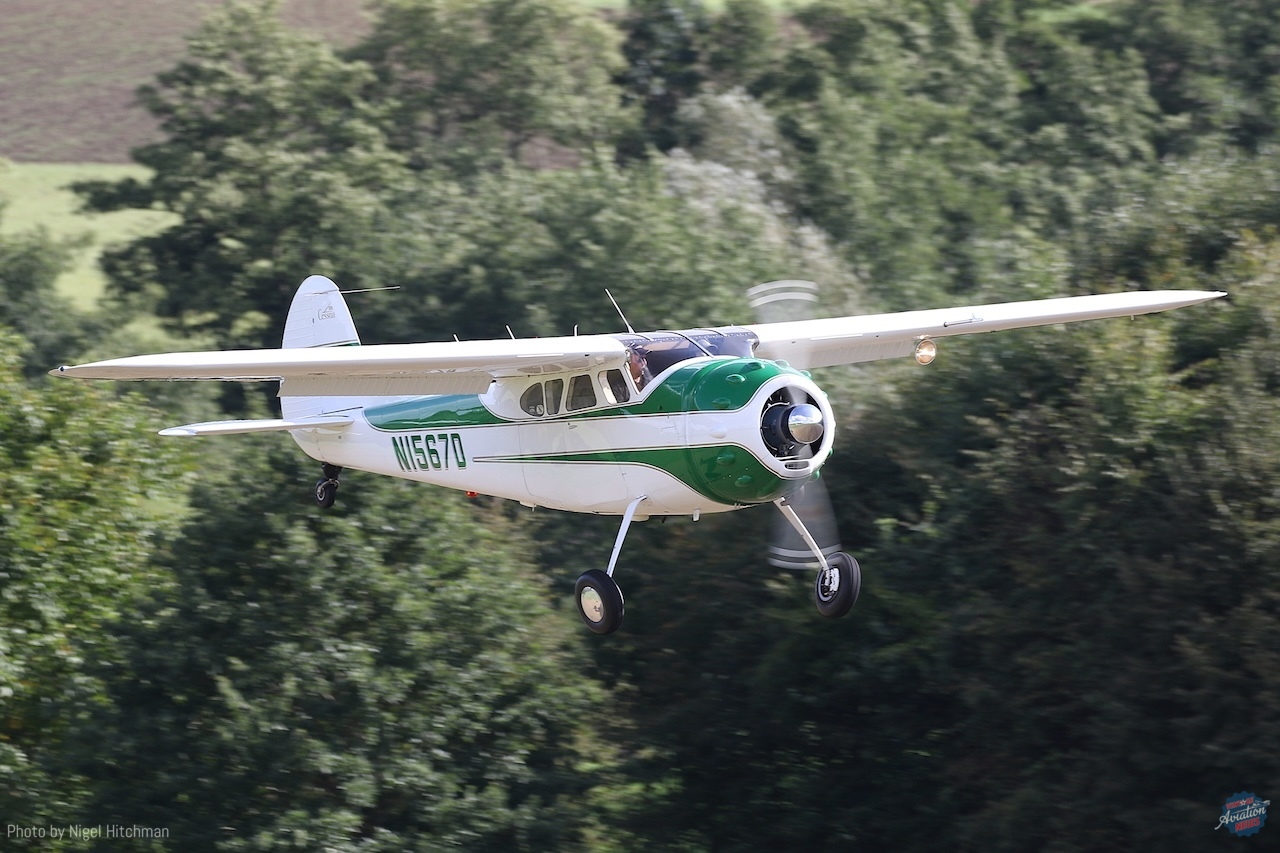
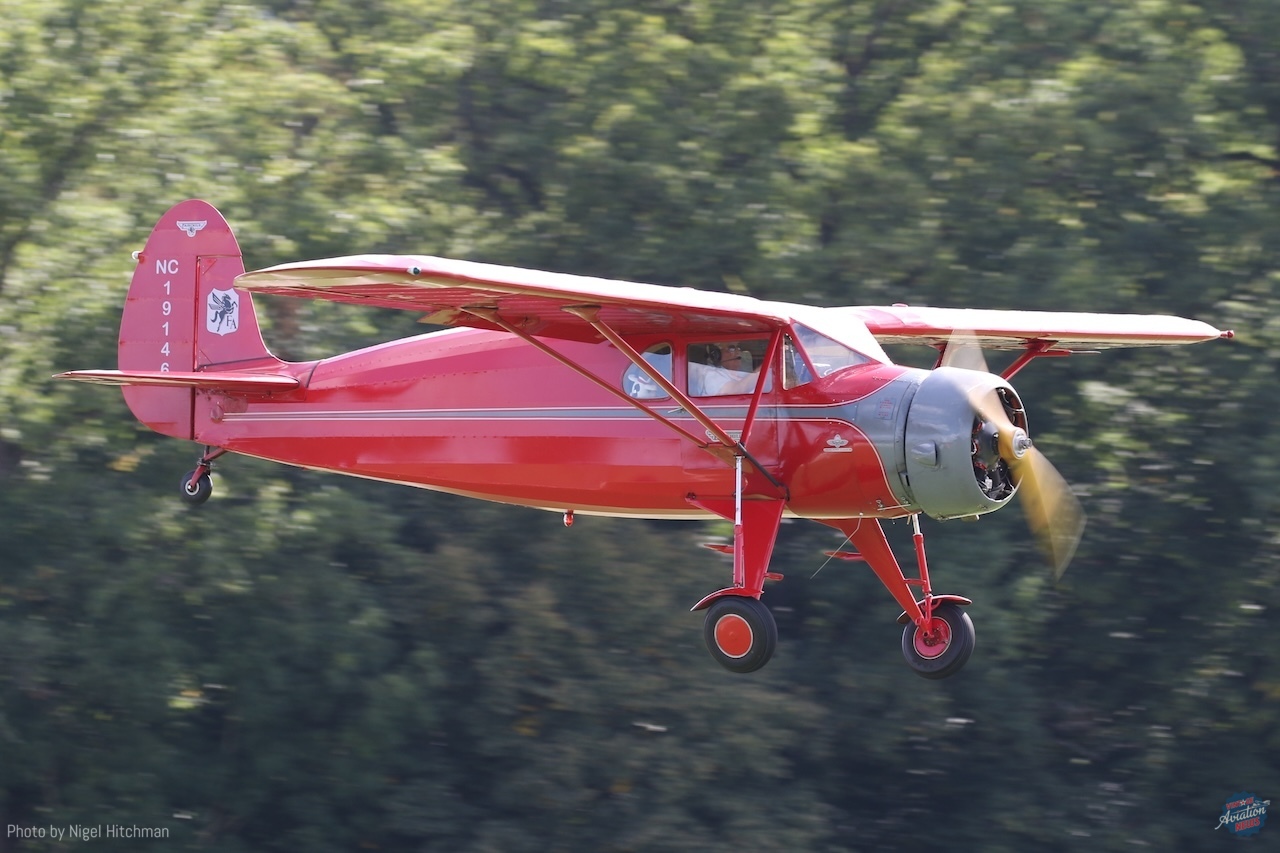
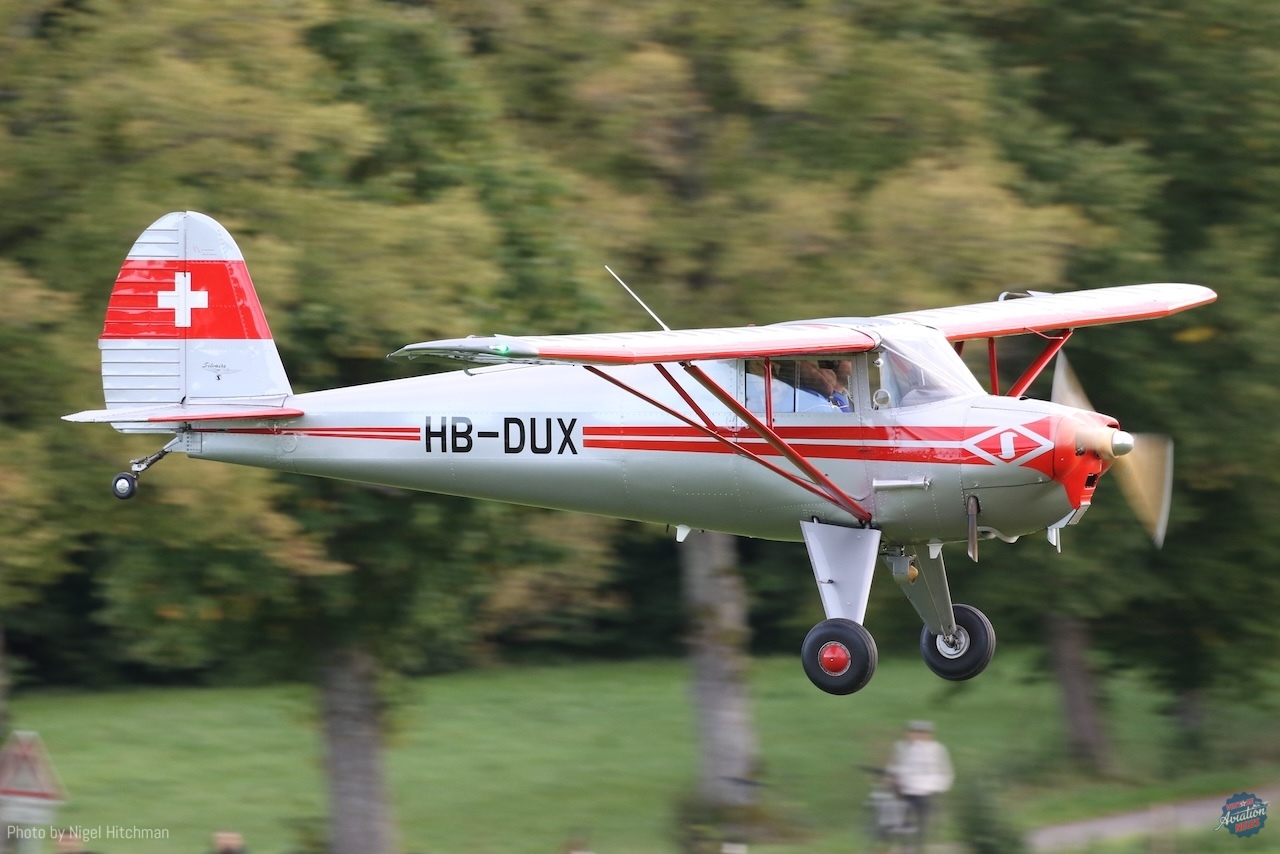
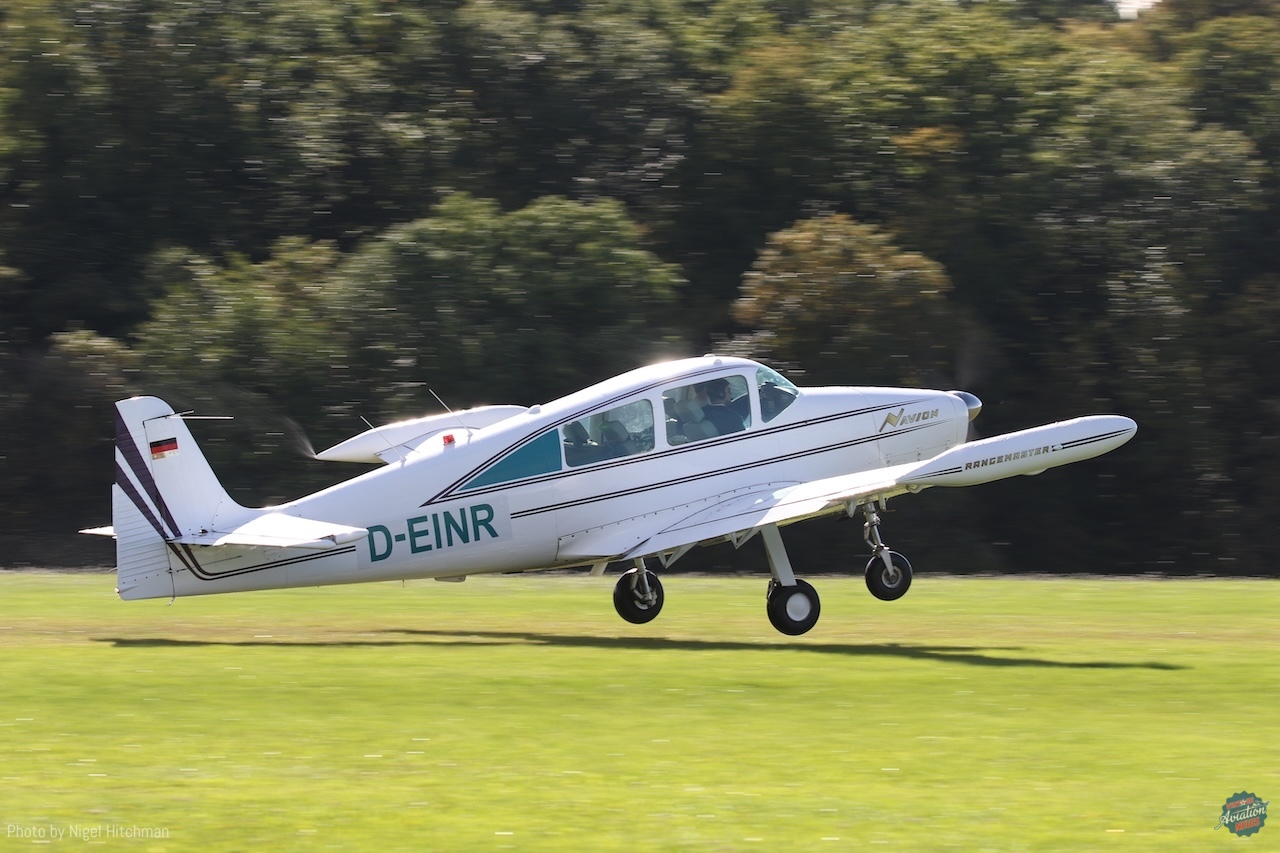
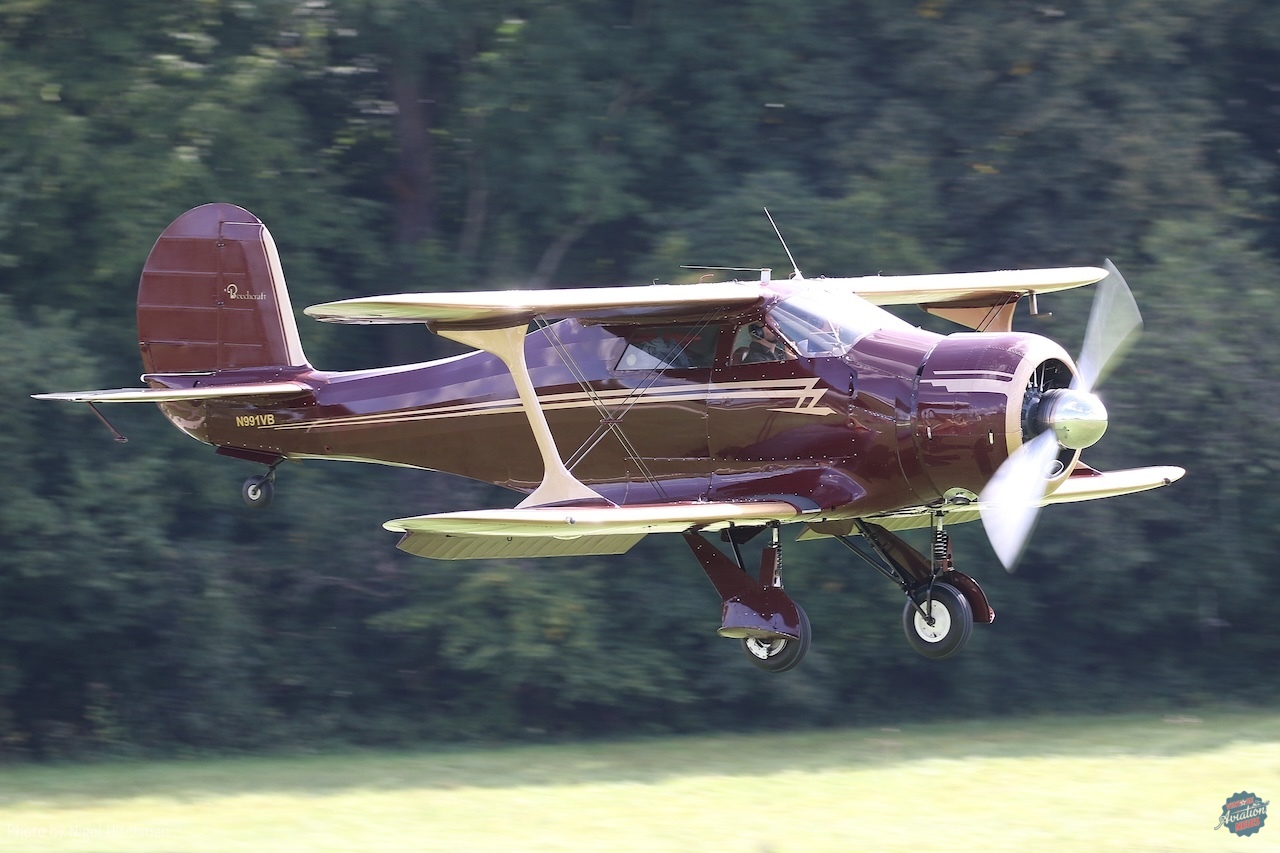
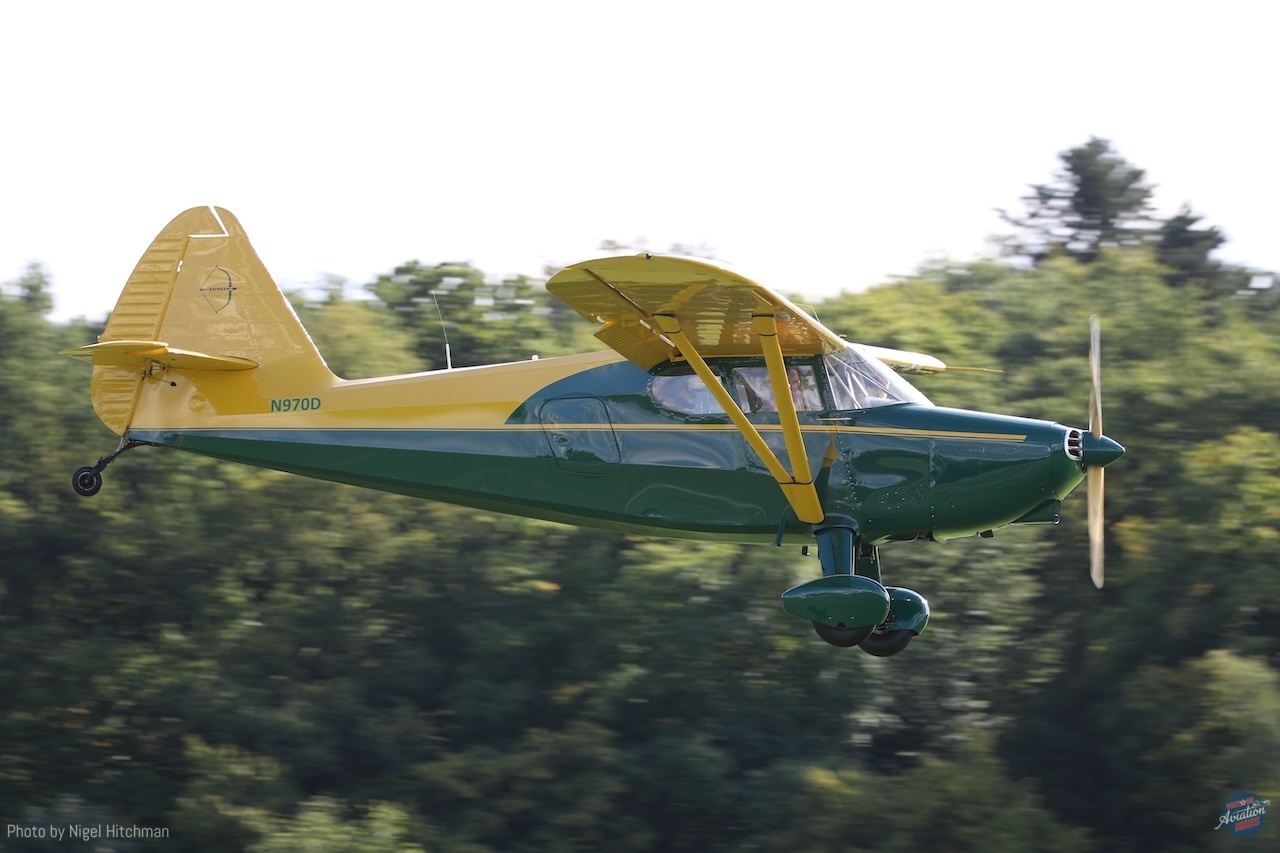
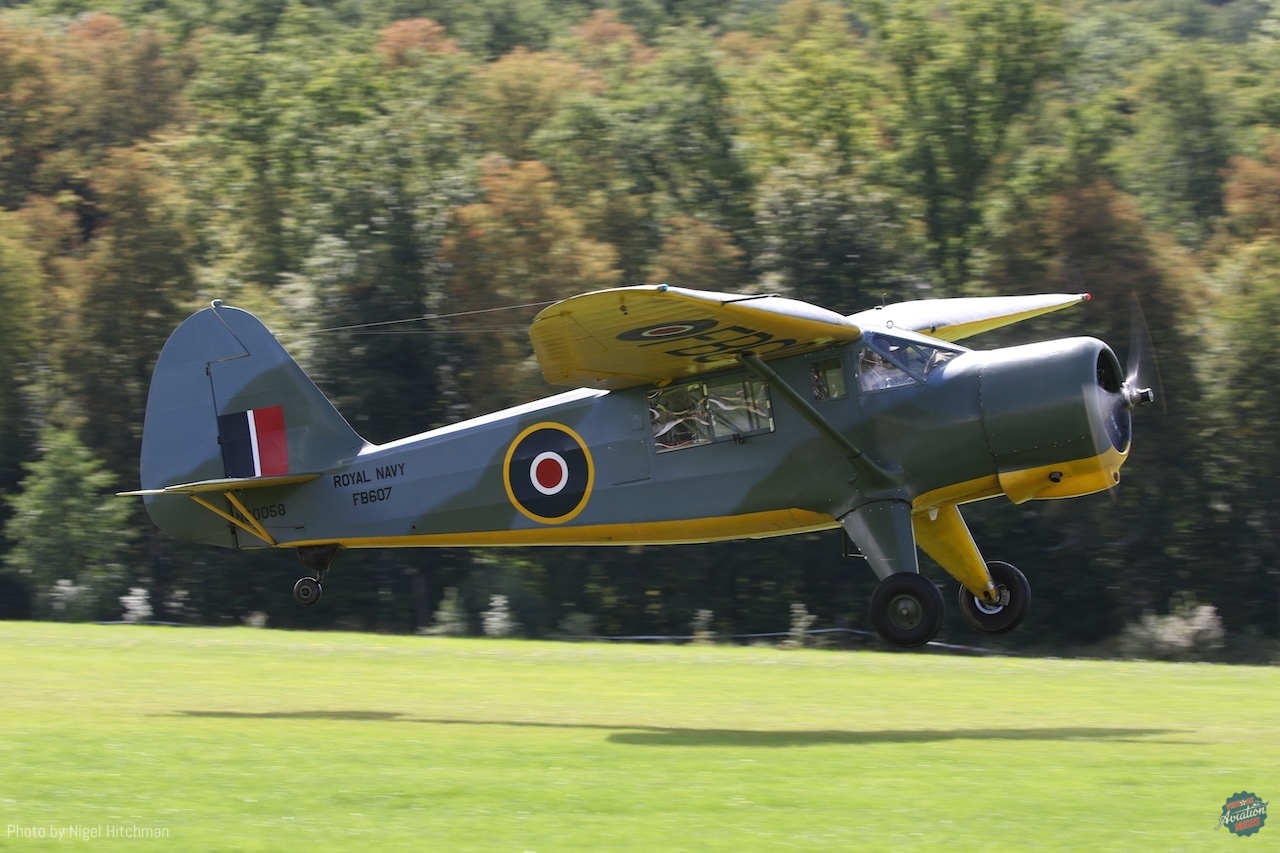
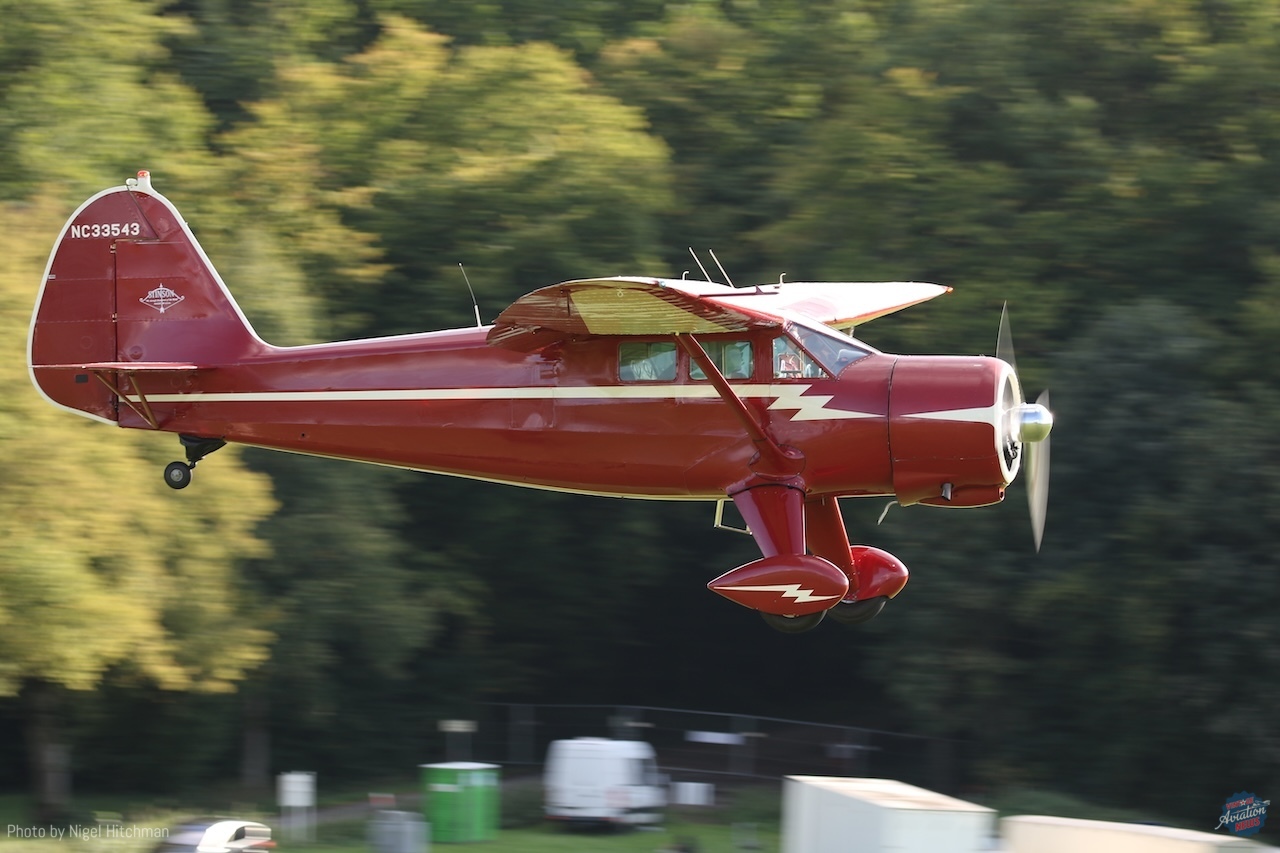
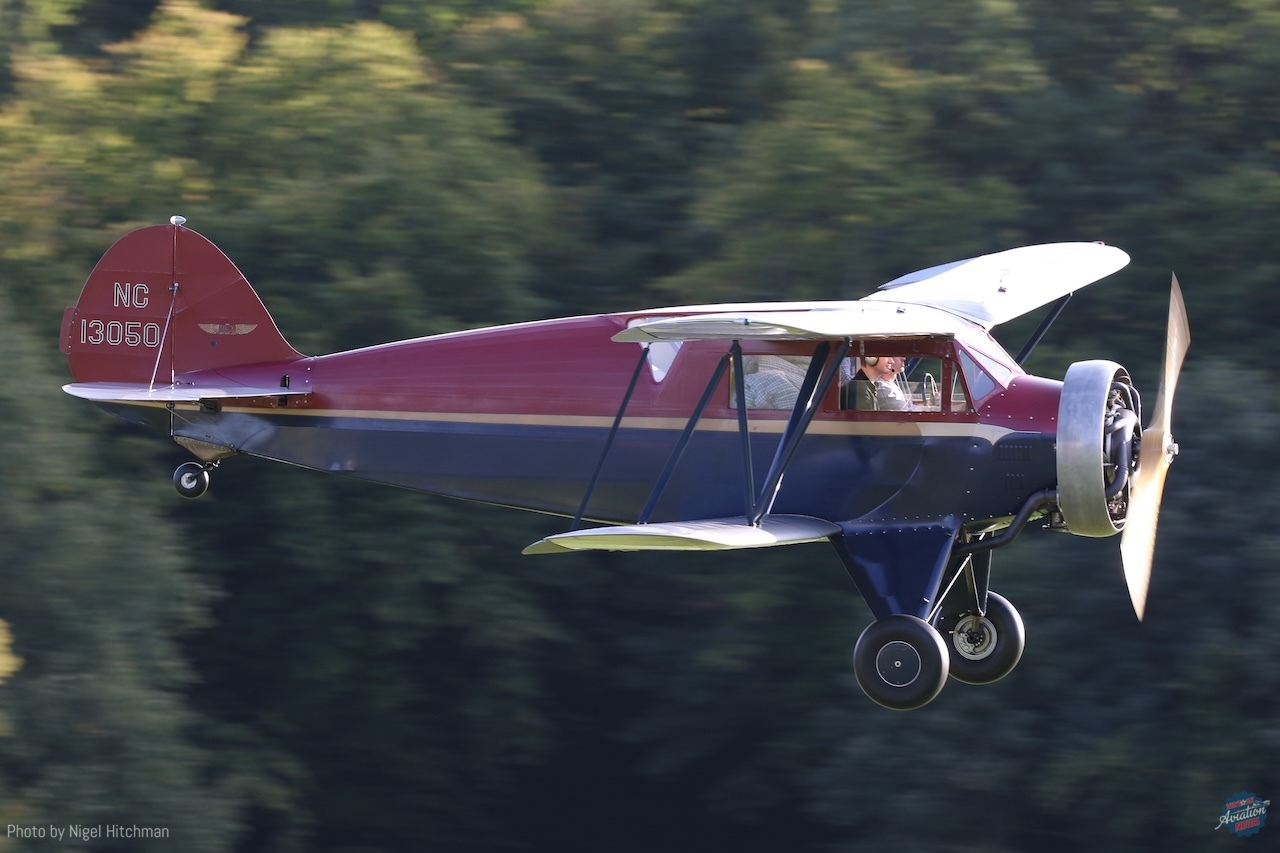
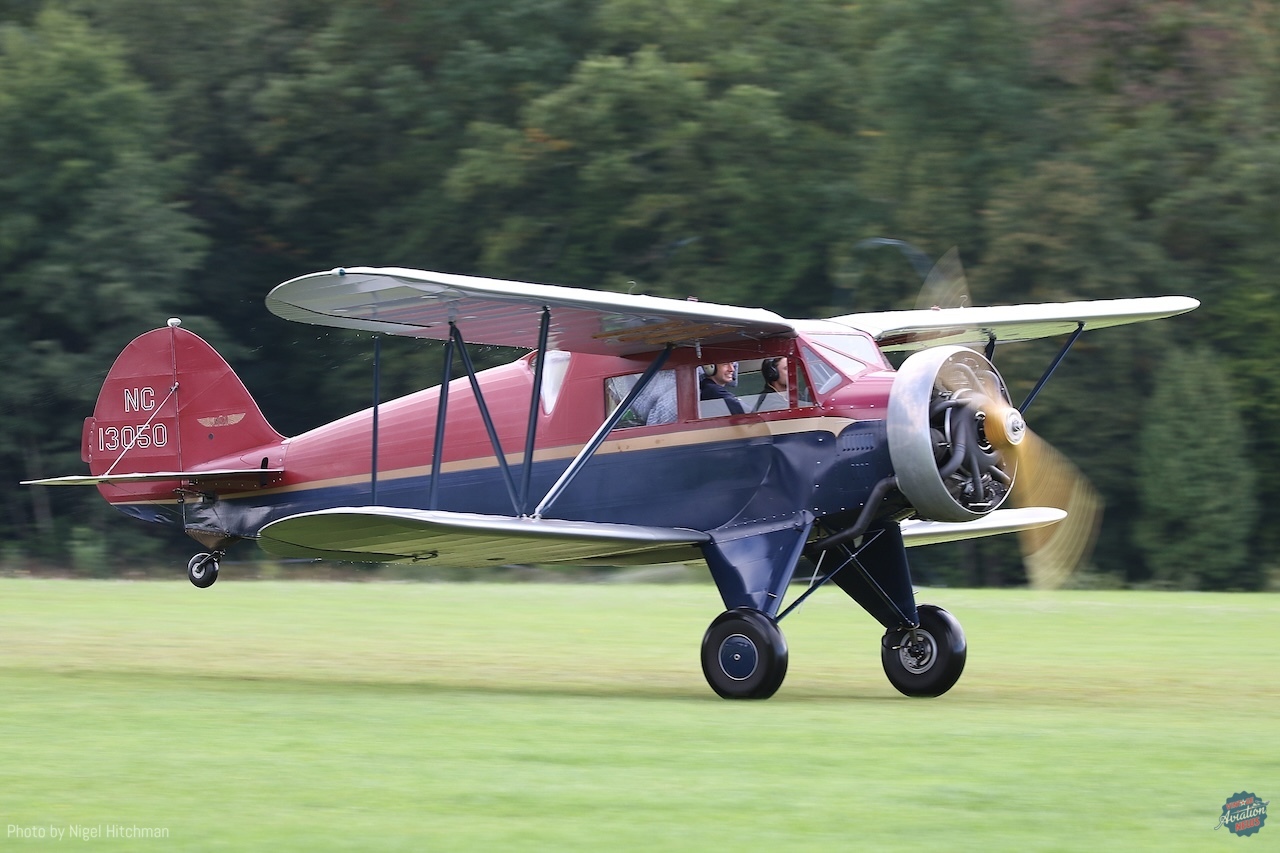
There were a large number of American-built vintage aircraft present including many Cub variants of which there are numerous, particularly those remaining L-4s after World War Two which were operated by many local aeroclubs and then sold off to private ownership in the 70s. Also a lot of early L-18 and L-21 Super Cubs which served in many air forces in the 50s and 60s and then were sold off. Most of the other American-built aircraft are those that have been imported from the 80s until the present time with a wide variety of types as shown in the photos. Notable examples included:
In conclusion, Hahnweide continues to be a remarkable venue for vintage aviation enthusiasts. This quiet gliding field near Stuttgart hosts a spectacular fly-in, showcasing an extraordinary variety of aircraft. The next event, if following the current schedule, should take place in September 2028, with details usually confirmed the summer before. The tireless efforts of the Fliegergruppe Wolf Hirth volunteers and supporting teams make this outstanding gathering possible, and we hope it will continue for many years to come.