
(Image credit: VAN)
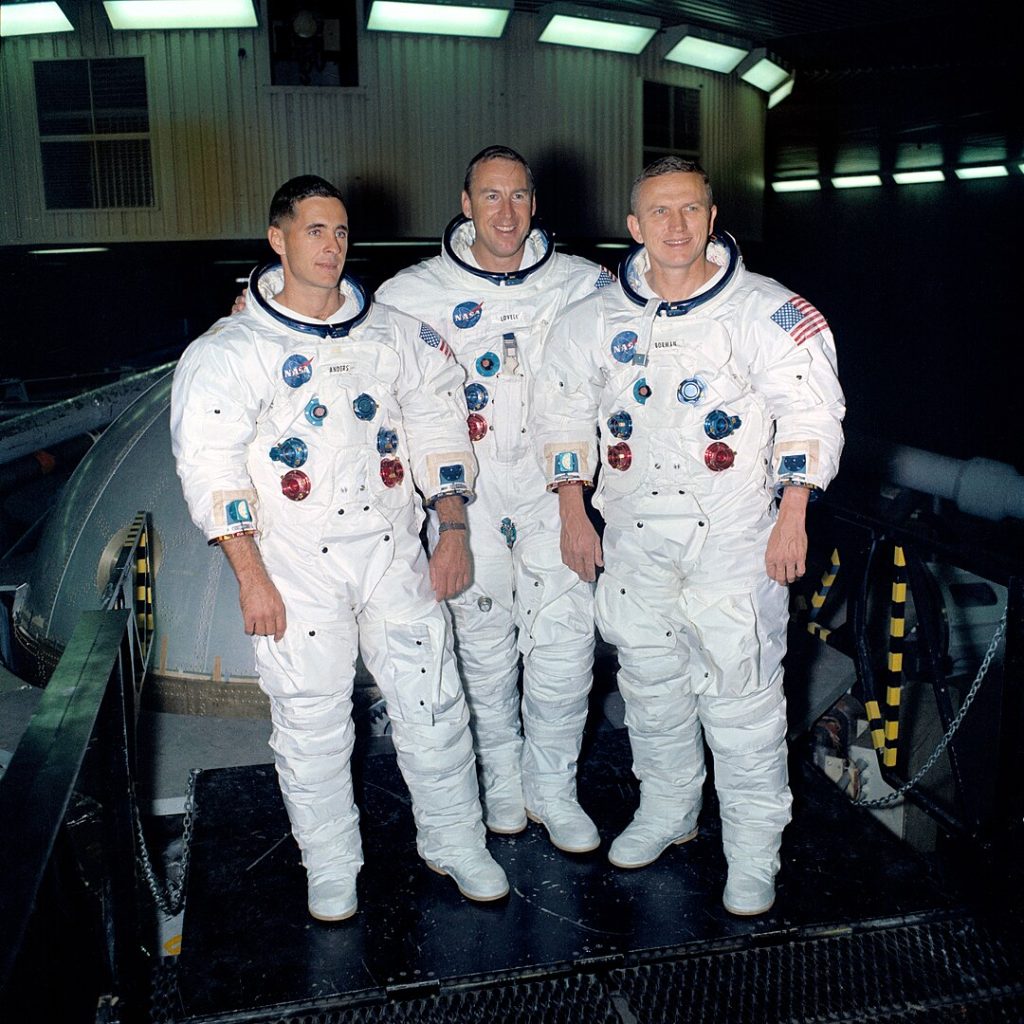
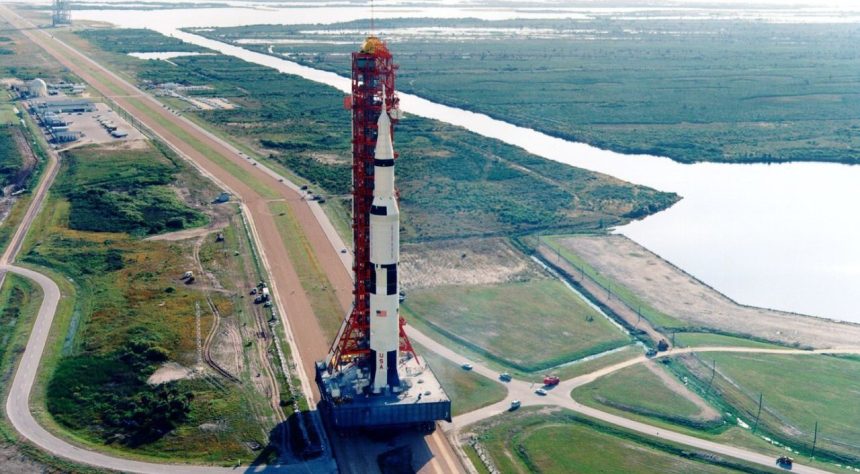
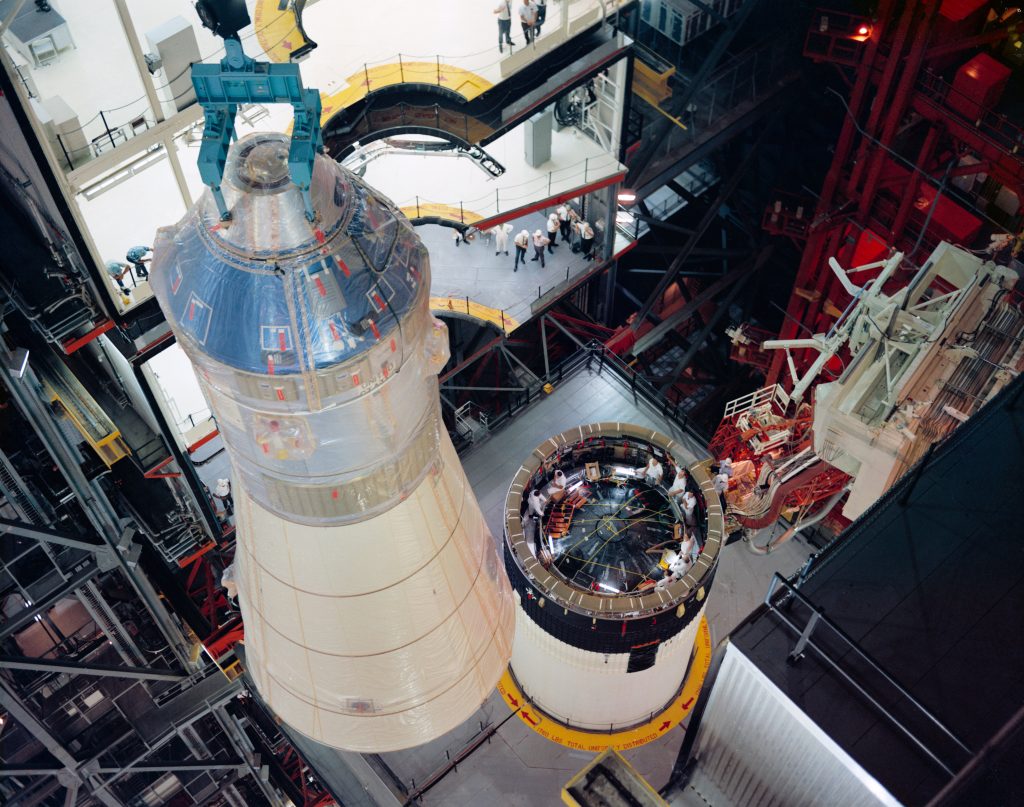
On this day in aviation history, 57 years ago (December 24, 1968), Apollo 8 became the first manned spacecraft to leave planet Earth’s gravitational pull, and also the first human space flight to reach the Moon. Apollo 8 opened the door for future missions to the Moon, which included landings on the lunar surface during the Apollo 11, 12, 14, 15, 16, and 17 flights. Crewing the Apollo 8 flight were Frank Borman, Jim Lovell, and William Anders. These men became the first humans to witness and take photos of the dark side of the Moon, and also see an Earthrise. The Apollo 8 mission originated from launch pad LC-39A at Kennedy Space Center, which was next to Cape Kennedy Air Force Station in Florida. Saturn V rocket SA-503 carried the crew into space, while Apollo CSM-103 and Apollo LTA-B served as the modules for the flight (both manufactured by North American Rockwell). The journey to the Moon took 68 hours. Once the crew arrived, they orbited the lunar surface 10 times over the course of 20 hours, including Christmas Eve, during which they made a live broadcast.
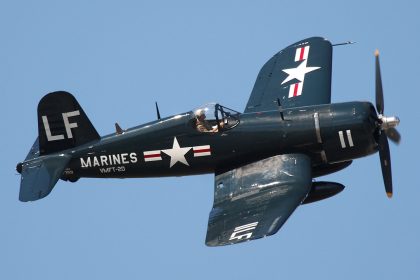
Apollo 8 and crew returned to Earth on December 27, 1968, splashing down in the northern Pacific Ocean. As a result of their historic spaceflight, the Apollo 8 crew was named Time magazine’s “Men of the Year” for 1968. An interesting note about one of the Apollo 8 crew: Frank Borman was an avid World War II warbird enthusiast. In his retirement, Borman acquired a Bell P-63 Kingcobra fighter and took extreme care to restore it. He would go on to fly the P-63 in airshows all across the United States, winning the Grand Champion Warbird award at Oshkosh in 1998. Borman lived to the age of 95, leaving behind a legacy for aviators to aspire to.