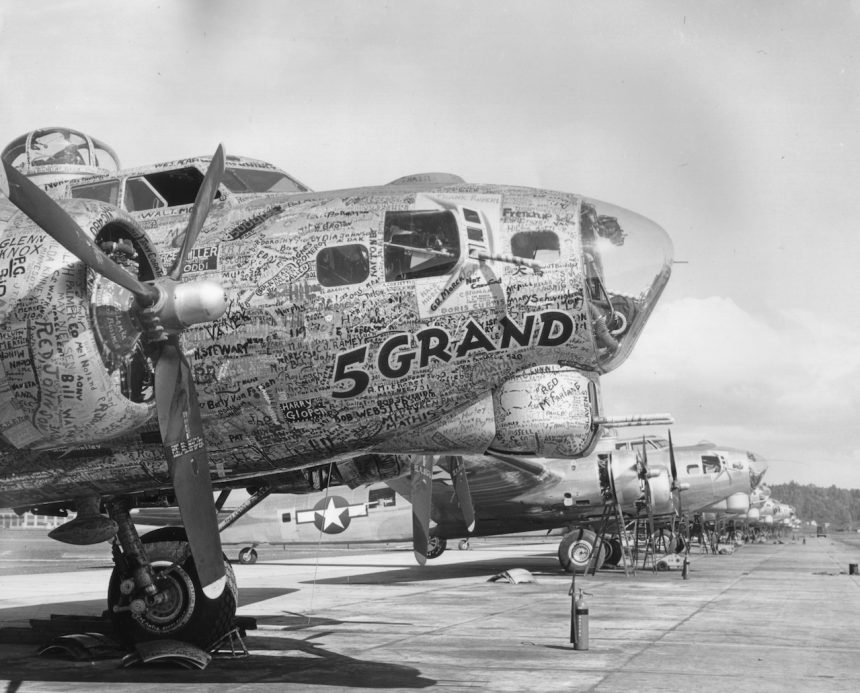

Eighty-four years ago, Christmas 1941 was a dark time in the United States. Pearl Harbor had been attacked, and the Philippines and other nations in the Pacific region were on the verge of being subjugated by the military forces of Japan. Christmas 1941 saw America at war with Germany and Italy as well. The United States was soon to shift from a consumer economy mired in the Great Depression to the Arsenal of Democracy. Men went off to war and women took their places in industry. A great migration came about as war industries recruited women and minorities from states in the South and relocated them to factories in northern states and the American West. Employment in war industries was supplemented by jobs in the Federal government managing every aspect of the conflict. Food and gasoline were rationed, tires were allotted, and scrap drives were the social activity of the week. Steel, aluminum, and newspaper were all collected, recycled, and turned into the raw materials needed for the war effort. The American Fat Salvage Committee shepherded an information campaign to encourage homemakers to save cooking grease, which was used to help produce glycerin, a vital ingredient in explosives, paints, and Plexiglas.
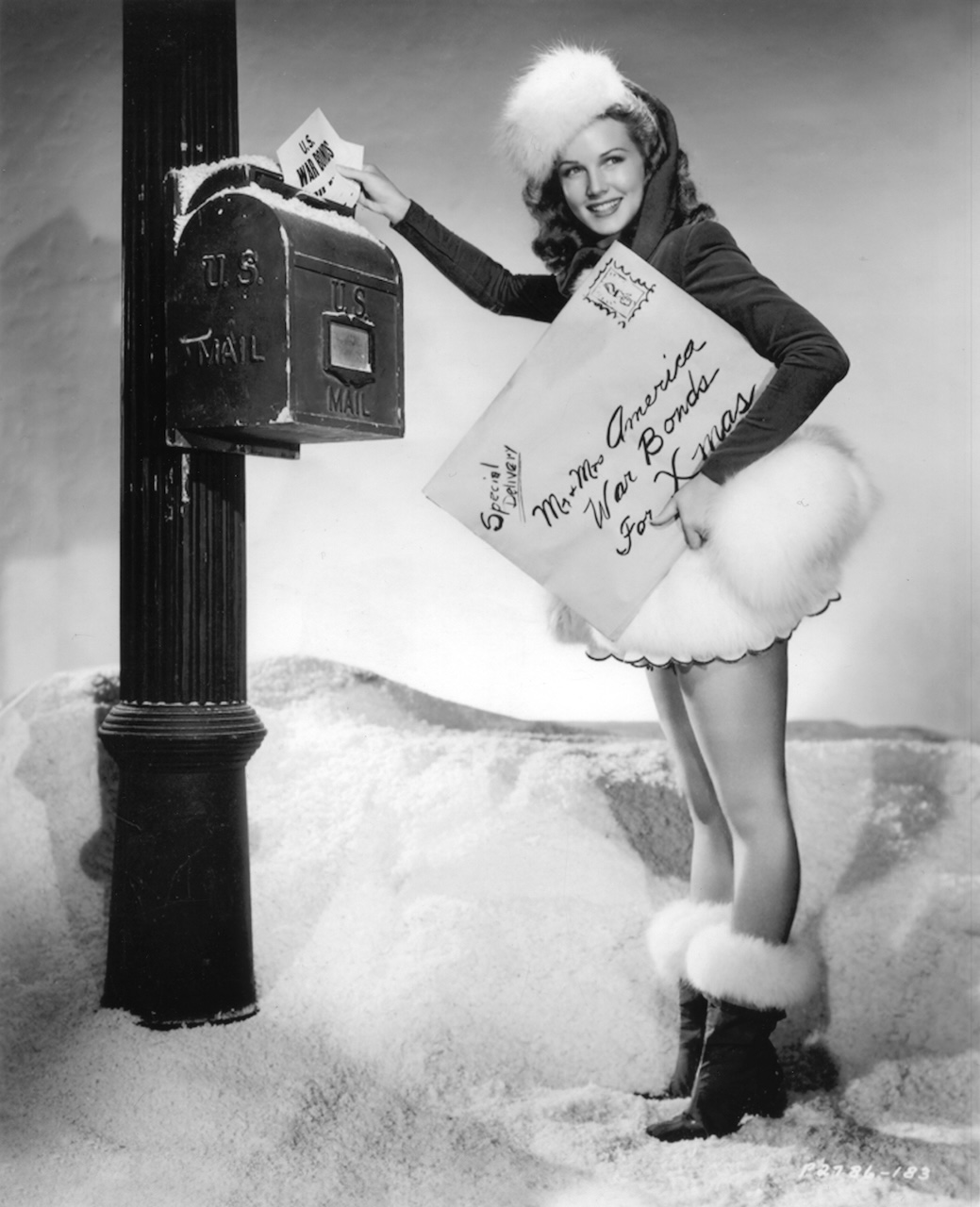
By June 1942, people on the home front were no longer making refrigerators and cars and had shifted to building aircraft, jeeps, rifles, and tanks at an amazing rate. Men and women were coming out of the service training schools and heading to the front. At sea, also in June, sailors and naval aviators took the war to the Japanese, emerging victorious, having sent four enemy carriers and the heavy cruiser Mikuma to the bottom of the Pacific Ocean (Akagi, Kaga, Söryu, Hiryu) for the loss of the American carrier USS Yorktown (CV-5) and destroyer USS Hammann (DD-412). The victory at the Battle of Midway was just what the American people on the home front needed. This energized the workforce and helped sell War Bonds, America’s way of financing the nation’s participation in the global conflict. Between 1942 and 1945, eight bond drives were conducted by the U.S. Treasury with a final Victory Loan campaign. War Bond Drives were big affairs, often with movie stars or war heroes on hand to encourage bond purchases.
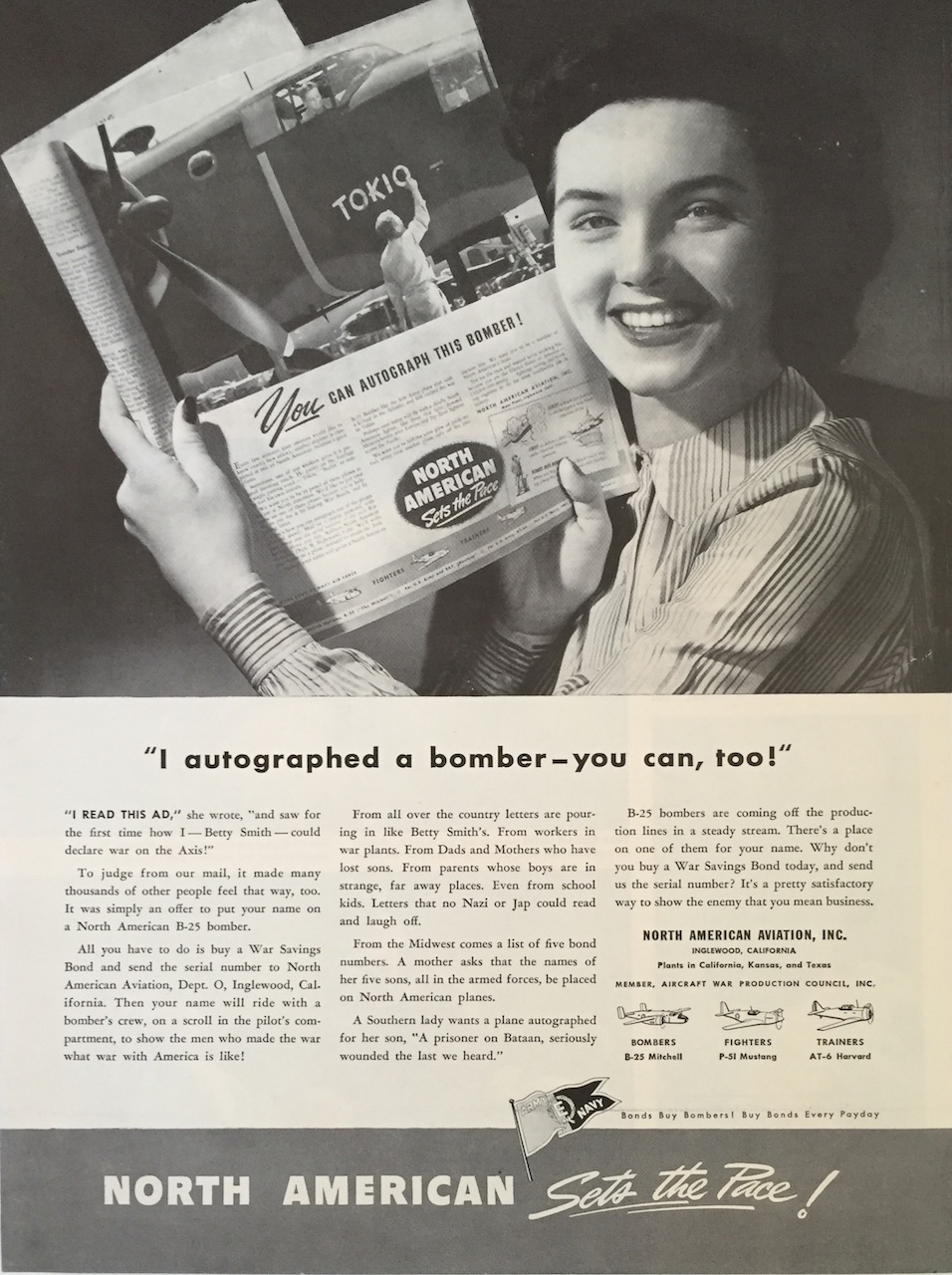
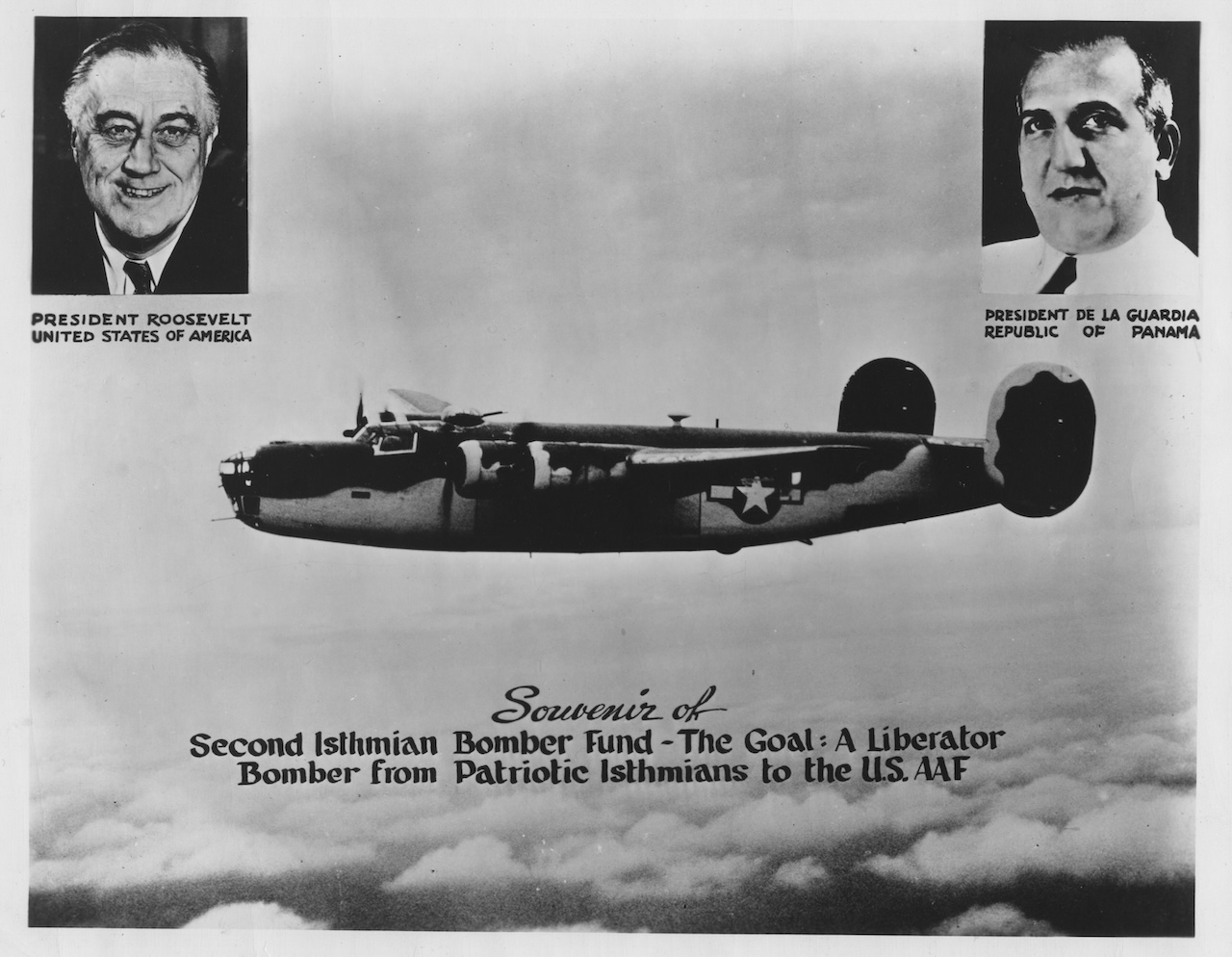
Each war bond drive saw workers withholding pay to buy bonds. Even school children were encouraged to participate in school-sponsored “penny drives” and scrap drives with the funds raised going to the war effort. Many wondered how a penny could possibly help the cause, but when combined with millions of others, they could purchase fighters and bombers, among other tools of war. As an incentive, bond purchasers were often given special certificates, pins, or other promotional items to encourage sales. When raising money to buy aircraft, buyers were often able to sign a scroll that accompanied the bomber or fighter into combat. The well wishes and greetings from the purchasers were a huge morale booster for combat crews.
Christmas 1943 came with the Allies battling their way up the Italian peninsula and the former Axis nation now on the side of the Allies. The following year, 1944, became the peak of the conflict. The Allies made progress on every battle front that year. The European continent was invaded on June 6, opening a second front in the drive to end the war.
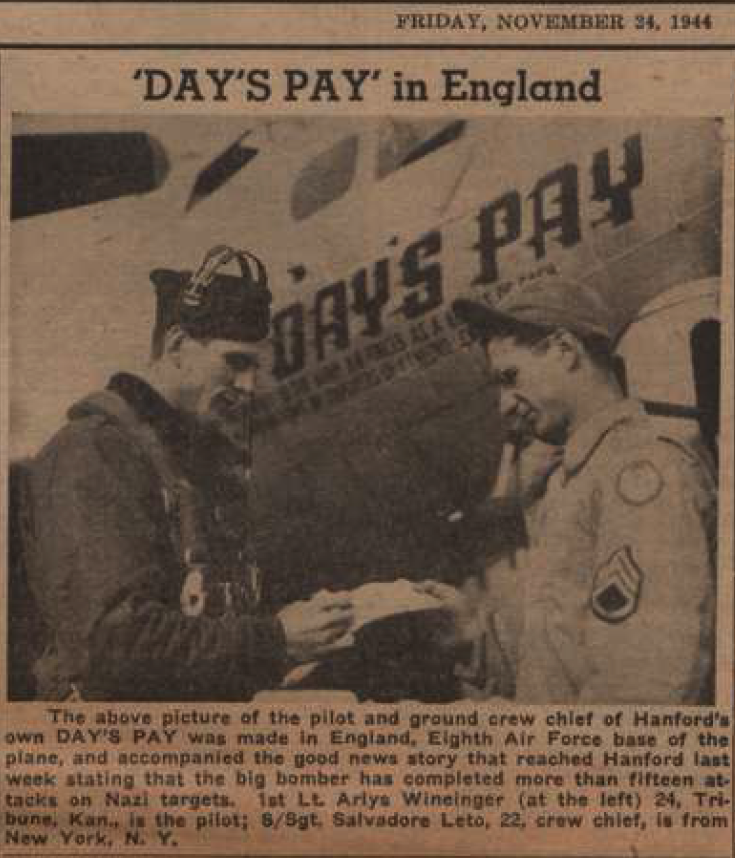
In the air, the Royal Air Force had been bombing Germany at night with its area bombing strategy, routinely sending more than 1,000 bombers on a mission. U.S. Army Air Forces conducted a daylight aerial offensive against the Nazis to ensure there were bombs falling on the Axis nation around-the-clock. The USAAF’s strategic bombing missions reached a crescendo when 1,437 heavy bombers and 948 fighters attacked Berlin on Feb. 3, 1944, during what became known as the “Big Week.”
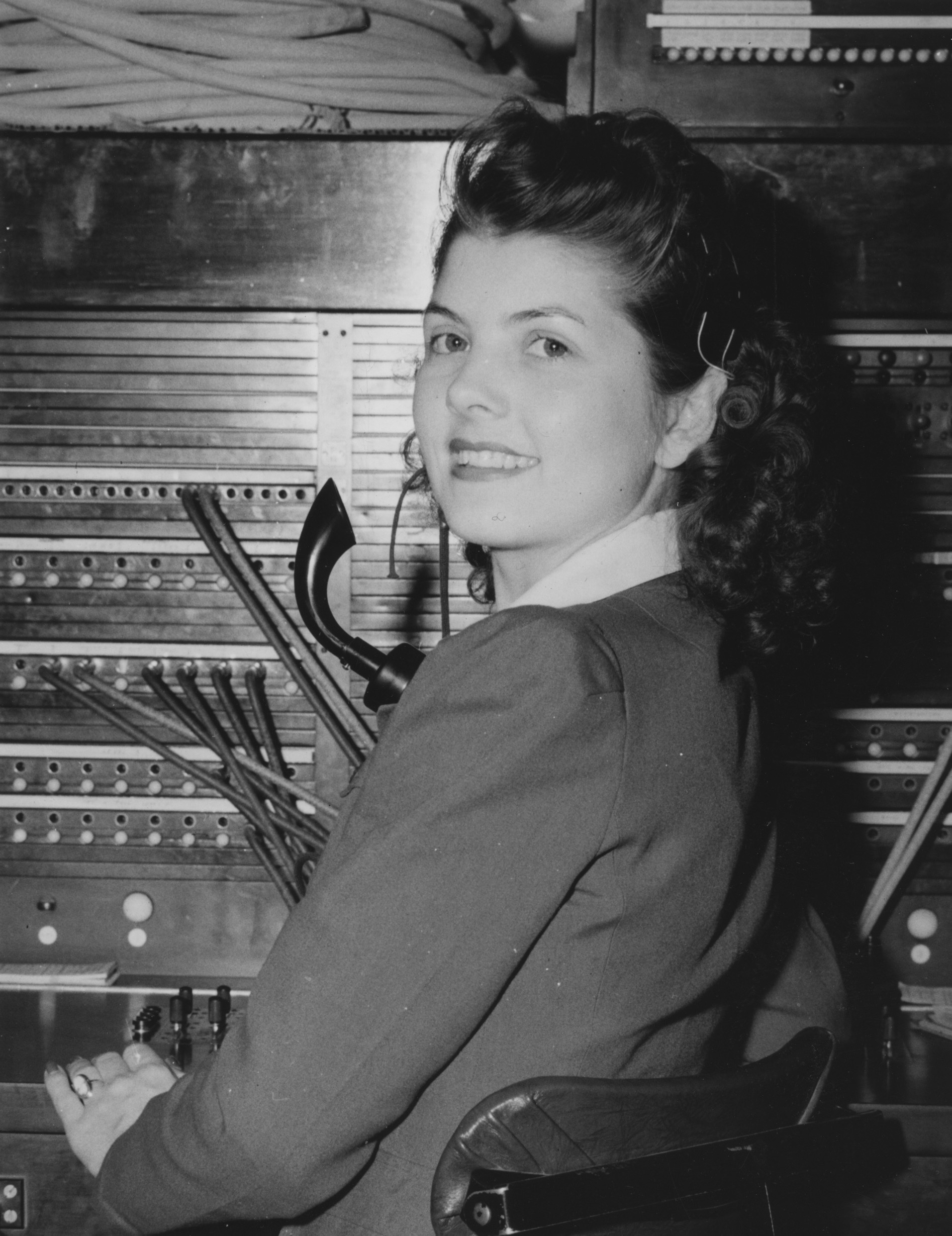
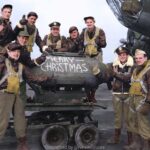
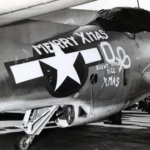
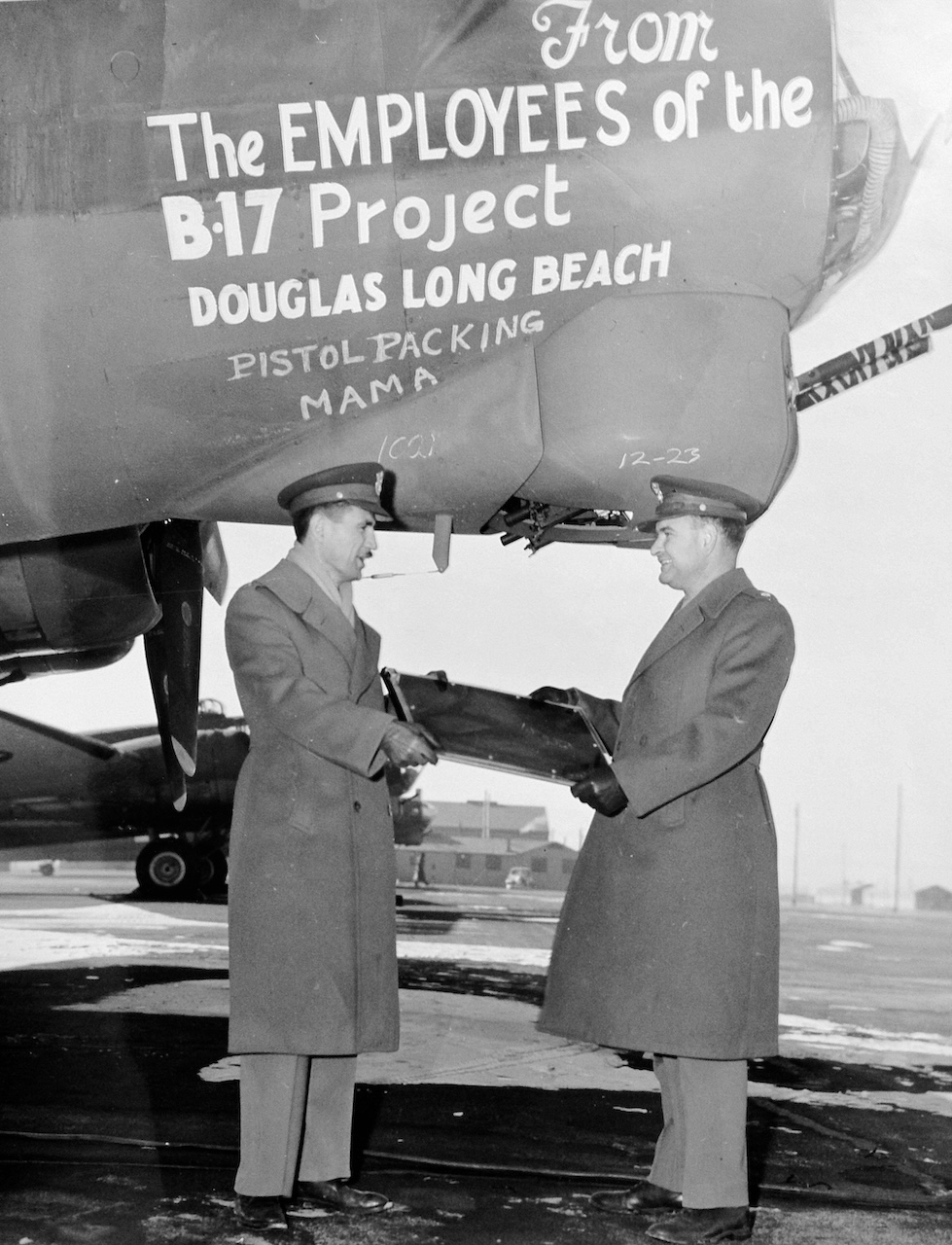
On Dec. 24, 1944, more than 1,000 Eighth Air Force bombers struck German airfields on Christmas Eve. Those bombers and escorting fighters were all built by workers on the home front, not only in the aircraft plants, but in thousands of factories and shops across the nation building aircraft, electronic, and gunnery components and sub-assemblies. Millions of tons of bombs and billions of rounds of ammunition were assembled stateside and shipped to war theaters around the globe for use by America and its allies.
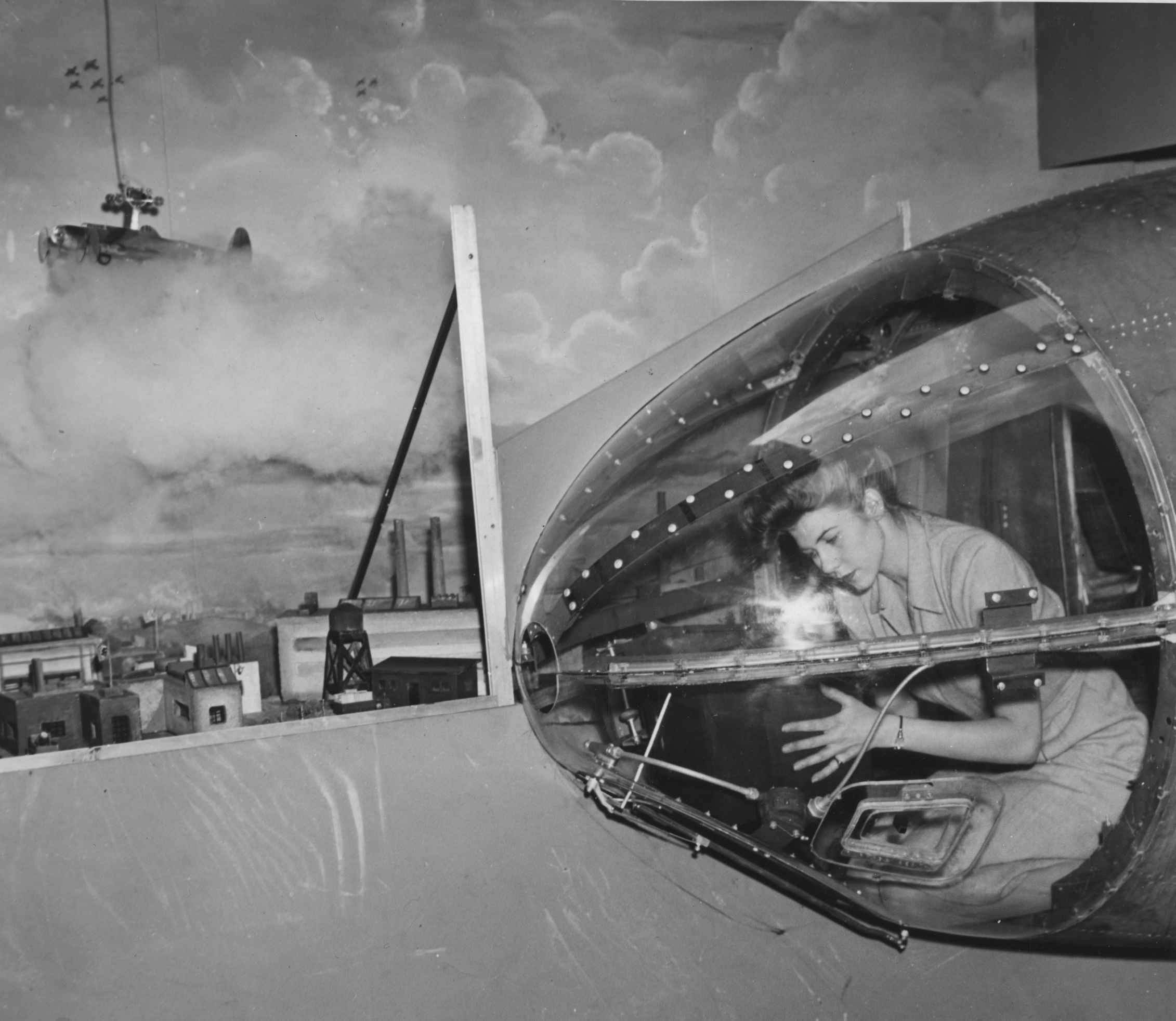
(Nicholas A. Veronico Collection)
Boeing built B-29 Superfortresses in Renton, Washington, and Wichita, Kansas, while Bell built the bombers in Omaha, Nebraska, and Martin constructed them in Marietta, Georgia. Meanwhile, in near complete secrecy, engineers and scientists at Los Alamos, New Mexico, were developing the ultimate weapon — the Atomic bomb. One bomb was tested at the White Sands Missile Range, outside Alamogordo, New Mexico, on July 16, 1945, followed by the B-29 Enola Gay dropping one bomb on Hiroshima, Japan, on Aug. 6, 1945, and the B-29 Bock’s Car targeting Nagasaki on Aug. 9, 1945. Although the bombings have generated much controversy in the ensuing years and ushered in the Atomic Age, Japan’s subsequent unconditional surrender prevented the loss of between 250,000 and 1 million Allied soldiers, sailors, and airmen. Some estimates believe deaths in during the invasion of the Japanese home islands could have been as high as 4 million. Now, in December 2025, eighty years after the end of the war, World War II veterans and their home front worker counterparts, those with us and those who have departed, are our Christmas blessing. For more information about Nick Veronico’s work, visit www.nicholasveronico.com