
(Image credit: VAN)
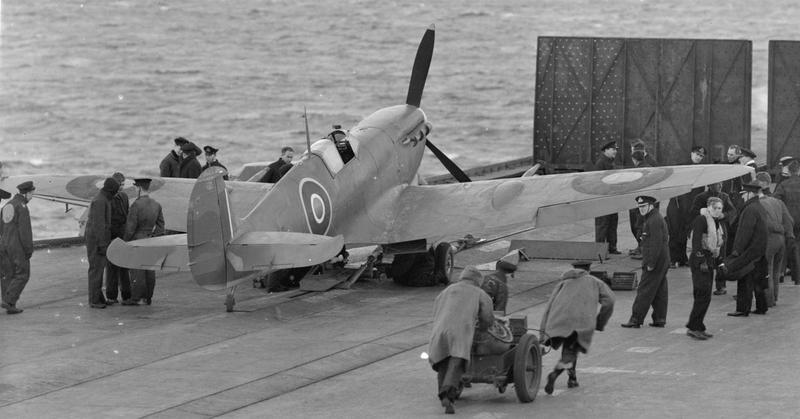
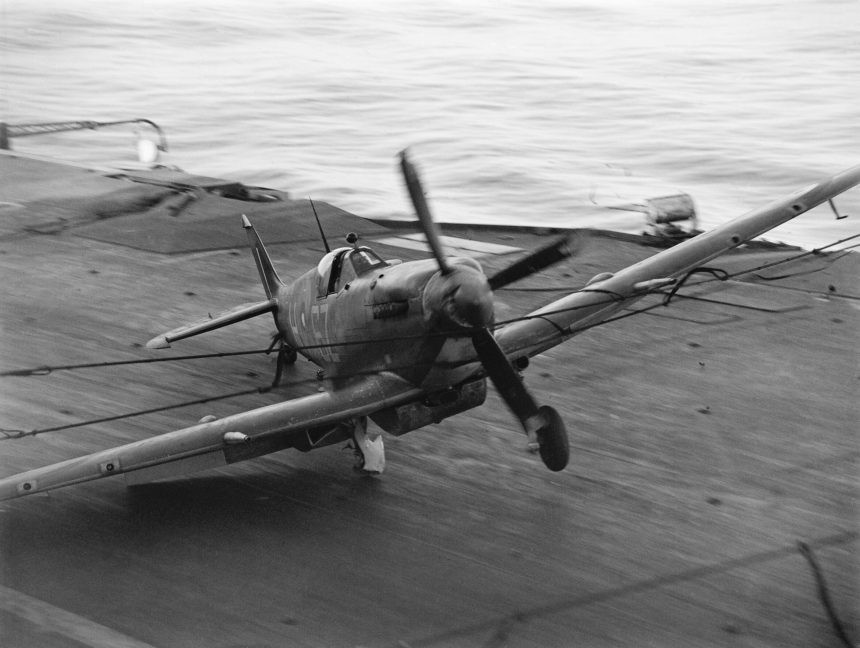
On this day in aviation history, 83 years ago (January 7, 1942), the Supermarine Seafire took flight for the first time. The Seafire was a naval variant of the Supermarine Spitfire, a noted fighter from the Second World War. Seafires, short for Sea Spitfires, were capable of operating from aircraft carriers. The idea of a carrier-based Spit had first been proposed by the Royal Admiralty in May 1938. There was a desperate need to replace multiple aging and obsolete aircraft types that were currently serving with the Fleet Air Arm (FAA).
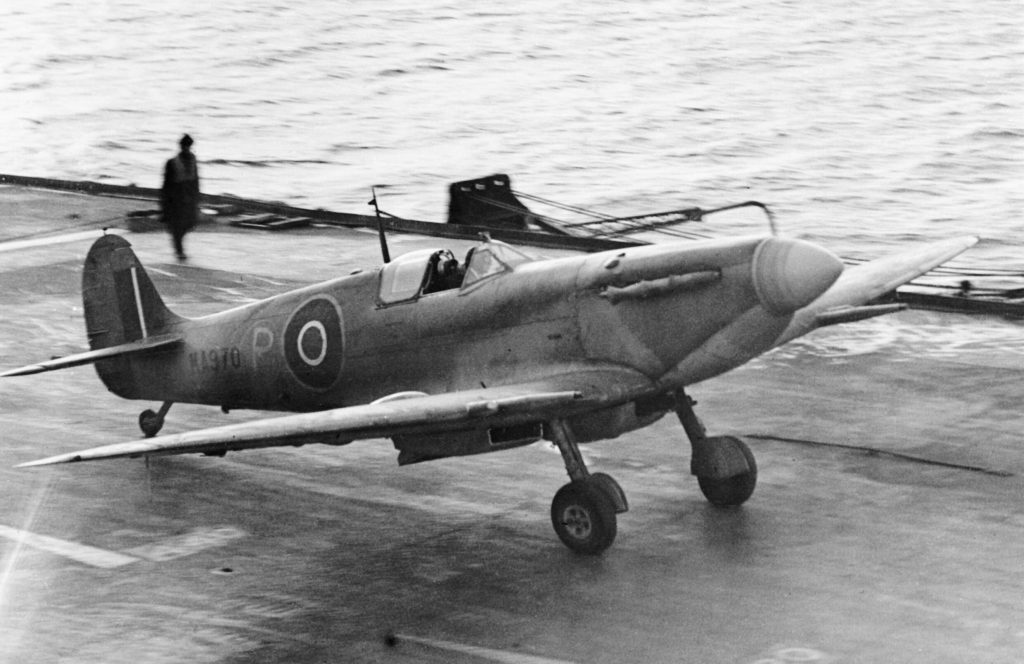
The concept of the Seafire was initially opposed by many, including Winston Churchill. A common rebuttal to the Seafire concept was the pressing need for more land-based Spitfires, which were thought to be of higher priority. In 1941, the Admiralty again attempted to request naval Spitfires. By late 1941, an initial batch of Seafire Mk. Ib fighters were delivered to the Fleet Air Arm. The Seafires were intended to be used as trainers, to familiarize pilots with the type in anticipation of more deliveries.
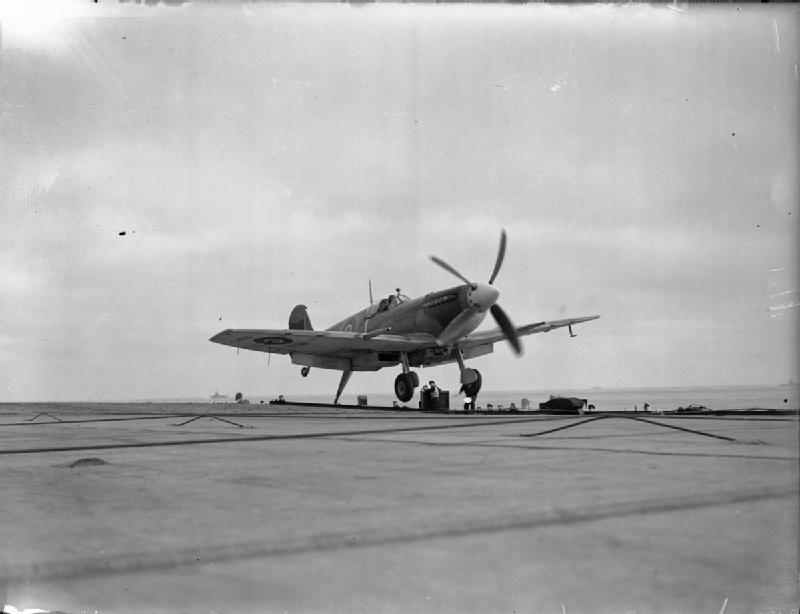
Supermarine Seafires were nearly identical to the land-based Spits, but they also featured folding wingtips and an arrestor hook for carrier operations. Early Seafire variants retained the same landing gear as the land-based fighter, which raised concerns as to their durability while operating from carrier decks. The Seafire F Mk.XVII and onward were built with a more robust undercarriage. The F Mk. III Seafire was powered by a 1,585 horsepower Rolls-Royce Merlin 55M liquid-cooled V-12 engine, and had a maximum airspeed of 359 mph. The Seafire had a service ceiling of 36,000 feet and a range of 404 nautical miles, at a cruise speed of 272 mph. Two 20 millimeter Hispano Mk.II cannons, and four 0.303-inch Browning machine guns installed in the wings gave the Seafire its firepower. Additionally, the aircraft could be fitted with two 250-pound bombs — one under each wing — or one 500-pound bomb under the fuselage.
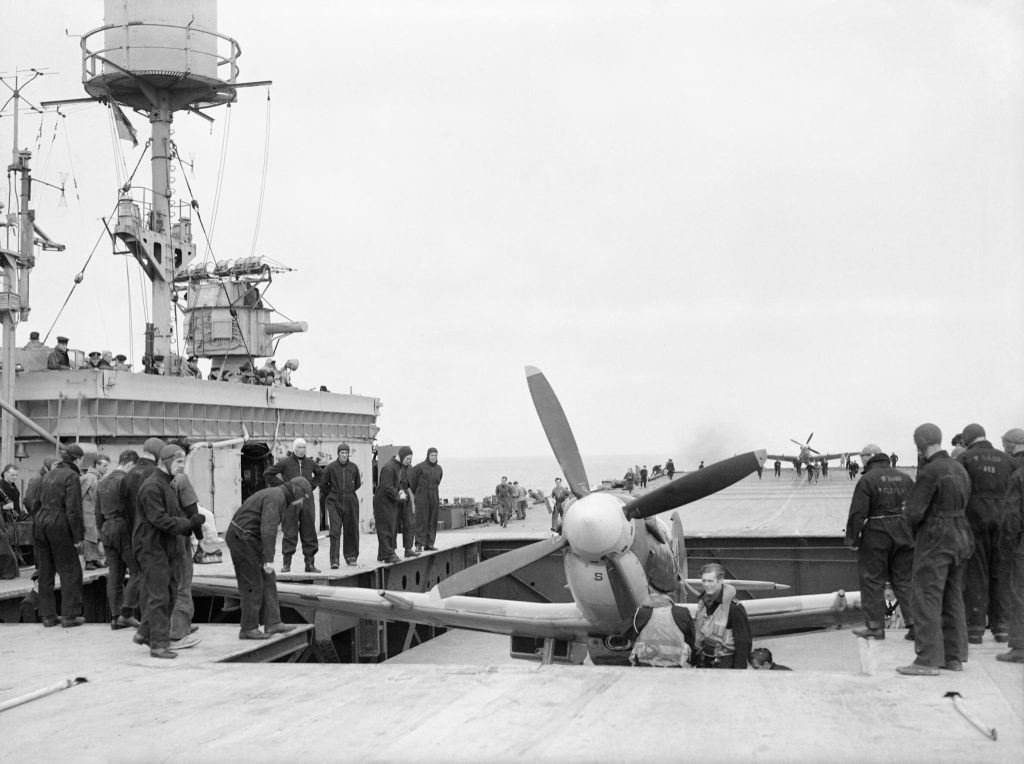
The Supermarine Seafire saw combat action during Operation Torch, the Allied landings in North Africa. Additionally, Seafires provided close-air support for the Allied invasion of Sicily, Normandy, and Operation Dragoon. In late 1944, Seafires joined with the British Pacific Fleet, serving as an interceptor for kamikaze attacks. A total of 2,646 Supermarine Seafires were built during World War II, and the aircraft continued to serve into the Korean War. Four Seafire variants remain airworthy today: two in the United States and two in the United Kingdom.