

(Image credit: VAN)
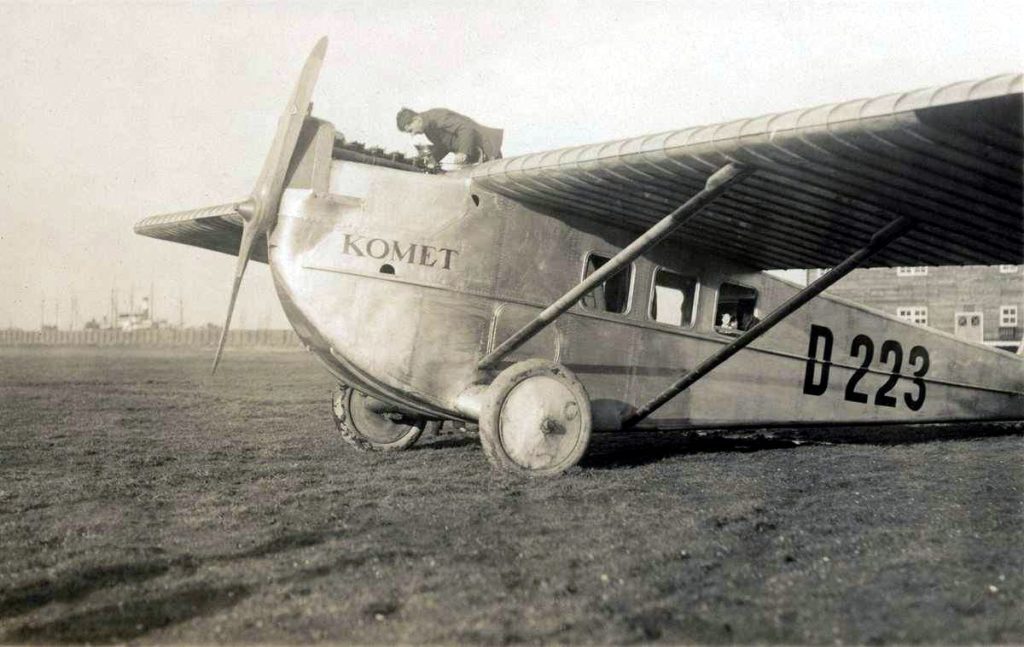
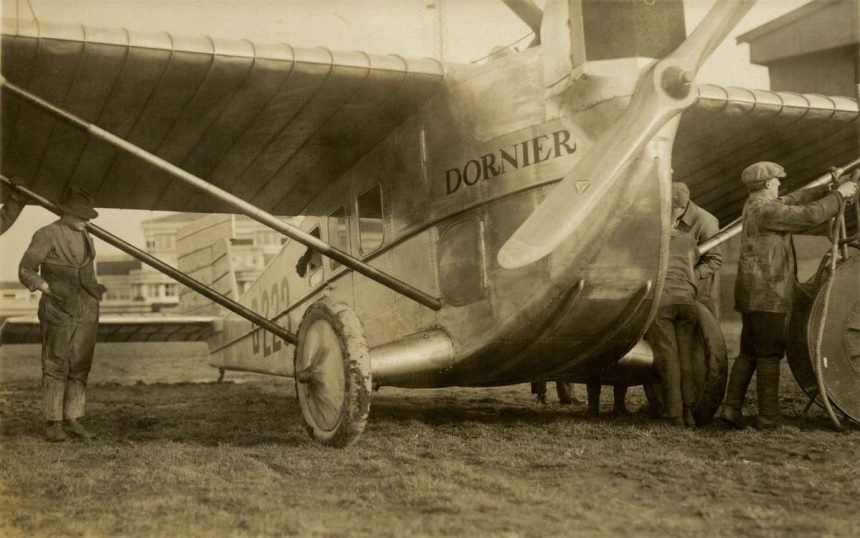
On this day in aviation history, 103 years ago (December 30, 1922), a German aircraft flew over Britain for the first time since the end of the First World War, in 1918. A Dornier Komet II, operated by Aero-Lloyd, was the first German aircraft to fly to the United Kingdom after the conclusion of the Great War. The Komet II landed near Lympne in Kent and was establishing a commercial route as part of the airline’s passenger-hauling operations. This flight marked a significant step in German aviation’s return to international airspace. The Dornier Komet was part of a family of aircraft designed and built by German aircraft manufacturer Dornier Flugzeugwerke. The aircraft was originally developed in the 1920s as a small airliner, and would shift into a military role as well (including a floatplane torpedo-bomber variant). Other aircraft in this family from Dornier included the Merkur (Mercury), Do C, Do D, and Do T. All aircraft in the series were single-wing monoplanes that featured braced high-wings and conventional landing gear.
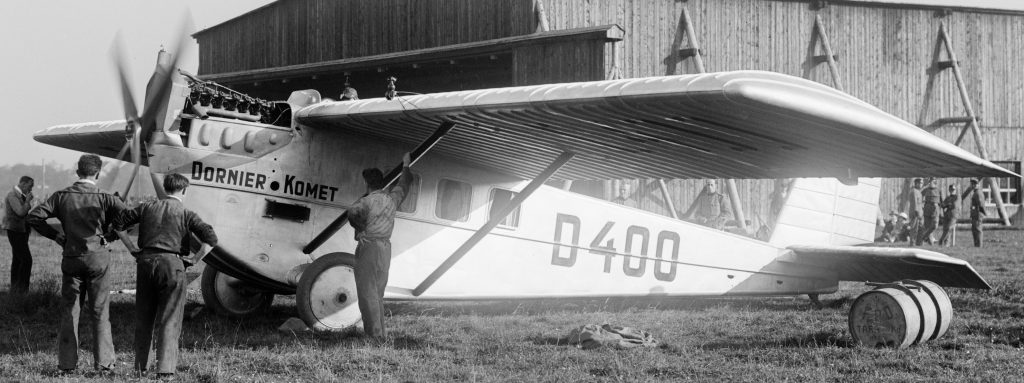
Dornier’s Merkur II had a crew of one and a capacity for eight passengers. The aircraft was powered by a 600-horsepower BMW VI water-cooled V-12 engine. This BMW allowed the Merkur to cruise at 110 mph and attain a maximum airspeed of 120. The Merkur had a range of 405 nautical miles and a service ceiling of 17.100 feet. During June 1926, the Merkur set multiple world records related to aviation while flying at Dübendorf. No original airframes exist; however, a replica was built and currently resides at the Dornier Museum in Friedrichshafen, Germany.