

(Image credit: VAN)
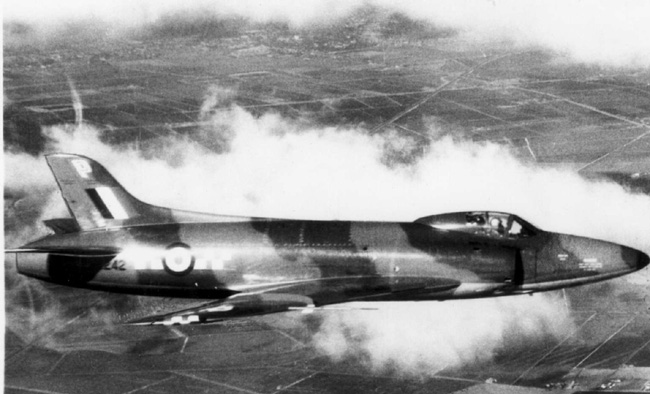
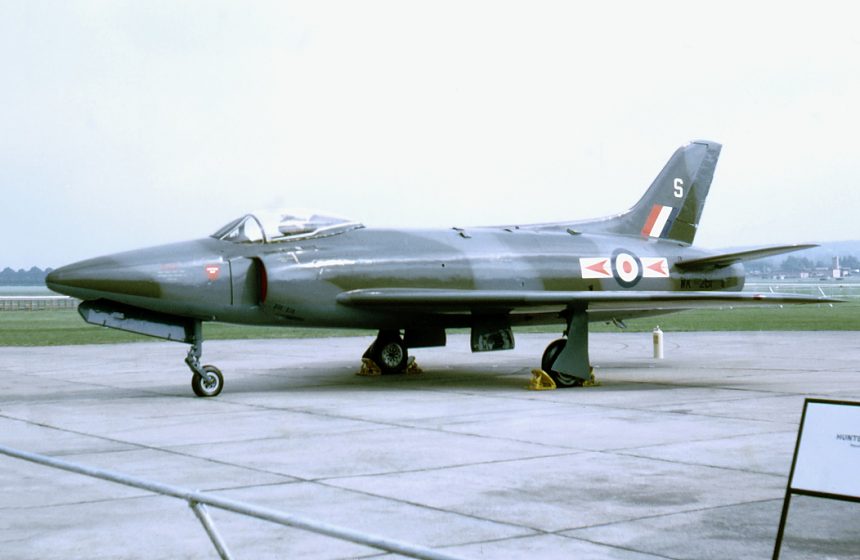
On this day in aviation history, 77 years ago (December 29, 1948), the Supermarine Swift took flight for the first time. The Swift was a British single-engine fighter jet that was flown by the Royal Air Force during the early years of the Cold War. Supermarine developed the Swift as a furtherance of their Attacker aircraft, which was born from Specification E.41/46, a British government request for a swept-wing jet fighter. After a series of experimental prototypes, the Swift series of aircraft was born. The Swift’s developmental period was rather prolonged, and many accidents were incurred with the aircraft during the process. These issues led to public scandal and inquiry as to the exact development of the Swift. Despite the problems early on, the swept-wing fighter would eventually prove itself. On September 26, 1953, Commander Mike Lithgow broke the world absolute speed record while flying a Swift F.4, attaining an airspeed of 737.7 mph. The Swift would enter service with the RAF’s No. 56 Squadron in February 1954, six years after its maiden flight.

Operationally, the Supermarine Swift was to be flown as an interceptor, though initially slated as a fighter. The early Swift variants had teething issues, and a few accidents occurred, almost dooming the aircraft’s service career. However, the F.3 and F.4 were improved variants with better overall performance and safety. Ultimately, the aircraft was better suited to aerial reconnaissance and ground attack roles. The Swift did not have a lengthy service history, the airframe being retired in 1967.
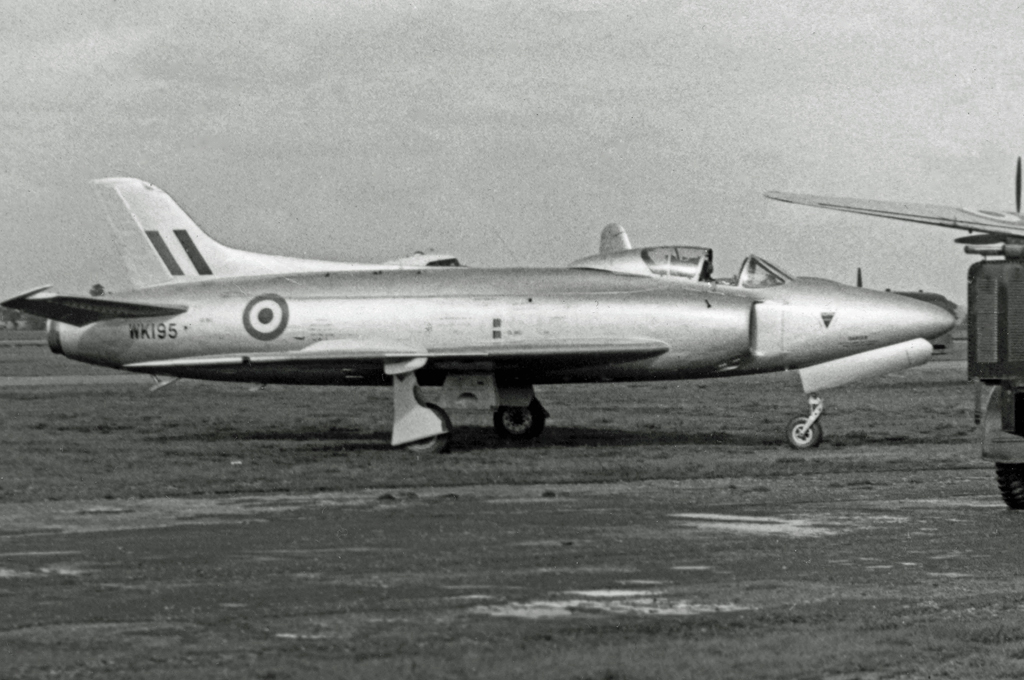
The Supermarine Swift was powered by a Rolls-Royce Avon RA.7R turbojet engine that produced 7,175 pounds of thrust dry, and 9,450 pounds with afterburner engaged. The FR Mk.5 could attain a maximum airspeed of 710 mph, and had a 14,660 feet per minute rate of climb. The Swift’s range was 547.5 nautical miles, and its service ceiling was 45,800 feet. Swifts were armed with two 30 millimeter ADEN cannons, and they had provisions for rockets and/or bombs. Supermarine built 197 Swifts during the aircraft’s production run, and a handful still survive in museums today.