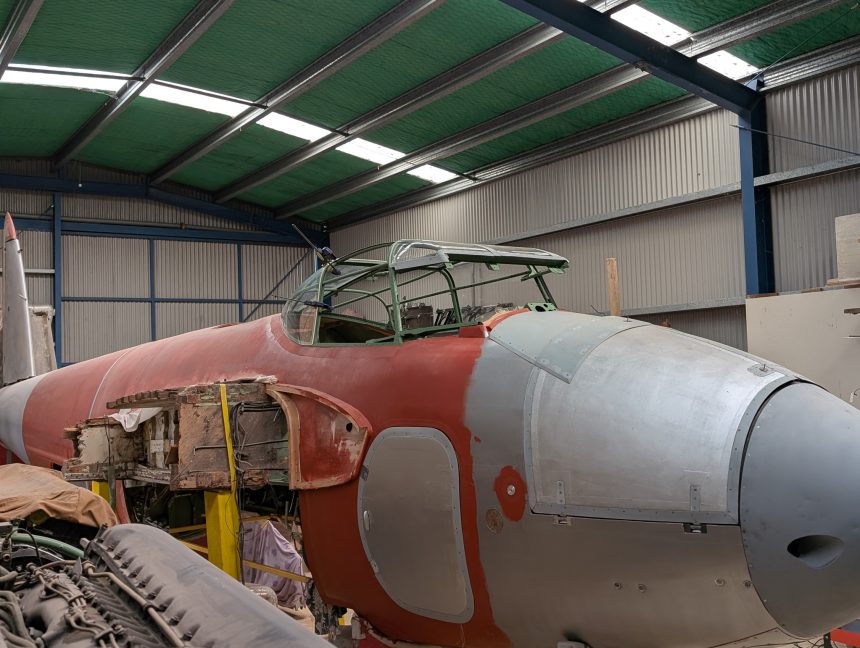

Significant progress has been recorded on the Ferrymead Aeronautical Society’s de Havilland Mosquito restoration in Christchurch, New Zealand, since our previous report in February 2026. Through early October, the team has undertaken extensive wooden structure repairs, cockpit fitting work, and restoration of aircraft systems. A major boost has also been provided through a collaboration with the Air Force Museum of New Zealand, allowing scarce components to be obtained for the project. While the indispensable fundraising campaigns continue, you can click here to support this project.
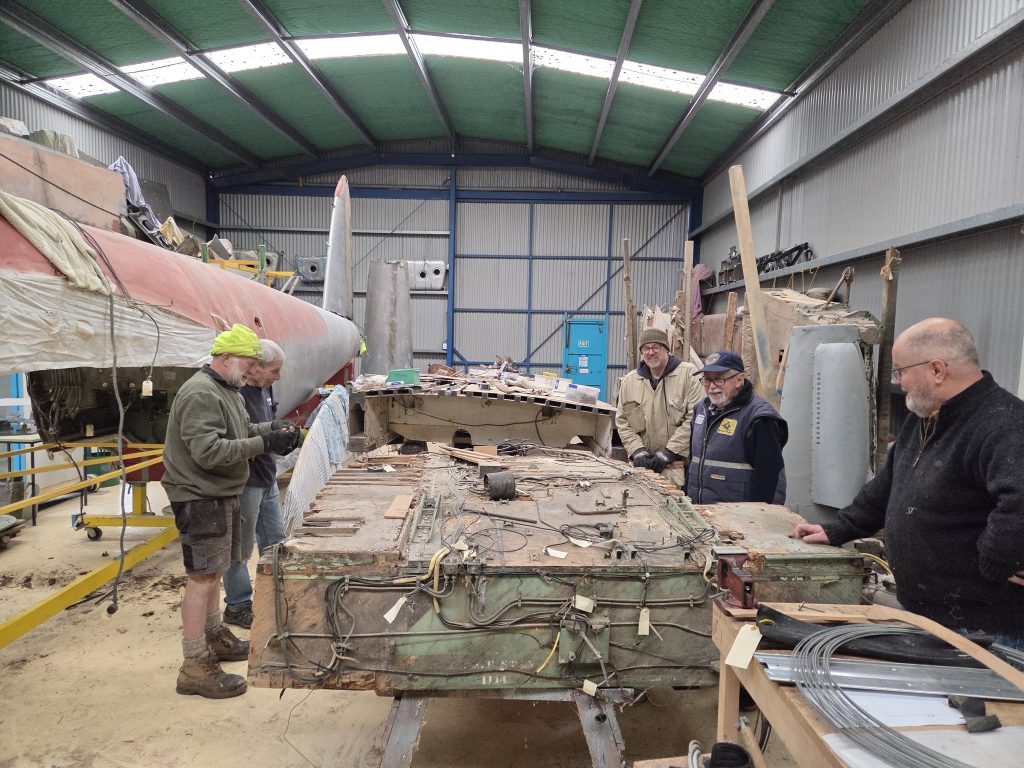
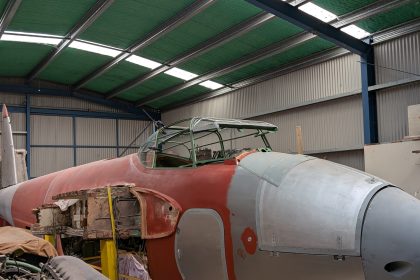
At Ferrymead Heritage Park, a complete static-display Mosquito FB.VI is being assembled using the fuselage of TE758/NZ2328 and the surviving wing structure of HR339/NZ2382. With HR339, an important connection to No. 487 Squadron’s wartime service is being preserved: 31 combat missions were flown in the aircraft, including an Operation Clarion sortie in February 1945 during which severe anti-aircraft damage was sustained and a return was made on one engine. Much of the recent restoration effort has been concentrated on rejoining HR339’s wing, which had been cut into sections following its disposal. The first two sections were positioned and secured in preparation for splicing, with the tank bay cover and spar booms used as alignment guides. Temporary timbers and telltales were fitted so that any movement during the work could be detected. On April 10, the first two glue-ups on the main spar were completed using West System epoxy thickened with sawdust. Repairs were subsequently extended to the rear spar, where carefully shaped timber splices were fitted around the surviving original structure. Gaps in the inner skin were patched, and replacement stringers were spliced in using joints consistent with the original manufacturing method.

Additional repairs were made to the front spar web, including a feathered plywood patch and a replacement spruce rail. By September, missing stringer sections had been installed across the first wing joint, and replacement blocks were being fitted for engine and undercarriage mounting points and flap shroud ribs. During the latest update in early October, the upper wing skin had been feathered back in preparation for the first full section of replacement skin over the repaired cut. The aileron shroud’s upper skin had also been fitted, along with a weathering strip between the shroud and wing skin. According to the restoration updates, the wider weathering strips on the main and rear spars were introduced as a postwar modification in January 1946 to help protect critical glue joints. Both strips are being retained on HR339’s wing to minimize disturbance of original material.

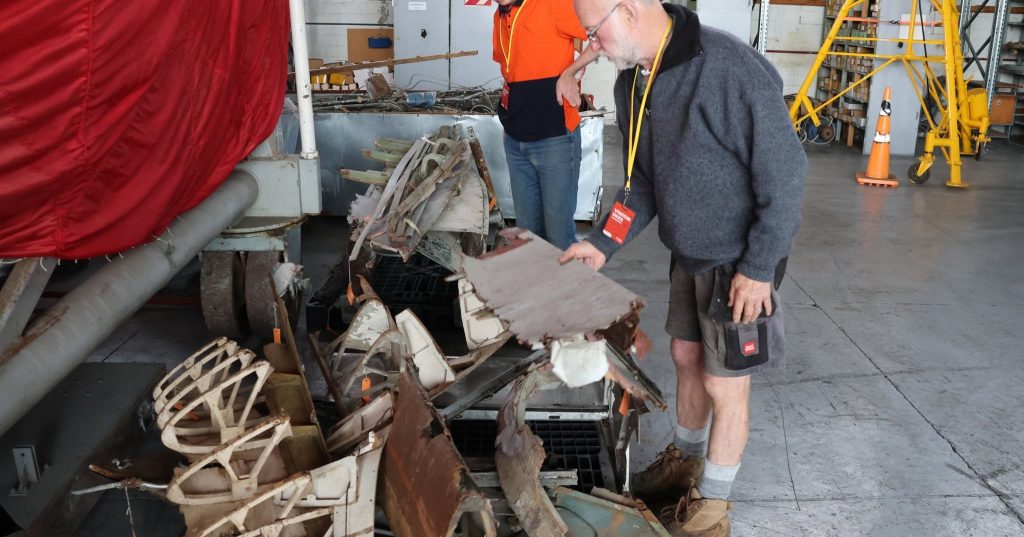
An important milestone was reached in July when the remaining wing centre section was extracted from NZ2328’s fuselage. Although its condition was poor, possible reuse of portions of the main spar and centre rib was identified, subject to further examination. With the centre section removed, repairs around the fuselage wing attachment areas could be continued. Rotten plywood and balsa were removed, new balsa was installed, and replacement inner skins were prepared. Material support was also received in July through a substantial donation of plywood from Plytech Panels. With thin plywood required throughout the wing repairs, the donation was welcomed as a means of conserving the project’s limited funds for other materials and consumables. The collaboration with the Air Force Museum of New Zealand was announced on April 30. Access to the museum’s stocks of Mosquito components was provided, and several particularly difficult-to-source items were obtained. Among them were radiator shutter fittings, starter cables with scarce electrical connectors, cannon magazine support tubes, flap hinge ribs, and a rear-fuselage pneumatic and hydraulic panel that had been missing from NZ2328.
(Image credit: Ferrymead Aeronautical Society)

Progress was also recorded throughout the cockpit and fuselage. Wiring was installed for the GEE navigation equipment switch panel, cockpit controls were fitted with new placards, and the windscreen and sealing strips were trial fitted. The navigator’s oxygen regulator bracket was completed and installed, while newly manufactured components were incorporated into the nearly completed cockpit hydraulic selector. Following repairs and painting around the port wing opening, fuel-system plumbing was refitted. By early October, the first half of the draught-proof bulkhead behind the cockpit had been permanently attached, and associated pipes and VHF radio wiring had been reinstalled. Repairs to the navigator’s floor had also been reskinned, while damaged wiring and electrical bonding in the rear fuselage were being addressed.

Work on the two Rolls-Royce Merlin engines has been continued through the restoration and fitting of external components. The rear-fuselage pneumatic and hydraulic panel is also being rebuilt, with its pipework cleaned and individual components refurbished or replaced. No completion date was given in the supplied updates. However, substantial progress has been documented across the wing, fuselage, cockpit, and systems, with further work being supported by donated materials, recovered components, and assistance from other Mosquito restoration organizations. The Ferrymead Aeronautical Society’s restoration and preservation work can be supported through a tax-deductible donation. Additional funds are raised through the sale of second-hand books and aviation ephemera, which can be browsed and purchased through the society’s Trade Me account.