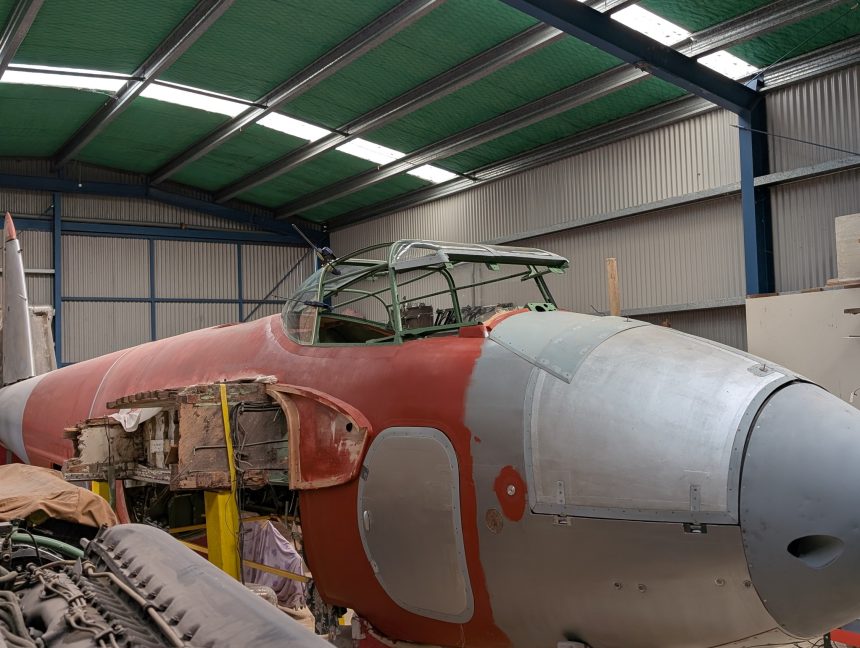

On April 30, the Air Force Museum of New Zealand in Wigram, Christchurch, publicly announced its intent to provide de Havilland Mosquito parts to the restoration of a combat veteran Mosquito under restoration at the Ferrymead Aeronautical Society (see our previous article on this project HERE). The Mosquito uses the components from two DH.98 FB.VI Mosquitos that were once part of the Royal New Zealand Air Force (RNZAF), with one of these being HR339/NZ2382, a combat veteran of WWII’s European Theater with No. 487 Squadron RNZAF. This represents a major milestone in the long-term effort to rebuild one of the most important multirole aircraft of the Second World War and to memorialize the men of New Zealand who flew and maintained Mosquitos in combat operations alongside fellow members of the British Commonwealth and as part of the larger Allied war effort.
As mentioned in our previous article on the Ferrymead Aeronautical Society’s project, currently being restored at the Ferrymead Heritage Park in Ferrymead, Christchurch, much of the basis for the reconstruction of their Mosquito comes from HR339/NZ2382, which flew on 31 combat missions from December 1944 to May 1945 as part of No 487 Squadron RNZAF under the RAF-issued serial number HR339, and even surviving hits from German anti-aircraft fire during Operation Clarion on February 22, 1945 while being flown by pilot Flight Lieutenant R.J. “Jack” Dempsey and navigator Sergeant E.J. “Ted” Paige RAAF. With VE-Day in May 1945, followed by the disbandment of No 487 Squadron, HR339 remained in storage at RAF Hullavington, near Chippenham, Wiltshire, England until it was allocated for transfer to the RNZAF, and subsequently flown in stages from England to New Zealand between October 1947 and March 1948.
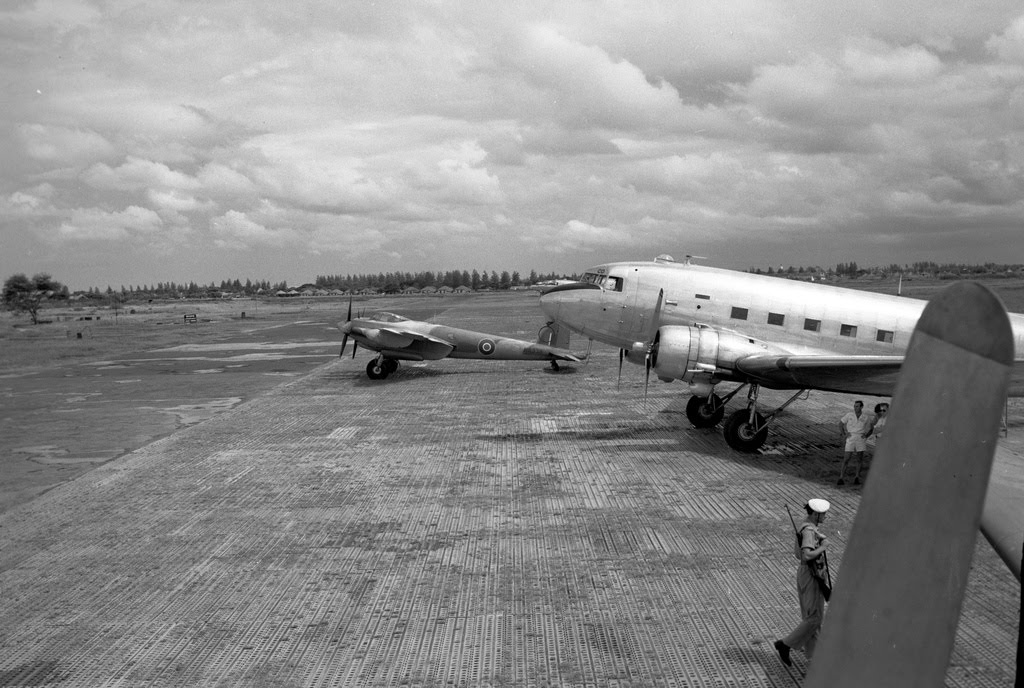
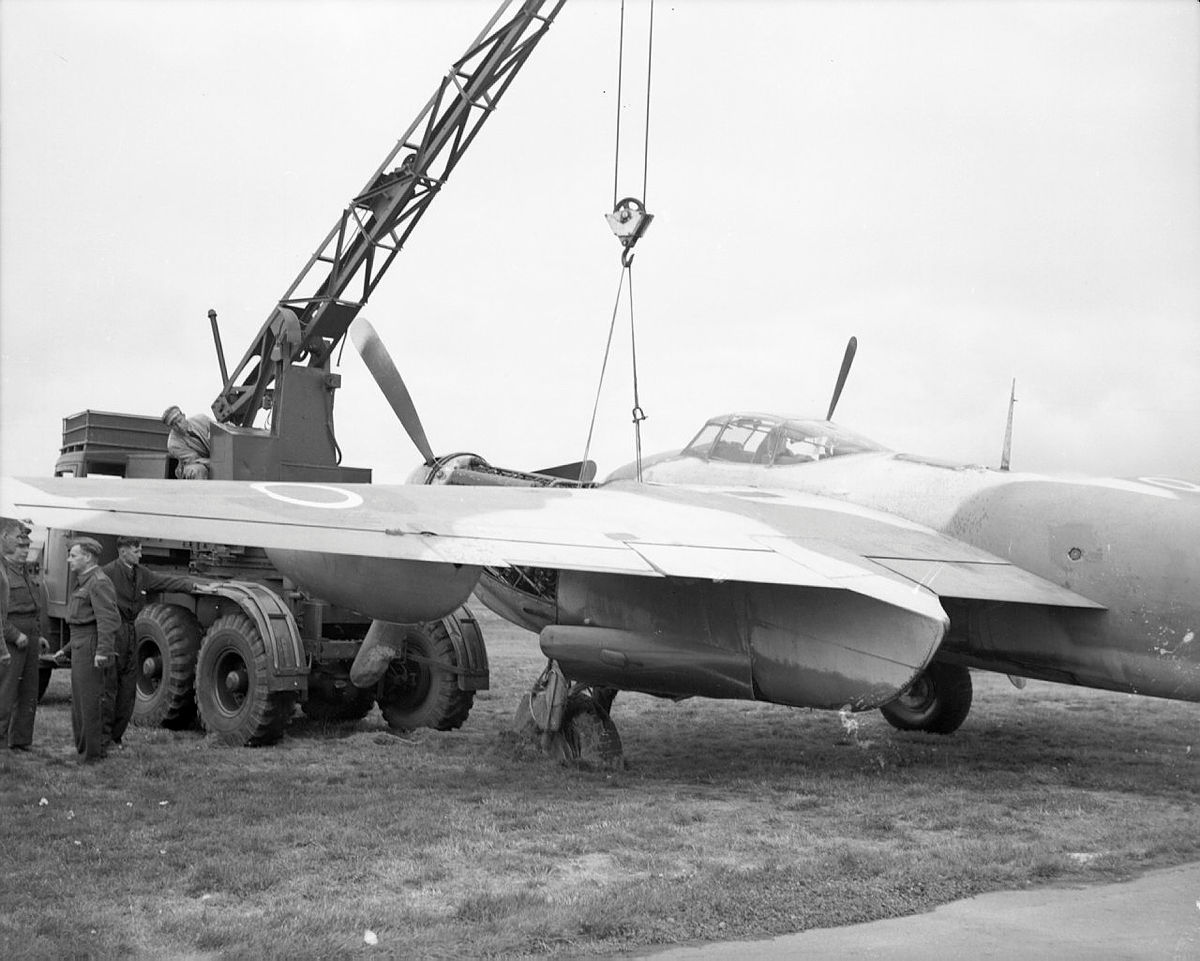
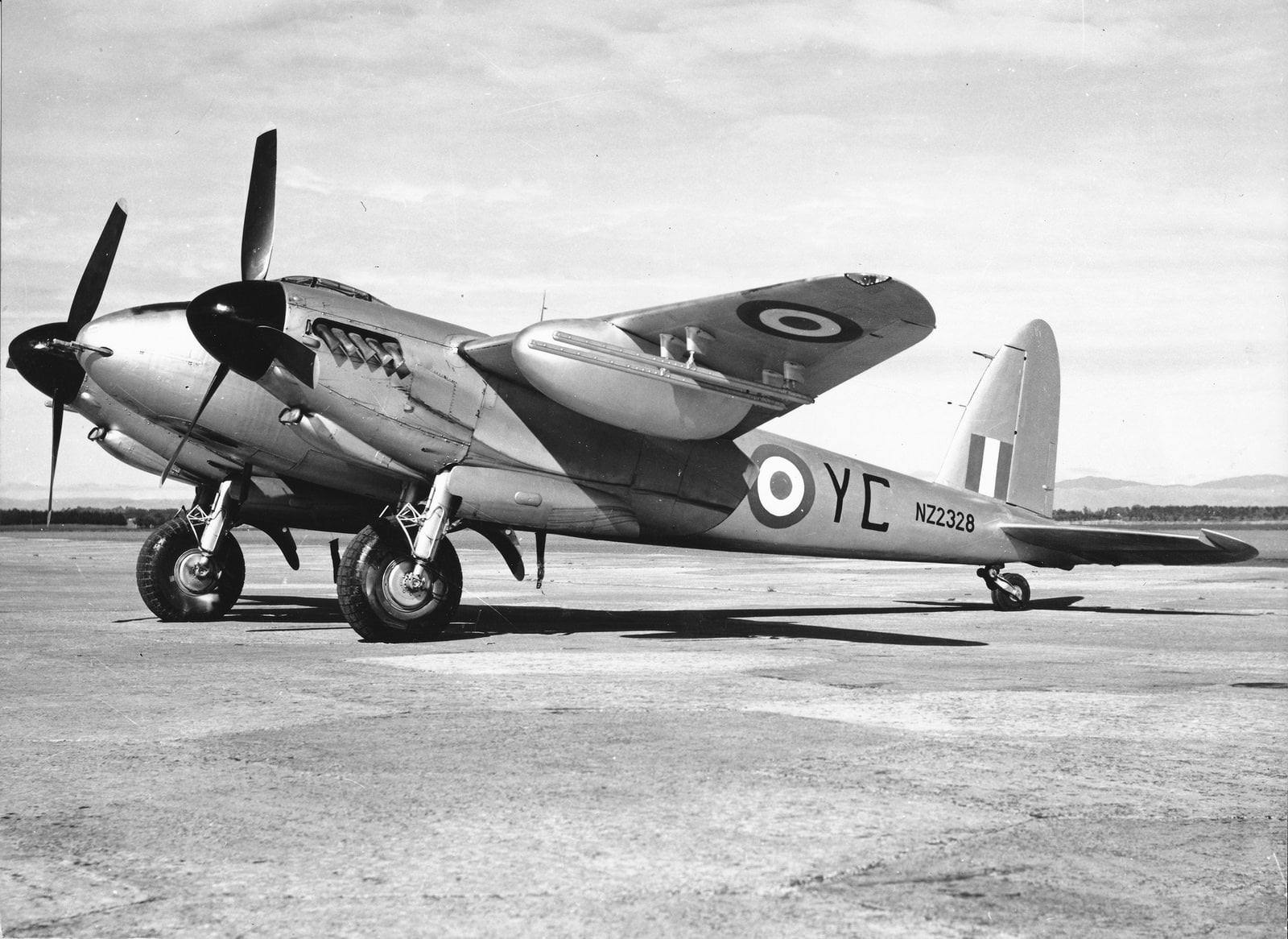
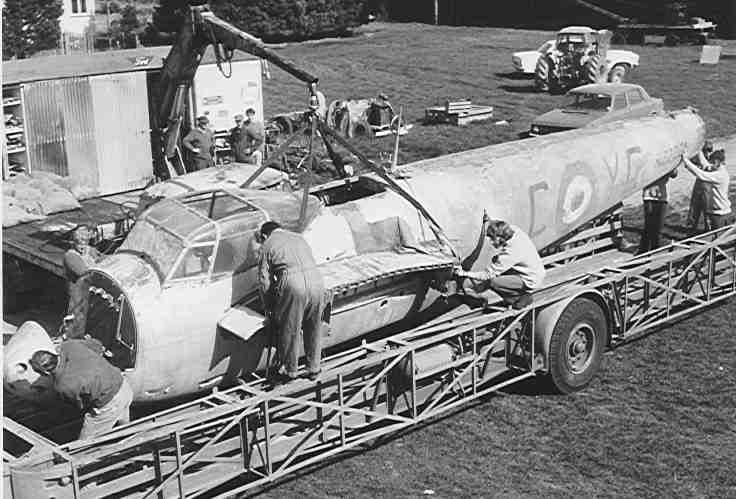
While it was to be flown in the RNZAF as NZ2382, a taxiing accident at RNZAF Wigram on April 14, 1948, cut its RNZAF flying career short, with the aircraft being retained as a source for spare parts for the other RNZAF Mosquitos. By 1952, the aircraft was sold to a farmer from Pigeon Bay on Banks Peninsula, which is where the Ferrymead Aeronautical Society would find and acquire the wing, landing gear, fairings, engine cowlings, fin and rudder, and 10 feet of the aft fuselage in 1972. The other Mosquito involved in the build is TE758/NZ2328. Built too late to see combat in WWII, RAF serial number TE758 was kept in storage at RAF St. Athan in Wales before being transferred to the RNZAF and assigned the serial number NZ2328. The aircraft was actively flown by No 75 Squadron RNZAF from 1948 to 1952 and was later stricken from the RNZAF inventory on April 20, 1953. Although it was to be sold to the United States alongside several surplus Mosquitos, the sale of all but one of these was blocked by the New Zealand government, and NZ2328 was bought by another farmer from Maheno, who kept the fuselage as a chicken coop until the Ferrymead Aeronautical Society acquired it in 1972.
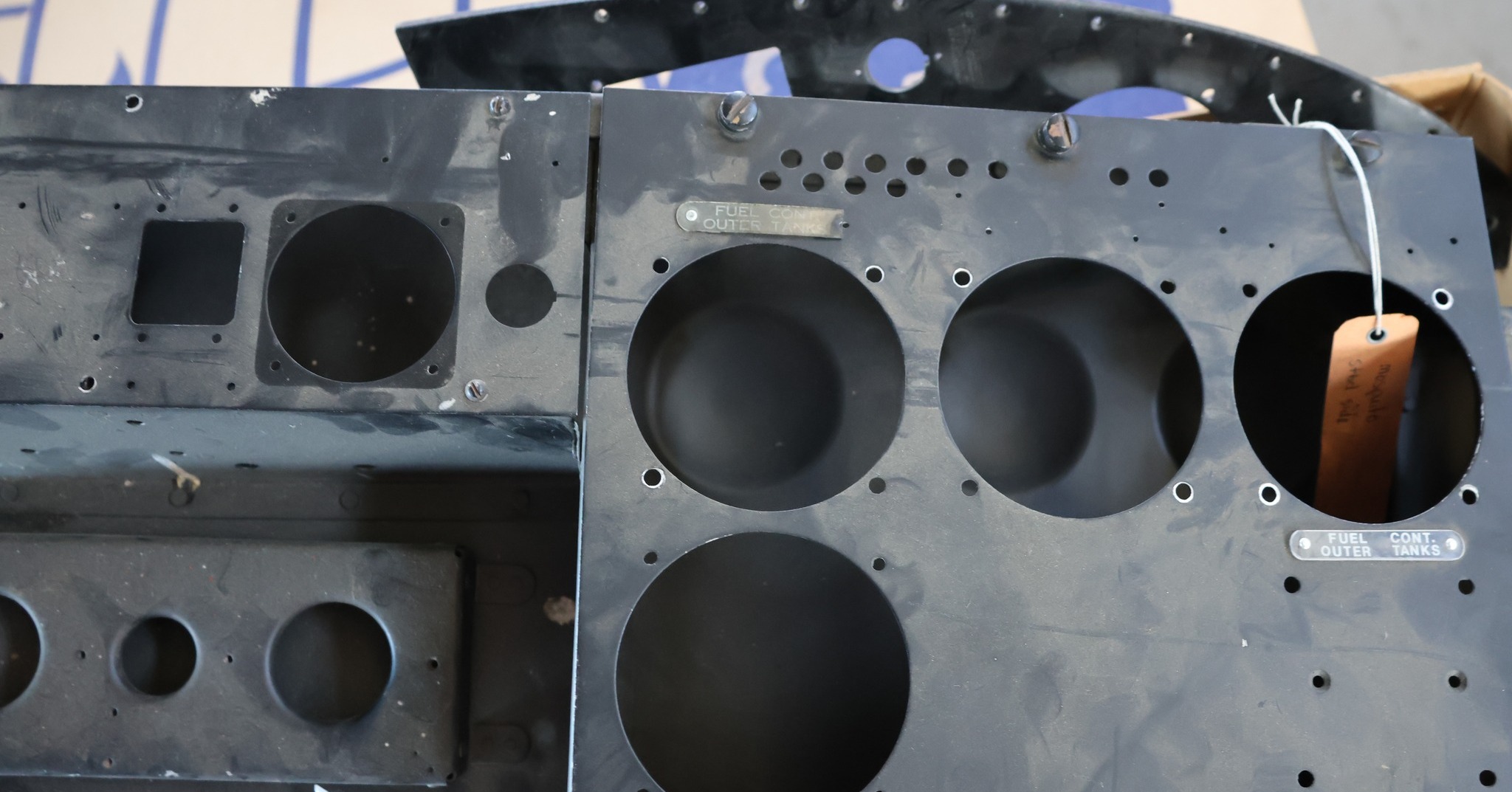
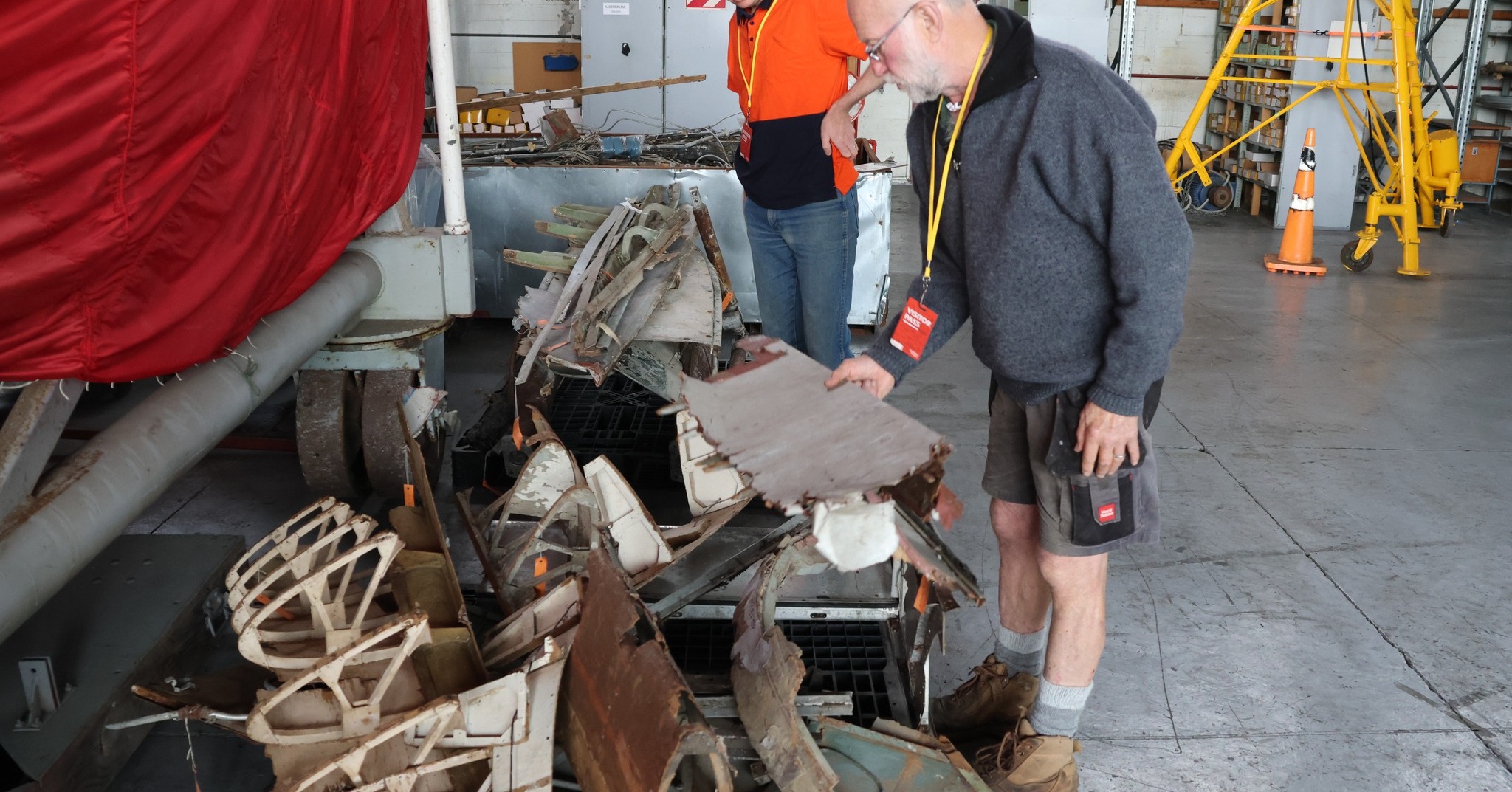
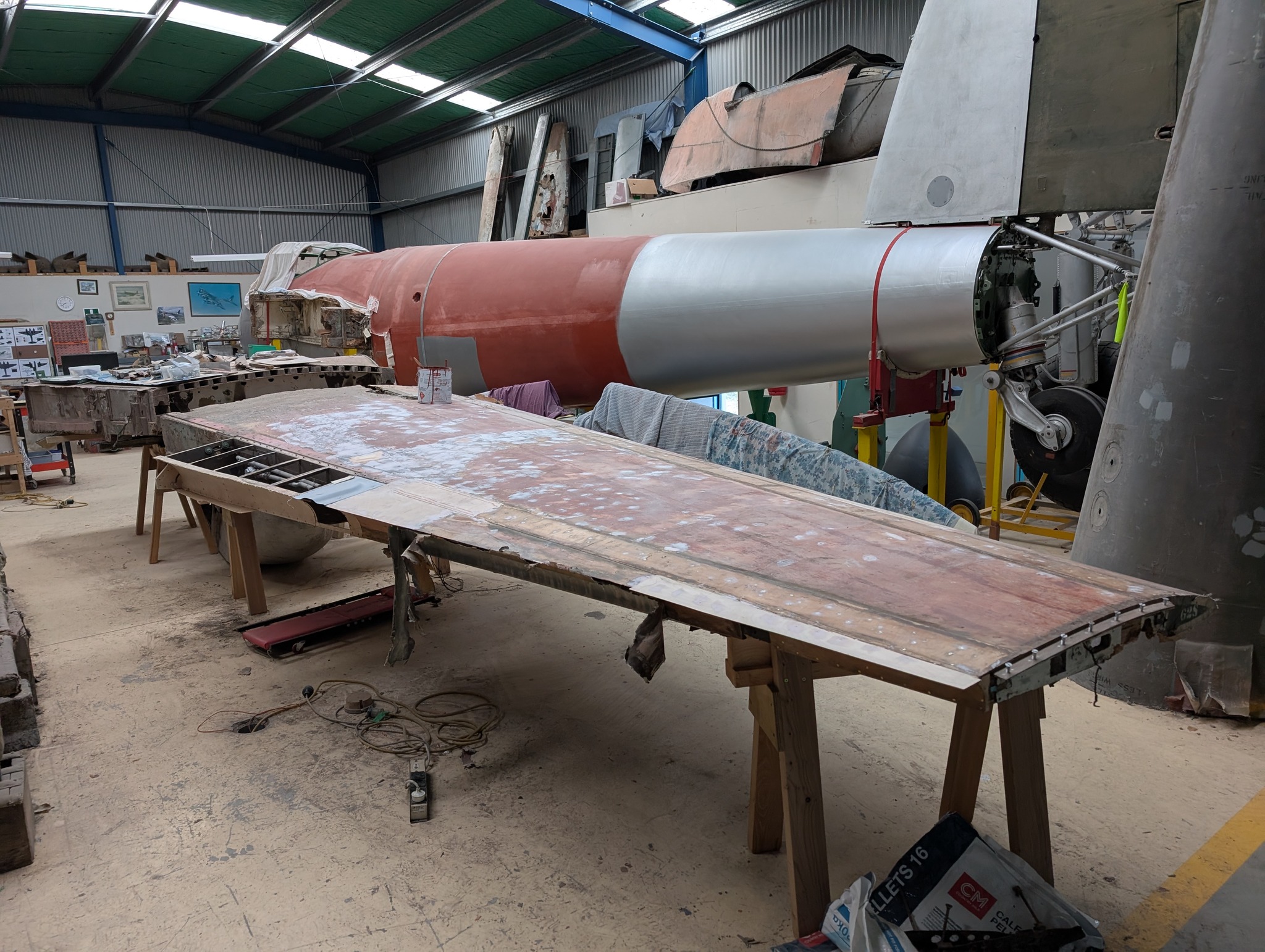
For the past 26 years, the dedicated team at Ferrymead has been incorporating the remains of HR339/NZ2382 and TE758/NZ2328 to make a complete airframe, but with a lack of parts, the Ferrymead Aeronautical Society has literally had to scour the globe in search of spare parts. They have found a source much closer to home. The Air Force Museum of New Zealand had now offered to help the Ferrymead Aeronautical Society by providing the organization with Mosquito parts from the AFMNZ’s storage areas, with the Society’s members having already begun looking for invaluable parts still needed for the restoration.
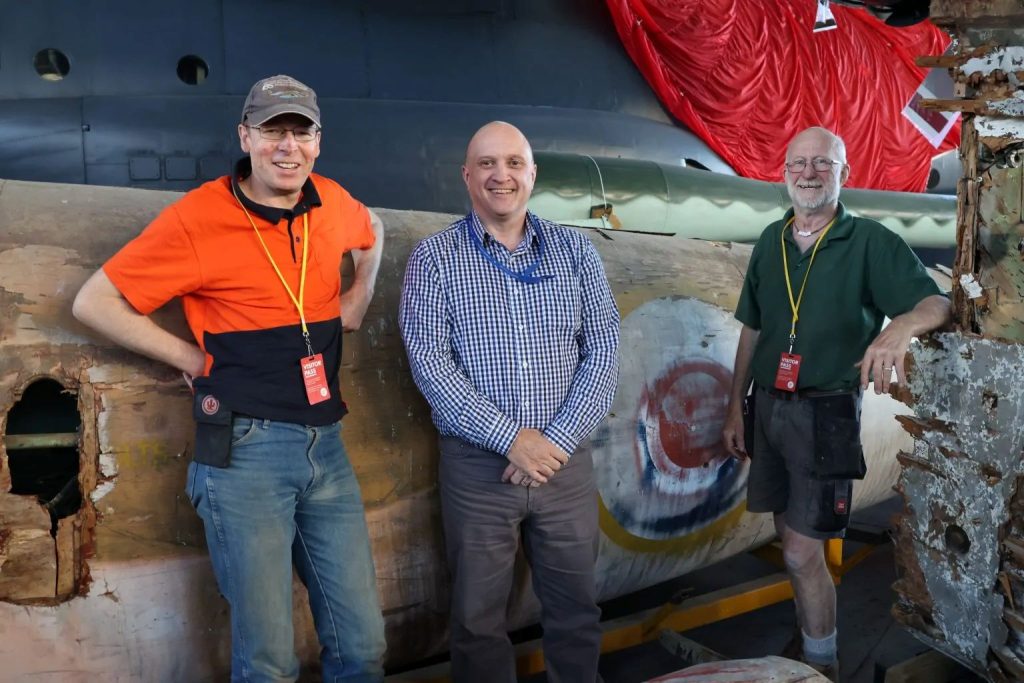
For the project led by Dan Guest, the assistance from the Air Force Museum is highly encouraging, and he has said of the new collaboration between the two groups: “It’s superb to be able to get access to the spares. There are many parts that we were missing, which we can use or copy. Within a few seconds of being here, I’d seen a flap shroud that will save 60 hours of work for me. It is fantastic – an absolute game-changer for us.’’ Meanwhile, Darren Hammond, Collections Manager of the Air Force Museum of New Zealand, has noted that many of these parts that will be used in the restoration of the Ferrymead Aeronautical Society’s Mosquito have been collected by the museum since its opening in 1987, and have come from Mosquito aircraft. He has gone on to state that: “We do not have the time or resources to put into a Mosquito build from the parts we have – and Dag is 26 years into his restoration. … It makes absolute sense to help with whatever we can, so that collectively we can save this incredibly rare and significant aircraft which will remain in public ownership in New Zealand as part of this country’s military aviation heritage.’’ For more on the restoration of DH.98 FB.VI Mosquito HR339/TE758, visit the Ferrymead Aeronautical Society’s webpage on the aircraft HERE.