






For over 10 years now, New Zealand has been at the forefront of restoring airworthy examples of the legendary de Havilland DH.98 Mosquito WWII multirole aircraft, and we at Vintage Aviation News have covered the restorations of the four airworthy Mosquitos restored at Ardmore by Avspecs Ltd. But inside the Ferrymead Heritage Park in the Christchurch suburb of Ferrymead, the Ferrymead Aeronautical Society has been hard at work on the static restoration of an FB.VI Mosquito, combining two historic airframes, including the last portions of a Mosquito that saw combat in Europe with the Royal New Zealand Air Force (RNZAF), into one complete example to be on static display as one of only 34 surviving De Havilland Mosquitos around the world, and become one of the many treasures inside one of New Zealand’s largest Living History attractions.
During WWII, the DH.98 Mosquito was flown into combat by brave young men from all over the British Commonwealth, and the airmen of New Zealand left an indelible mark on the service history of the “Mossie”. In 1943, two New Zealand squadrons operating in England, No. 487 Squadron and No. 488 Squadron were trained on the De Havilland DH.98 Mosquito, replacing 487’s Lockheed Venturas with bomber and fighter-bomber Mosquitos and 488’s Bristol Beaufighters with radar-equipped Mosquito night fighters respectively. With their Mosquitos, No. 487 Squadron gained wartime fame for their active role in Operation Jericho, the daring raid on Amiens prison to facilitate the escape of high-value imprisoned French prisoners scheduled for execution by the Gestapo. 487 Squadron also conducted daring low-level precision raids on Gestapo headquarters in Aarhus, Denmark, on October 31, 1944, and in Copenhagen on March 21, 1945, destroying incriminating documents on resistance networks in occupied Denmark. Meanwhile, No. 488 Squadron RNZAF flew as night fighters, defending Britain from Luftwaffe night raids before taking an offensive role on intruder missions into German-occupied Europe.
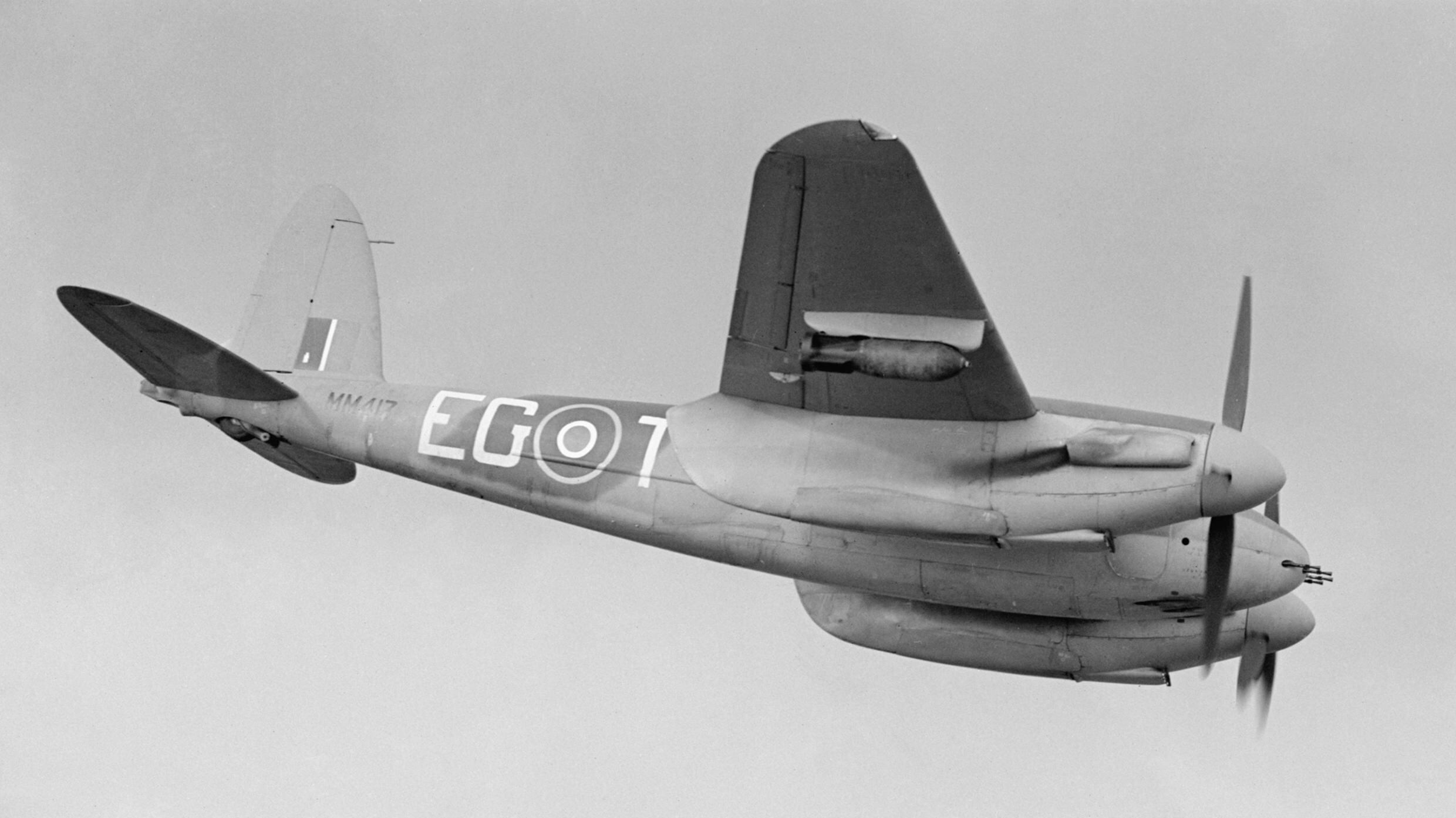
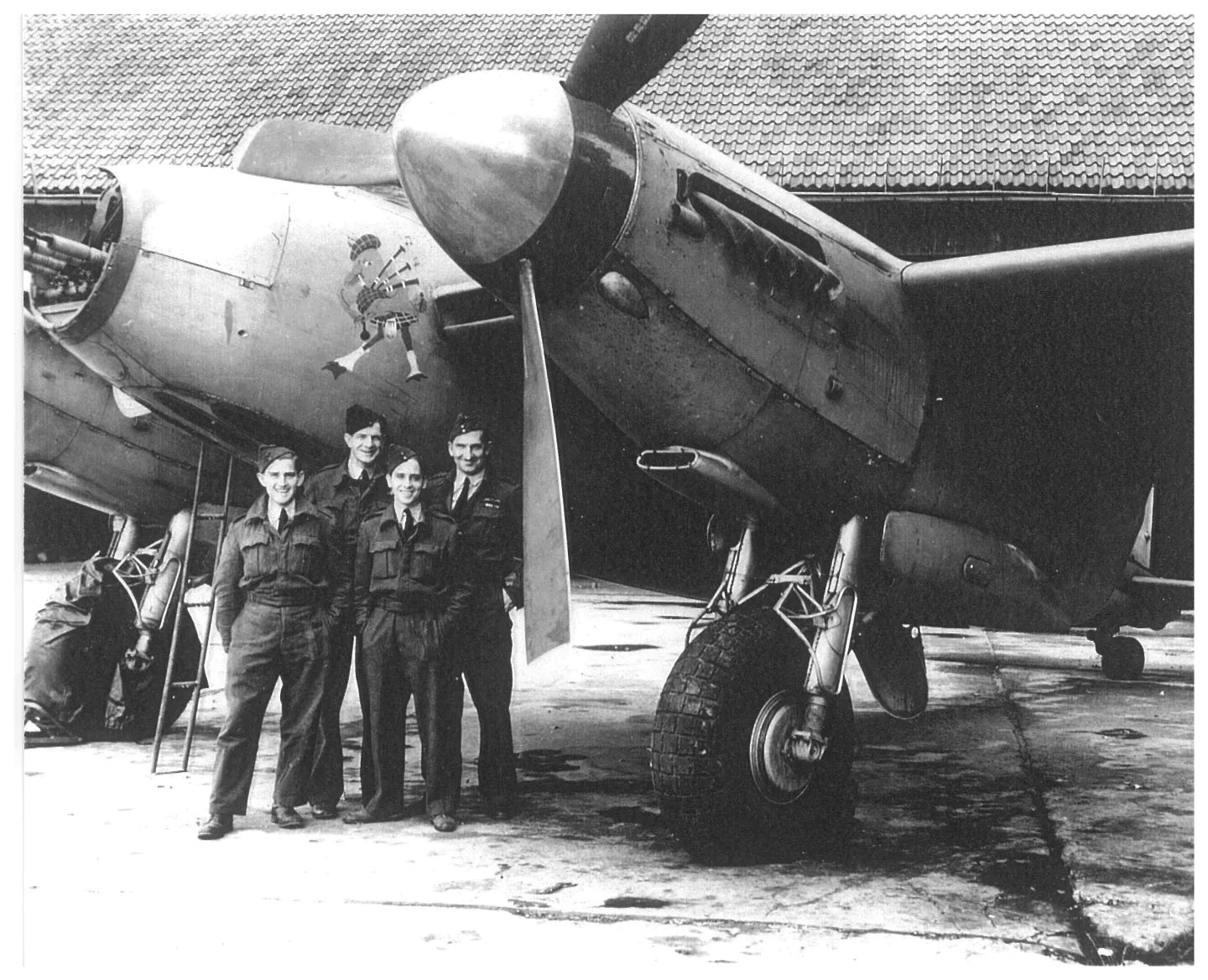
By war’s end in 1945, both No 487 Squadron and No 488 Squadron were formally disbanded, but the need for operational Mosquitos did not end. In 1947, the RNZAF accepted an order for 85 Mosquitos to be delivered from England and Australia. However, only 22 of these aircraft would be flown in regular domestic operations with No 14 and No. 75 Squadrons, while the remainder were kept in storage. With the onset of the Jet Age, the RNZAF retired the last of its venerable Mosquitos in 1952 in favor of a new de Havilland design, the DH.100 Vampire. Given the fact that these wooden aircraft were now considered redundant, most of the RNZAF Mosquitos were broken up for scrap, but some survived either complete or in large portions, often ending up in the barns of local farmers, such as John R. Smith of Mapua, whose own Mosquito (FB.VI RAF s/n TE910/RNZAF s/n NZ2336) was later acquired by the Omaka Aviation Heritage Centre for display, which we have covered HERE. Among the surviving portions of former RNZAF Mosquitos that have survived to the present day include the two airframes now in the collection of the Ferrymead Aeronautical Society, the wings of HR339 and the fuselage of TE758. The aircraft that is lending its wings to the Ferrymead Aeronautical Society’s project was constructed by the Standard Motor Company of Coventry in 1944 as serial number HR339 and was assigned to No 487 Squadron RNZAF on November 23, 1944, with the fuselage code EG-J. From December 1944 to the end of WWII in Europe in May 1945, HR339 would fly 31 combat missions. Initially flown from RAF Thorney Island, Mosquito FB.VI HR339 moved with 487 Squadron to the French commune of Rosières-en-Santerre in February 1945 to continue supporting operations in continental Europe. Up to 18 airmen (nine pilots and nine navigators) flew in HR339 during its combat service with No 487 Squadron, but none more than pilot Flight Lieutenant Rowland John ‘Jack’ Dempsey, RNZAF, and navigator Flight Sergeant Edward John ‘Ted’ Paige, RAAF, who flew 13 missions in HR339. They were also the crew onboard during the aircraft’s most harrowing ordeal: On February 22, 1945, Dempsey and Paige were flying Mosquito FB.VI HR339 during Operation Clarion, part of the Combined Bomber Offensive (CBO) between the Royal Air Force and the United States Army Air Force in attacking German transport infrastructure in the lead-up to the crossing of the Rhine and the western Allies’ invasion of Germany.
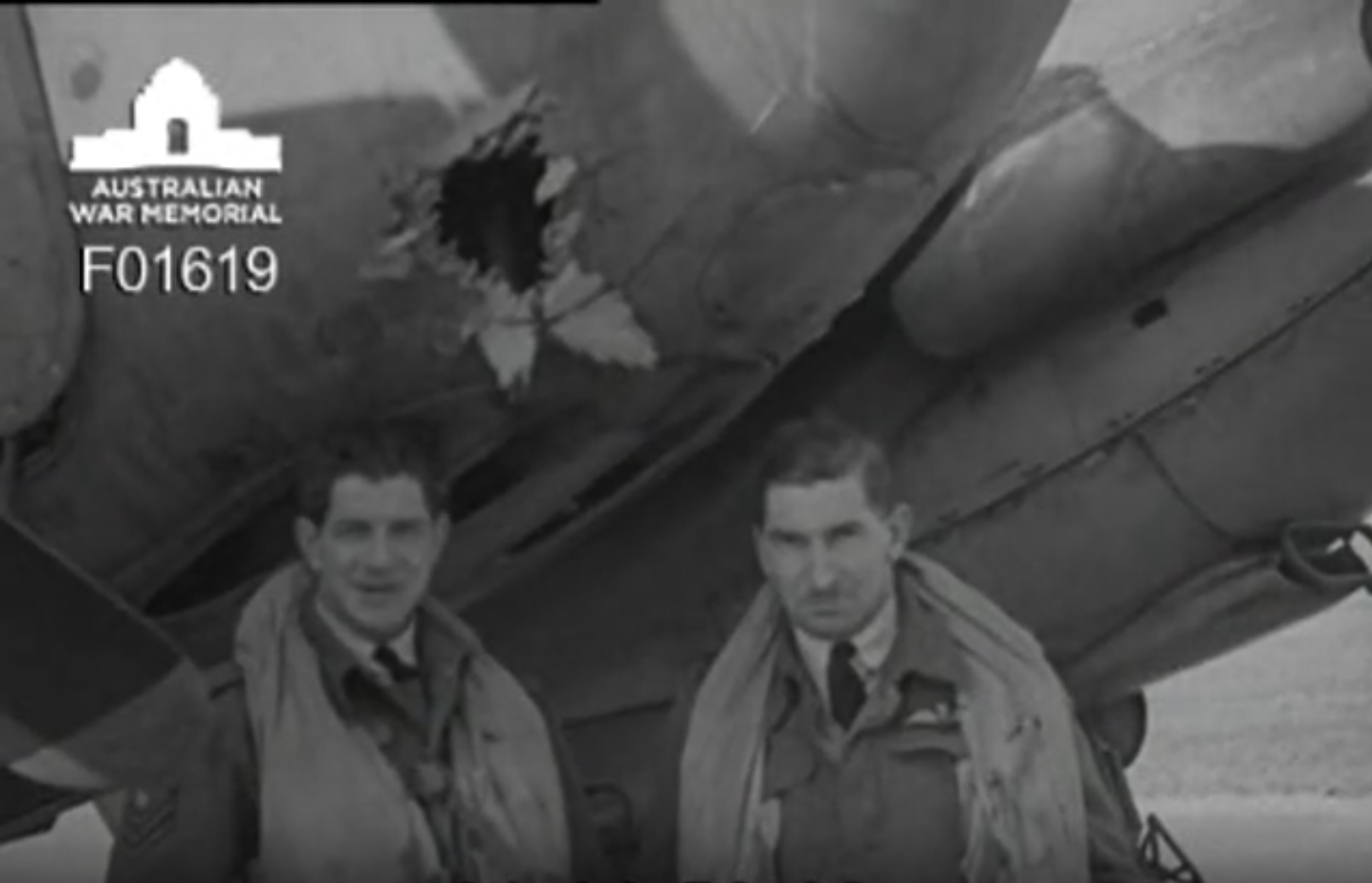
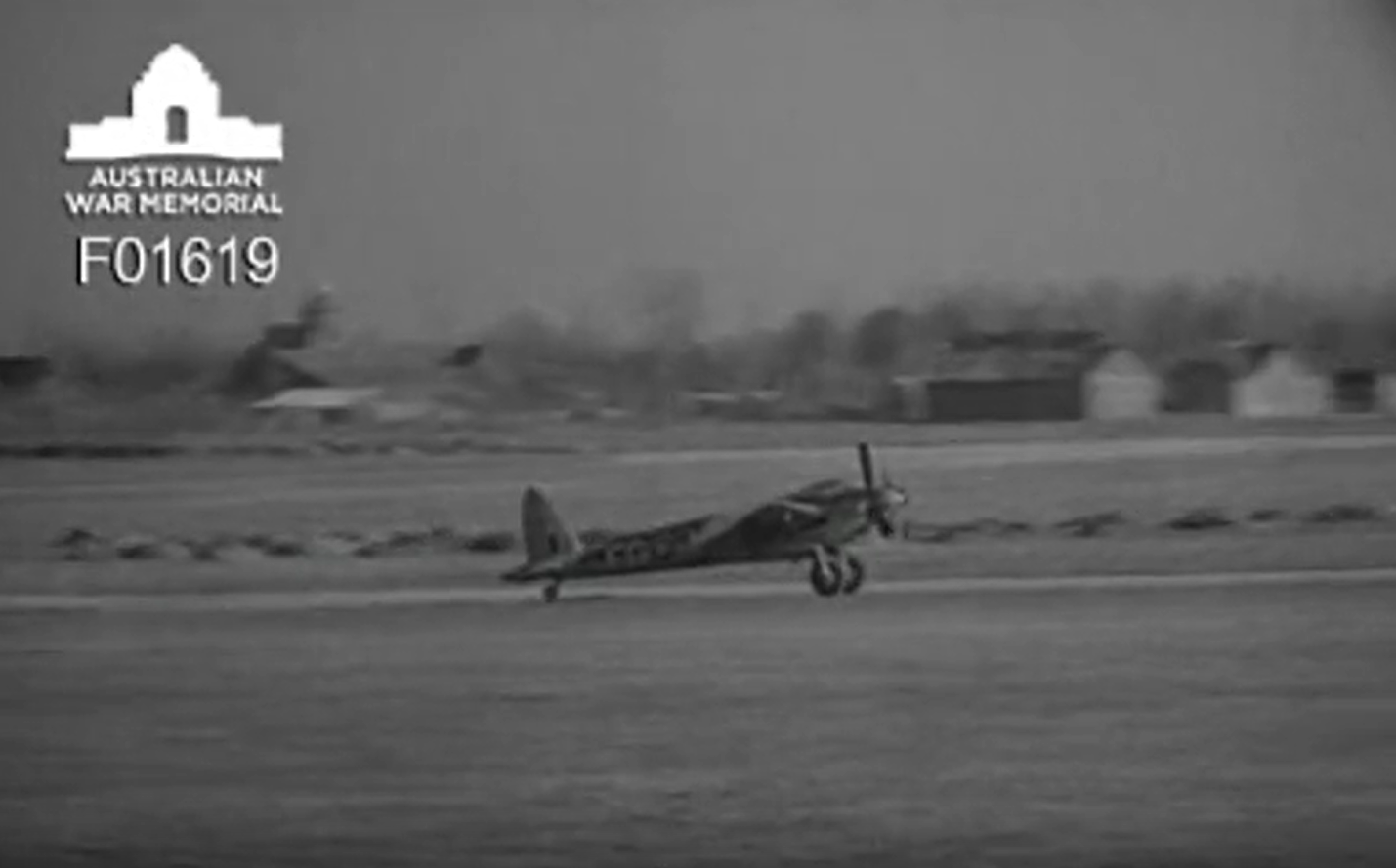
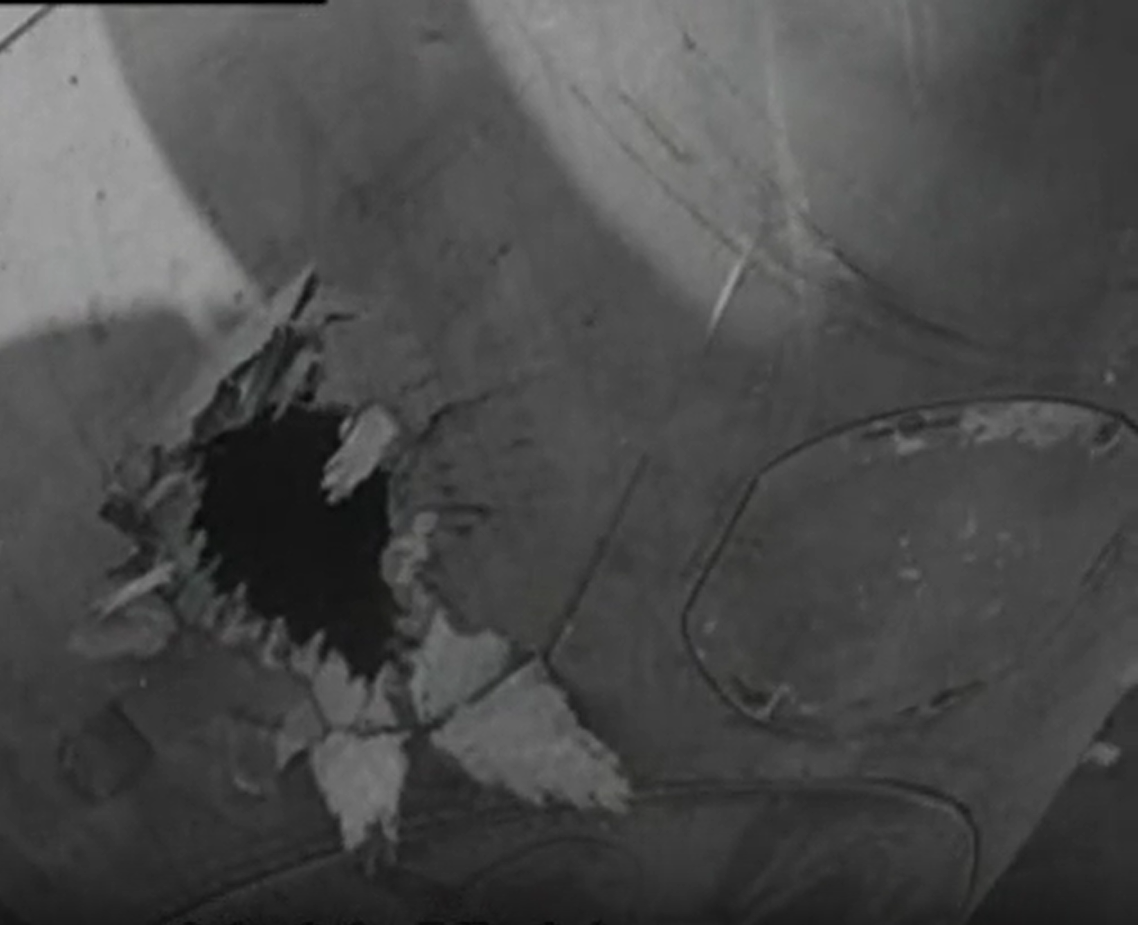
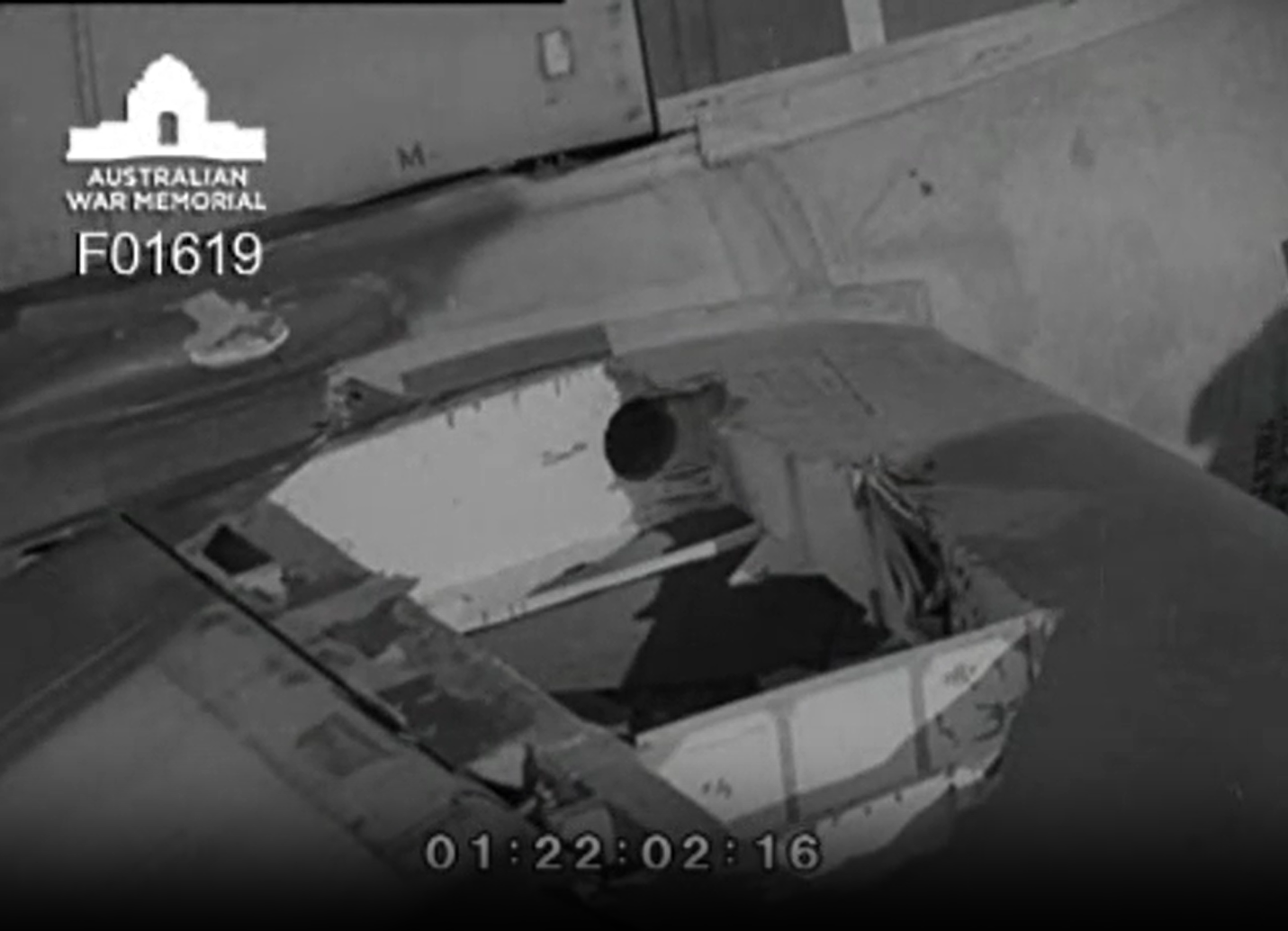
As HR339 was attacking a stationary train near the German town of Bremervorde, just north of Bremen, the aircraft was hit by anti-aircraft shells, one of which passed through the nose of the Mosquito before exploding, peppering the starboard engine’s radiator and propeller with metal splinters. A second shell then struck the aircraft, creating a two-foot square hole in the starboard tailplane. With the No.2 engine (starboard) running rough, Dempsey was forced to feather the propeller and shut the engine shut. Fortunately, though, he still had enough control of the wounded Mosquito to exit the combat environment, and Paige plotted a course back to Rosières-en-Santerre some 375 miles (603 kilometers) to the southwest. The aircraft’s landing, its crew and a later survey of the damage HR339 sustained was even filmed by Australian cameraman Frank Bagnall and is available in the collections of the Australian War Memorial HERE. Dempsey and Paige were among the lucky ones, though, as No 487 Squadron would lose five Mosquitos on that day. Due to the damage it sustained, HR339 was sent to a repair depot, and did not return to combat operations until April 1945, just one month before the surrender of Germany. When the aircraft returned to the flight roster, it came with a new fuselage code: EG-H.
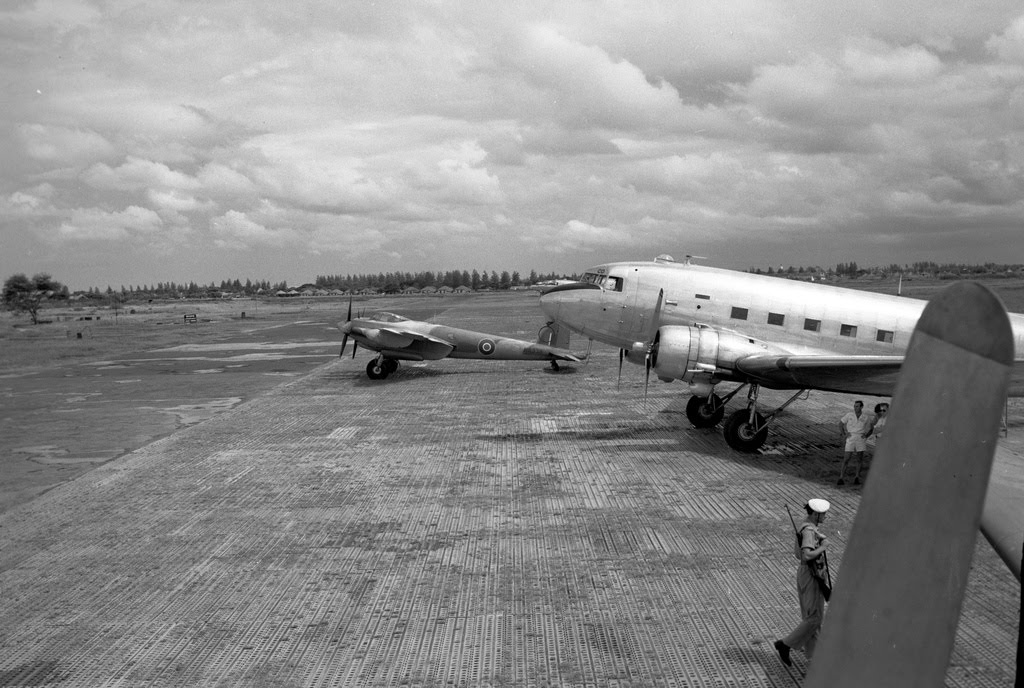
With the war in Europe over, No. 487 Squadron was officially disbanded on September 19, 1945, with its personnel either returning home or remaining either in the RNZAF or the RAF. As for Mosquito HR339, it was returned to the UK and overhauled by the British contractor Marshall of Cambridge (now Marshall Group), and later placed in storage at RAF Hullavington, near Chippenham, Wiltshire, England. When the RNZAF placed their order for 85 Mosquitos in 1947, HR339 was selected to be flown on the ferry route to New Zealand, a flight of nearly 22,000 kilometers (13,670 miles). HR339 was to be issued the RNZAF serial number NZ2382 when it arrived in New Zealand but would be flown with its RAF serial number by an RAF crew, consisting of Flight Lieutenant F. J. Adams and Flying Officer M. J. Fry. On October 14, 1947, HR339 would leave the UK for the final time when it departed from RAF Pershore, England. After making a refueling stop in Bordeaux, France, HR339 was delayed at Malta for an engine change, at which time Flight Lieutenant Bailey and Warrant Officer R.M. Cattermole took over, as there were more Mosquitos to be delivered to New Zealand. HR339 and her new crew continued their flight halfway around the world, with stops at RAF Station El Adem, Libya, RAF Fayid, Egypt, RAF Station Shaibah, Iraq, Bahrain, Karachi, Pakistan, RAF Station Butterworth, Malaysia, Singapore, Surabaya, Indonesia, and three stops in Australia (Darwin, Townsville, and Sydney), before at last arriving at RNZAF Ohakea on March 24, 1948. It was also the only Mosquito flown to New Zealand still in dark green/dark brown camouflage, as opposed to the overall silver scheme applied to most other Mosquitos in postwar service.
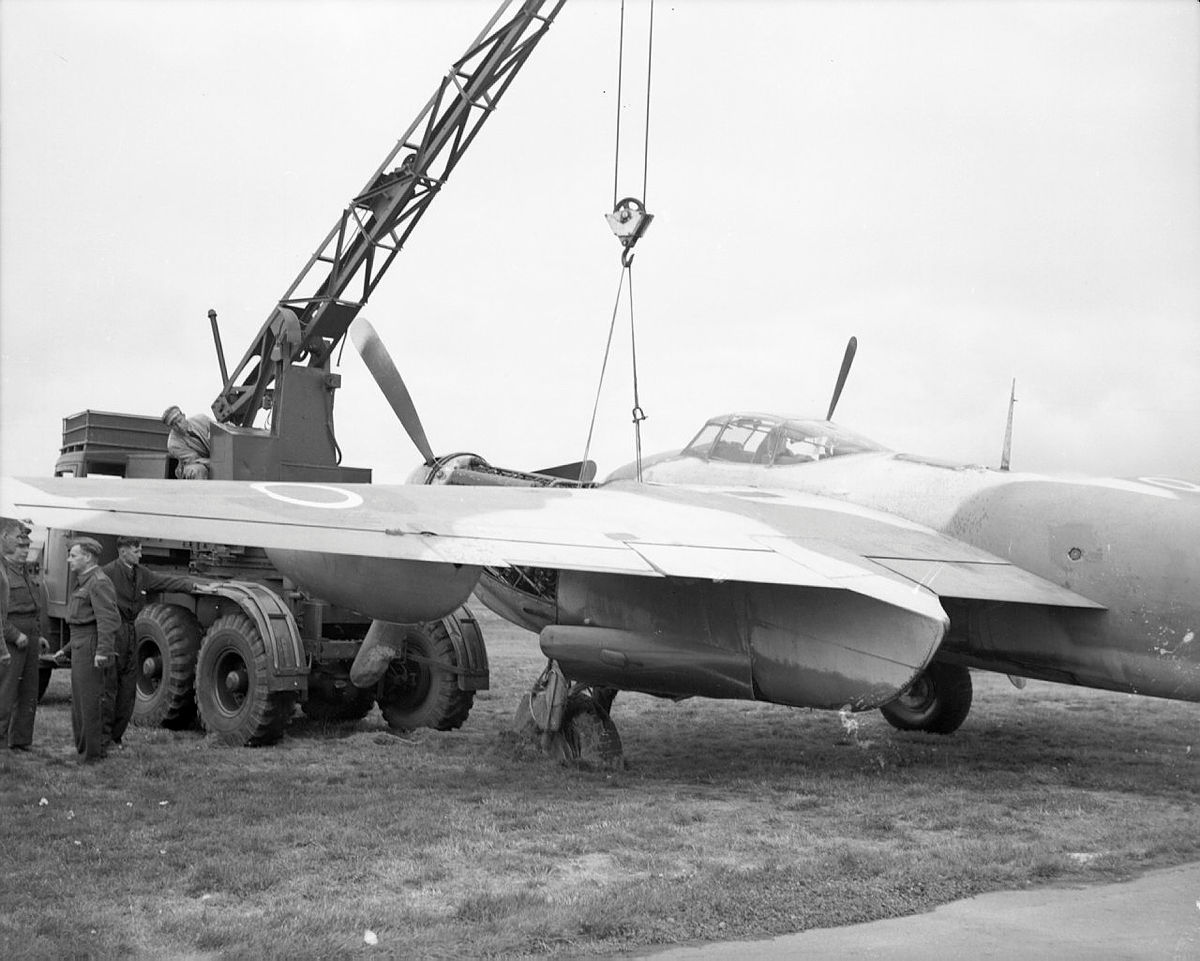
Since only two squadrons in the RNZAF would regularly fly the DH.98 Mosquito in service, many of New Zealand’s Mosquitos would be placed into storage until they were called up for active service or stricken from the inventory. However, on April 14, 1948, as HR339 was set to fly from RNZAF Wigram to RNZAF Taieri to be placed in storage with Flt Lt Sims (RAF) at the controls, Mosquito HR339 was damaged in a taxiing accident at Wigram when the aircraft fell into a hole in the ground on the airfield. While the aircraft was not repaired or returned to flying service, it remained at Wigram Aerodrome until 1952, likely serving as a source of spare parts to keep other Mosquitos in the RNZAF active. By 1952, though, as the RNZAF began phasing out the Mosquitos from their inventory, the remains of HR339 were sold to a farmer named Bruce Goodwin of Pigeon Bay. He cut the wooden aircraft into pieces small enough to fit on his truck and drove the remains of the aircraft to his farm. 20 years later, in 1972, members of the Ferrymead Aeronautical Society found the remains of Mosquito HR339 (specifically the wing (sawn into four pieces), landing gear, fairings, engine cowlings, fin and rudder, and 10 feet of the aft fuselage. While it was not a complete airframe, they would also acquire the remains of another RNZAF Mosquito that same year, which comes with its own story.
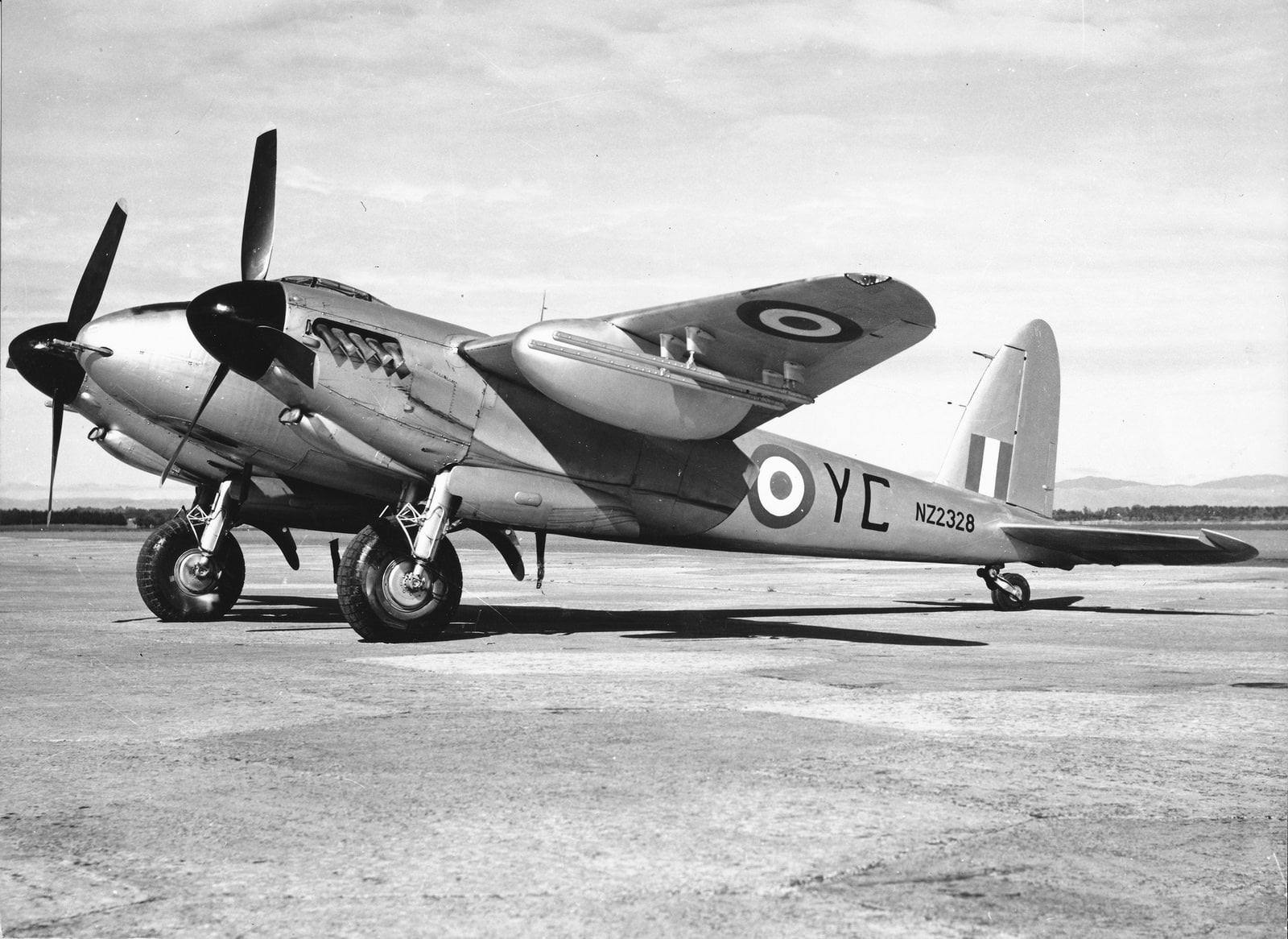
The other de Havilland Mosquito of the Ferrymead Aeronautical Society is another FB.VI fighter-bomber variant. Like HR339, this Mosquito was also built in Coventry by the Standard Motor Company but was delivered to the RAF in mid-1945 as TE758. With the war in Europe over, TE758 was never attached to an active RAF squadron and on August 26, 1945, the aircraft was soon allocated to No 19 Maintenance Unit at RAF St. Athan in Wales. When it was decided to transfer TE758 to the RNZAF in 1947, the aircraft was among the first DH.98 Mosquitos to make the ferry flight to New Zealand, with TE758 departing the UK on March 6, 1947, and arriving at RNZAF Ohakea on March 28. TE758 would be accepted into the RNZAF as NZ2328 and flown with No 75 Squadron RNZAF with the fuselage code YC-C. Oftentimes, it was used as the aircraft flown by the squadron’s commanding officer. During one incident on November 21, 1950, one of the port landing gear doors failed in flight, but the aircraft was repaired and returned to flight status. As the service lives of the RNZAF’s Mosquitos came to an end, NZ2328 was placed in storage at RNZAF Woodbourne on April 22, 1952.
After being declared surplus on April 20, 1953, the aircraft was sold in May to Aircraft Supplies Ltd, which was preparing the surplus aircraft for departure to the United States. However, word came to the New Zealand government of rumors that the aircraft were to be sold for military contractors, possibly even for use by the CIA. The deal was cancelled for aircraft such as NZ2328, but one RNZAF Mosquito, NZ2384 (formerly RAF s/n PZ474) was flown across the Pacific to the United States, and this aircraft is now one of the last airworthy Mosquitos in the world following a meticulous restoration by Avspecs Ltd for Rod Lewis and Charles Somers. As for TE758/NZ2328, it would be resold to a New Zealand farmer named Jas Clarke from Maheno, just southwest of the coastal town of Oamaru. Clarke had the wings of NZ2328 sawn off and burnt, while he brought the fuselage by road from Woodburne to his farm some 475 kilometers (295 miles) south. On the farm, he would use the wooden fuselage as a chicken coop under a hedge. Nearly 20 years later, in 1972, the Ferrymead Aeronautical Society found the remains of NZ2328 on Clarke’s farm and acquired not only the fuselage but also the fin, the rudder, and propellers, which were brought to Ferrymead, along with the remains of Mosquito HR339.
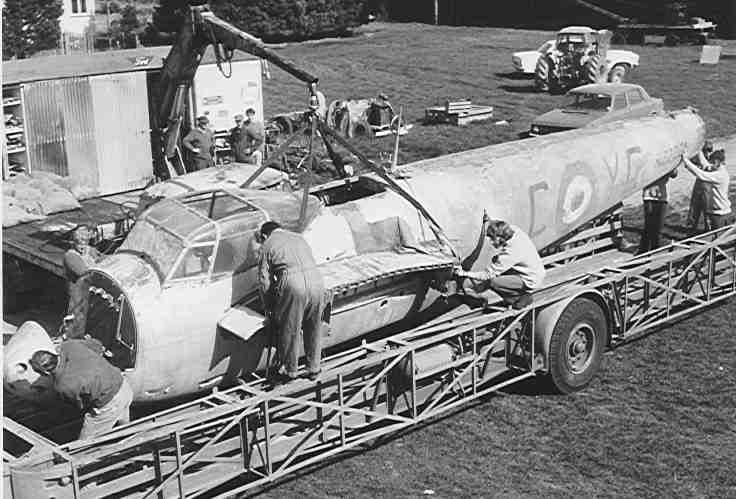
Although they had enough wing, fuselage, and tail components to make a complete airframe, neither set of remains came with any engines to speak of. However, the society founded and acquired a pair of Rolls Royce Merlin XXV inline engines. These were acquired from a company called Highcliffe Motors based in Dunedin and had been intended to be installed in a powerboat. As the Ferrymead Aeronautical Society began acquiring additional aircraft to be displayed at Ferrymead Heritage Park, the two partial Mosquitos were stored in the museum’s workshop and the members of the society made steady progress. During the early 2000s, the late Glyn Powell, whose tireless efforts to recreate the molds used to make de Havilland Mosquitos in WWII culminated in the restoration of four of the world’s five airworthy Mosquitos (soon to be brought to six thanks to another project underway), helped the Ferrymead Aeronautical Society by constructing a new-built tailplane. In 2006, the two partial Mosquitos were moved to a new, purpose-built workshop, with the restoration efforts of the Ferrymead Aeronautical Society being led by Dag Guest, a former Royal Navy Fleet Air Arm engineer from West Yorkshire who also works as a craftsman cabinet/furniture maker in Christchurch.
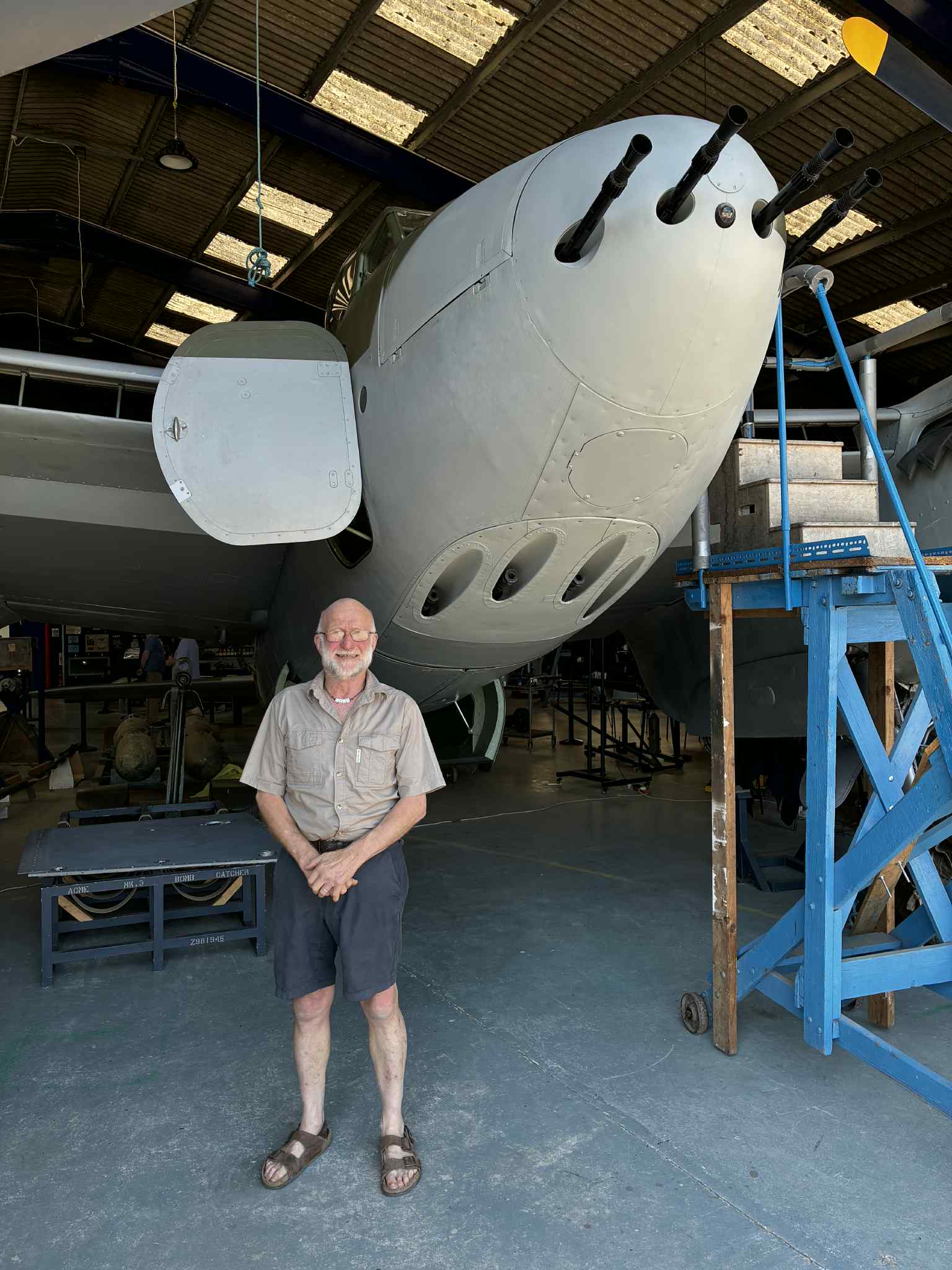
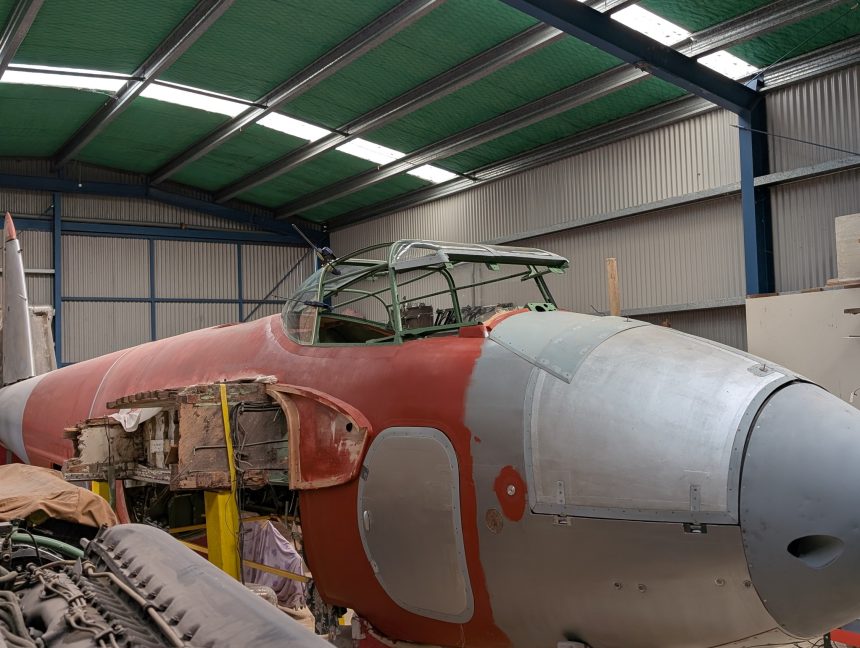
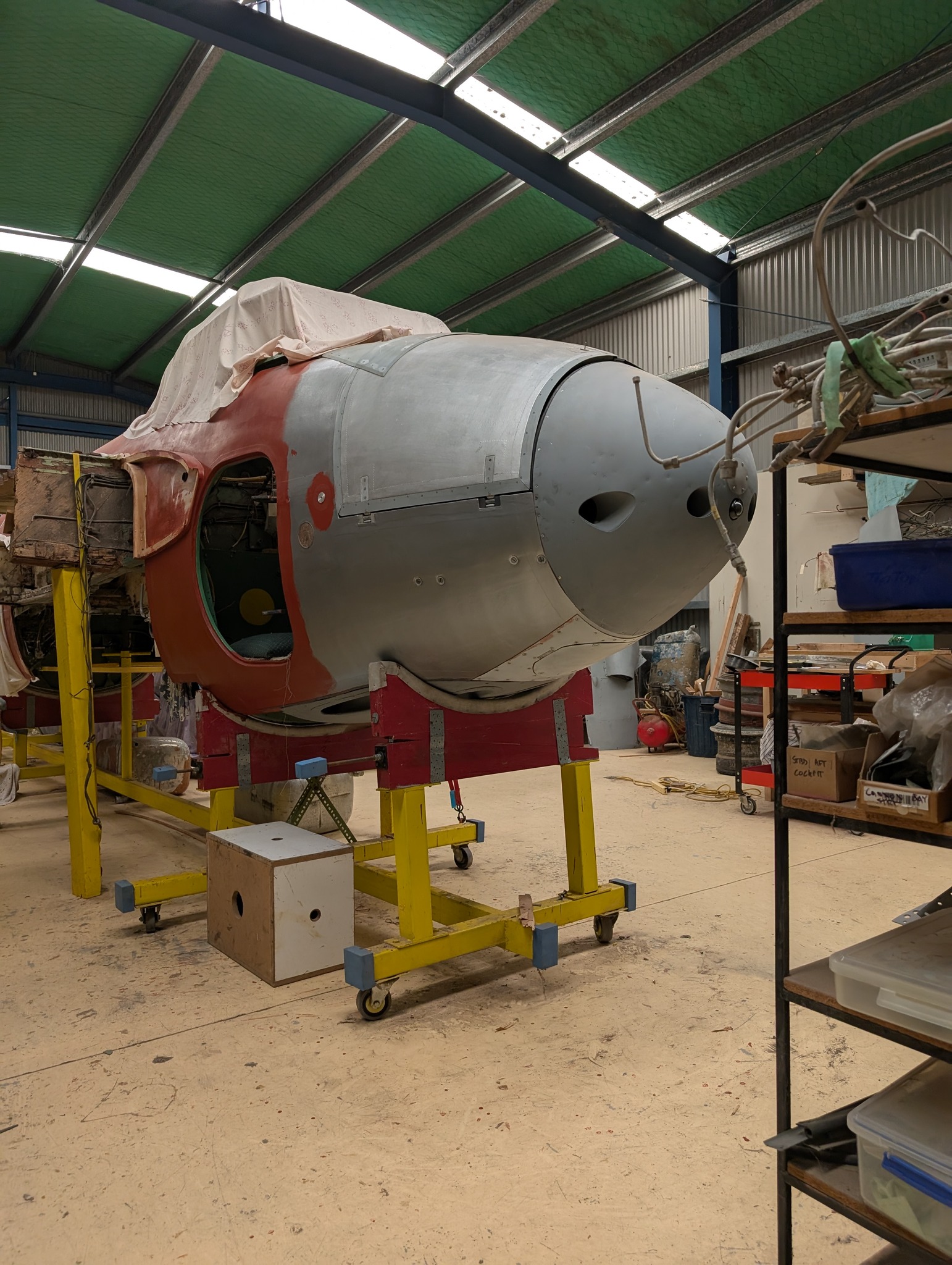
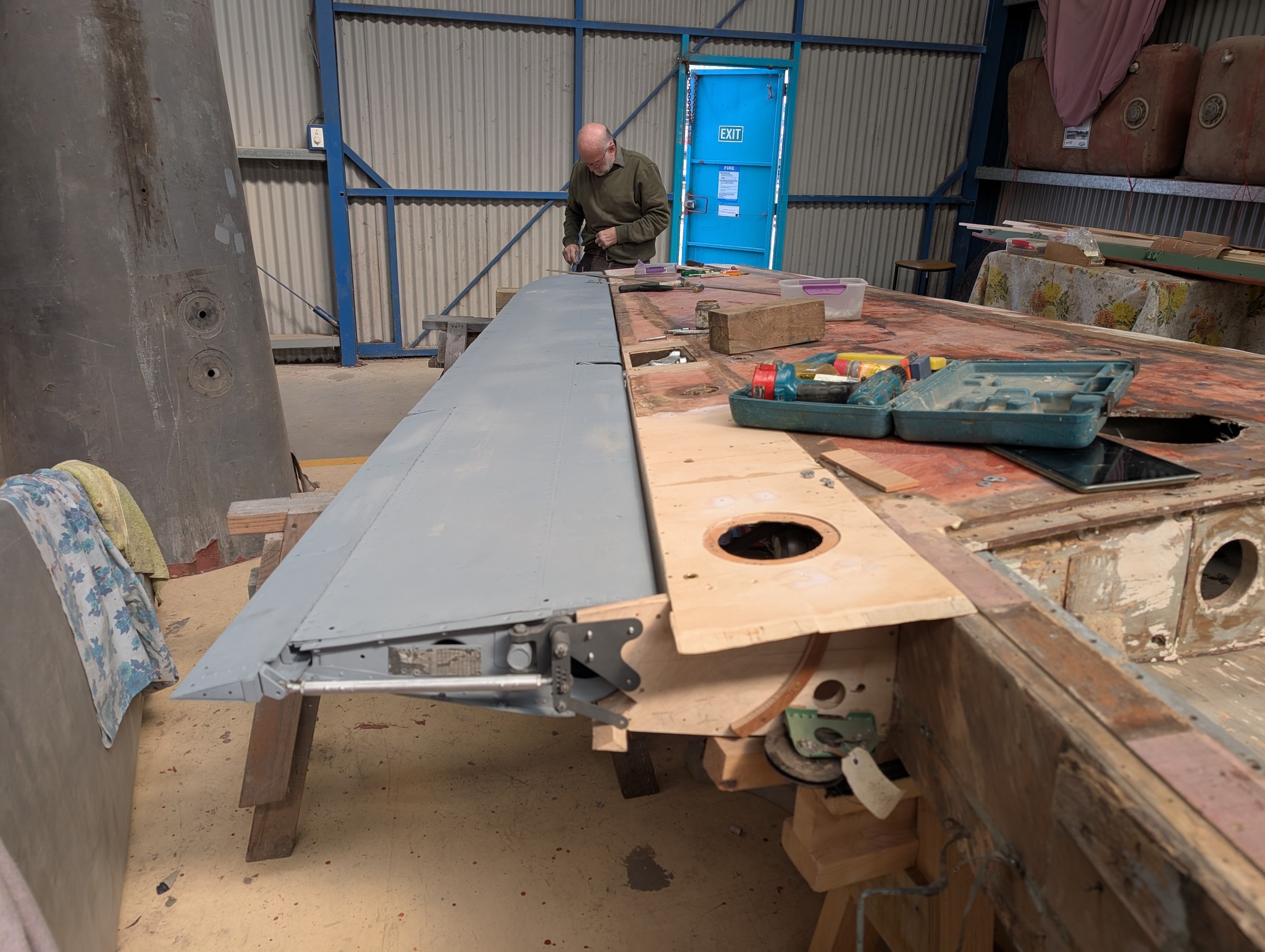
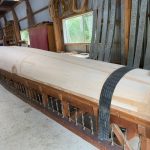
Currently, the fuselage from TE758 is sitting on several stands inside the workshop, with much of the woodwork for the fuselage being complete, as it has been reskinned, has its cockpit canopy and vertical stabilizer reattached, and much like the wartime Mosquitos, fabric has been doped over the wood-skin fuselage for a smoother surface, with the rear fuselage and the nose section up to the cockpit windscreen having been silver while the cockpit and center section are covered with red dope, and are currently waiting to be painted as well. The bomb bay doors and covers for the .303 and 20mm gun bays have been repainted, but the interior of the cockpit is still under restoration.
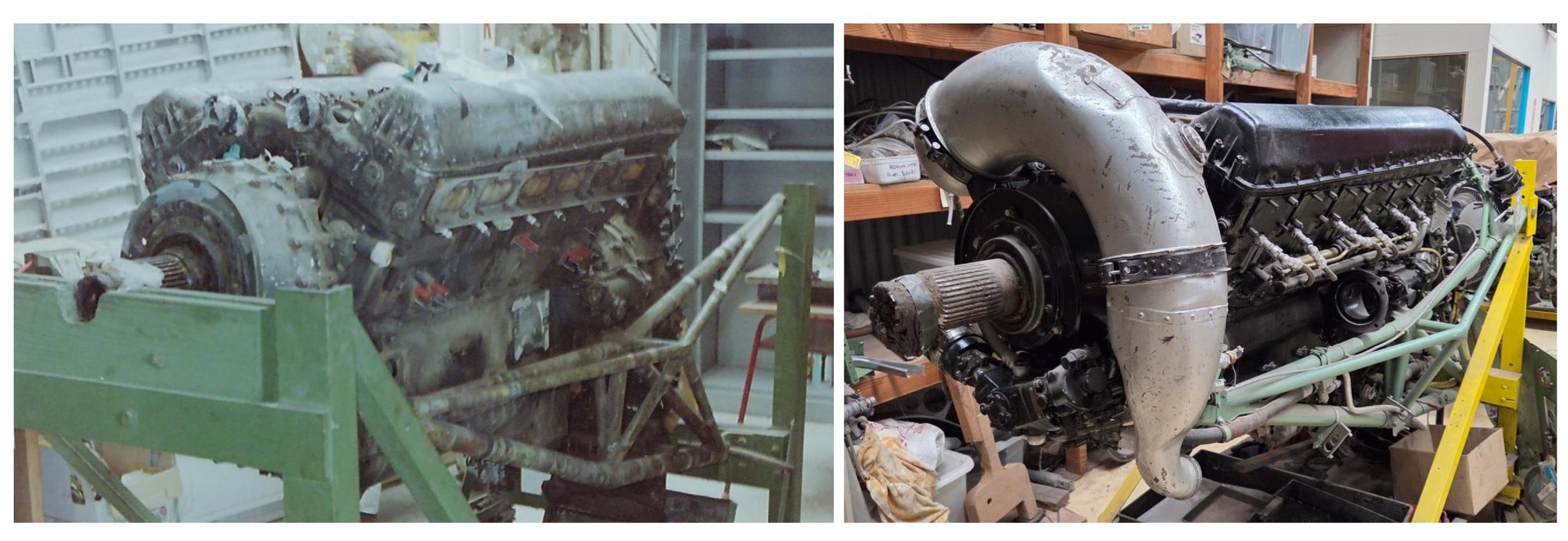
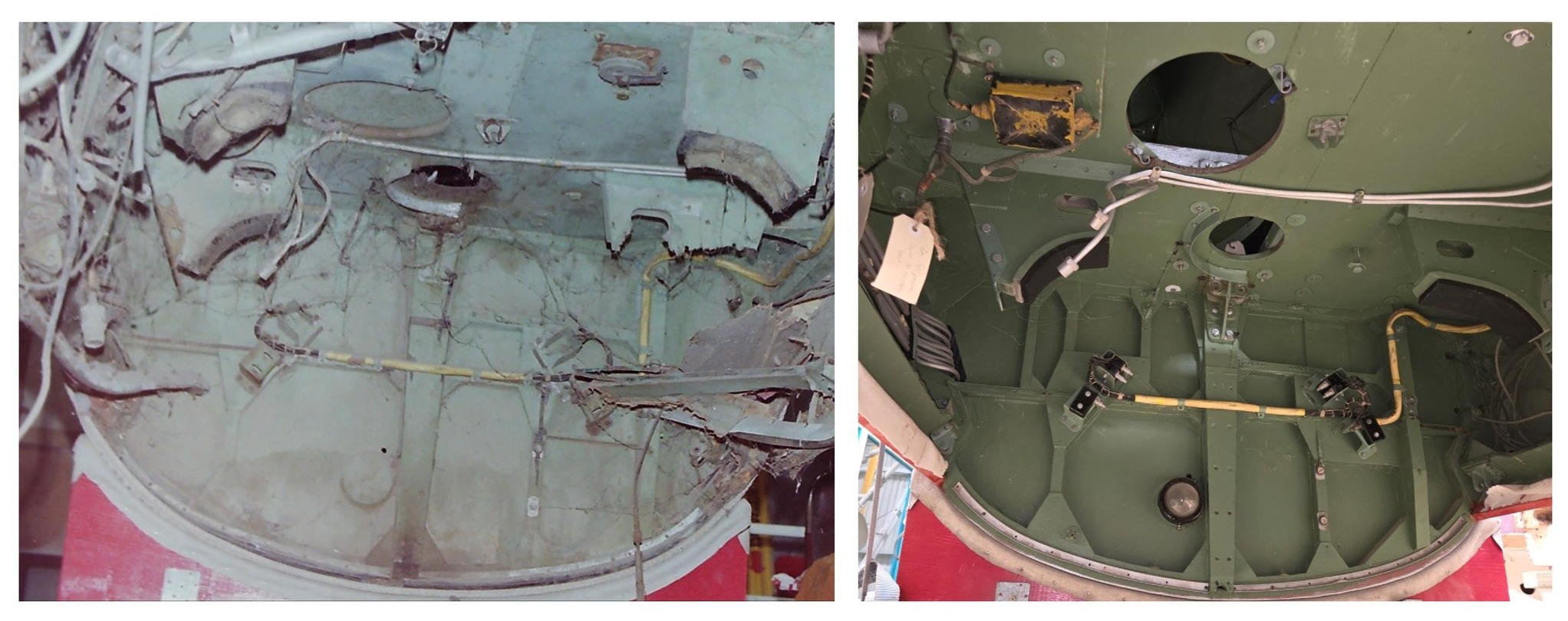
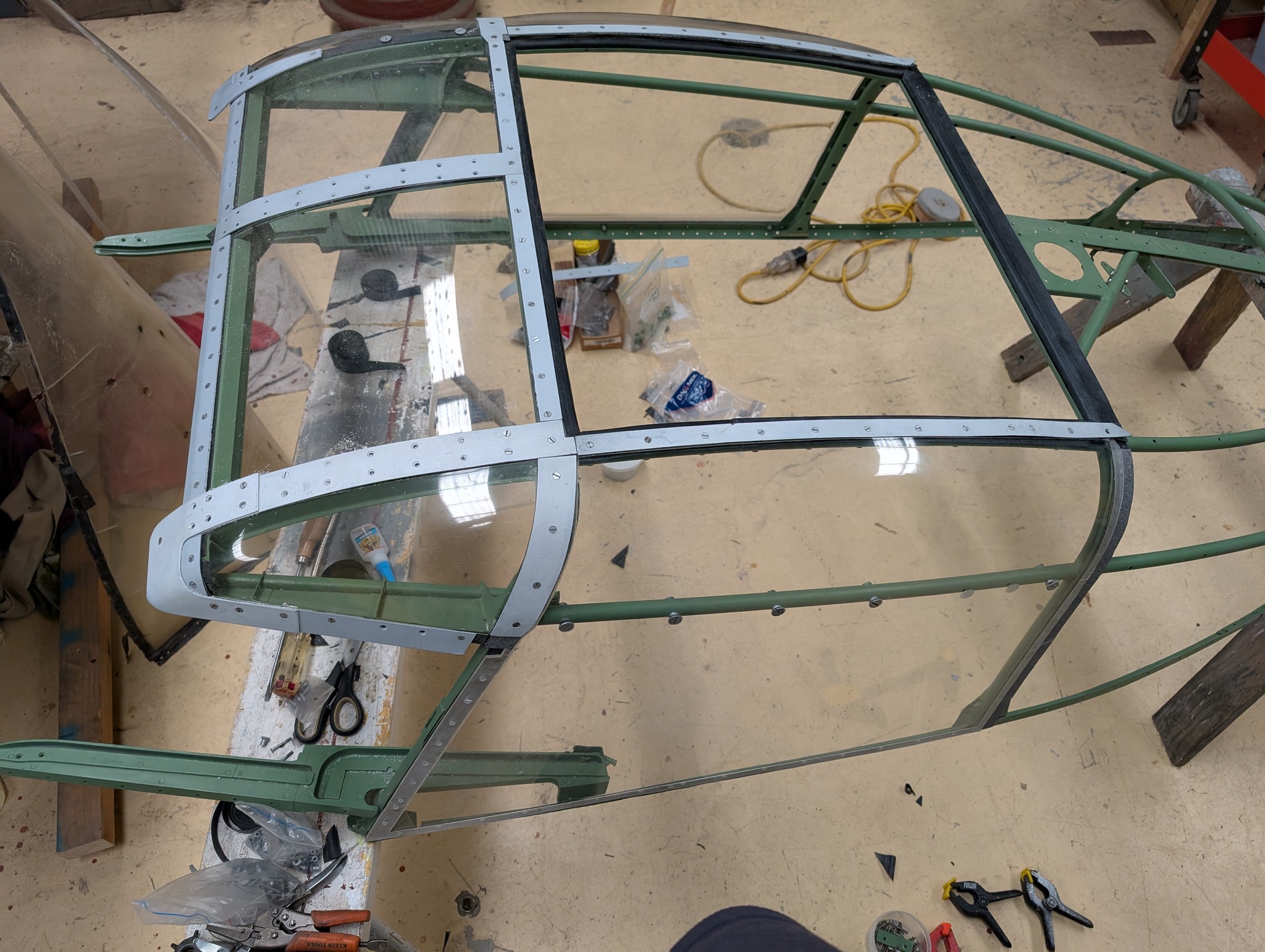
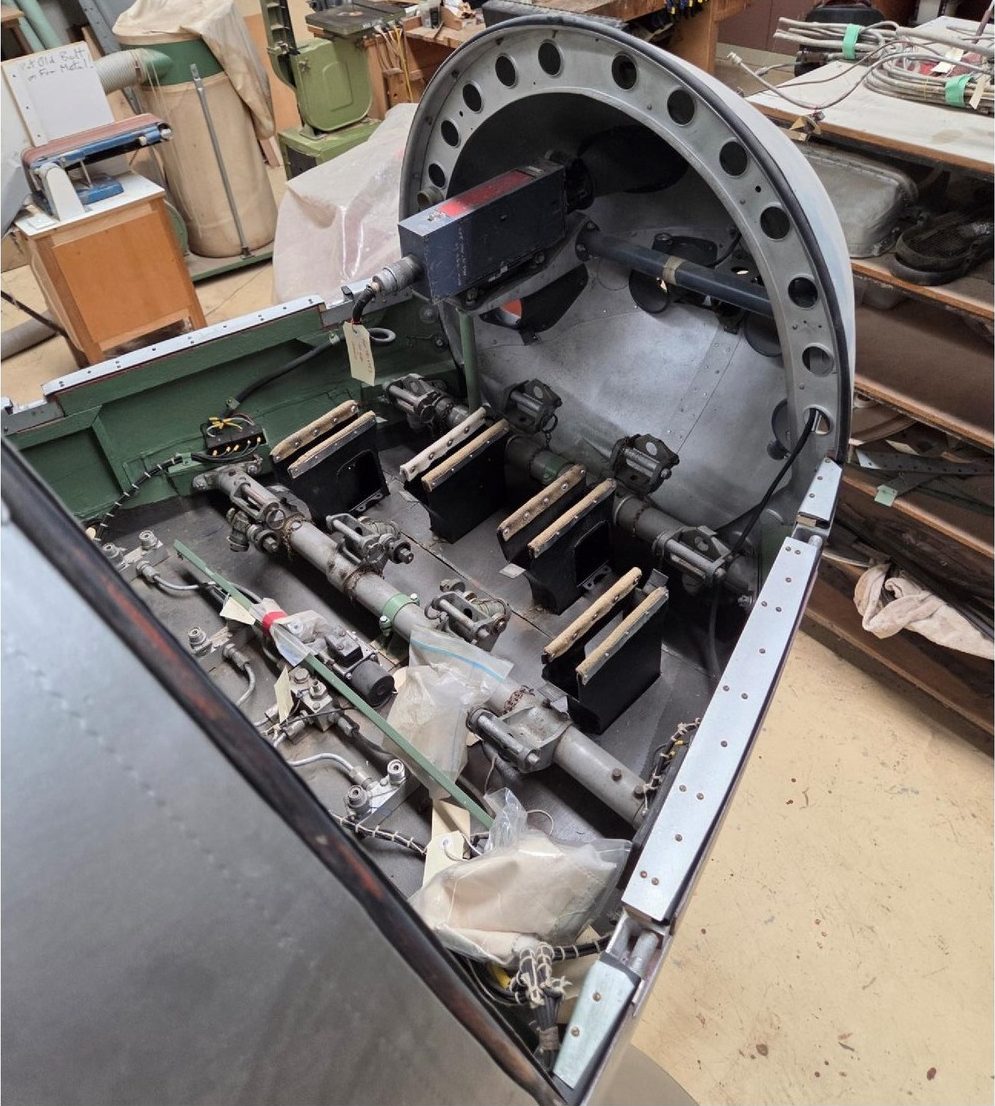
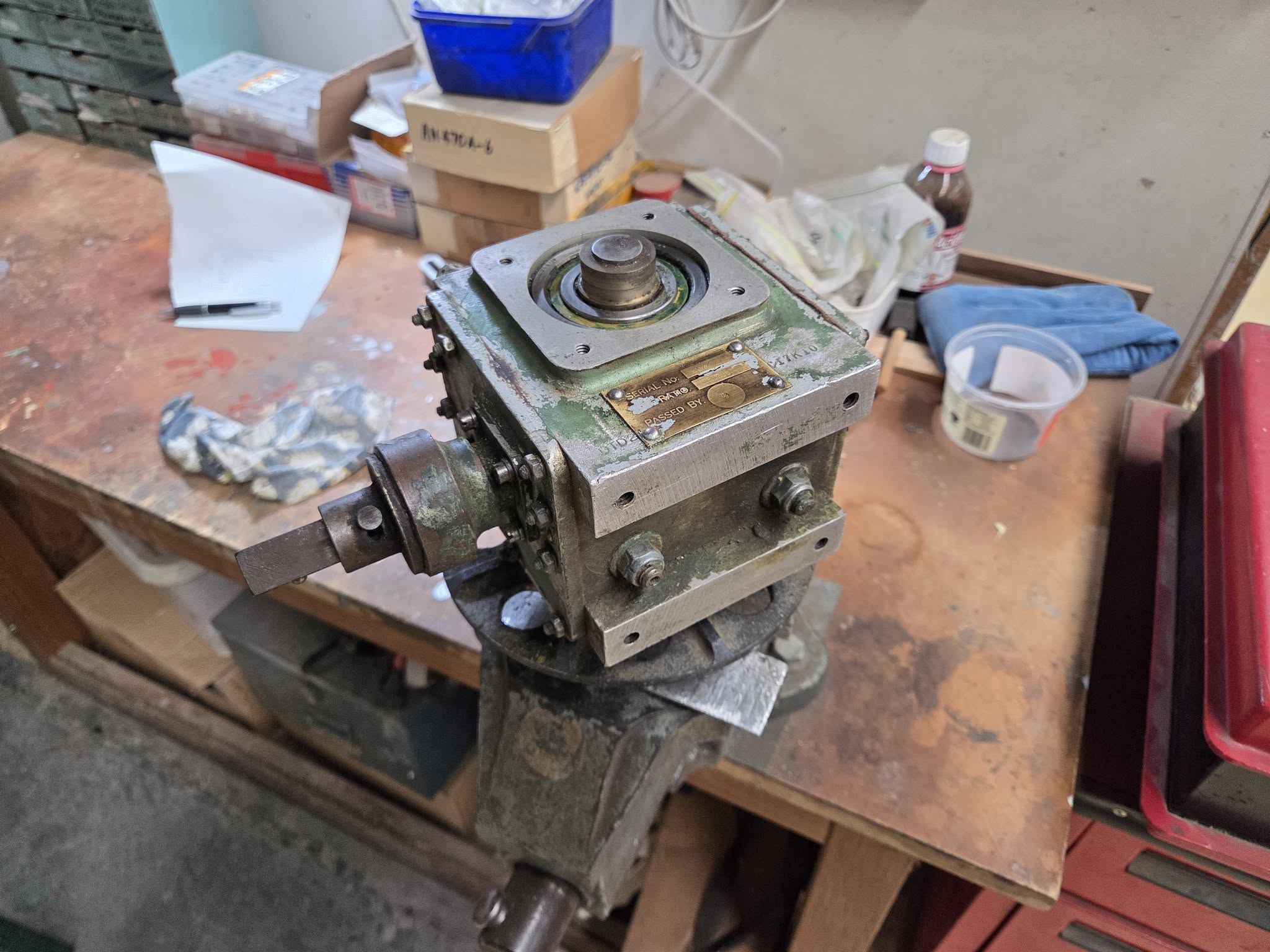
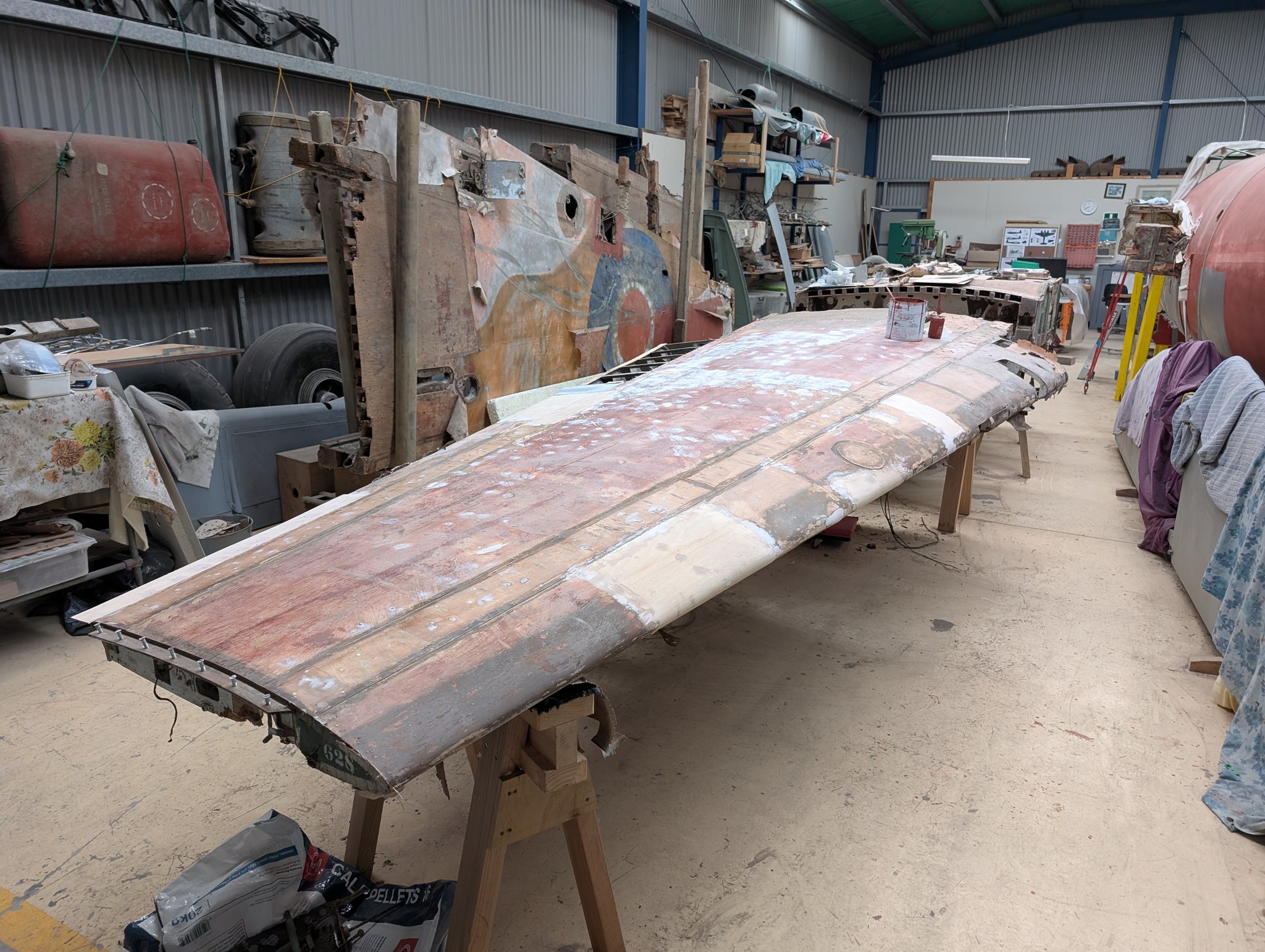
With the intensive work on TE758’s fuselage being complete, attention has turned towards the weather-beaten wings of HR339. While there is an emphasis on preserving as much of the original components as possible, many of the skin panels that form the exterior of the wing have been replaced with new wood panels. The skin of the starboard outer wing panel has been replaced and has been receiving its first coat of red dope. Further restoration work will be carried out on the portside outer wing panel and the inboard wing panels. Meanwhile, the two Rolls-Royce Merlin engines have been painted, and the Ferrymead Aeronautical Society is still gathering parts to assemble to these engines. The Society will also be continuing their work on restoring other metal components of the airframe, such as the engine cowlings.
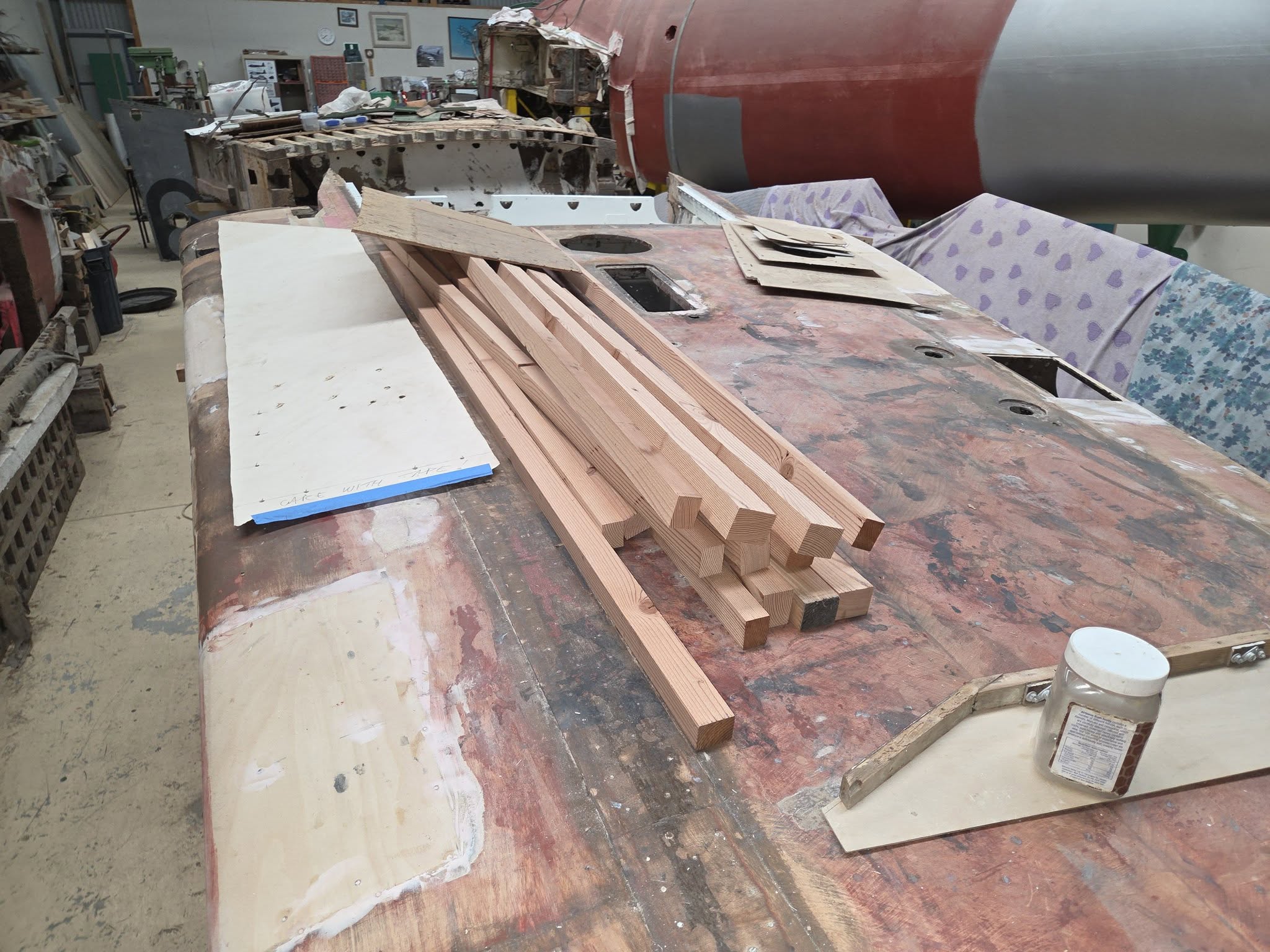
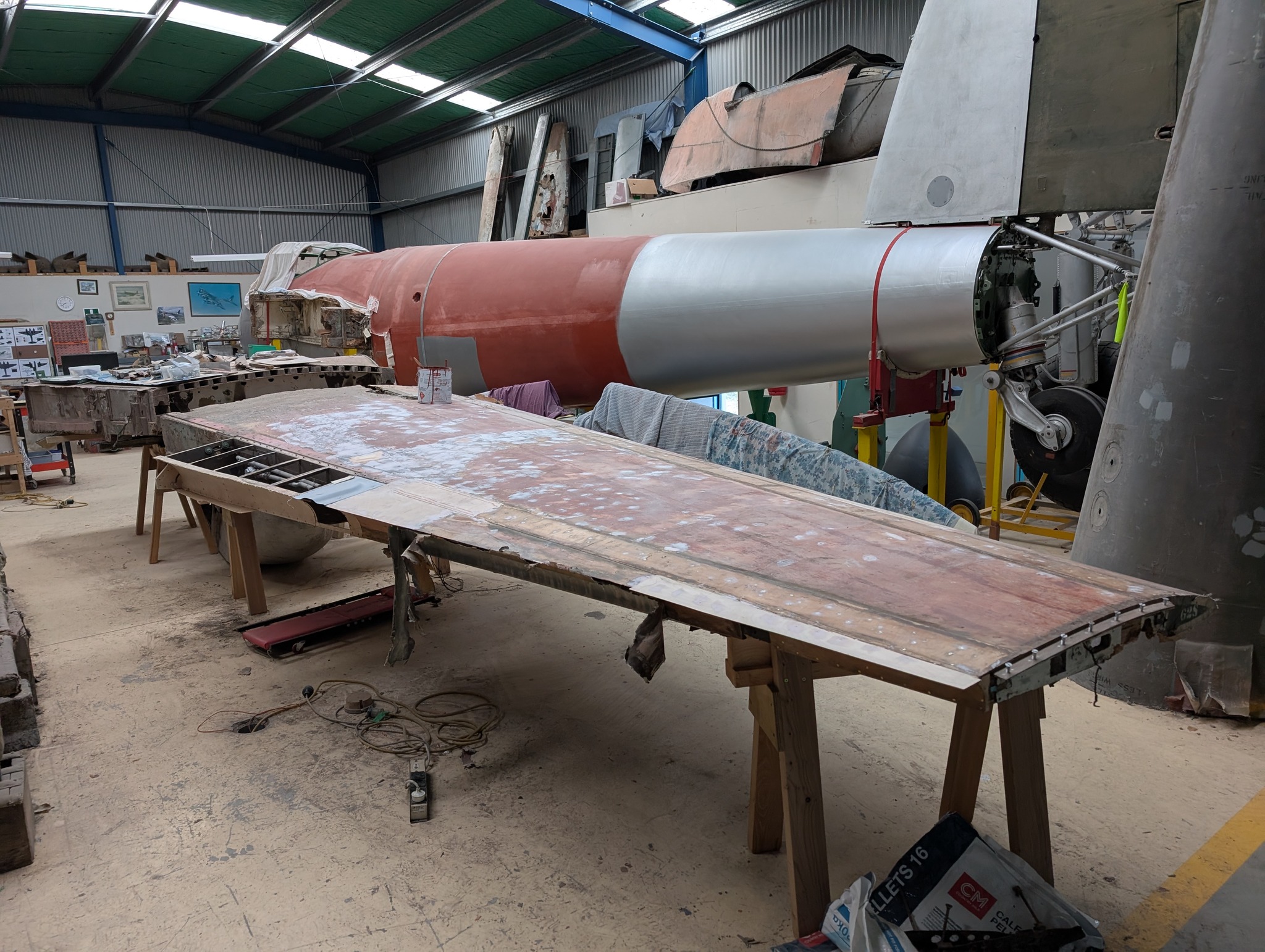
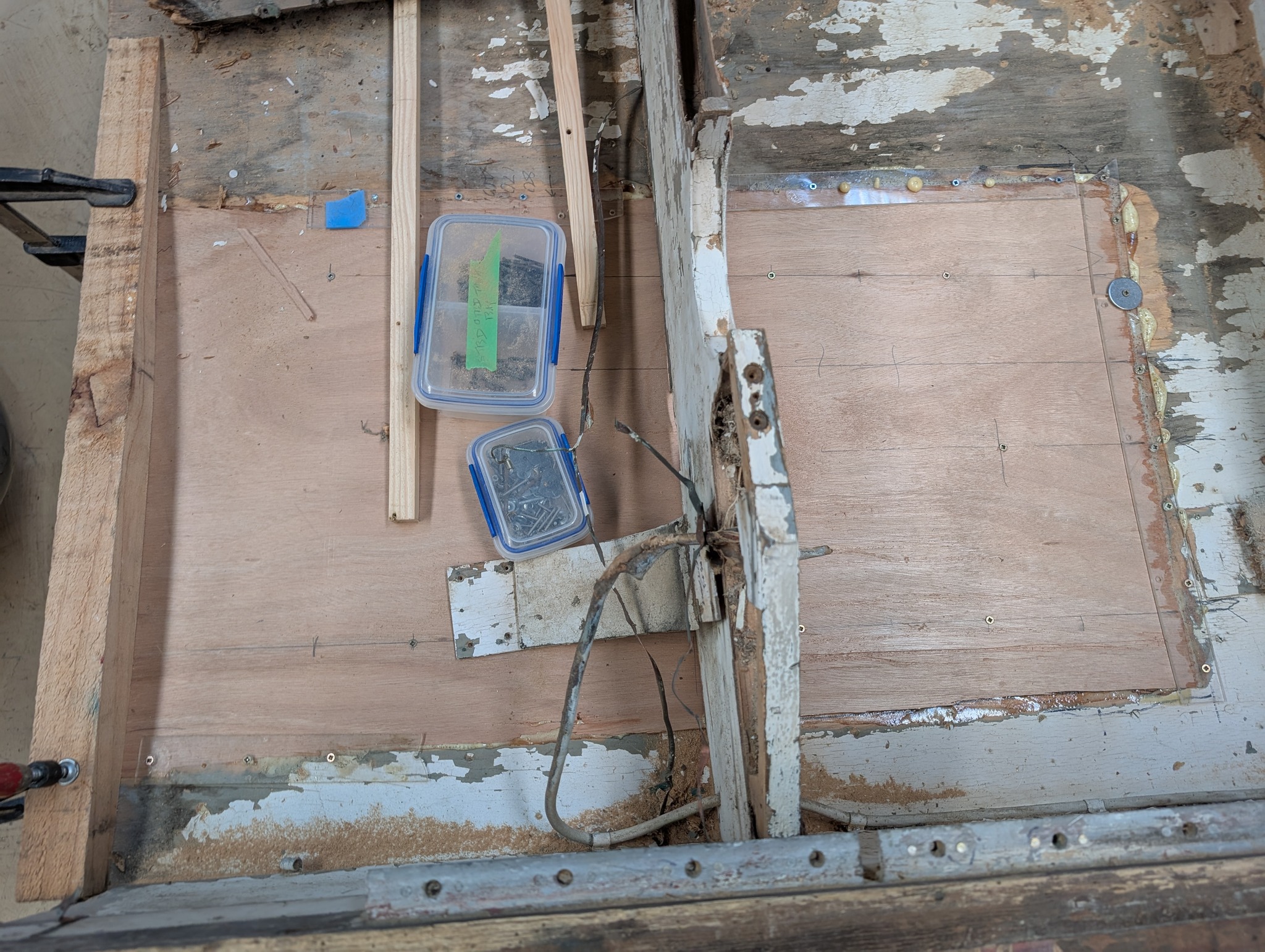
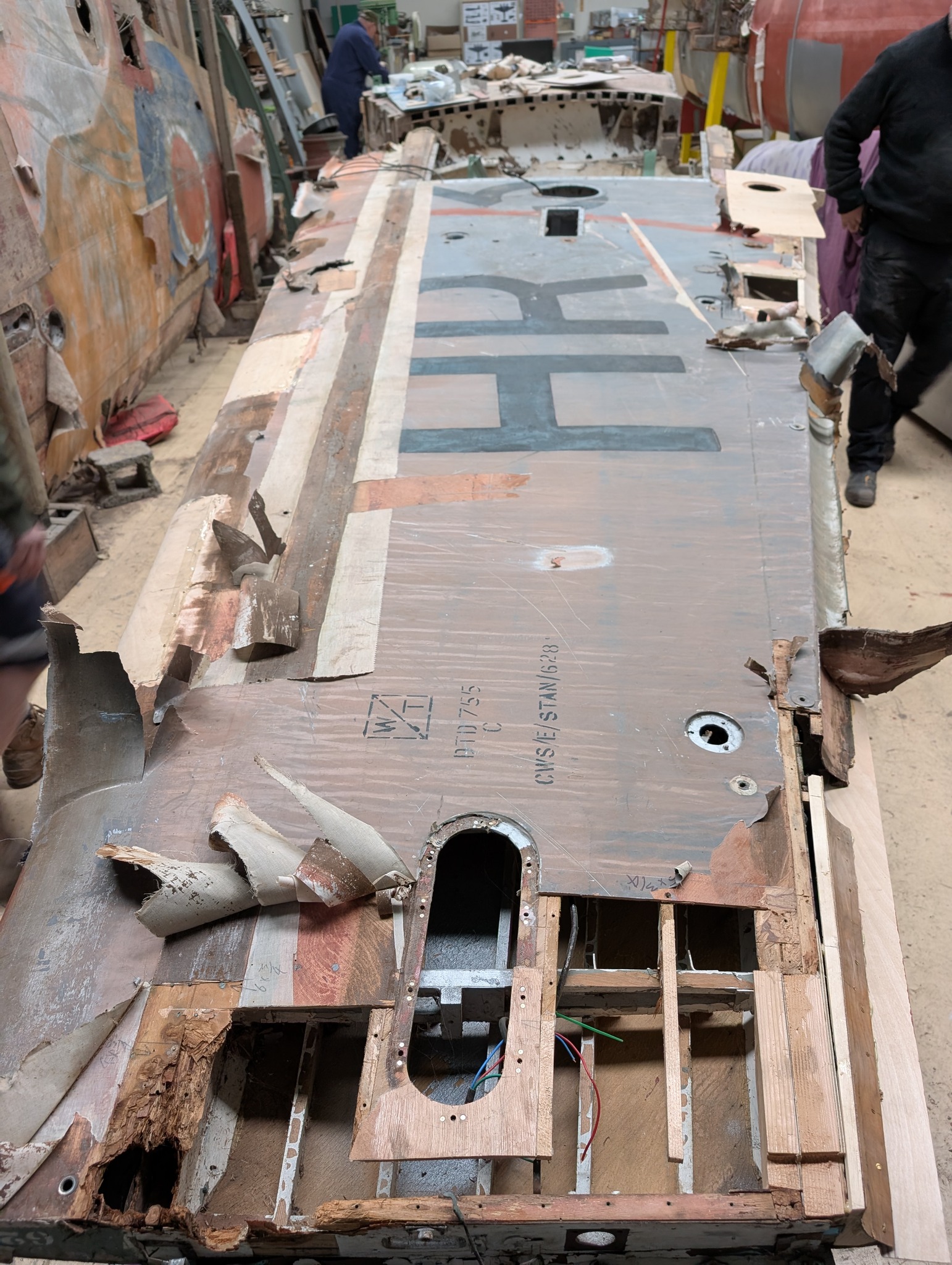
One of the best ways in which the Ferrymead Aeronautical Society has been able to source new supplies of old parts has been through coordinating their efforts with those of other museums restoring de Havilland Mosquitos around the world, from the de Havilland Aircraft Museum at London Colney to the Lincolnshire Aviation Heritage Centre at East Kirkby, where they helped in the restoration of Mosquito NF.II HJ711, on loan from Tony Agar, to ground running condition. To learn more about the Ferrymead Aeronautical Society, visit their website HERE. Updates on the progress of the Mosquito project can be viewed on the Facebook page DH Mosquito HR339 Restoration – Ferrymead, Christchurch. Visit the site HERE.



I lived – Hawarden where a Misquito. Was based & saw it Flying over our house the Manor veryboften .came very low & i spoke with the then RAF Commander living @ the RAF Quarters in Manor lane. North wales .this was corrected &:apologised .
It was a fantastic 👏 👌 😀 🙌 😊 👍 sight 2 see this lovely girl gkycaround 2 kerpbit’s time@&;Licence.
Was sent 2 Lancashire forcs Air show, where it sadly crashed. A dsm shame 🫠
I remember it very well.