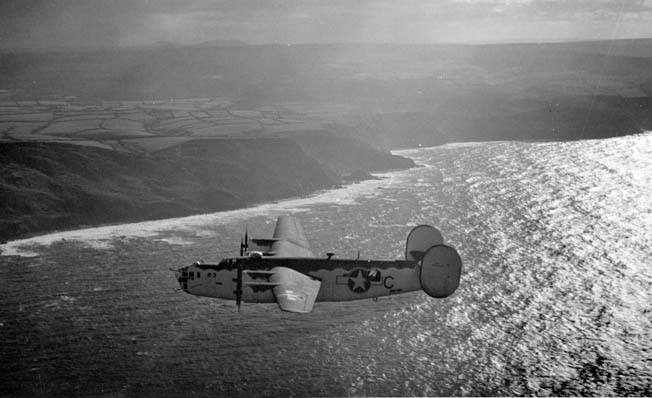


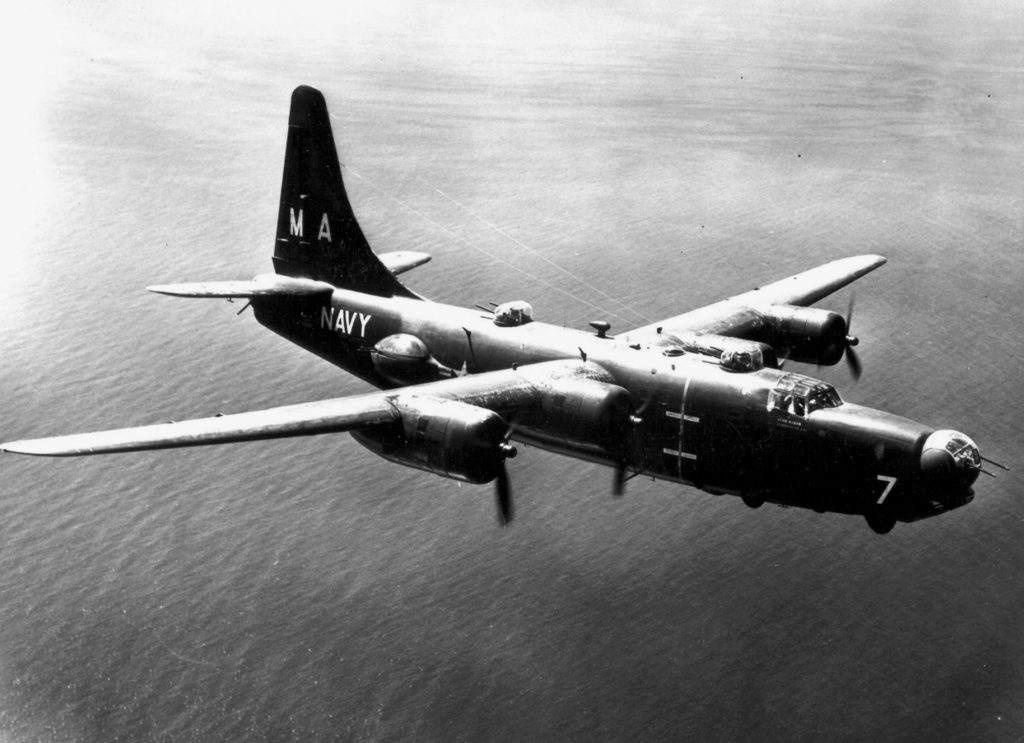
Patrol Bombing Squadron 118 (VPB-118) was a US Navy unit that focused on maritime patrol and bombing during the later years of WWII in the Pacific. It was formed as Bombing Squadron 118 on July 1, 1944, at NAAS Camp Kearney in California, using the PB4Y-1 Liberator heavy bomber. The squadron trained under Fleet Air Wing 14, starting with a four-week ground school and some flight training using three older Liberator planes. It later moved to NAAS Crows Landing, California, for more advanced flight training. On August 20, 1944, the squadron received its first PB4Y-2 Privateers, a modified Liberator version designed for long-range maritime missions. The training continued through the fall, and by mid-November, the squadron paused regular training to prepare for deployment to the Pacific. On November 15, ground support personnel boarded the USS General R. L. Howze for transport to Hawaii. The squadron’s planes left California on November 20 and arrived at NAS Kaneohe Bay, Hawaii, the next day. Under FAW-2, Patrol Bombing Squadron 118 continued combat training. On December 10, a squadron team went to Midway Island for patrols and returned to Hawaii on December 22. On January 6, 1945, VPB-118 left Kaneohe Bay and arrived in Tinian, Mariana Islands, on January 10. It came under FAW-1 control and began patrols and reconnaissance missions from Tinian. Its targets included Japanese positions at Truk, Iwo Jima, Yawata Shima, and Okinawa. These missions involved searching for and attacking enemy installations while American forces advanced across the central Pacific. By April, suitable targets around Tinian were fewer, so they needed a forward operating base. On April 22, VPB-118 moved to Yontan Airfield in Okinawa, but their administrative center stayed in Tinian. They began patrols and anti-shipping sweeps right after arriving.

One of Patrol Bombing Squadron 118’s most important missions happened on May 2, 1945. The squadron was pulled from regular patrols for a special attack on Kanoya Airfield in southern Japan. Intelligence from the Third Fleet revealed that a large group of Mitsubishi G4M Betty bombers was gathering there to launch Yokosuka MXY-7 Ohka rocket-powered suicide aircraft against American ships near Okinawa. With only six Privateers ready at short notice, Patrol Bombing Squadron 118 carried out the surprise attack. Damage to the airfield and aircraft stopped the planned attack. The squadron also faced fierce battles in their anti-shipping missions. On May 6, Lieutenants Montgomery and J. A. Lasater spotted several enemy destroyers and a small tanker while patrolling off Korea’s southern coast. During the attack, the tanker exploded as Montgomery’s Privateer began its bomb run. Some debris from the tanker struck the aircraft’s starboard wing. Even with damage and the loss of an engine, Montgomery managed to return to Okinawa. Lasater continued the patrol alone, but he and his crew did not return and were listed as missing in action. The next day, five Privateers patrolled off the coast of Korea. Lieutenant Farwell attacked and sank a tanker of about 2,000 tons while under fire from antiaircraft guns. His aircraft was eventually forced to ditch, but the crew survived and was rescued by a Martin PBM Mariner within 30 minutes. Meanwhile, Lieutenant Norman M. Keiser targeted several enemy ships. He sank a 4,000-ton freighter even with fire from its two destroyer escorts. He also strafed another vessel, forcing it ashore, and set a third ship on fire. For his bravery and determination, the Navy awarded Keiser the Navy Cross. By May 11, operations had worn the squadron down to just three working aircraft, all needing major repairs. Patrol Bombing Squadron 118 prepared to go back to Tinian for maintenance and crew rest. Before leaving, they helped train incoming VPB-109 personnel on the operational conditions near Okinawa. During one of these training patrols, Lieutenant Lloyd’s Privateer returned with one engine out and about 180 bullet holes in its airframe.
The squadron returned to Okinawa on June 7, 1945, after a delay due to an accident on June 2. During last-minute maintenance, one aircraft caught fire, and a damaged Boeing B-29 Superfortress crashed in the parking area. This accident destroyed another Privateer and damaged two more. It also ruined the squadron’s welfare and recreation equipment and much of the crew’s personal belongings. After getting replacement aircraft, the squadron resumed anti-shipping patrols, attacks on land targets, and mine-laying operations along the Korean coastline and around Kamino-shima. On August 8, Lieutenant J. R. Park and his crew were lost while attacking a Japanese freighter in the Tsushima Strait. The freighter caught fire from gunfire, and its cargo exploded as Park made his final bombing run overhead. The explosion destroyed both the freighter and the aircraft. Two days later, on August 10, the squadron stopped offensive patrols. It continued routine patrols but was told not to attack unless fired upon. The squadron shifted from combat operations to supporting Allied forces during the postwar occupation. On September 1, 1945, Patrol Bombing Squadron 118 moved to Yonabaru Airfield in Okinawa. Some crews went to Tinian for rest and recovery, but poor runway conditions at Yonabaru delayed patrols until September 24. A typhoon on October 9 made conditions even worse. On October 24, the squadron received orders to go to Tinian for aircraft maintenance. They finished the work by November 3 and returned to Yonabaru. Later that month, they got orders to return to the United States. Patrol Bombing Squadron 118 left Yonabaru on November 18 and headed to NAS Kaneohe Bay. On November 27, the crew boarded the USS Prince William to travel to NAS San Diego, California, arriving on December 3. Patrol Bombing Squadron 118 was disbanded at NAS San Diego on December 11, 1945, after less than 18 months of service. Read more Squadron Histories articles HERE.