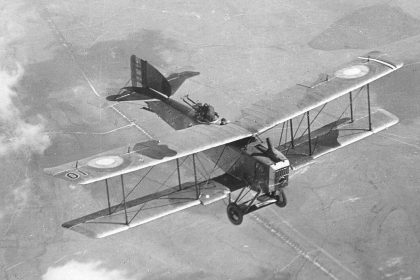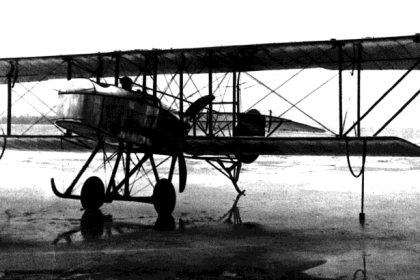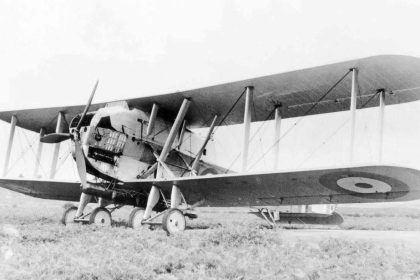


On this day in aviation history, 110 years ago (November 21, 1916), the Breguet 14 took flight for the first time. Originally designated the Breguet AV, the French two-seat biplane was flown by its designer, Louis Breguet. Developed as a reconnaissance and bombing aircraft during World War I, the Breguet 14 became one of the most successful military aircraft of the conflict and was among the first mass-produced airplanes to incorporate extensive use of aluminum in its structure. Development began in June 1916, when Breguet proposed a new tractor-configured military aircraft powered by a Renault V-12 engine. Unlike many contemporary aircraft built primarily from wood, the Breguet 14 incorporated duralumin in its fuselage and wing structure, providing strength while reducing weight. The aircraft also featured unusual backward-staggered wings and automatically operating flaps along the trailing edges of its lower wings.
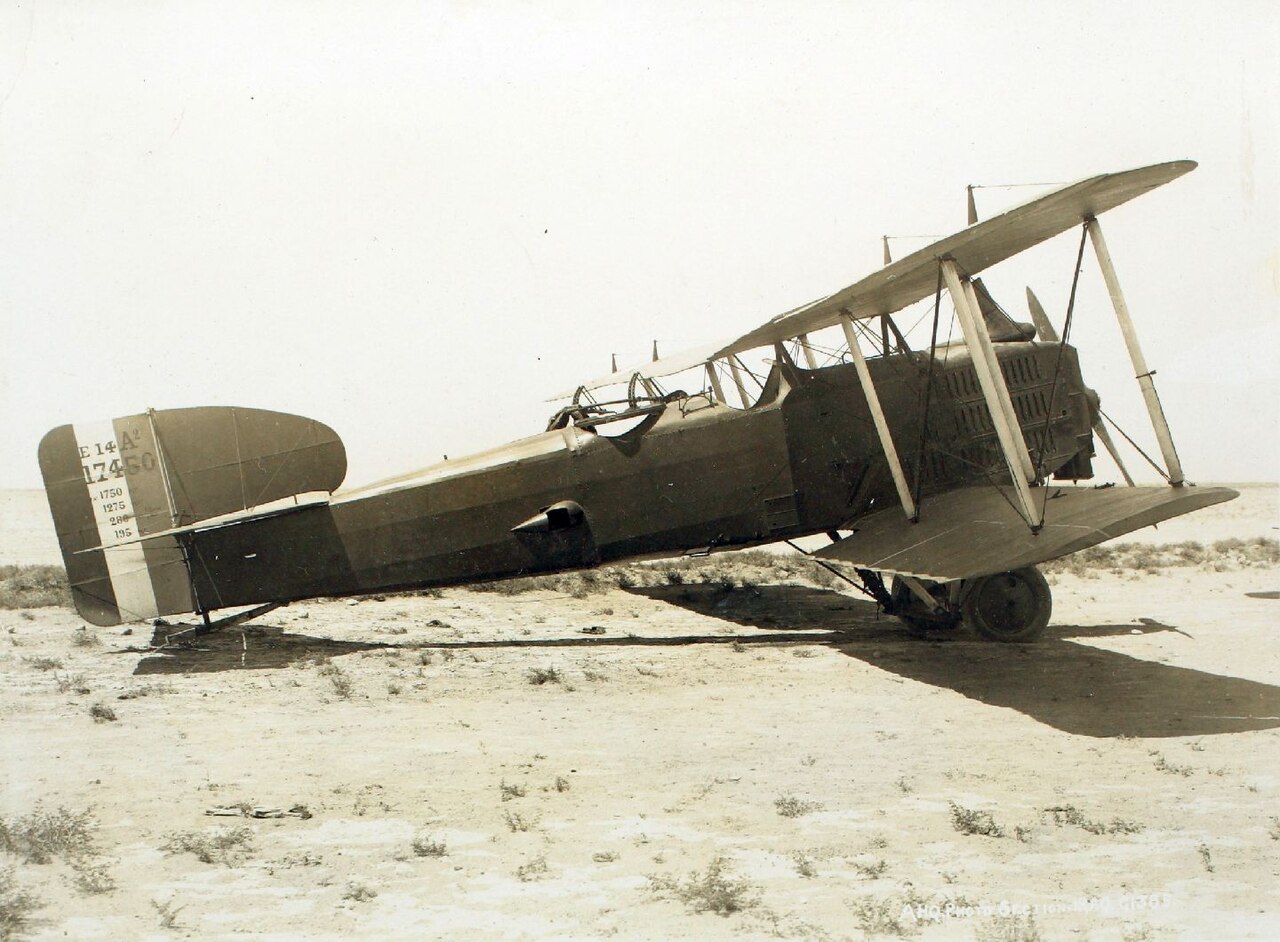
Following successful testing, the French military ordered the Breguet 14 into production in March 1917. Reconnaissance and bomber variants entered service that May, eventually equipping dozens of French squadrons. The type also served with the American and Belgian air services, among others. Approximately 8,000 aircraft were constructed, with production continuing after the war. The Breguet 14 also found success in civilian service, including early airmail operations and passenger transportation. The Breguet 14 B.2 bomber measured 29 feet 1 inch in length with an upper wingspan of 47 feet 2 inches and was commonly powered by a 300-horsepower Renault 12Fcx V-12 engine. It could reach a maximum speed of 121 mph, had an endurance of approximately two hours and 45 minutes, and a service ceiling of 20,300 feet. Armament consisted of one fixed forward-firing .303-caliber Vickers machine gun, two flexible .303-caliber Lewis guns for the observer, and up to 783 pounds of bombs.