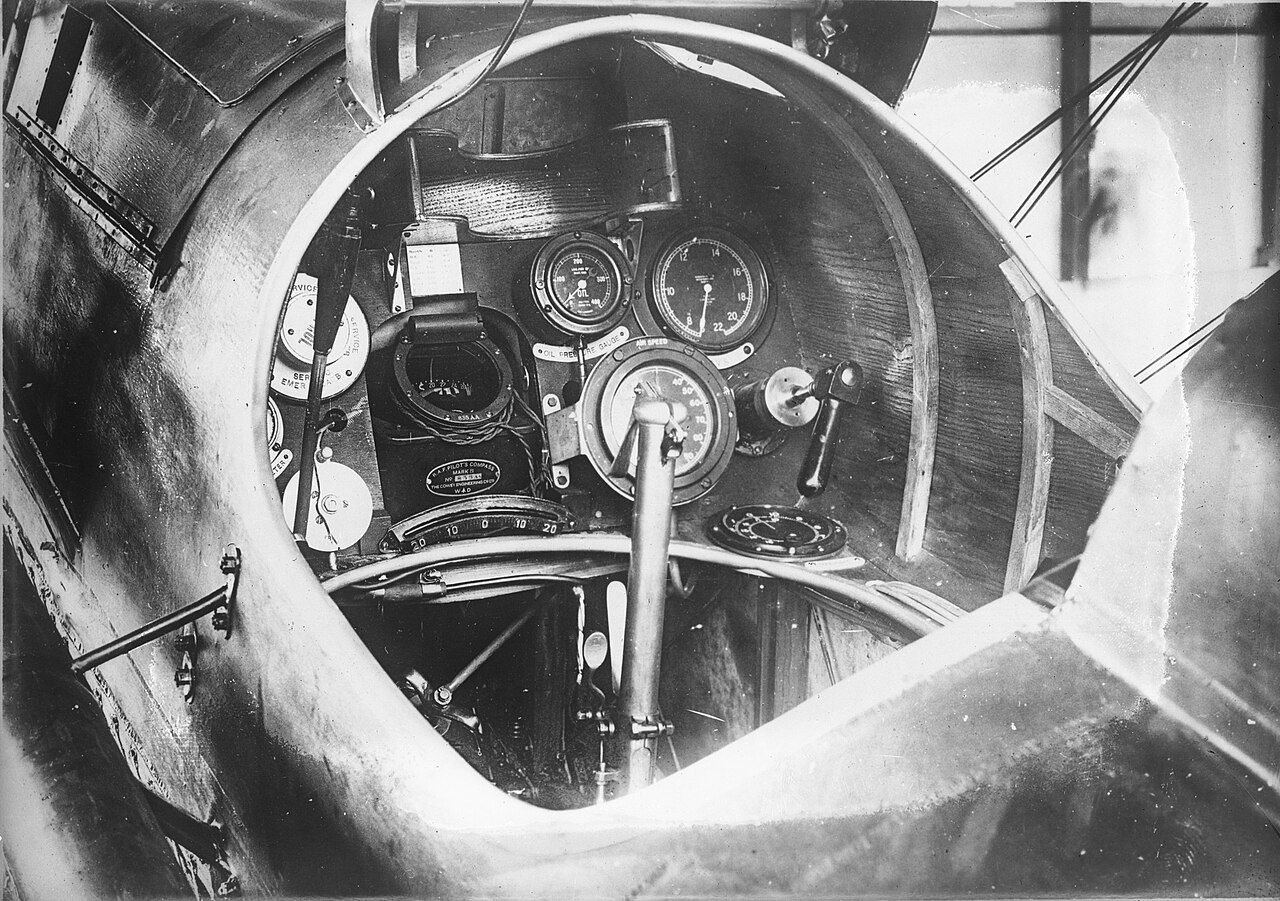



On this day in aviation history, 110 years ago (November 22, 1916), the Royal Aircraft Factory S.E.5 took flight for the first time. Developed in Britain during WWI, the single-seat biplane fighter would become one of the Royal Flying Corps’ most successful combat aircraft. Known for its speed, stability, and rugged construction, the S.E.5 helped the Allies regain air superiority over the Western Front in 1917. Designed by Henry Folland, John Kenworthy, and Major Frank Goodden at the Royal Aircraft Factory in Farnborough, the S.E.5 was built around the new 150-horsepower Hispano-Suiza V-8 engine. The aircraft featured a relatively narrow fuselage, conventional biplane wings, and a sturdy structure intended to withstand the stresses of aerial combat. Three prototypes were constructed, although the first two were lost in accidents. Major Goodden was killed on January 28, 1917, when the first prototype suffered a structural failure during testing.
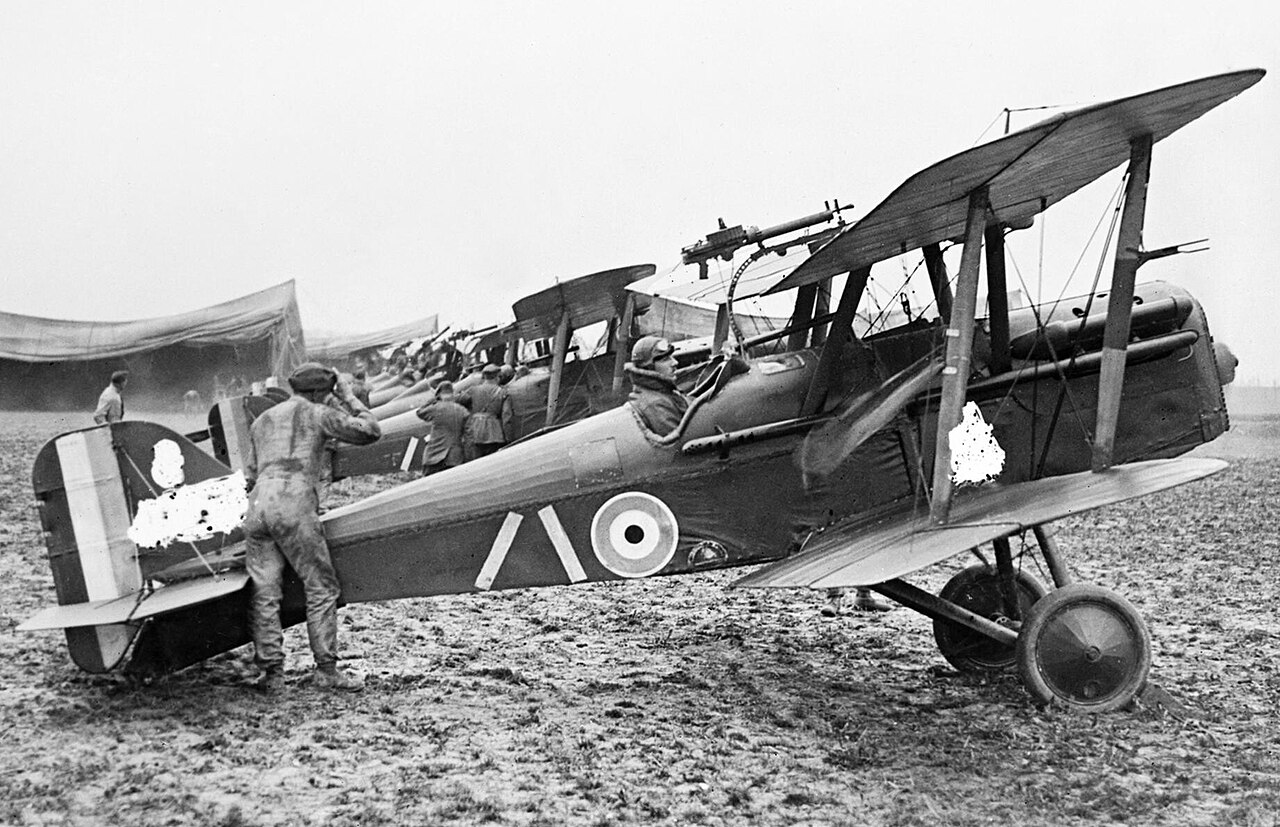
The S.E.5 entered service with No. 56 Squadron of the Royal Flying Corps in March 1917, making its first operational patrol the following month. An improved version, the S.E.5a, followed with a more powerful 200-horsepower engine and became the definitive production model. Although less maneuverable in tight turns than the Sopwith Camel, the S.E.5a was faster, more stable, and generally easier to fly. It became a favorite of prominent Allied aces, including James McCudden, Albert Ball, and Edward Mannock. More than 5,000 S.E.5-series fighters were constructed before production ended. The S.E.5a measured 20 feet 11 inches in length with a wingspan of 26 feet 7 inches and was powered by a 200-horsepower Hispano-Suiza or Wolseley Viper V-8 engine. It could reach a maximum speed of approximately 138 mph, had a range of 300 miles, and a service ceiling of 17,000 feet. Armament consisted of one synchronized .303-caliber Vickers machine gun firing through the propeller arc and one .303-caliber Lewis gun mounted above the upper wing. The aircraft could also carry four 25-pound Cooper bombs.