
By Randy Malmstrom
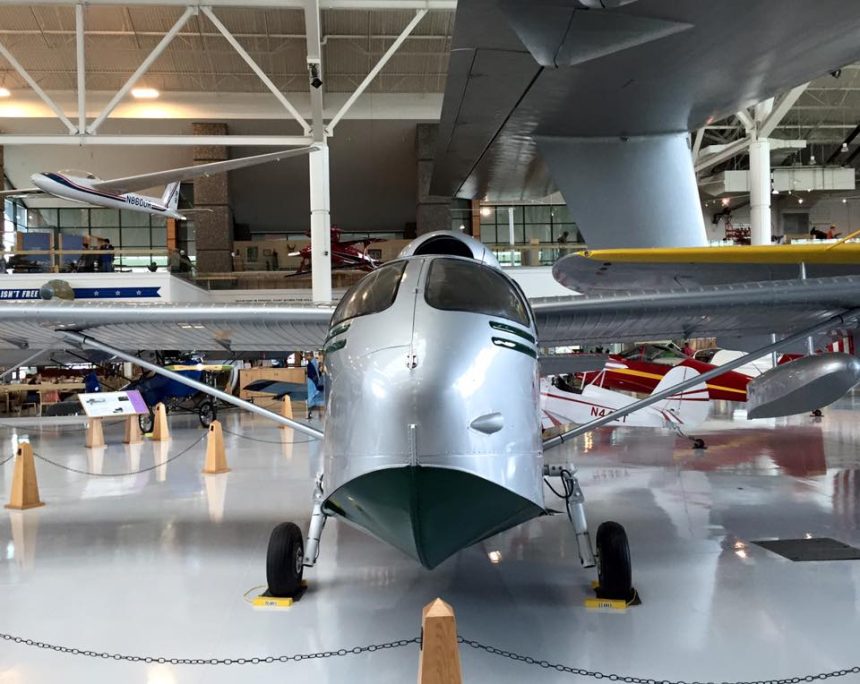
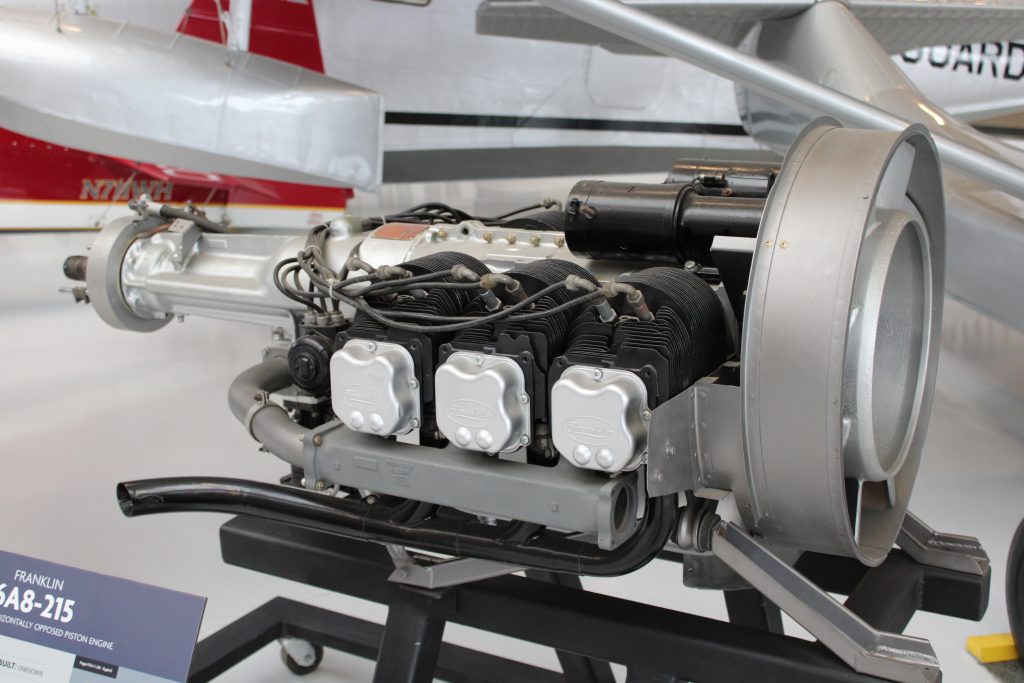
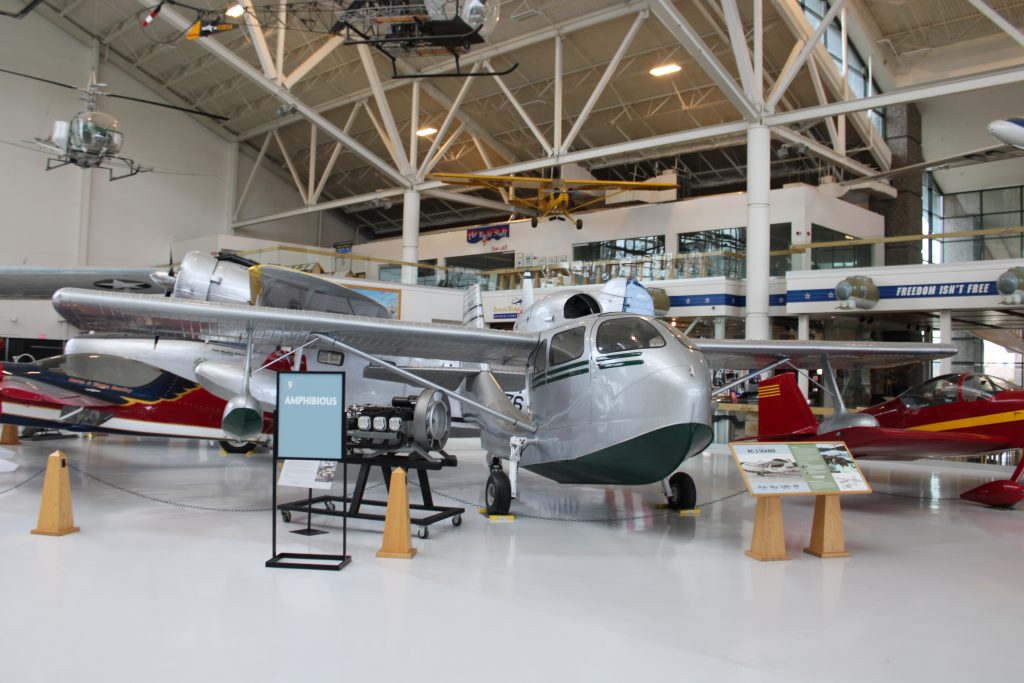
Republic RC-3 Seabee. The RC-3 is an amphibious aircraft built by Republic Aviation, fitted with a Franklin 6A8-215-B8F horizontally opposed 6-cylinder engine powering a pusher propeller made of “Hartzite”, made by Hartzell Propeller Company and consisting of cotton cloth impregnated with Phenolic Resin (a heat-cured plastic) to offset the effects of corrosion and water erosion. It has a speed of 120 mph and a cruising speed of 103 mph. The RC-3 was designed by Percival “Spence” Spencer as a civilian amphibious aircraft. His patented design was based on his “Spencer Amphibian Air Car #1” of 1941, which he was forced to put in storage due to WWII restrictions on civilian flying. He sold the patent rights to Republic Aviation Corporation in 1943, and “Spence” became Republic’s design consultant, test and demonstration pilot for the Seabee between 1943-45 (Republic was established in 1939 when the board of directors of Seversky Aircraft ousted Alexander de Seversky as company president because of mounting losses and changed the company’s name to Republic).
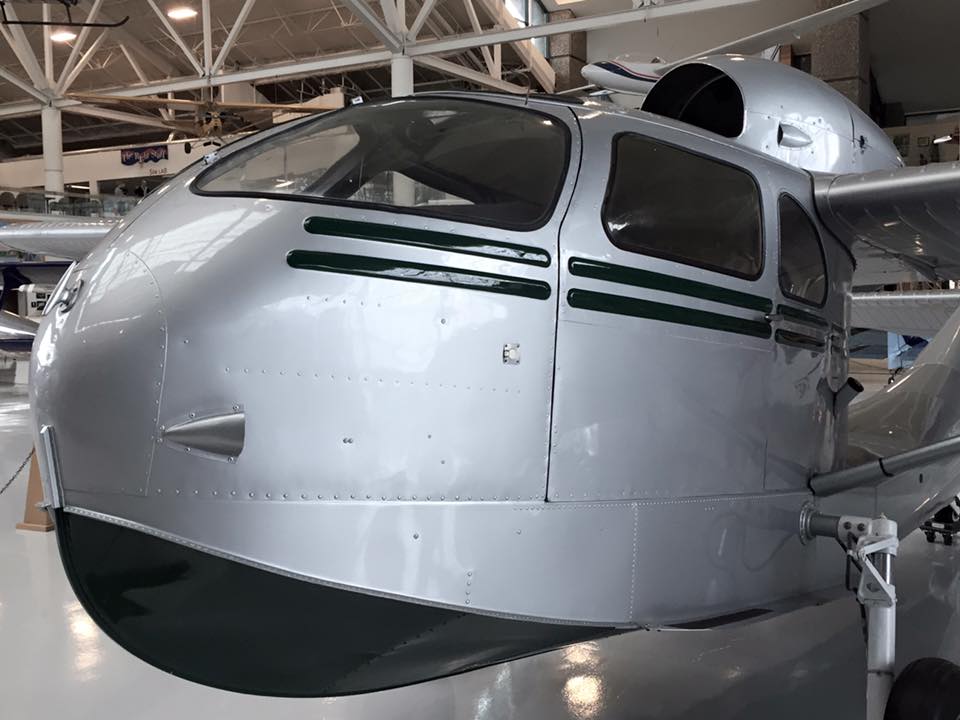
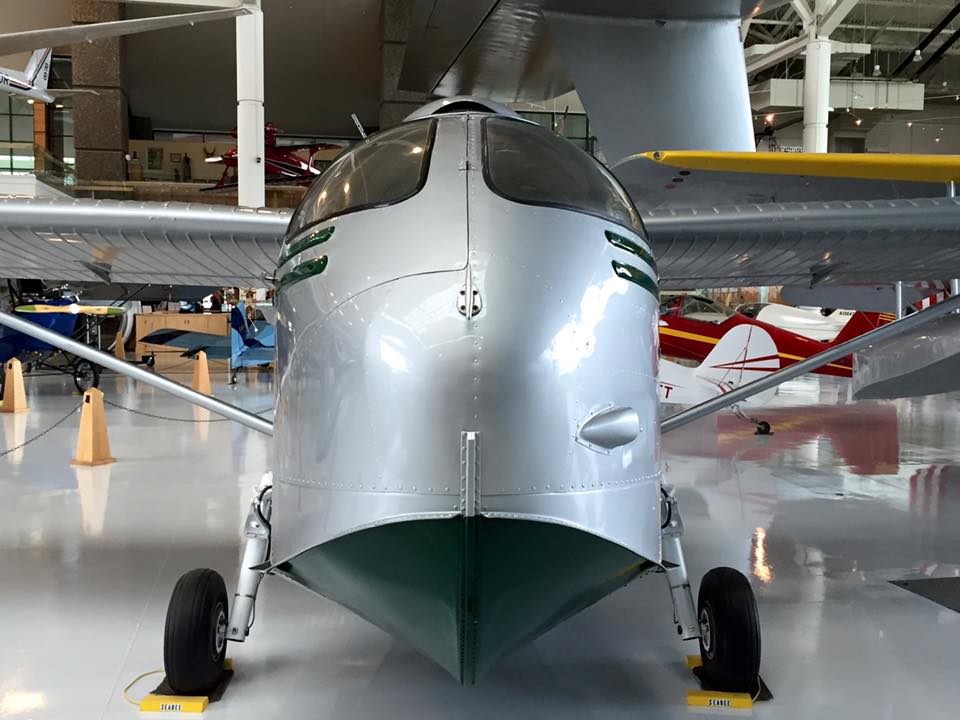
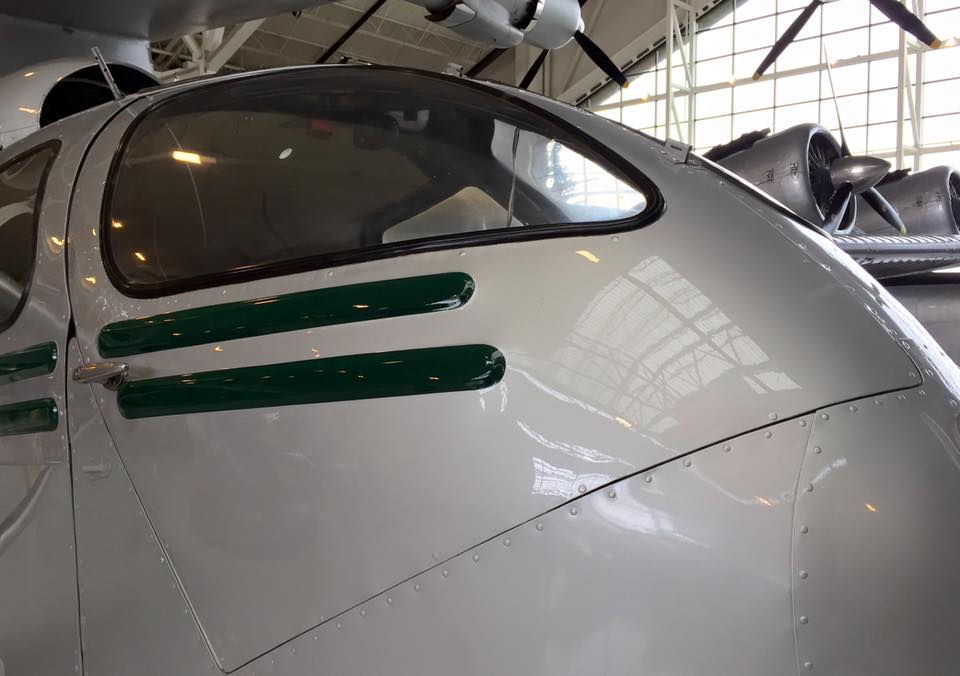
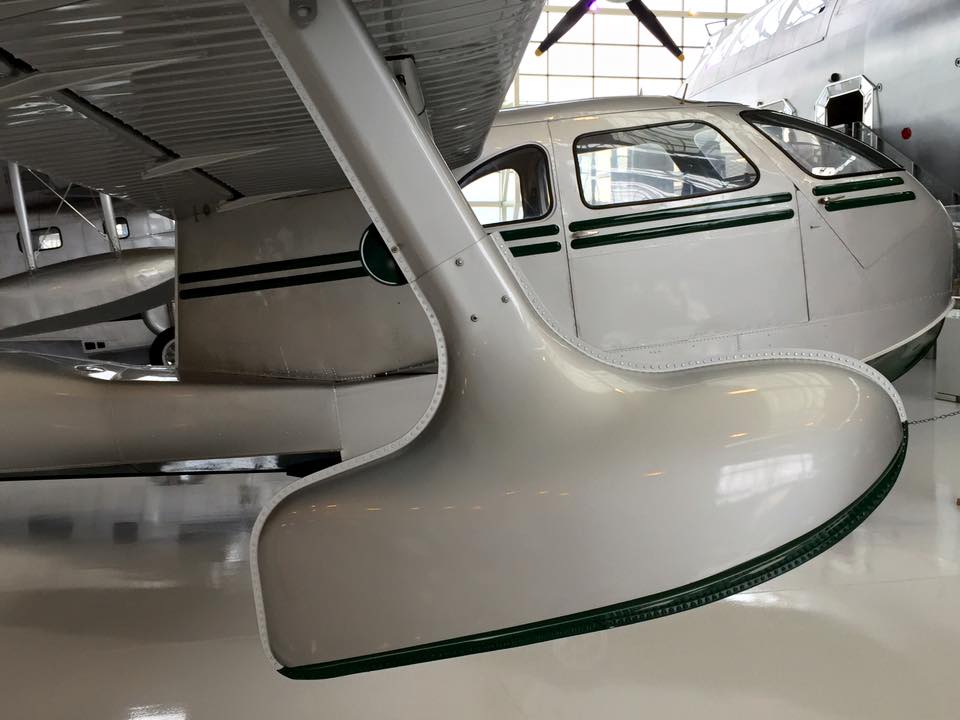
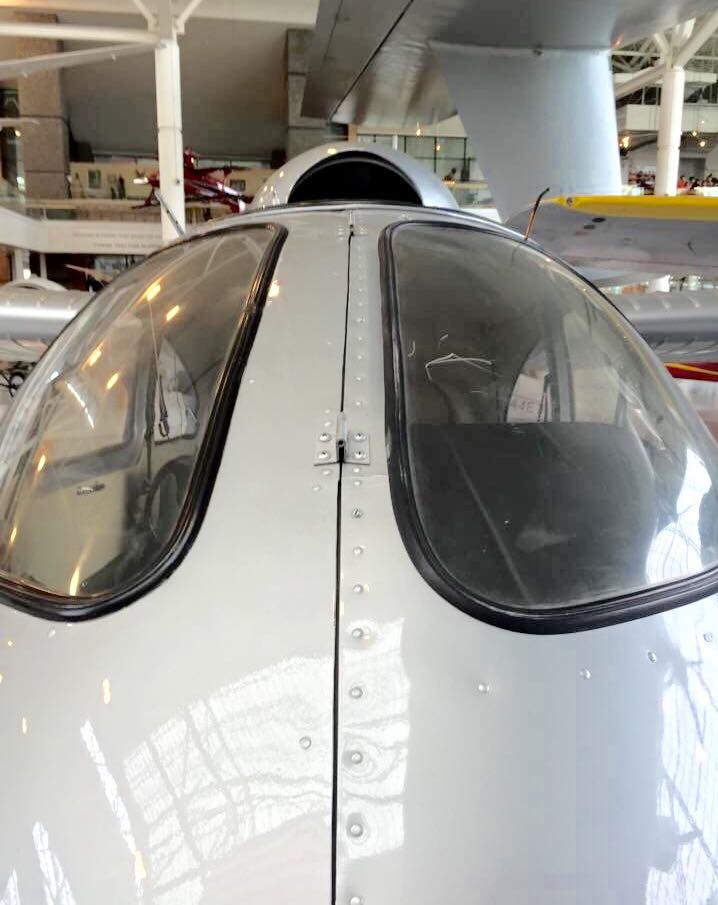
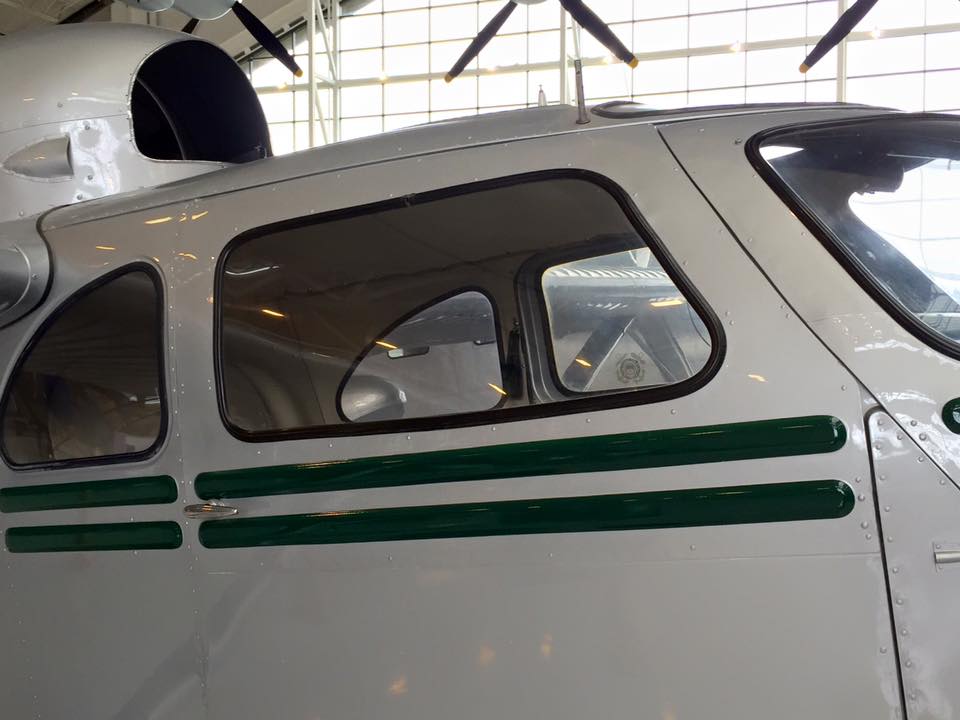
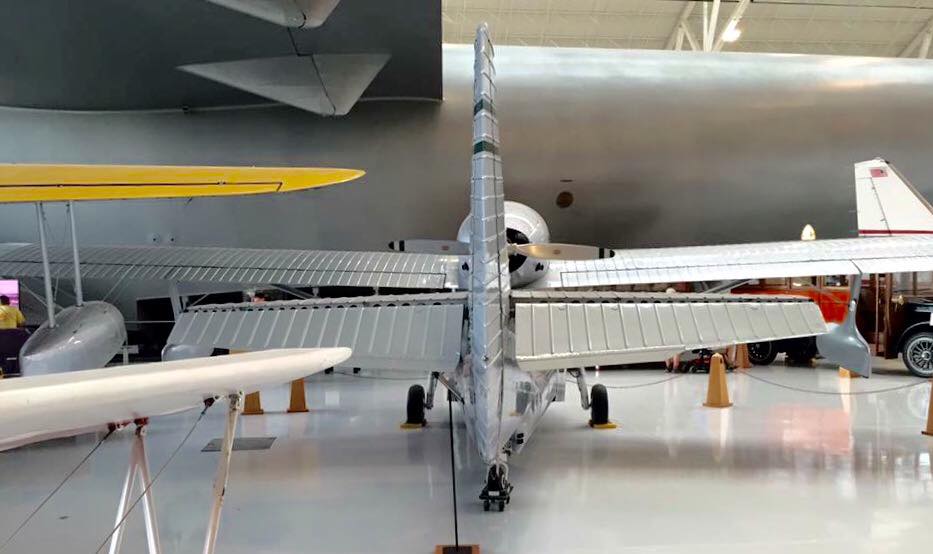
The Air Car design was modified to all-metal construction and became the “RC-1 Thunderbolt” and first flew November 30, 1944. U.S. Army Air Forces and the U.S. Navy placed large orders for the RC-1, primarily for air-sea rescue duty. It was the U.S. Navy that coined the name “Seabee,” and Republic then adopted the name for the civilian versions. One military Model YOA-15 (Observation Amphibian) was demonstrated by Republic’s pilots to the U.S. Army Air Force for a total of two days. The Republic pilots then flew it back to the factory, where it was used as a demonstrator on the East Coast; it was never assigned a military number or painted in military markings. With military spending cutbacks following the end of the war in August 1945, military orders for the Seabee were cut. The prototype of the production “RC-3” amphibian had its first flight from the Republic plant at Farmingdale, New York, on December 1, 1945.
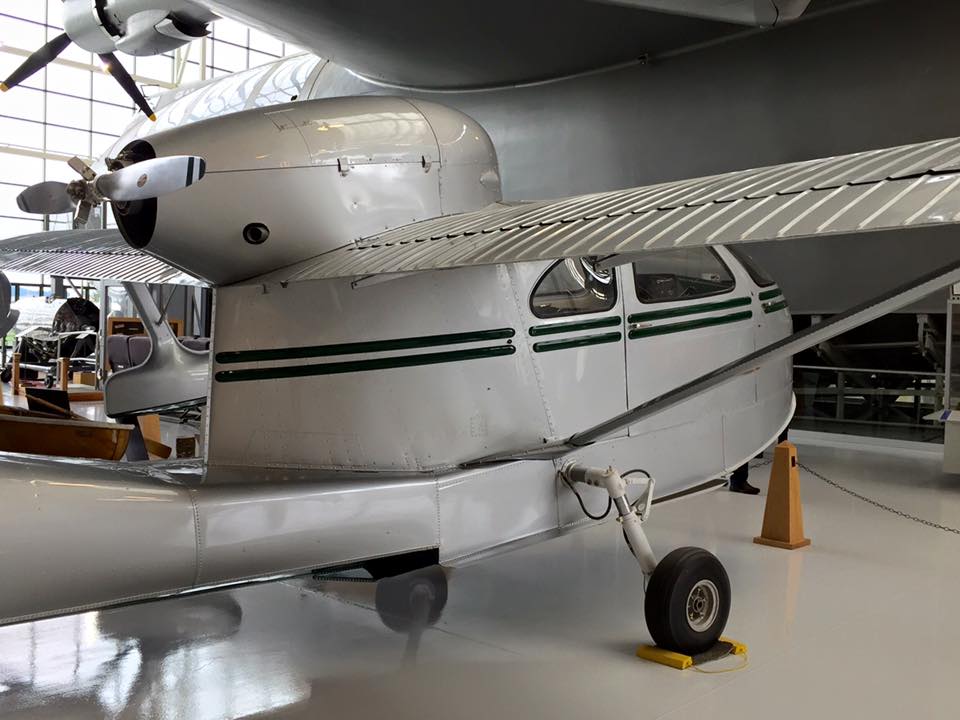
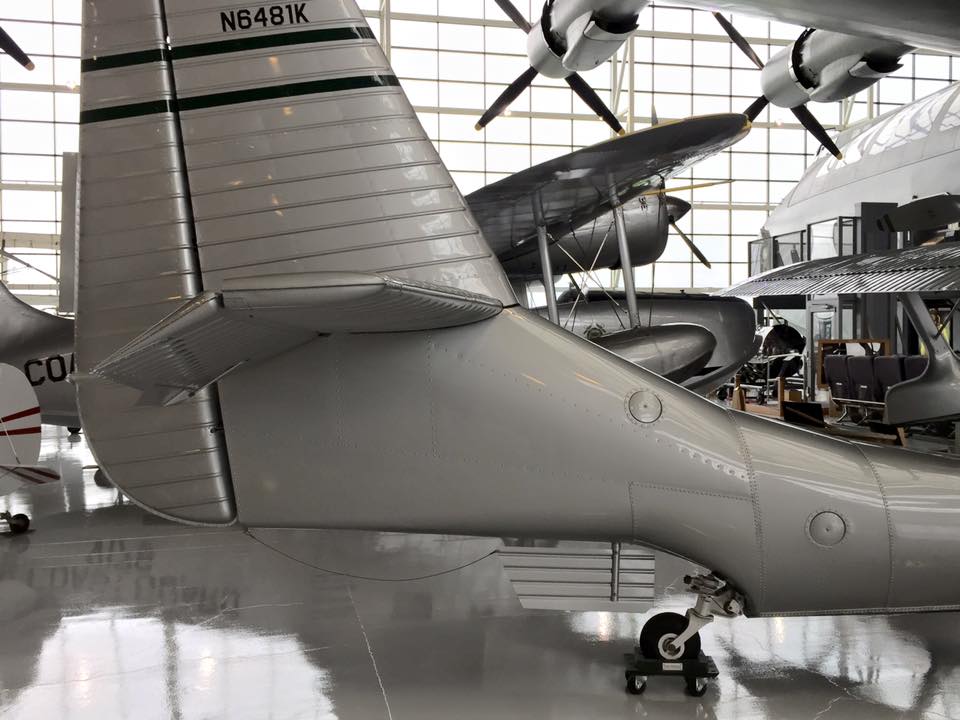
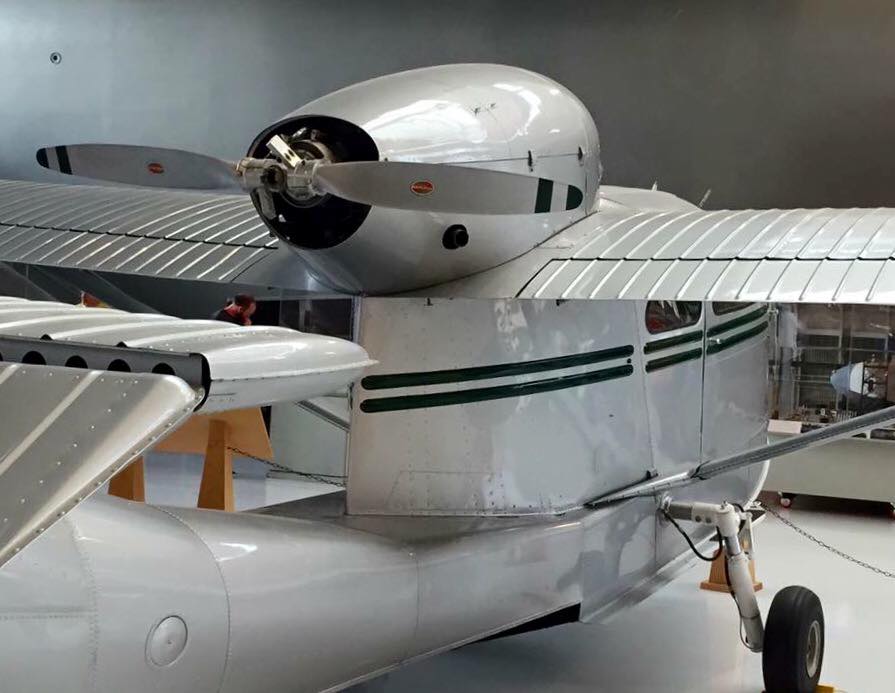
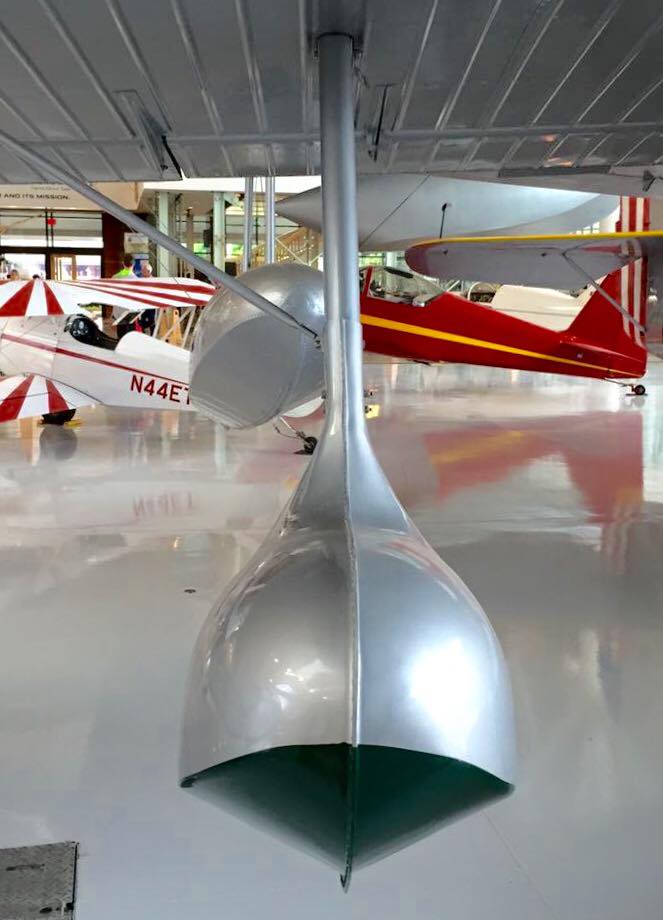
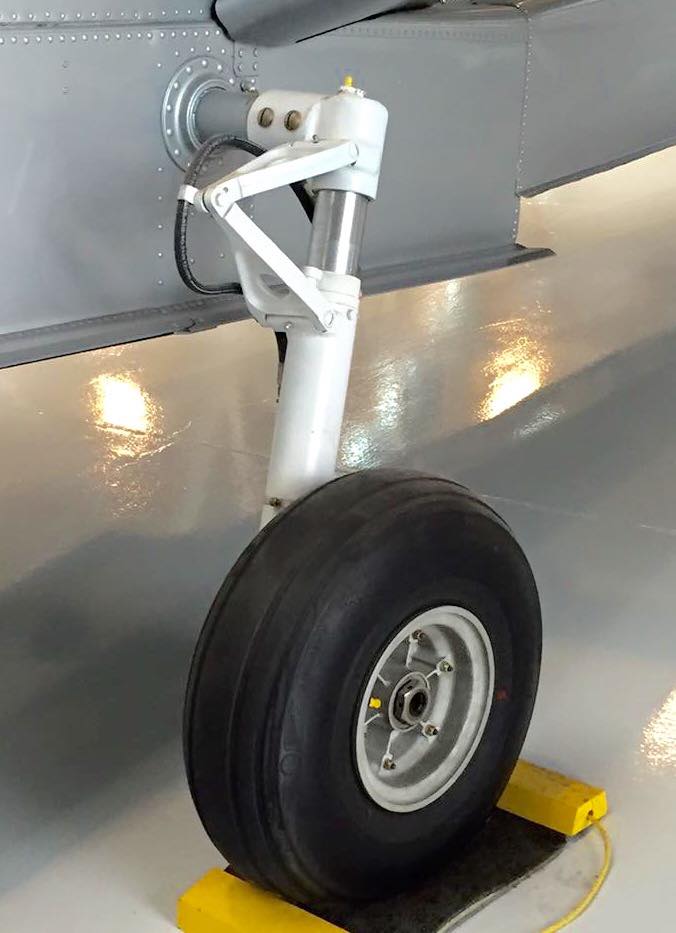
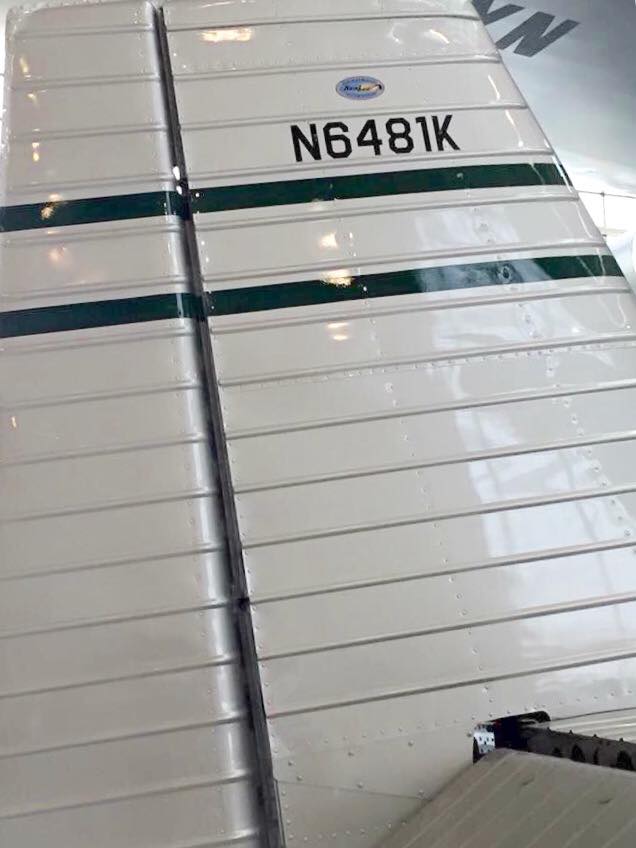
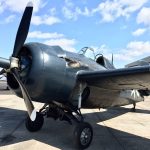
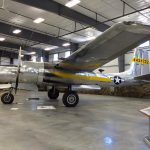
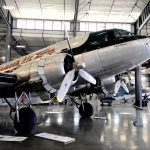
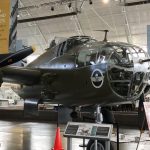
The first deliveries of the civilian production model RC-3s were made in June 1946, and a total of 1,060 were built by the time production ended in October 1947. “Spence” received a royalty for each Seabee produced. In 1947, RC-3 s/n 1019 was imported to Israel by Aerogypt High Speed Development Company, Palestine, Israel, with the registration VQ-PAV. The businessman who owned it then donated it to the new Israeli Air Force for utility flying until the 1980s, when it was donated to the Israeli Air Force Museum. The Vietnam Air Force flew Seabees in the 1950’s. Aviación Naval Paraguaya (ANP – Paraguayan Naval Aviation) took delivery of three Seabees in 1949-50. Spence went on to build the 4-passenger Spencer Amphibian Air Car. My photos at Evergreen Aviation & Space Museum (now the North American Aerospace Museum) in McMinnville, Oregon.
About the author 
Randy Malmstrom grew up in a family steeped in aviation culture. His father, Bob, was still a cadet in training with the USAAF at the end of WWII but did serve in Germany during the U.S. occupation in the immediate post-war period, where he had the opportunity to fly in a wide variety of types that flew in WWII. After returning to the States, Bob became a multi-engine aircraft sales manager and, as such, flew a wide variety of aircraft; Randy frequently accompanied him on these flights. Furthermore, Randy’s cousin, Einar Axel Malmstrom, flew P-47 Thunderbolts with the 356th FG from RAF Martlesham Heath. He was commanding this unit at the time he was shot down over France on April 24th, 1944, and spent the rest of the war as a prisoner of war. Following his repatriation at war’s end, Einar continued his military service, attaining the rank of Colonel. He was serving as Deputy Wing Commander of the 407th Strategic Fighter Wing at Great Falls AFB, MT at the time of his death in a T-33 training accident on August 21, 1954. The base was renamed in his honor in October 1955 and continues to serve in the present USAF as home to the 341st Missile Wing. Randy’s innate interest in history in general, and aviation history in particular, plus his educational background and passion for WWII warbirds, led him down his current path of capturing detailed aircraft walk-around photos and in-depth airframe histories, recording a precise description of a particular aircraft in all aspects.