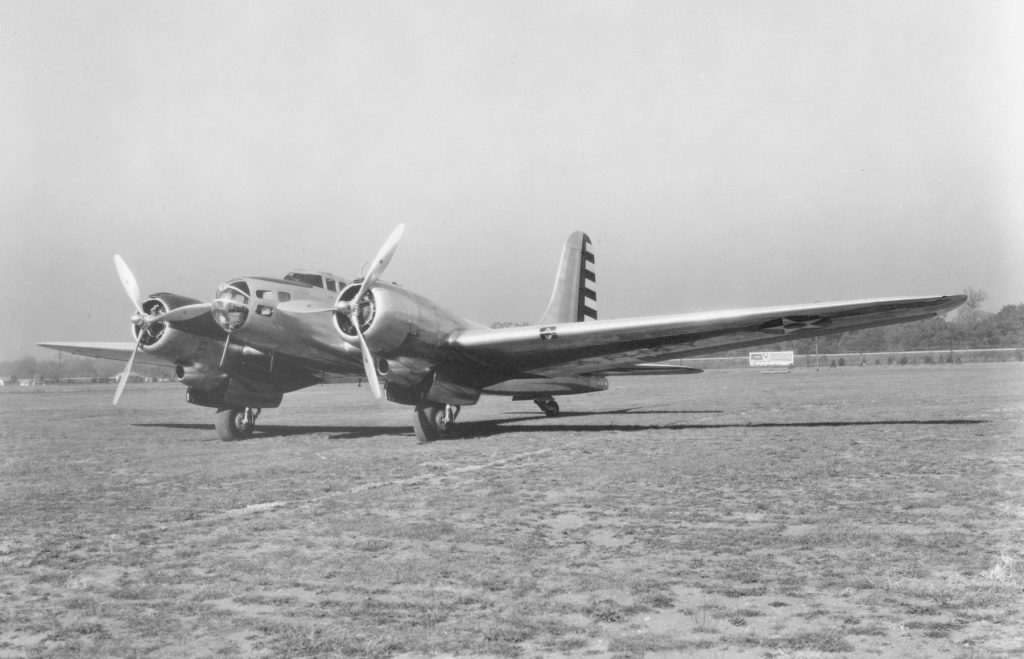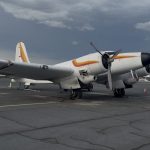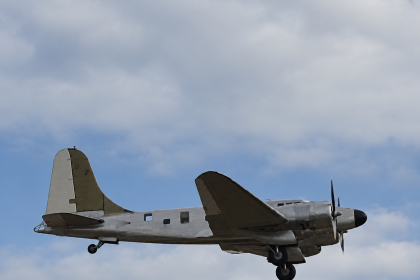
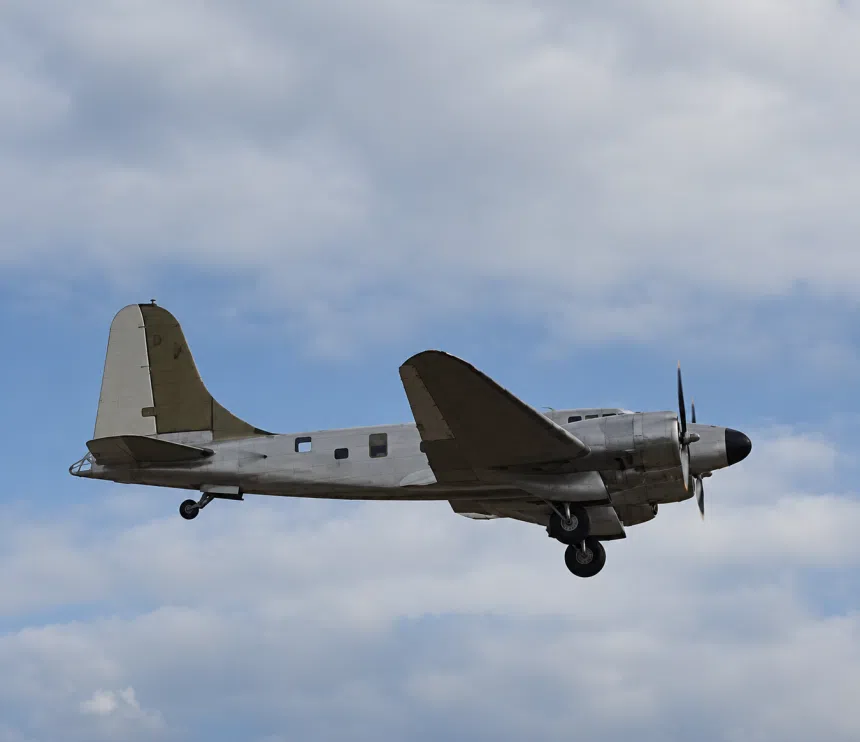

A rare Douglas B-23 Dragon once owned by Howard Hughes has returned to the air after 35 years. Warbird Aero Restorations announced the successful flight on October 21, marking a major milestone in the aircraft’s restoration at Pearland Regional Airport in Texas. Charlie “Tuna” Hainline served as pilot, with Charlie Tilghman as copilot. Brad Pilgrim and Norman Russell served as flight mechanics. According to the restoration team, the flight went smoothly, bringing years of work to fruition for one of the few surviving examples of the Douglas bomber.
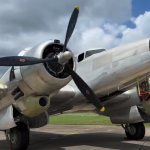
“Next stop: Paint and interiors!” the company announced, identifying the next stages of the project. Warbird Aero Restorations also thanked its crew and everyone who contributed to returning the aircraft to flight. Aerometal International in Aurora, Oregon, will handle the interior work, much of which has already been completed in preparation for the aircraft’s arrival. The company had originally expected the Dragon a couple of months ago. The flight milestone follows engine runs earlier this year, when the aircraft’s rebuilt Wright R-2600-3 radial engines were put through their paces. Vintage Aviation News reported on that progress in April, tracing the aircraft’s military service and lengthy civilian career.
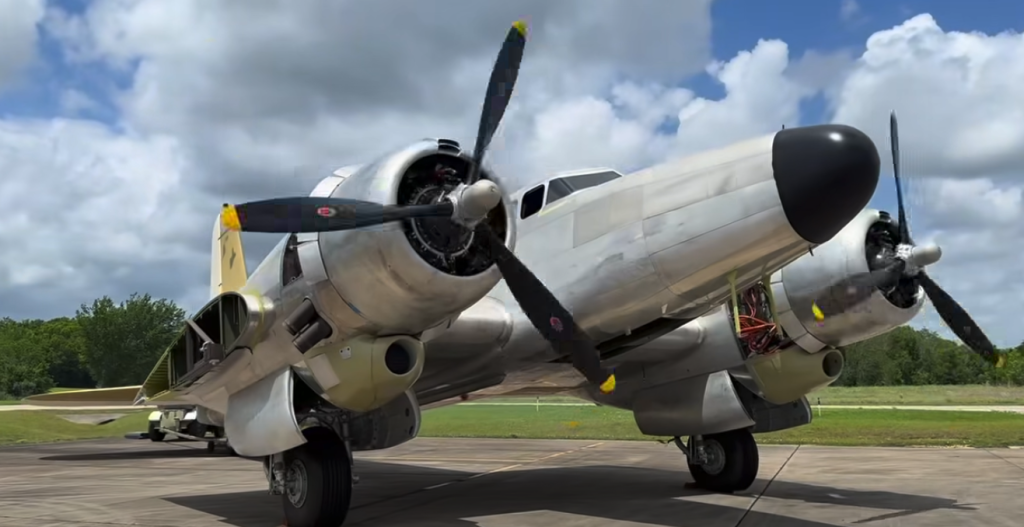
The B-23, construction number 2719 and military serial 39-0033, is registered as N747M. Following its military service, it entered civilian ownership in 1945 and was acquired by Hughes under registration NC49548. It subsequently served a succession of corporate owners, including Gar Wood Industries, Rexall Drug Company, and Food Machinery Chemical Corporation. Originally built as a bomber, the aircraft received its transport modifications after entering civilian service. Its later career included executive flying and appearances at aviation events before it was withdrawn from use and stored.
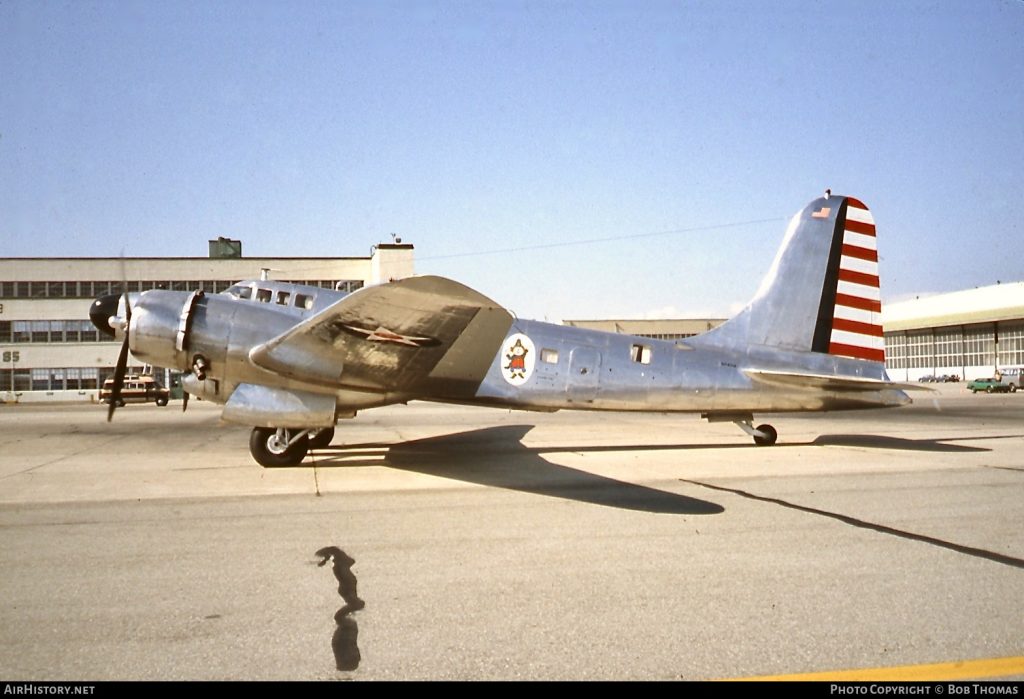
Douglas developed the B-23 as a successor to its B-18 Bolo, with the prototype making its first flight in July 1939. Only 38 were built. During WWII, the type served in training, reconnaissance, transport, and experimental roles, while several examples converted for military transport duties received the UC-67 designation. After the war, surviving Dragons found new careers as civilian transports, including executive aircraft. Today, only a small number remain in museums and private collections, making the return of N747M a significant event for the preservation of the type. With its first flight in 35 years successfully completed, N747M now moves toward the next phase of restoration, with paint and completion of its interior still ahead.