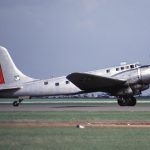
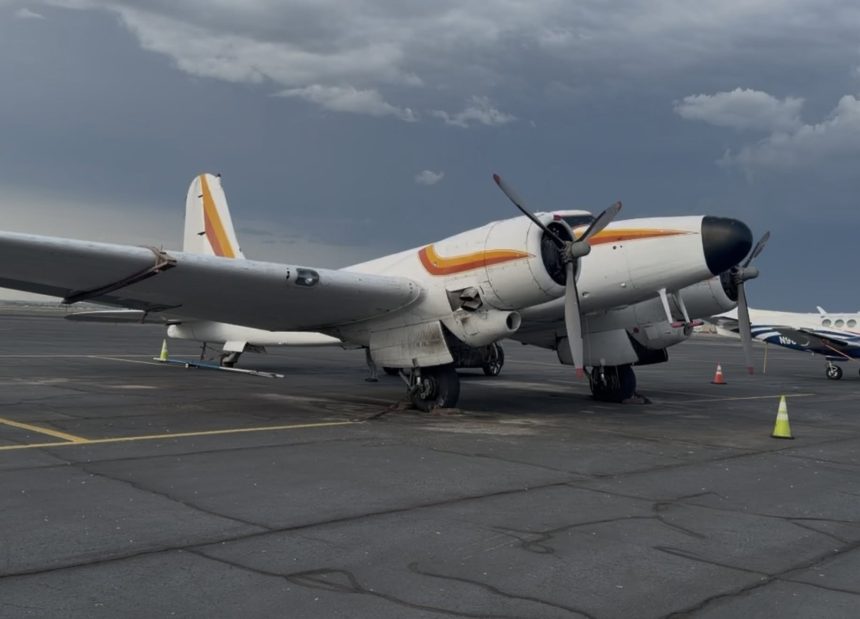

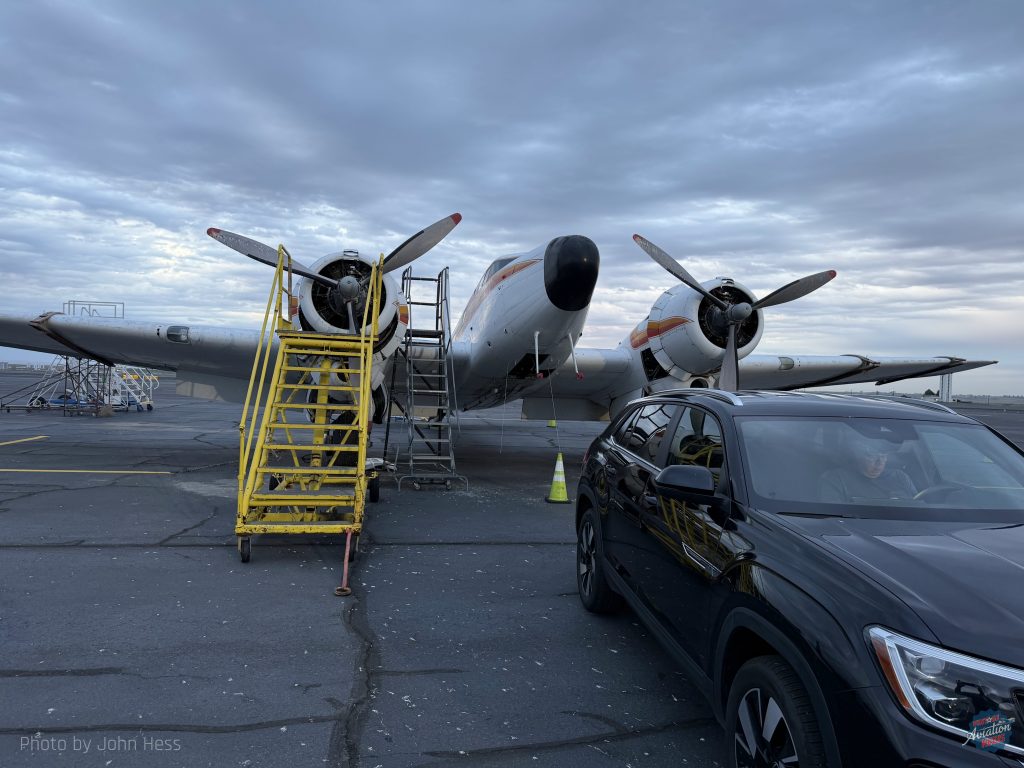
The Liberty Foundation has announced the newest addition to its growing fleet of historic aircraft: Douglas B-23 Dragon serial number 39-0063. This remarkable aircraft is one of just 38 B-23 Dragons ever built and is widely recognized as the only airworthy example of the type remaining in the world today. Built by the Douglas Aircraft Company, the B-23 represented an important step forward in bomber design. Although it never saw active combat service, the aircraft played a valuable role in training, transport, and utility operations throughout WWII. Following the conflict, this particular aircraft began a second life as an executive transport, helping preserve a unique piece of aviation history for future generations.
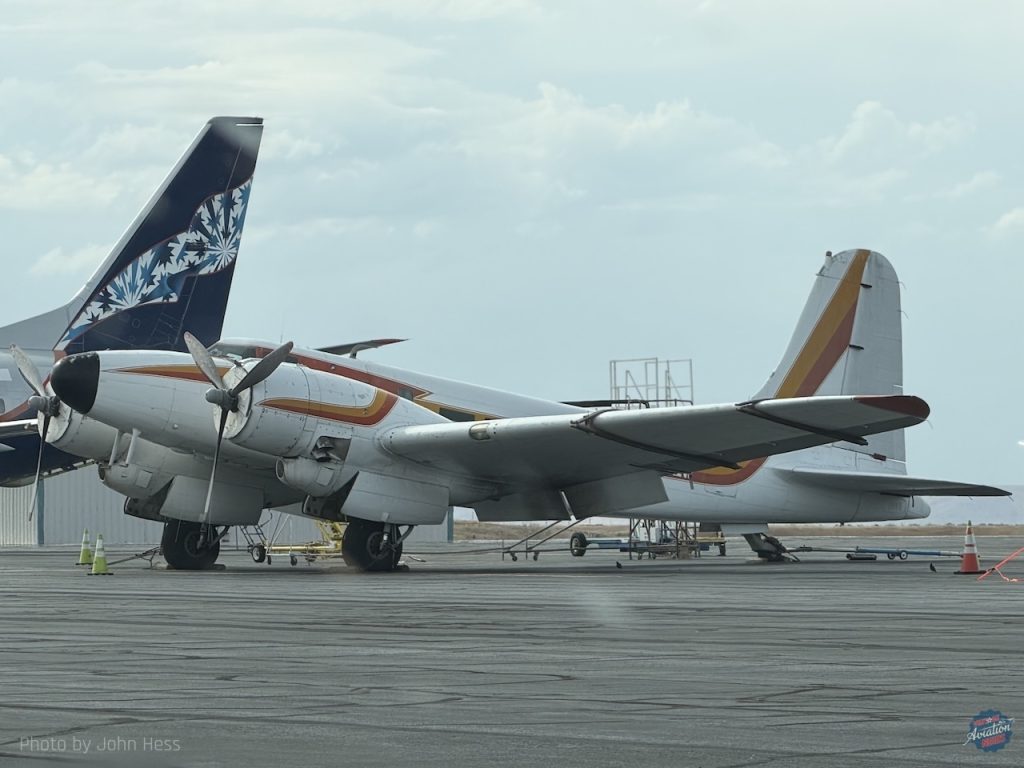
(Image credit: John Hess)
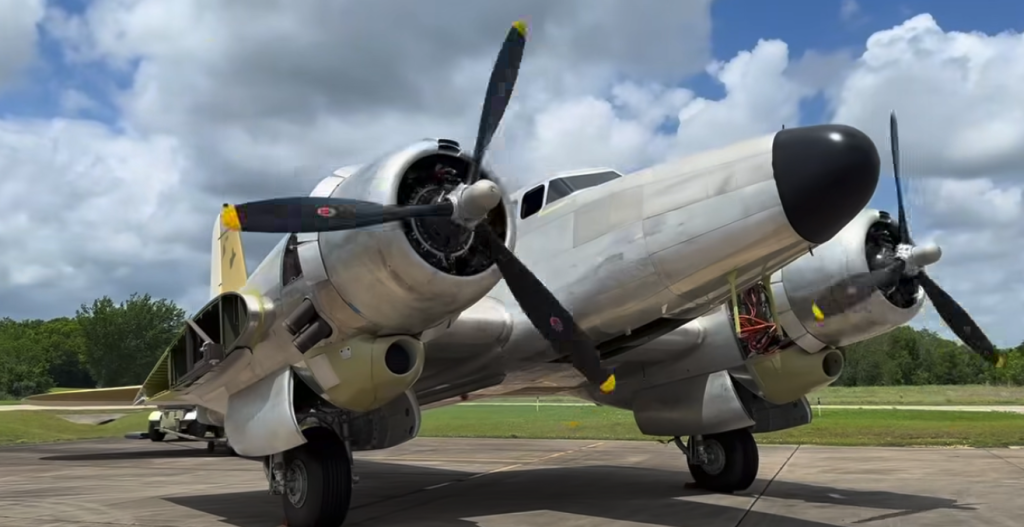
Interest in the rare Douglas bomber has grown in recent years as other surviving B-23s have reemerged from long-term restoration projects. Among them is B-23 serial number 39-0033, a former Howard Hughes-owned aircraft associated with collector Jim Slattery that recently resurfaced in Texas after years of restoration work. Vintage Aviation News covered that project earlier this year. Today, surviving B-23s and UC-67s are scattered across museums and collections around the world. UC-67 serial number 39-031 is preserved in Quito, Ecuador, while U.S.-based examples include B-23 serial number 39-0036 at McChord Air Museum in Washington and 39-0051 at the Pima Air & Space Museum in Arizona. Other survivors remain in storage, including 39-0037 at the National Museum of the United States Air Force in Ohio and 39-0038 in Geneseo, New York. Against this backdrop, the continued airworthiness of 39-0063 makes it one of the most significant surviving examples of the type.
According to records compiled by Aerial Visuals, Douglas B-23 Dragon serial number 39-0063 was accepted by the United States Army Air Corps on August 31st, 1939, as one of only 38 examples of the type produced. The aircraft was delivered to Langley Field, Virginia, on September 13th, 1939, where it entered service with the 2nd Bombardment Group during a period of rapid military expansion as war engulfed Europe. Although the B-23 represented a significant improvement over the Douglas B-18 Bolo, advances in bomber design quickly rendered the type obsolete. By the time the United States entered WWII, more capable aircraft such as the North American B-25 Mitchell and Martin B-26 Marauder had assumed the medium bomber role. As a result, 39-0063 spent much of its military career performing secondary duties, including training, transport, and utility missions within the continental United States. The aircraft was later redesignated UC-67, reflecting its utility transport role. Following the war, it was declared surplus and transferred to the Reconstruction Finance Corporation for disposal. Aerial Visuals records indicate that the Dragon entered civilian service on February 26th, 1947, when Standard Oil Company of New Jersey acquired the aircraft and registered it as NC47994. Like several surviving B-23s, it was converted for executive transport duties, taking advantage of its spacious cabin and relatively high cruising speed.
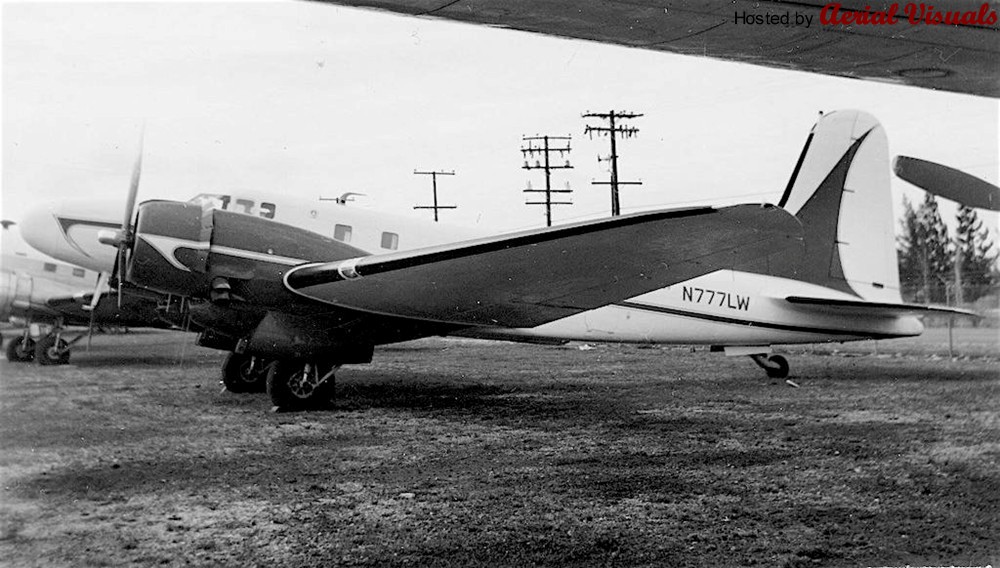
Ownership subsequently passed to Esso Shipping Company in 1954, which continued operating the aircraft as N47994. In 1959, LeTourneau-Westinghouse Company acquired the Dragon and registered it as N777LW, the registration it still carries today. The aircraft continued its civilian career through a series of owners, including Appliance Buyers Credit Corporation of St. Joseph, Michigan, in 1964 and Bruce McCreary Company of Grass Valley, California, in 1966. During these years, the former military bomber served as a corporate transport, a role shared by several surplus Dragons after WWII. In 1977, ownership transferred to Robert P. Schlaefli of Fairbanks, Alaska. Schlaefli became one of the aircraft’s longest-serving caretakers and played a key role in preserving the rare Dragon. By 1984, the aircraft was associated with SLAFCO and based at Moses Lake, Washington, where it would remain for much of its later life. Although periods of storage occurred during the 1990s and early 2000s, the aircraft survived largely intact. In November 2003, ownership was listed under Carmacks Commercial Corporation of Anchorage, Alaska, ensuring the continued preservation of one of the rarest surviving American military aircraft.
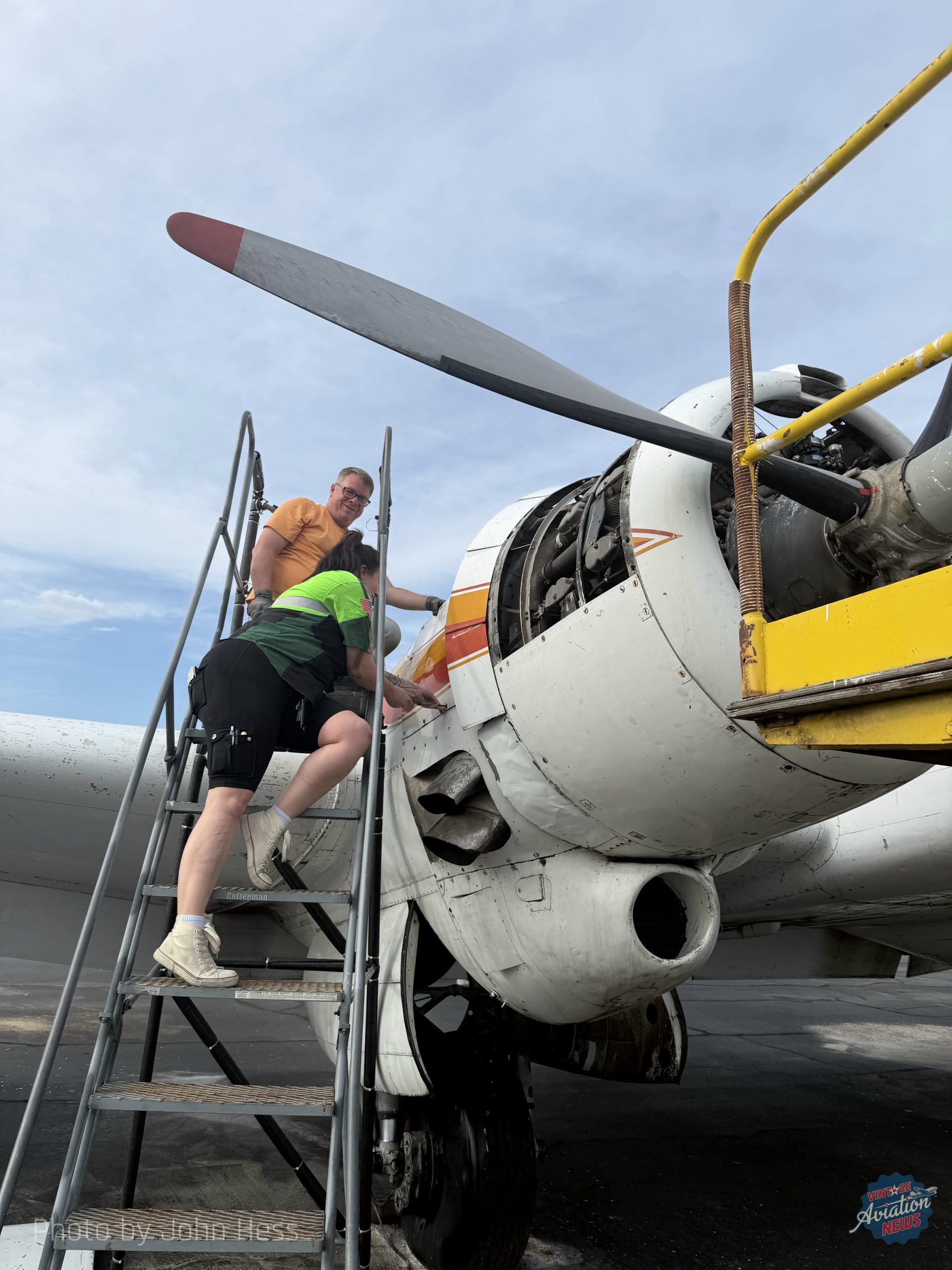
Today, N777LW is recognized as one of the most significant surviving Douglas B-23 Dragons. With only 38 examples built and very few remaining, the aircraft stands as a rare link to an important transitional period in American bomber development. Its survival into the twenty-first century is a testament to the dedication of the owners and caretakers who preserved this unusual aircraft long after most of its contemporaries disappeared. For many years, the aircraft has been based at Grant County International Airport in Moses Lake, Washington. Recently, members of The Liberty Foundation have been working alongside dedicated volunteers and supporters to prepare the aircraft for its next chapter. Engine cleaning, maintenance work, and successful taxi tests have brought this rare warbird one step closer to returning to regular flight operations.
(Image credit: John Hess)
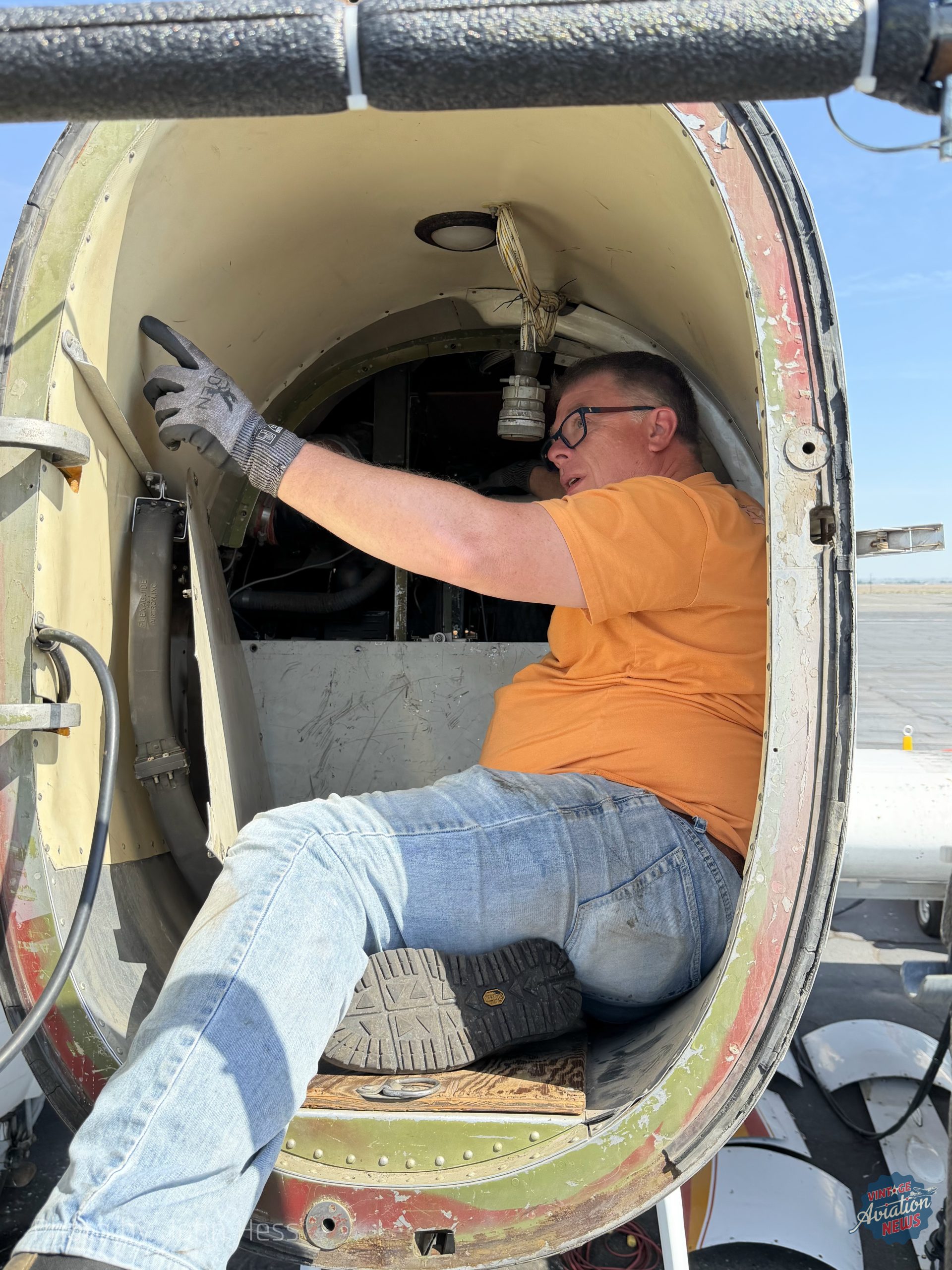
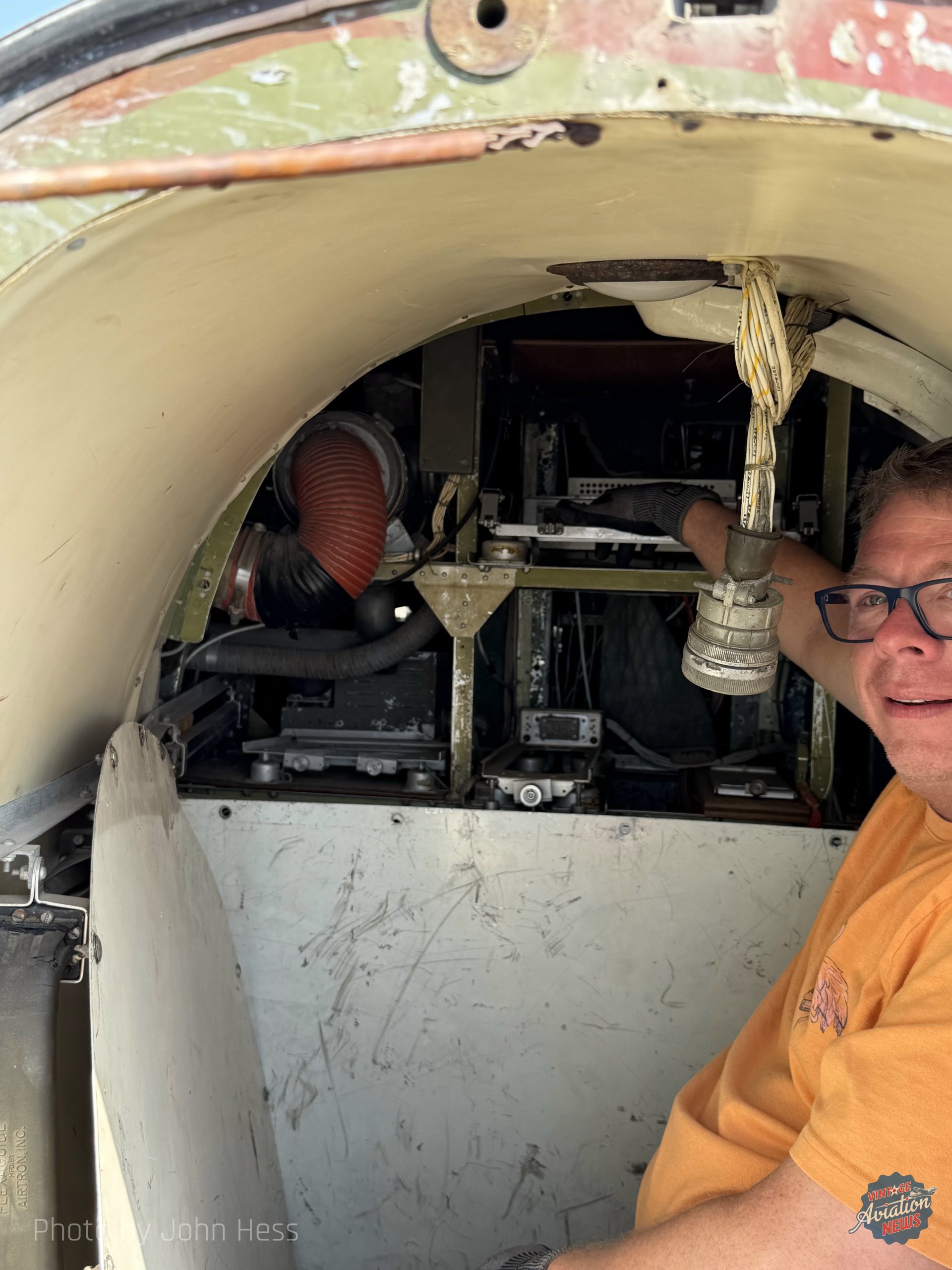
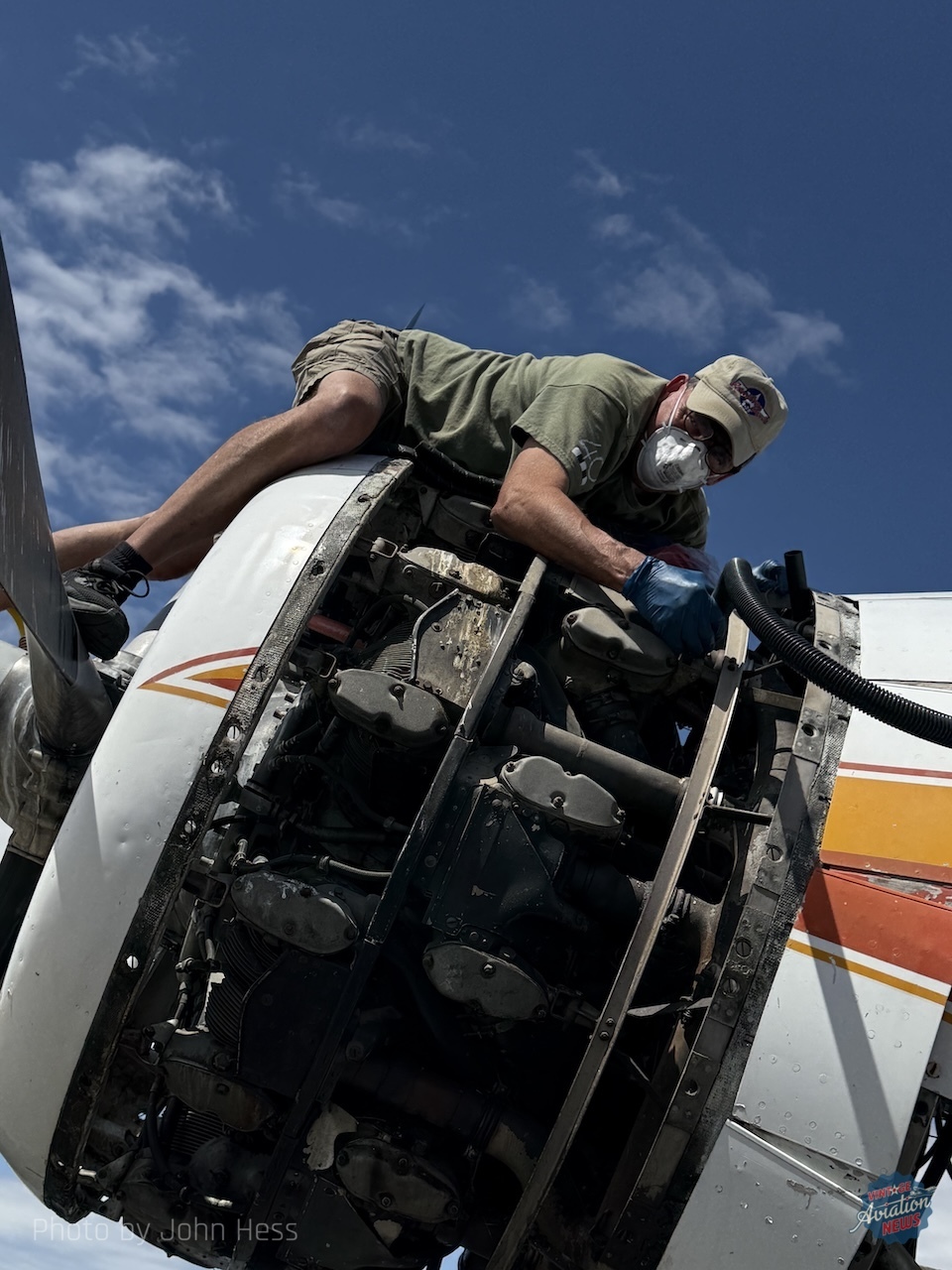
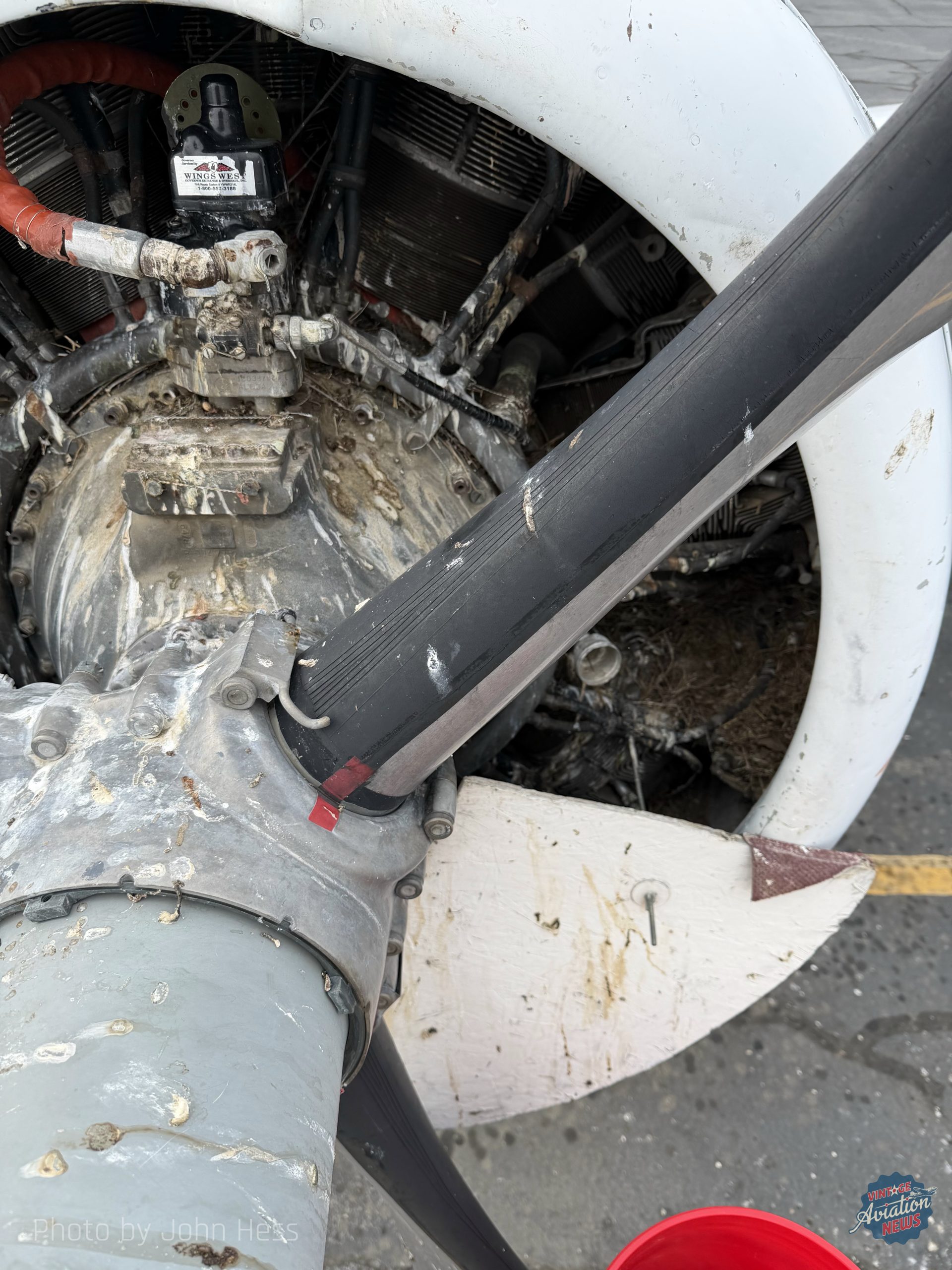
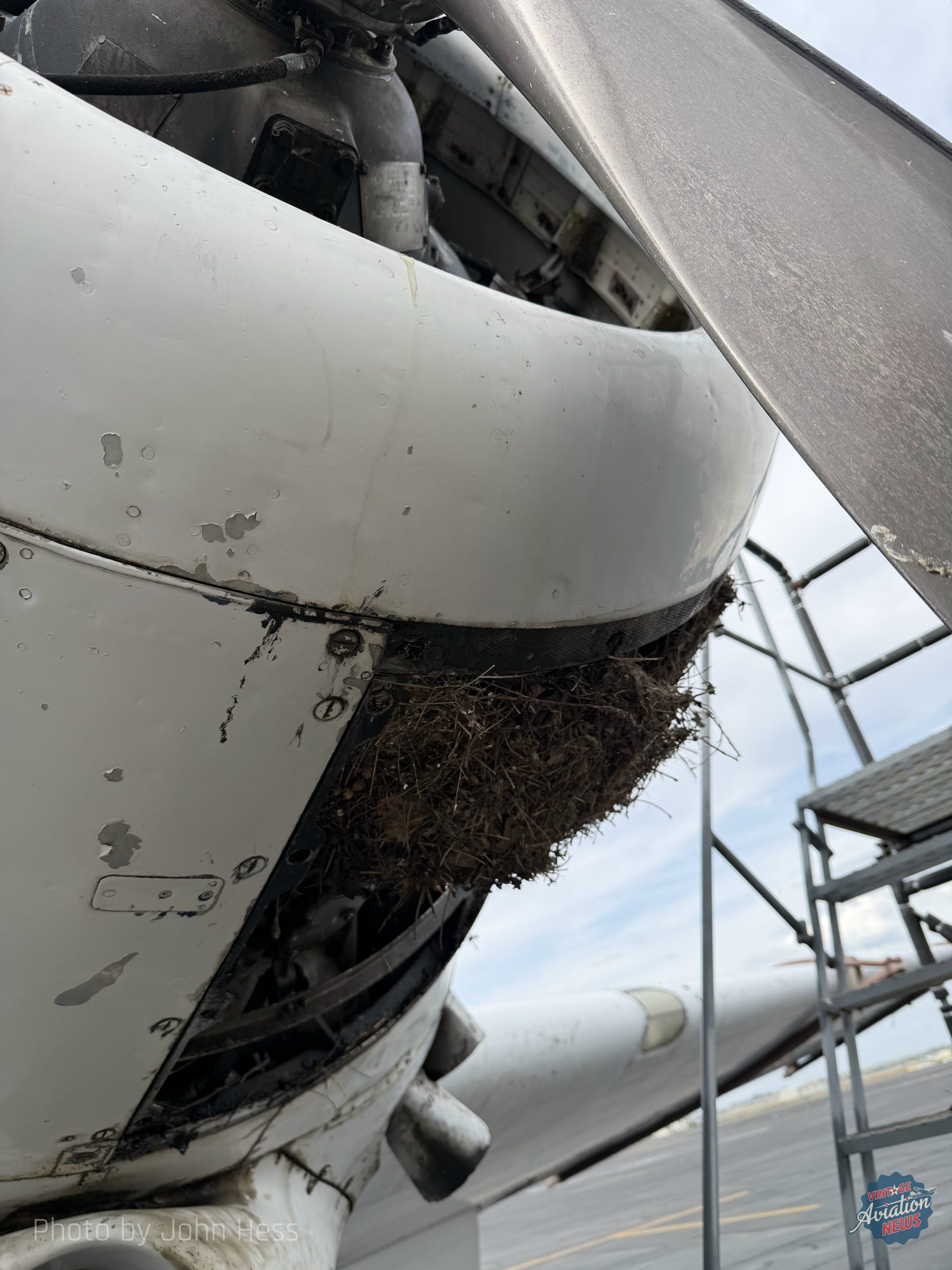
Recent progress on the aircraft came during a visit to Moses Lake by Liberty Foundation pilot John Hess and Director of Maintenance Jon Davis. The trip served primarily as a reconnaissance mission to evaluate the condition of the aircraft and determine what would be required for a comprehensive inspection and return-to-service effort. One of the team’s biggest challenges turned out to be local wildlife. Although previous caretakers had fabricated wooden engine covers to protect the powerplants, shifting over time allowed birds to enter the engine nacelles and build extensive nests. Hess and Davis spent several days removing nesting material, cleaning carburetors, washing the engines, and pre-oiling the powerplants in preparation for their first engine runs in years.

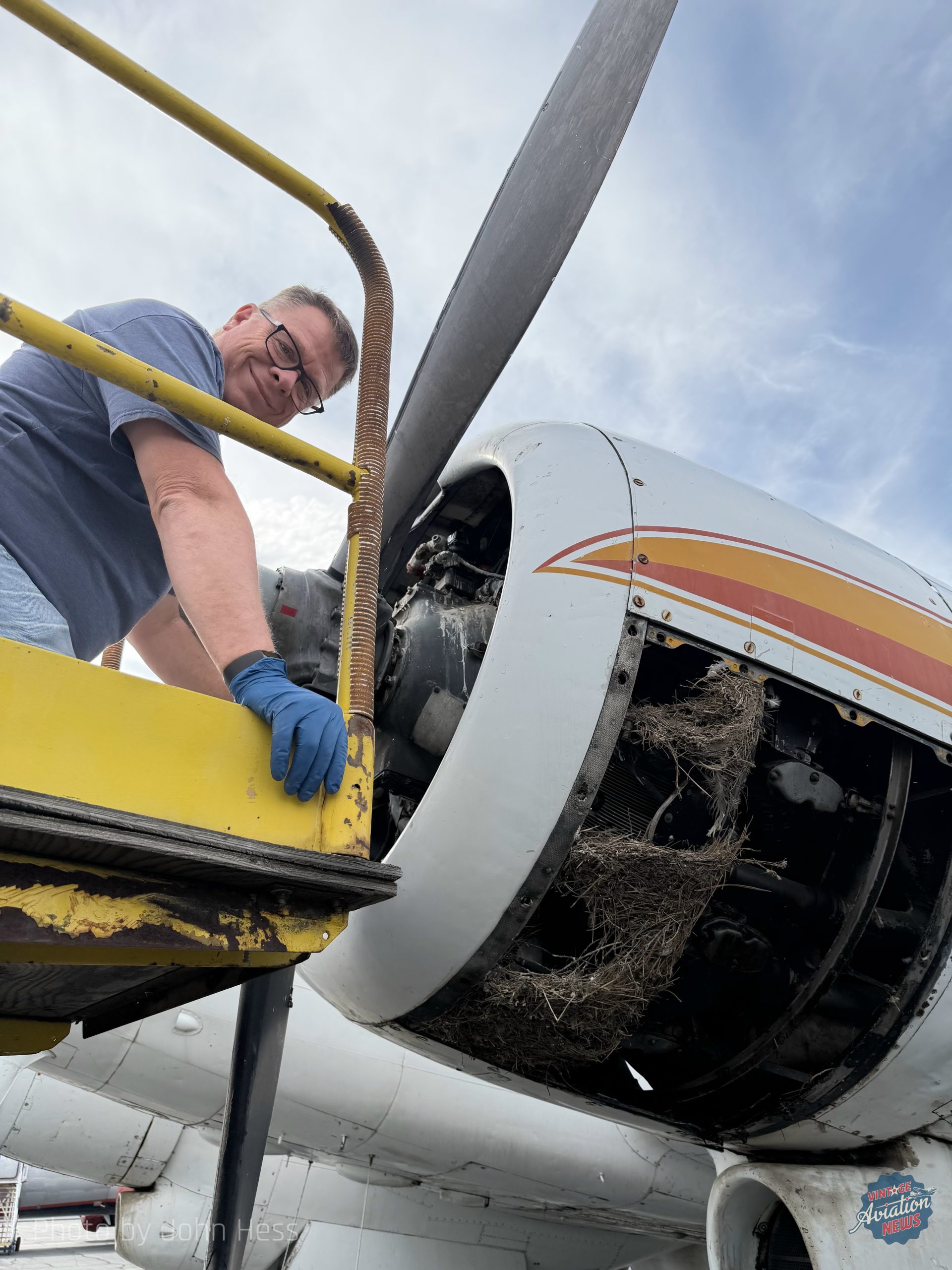
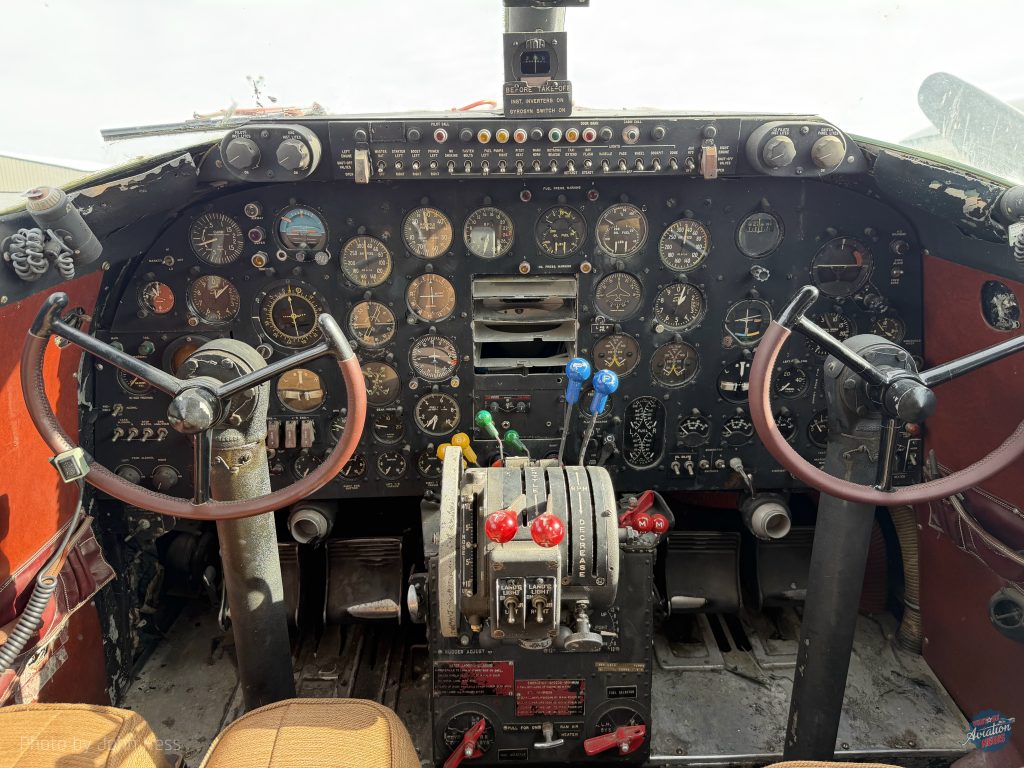
To the team’s delight, both Wright R-2600 engines started readily and performed exceptionally well during testing. Hess credited much of that success to longtime pilot and mechanic Jeff Akridge, who had carefully looked after the aircraft during its years in storage by keeping the carburetors preserved and the batteries maintained. “The trip was very successful,” Hess said. “We completed full engine runs and taxi tests, and we’re now planning the next required inspections to move the aircraft toward full airworthiness.” Hess also praised the support received from Mark Bonaudi and the staff at Million Air Moses Lake, whose assistance helped make the visit a success. Beyond its rarity, the Dragon possesses several qualities that make it particularly appealing to operators. The aircraft is certified for single-pilot operation, holds a Standard Category airworthiness certificate, utilizes the same Wright R-2600 engines found on the North American B-25 Mitchell, and features relatively straightforward systems more akin to those of a Douglas C-47 Skytrain.
(Image credit: John Hess)
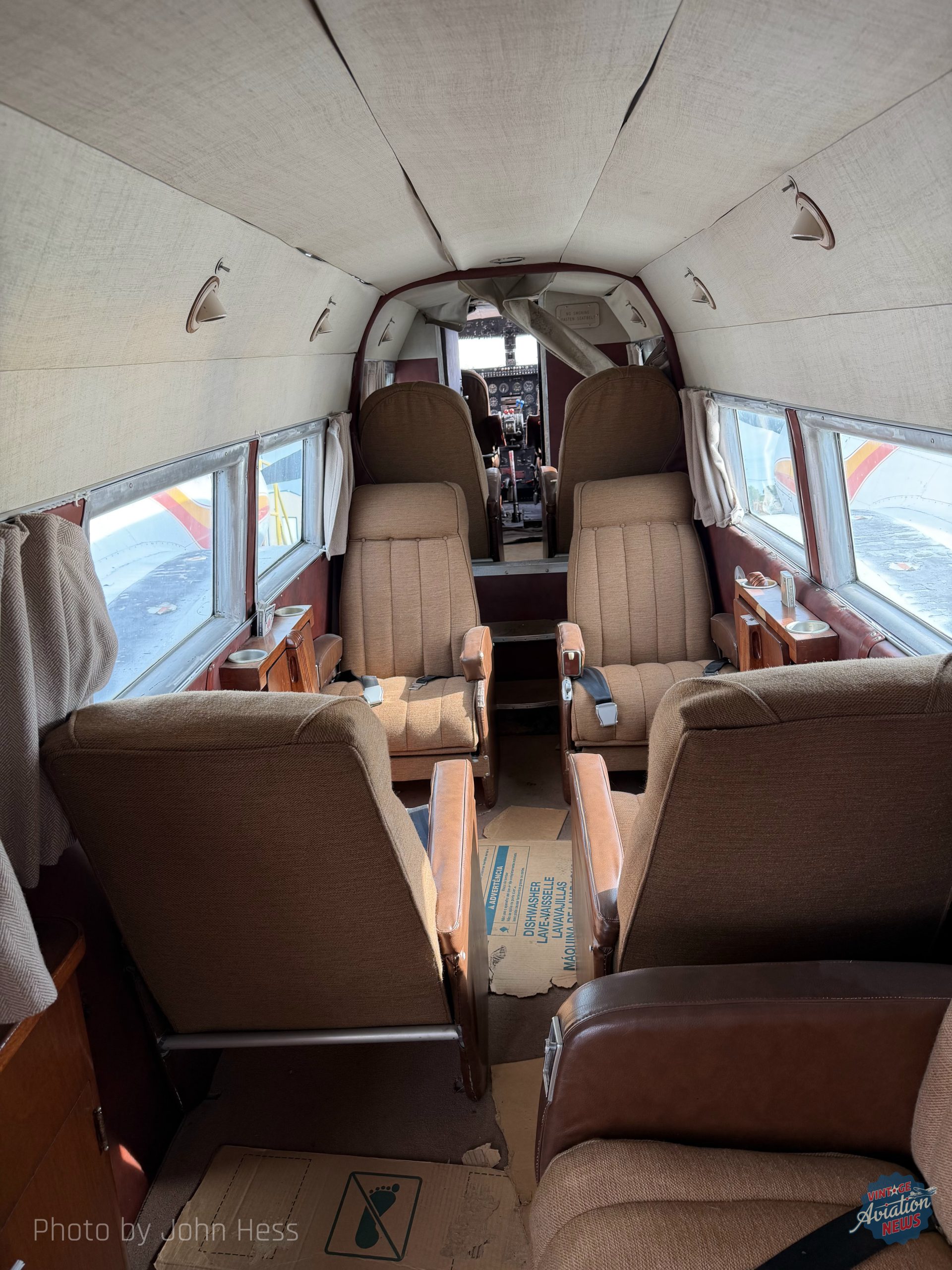
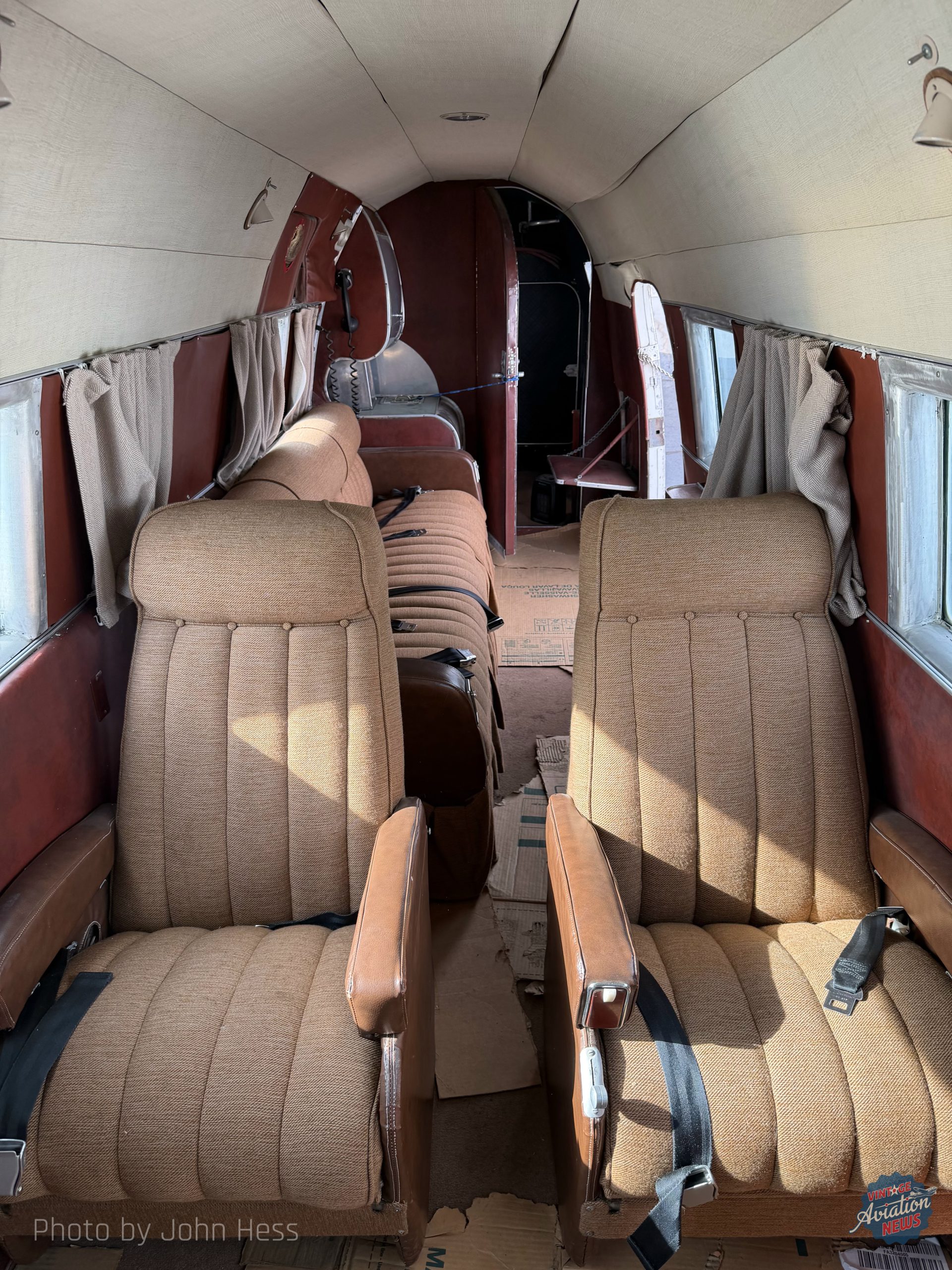
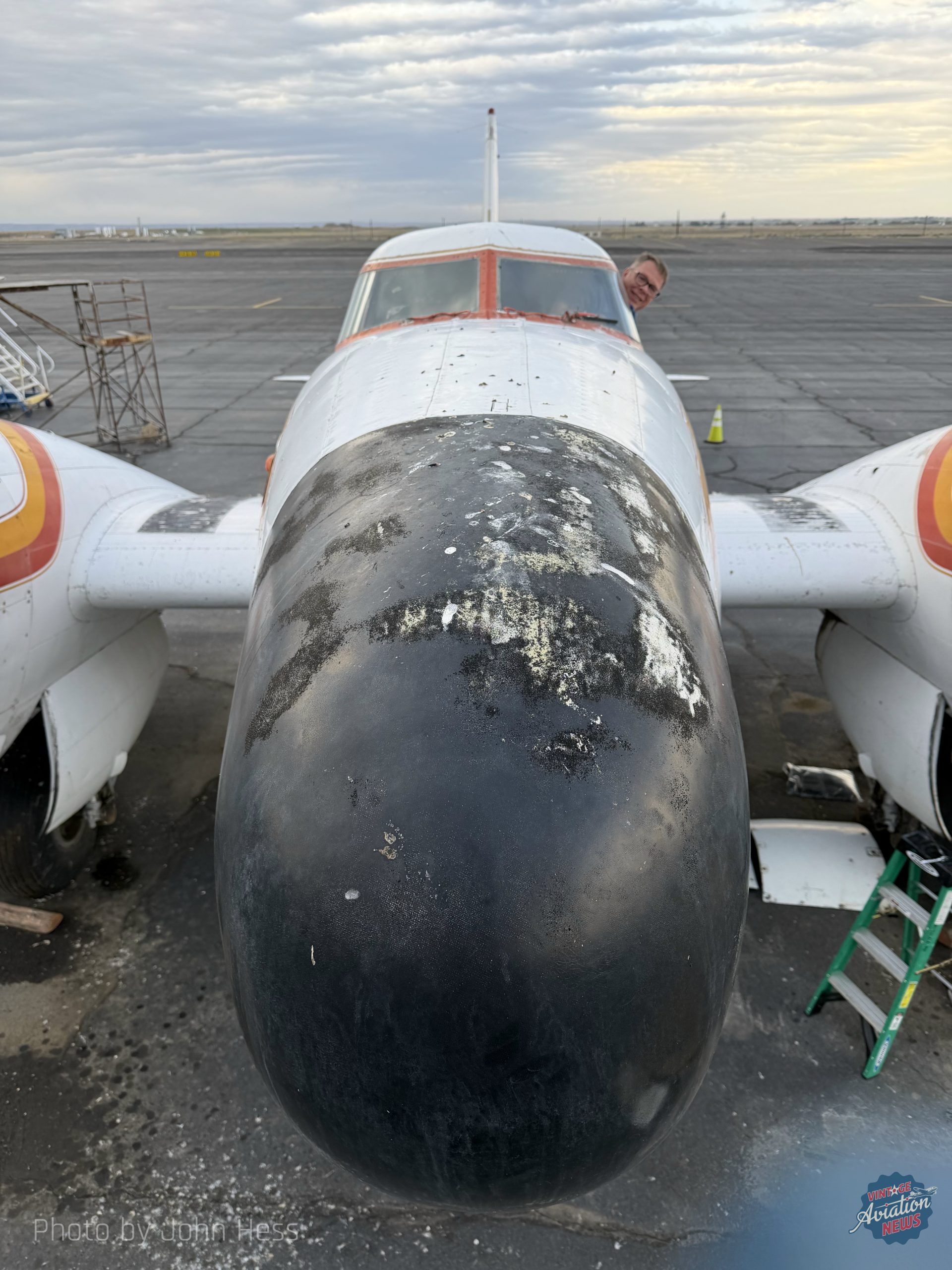
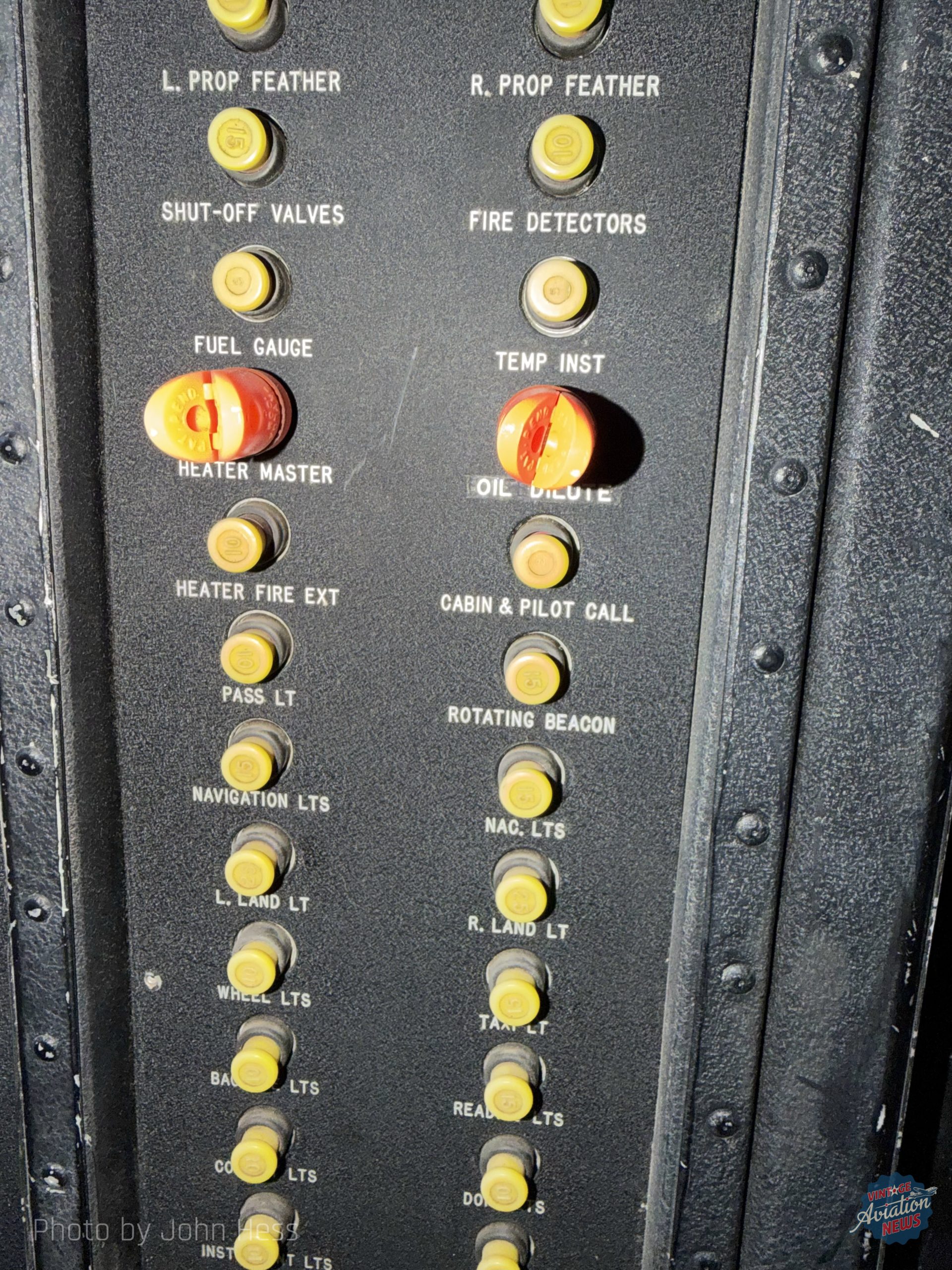
The B-23 Dragon is an impressive aircraft by any measure. With a wingspan of 92 feet, a crew of six, and powered by two Wright R-2600 radial engines, it was capable of speeds approaching 282 mph. It also holds an important place in aviation history as the first U.S. bomber equipped with a glazed tail gun position, a feature that would become commonplace on later bomber designs. More than 80 years after it first rolled off the assembly line, this aircraft continues to tell the story of American innovation, industry, and the men and women who served during a pivotal period in world history.
“We are honored to become stewards of this extraordinary aircraft and look forward to sharing its story with aviation enthusiasts, veterans, families, and future generations across the country,” The Liberty Foundation stated. The ownership and registration history summarized above is derived primarily from the Aerial Visuals Airframe Dossier for Douglas B-23 Dragon serial number 39-0063, supplemented by additional civil registration and warbird preservation records. Welcome to The Liberty Foundation family, B-23 Dragon 39-0063. For more information about The Liberty Foundation, visit www.libertyfoundation.org.