






By Randy Malmstrom
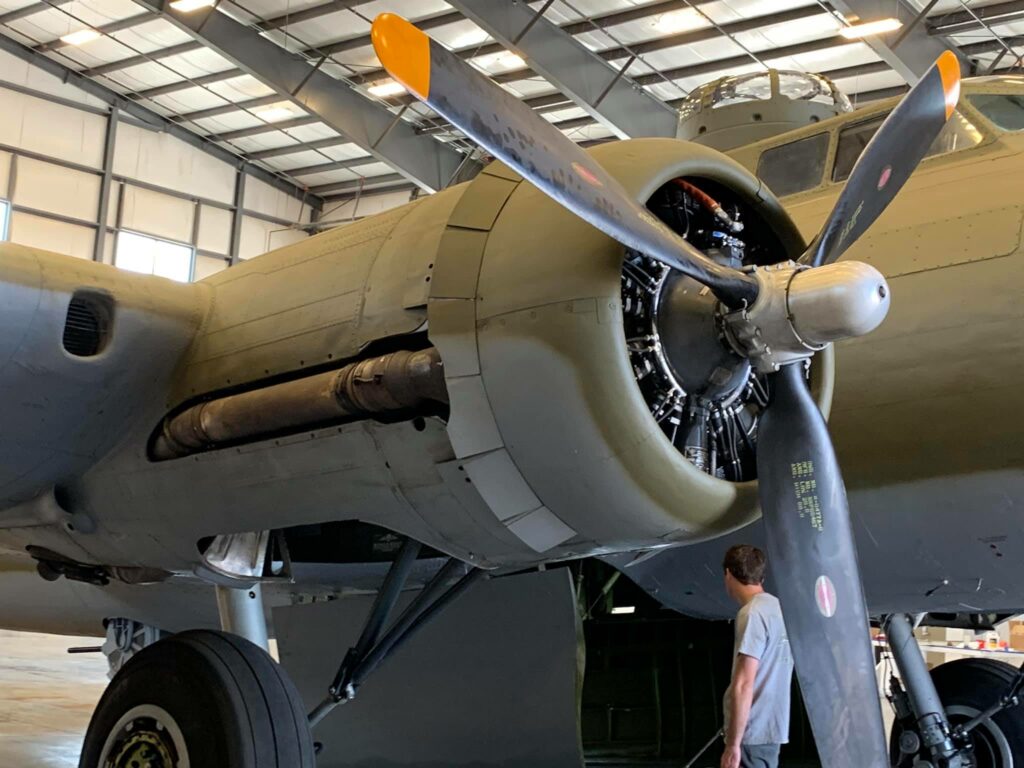
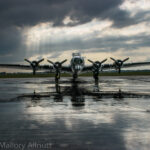
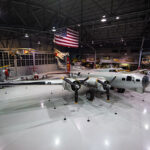
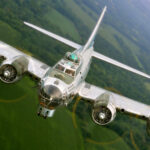
Since his childhood, Randy Malmstrom has had a passion for aviation history and historic military aircraft in particular. He has a particular penchant for documenting specific airframes with a highly detailed series of walk—around images and an in—depth exploration of their history, which have proved to be popular with many of those who have seen them, and we thought our readers would be equally fascinated too. This installment of Randy’s Warbird Profiles takes a look at the Erickson Aircraft Collection‘s Boeing B-17 Flying Fortress.
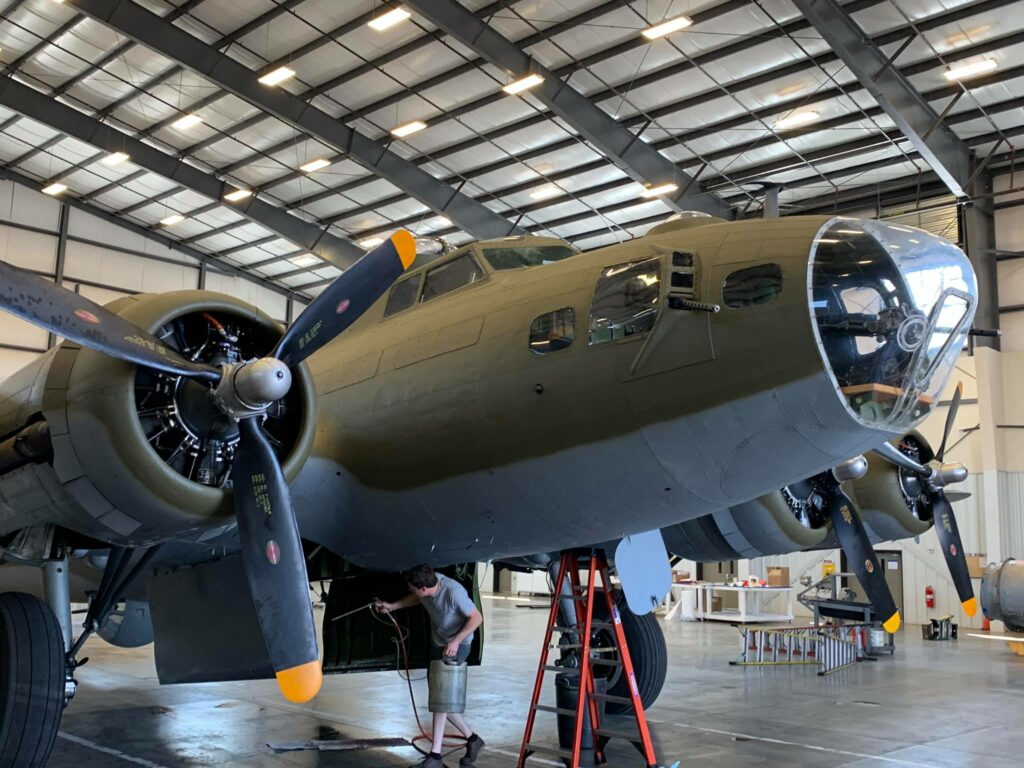
This particular aircraft was built by Vega Aircraft Corporation, a division of Lockheed Aircraft Company, in Burbank, CA (aka Lockheed/Vega) and delivered to the U.S. Army Air Forces on October 16, 1944 as a G-20-VE model s/n 44-8643, Constr. No. 7943 (note the “F” type glasshouse nose and earlier stinger tail turret. Shortly thereafter, it was sent to the United Airlines Modification Center in Cheyenne, Wyoming, where it was modified as a Pathfinder with H2X ground-mapping radar, code-named “Mickey” (as far as I know, this is the last remaining H2X-fitted B-17s left in existence).
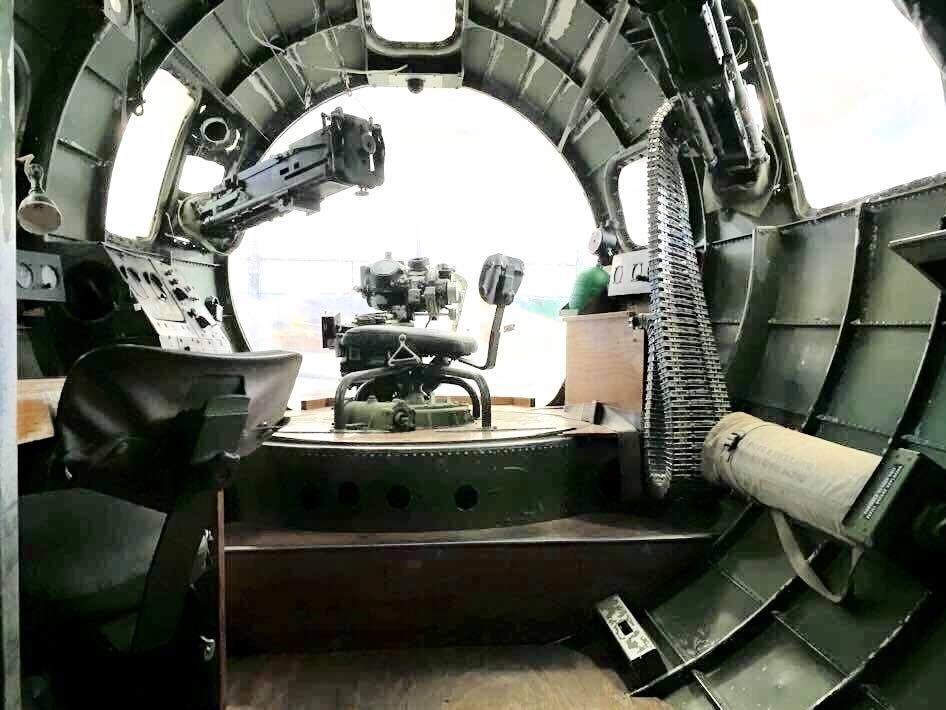
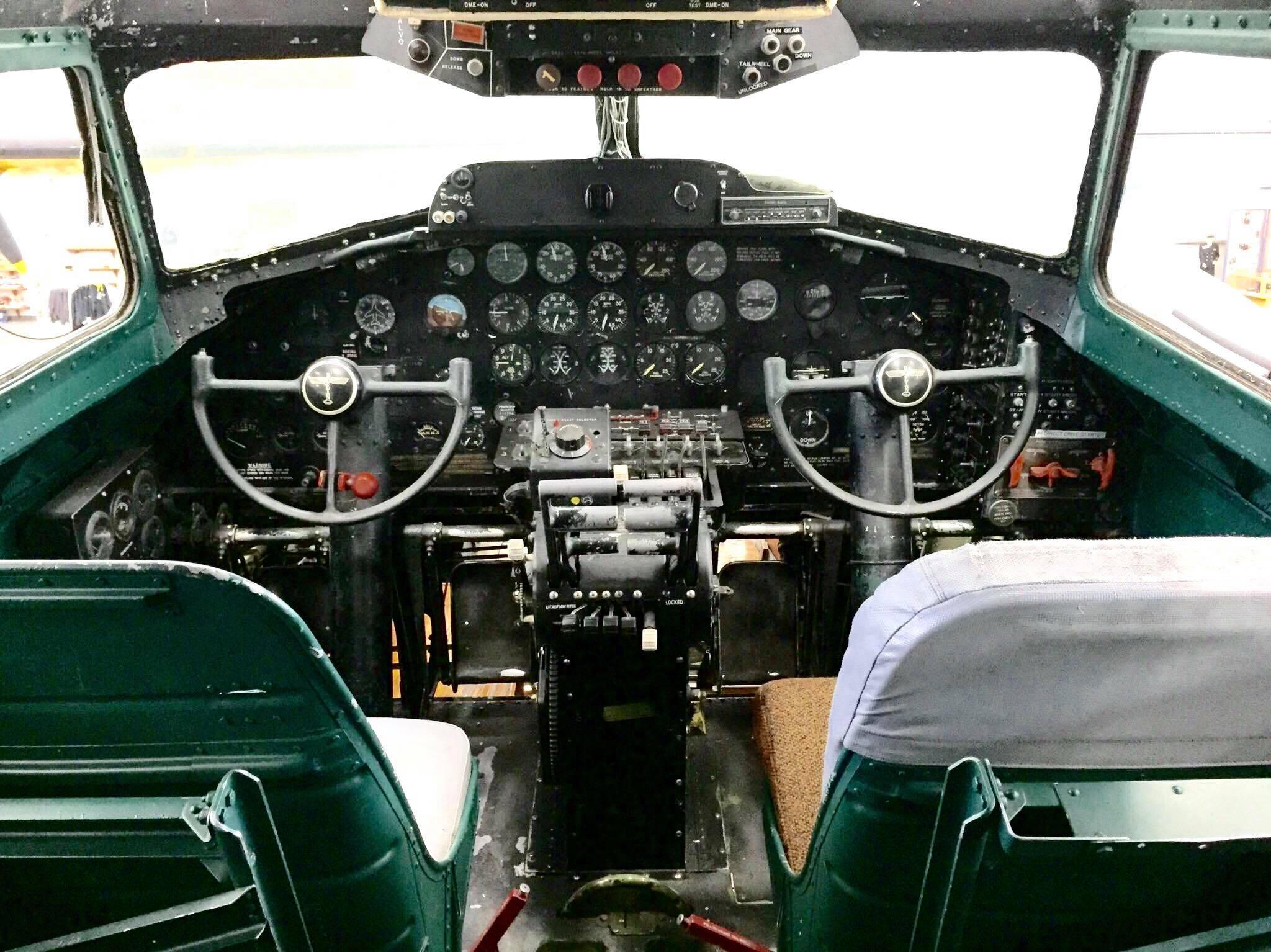
It remained in the U.S. through the duration of World War II and after, serving as a trainer at several air bases until it was sent to the “Bone Yard” at Davis-Monthan Air Force Base in January 1959, and declared surplus in May of that year. It was spared the scrapyard and flew in the civilian market (Albany Building Corporation, Donthan Aviation Corp.) as a freight hauler and agricultural sprayer until it was damaged in 1976.
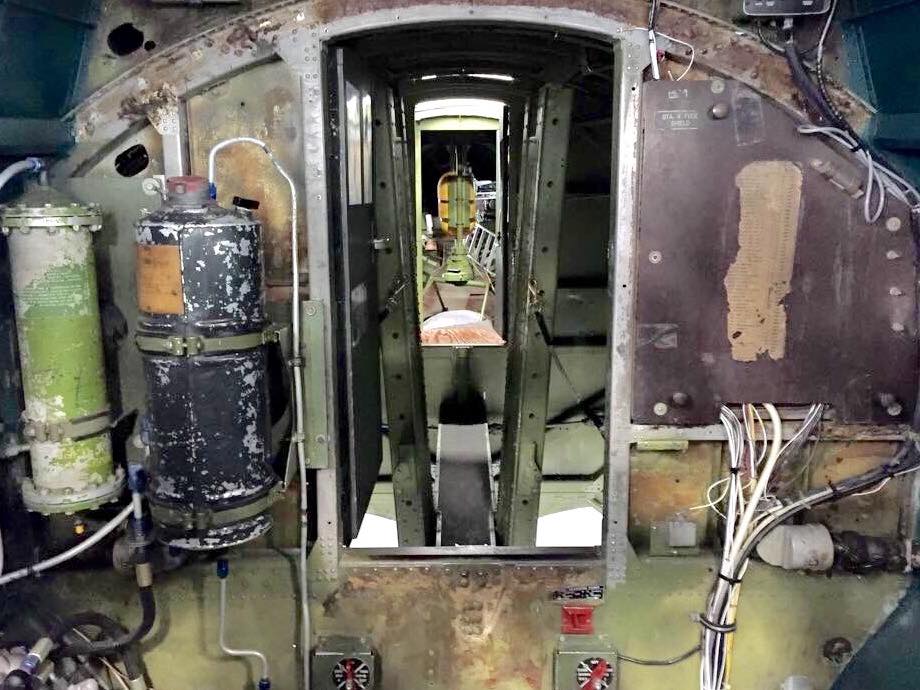
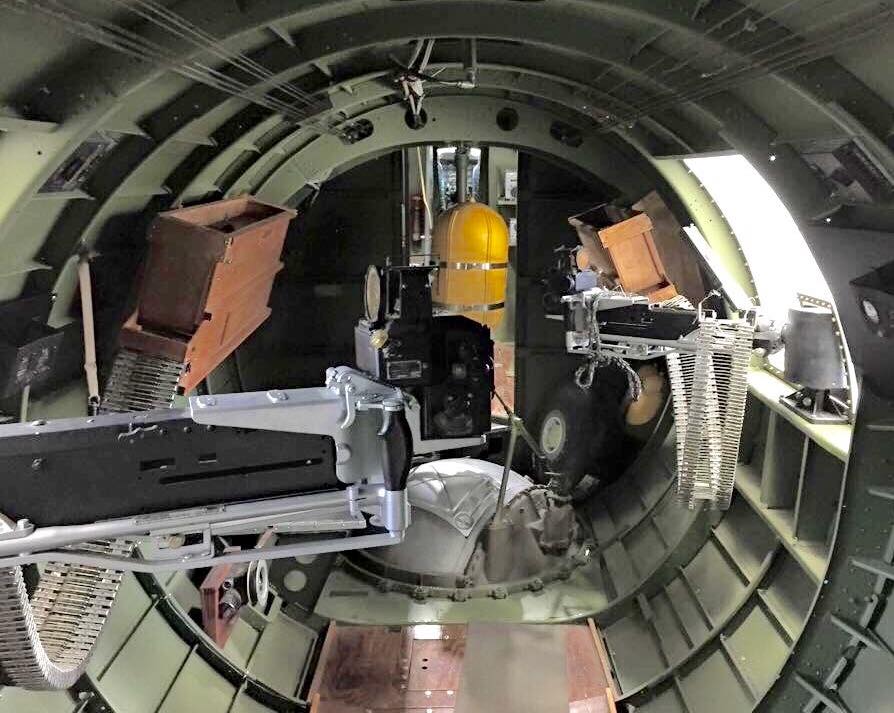
In 1979, Dr. William D. “Doc” Hospers, founder of Vintage Flying Museum in Fort Worth, TX bought it and restored it to airworthiness under the name Chuckie (the name was in reference to Charlyn “Chuckie” Hospers, the wife of Doc Hospers). Hospers was a former U.S. Army Reserve colonel (he was selected to be in command of B-17G Shoo Shoo Baby — which had been assigned to the 91st Bomb Group and that had been completely restored — for test flights and its final flight from Dover Air Force Base to the National Museum of the U.S. Air Force in Dayton, OH).
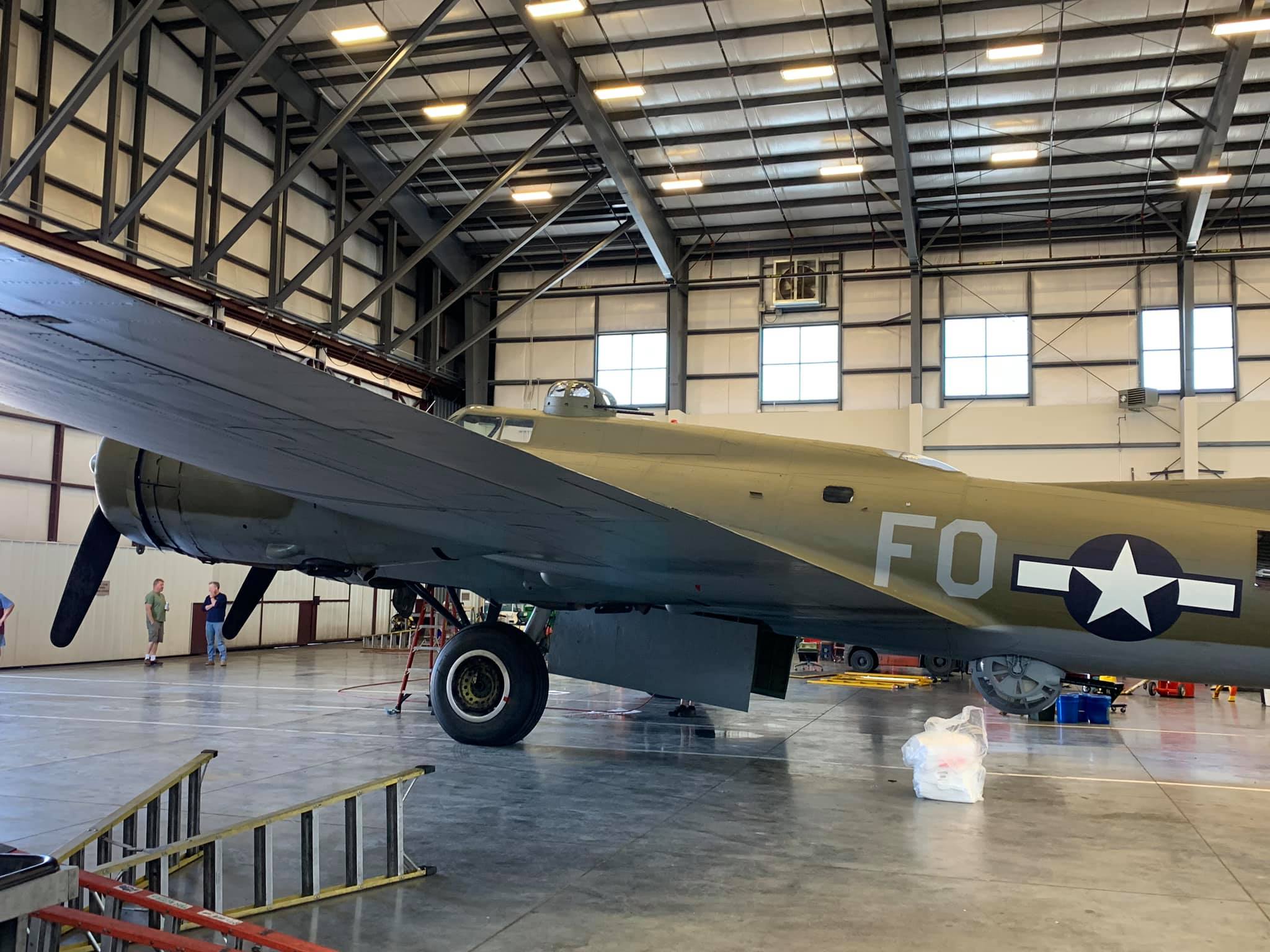
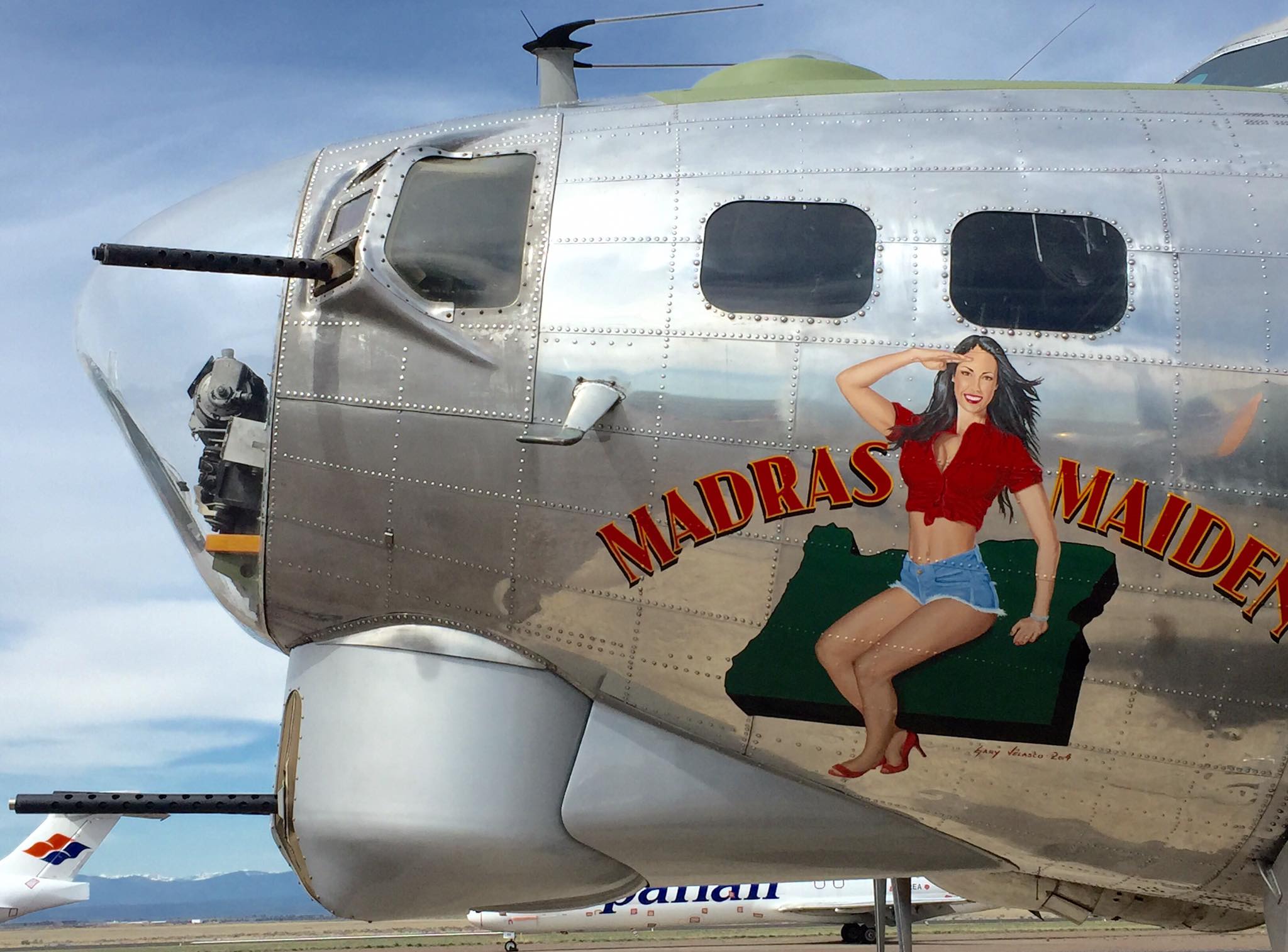
In 2010 it went to the Jerry Yagen at the Military Aviation Museum in Virginia Beach, VA. Jack Erickson’s Fortress LLC acquired it in 2013 (and received its new FAA certification in 2015) for display and flying at Erickson Aircraft Collection in Madras, OR. When it was acquired there, it was repainted as Madras Maiden and it had an unpainted aluminum skin and had the L-Triangle tail code of the 381st Bomb Group that was based at RAF Ridgewell during World War II (fitness model Hope Beel was used as the model for nose art).
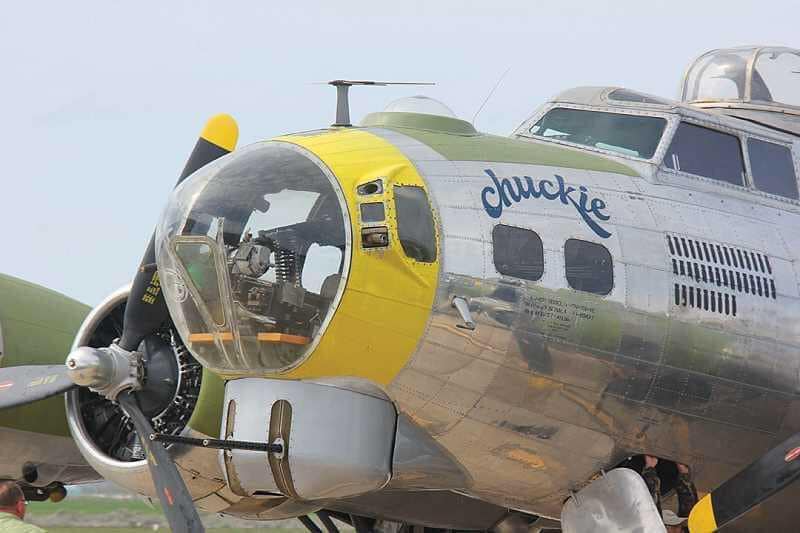
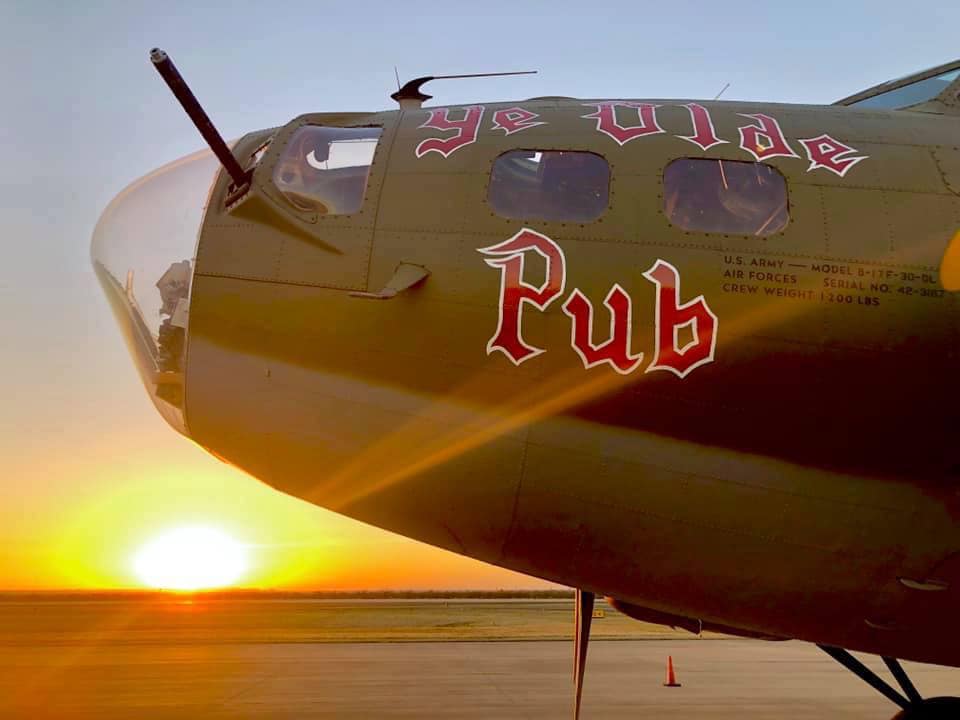
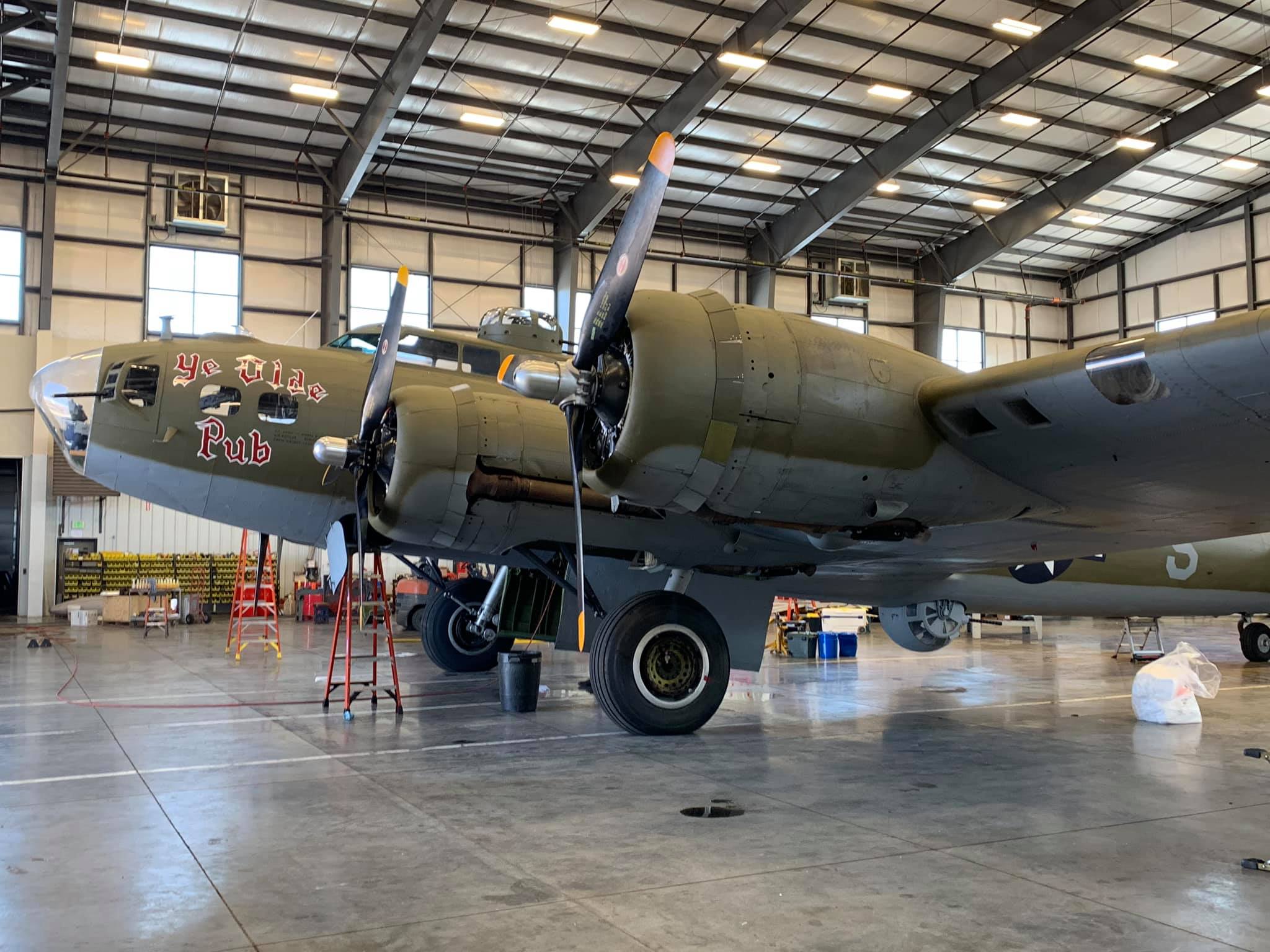
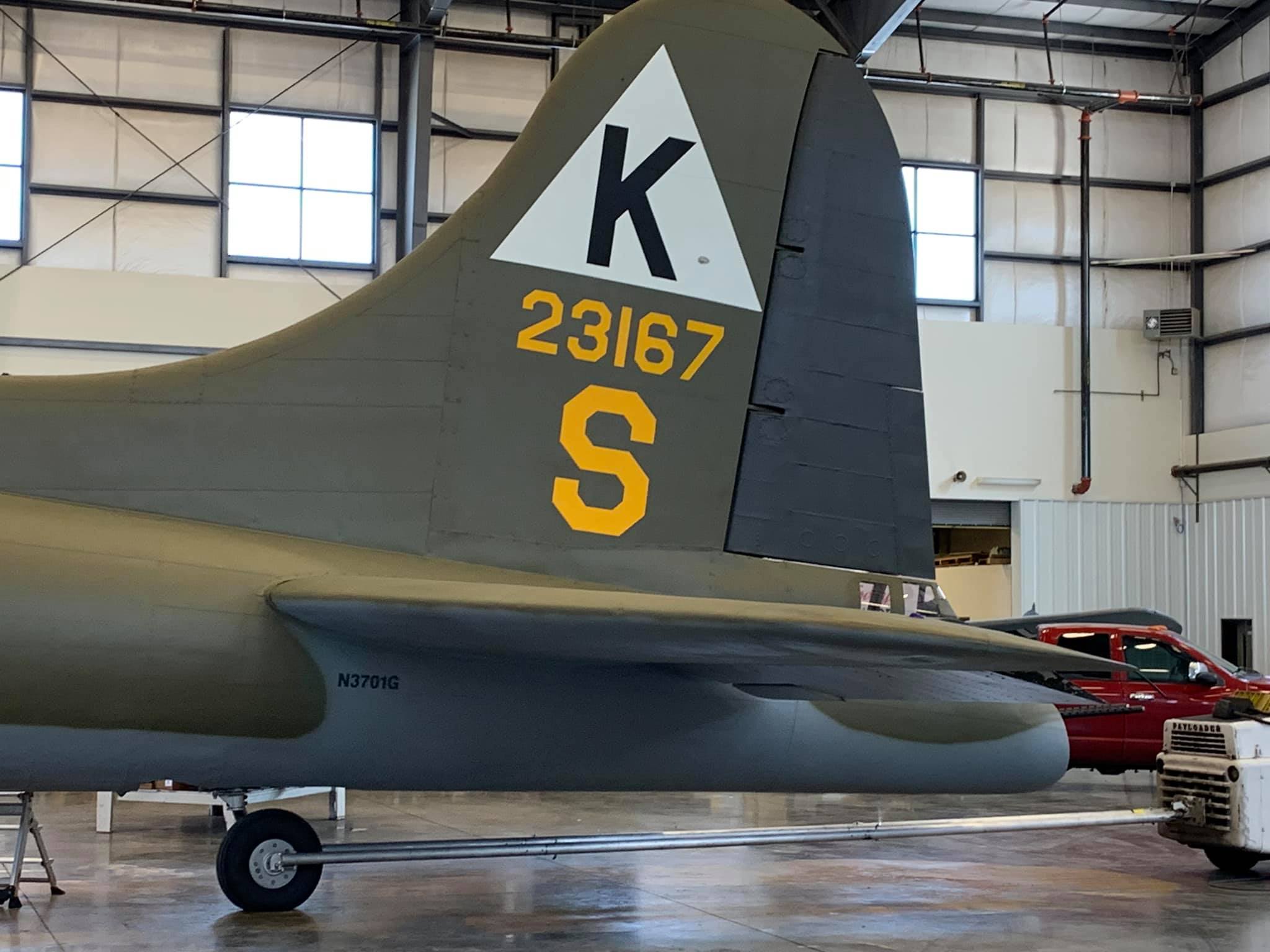
In January 2019, the aircraft was leased from Erickson by the Liberty Foundation and painted as Ye Olde Pub #42-3167 of the 379th Bomb Squadron — known as the Triangle K Group — piloted by 2nd Lt. Charles L. “Charlie” Brown. That aircraft is noteworthy for what is sometimes referred to as the “Charlie Brown and Franz Stigler Incident” of December 20, 1943 after a bombing run over the Fw 190 production facility at Bremen, Germany. That aircraft was very damaged and, to make a long story short, Oberleutnant Stigler flew his Bf 109 on the port side of the stricken aircraft, acting as an escort until reaching the open waters of the North Sea whereupon Stigler saluted and returned to his home field.
About the author
 Randy Malmstrom grew up in a family steeped in aviation culture. His father, Bob, was still a cadet in training with the USAAF at the end of WWII, but did serve in Germany during the U.S. occupation in the immediate post—war period, where he had the opportunity to fly in a wide variety of types which flew in WWII. After returning to the States, Bob became a multi—engine aircraft sales manager and as such flew a wide variety of aircraft; Randy frequently accompanied him on these flights. Furthermore, Randy’s cousin, Einar Axel Malmstrom flew P—47 Thunderbolts with the 356th FG from RAF Martlesham Heath. He was commanding this unit at the time he was shot down over France on April 24th, 1944, spending the rest of the war as a prisoner of war. Following his repatriation at war’s end, Einar continued his military service, attaining the rank of Colonel. He was serving as Deputy Wing Commander of the 407th Strategic Fighter Wing at Great Falls AFB, MT at the time of his death in a T—33 training accident on August 21, 1954. The base was renamed in his honor in October 1955 and continues to serve in the present USAF as home to the 341st Missile Wing. Randy’s innate interest in history in general, and aviation history in particular, plus his educational background and passion for WWII warbirds, led him down his current path of capturing detailed aircraft walk—around photos and in—depth airframe histories, recording a precise description of a particular aircraft in all aspects.







That’s not a B 17G no chin turrent