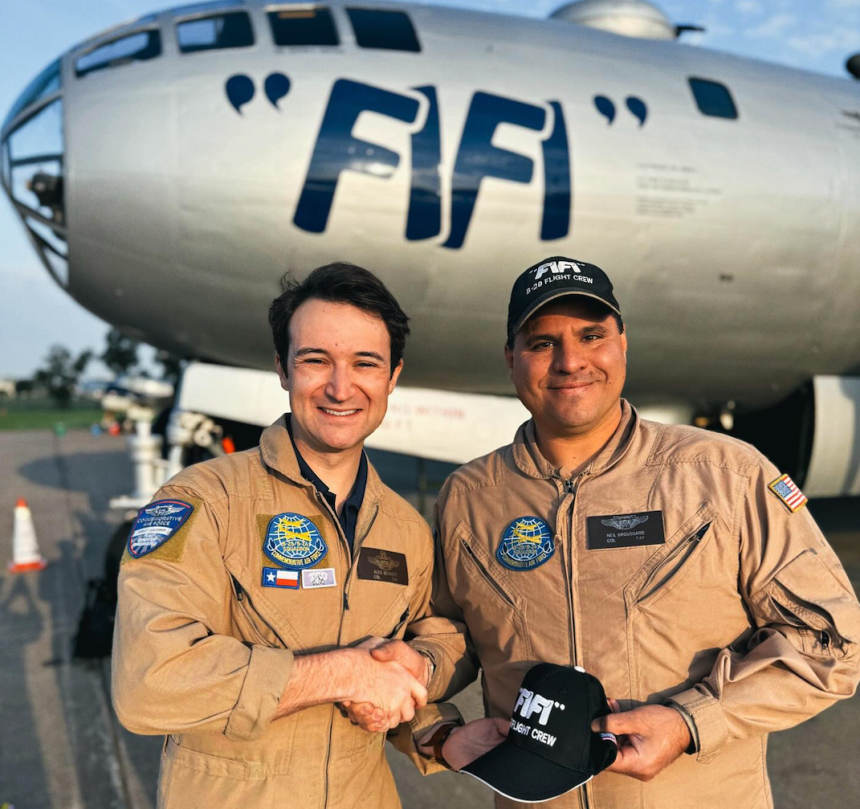

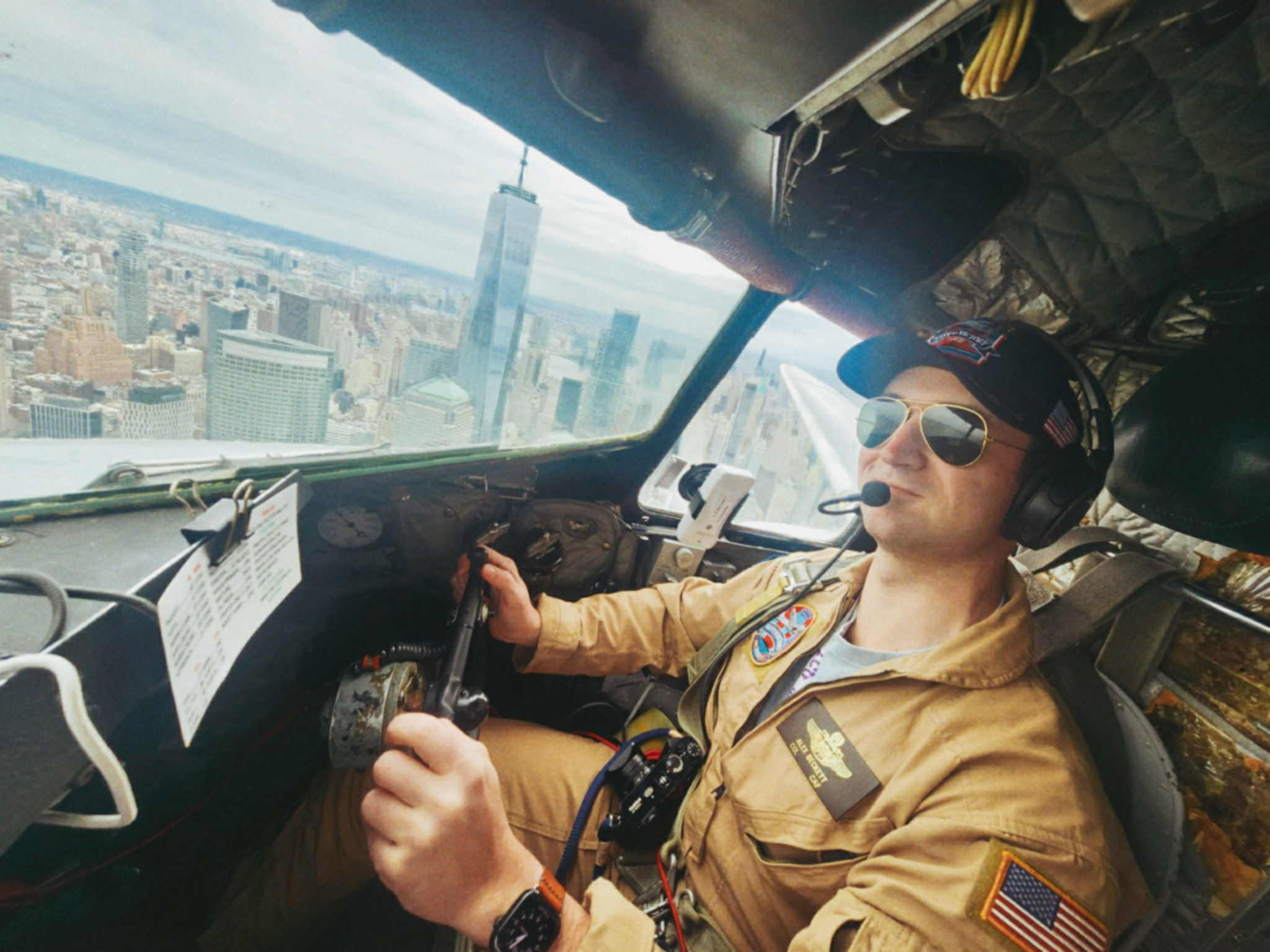
At just 27 years old, Alex Beckett has achieved what few pilots can claim: he is currently the youngest pilot of a flying B-29 Superfortress. Most B-29 aircrew during World War II were between 19 and 25 years old, though some were even younger, making Beckett’s connection to the aircraft all the more poignant. Balancing a career as a first officer on a commercial 737 with his passion for warbirds and vintage aircraft, Beckett’s story is one of determination, timing, and a deep love for aviation.
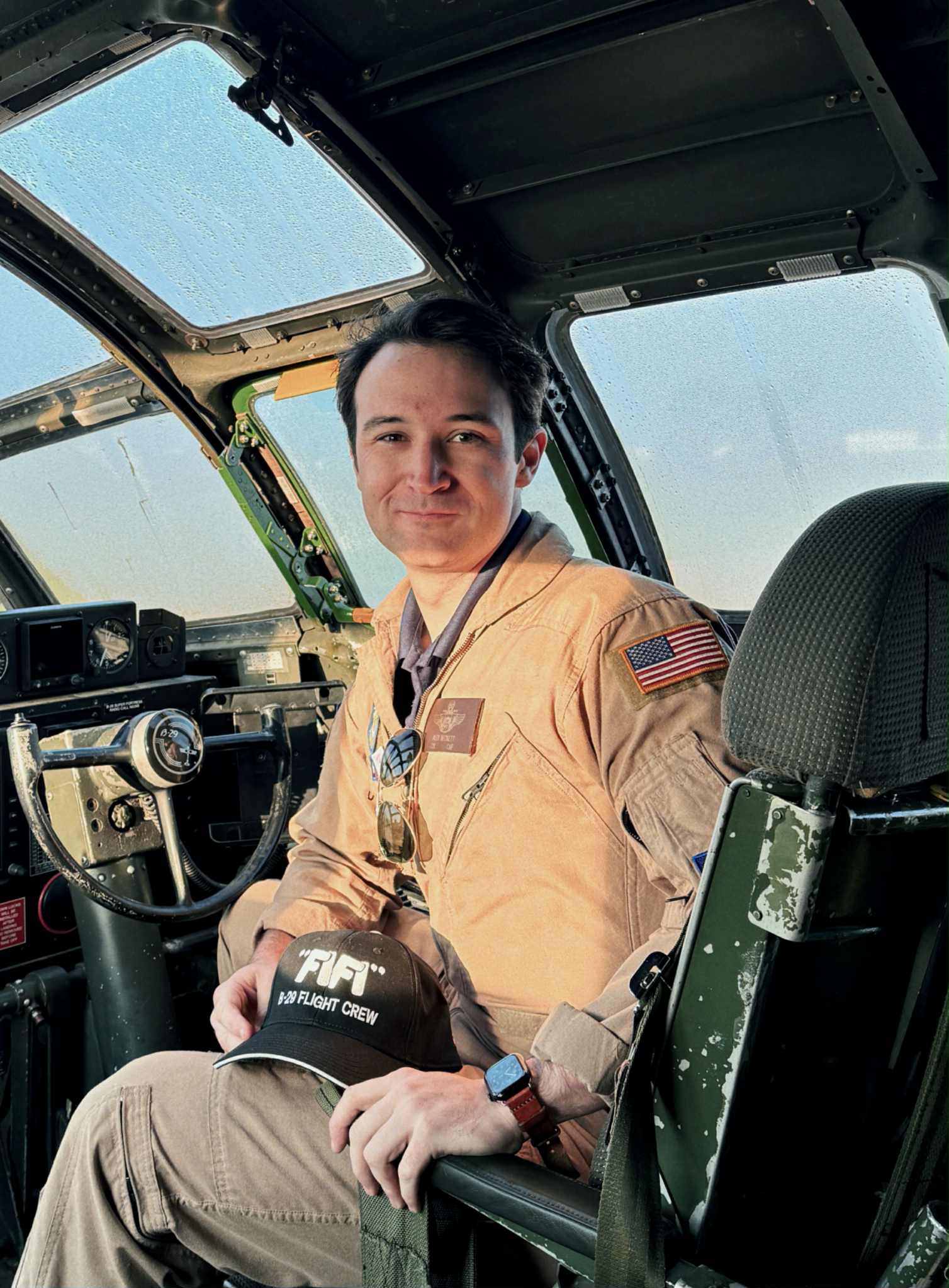
Beckett’s journey began like that of many in his generation: with Microsoft Flight Simulator. “I always had a passion for aviation, but I thought you had to be in the military to fly professionally, and I didn’t meet the 20/20 vision stereotype,” he recalls. It wasn’t until 2018, after taking a flight with his mother—her first passenger after earning her private pilot license—that he realized a civilian path to professional flying was possible. By early 2019, he had earned his private pilot license, followed by an instrument rating later that year.
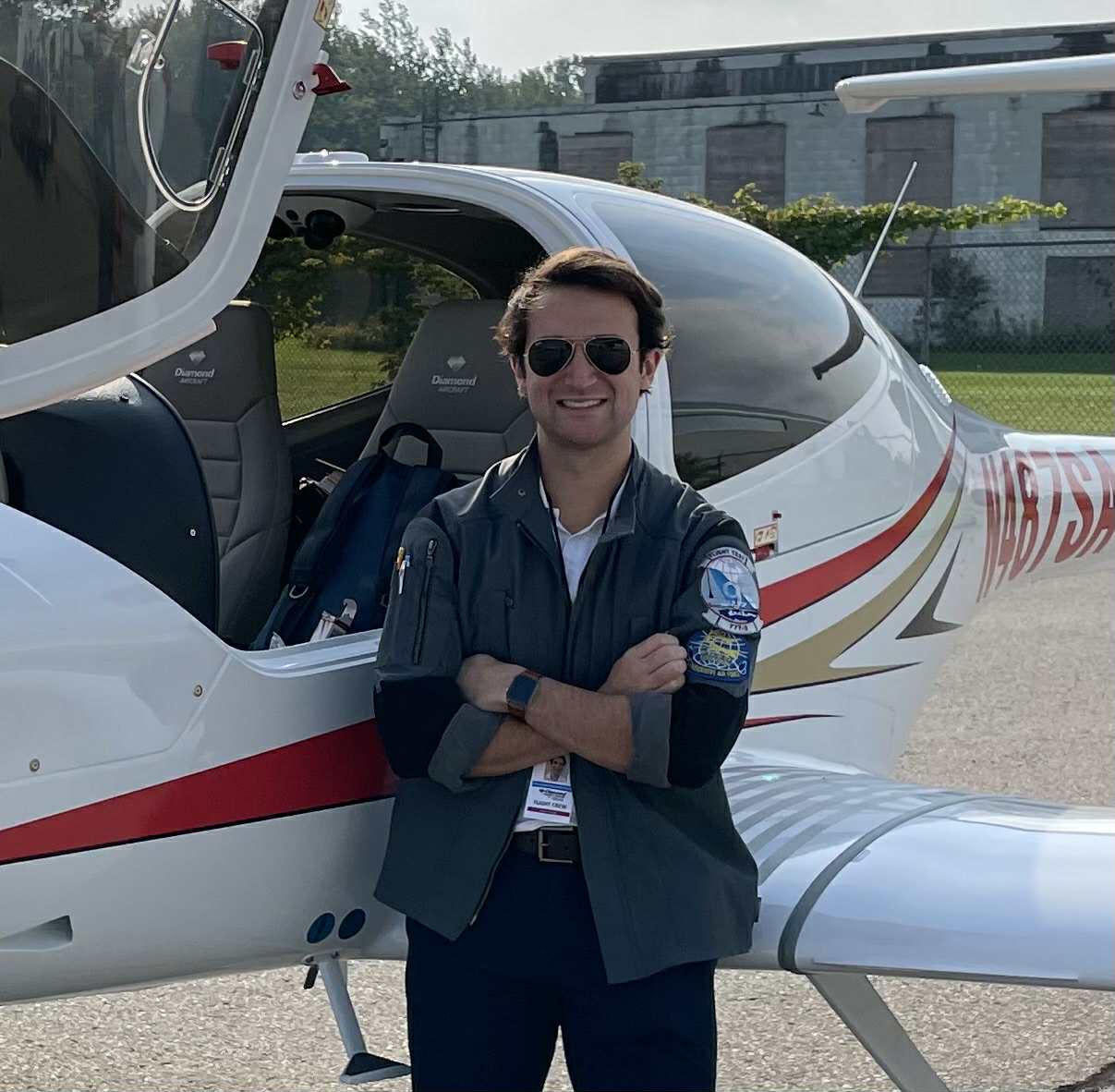
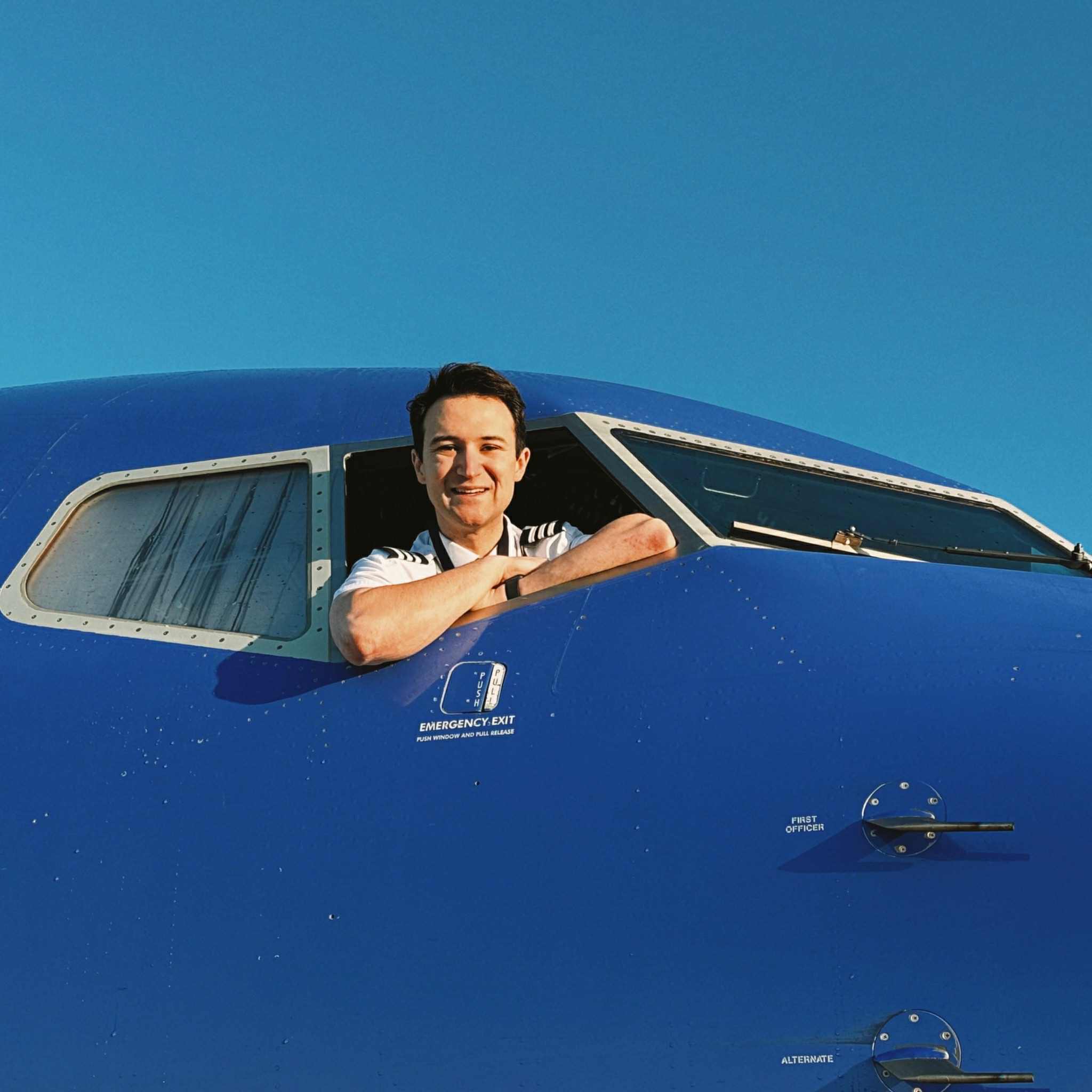
The onset of the COVID-19 pandemic in 2020 coincided with Beckett’s pursuit of a commercial pilot certificate and flight instructor ratings, challenging his resolve as the airline industry collapsed almost overnight. “I kept going, got my CFI, CFII, and commercial multi-engine rating that year, and I’m glad I did,” he says. Beckett’s persistence paid off: after instructing and logging extensive flight hours, he joined his first airline in 2022, flying the ERJ 170/175. He then transitioned to a 767 operation for Amazon, before joining his current airline in 2023. His route to the airlines was unconventional, he notes, but perfectly timed with a period of unprecedented hiring.
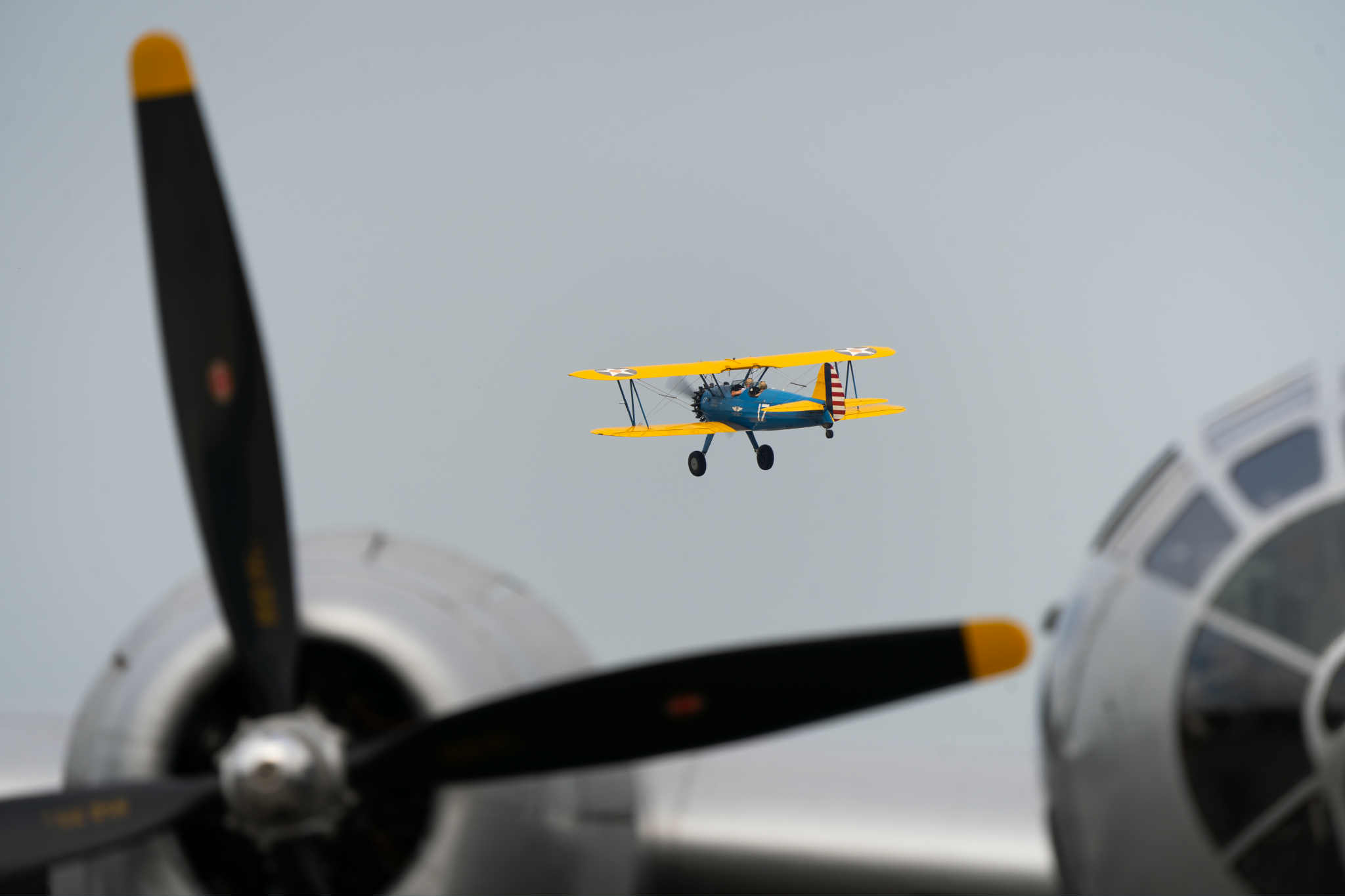
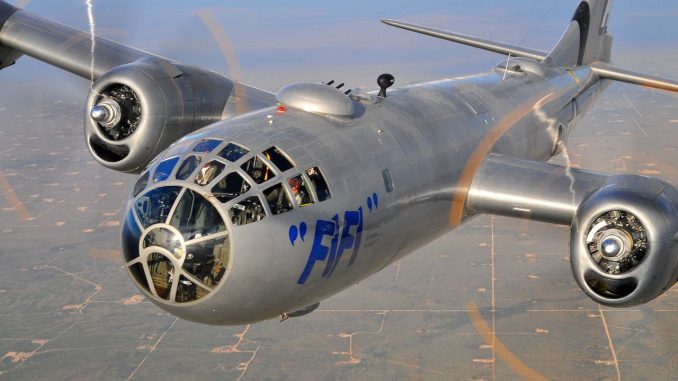
Beckett’s interest in vintage aviation and warbirds developed alongside his professional journey. In 2018, while a student pilot, he attended the Wings Over Dallas airshow. A ride in a Stearman biplane—and later in the B-29 FIFI—left a profound impression. “It was emotional and inspirational to sit in the B-29 and realize men my age during WWII flew missions in this airplane, and some didn’t come back,” he reflects. The experience highlighted the Commemorative Air Force’s mission to preserve living history. Motivated by that encounter, Beckett joined the CAF’s B-29 and B-24 Squadron just a week later, committing to the volunteer work that would ultimately pave the way to flying FIFI.
The Commemorative Air Force and Living History
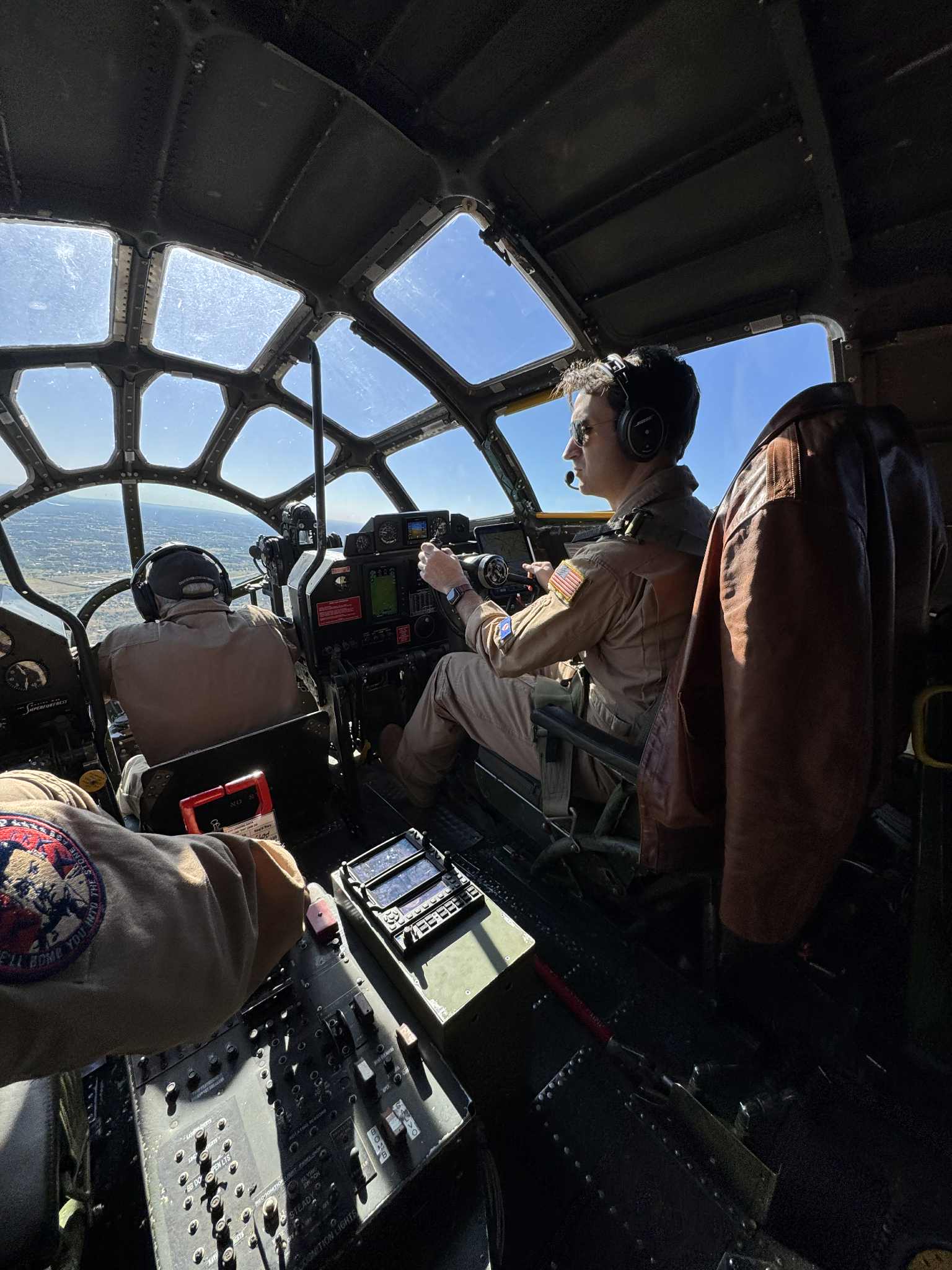
Beckett’s involvement with the CAF reflects the organization’s emphasis on volunteerism, airmanship, and stewardship. “These airplanes are national treasures,” Beckett notes. “You can’t just walk in and fly one. You have to respect the history, the aircraft, and the people who built and flew them.” The B-29 Superfortress, a technological marvel of its time, played a pivotal role in World War II and the early Cold War. Introduced in 1944, it was one of the most advanced bombers of the era, featuring pressurized cabins, remote-controlled gun turrets, and powerful Wright R-3350 engines. Famously, B-29s were the aircraft that carried out the atomic bomb missions over Hiroshima and Nagasaki, marking the end of the war in the Pacific. Flying such a historically significant aircraft, Beckett says, is both a challenge and an honor. “Flying the B-29 is unlike anything I’ve ever flown. The takeoffs, landings, and systems management are incredibly complex, but once you get it airborne, it flies like a Boeing,” he says.
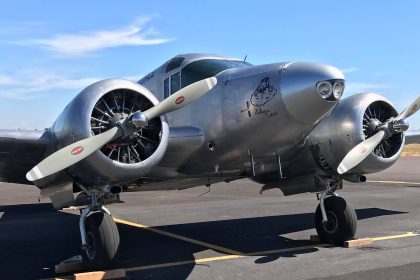
The R4D, the Navy designation for the Douglas DC-3/C-47 Skytrain, also holds historical significance. These aircraft were the backbone of Allied logistics during World War II, transporting troops, cargo, and performing critical missions, including paratrooper drops on D-Day. Beckett’s experience flying an R4D, including an Atlantic crossing to England, allowed him to connect directly with that history. “Flying over the Atlantic in a vintage aircraft for the first time was a bucket-list moment,” he says. “You realize you’re not just flying an airplane—you’re part of a story that shaped the world.”

Mastering the B-29
Flying a B-29 requires not only skill but also dedication and patience. Beckett emphasizes the importance of volunteering, consistent presence in the hangar, and mastering smaller warbirds before moving to multi-crew bombers. CAF regulations require pilots to meet strict minimum flight hours, including hundreds of hours as pilot-in-command in multi-engine aircraft. Beckett’s path included extensive time in the Stearman, proficiency in multi-crew operations, and a rigorous checkout under Mark Novak, one of the most experienced B-29 instructors in modern history.
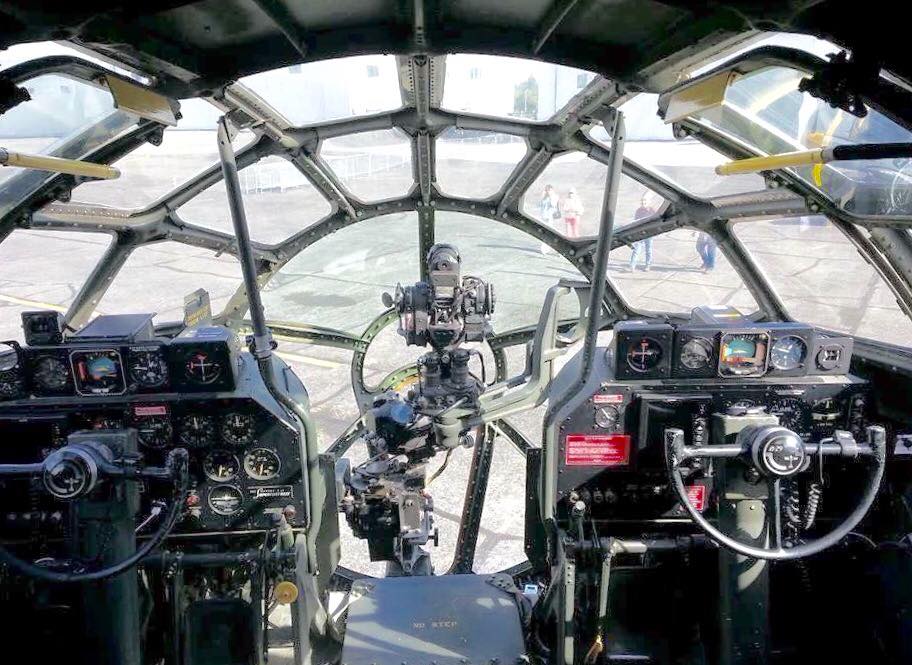
The aircraft itself presents unique challenges. Without nose wheel steering, the B-29 demands precise control during takeoff and landing. Curved glass and metal framing in the cockpit create parallax effects, limiting visibility. Engine management, particularly during takeoff, requires careful coordination to maintain directional control. “Landing the B-29 is delicate,” Beckett explains. “Too much flare, and you hit the tail; too little, and you hit the nose wheel. There’s maybe a 3–5 degree window.” Despite these challenges, Beckett praises the airplane’s handling: “Once airborne, it’s remarkably smooth. Flying a B-29 reminds me of modern Boeing in terms of responsiveness and system design.”
Looking Ahead
Despite already achieving remarkable milestones, Beckett remains focused on growth. Professionally, he aims to upgrade to captain and potentially become a check airman. In the world of vintage aviation, he hopes to fly additional warbirds, including fighters like the P-51 Mustang, log more hours in the T-6 Texan, qualify in the B-24 once it returns from maintenance, and serve as pilot-in-command on the DC-3 and R4D.
“Having goals and continuing to learn is critical,” Beckett says. “Whether it’s professional or personal flying, you can’t stop growing. That’s how you maintain proficiency, airmanship, and safety.” From a student pilot uncertain about his future to the youngest living pilot of a B-29 Superfortress, Alex Beckett’s story is a testament to the enduring power of passion, dedication, and respect for history. Through his work with the Commemorative Air Force, he not only preserves the legacy of these iconic aircraft but also honors the generations of pilots who flew them in service of their countries.