
(Image credit: VAN)
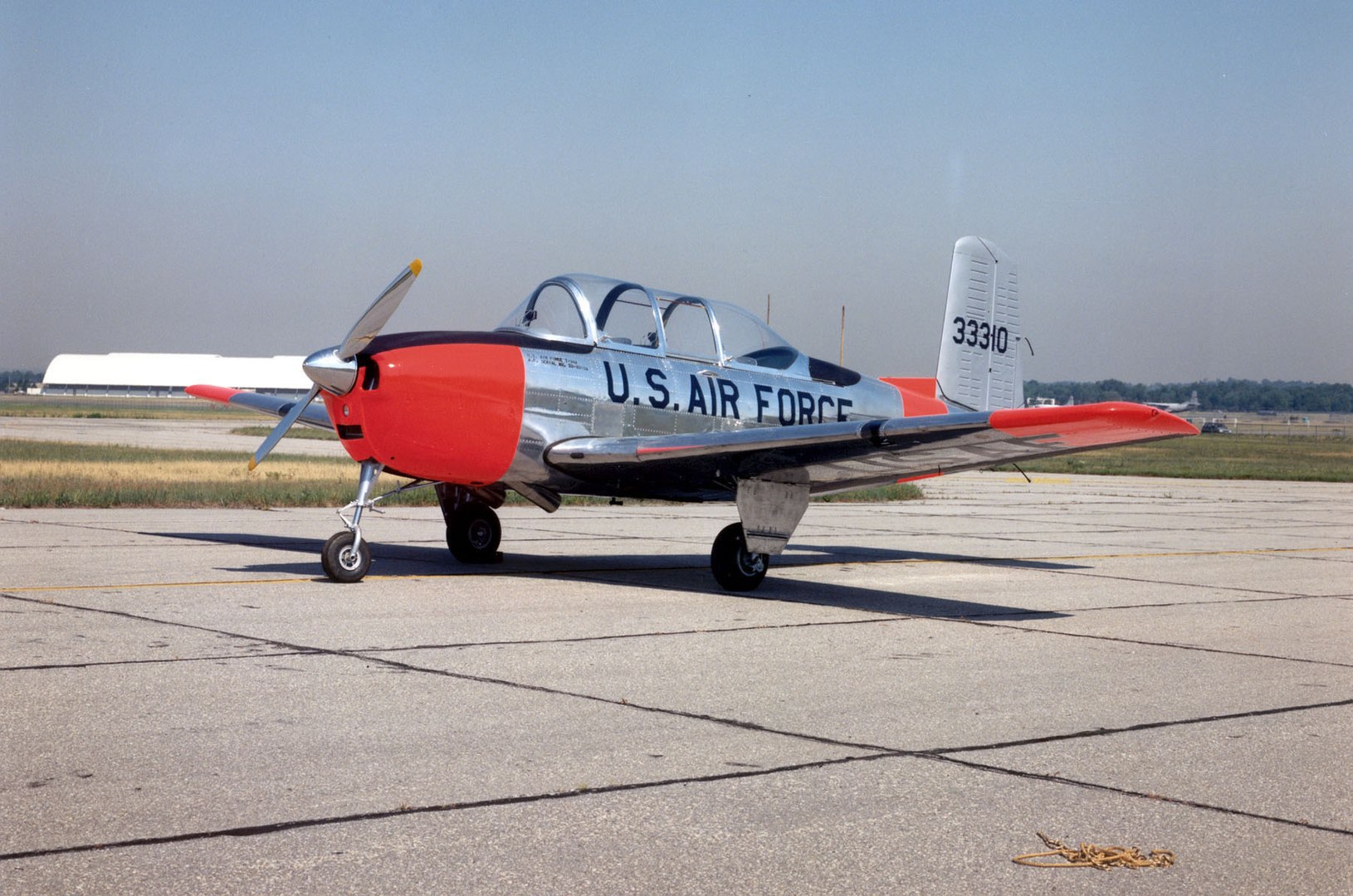
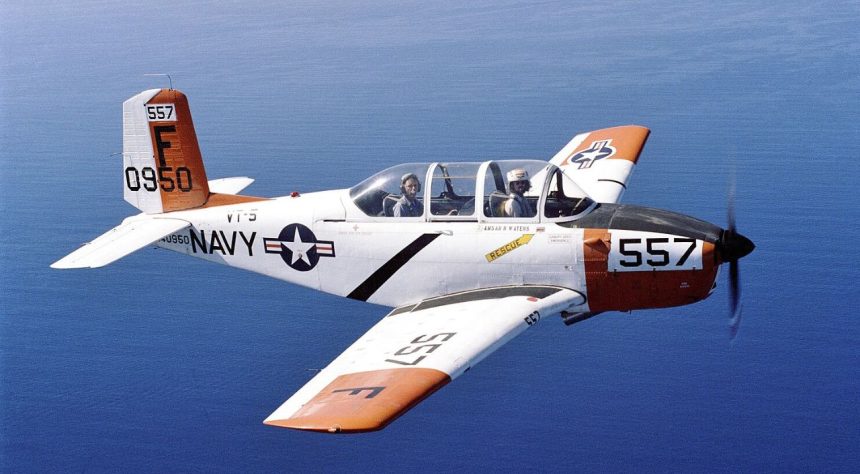
On this day in aviation history, 77 years ago (December 2, 1948), the first flight of the Beechcraft T-34 Mentor took place. The T-34 is an American-designed and built single-engine military training aircraft. Beechcraft developed the Mentor from its popular Model 35 Bonanza general aviation aircraft. When the T-34 first arrived on the scene, it was powered by a 225-horsepower Continental O-470 engine. The T-34C saw the Mentor receive a powerplant upgrade to the Pratt & Whitney Canada PT6A-25 turboprop, which provided 550 shaft horsepower.
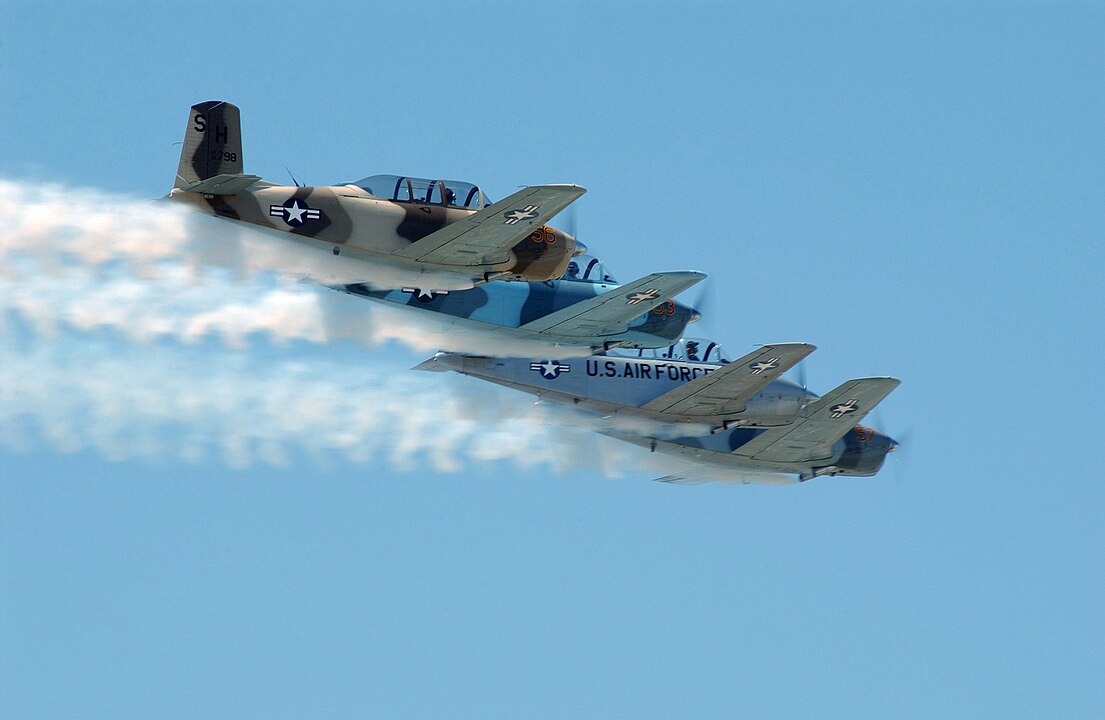
Walter Beech, the founder of Beechcraft, had daydreamed often about creating a military trainer that was based on his Bonanza design. At the time, the military had no defense budget for a new training aircraft. So, Beech decided to develop a trainer as a private venture, named the Model 45. It was the hope and plan of Beechcraft that this Model 45 would prove to be more economical than the North American AT-6 Texan, which was currently being flown by the military as a trainer. Eventually, the T-34 was adopted by both the US Air Force (in 1953) and the US Navy (1955). An export version was also built, going on to serve with the Japan Air Self-Defense Force and the Republic of China Air Force.
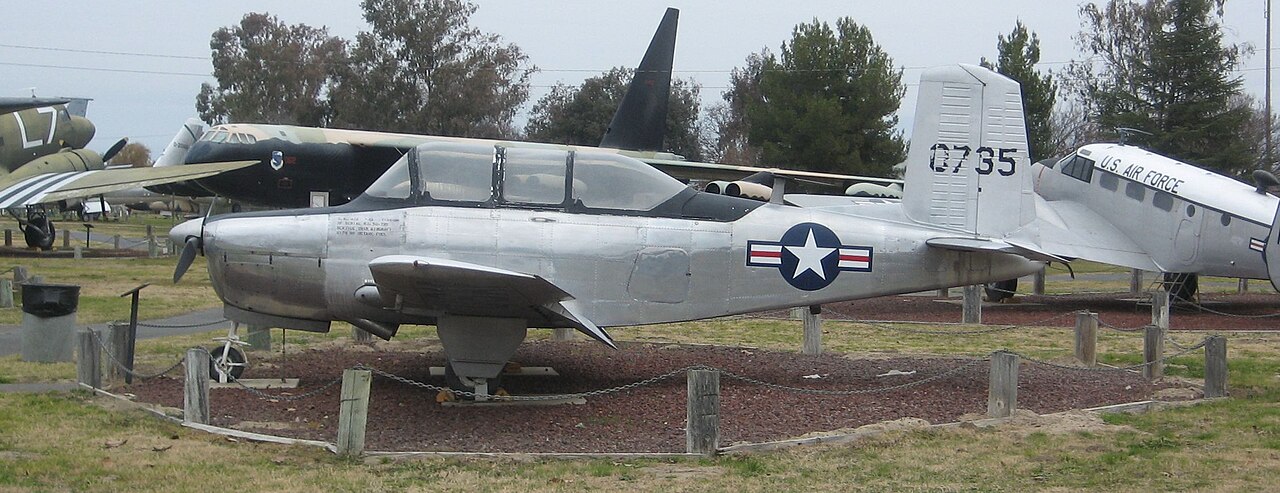
The Beechcraft T-34C Mentor, powered by the P&W PT6A, is able to attain a cruise airspeed of 246 miles per hour, while Vne (Never Exceed Speed) is 320 mph. The aircraft has the capacity for 130 US Gallons of fuel and has a range of 708 nautical miles. Service ceiling is set at 30,000 feet, while the T-34C’s rate of climb is 1,480 feet per minute. The Mentor can withstand between +6 and -3Gs, making the aircraft a perfect platform for military training, with the ability to withstand introductory aerobatics and combat maneuvers. T-34Cs can be fitted with 1,200 pounds of armament total, on the 4-hardpoints underneath the wings.
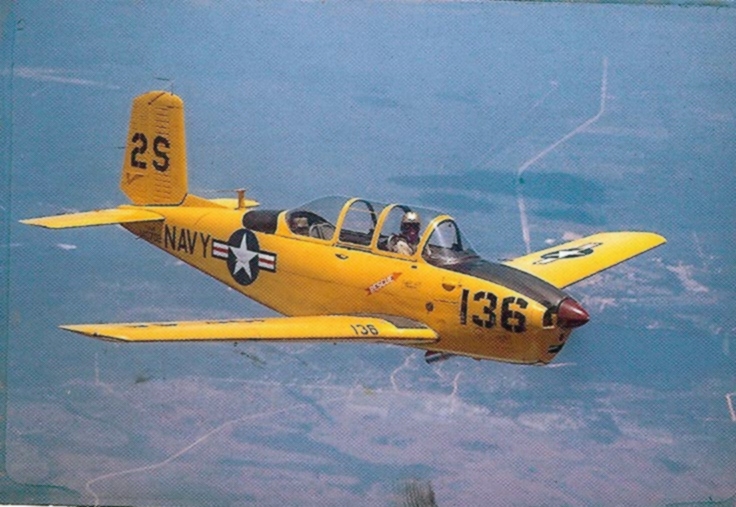
Between 1953 and 1959, and again from 1975 to 1990, Beechcraft built a total of just over 2,300 T-34s. The Mentor has been retired from military service in the United States, but many examples of the T-34 are still flying on the airshow circuit today.