






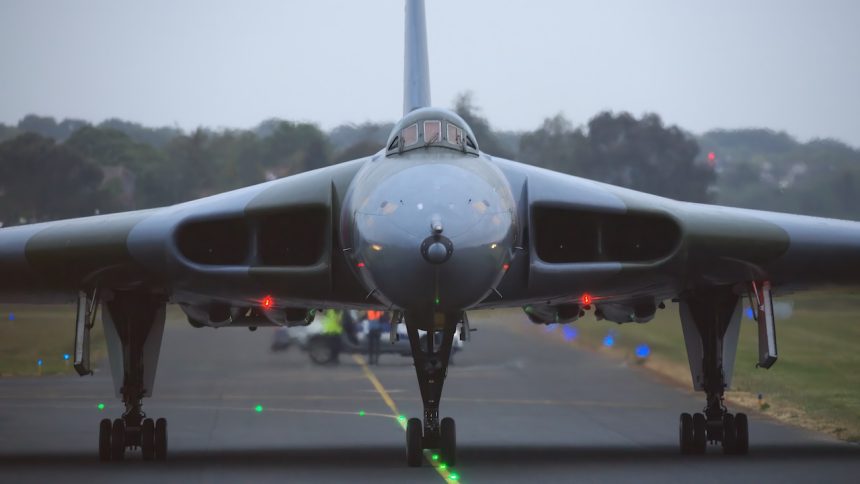

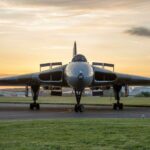
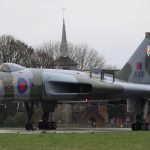
Following the grounding of Avro Vulcan XH558 (G-VLCN) in October 2015, the chances of seeing an Avro Vulcan in the sky again are, unfortunately, next to zero. Among the 19 surviving airframes, three Vulcans scattered around the UK remain in taxiable condition, all offering the public the chance to see and hear the type up close on the ground, albeit in a non-airworthy capacity. This is exactly what XL426 has done since 1995 in the hands of the Vulcan Restoration Trust (VRT), based at London Southend Airport. A handful of times each year, the four Rolls-Royce Olympus engines are fired up, and the old girl comes back to life.
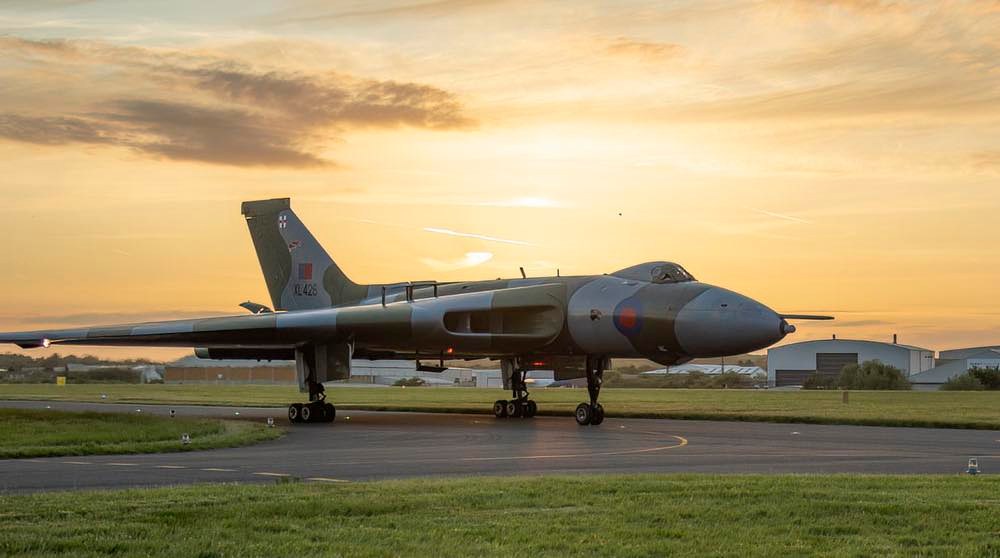
When the type was withdrawn from active service in 1984, the RAF established the Vulcan Display Flight (VDF) to continue performing public air displays owing to the Vulcan’s immense popularity. XL426 and XH558 were the two aircraft allocated to the VDF, and they continued to wow crowds until the unit was disbanded in September 1992 due to Ministry of Defence budget cuts. XL426 performed its final public display on June 14, 1986, before being sold to Roy Jacobsen, who had also purchased XM655 two years earlier. XM655, the third taxiable Vulcan, is based at Wellesbourne Mountford Airfield in Warwickshire. With the intention of forming a civilianized version of the VDF, to be known as the Vulcan Memorial Flight, both ‘426 and ‘655 remained in somewhat airworthy condition until plans to return them to the air deteriorated through lack of funding. As a result, both aircraft remained at their respective airfields.
(Image credit: Aviation Highlights)
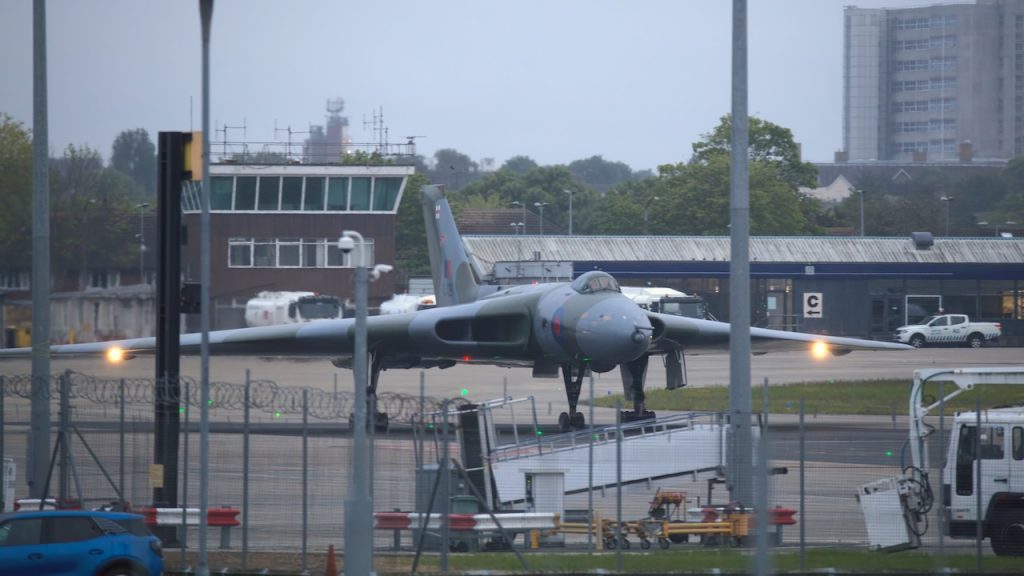
In March 1990, the Vulcan Memorial Flight Supporters Club (VMFSC) was established by local enthusiasts to support the maintenance of XL426 before Jacobsen transferred ownership of the aircraft to the VMFSC in 1993. The club was subsequently renamed the Vulcan Restoration Trust and became a registered charity in 1996. Since then, the trust has remained integral to the upkeep of the aircraft, hosting a wide range of annual events, from dinners and cockpit tours to concerts and taxi runs. These events remain hugely popular and directly fund the considerable costs of operating and maintaining this magnificent bomber.
(Image credit: Aviation Highlights)
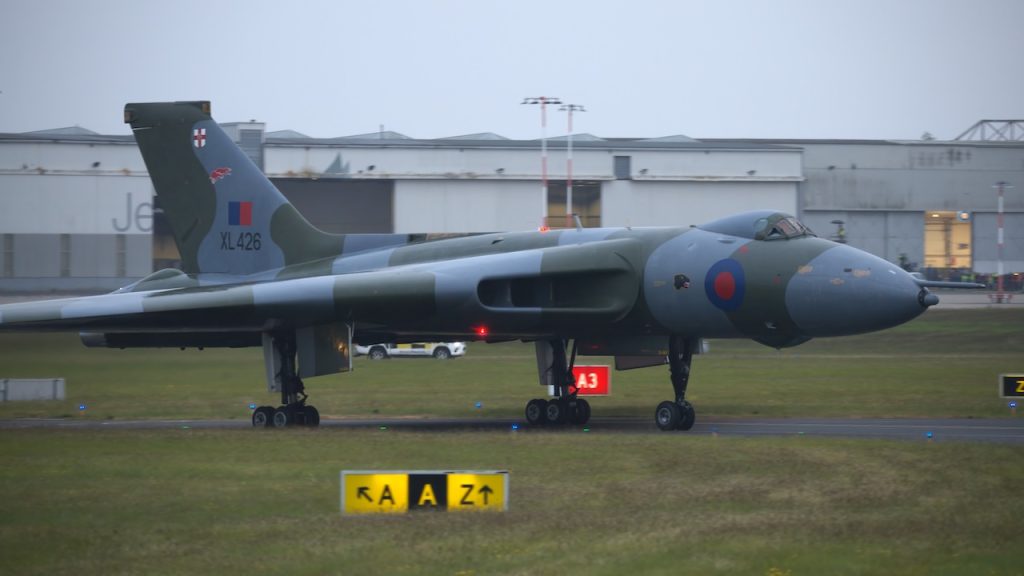
The taxi run events organized by the VRT allow XL426 to venture down the runway at Southend twice in the direction of active circuit traffic. The first taxi is a slow lap of the airfield until the aircraft reaches the closest point on the runway to the hangar in which it is housed. It then turns slightly toward the crowd before the throttles are advanced to full power, each engine generating approximately 20,000 pounds of thrust as the Vulcan howls while stationary on the runway.
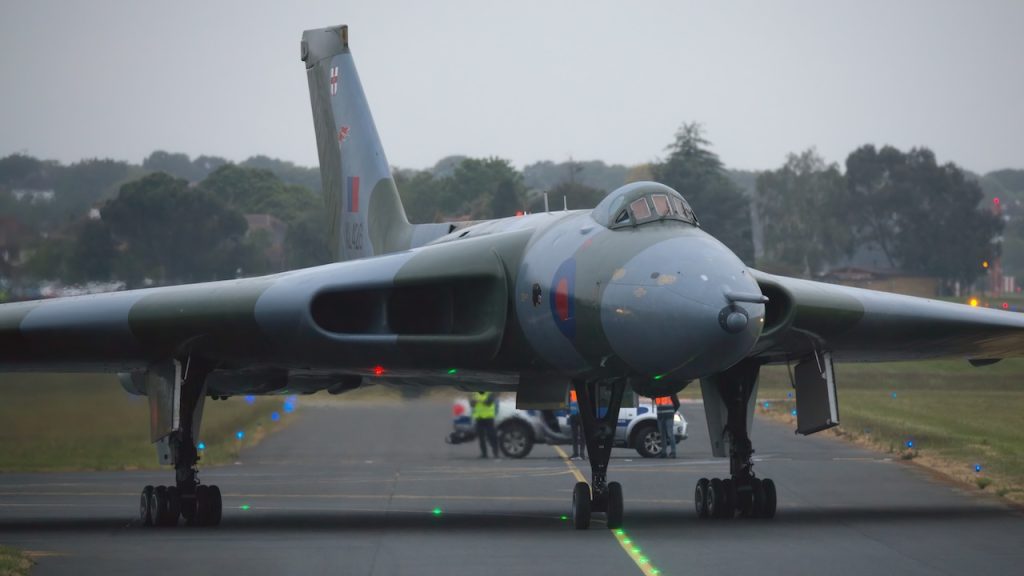
(Image credit: Aviation Highlights)
Finally comes the main event: XL426 taxis out and lines up on the runway. The pilot holds the brakes and gently eases the four throttles forward. For around ten seconds, it genuinely feels as though she might fly again — the rest is left to the imagination once your ears stop ringing. The Vulcan accelerates to approximately 80 knots (92 mph), howling all the way until the throttles are returned to idle and the Cold War relic begins to bleed off speed.
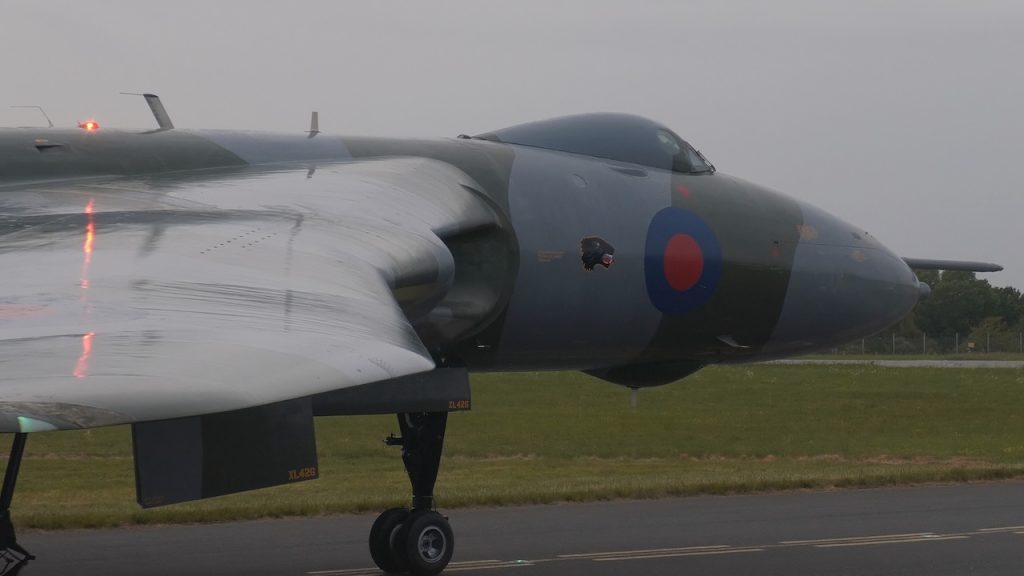
(Image credit: Aviation Highlights)
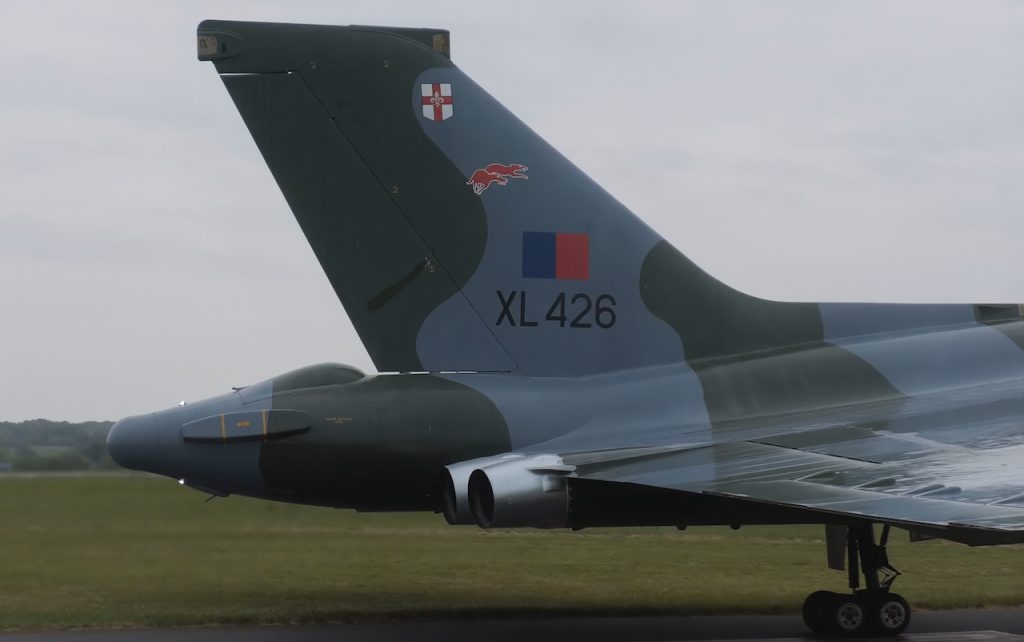
(Image credit: Aviation Highlights)
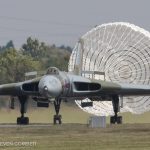
The famous “Vulcan howl” is caused by airflow interactions between the engine intakes and compressor system, particularly at high power settings. The closely arranged Rolls-Royce Olympus engines, buried deep within the wing roots, create a powerful acoustic tone that results in one of the most recognizable sounds in aviation — a feature conceived entirely by accident. At sunset on Saturday, May 23, 2026, spectators were treated not only to the parachute deployment but also to the lifting of the nose, demonstrating the aerodynamic braking maneuver routinely used by Vulcan pilots to reduce wear on the wheel brakes after landing. XL426 then returned to the hangar to be tucked away for the night, ready for the next event on Father’s Day in June.
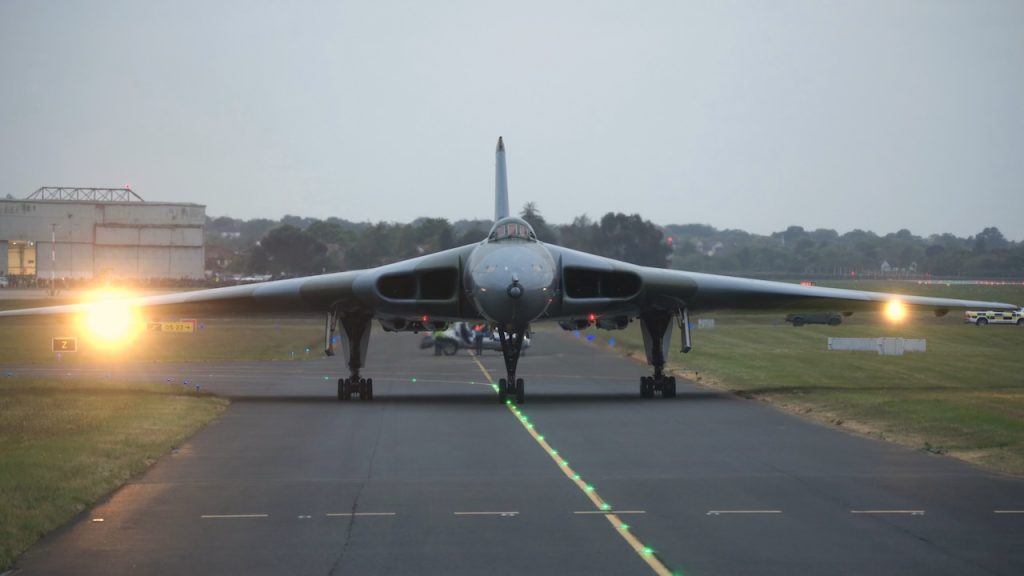
(Image credit: Aviation Highlights)
The trust aims to keep XL426 operational as a ground-running aircraft for at least the next twenty years, and although a Vulcan will probably never fly again, these taxi runs have undoubtedly proved to be the next best thing. The next Vulcan taxi experience at Southend will take place on September 12, with further details available here: https://avrovulcan.com/events/vulcan-summer-taxi-run-2026





I was lucky enough to be working as a contractor based at carlise airport with my trailer workshop based on the airport land the Vulcan lads used come in to the workshop and have a chat & cuppa, i was mad on planes being a apprentice at Hawker Siddney Broughton Chester,one day they invited me to look around and inside the Vulcan and to my shock and delight they fired up the Rolls Royce engines Wow Wow how special was that,various RAF aircraft used to pass over the airport and do a impronto air displays what a contract that was based there.
Congratulations on getting Xl426 doing taxi runs
Why ca nt they get XH558 to do the same. It’s all such a shame that the CAA grounded such a unique and truly British Aircraft.
I worked at RAF Finningley (Doncaster) when they were consistently on 4 minutes alert. One day we heard them take off, very quick. A few minutes later 2 Canberra’s tore across the empty airfield and came right above us lower than the hanger roof. The noise was tremendous. Some RAF lads later told us it was an exercise with the Canberra’s coming from Norway trying to catch them out. They missed.
Such a beautiful aircraft. They should still be flying.