






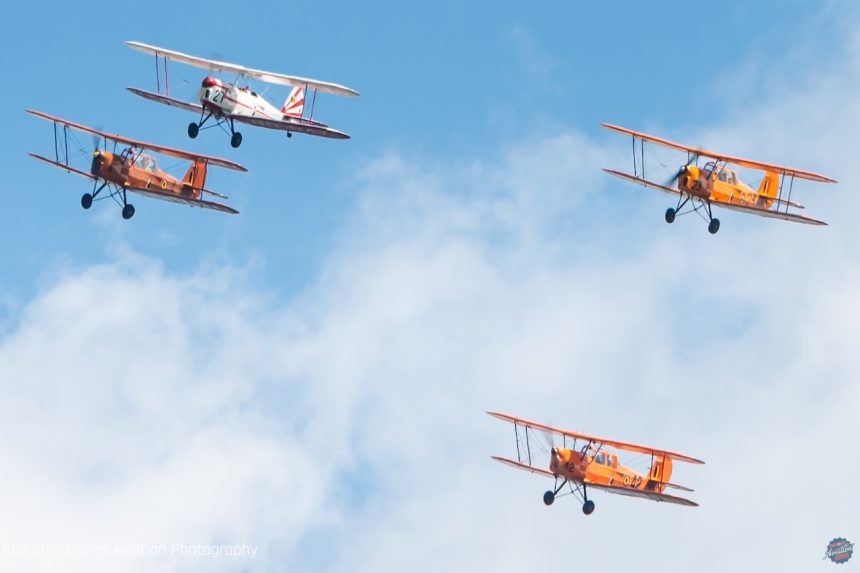

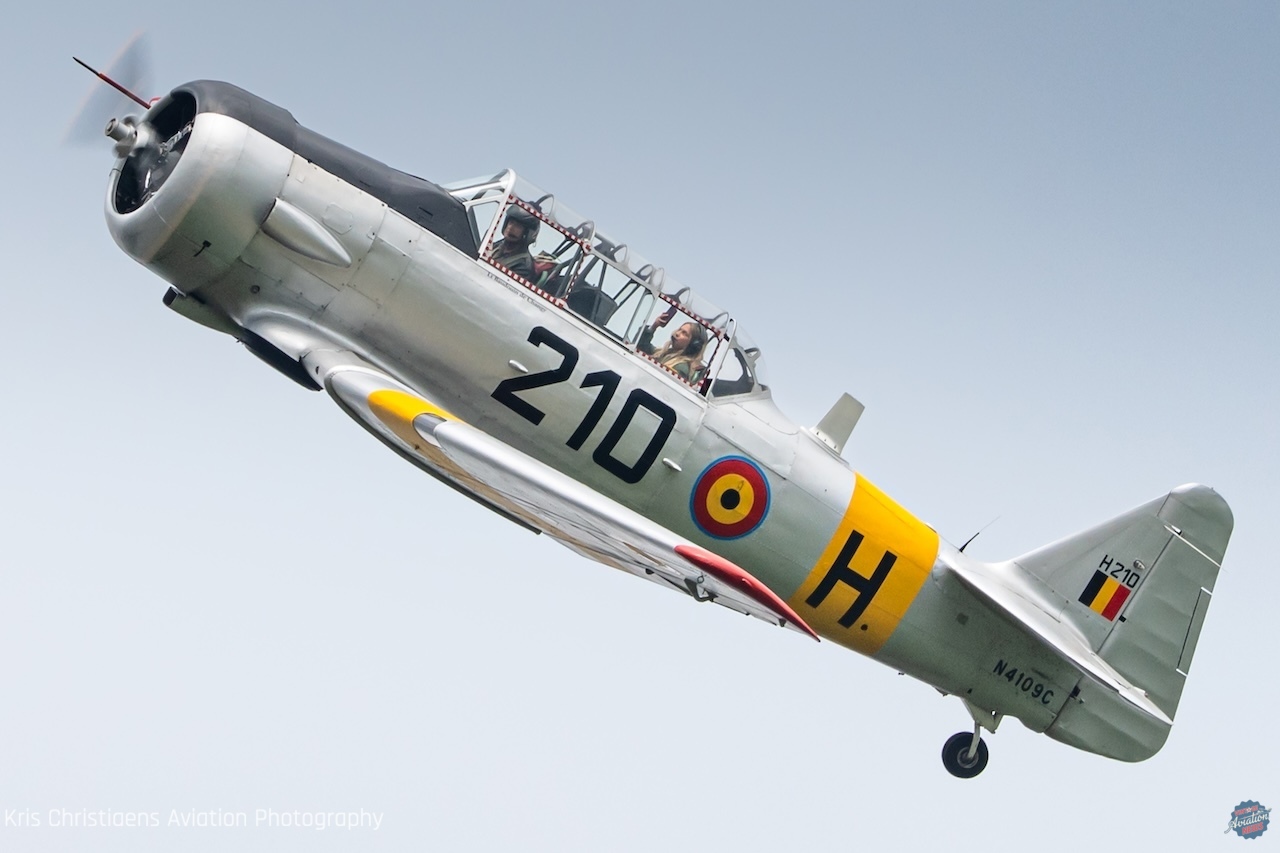
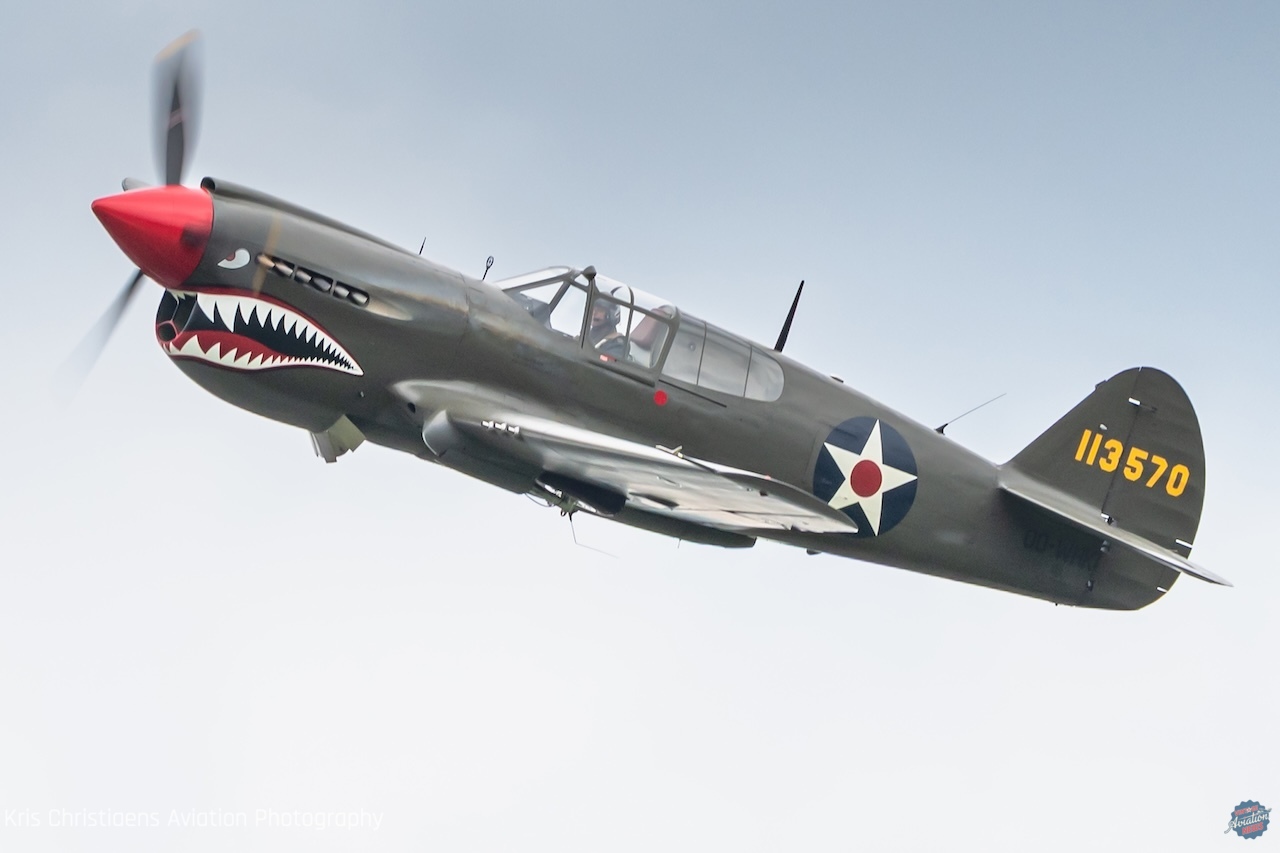
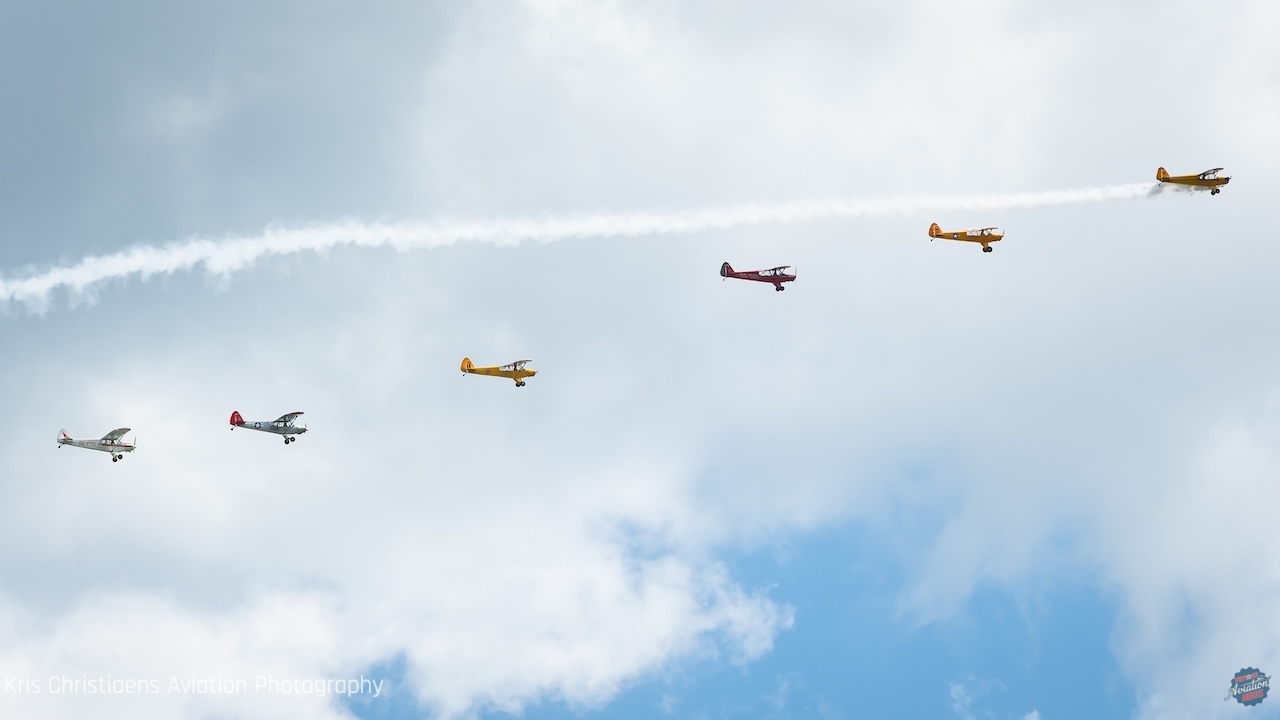
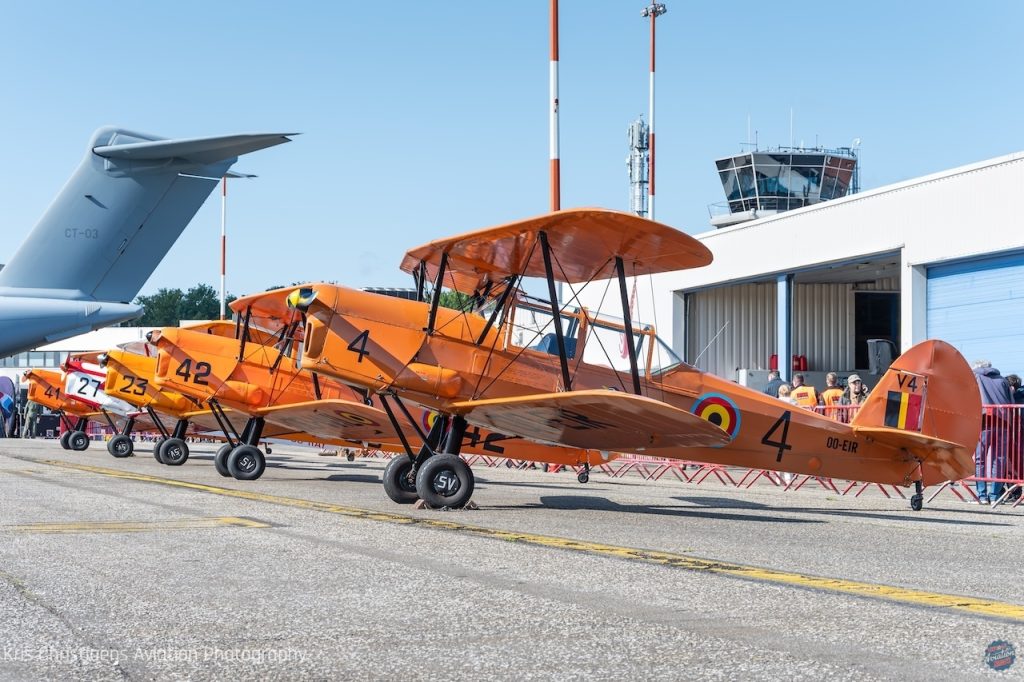
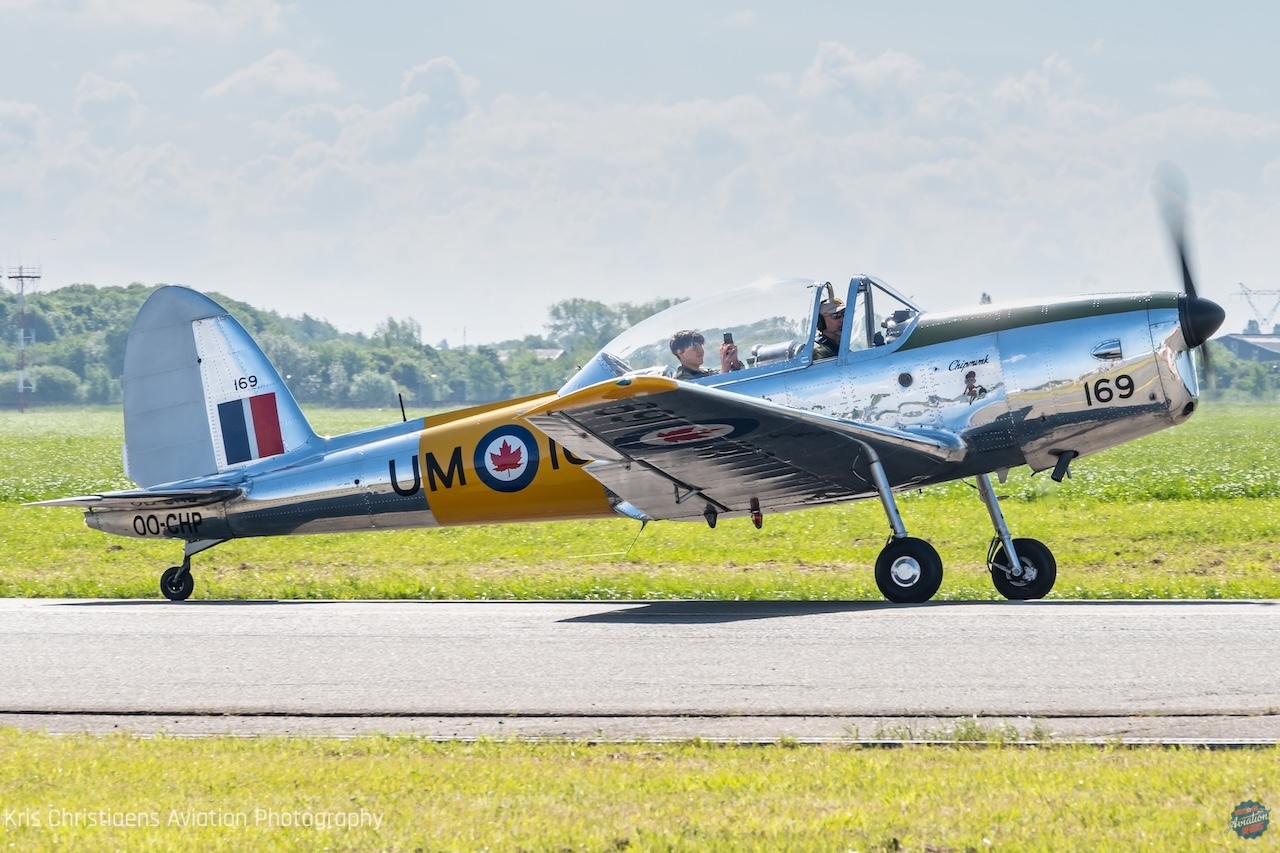
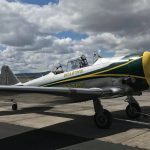
The Stampe Forever Fly-In returned to Antwerp Airport on May 16 and 17, 2026, after a one-year break. For the 31st time, the grounds where Stampe & Vertongen once designed their famous aircraft were filled with SV-4 biplanes and a fine mix of other classic machines. Over two days, around fifty aircraft were on display — some up close on the ground, others taking to the skies. The SV-4 biplanes were, of course, the main attraction. Built in the 1930s and once used by the Belgian Air Force to train young pilots, these graceful machines carry a genuine piece of Belgian aviation history with them. Alongside them, visitors could admire a varied selection of Piper Cubs, de Havilland Canada DHC-1 Chipmunks, and some true crowd-pleasers: a Supermarine Spitfire, a Curtiss P-40 Warhawk, and a T-6 Texan.
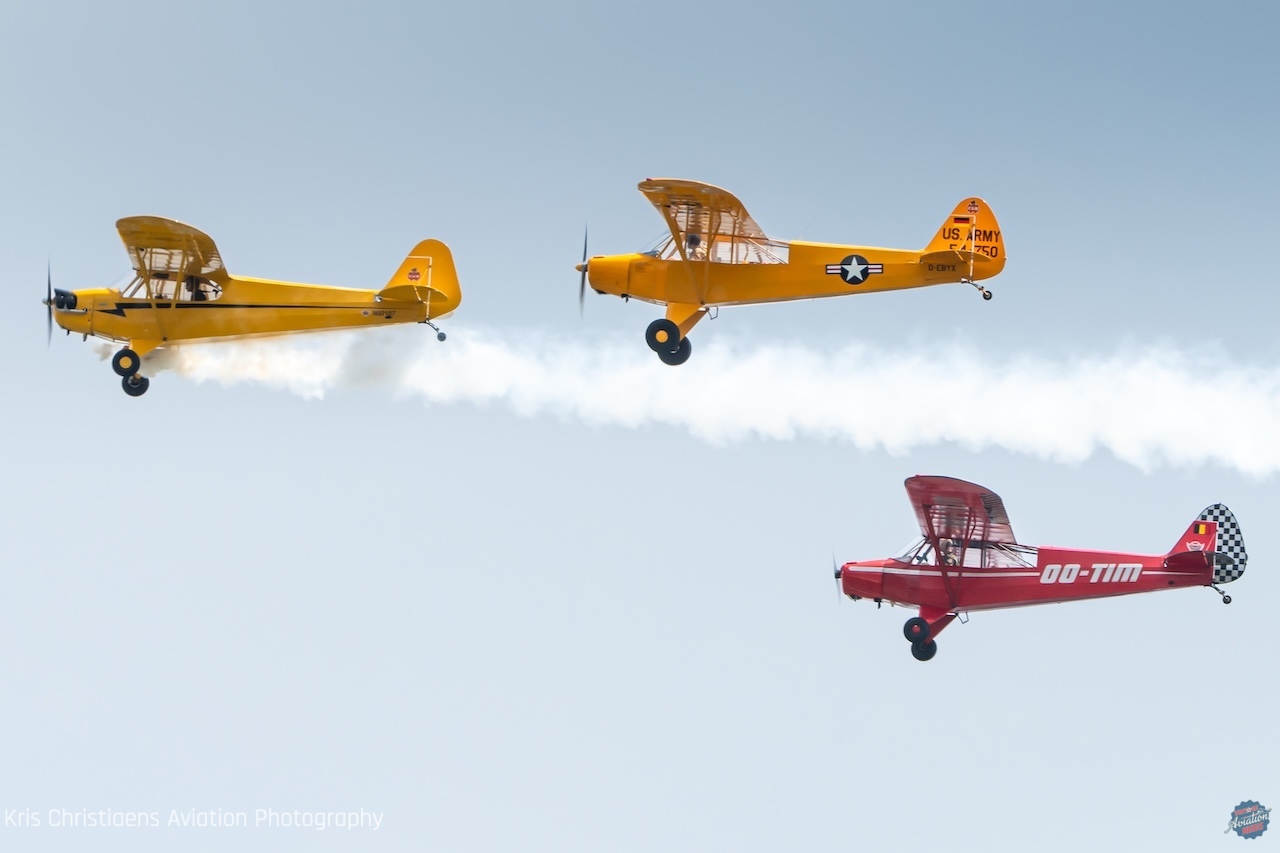
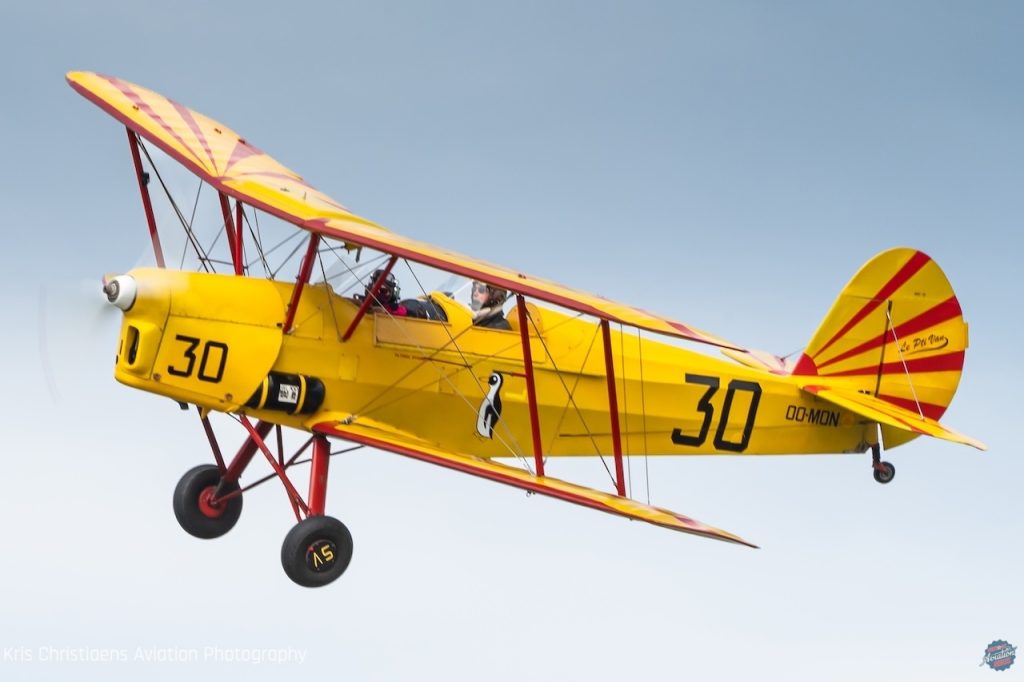
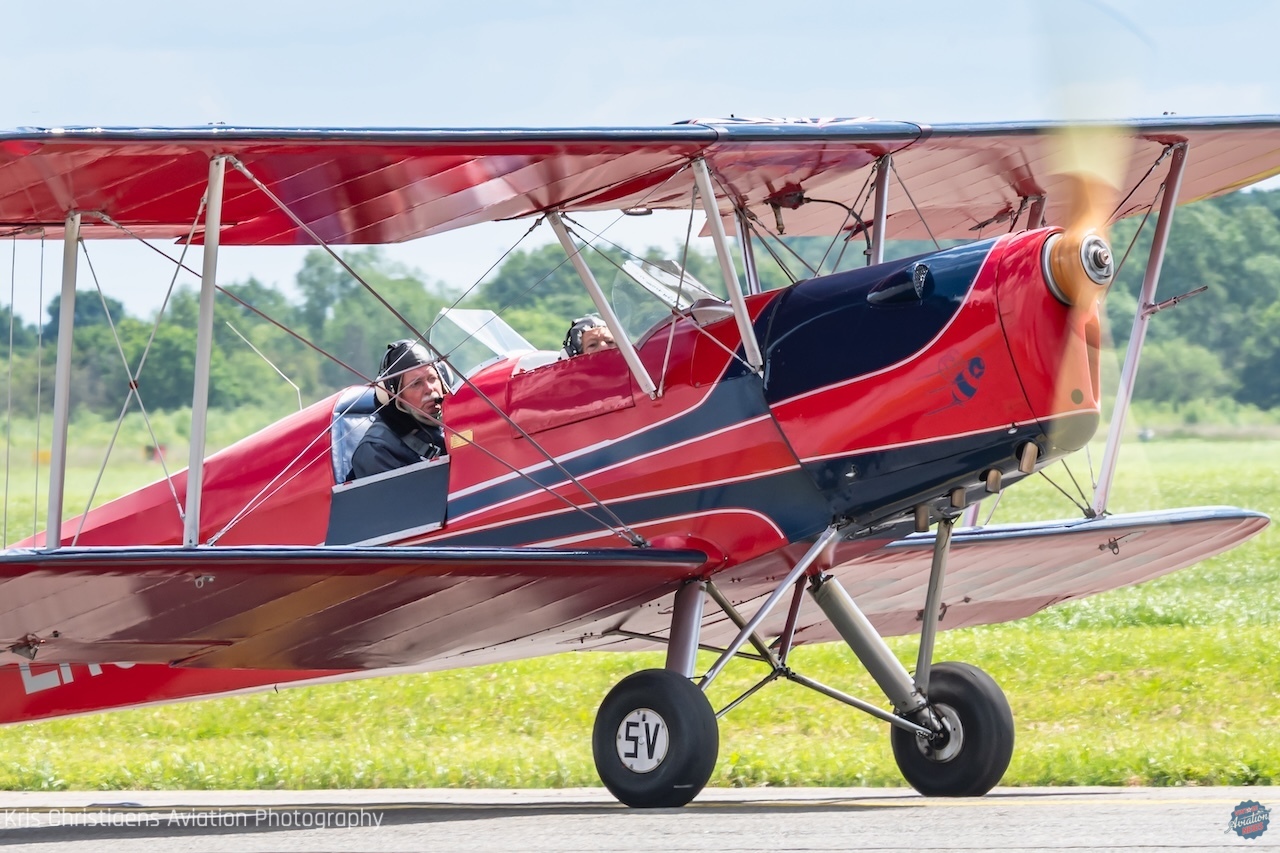
The entire event revolved around Belgium’s aviation heritage, and visitors clearly appreciated it. More than 4,000 people attended over the weekend, proving that smaller, more focused events can be just as rewarding as the major airshows — sometimes even more so. There is something about being this close to historic aircraft that no museum display can fully replicate. For the vintage aircraft community and aviation photographers in Belgium, this was easily one of the standout weekends of the year. On May 17, 1933, something quietly remarkable rolled out of the Deurne factory. The SV-4 did not look extraordinary at first glance — wooden wings, fabric covering, a standard biplane layout — but once airborne, it quickly revealed itself as anything but an ordinary trainer. Ailerons on both the upper and lower wings gave it a roll response that made many contemporary aircraft seem sluggish. It was stable enough for a nervous student on their first solo flight, yet agile enough for aerobatics, and it never concealed what it was doing. It was an honest, capable aircraft in every sense.
(Image credit: Kris Christiaens)
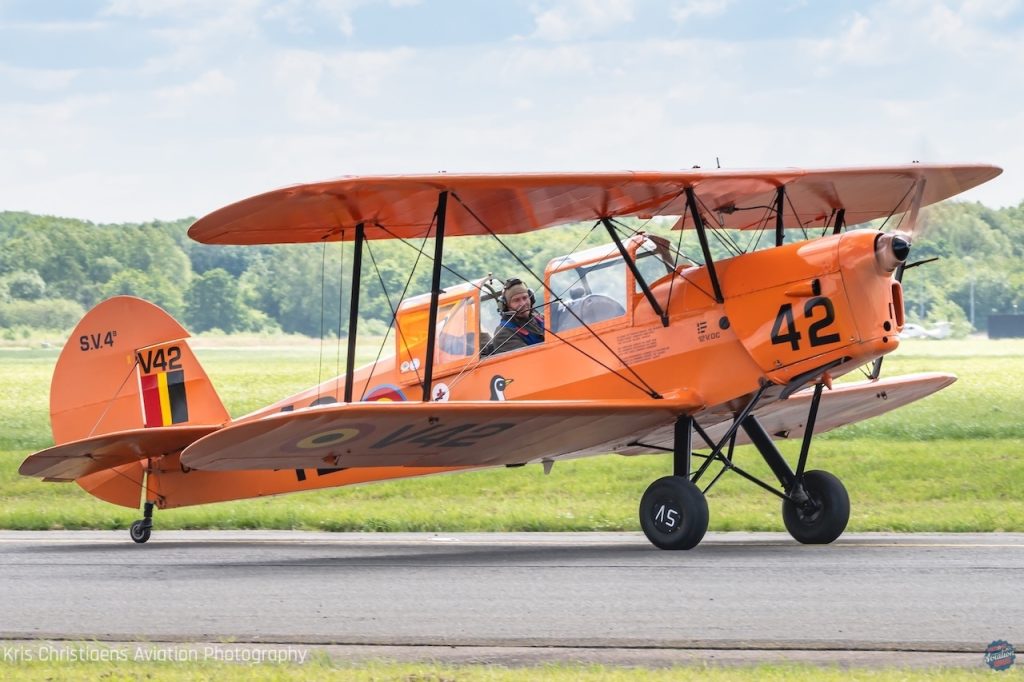
The man who shaped it into that aircraft was Boris Demidoff, who had been brought in to refine the design after an early prototype accident. He did his job well. By the time the Germans crossed the border on May 10, 1940, only 35 examples had been built. Jean Stampe evacuated what he could, and the factory he left behind was converted into a Messerschmitt repair facility. When the occupiers finally retreated in 1944, they made sure to destroy most of what remained. But the design had already escaped. Production rights had been sold to France in 1939, and after the war SNCAN built 701 SV-4Cs for the French Air Force, with another 150 assembled in Algeria. Back in Antwerp, Stampe & Renard produced 65 SV-4Bs for the Belgian Air Force between 1948 and 1955. The Belgian military operated its last example until 1978 — forty-five years after that first flight at Deurne.
(Image credit: Kris Christiaens)
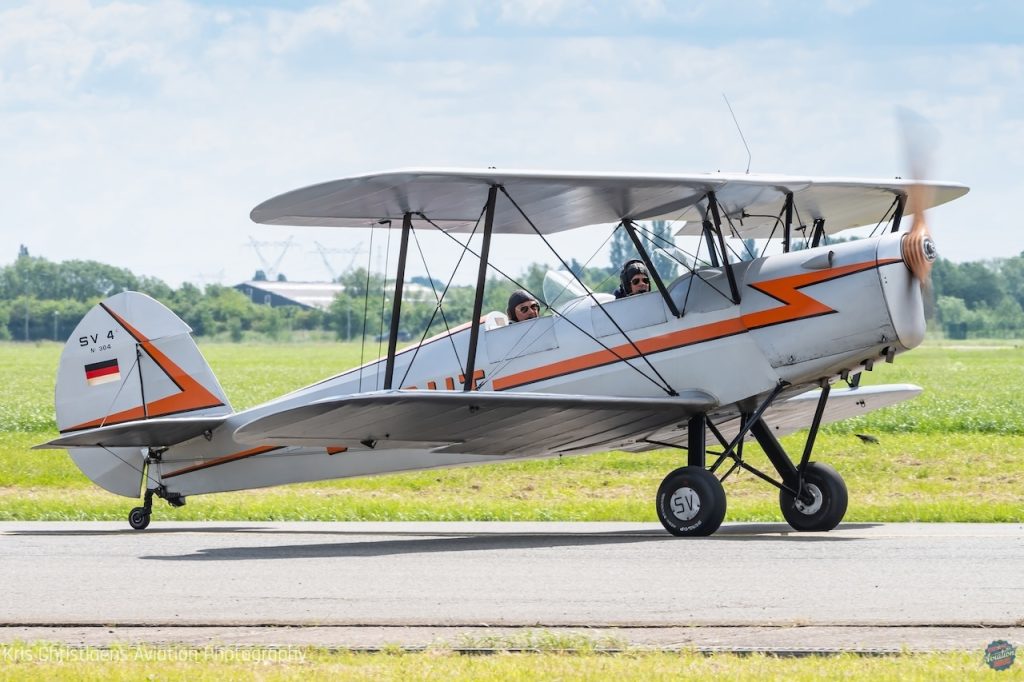
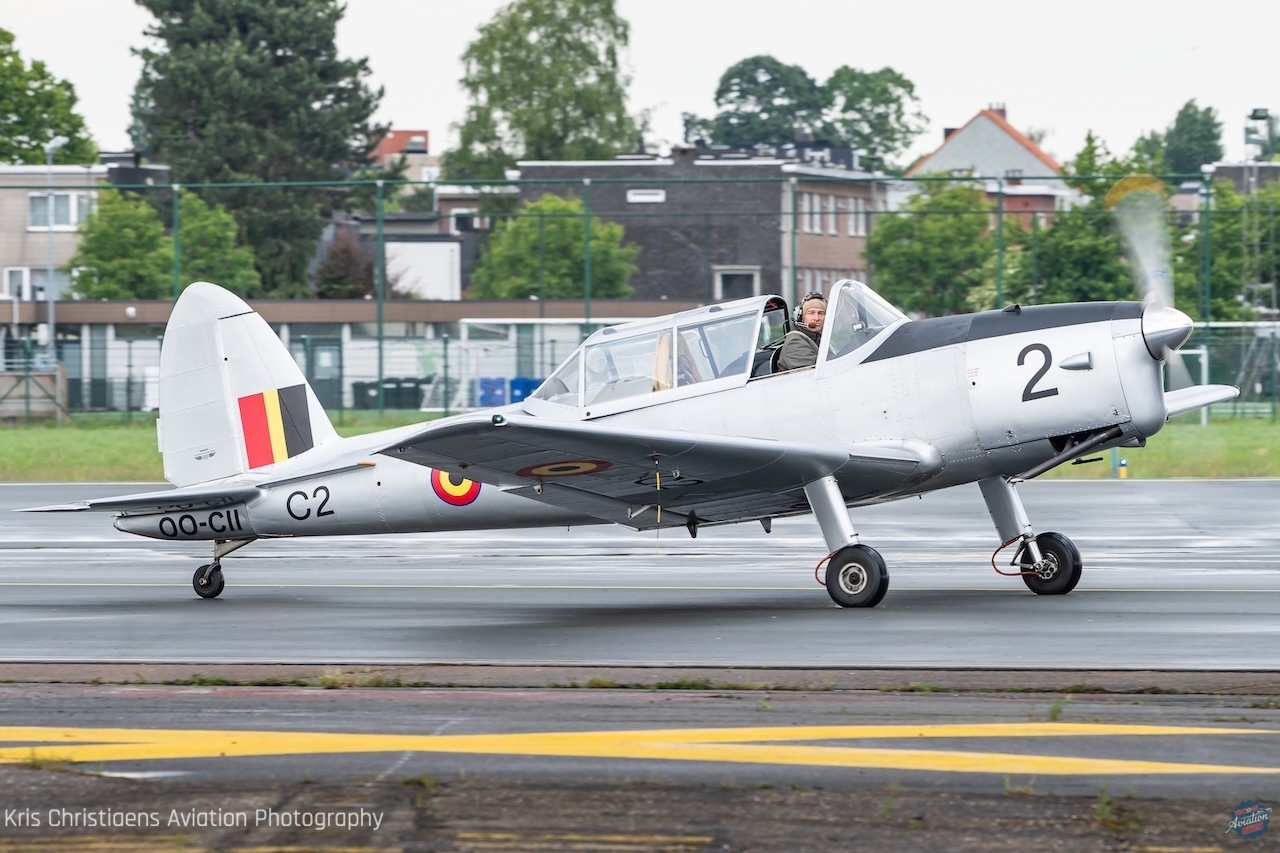
Survivors are now spread across Europe, and many remain airworthy. The type has even enjoyed its Hollywood moments, appearing in Indiana Jones and the Last Crusade and High Road to China. In Belgium, however, the SV-4 is more than just a historic aircraft — it is a point of national pride. Formation flights have always been one of the defining moments of the Stampe & Vertongen Fly-In, and this year was no exception. Several SV-4 biplanes took to the skies together, joined by formations of Piper Cubs and Chipmunks, some of the latter having traveled from the Netherlands specifically for the occasion. It is a tradition upon which the event has built much of its reputation.
(Image credit: Kris Christiaens)
In previous years, the organizers managed to put dozens of SV-4s into the air simultaneously on Sunday, sweeping over Antwerp Airport and the city itself in a moving tribute to the men who designed them and to the long history of aviation associated with this particular airfield. Few sights in Belgian aviation can match it. Among everything on display at this year’s event, the flight of the Fokker D.VII replica drew some of the most appreciative reactions from the crowd — and once its story is known, it is easy to understand why.
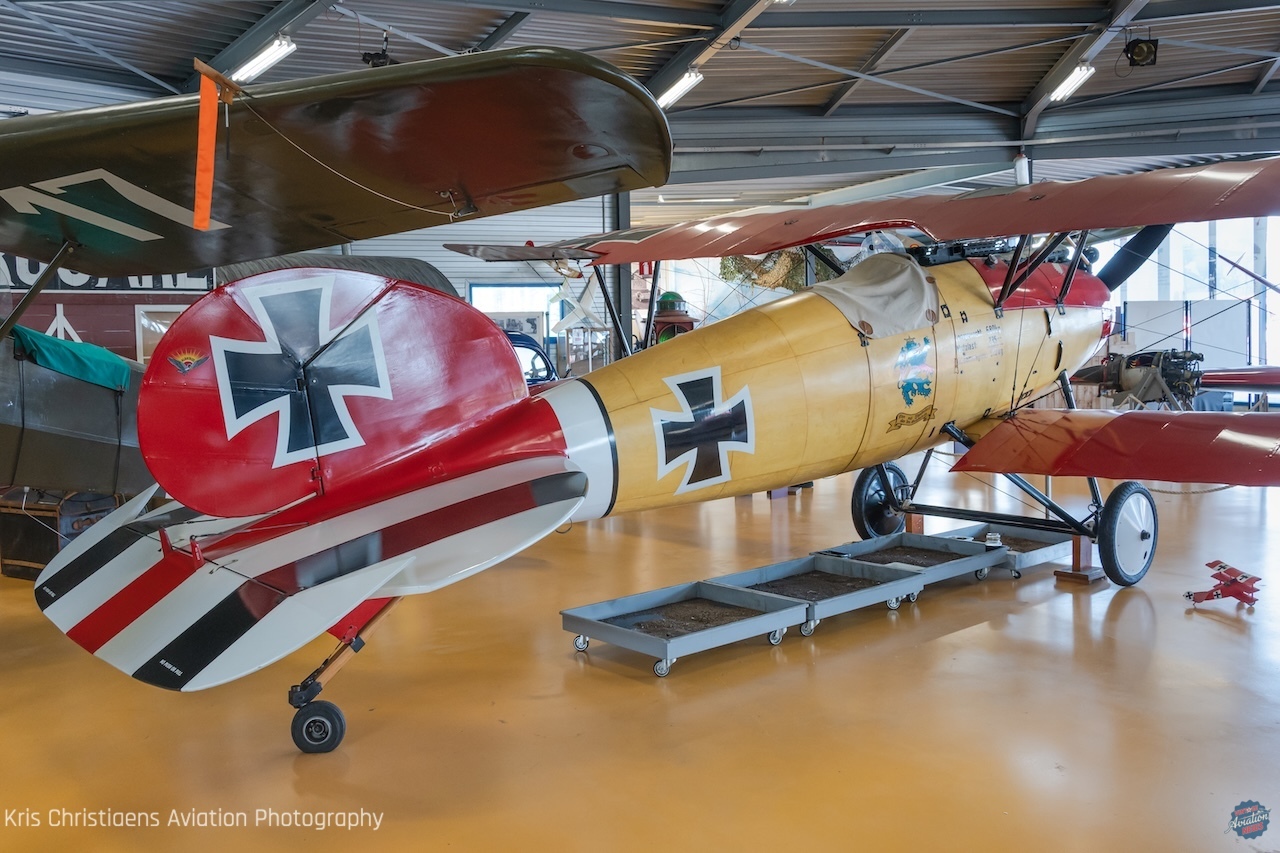
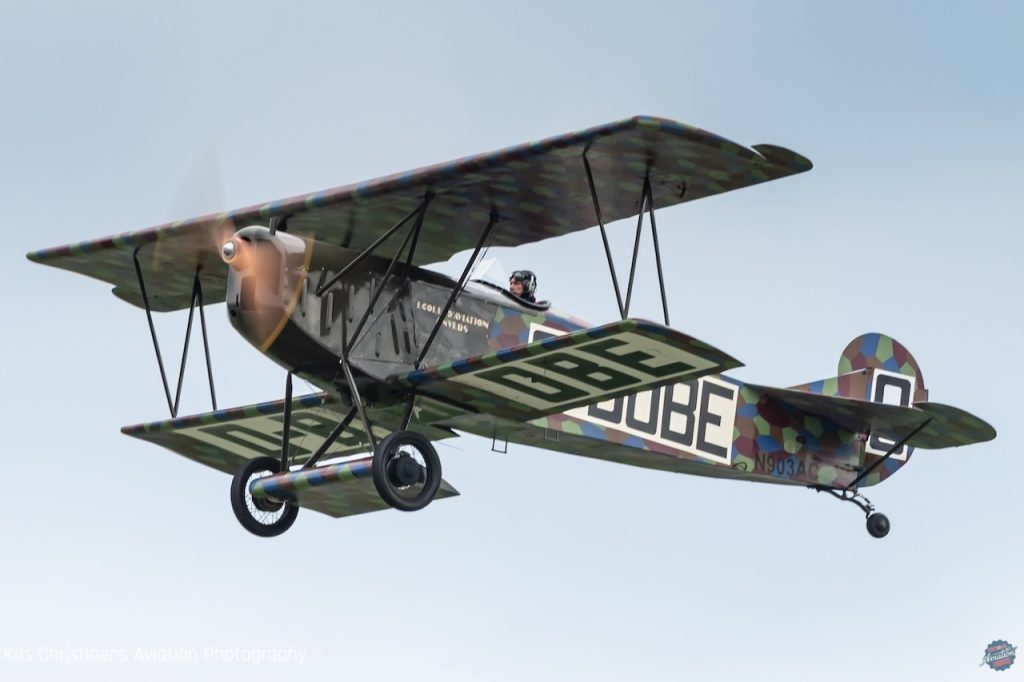
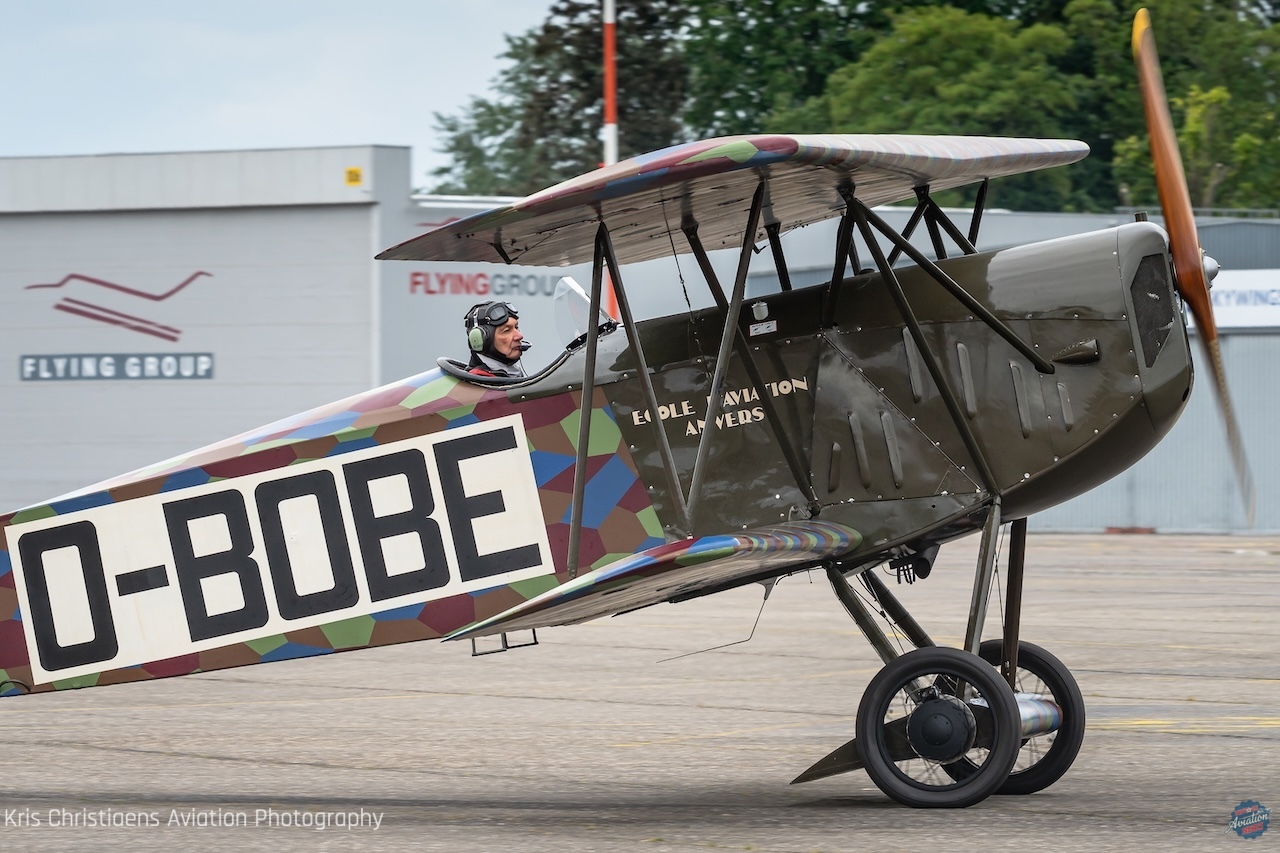
The aircraft now housed at the Stampe & Vertongen Museum was built in 1965 by Rousseau Aviation in the French town of Dinard, one of three replicas constructed for the WWI epic film The Blue Max. When filming concluded, it was ferried to Ireland, registered as EI-APT, and shortly afterward suffered a landing accident that permanently grounded it. It later crossed the Atlantic and spent years quietly sitting in the Ryder’s Replica Fighter Museum in Alabama under the registration N903AC, largely forgotten while the world moved on around it. Around 2000, it finally returned to Europe, passed into Belgian ownership, and underwent a complete restoration. It was repainted in a Belgian color scheme and given the markings O-BOBE — the identity of a Fokker D.VII that once belonged to the Ecole d’Aviation Anvers, Antwerp’s own flying school. That registration carries more significance than might first appear. The very first aircraft ever entered into the Belgian civil aviation register was a Fokker D.VII recorded as O-BOBE. Stampe and Vertongen themselves had purchased two of these ex-WWI fighters for their Antwerp flying school in the early 1920s, making the connection between this aircraft and the museum’s own founding story about as direct as possible. The aircraft retained the patch-pattern camouflage worn by German Fokkers during the war, giving it an appearance that sits somewhere between its cinematic origins and its reclaimed Belgian identity. For years it remained a static exhibit — admired and photographed, but firmly grounded. Plans to return it to flying condition came and went without much progress. Then, on March 8, 2022, the engine ran under its own power for the first time during ground tests. On September 6, 2025, Aaron Cabooter climbed into the cockpit and lifted the aircraft into the skies above Antwerp for its official maiden flight, powered by a 205 hp de Havilland Gipsy Queen six-cylinder inline engine. Seeing it fly at this year’s event, more than a century after the original type first appeared over the Western Front, was something genuinely special.
(Image credit: Kris Christiaens)
The SV-4s and the Fokker replica may have been the sentimental favorites, but the event offered plenty more for anyone with a passion for vintage aircraft and warbirds. In the air, spectators enjoyed demonstration flights by a Fouga Magister — the sleek jet trainer that served the Belgian Air Force for decades — alongside T-6 Texans, a Supermarine Spitfire, and a Curtiss P-40 Warhawk.
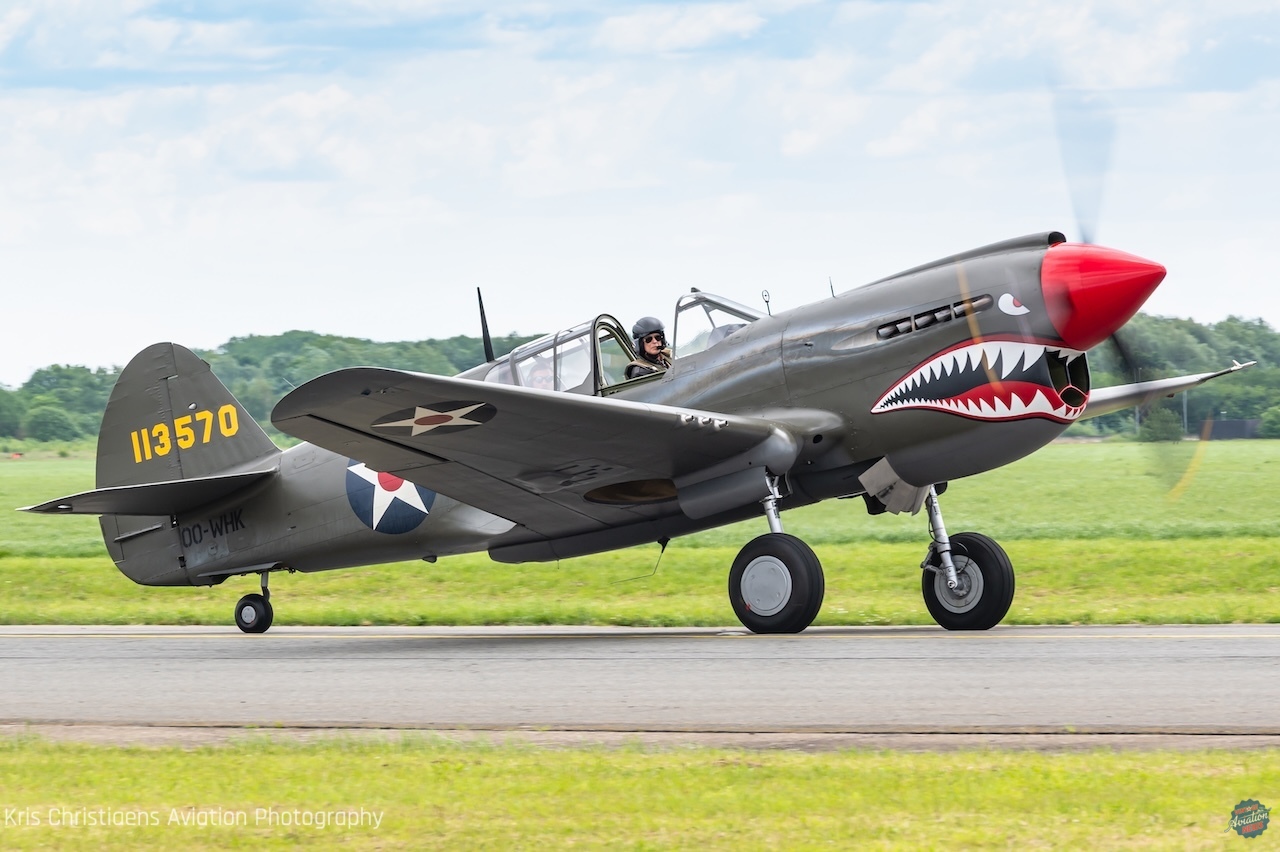
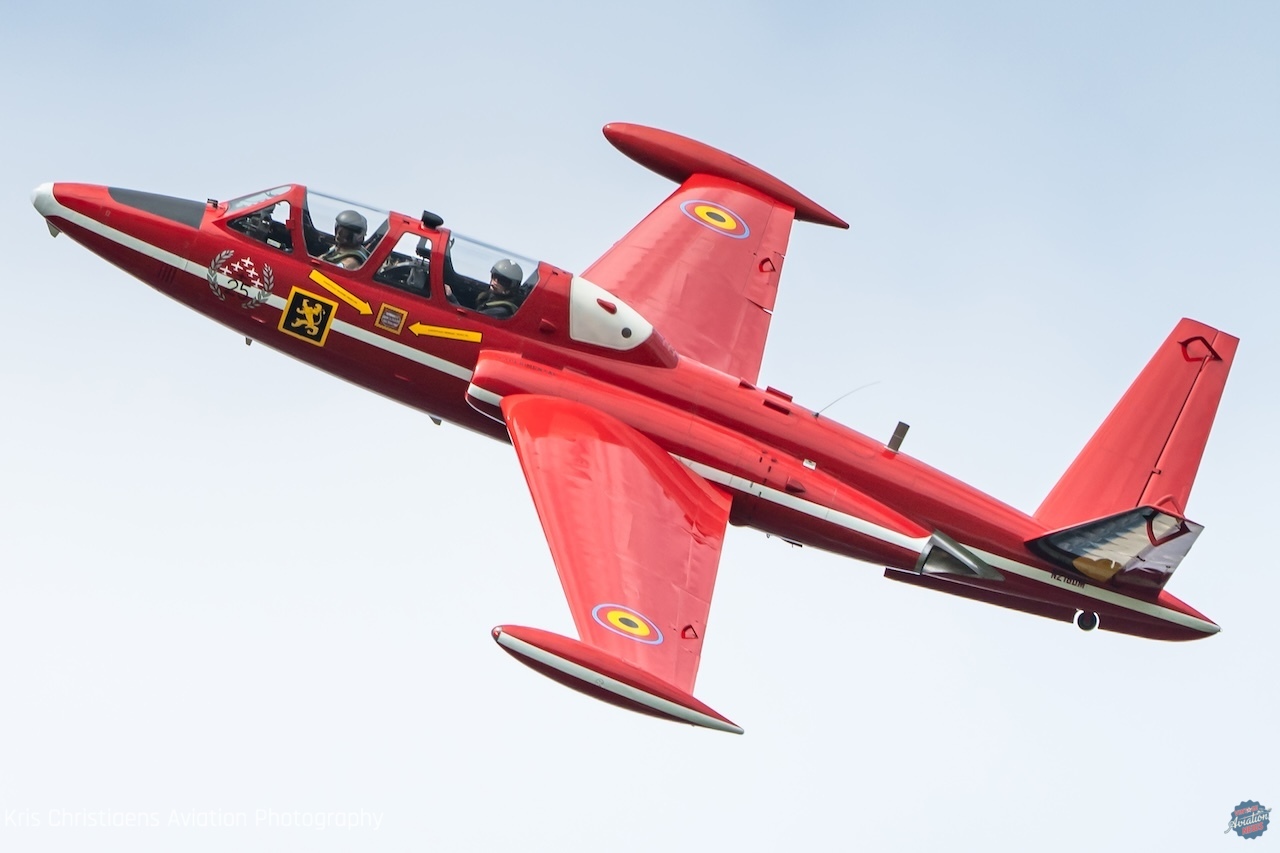
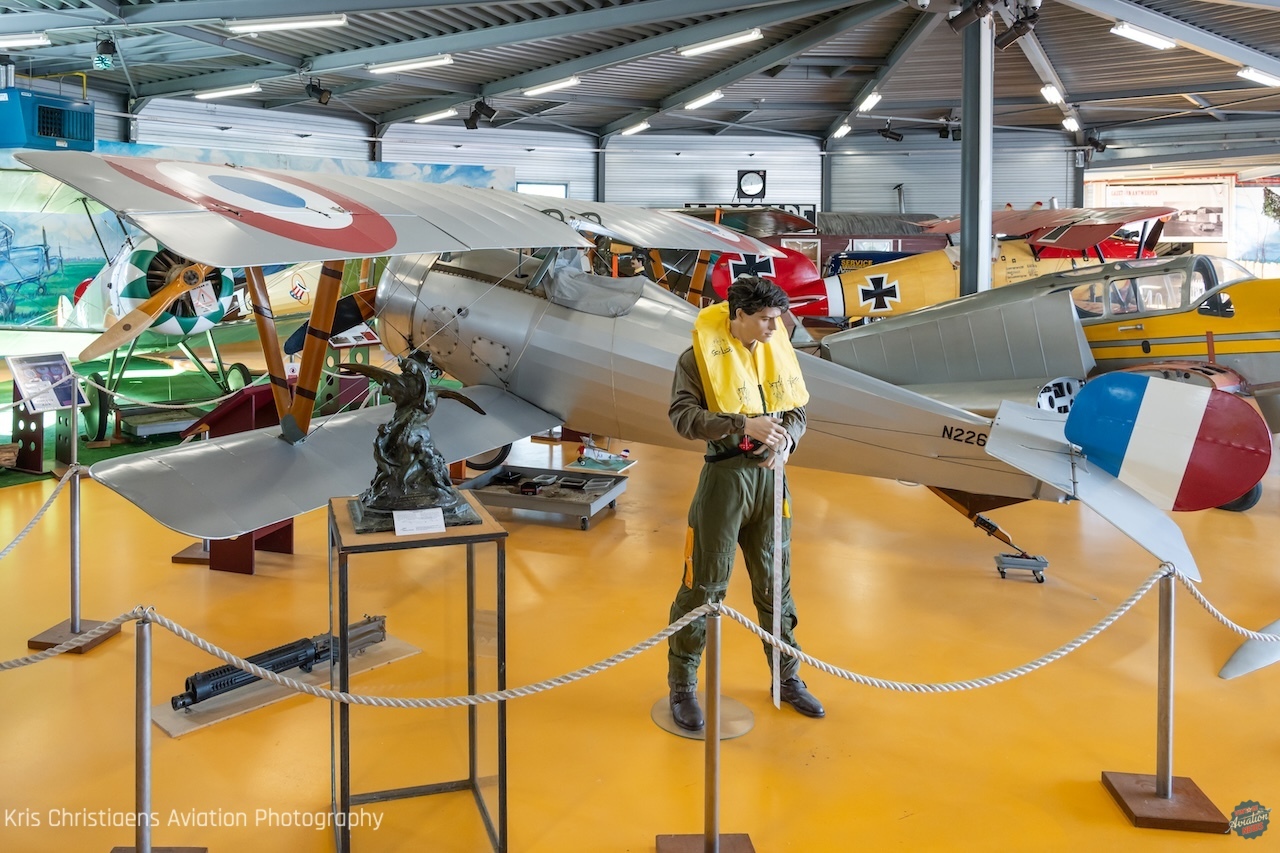
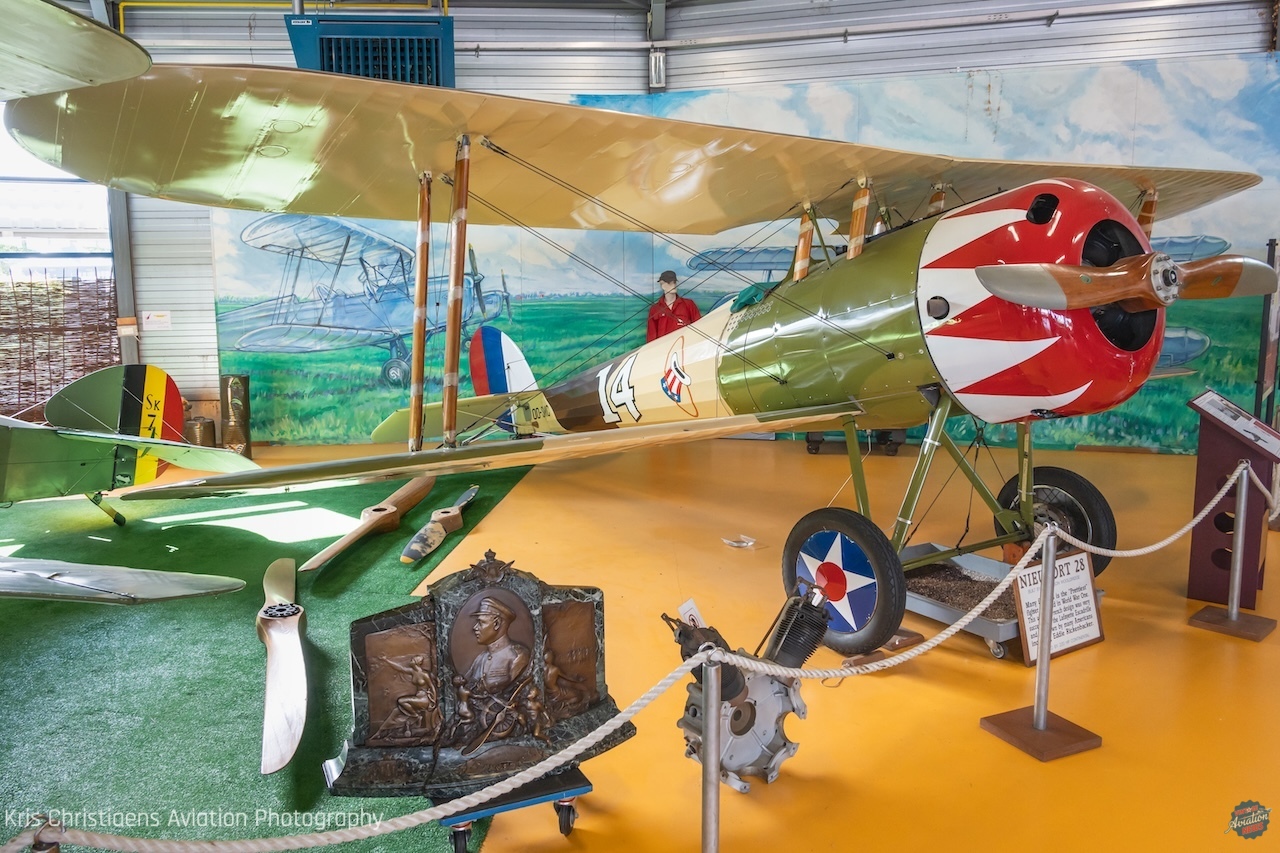
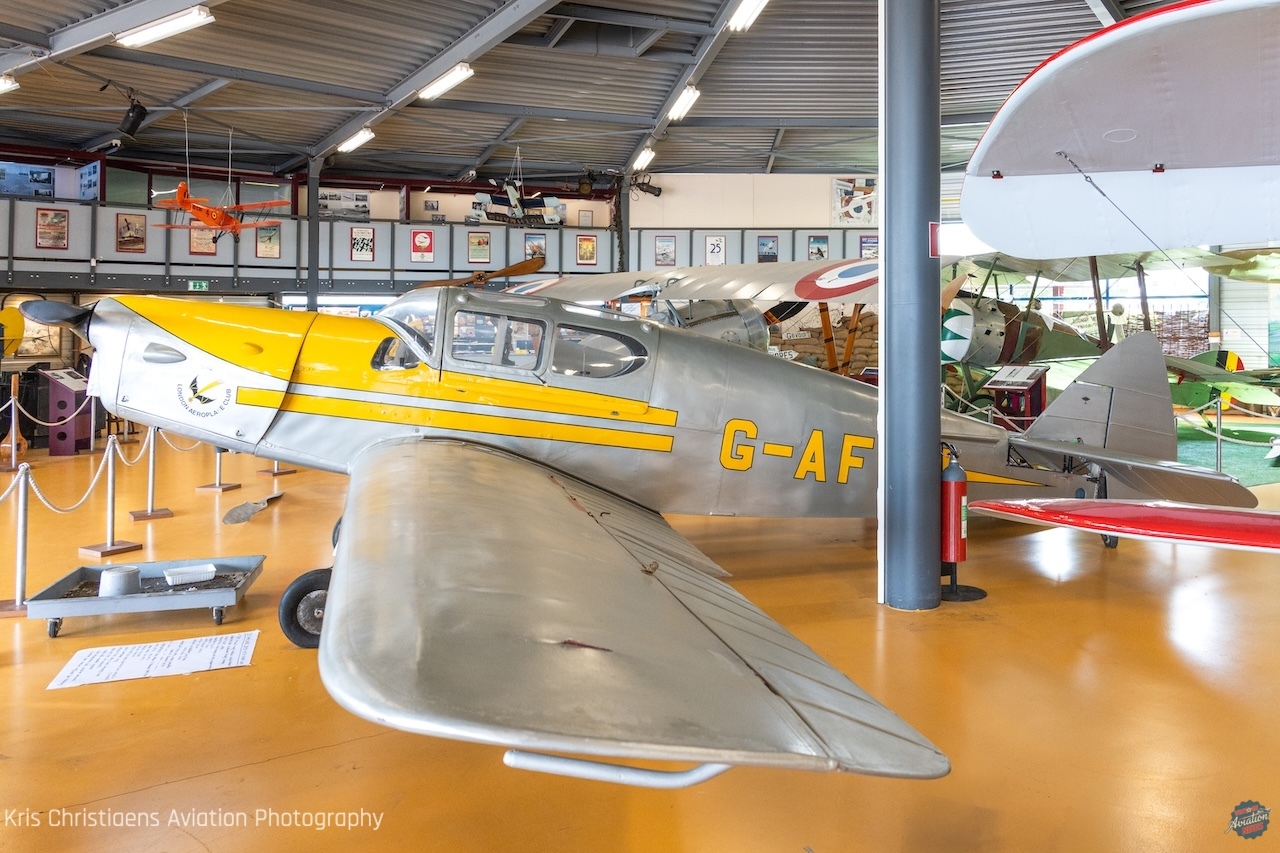
On the ground, the static display proved equally rewarding, featuring a Boeing-Stearman PT-13D Kaydet, a de Havilland Tiger Moth, a Pilatus PC-7, and a Hawker Fury among the highlights. The Belgian Air Force also maintained a presence, displaying an imposing Airbus A400M military transport and an SIAI-Marchetti SF.260 trainer — the latter soon to be replaced in service by the Pilatus PC-7 MKX. And then there was the museum itself. Tucked away on the airfield, the Stampe & Vertongen Museum is small but genuinely fascinating, and during the fly-in its doors are opened to anyone wishing to step inside. The collection includes a de Havilland Moth Minor, an Albatros D.V, and a Sopwith F.1 Camel — aircraft that together span some of the most turbulent and transformative decades in aviation history. It is the sort of place where one can easily lose an hour without even noticing, for more information, visit www.stampe.be/en-gb/bezoekers-info
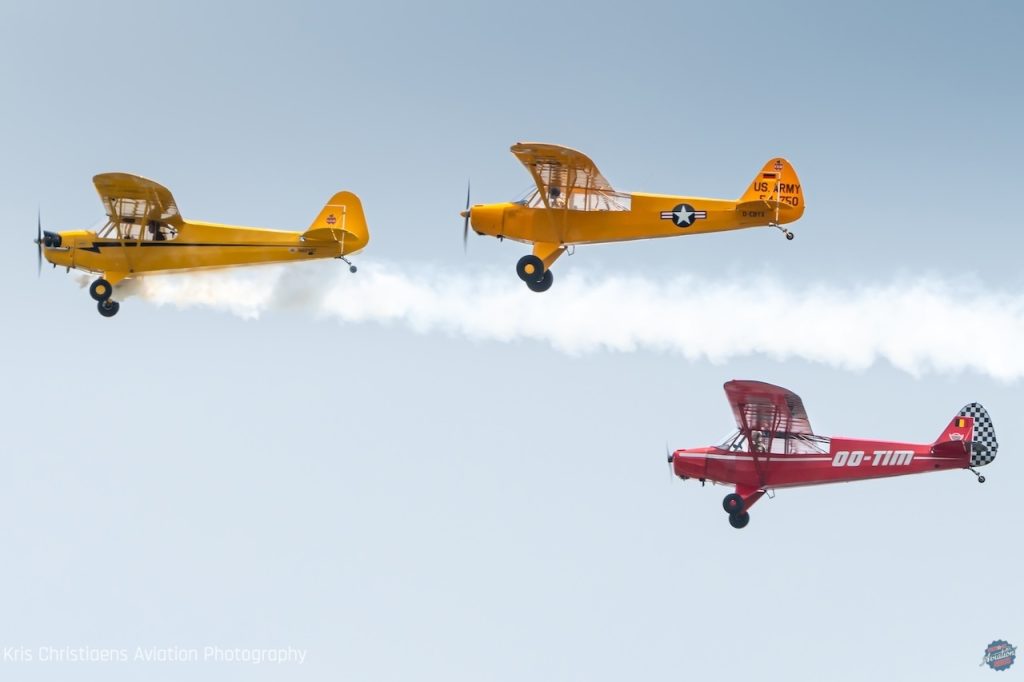
(Image credit: Kris Christiaens)








Antwerp has to remain the cradle of the SV4 biplane
where a legend was born and still 200 worldwide of the 1200 ever built are proudly flying or under restoration.
Danny Cabooter
President-founder
Stampe & Vertongen Museum