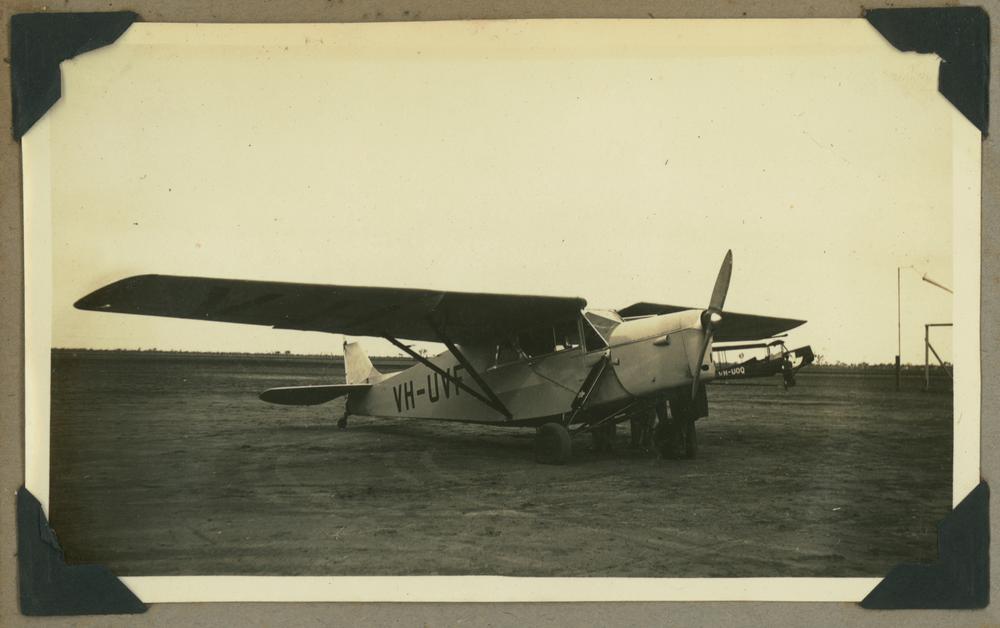
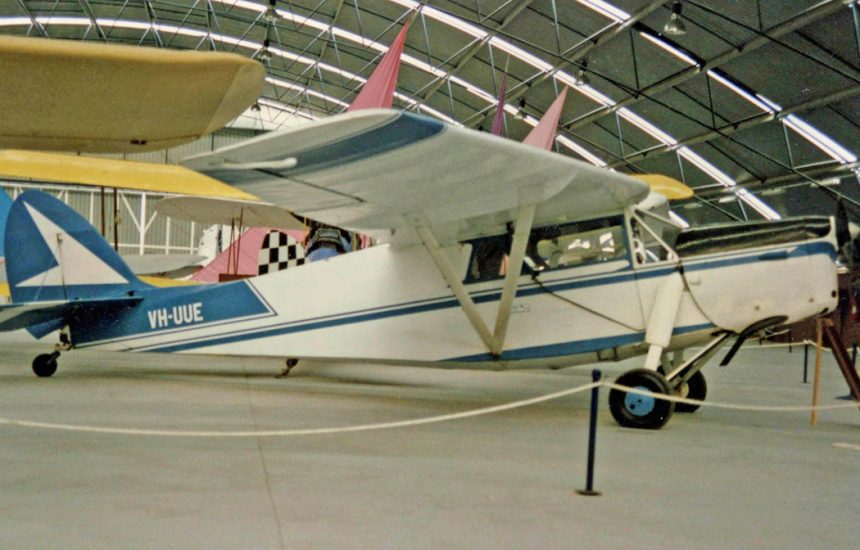

On this day in aviation history, 93 years ago (May 27, 1933), the first flight of the de Havilland DH.85 Leopard Moth took place. A successor to the DH.80 Puss Moth, the DH.85 was a high-wing aircraft with seating for three, primarily designed for private use. The Leopard Moth was similar in design to the DH.80, with the exception being the fuselage’s construction. Rather than steel-tubing, an all-plywood structure was utilized to save weight. This weight reduction improved overall performance on the airframe, including better range and capacity.
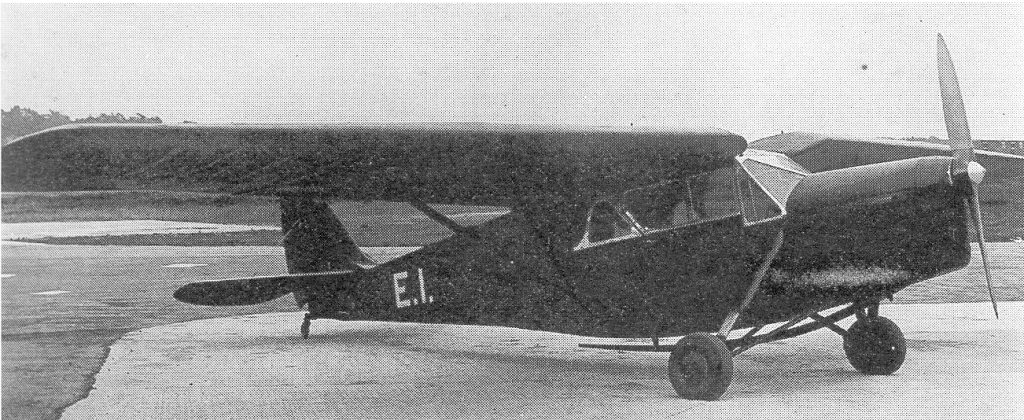
The cockpit of the DH.85 is situated in such a way that the pilot sits upfront, in the center of the fuselage, and the passengers share the back, seated side-by-side. de Havilland designed the Leopard Moth with foldable wings, allowing for ease of hangaring in tight quarters. In July of 1933, the DH.85 demonstrated its Leopard-like qualities by winning the King’s Cup Race. Pilot Geoffrey de Havilland flew the DH.85 at an average speed of 139.5 mph during the course of the race. Noted for being the first Australian woman commercial air operator, Nancy Bird Walton took delivery of one of the first Leopard Moths to roll off the assembly line. The aircraft was also exported to countries in Europe, India, and South Africa.
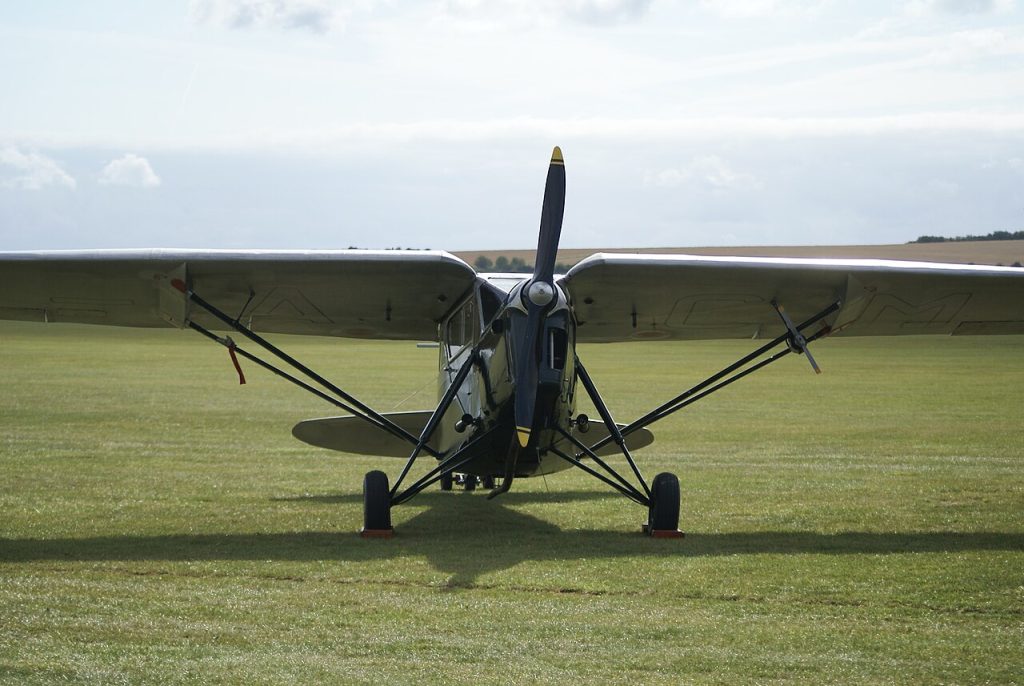
During WWII, 44 DH.85s were pressed into military service with British forces serving in Australia. These Leopard Moths were primarily used as communications aircraft. A 130-hp de Havilland Gipsy Major 4-cylinder inverted in-line engine powered the DH.85, which had a cruise speed of 119 mph. The Leopard Moth had a range of 621 nmi, a service ceiling of 21.500 ft, and a climb rate of 550 fpm. By the time de Havilland ceased production of the DH.85, 133 aircraft had been manufactured. As of 2009, six remained operational within the United Kingdom. Many airframes did not survive the wear and tear of WWII, so having a handful still operational today is nothing short of a miracle.